Loading summary
Transcript30 lines
- [00:02]
A
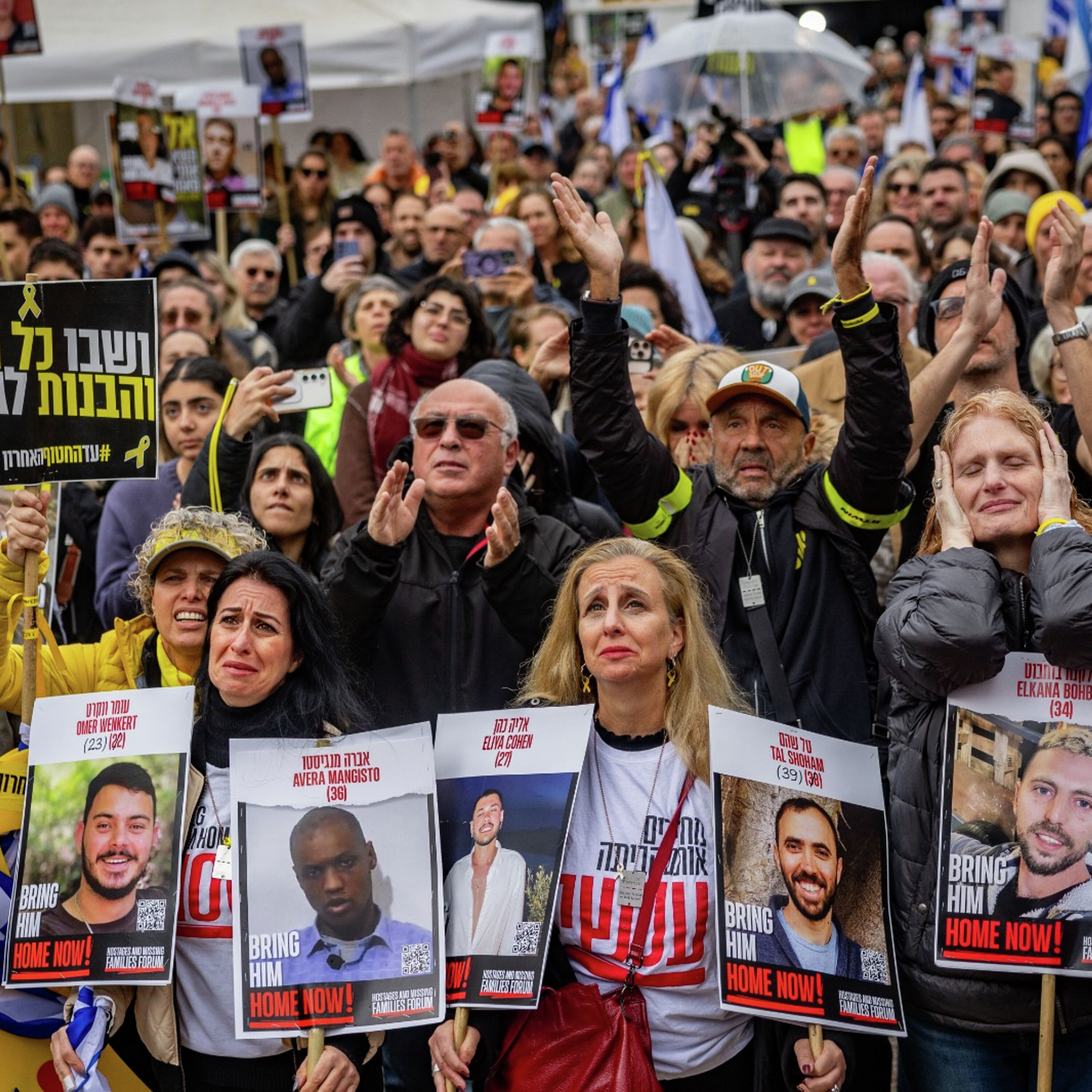
ללישראל, הראל ללישראל הראל גאה להיות תותנת תחסות הראשית של נפחות ישראל בחדור סהל היום יום בראשון, עשרים ושלושה בפברואר, ואנחנו אחד ביום, מבית, אין שתם עשרים אני אלה ציפחיופ ואנחנו כאן כדי להבין תור יותר מה קורס מבנו, סיפור אחד ביום, בכל יום אני כל בוקר, כל בוקר, אני עומדת מול המראה אצלו בחדר, אני הרי לובשת את החולצה של אומר ואני כל בוקר מסתכלת עליו במראה אצלו בחדר, ואני אומרת לו אומר, דמיין את החזרה, שאומרים לך, אתה יאללה, בואו, אתה חוזר הביתה בחודש יוני, דיברנו כאן עם שלי ומלכי שם טוב, ההורים של אומר, הם דמיינו אז ממש לפרטי פרטים, איך יראה הרגע שאומר יחזור והלב שלך מתחיל להתפוק ואתה מתרגש ואתה סלב ועדו מגיע ולוקח אותך ואתה מגיע לקבול והקצין שלנו שכבר הפך להיות משפחה, לחבק אותך ואומר לך, אומר, אתה בבית ואנחנו מחכים לך בבית חולים ועדלת נפתחת ואנחנו רצים אליך במחבקים אותך ואנחנו בוכים ובשמחים מאושר כל כך גדול וכאילו, תודה אני שולחת לו את זה, אבל אני גם ניסה את זה לתוכי כמה חלמתי, אתם מן לכם אנחנו גם נחנו יש אנלוגיה ששמענו לא מעט בהיממות האחרונות, יום הזיכרון ויום העצמאות הימים האחרונים פשוט תרגישו ככה, עצב שמעול בסמך, צחוק שמעול בבכי היה לנו ימים כאלה קשוכים אתמול ושל שום, שבכל שיכולנו לנין שום, הייתה לי תקווה הדרגה האחרון שכן אצליח שאולי איך זיקו אותם כעס, כקלף האחרון, והתקווה הזאת התרסקה לחלוטין אז היום קצת יותר קשה משבתות אחרות, יותר קשה והתמול, בוקר שבת, בחיקר החטופים, אבירת העצב עדיין אורגשה מאוד הכיקר התחילה להתמלא לאט, השמיים, הפורים, כל כך הרבה שמך ידעו כאן, חגיגו כאן בשבועות האחרונים אבל אתמול בבוקר, חיקר החטופים, הרגישה כמו, חיקר זיכרון כרגע יורד אלינו פוגשם, התחילים להגיע יותר ויותר אנשים נקיקר, באמת ראו צהובות זה אבירה קשה, יש פה תחושה מאוד מבלבלת, כזאת של עצב מאוד גדול יש קפינת זיכרון לביבסים ולאודד, לבשיט, אנשים מגיעים, מבדיקים לראות אני דרת לתינוקות שלא עשו כלום, מלא אימא, מלאיש מבוגר, אני מפוריאה אלית אני שכנה של אורון שאול זכרונו לברכה, ושוט אין ודאות, עד שאתה לא רואה את זה באמת, עד שזה לא נסגר גם הפסימים מבינינו, גם אלו שלא אמינו שבסיפור של משפחת ביבס של שירי, של כפיר ושל אריאל יסוף טוב גם הם לא איזו לדמיין, כי איך, איך אפשר בכלל לדמיין את מה שהתברר לנו כשחזרו הגופות של תינוק ושל ילד קטן שנכתפו בחיים בניגוד לשקרים של חמאס, הם לא נארגו בתקיפה העבירית, כפיר התינוק ועריאל בין הערבה נרצחו בדם קר המכבלים לא רצחו אותם בירי, הם רצחו אותם בידיים, לאחר מכן הם ביצעו מעשים נוראים על מנת לנסות ולטשטש את מעשה הזווהה אתם יודעים, אני שומע את המילים האלה של דובר צהל, שוב, את התיאור הזה אי אפשר להכיל, אי אפשר להכיל את ההלם, את העצב, את הזעם ואחרי שהמילים האלה נאמרו, הגילוי שהגופה הנוספת שעובעה איתם היא לא של שירי, לא של אימא שלהם זה היה פשוט נורא גם מה אחר כך, בשעת לילה מאוחרת שירי חזרה, ובאופן ספונטני בהתראה קצרה, בקור, יצאו עשרות אזרחים ישראלים לעמוד בצידי הדרך הכל כדי ששירי לא תהיה ילבד ובחיקר החטופים, גם בבוקר שאחרי, עוד לפני שבאו לסמוח מהשכרור המתוכנן אנשים הגיעו לשם עבורה, לזכרה, לזכרם של כפיר, של אריאל, של עודד ליפשיץ לזכרם של כל אלו שלא חזרו, או שלא יחזרו מאז הבחיים זה היה לי קשה לי, לא בוא לפועד עכשיו, ממש קשה קשה לראות את הקו הזה, מהדיפה לראות אותו כאילו לבד, אבל היום הרגשתי שזהו שאי אפשר יותר אם אנשים יוצאים באמצע הלילה, לחבד, אז אימא אנחנו שלא נהיה פה חובה, רק כאן להיות כי זה תקל ביחד, ולא בסלב מתחת לשמחה יום הזיכרון אני מרגיש כי יום חמשי היה לנו עצוב מאוד כמו ביום הזיכרון והיום אנחנו ממראים ועולים עם הסמחות שלנו כי הסמחה הגדולה מי עצב של יום חמשי לעבור לסמחה של היום שלדים של חברים שלי חוזרים, סמחה דירה ועידך אני מצפה לבן שלי בקיליון עיניים תראי, כל העם פה, אין דבר גדול מזה, זה תקלי אז בואי נסמח כולנו, וגם אתם בבית, תשמחו כי יום סמחה להישראל את הקולות האלה, גם את זה ששמחתם עכשיו של דני, אבא של אומרים עיראן, שעדיין מוחזת באזה את הקולות האלה הקלטנו בחיקר החטופים במשך כל היום אתמול מאז תחילת המלחמה, אבל במיוחד עכשיו בשבועות האחרונים הקיקר הפכה למרכז, למוקד, כזה שאפשר פשוט למצוא בו את כולם אפשר למצוא משפחות חטופים, משפחות חטופים משוחרים אתמול הגיעו לקיקר גם חטופים שבעצמם שוחררו אפשר למצוא שם יחידים, קבוצות, נשים, גברים, מבוגרים, צעירים אפשר למצוא שם ישראלים, אבל לא רק ישראלים אני אמצע דל אני חולה של קנדה, טרונטו -קנדה אני הולכה בי -מאנג, ואני תחילתי לך בשבוע של ה -33 עכשיו, כשאני כאן, זה הרבה מובילה שאתה יכולה להסתכל כי שאתה עם מוחזות חטופים זה קודם לגמרי אנחנו עושים על זה, אנחנו עושים על זה עכשיו לשם עד כמה עד כך עד כך.
- [07:59]
אז היינו מאוד עוד כאן. הוא קל להגיד לך מיום, למרות שלך. הוא גם ככה, אנחנו מבחינים את זה, וזה חיים, וזה מיוחד, כי חיים בן פעם. מתורונטו, מצרפת, ראינו בקיקר אמריקאים, המונים, והם הצטרפו למהות רבות של ישראלים שבכרו גם ביום שבת הזה, להגיע למרכז תל אביב, לא כדי להצפות במסך באנשים שהם לא מכירים ולא פקשו מעולם משוחרים מהשבי, הרי את זה כל אחד כאן היה יכול לעשות בבית, אבל הם הגיעו לקיקר כדי להיות ביחד, כי הם הרגישו שרגעים כאלה, רגעים של עצב שהוא בלתי נסבל, רגעים של שמחה שהיא בלתי נשלטת, הרגעים האלה לא יכולים להיות רגעים פרטיים, הם רגעים לאומיים. אתמול, בדיוק כמו במעבר הזה, שבין יום הזיכרון ליום העצמאות, אז גם היה מן רגע כזה.
- [09:01]
רגע שבו נכנס גם מאמץ של חגיגיות, רגע שבו קיבלנו משב של תקווה, של אופטימיות, השמיים השתנו, וגם הסאונד השתנה.
- [09:26]
כמו ברדיו, כשמתחלפים השירים העצובים בשירים שמחים, אז גם אתמול, פס הכל, כאילו פתאום מתחלף.
- [09:42]
ההקהל עמד יחד, בכיכר שבשלב הזה כבר הייתה די מלאה, ומבעד למסך הופיעו שתי דמויות. מי זה? מי זה?
- [10:02]
מי זה?
- [10:05]
זו של טל שוהם ושל עבר המנגיסטו. העבירה פה עכשיו שונה, הייתי אומרת כמעט במאה ה -80 מעלות ומה שהיה פה בבוקר. לא יודעת, אנשים צוחקים, אנשים מחייכים, אפילו השמש יצאה. כאילו ממש כל המתח שהיה פה כל הבוקר כזה נעלם ברגע. שמחה מאוד גדולה, אנשים הולכים ומחייכים.
- [10:33]
אני גדלתי במדינה אחרת, אני קודם חושבתים, איך זה יכול להיות שנותן או להיות להם? להיות שם כמעט שנה וחצי, חבש פות וחבש יום? ואיך זה יכול להיות שיש כאלה שלא בטוח שנחזיר?
- [10:58]
רגש וקואב.
- [11:04]
לעשות את הסוויטש הזה ורק לשמוח איתם עם המשפחה שלהם לכמה שעוד.
- [11:13]
במשך יותר מאסור, הכיקר הזו לא הייתה הכיקר החתופים, אבל באזע היו חתופים. שני חיילים שנפלו בקרב, אורון שאול ועדר גולדין. קופתו של אורון שאול הוחזרה של עדר גולדין עדיין מוחזקת באזע. ובכל הזמן זה היו גם שבועים, חיים, ישראלים, אישה מסייד והעבר המנגיסטו, שנייהם. בינואר אלפיים ושרים ושלוש אנחנו יקדשנו כאן פרק לסיפור של עבר המנגיסטו.
- [11:42]
סיפרנו איך למרות שאבר את הגבול האזע מיוזמתו, המדינה, הצבא, קשלו בלשמור עליו, קשלו בלפעול כדי שהעברה לא יגיע לידיים ההחזריות של חמאס. והתמול, עם החזרה שלו, באופן טבעי, הייתה המון שמחה. אבל היו גם שאלות קשות. אז אני ירוס, בקשרים ושלוש, מרחובות, וזה, תגיד. רדה, רדה בין 25 מגדר.
- [12:08]
למה בנו? וואלה, אני איכם משמרת לילה, אקפצתי אותו. אמרתי, אני חייבת לראות את זה פה. ואנחנו כאן, וואלה, מטי זה אלפיים וחמאסר, אלפיים ושסר, שבאמת זה היה ממש בטודה. קצתנו בקהילה, אז הייתי הולכת ה -3 כזה הזדעות, היינו הולכים עם חולצות כל יום שלישי.
- [12:30]
וזאת החולצה, זה עם הכיתוב עברה עדיין חייב, זה מותפס משתי הצדדים, המקדימה יש תמונה שלו. קצת כואב לי, שבחברה היא אוסקפטי. לגבי עם חייב, ולגב, זה שצר כשרר אותו. כאילו, לא רק שהרבה מהחברה אמינו שהוא לא צריך להשתחר, זה שאילו אמינו שהוא בחיים, ועכשיו הוא יוצא חי, זה תורף. אם השביל העשרי לא היה קורה, לא היו מסתכלים עליו.
- [13:03]
זה מה שמעצמם, העובדה שהקטינו את זה לקטע של הקהילה, והוא לא היה לת של כולנו, לא כמו כאילו. זה מה שמעצמם. אפשר להתבקח עם זה, אבל בסופו של דבר במבחן המציאות, הוא כמעט 11 שנה שם, והת שלא, לצערי, נכתפו עוד הרבה מאוד אנשים בצבע הנכון, הוא לא יכול להשתחרר. ואחורים את הפנים של מדינת ישראל כל יום מחדש, והפנים האלו לא חדשות לי. והוא עולם חדשות להרבה מאוד אנשים.
- [13:33]
ואני מקווה שהעיניים עכשיו יהיו קצת יותר צדולות לראות את הדברים האלו. אני צריך להגיד שגם התגובות על החזרה של עביר המנגיץ זאת אומרת, מאוד מאוד קשות. הרבה מאוד אנשים חשבו שכאילו, שזה נכון להעיר את הטעם הערות של לפני עשור, של זו השמתו, ושצריך לשחריך התופעים אחרים. אני לא יודעת מי שם מישהו למדוד חיים אחרים מול חיים של אנשים אחרים. אבל זה קורה.
- [14:02]
וחשוב שאני זכור להיות בצד הנכון של ההיסטוריה, כי במבחן המציאות אני מקווה שהרבה מיתנו רואים שבמשך עשרה היינו בצד הלא נכון. אבל זה יום טוב. יום טוב. הקלה אחת קטנה.
- [14:21]
כן, גם בהקשר הזה, לבייחד יש כוח. המאבק על עברה, על אישם, הם התנהלו בנפרד, כמו זה של משפחות גולדין ושאול, הם התנהלו בידי מעטים. ועכשיו, הבייחד הגדול, שיצר את גיקר החטופים המלאה, הבייחד הזה מביא אותם הביתה, אותם ואת אלו שנכתפו ומוכזקים בעזה, מאז שבעה באוקטרובים.
- [15:03]
השמחה העצומה הייתה נוכחת בקיקר גם מעט אחר כך, כשמהשבי שאוכרו אליה כהן, אומר ונקרט ואומר שם טוב. אחרי 500 וחמישה ימים, בקיקר חגגו גם את יום העצמאות של שלושתה. ואנחנו לא יכולנו שלא להיזכר בשיחה שהרחנו עם שלי ומעל קישם טוב בחודש יוני. שיחה שבהשראתה, אגב, חיברו אורי נאמן ויונתן בר גיור השיר, שביצאו מירי מסיקה וטרור קרן.
- [15:42]
האור הוא דולק לך בחדר. שמתי מתבקה. לא מסודר פה. בוא הביתה, תסדר דקר. אני לא אוהב לקרוא לזה עבודה.
- [15:54]
אני קורא משימה. אנחנו במשימת חיינו. אני לא אוהב עבודה עבודה. אבל אני אגיד, אני אגיד משימת חיינו לך רגע. כולנו, גם דנה ועמית, החימה גדולים יותר של אומר, כולנו באותה משימה, וזה כמו כוח.
- [16:15]
כמו כוח קומנדו כזה. אנחנו כוח. כוח משפחתי, שכל אחד בתוך המשימה הזאת, ואיך שאני אוהבת להגיד, כתף לכתף, אז אנחנו כתף לכתף.
- [16:32]
אז אתמול, השיר הזה, על אומר שהם טוב על האורים, על המשפחה כולה, השיר קיבל עוד בית, הוא קיבל סיום. משימת חיינו היום. נושא למה. נותנתנו, מריד יגיע לכאן, ואנחנו נחבקו טוב, ואנחנו לא נעשו אותו, וניקחו טוב לבד חולי, כאן החולי היהי טוב. וואו, וואו, אני אין לי טרח להסביר את, את התמוכרים של...
- [17:06]
הוא כמו השיר הזה. סיום טוב קיבלו גם השירים שנכתבו, ועוד יקתבו על אליה כהן, על טל שוהם, על אומר ונקרט, על עבר המנגיסטו, ועל אישה מסיית.
- [17:32]
הוא להבדיל, גם השירי הצוב של משפחת ביבס, קיבל סיום, סיום טרגי. ואתמול, בכיכר, שמענו גם שירים שעדיין נכתבים, מוזיקה, שעדיין אין לה סיום.
- [17:48]
הקרק של השירי יעדים, כי אין לה סיולות בלפסים שני, פה, בכל השתות, כולי מהריעי. אפשר היה לשמוע את מול מחיקר החתופים, מבקרים שישבו, ונגנו בפסנטר שהוא צב על ידי המשפחה של הלון אוהל. כל החתופים שהורזקו יחד איתו באזה למעשה, שאוכרו, הוא נשאר שם עכשיו לבד, 63 חתופים, עדיין מרחזקים באזה, חיים ומתים. וגם השיר של אבייתר דוד ושל גאי גלבוע דלל, גם השיר הזה עוד מחכה לסוף טוב, חמאס, המנובלים, האחזריים, הביאו אותם אתמול, לצפות בתקס השחרור של שלושת החתופים כדי לצלם סרטון, סרטון שבאישור המשפחות של אבייתר ושל גאי פורסם אמש בישראל.
- [18:54]
ובבקשה, תציל אותנו, ובבקשה, תציל אותנו הביתה, ובבקשה, אני רק רוצה לעשות הביתה, אני מתכנן, אני מתכנן. ביום חמישי הקרוב, לשוחרו ארבע גופות, ואז למעשה, הסתיים מה שנקרא השלב אלף בהסקה, ובאמת הזה יש הבדל ענק בין יום הזיכרון ויום העצמאות, למה שחווינו בה, יממות האחרונות. כי אחרי יום הזיכרון ויום העצמאות, אנחנו יודעים, מגיע רק באומר, מגיע חג שבועות, אבל מה יגיע עכשיו? יש תחושה של חוסר ודעות מוחלט לגבי העתיד. וגם בתחושה הזו נתקלנו אתמול, בכיקר, כשפגשנו את יהודה כהן, אבא של נמרות.
- [19:39]
נלחמנו על השלב הראשון כדי להגיע לשלב השני. תמיד שעלו אותי, מדעתך, להסכה בפעימות, שהבן שחלו בשלב הראשון, אני אמרתי, קודם כל, כל חטוף חי של חוזר, זה שמחה. מעבר לזה, לסיים משהו צריך להתחיל. ומעבר לזה, הבן שלי בסוף הראשימה, בשביל להגיע לבן שלי מאוד, שהוא בין האחרונים בחיים, גם צעיר, גם חייל, תריך לשחרר את האנשים לפני, את האנשים, ציימנו את הילדים, ציימנו ממזמן, כמובן את המבוגרים, מה שנקרא הומניטרי, מה שישראל בכל אופן ידעה, היא לא ידעה הכל, כדי להגיע לבן שלי. ואנחנו נגיע לזה.
- [20:26]
אנחנו עכשיו מוקדים במלחמה לשלב השני, אנחנו עדיין במלחמה.
- [20:37]
וזה היה אחד ביום, שלן 12. אנחנו מחכים לכם בגבוצה שלנו בפייסבוק, חבסו אחד ביום, הפוטקסט היומי. ההורך שלנו, רום עטיק, תחקיר והפקעה, דניאל שחר, רעילה פאז, שיר הערל ועדיך עצרוני, על הסאונד, יאיר בשען, שגם יצאר את מוזיקת הפתיחה שלנו, אני אלעצים חיוף, אנחנו נהיה כאן גם אחר.