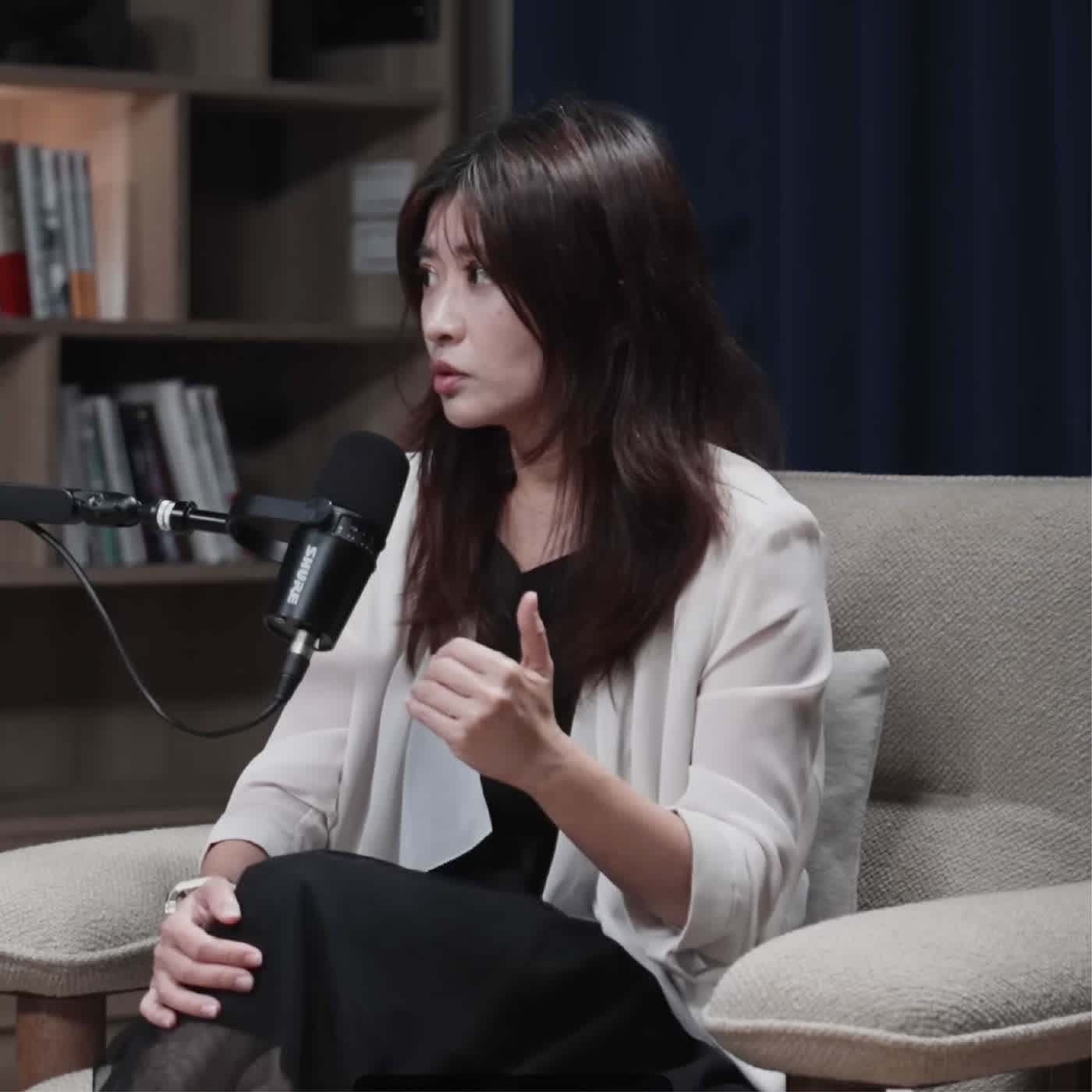
Podcast Summary: 思維槓桿 S6E16
Episode Title: 如果不「有用」,我還值得被愛嗎?《高功能倖存者》
Hosts: 米克 x 麥可
Guest: 周慕姿(心理諮商師,《高功能倖存者》作者)
Air Date: 2026-07-06
Episode Overview
In this insightful episode, hosts 米克 and 麥可 sit down with psychologist and author 周慕姿 to explore the theme: “If I’m not ‘useful,’ am I still worthy of love?” The discussion draws from 周慕姿’s recent book 《高功能倖存者》, unpacking the emotional challenges faced by “high-functioning survivors”—those who appear capable on the outside but silently endure inner struggles. Together, they address the roots of perfectionism, the hunger for external validation, and how to rediscover self-worth beyond utility.
Key Discussion Points & Insights
1. Defining “High-Functioning Survivors” (03:20)
- 周慕姿 explains the concept:
“所謂的高功能倖存者,就是那些看起來什麼都能做,別人眼中的優秀人士,但其實內心充滿壓力,常常懷疑自己是不是夠好。”
(Translation: "High-functioning survivors are those who seem capable of everything—successful in the eyes of others—but inside, they're under immense pressure and often question if they're good enough.")
2. The Trap of “Usefulness” and Self-Worth (09:10)
- Root cause: Many people grow up equating their value with how “useful” or productive they are to others.
- 米克反思:
“我覺得我們都被『有用』這件事綁架了,好像沒辦法停下來,只要一沒產出就會焦慮。” (09:44)
- 周慕姿 links this pattern to early family dynamics and broader societal expectations.
3. Perfectionism and the Invisible Burden (16:20)
- The guest shares that high achievers are often praised for solving problems and meeting needs but rarely for simply “being themselves.”
- Notable quote from 周慕姿:
“其實我們應該練習,只是存在也值得被愛。” (16:48)
- Discussion on how perfectionism becomes a defense mechanism for acceptance.
4. When Achievement Becomes Armor (21:05)
- 麥可 asks whether such “usefulness” leads to genuine connection or more loneliness.
- 周慕姿 responds:
“當你太習慣扮演『有用的人』,其實很難讓別人看到你的脆弱。” (22:03)
- They discuss the risks of emotional isolation and burnout.
5. Rediscovering Unconditional Worth (30:17)
- 周慕姿 shares practical advice:
- Notice when you’re seeking approval through being helpful.
- Practice accepting love without conditions.
- 米克: “有沒有可能,其實我們什麼都不做,還是有人會愛我們?” (31:22)
- 周慕姿: “真的可以!只是這需要學習,也是一種勇氣。” (31:40)
6. Strategies for “High-Functioning Survivors” (36:15)
- Tips for self-care:
- Pause and check in with your own needs.
- Set healthy boundaries to avoid overextending.
- Seek professional support when feeling overwhelmed.
- 周慕姿:
“允許自己有脆弱的時刻,才有機會被真正看見。” (37:06)
Notable Quotes & Memorable Moments
- “我們都被『有用』這件事綁架了,好像沒辦法停下來,只要一沒產出就會焦慮。”
— 米克, 09:44
- “其實我們應該練習,只是存在也值得被愛。”
— 周慕姿, 16:48
- “當你太習慣扮演『有用的人』,其實很難讓別人看到你的脆弱。”
— 周慕姿, 22:03
- “有沒有可能,其實我們什麼都不做,還是有人會愛我們?”
— 米克, 31:22
- “允許自己有脆弱的時刻,才有機會被真正看見。”
— 周慕姿, 37:06
Selected Timestamps for Key Segments
- 03:20 – What is a “high-functioning survivor”?
- 09:10 – Discussing the link between utility and self-worth.
- 16:20 – The cost of perfectionism.
- 21:05 – Can being “useful” lead to loneliness?
- 30:17 – Practicing unconditional self-acceptance.
- 36:15 – Actionable self-care strategies.
Tone & Final Thoughts
Throughout the episode, the tone balances empathy with gentle humor—even as the discussion delves into serious emotional territory. The conversation encourages listeners to rethink the narratives they've internalized about “usefulness,” inviting them to embrace vulnerability, seek help when needed, and trust that they are worthy of love, with or without outward achievement.
For more insights or to follow the hosts, check out 思維槓桿 IG:lyt_podcast