← 10 Minute Drive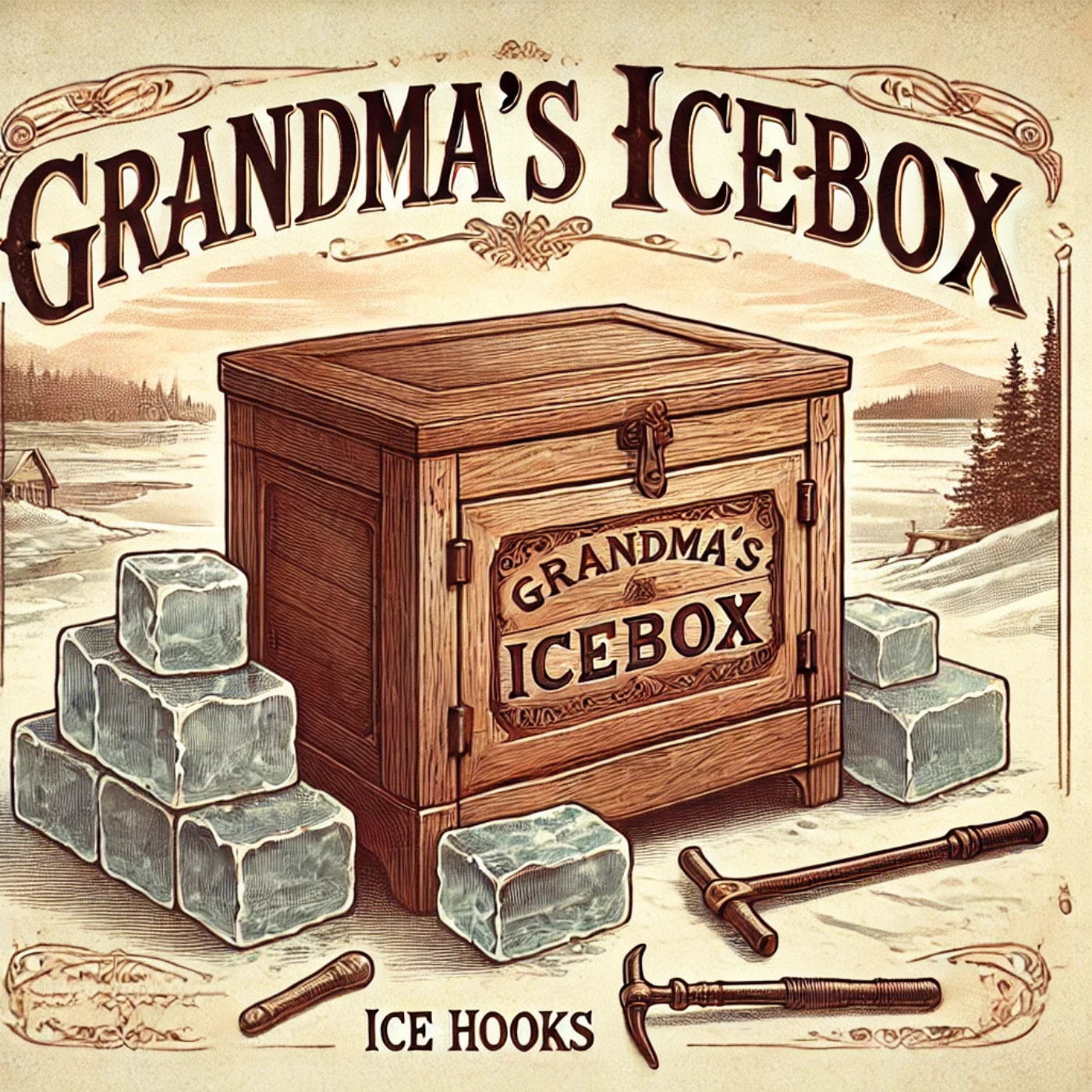
Loading summary
Transcript7 lines
- [00:04]
A
Hey there, kids and parents. Welcome Back to the 10 minute drive, a podcast where we explore the fascinating little things in the world around us, all in 10 minutes or less. Today, we're unlocking the chilly secret of something that's right in our kitchen. It's that big humming box that keeps your food cold. Your refrigerator. But growing up, I never heard my grandma call it a fridge. She always called it the ice box. It turns out she wasn't just being old fashioned. There's a whole story behind how we went from cutting blocks of ice to shiny refrigerators we use today. So get ready, because this frosty tale is full of surprises.
- [00:42]
B
July, 1934. During the hottest days, I never had a moment's worry about my children's food. The peace of mind I have about my food, once it is placed in my frigid air, is beyond price.
- [00:57]
A
Have you ever wondered why we have to keep food and milk cold? And what happens if we don't? Let's start with a little experiment. Imagine you left a glass of milk out on the kitchen counter all day, and when you came back to drink it.
- [01:14]
B
Ew.
- [01:15]
A
It wouldn't taste very good, would it? And more than that, it. It could make you sick. That's because some foods, like milk, fruits, and vegetables go bad quickly if they aren't kept cold. Tiny little creatures called bacteria start growing on the food. And they don't just make it smell bad. They can also make it dangerous to eat. Keeping food cold slows down these bacteria, almost like hitting a pause button. It helps our milk stay fresh, our fruits stay crunchy. And that's why having a fridge or something like it is so important. But here's the thing. Hundreds of years ago, there were no fridges, no freezers, and no magic buttons to keep food fresh. So how did people keep things cold back then? Well, let's step back in time and imagine it was your job to cut giant blocks of ice to keep everyone's food fresh. Let's go back to the 1800s. It's winter, and you live in a small town in Massachusetts, a place where cutting ice is a big deal. You wake up early before the sun rises, and it's freezing outside. Your breath comes out in little clouds, and everything is covered in a layer of sparkling frost. You grab your tools, a big hand saw, an ice pick, and some heavy gloves to keep your fingers warm. Today, you're heading out to a frozen lake to cut giant blocks of ice. This ice will be sold to families and businesses all relying on it to keep their food Fresh in their ice boxes. When you get to the lake, the ice is thick, about a foot deep. First, you have to shovel off the snow to reach the smooth, glassy ice below. Then the hard work begins. You use your saw to cut the ice into perfect blocks, each one weighing as much as a large dog. It's tough work. Your arms ache. The cold wind bites at your face. But it's exciting, too. Each time a block cracks loose, it makes a loud as it floats in the water. Once the blocks are cut, you and your team hook them with long poles and drag them to the shore. From there, the ice is loaded onto wagons pulled by horses. These blocks will be stored in special buildings called ice houses, where they will stay frozen for months, ready to be delivered to families across the country. You're part of something amazing. People in hot places like Florida or Texas will use this very ice to keep their food and drinks cool, thanks to you and your hard work on the frozen lake. But cutting ice is only part of the story. How did we go from using blocks of ice in our icebox to the modern refrigerators we have today?
- [04:16]
B
So true, Mrs. Doughty. In your Frigidaire cold pantry, there's a place for all your food, fresh and frozen. It's further proof you get the best when you buy Frigidaire, built and backed by General Motors.
- [04:32]
A
So we've talked about ice boxes and the hard work of ice cutters. But what if there was a way to keep things cold without using ice at all? It might sound like magic, but it all started with science. A long time ago, some really smart people discovered something surprising. When certain liquids called refrigerants evaporate. They suck up heat, making the air around them cold. Kind of like how you feel chilly when the water dries on your skin after swimming. At first, only factories and big businesses could afford them. But in the 1920s and 1930s, people figured out how to make smaller, cheaper refrigerators that families could use at home. Ice boxes started disappearing, and refrigerators took their place. Suddenly, keeping food fresh was easier than ever. No more hauling heavy blocks of ice. No more melting messes. Just a quiet machine humming away in the corner of your kitchen. And what about today? Well, your fridge is a whole lot fancier and a whole lot cooler than anything your great great grandparents ever had. So next time you grab a snack, take a second to thank science for keeping it fresh and frosty. It's funny to think about how much has changed. Ice cutters work so hard in the freezing cold, hauling heavy blocks of ice just to keep food from spoiling. It was tough, exhausting work, and they had no idea that one day their jobs would disappear entirely. And as for now, nobody has to cut ice from frozen lakes to keep your milk cold and your veggies fresh. Instead, we just open the fridge, grab what we need, close the door without a second thought. It's like having an invisible helper in the kitchen, quietly working all day, making our lives easier. So the next time you hear that soft hum of your refrigerator, think about the incredible journey it took to get here. From icy lakes and blocks of ice to shiny machines. And maybe just for a moment, be glad you're not out there with a saw cutting blocks of ice in the middle of winter. Thank you so much for listening to this week's episode of 10 Minute Drive. If you appreciated this episode, share it with your friends, share it with your teachers, and don't forget to hit the follow button on wherever you listen to your podcast so you get updates on our next episodes.