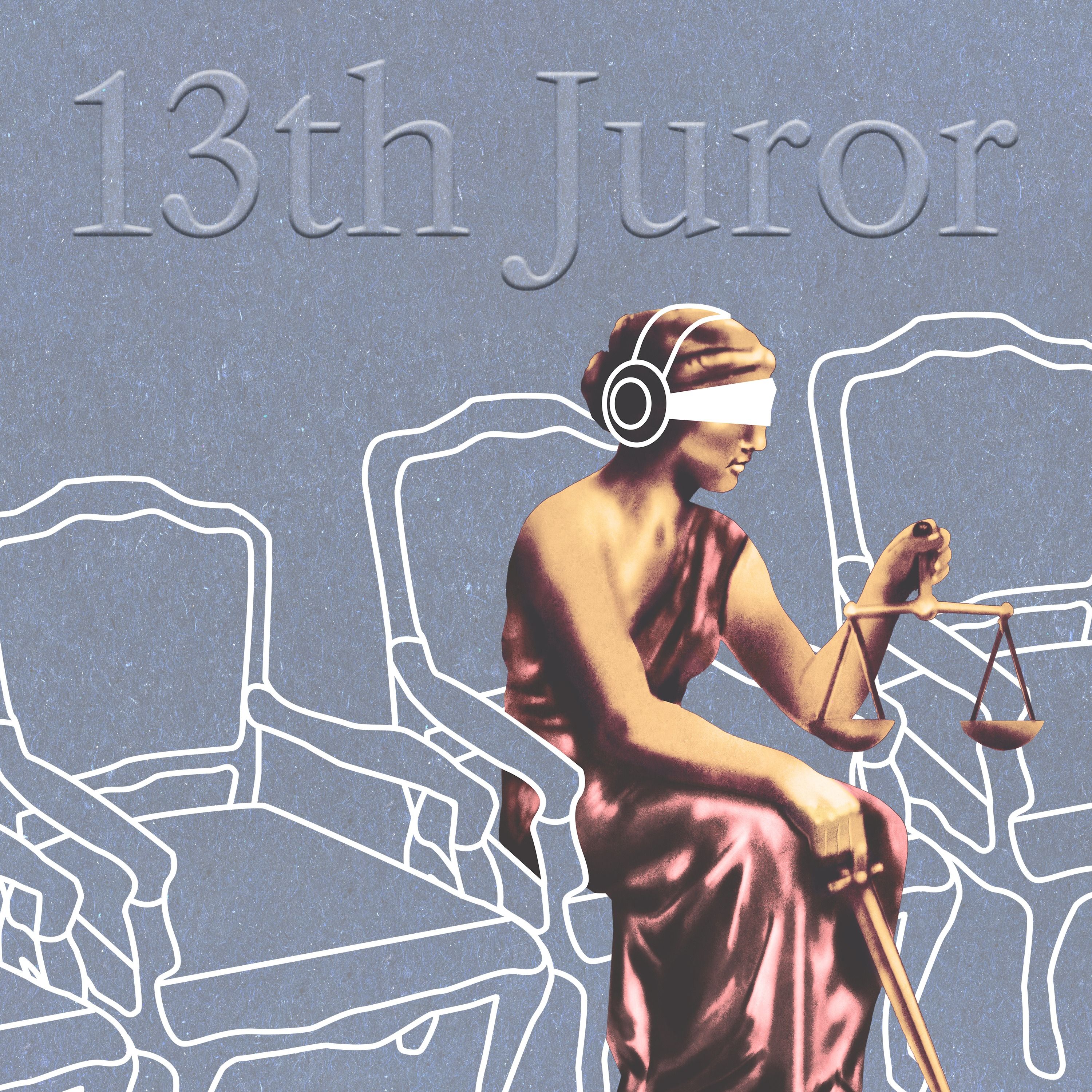
13th Juror Podcast
Episode: INTRODUCING: 13th Juror
Host: Brandi Churchwell
Date: January 8, 2026
Episode Overview
This introductory episode sets the stage for the 13th Juror podcast, hosted by Brandi Churchwell. The show invites listeners to step into the jury box, dissecting real court cases beyond just the crime—digging into prosecution and defense strategies, pivotal testimony, and sometimes, the evidence the actual jury never saw. The focus is on empowering listeners to weigh conflicting arguments and form their own verdicts, highlighting that truth in the courtroom can be complicated and often debated long after the gavel falls.
Key Discussion Points & Insights
The Core Premise
-
Judicial Experience for Listeners: The podcast positions listeners as the "13th juror," someone who receives all the evidence and argumentation, then must decide guilt or innocence.
- “Did the jury get it right?...We break down real court cases and put you in the juror seat.” (Brandi Churchwell, 00:11)
-
Beyond the Crime—Into the Trial: Focus is on both aspects of the courtroom: the strategies deployed by both sides and the weight of the evidence, not just the crime itself.
- “Two sides, the same evidence. You decide what to believe.” (Brandi Churchwell, 00:20)
Approach to Each Case
-
Comparative Analysis: Brandi highlights how each week’s episode will center on a different case, whether famous or unheard of, breaking down each side’s main arguments and strategies.
- “Whether it’s a trial that made national headlines or a case you’ve never heard of, I’ll be here to break down the arguments...one episode at a time.” (Brandi Churchwell, 00:37)
-
Attention to Detail: Emphasizes how critical minor details can be in shaping opinions and outcomes.
- “Even one detail could completely change the way you see the story." (Brandi Churchwell, 00:47)
-
Acknowledgment of Unanswered Questions: Recognizes that a verdict may not end the debate about truth and justice.
- “When the gavel falls, the jury’s decision may be final, but the debate is far from over.” (Brandi Churchwell, 00:54)
Invitation to Listeners
- Active Participation: Brandi directly calls on fans to approach each case thoughtfully, simulating the responsibilities of real jurors.
- “All right, juror entering the courtroom now. It’s your turn to weigh the facts, question the evidence, and decide for yourself.” (Brandi Churchwell, 01:01)
Notable Quotes & Memorable Moments
-
“There’s only one truth. It can’t all be right.” (Speaker B, 00:02)
Sets up the central tension of courtroom drama—conflicting stories and the pursuit of truth.
-
“May you have the strength and the common sense to see this evidence for what it is.” (Brandi Churchwell, 00:50)
A call for reason, fairness, and discernment, echoing the values expected of jurors.
-
“When the gavel falls, the jury’s decision may be final, but the debate is far from over.” (Brandi Churchwell, 00:54)
Underscores the continuing public conversation about justice, even after a trial concludes.
Key Segments & Timestamps
- Opening Reflection on Truth & Judgement
- [00:01–00:11] — Introduction of the courtroom setting and the high stakes for juries.
- Podcast Purpose and Listener Role
- [00:11–00:37] — Brandi outlines the format, focus, and listener invitation.
- Emphasis on Detail & Debate
- [00:37–00:54] — Importance of testimony, details, and continued debate.
- Direct Call for Listener Participation
- [01:01–01:15] — Inviting listeners to the juror’s seat and framing their responsibility.
- Signature Close
- [01:19] — Brandi’s closing intro: “I’m Brandi Churchwell, and this is 13th Juror.”
Tone & Language
Brandi’s delivery is measured, thoughtful, and deeply engaging—reflective of a seasoned courtroom observer. The language encourages careful, unbiased consideration, mirroring the mindset of a real juror. The tone is both invitational and authoritative, striking a balance between storytelling and analysis.
Summary
The introductory episode of 13th Juror sets a compelling tone for a true crime podcast centered on courtroom drama, evidence assessment, and the perennial question: did the jury get it right? Listeners are called to move beyond passive consumption and actively engage in the legal process, making this more than just another crime podcast—it's an invitation to participate in the justice system, one episode at a time.