
Podcast
1A
Hosted by NPR · EN
Listening to the news can feel like a journey. But 1A guides you beyond the headlines – and cuts through the noise. Let's get to the heart of the story, together – on 1A.
Support public media by joining NPR+ at plus.npr.org. You’ll get perks for over 25 NPR podcasts, including sponsor-free listening for 1A.
Support public media by joining NPR+ at plus.npr.org. You’ll get perks for over 25 NPR podcasts, including sponsor-free listening for 1A.
138episodes
Episodes
Newest firstAll episodes

Policy: The Trump Administration Wants To Make Big Changes To Head Start
Yesterday00:44:04Tap to summarizeWhen Head Start was founded, the idea was simple: give low-income kids a running start before kindergarten — not just with preschool classes and childcare, but with health screenings and support for their families.Some 60 years later, it serves more than 750,000 children — and their families — every year.But the Trump administration thinks the program is too costly and inefficient. Last week, it proposed the most significant changes to Head Start in decades. The proposed rules would eliminate many of the federal standards for how programs are run and hand those decisions to the states. They would also cap how much programs can spend on administrative costs.Officials say the changes would save money and open up new slots for hundreds of thousands of kids. Critics say stripping these standards is the first step towards dismantling the program entirely. What does the evidence say about whether Head Start works? And what happens if those federal standards go away?Find more of our programs online. Listen to 1A sponsor-free by signing up for 1A+ at plus.npr.org/the1a.See pcm.adswizz.com for information about our collection and use of personal data for sponsorship and to manage your podcast sponsorship preferences.NPR Privacy Policy
Transcribe →
In Good Health: Why Measles Numbers Are On The Rise
2d ago00:43:02Tap to summarizeNationwide, students, teachers, and parents are gearing up for the school year.And measles is spreading. The U.S. has already logged more cases this year than in all of 2025. It’s the highest count in 35 years. That’s in large part because measles vaccination rates have slipped below 95 percent – the threshold public health experts say is needed to stop community spread. Last week on CNN, Health and Human Services Secretary Robert F. Kennedy Jr. said children should be vaccinated for measles after being pressed on-camera, even as he used the same interview to push a debunked claim about respiratory syncytial virus. And on Monday, President Donald Trump signed an executive order aimed at upending the childhood vaccine schedule, including changes to the measles vaccine and others. But what will actually change at the doctor’s office?Find more of our programs online. Listen to 1A sponsor-free by signing up for 1A+ at plus.npr.org/the1a.See pcm.adswizz.com for information about our collection and use of personal data for sponsorship and to manage your podcast sponsorship preferences.NPR Privacy Policy
Transcribe →
Book: What The Wealthy Want With America
3d ago00:33:50Tap to summarizeJournalists often say, “Follow the money.” But what if we said, “Follow billions of dollars to understand who controls this country’s political policy, technology and culture” instead?Tesla CEO, Elon Musk dropped $200 million on the 2024 election and later headed up the now defunct Department of Government Efficiency.Amazon Founder Jeff Bezos’s company paid $48 million to license and distribute first lady Melania Trump’s documentary. And Facebook’s Mark Zuckerberg donated $1 million to the president’s inaugural fund and was appointed to the Trump’s Council of Advisors on Science and Technology to help shape national innovation and AI policy.Could the key to understanding the economic and political tides in the U.S. today come down to understanding the wealthiest among us?Find more of our programs online. Listen to 1A sponsor-free by signing up for 1A+ at plus.npr.org/the1a.See pcm.adswizz.com for information about our collection and use of personal data for sponsorship and to manage your podcast sponsorship preferences.NPR Privacy Policy
Transcribe →
'If You Can Keep It': The Direct Impact Of Local Elections
4d ago00:32:13Tap to summarizeFrom school board officials and city council members, to decisions over roads and disaster relief budgets, local elections make a direct impact on your day-to-day life.But state and local elections get less attention, less media coverage, and lower voter turnout. In November’s municipal elections in Dallas, Texas, some 14 council seats were up for the vote but turnout was just 8 percent. And average voter turnout for mayoral elections in the U.S. is 20 percent or less.What can voters do to stay more informed on a local level?Find more of our programs online. Listen to 1A sponsor-free by signing up for 1A+ at plus.npr.org/the1a.See pcm.adswizz.com for information about our collection and use of personal data for sponsorship and to manage your podcast sponsorship preferences.NPR Privacy Policy
Transcribe →
The News Roundup for August 7, 2026
1w ago01:25:59Tap to summarizeProgressive Senate Candidate Abdul El-Sayed won his Michigan primary this week, sending a strong message to the Democratic party establishment that backed his opponent.Dr. Anthony Fauci was found in contempt of Congress on Thursday. The vote by the Senate Homeland Security Committee came after Fauci invoked his Fifth Amendment right over 100 times during a recent hearing.And reports indicate the U.S. missile stockpile is running low. President Trump and the Pentagon have denied the story.And, in global news, illegal settler activity is expanding across the occupied West Bank. And this week Israeli prosecutors charged a Jewish settler over the killing of a Palestinian community leader – the first such indictment in nearly three years.Following a rush of migrants from Morocco into the Spanish territory of Ceuta, the Spanish prime minister is facing criticism from other European Union leaders over his country’s immigration policy.And Russia is overhauling its military strategy, taking advantage of Ukraine’s current lack of missile interceptors.We cover the most important stories from around the world in the News Roundup.Find more of our programs online. Listen to 1A sponsor-free by signing up for 1A+ at plus.npr.org/the1a.See pcm.adswizz.com for information about our collection and use of personal data for sponsorship and to manage your podcast sponsorship preferences.NPR Privacy Policy
Transcribe →
AI: What AI Means For The Future Of American Education
1w ago00:42:27Tap to summarizeArtificial intelligence is rapidly changing how we work, live, and engage with the world. Whether that’s using ChatGPT to do our taxes or spending hours sifting through AI generated images on social media. It’s also reshaping our education system. Roughly half of U.S. students said they used AI in some way for school, according to a 2025 survey from the Rand Corporation. But some students aren’t on board.So, how are students and teachers around the country using this new tool? And what does this mean for the future of school, and how we define what it’s actually for?Find more of our programs online. Listen to 1A sponsor-free by signing up for 1A+ at plus.npr.org/the1a.See pcm.adswizz.com for information about our collection and use of personal data for sponsorship and to manage your podcast sponsorship preferences.NPR Privacy Policy
Transcribe →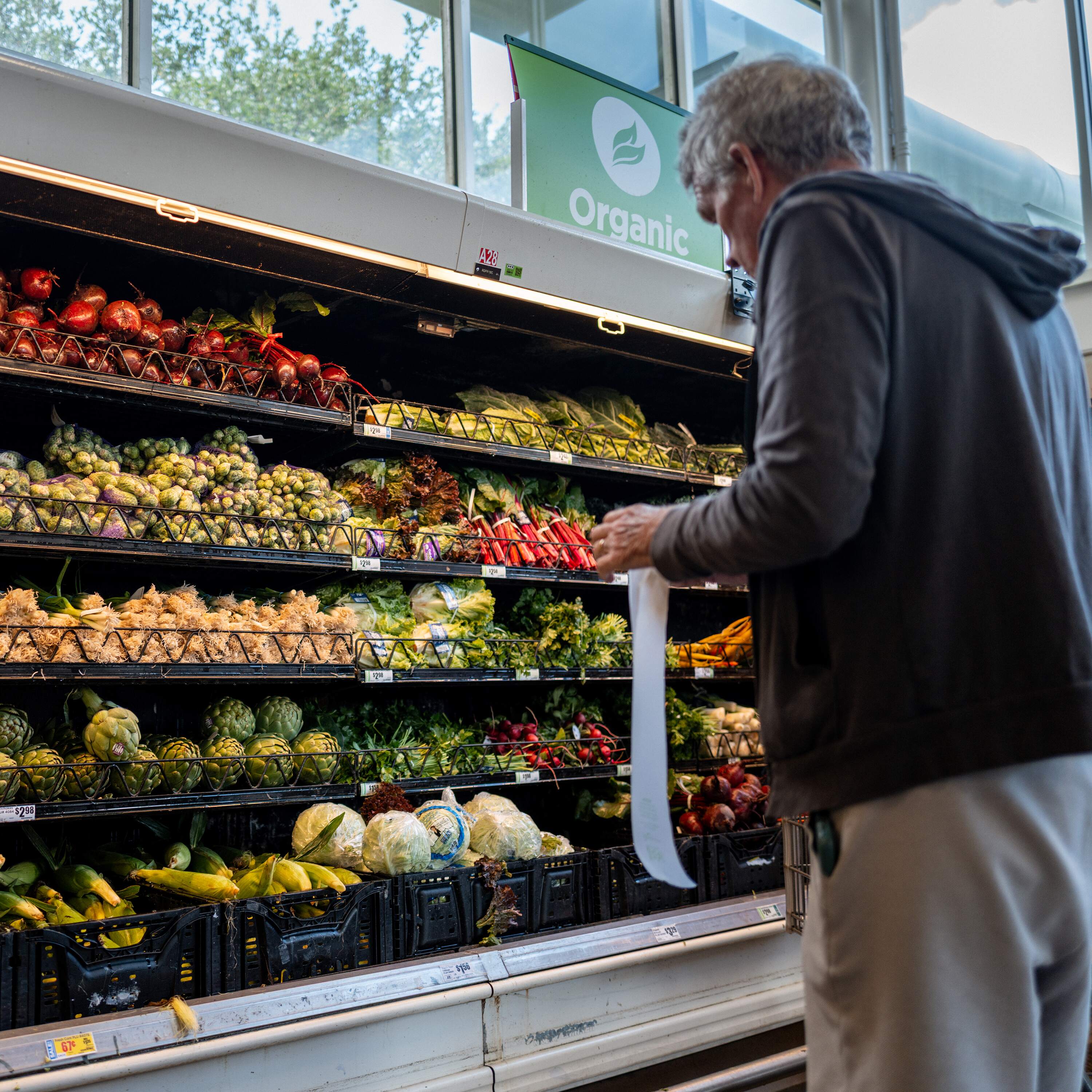
Economy: Rising Grocery Prices Are Changing How Americans Shop
1w ago00:44:24Tap to summarizeAffording groceries is becoming a struggle for many Americans.Food prices are up 33 percent since 2019. That’s according to federal data analyzed by the Associated Press. It’s led some people to change their diets or where they shop. Others are taking more drastic measures by dipping into their savings or going into credit card debt.A 2025 survey from the Urban Institute found that one in four people using credit cards to buy food had trouble paying those bills.What’s behind the jump in grocery prices? How is it affecting Americans’ financial stability? And how is all of this affecting our economy as a whole?Find more of our programs online. Listen to 1A sponsor-free by signing up for 1A+ at plus.npr.org/the1a.See pcm.adswizz.com for information about our collection and use of personal data for sponsorship and to manage your podcast sponsorship preferences.NPR Privacy Policy
Transcribe →
AI: The Data Center Debate, Part Two
1w ago00:44:43Tap to summarizeData centers.They’ve been all over the news. Last month, protesters showed up in 125 cities across the country on a single Saturday to demonstrate against these structures, either proposed or completed.But are the politicians listening? We sit down for the second part of our data center deep dive. This time, we talk politics. Why have data centers become a political flashpoint so quickly? And who is calling the shots at the local, state, and federal level?Find more of our programs online. Listen to 1A sponsor-free by signing up for 1A+ at plus.npr.org/the1a.See pcm.adswizz.com for information about our collection and use of personal data for sponsorship and to manage your podcast sponsorship preferences.NPR Privacy Policy
Transcribe →
'If You Can Keep It': Should Judges Be Elected?
1w ago00:43:07Tap to summarizeShould judges be elected?That’s the question Kansas voters are answering on the ballot this month. A constitutional amendment aims to change how judges are chosen in the state – abandoning the 68-year-old system of appointing judges.Proponents of the change say elections put the choice back in voters’ hands. And their arguments aren’t new: Republicans in Kansas have long argued for judicial elections.Critics of the amendment say elections politicize the process of picking judges. More than $10 million has been spent in total campaigning in Kansas – and those against the amendment are outspending those for it by huge margins.As part of our weekly series “If You Can Keep It,” we take closer look at how judges are picked in this country and what it means for the rulings they issue.Find more of our programs online. Listen to 1A sponsor-free by signing up for 1A+ at plus.npr.org/the1a.See pcm.adswizz.com for information about our collection and use of personal data for sponsorship and to manage your podcast sponsorship preferences.NPR Privacy Policy
Transcribe →
The News Roundup For July 31, 2026
2w ago01:27:22Tap to summarizeIsraeli Prime Minister Benjamin Netanyahu was in Washington this week for his first visit to the White House since the war in Iran began.Former CDC head Anthony Fauci invoked his Fifth Amendment rights as he sat in before Congress during a hearing led by Sen. Rand Paul concerning the doctor’s COVID diaries.And Temporary Protected Status lapsed for hundreds of thousands of Haitians living in the U.S. this week.We cover the most important stories from around the nation in the domestic hour of the News Roundup.And, in global news, reports suggest that Russia is assisting Iran target U.S. troops as the war between the United States and Iran rages. There are few if any signs of diplomacy from either Washington or Tehran.Meanwhile, Ukrainian President Volodymyr Zelenskyy was in Washington to meet with President Donald Trump.And in what could be a new normal, wildfires are raging across Spain and France.We cover the most important stories from around the world in the News Roundup.Find more of our programs online. Listen to 1A sponsor-free by signing up for 1A+ at plus.npr.org/the1a.See pcm.adswizz.com for information about our collection and use of personal data for sponsorship and to manage your podcast sponsorship preferences.NPR Privacy Policy
Transcribe →