← 30 for 30 Podcasts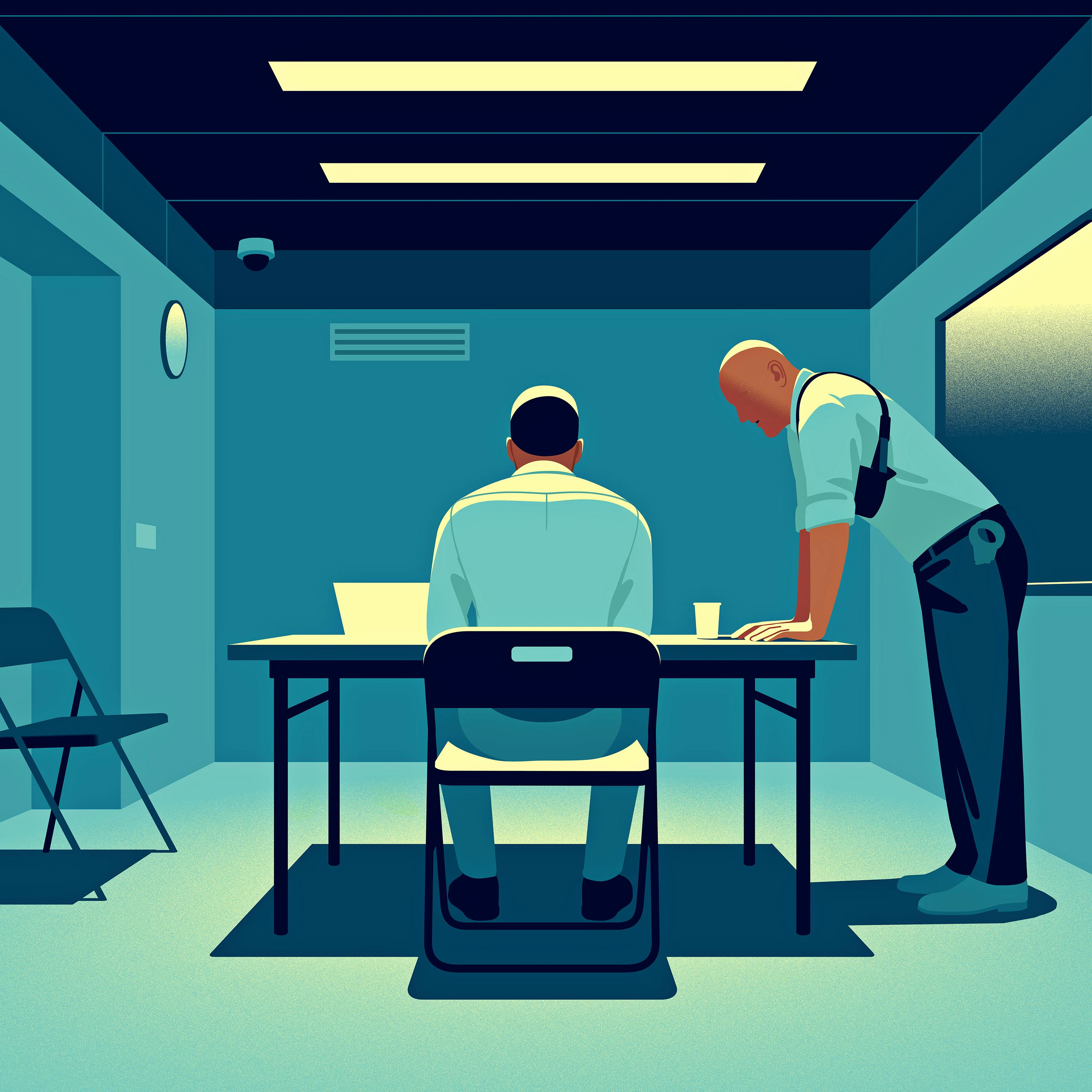
30 for 30 Podcasts
MURDER AT THE U Episode 6: The Missing Piece
00:54:49
After ESPN publishes an explosive article on the Miami-Dade police investigation’s shortcomings, the police arrest Rashaun Jones for Bryan’s murder.
Loading summary
Transcript178 lines
- [00:05]
Paula Levine
Previously on Murder at the U. I was nowhere around.
- [00:09]
Detective Juan Segovia
No murder. I don't know anything about no murder.
- [00:11]
Paula Levine
How was it that an arrest wasn't made in the last 12 years?
- [00:16]
Detective Juan Segovia
Because we were still missing a piece of the puzzle.
- [00:19]
Paula Levine
And is that piece of the puzzle still missing?
- [00:22]
Detective Juan Segovia
Yes.
- [00:29]
Paula Levine
Our story about Bryan's murder was published in November 2020. It was picked up by newspapers and TV stations across the country and it became one of the most read stories on ESPN's website that year. That was also the first time the public learned that police had suspected Rashawn Jones murdered Brian Pata.
- [00:51]
Detective Juan Segovia
Hey, Dan, good morning. Just now turning on my phone.
- [00:55]
Paula Levine
About five months after we published our story, producer Dan Arruda received a voicemail from Brian's brother Edric.
- [01:02]
Detective Juan Segovia
He's heating up really good. I think they're about to make an arrest soon. I'm not quite sure when. They didn't say anything, but they've been turning on the heat a lot. So they've been, you know, calling us and asking questions, etc. So it's been really good.
- [01:16]
Paula Levine
And then a few months later, the Miami Dade police made their move back now with an arrest in the 15 year old cold case, the murder of a University of Miami football player. Brian Pata was fatally shot outside his apartment back in November of 2006. And now police have arrested his former teammate, 35 year old Rashawn Jones, and
- [01:37]
Detective Juan Segovia
charged him with Pata's death.
- [01:40]
Paula Levine
It had been nearly 15 years since that night at the Colony Apartments and Reshawn Jones had just been arrested for Brian Pata's murder. The police had said they were missing a piece of the puzzle, a piece that could lead to Brian's killer. Apparently they'd found it. I'm Paula Levine from 30 for 30 podcast. This is Murder at the U. Episode six the missing pie. On the afternoon of August 19, 2021, Rashawn Jones left work at a Dollar Tree warehouse in Ocala, Florida. Officers from Marion county and U.S. marshals were waiting for him with an arrest warrant for Miami Dade. In the photos from that day, Rashawn is wearing a Black Lives Matter T shirt, a camel ball cap, in a Miami Hurricane's face mask. Officers drove him from Dollar Tree to the Marion County Sheriff's office. By 2:40pm Rashawn was sitting inside a gray interrogation room. A detective from Miami Dade came into the room.
- [03:01]
Detective Juan Segovia
All right, Sean, so I told you from the moment we made contact, before we go further, I do not have to go through your rides and all stuff, you Miranda rights Right. Have you ever been read your rights before? Yeah. Okay.
- [03:11]
Paula Levine
The detective was Juan Segovia from Miami Dade Homicide. Segovia had taken over the investigation after Detective Miguel Dominguez retired. Okay.
- [03:20]
Detective Juan Segovia
You have the right to remain silent. You don't have to talk to me if you do not wish to do so. You do not have to answer any of my questions. Do you understand that? Right?
- [03:27]
Paula Levine
Rashawn didn't call a lawyer or remain silent. Instead, he stayed in that room for more than two hours, answering Segovia's questions. Segovia began by asking about Brian.
- [03:41]
Detective Juan Segovia
Throughout this investigation, okay, we received a lot of information of your relationship with Brian. What can you tell me about your relationship with Brian? I mean, we had an up and down relationship. Okay, what happened? What does that mean, up and down? We was teammates, I guess. Females got involved. So it was, I don't know, I guess jealousy over females. Isn't that kind of normal stuff between players? That's normal stuff between players. I said, man, when Brian died, we wasn't beefing and he had no breach. I didn't have no problems with Brian.
- [04:16]
Paula Levine
Then. Segovia pressed Rashawn about the alleged love triangle among Brian, Rashawn and Jada Brody.
- [04:23]
Detective Juan Segovia
The first beef you had, you said it was over a female. Can you tell me about that? What was that about? Well, it was a female that, I guess he liked it. She was interested in both of us at that time, so she was interested in both of us. It really wasn't no beef. It was, that's my girlfriend now. I said, okay, I don't mess with her no more. That could be your girlfriend. So they got in a relationship and was going together. So that was really no beef. I mean, he made her his girlfriend. What's her. That girl's name? Jada.
- [04:57]
Paula Levine
According to Rashawn, there was no bad blood between him and Brian over Jada. But then Segovia asked him about that fight with Brian in Eric Von Cor's dorm room. The fight where he allegedly told Brian to clip up, basically to get his gun ready.
- [05:12]
Detective Juan Segovia
So I was in Eric's room for. But Brian wanted to come in. I went and opened the door. So I finally let Brian in. He jumped on me, headbutted me. Like I said, I probably argued in the hallway. I left. I went back downstairs. I think I called my grandmother some. Something like that. But that was the end of that. It wasn't no ongoing. It didn't spill over or carry over from that night. And then from that point on, describe to me Your relationship with Brian, from that point on, it was really. It's a high and bye. I mean, we was on the same team. We was great. We had to come in and do our. I mean, play on the same team. So it wasn't. No. Oh, I can't come in the locker room, or if I come in the locker room, I'm scared to come in the locker room. I can't be around brown skin. No, it wasn't enough. I. I didn't ever get that feeling of intimidation. Okay. And no. But. Okay. So you. You. You never. You. In your opinion, you never had any beef with Brian? No. If anybody would think that you had a beef with Brian, why would they think that you had beef with Brian back then? Because of the Jada situation? I don't want to put words in your mouth. Would it be accurate to say that all this beef between you and Brian was all made up by people? Made up by. Yeah, they took it and ran with it. From the little stuff that was stirred up between me, him and the girl and the little altercation, we got into it in the dorm, they took that as in, I wanted to hurt Brian. I don't. For what. He ain't doing nothing to me. Drastically for me to hurt him. Right. Did you ever threaten to hurt Brian in any way? Did you ever threaten to shoot Brian? No. Ever? I don't own. I didn't own a gun.
- [06:44]
Paula Levine
But this didn't line up with the evidence the police had collected over the years. According to police, several teammates said Rashawn owned a gun.
- [06:53]
Detective Juan Segovia
Now that you asked me, you mentioned. I don't want to forget. Have you ever owned a firearm? No. Never. Did you own a firearm back when you were at University of Miami? No. You never had carries? Never. Did you ever make it sound like you carried a firearm? I don't know. That was a lot going on back then. I mean, I don't remember if I. If I see it. No, I didn't never say, I carry him.
- [07:18]
Paula Levine
Detective Segovia would return to this question of whether Rashawn owned a gun several more times. But each time, Rashawn denied ever owning or threatening anyone with a gun. Then Segovia asked Rashawn about the day of Bryan's murder. Remember, it had been 15 years.
- [07:38]
Detective Juan Segovia
Let's talk about that date. Start from the date, stop in the morning, from the morning or whatever, as far as you can remember that day. Okay, So I come in. For me is I come in to practice that day, but I failed my second drug test.
- [07:51]
Paula Levine
Rashawn said that on the day of Brian's murder, he'd failed a drug test. Head coach Larry Coker called Rashawn into his office and suspended him from the team.
- [08:00]
Detective Juan Segovia
So I don't go to practice that day, okay? When I leave out his office, I go home.
- [08:06]
Paula Levine
According to Rashawn, he spent the rest of the day at home. His apartment was less than a mile from Brian's.
- [08:12]
Detective Juan Segovia
Were you anywhere near the scene where Brian was killed that night? Even if you're afraid to tell us, you're afraid that you might look bad, but you never said it before, but you want to tell me now? Listen, I had nothing to do with this, but I happened to be in the area. Maybe that's why, you know, I could have been seen in the area. Maybe that's why record shows in the area. Tell me about that. I wasn't in the area at all. At all.
- [08:35]
Paula Levine
Then Segovia asked Rashawn about another detail from that day. Remember, on the day of the murder, Rashawn had changed his cell phone number. Segovia asked him why.
- [08:46]
Detective Juan Segovia
At the time, I felt like I was going to get a lot of backlash from my drug test. From who? From friends, family. I know I let my family down. Mother, grandmother down.
- [08:56]
Paula Levine
Phone records show that Rashawn reached out to a few teammates and friends from that new number. One of them was his teammate, Bruce Johnson.
- [09:03]
Detective Juan Segovia
Bruce called me on the phone like, where you at? I say, I'm home. Why? What's going on? He says, oh, Brian. Did I say what? He said, yeah, boy. Somebody killed Brian. I said, man, shut the F up. Did anybody call you about a meeting that night? No. Okay. Bruce, the only one called me, and they tried to tell me it was a team meeting. A team meeting. Okay. And I'm the only one that didn't go to the team meeting. Why's that? Because I was still. I'm still distraught from my second marijuana of me failing that drug test. That's it. So. So I didn't want to be around the team or be in. You were just in a bad mood. In a bad mood because I know I ain't gonna be able to say the game coming up. I ain't gonna be able to play the game Saturday. Was that, like, an issue during that time? Some people got a little ticked off. You think that you didn't. It's because I didn't show up to the team meeting, and I know how that could look because of the situation. And I'm the only one not there. And y' all Saying that me and him beefing and going through that. Okay, I can see. I can understand and see what y' all talking about, but I'm telling you, I had nothing to do with him. Done. Okay. All right, then.
- [10:01]
Paula Levine
Segovia asked Rashawn about whether he'd made that call to that baseball player named Mike Sanders asking him for money to get out of town. The team's assistant chaplain told us that he'd overheard this conversation, and phone records show a call from that night that matches up with it.
- [10:17]
Detective Juan Segovia
Do you remember calling Mike Sanders and asking him for money that night? No. So Mike Sanders would say or tell us that you called him the night that Brian was killed, asking him for money. That would be a lie. Yes.
- [10:32]
Paula Levine
And according to Rashawn, he didn't go out of town that night. Instead, Rashawn said he went to stay with his girlfriend at the time, Sherry Abramson. So Segovia laid his cards on the table. Police had evidence from interviews and phone records that contradicted what Rashawn just said.
- [10:49]
Detective Juan Segovia
Now, one of the issues that we have on this case, Rashaun. Okay, I'm gonna be straight up with you. Is the fact that we have several players reporting that you. They either saw you with a gun, that you made threats with guns, the threats that you made to Brian, or throughout your time at the University of Miami. You know, when you put all that stuff together. Okay. And you even admitted that the fact that you have beef with Brian and you show up for the meeting, that looks bad on you. I understand all the scenarios that's pointing towards me. You get that? Okay. I appreciate you for being honest about that.
- [11:22]
Paula Levine
This moment is pretty extraordinary. It's unusual to have a suspect in a murder admit that the evidence doesn't look good for him. But that's what Rashawn had just done. It's hard to know why. Whether he was trying to win over Segovia, whether he was exhausted, or whether he just didn't realize he might be digging himself deeper in a hole. And this was when things started to escalate. Segovia seems to take advantage of the admission and go on the attack.
- [11:51]
Detective Juan Segovia
If you were a detective, who would be the first person you would talk to? Oh, me. I get it all. That's why I don't shout from it. And then. Right. And then we start adding little nuggets. I'll give you another little nugget. The only person that changed their number the day of Rashawn Jones. He changed his number that day. Come on, man. And then what if I told you there was an eyewitness that saw you leaving the scene right after you remember that old man that you crossed with in the sidewalk there? I wasn't like there he came. Eyewitnessed me. You were identified as being leaving the scene how. And I wasn't there. I'm telling you, I have nothing to do with it, okay? Nothing. I ain't touching hat on his head. Nothing. Why would these. Why would all these people lie about your shit? I just said from the. I guess from the. I used to be young and wild, so I guess that's just the project that got on me of how I was. But that ain't got nothing to do with picking up no gun, trying to kill nobody, harm nobody with. That's not in me. I don't do stuff like that.
- [12:57]
Paula Levine
By Now, Rashawn was 35 years old. He was married, had had five kids. His junior year at the U had been over a decade ago. And he insisted he had nothing to do with Brian's death. After their interview was over, Detective Segovia let Rashawn's wife, Ashenda come into the room.
- [13:17]
Detective Juan Segovia
You sure? Love you. Love you, too, baby.
- [13:22]
Paula Levine
Detectives had also questioned Ashenda while Rashawn was interrogated. It turns out she'd read our story and apparently used details from our reporting to defend Rashawn. Details like Bryant's paranoia.
- [13:35]
Detective Juan Segovia
Rashada made me think you a murderer. So I said, this man was sleeping in his closet with guns, telling his brother, they looking for me. He didn't say, Rashawn, they. So you trying to tell me my husband killed a man that was afraid of him? Cause Brian didn't seem like he was afraid of him. From what I read for espn. I said, but Rayshana got in other altercations. Rashana had other. He was. I said, he was her and me and Cheryl, everybody. So he told him he's going to kill behind this one person or he's going to kill because this one person swung on him or beat him up and practice. He gonna kill him. I said, his brother used to beat him up. Did he kill his brother? I said, listen, you have to literally show me him standing over the body for me to believe that he killed this man. That's just how much I know. He's not lying about killing a man. I said, you got it? Show me. You don't got nothing, do you?
- [14:35]
Paula Levine
Ascenda had identified the prime weakness of Miami Dade's case against her husband. The truth is, there were several theories that could have led to Brian's death and the evidence that incriminated Rashawn was mostly circumstantial. Ashenda kissed Rashawn goodbye, and then an officer came into the room.
- [14:57]
Detective Juan Segovia
Mr. Jones, stand up and face the wall for me. Place your hands in the back for me.
- [15:09]
Paula Levine
The officer handcuffed Rashawn and took him to a cruiser. On that day, Rashawn was arrested for first degree murder, though this charge would later be lowered to second degree murder. He was driven from Marion county all the way back to Miami Dade, where he'd spend the night in a detention center. He'd be in jail awaiting trial for the next four and a half years. Of course, there's no way he or any of us could have known that back then. The Pata family's involvement with the University of Miami didn't end with Brian's death. His brother Edwin went on to coach football for the Hurricanes. In fact, on the day of Rashawn's arrest, Edwin had been at the university when he got a text.
- [15:59]
Detective Juan Segovia
Right. When I got the news, I was literally getting off the stairmaster. And I had to get off because I got a text from the transfer school and I started walking around the track just to clear my mind. We knew it was this guy all along. Everything pointed to this guy. And you just felt like your hands were tied. Yes. The guy is gonna rot away in the prison cell. That makes us feel better. But then you start thinking about Brian again. After I left the school, I went straight to Brian's apartment. I was there for about 30 minutes. I walked the steps he took when he died, you know, And I stood there, right where he died. And I just thought of Brian, thought of his last moments and everything that he saw. Just to kind of pull myself back to that day and what his last moments were.
- [16:58]
Paula Levine
Based on everything we knew about the case against Rashawn, there was only one piece of evidence that allegedly placed him at the crime scene. And it came from that eyewitness, the one Segovia mentioned in his interrogation of Rashawn. He'd claimed he saw Rashawn flee the scene of Brian's murder. We'd finally hear from him at Rashawn's bond hearing.
- [17:21]
Detective Juan Segovia
Good afternoon, sir. Please introduce yourself to the judge. My name is Paul Connor.
- [17:27]
Paula Levine
At the time of the murder, Paul Conner was a 62 year old writing instructor at the University of Miami. He lived at the Colony Apartments, the same apartment complex as Bryan. Connor told prosecutors that on the night of Brian's murder, he was walking home from the Metro station As he Approached the colony apartments. He said he heard a loud bang.
- [17:51]
Paul Connor
Now, when you say a loud bang,
- [17:53]
Detective Juan Segovia
when you heard that bang, what did you believe you were hearing? Oh, my first thought was that no have been a cherry bomb. Just for our own iteration, how loud
- [18:04]
Paula Levine
does a cherry bomb sound?
- [18:05]
Detective Juan Segovia
Well, it sounds similar to the gunshot.
- [18:09]
Paula Levine
A few seconds later, Connor said he saw someone leaving the apartment's parking lot on foot.
- [18:14]
Detective Juan Segovia
How would you describe the person that you saw, Mr. Connor? I would describe him as a Young African American, 6ft, just 6 foot, 1 tall, approaching the gate, Walking or at a brisk pace toward the gate, walking west.
- [18:36]
Paula Levine
Connor said he made eye contact with this person, and then the person smiled at him and jogged away. Connor said that for the rest of the night, he didn't think twice about the encounter. He went home to his apartment, but at work the next day, he saw the news about a murder the night before at his apartment complex.
- [18:55]
Detective Juan Segovia
So at that point, what did you decide to do? I immediately called the miami dade homicide department and said that I may have seen something of significance the previous night.
- [19:10]
Paula Levine
The detectives brought him to the station, and he sat for several hours with the forensic artist, who drew a composite sketch of the person connor saw that night. Several months later, detectives showed him a photo lineup, and connor picked rashawn's card out from the lineup.
- [19:26]
Detective Juan Segovia
One of the detectives asked me how sure I was that that was the defendant, and I answered 90%. Why did you say 90%, Mr. Connor?
- [19:38]
Paula Levine
Well,
- [19:41]
Detective Juan Segovia
my belief is that there's really no such thing as 100%. So would it be fair to say that by saying 90% accurate, that you were convinced that this is the person that you saw?
- [19:53]
Paula Levine
Yes.
- [19:53]
Detective Juan Segovia
Yes. Beyond a reasonable doubt in your mind? Yes.
- [19:57]
Paula Levine
Ten years after the murder, Detectives returned to connor and showed him the same photo lineup. Again, he pointed out rashawn a second time. Connor's testimony may have been the prosecution's strongest evidence against rashaun, but it wasn't airtight. First of all, the defense could challenge the reliability of eyewitness testimony, which depends on a person's imperfect memory. Then there were Connor's vision problems. During cross examination at that hearing, Rashawn's attorney asked connor about his diabetes, which caused him to have double vision. If his blood sugar was low, he admitted he hadn't had anything to eat for six hours before brian's murder. Connor also couldn't see well without his glasses.
- [20:45]
Detective Juan Segovia
Are you wearing your glasses, or are you not wearing your glasses? I probably. I don't remember. Okay.
- [20:53]
Paula Levine
I have to wear them when I Drive.
- [20:55]
Paul Connor
Okay.
- [20:55]
Detective Juan Segovia
And I didn't drive that day.
- [21:00]
Paula Levine
The bond hearing lasted a few days, and at the end of it, the judge set rashawn's bail at $850,000. But his family couldn't come up with the portion needed for bail, so he remained in the Metro West Detention center in Miami. Time passed, and four years after his arrest, Rashawn was still in jail, waiting for a trial. But as lawyers on both sides prepared for that trial, the prosecution came to the judge with a surprising update. They'd lost contact with that key eyewitness, Paul Connor.
- [21:34]
Michelle Borchu
Officers from the Louisville Homicide Department had already been out there, and the leasing
- [21:38]
Detective Juan Segovia
office said he no longer lived there.
- [21:41]
Paula Levine
The lead prosecutor on the case said that the state had done all they could to find Connor. They tracked him from Miami to Toledo to an address in Louisville, Kentucky.
- [21:50]
Michelle Borchu
They run every database available to law enforcement, Sent local law enforcement out in both of the cities he lives in,
- [21:56]
Paula Levine
sent the FBI out looking for him
- [21:57]
Michelle Borchu
in both Ohio and Kentucky.
- [22:00]
Paula Levine
And they still couldn't find him until finally they said they'd figured out what had really happened.
- [22:05]
Michelle Borchu
I'll just give the judge a slight preview. Detective Segovia had run him in. Clear.
- [22:09]
Detective Juan Segovia
And it says he's deceased.
- [22:11]
Paula Levine
Apparently, Paul Connor was dead. But something here just didn't seem right. I find people for a living, and based on the work the police had done to find Connor, I just didn't believe he was dead. The police had no obituary or death certificate or anything official. And when we searched for one, nothing came up. We knew from testimony that Paul Connor wasn't good with technology, so it made sense that he might ignore an email, a text, or miss a phone call. So I began reaching out to people who might pick up the phone, like his former colleagues. And when I talked to them, they didn't seem to think Connor was dead either. So a few weeks later, producer Dan Arruda and I made a trip to Louisville to see for ourselves. We arrived at the address that both we and Miami Dade had for Connor. Hi. Are you. Are you Paul Connor?
- [23:15]
Paul Connor
Yeah.
- [23:16]
Paula Levine
And we met someone who was very much Alive. At age 80, Connor seemed so much older than the man who had testified three years earlier. And he couldn't remember much of anything about the Brian Pata case. Who are you all? What is your purpose? We're journalists. We work for ESPN because we've been reporting on this because this young man was a football player. And the guy who is in jail right now is also for football player. He was his teammate.
- [23:48]
Michelle Borchu
And.
- [23:48]
Paula Levine
And he.
- [23:49]
Detective Juan Segovia
What Killed the guy.
- [23:50]
Paula Levine
Well, that's what he's accused of doing.
- [23:53]
Detective Juan Segovia
And according to testimony that you gave in court, you saw a man walking away from the scene of the crime. Do you remember any of this? I mean, I don't deny it, but I don't. I'm.
- [24:07]
Paula Levine
I'm.
- [24:08]
Detective Juan Segovia
Let's see. It's been about.
- [24:13]
Paula Levine
It's been some time ago now that I retired. Honestly, Connor seemed a lot different than the man we saw testify just three years earlier. He admitted he was getting up there in age and that his memory comes and goes. And while it was clear that Connor had some significant memory problems, he certainly wasn't dead. A few weeks later, we ran a story,
- [24:42]
Michelle Borchu
A wild turn in the murder
- [24:44]
Paula Levine
case against former University of Miami football player Rashawn Jones.
- [24:49]
Michelle Borchu
This one centered around a blockbuster report Thursday by espn.
- [24:54]
Paula Levine
The state had said a key eyewitness was dead. We'd found him very much alive, and now the prosecution had to do something about it.
- [25:05]
Michelle Borchu
So the state would like to address an article that was published by ESPN yesterday.
- [25:10]
Paula Levine
After our story published, the prosecution sent Detective Segovia to Louisville to meet Connor. They needed to see if he was fit for trial. In the end, the judge ruled that Connor was alive but not competent enough to testify. And so Rashawn's trial would move forward as planned. But with previously recorded testimony from Paul Connor. Ultimately, it wouldn't matter that Connor didn't even remember Brian's case or that the prosecution had believed Connor was dead. This kind of mistake wasn't all that shocking to us. It felt familiar, the kind of slip up the police had been making all along. And now those mistakes were moving beyond police work and into the trial. A trial that was going to determine the fate of Rashawn Jones. We'd been closely watching the prosecution to figure out what case they were building against Rashawn. As far as we knew, there was still nothing that placed Rashawn at the crime scene except the eyewitness. The state's evidence was still largely the same as it had been in 2007. That's what we thought. At least until we saw something. Three seemingly innocuous words, amended discovery exhibit. The prosecution had something else. At our public records trial in 2020, we asked the police a crucial question. What did they need to make an arrest? They said they were waiting for a missing piece of the puzzle. We'd interpreted that as something new that would lock into place and support their theory that Rashawn had killed Brian. But we hadn't found anything that could have been that missing piece. Even months after Rashawn was arrested, still we waited for updates, combed through copies of documents and depositions, attended hearings. So when that document popped up among the court files, we were on high alert. It said amended discovery exhibit, which meant there was something new in the evidence. Someone new, actually. It would turn out there was a whole new character in the Rashawn Jones case. And here's why he'd matter. He and Rashaun had been in the same jail after Rashawn's arrest for Brian's murder. And he said Rashawn had told him some things. George Jones is a man who the Miami Herald once called a slick, talking con man.
- [28:01]
Paul Connor
I thought I was Robin Hood. I would steal money from the rich and give it to myself.
- [28:05]
Paula Levine
He told us his targets were often celebrities and pro athletes. He stole $15,000 from Nick Cannon and conned $200,000 out of a sports agent by selling him season tickets he didn't own.
- [28:18]
Paul Connor
I have sold things that didn't exist, sold houses that weren't mine, condominiums, high rises. I can be somewhat creative at times.
- [28:30]
Paula Levine
The law finally caught up with George in 2019. He had taken out almost $2 million in mortgages on luxury homes in Fort Lauderdale, homes that he didn't own. So a judge sentenced him to nine years in prison for fraud, which brought him to a dormitory on the second floor of the MetroWest Detention Center. That's where George says he ran into Rashawn Jones.
- [28:54]
Paul Connor
They would call out a mail and food call, and his last name was Jones. My last name is Jones.
- [29:01]
Paula Levine
George and Rashawn, by the way, are not related. I started emailing George when he was in jail in Miami. Sometimes we would talk on the phone. He was obsessed with football. He wanted to talk about everything from coach picks to possible Heisman winners. Apparently, that's something George and Rashawn would do, too.
- [29:20]
Paul Connor
We would argue about football. You don't know nothing. You don't know nothing. Whatever. He's a very gregarious guy.
- [29:27]
Paula Levine
George had a reputation at the jail. He had gone to law school for a year, and. And so guys would ask him for legal advice. Guys like Rashaun.
- [29:36]
Paul Connor
He'd ask me questions about bond hearing and stuff like that. You know, he was telling me stuff about his case, and I was like, you know, bro, I don't want to hear this. I got my own problems. You know what I mean?
- [29:47]
Paula Levine
But according to George, Rashawn kept talking. He said Rashawn was frustrated with the way the media had portrayed him and Brian. He said Brian wasn't perfect.
- [29:57]
Paul Connor
They trying to make him seem like I'm a saint and I'm a monster. But he was like, he was an asshole. You know, I was like, what? He was like, man, dude, like, everybody hated him. Dude was a bully.
- [30:07]
Paula Levine
This wasn't the only time we'd heard Brian described as a bully. When we talked to Brian's teammates, several of them had told us something similar. Then George said Rashawn told him about Jada and how he and Brian had fought over her.
- [30:20]
Paul Connor
The young lady that Brian Patter was in love with or engaged with, that was his girl before. But he was like, I fucked her first. You know what I mean? He like, you know, I don't know why he mad at me. She chose me. And he was like, man, everybody was just hating on me because I had all the girls and this, that. And he was like, I didn't want her no more anyway. He was like, man, all this was over a girl, right?
- [30:39]
Paula Levine
But according to George, Rashawn's feelings about Brian were bigger than Jada. Rashawn had dreams of becoming a football star, dreams that people in his hometown expected him to achieve.
- [30:52]
Paul Connor
He's from impoverished area. They thought he was going to be that guy, you know, that's why he went to the youth. He could go pro. And he comes to find out A, he wasn't that good, or he didn't fit into that system, and he was not in their plans. You know, he wasn't going to the NFL. He had no plan B. The NFL was playing A, B, C, and D. That was it. Everybody back home was counting on him, and the world wasn't panning out the way he thought it should be.
- [31:16]
Paula Levine
But Brian had been on track to achieve those dreams. He represented everything Rashawn wasn't. And apparently he didn't let Rashawn forget it.
- [31:26]
Paul Connor
He just said, dude just kept basically plucking a nerve with him.
- [31:33]
Paula Levine
On the night of November 7, 2006, George said Rashawn was distraught after he was suspended from the team. So he went to confront Brian.
- [31:43]
Paul Connor
He didn't blame Pata for getting kicked off the team, but that was just like his arch nemesis.
- [31:47]
Paula Levine
As George tells it, Rashawn and Brian got into a heated argument outside Brian's apartment. And Brian provoked him in an argument.
- [31:56]
Paul Connor
And it was basically, call him a bum, you're a bum. You know what I mean? And that was really with Sean. That's his. That's scratch, you know, especially that night. His world came crashing down. According to him. It was over. He was done with the U. Coker hated him. Teammates hated him. You know, now he's off the team, and. But Patter was like, you're a bump. I got your bitch. But more importantly, I'm going to the league. I'm gonna be rich, and you're going back to Ocala.
- [32:29]
Paula Levine
And then George said Rashawn didn't exactly remember what happened next.
- [32:34]
Paul Connor
I went to talk to the dude. We got in an argument, and, man, the next thing I know, he's on the ground. I remember, he's like, man, you shot him. He's like, I didn't mean to. He's like, I don't remember.
- [32:49]
Paula Levine
We'd spent nearly a decade trying to hear Rashawn's side of the story. If what George said was true, this right here was Rashawn confessing to Brian's murder. But one detail about this story didn't sit right with George at the time. According to George, Rashawn didn't park his car outside Brian's apartment. He parked down the street and walked to the Colony.
- [33:12]
Paul Connor
But it just didn't make sense to me, the whole thing. I'm just sitting there listening. Like, why did you just drive to his. If you're gonna get an argument, you just knock on the guy's door, ring the doorbell, but you parked down the street. It kind of sounded premeditated to me.
- [33:24]
Paula Levine
Whether the shooting was premeditated or not, George says Rashawn thought quickly about covering his tracks. He knew he needed someone to vouch for his whereabouts that night.
- [33:34]
Paul Connor
He said when he left from there, he was dating some girl in South Beach. And he said he went to her house after that to want her to be his alibi.
- [33:44]
Paula Levine
Rashawn's girlfriend, Sherri Abramson, was living in south beach at the time and that
- [33:50]
Paul Connor
he disposed of a gun on the way to her house.
- [33:58]
Paula Levine
As Dan and I talked with George, one thing didn't make sense to us. Rashawn had denied his involvement for so long. So why confess now?
- [34:08]
Paul Connor
George, why do you think he confided in you? And do you know if he let slip or confided in anybody else while he was there? Uh, I think from being incarcerated or whatever, sometimes he wants somebody to talk to. I mean, it's a lonely existence.
- [34:22]
Paula Levine
According to George, Rashawn blamed us for his arrest, and it seemed like he blamed me in particular.
- [34:28]
Paul Connor
I don't know, some crazy bitch at espn. I don't know who he's talking about, but some crazy bitch at espn, they got him arrested. This shit was dead. You know what I mean? But ESPN resurfaced the thing and basically got him arrested. He was like, there's no new evidence.
- [34:44]
Paula Levine
I wasn't surprised to hear this. I could see how Rashawn might feel this way. Our interest in Brian's murder had forced detectives, at the very least, to look closer at the case. And our story had told the public that Rashawn was their prime suspect. But we'd spent years trying to figure out why they'd finally arrested Rashaun. And in all the case files since the arrest, we hadn't seen any new evidence from George's telling. Rashawn and his lawyer had been looking, too. And all they'd found was that eyewitness, Paul Connor.
- [35:16]
Paul Connor
All they got is some old dude that says, it's me. You know what I mean? But he's like, I didn't see no old dude.
- [35:24]
Paula Levine
At this point, it's easy to think that George would become the star witness for the prosecution. So many of the details of Rashawn's alleged confession line up with what we already knew. Jada, the rivalry between the two men, Rashawn's crushed dreams, even the details from the day of the murder. This all seemed damning for Rashawn, maybe more damning than an eyewitness with memory problems. And yet, the truth of any of it was about to get far more complicated than we could have seen coming. Because George, of course, is also a strategic opportunist. He knows when he's sitting on gold. And a jailhouse confession from a murder suspect awaiting trial. That was gold.
- [36:04]
Paul Connor
I'm 52 at that point. Got another eight years to do. You can judge me all you want, but I'm trying to get out of jail. Being a. Whatever you want to name. You want to call me a capitalist, opportunist, whatever. But when I saw the opportunity, I was like, I'll give it a shot.
- [36:20]
Paula Levine
If a prosecutor found George's information on Rashawn valuable, that could shave time off of George's prison sentence. Here was the problem. The lead prosecutor working Brian Pata's murder was a man named Michael Von Zomft. He had a reputation in Miami. People called him Mad Dog. And he was about to find himself at the epicenter of a major scandal. A scandal that would undermine everything about George's story. Many people could tell the story of Michael Von Zompf's downfall, But it's most interesting coming from his nemesis.
- [37:11]
Michelle Borchu
At the risk of sounding a little crazy, from the day I met Michael Von Zamt. And he treated me the way he treated me. I had a vendetta.
- [37:20]
Paula Levine
Michelle Borchu is a criminal defense attorney who has had it in for Von Zamft for years. The two first crossed paths on a case where she represented a woman who had violated probation by going on a cruise for her birthday.
- [37:33]
Michelle Borchu
And Michael Von Zampt's offer for that violation of her probation was life in prison. What do you mean, life in prison for going on a cruise. I made it my personal mission to figure out, who is this guy and how could somebody be that evil?
- [37:53]
Paula Levine
Now, it's normal for prosecutors and defense attorneys to not like each other very much. Their whole job is to work against each other. But on case after case, Borciu was facing off against Von Zampt in court, and she started to suspect that he was manipulating witness testimony from jailhouse informants.
- [38:10]
Michelle Borchu
Specifically, I had a case where there was a jailhouse witness that said my client confessed to them. He didn't call the witness at the trial because I found out they were never even together for him to confess to him. And I was going to expose that in front of the jury. So he didn't even tell us. But in the middle of trial, he just didn't call him as a witness.
- [38:29]
Paula Levine
Borcue thought that Von Zamf might be offering these witnesses something in exchange for testimony, like reduced sentences. That's not uncommon, but that kind of thing is supposed to be disclosed to the defense.
- [38:41]
Michelle Borchu
The jury has the right and the defendant has the right to have that testimony and that evidence presented so the jury can decide, is he really testifying out the kindness of his heart, or is he doing it because he's getting X amount of years shaved off his sentence, and his family's getting X amount of money? And when the state hides that evidence, the jury's not getting the full picture.
- [39:04]
Paula Levine
Borcu had this suspicion, but she couldn't prove it. And by 2024, von Zamft was retiring from the state attorney's office. Her time was running out. But Borciu had one more client that Von Zamf was prosecuting in his last case for the state. And at the end of that trial, she overheard Von Zampf saying he was headed to another courtroom for yet another hearing.
- [39:25]
Michelle Borchu
And I thought, another hearing. I thought, you're retired. So I grabbed my bag and I followed him. This guy's retiring. And it was like sand slipping through my fingers. I'm like, he is just gonna ride off into the sunset and have this 30 plus year career, and everyone's just gonna worship him. And I was, for lack of better terms, I was pissed off. So I was like, well, what's he going to do now? Like, maybe I have one more chance.
- [39:50]
Paula Levine
So Bortu slipped into a seat at that other hearing. It turned out to be a pretty high profile case involving a notorious Miami gang leader who was being re sentenced.
- [40:00]
Michelle Borchu
And I sat through that hearing. It was a couple days a week for like three weeks. And on the last day of that hearing, his attorney said, judge, I would like to play a jail call that I discovered.
- [40:12]
Detective Juan Segovia
Hello? What's up, Mike? How you doing? Good afternoon. Good, Trev, how are you?
- [40:16]
Michelle Borchu
And this jail call was between an inmate convicted of murder calling Michael Von Zampt directly at his office.
- [40:26]
Paula Levine
The man calling was working with Von Zompt. He was going to testify for the prosecution.
- [40:31]
Detective Juan Segovia
The plan is for you to testify in Wilbur. And before we testify, we're going to go over a lot of stuff with you. No problem, no problem.
- [40:39]
Paula Levine
On the phone call, Von Zahaf says that one of his other witnesses wasn't sure she wanted to testify again.
- [40:46]
Detective Juan Segovia
If I call her and she refuses, then I will find a way to make her unavailable and then I can read her whole testimony.
- [40:53]
Michelle Borchu
You know, if she's not going to get it together, if I can't get her to testify straight, I'll just make her unavailable.
- [41:00]
Paula Levine
If a witness is unavailable, their previous testimony can be entered into the record.
- [41:05]
Detective Juan Segovia
You want to do that?
- [41:06]
Michelle Borchu
A layperson that doesn't know what legal unavailability is, who is also a convicted murderer who is also alleged to be putting hits out for a gang, took that as like, is that what you want? Like you want her to be unavailable?
- [41:20]
Paula Levine
If this was a mob movie, to make someone unavailable would mean to kill them.
- [41:25]
Detective Juan Segovia
Do you want to do that? No, I don't want to do it. I'd rather did a good job. But can I count on it? No. I ain't going to lie, Mike. Cold shit.
- [41:35]
Michelle Borchu
And he didn't really fix this guy's impression of what he was saying. He didn't say, oh no, no, I mean like legally unavailable. And it was like hearing that is just chilling.
- [41:48]
Paula Levine
The witness eventually told the court that she'd had a falling out with Von Zamft. And he told her that if she died, he could read her testimony into the record. The judge in the case later wrote that she didn't think Von Zamft actually wanted the man on the call with him to kill the witness. However, she wrote, reasonable minds may reach a different Conclusion based on the totality of circumstances in this case. Still, what the judge did find was shocking. It turns out Von Zamft and other prosecutors had manipulated testimony from jailhouse informants by giving them alcohol, cigarettes and fast food. They'd even arranged for conjugal visits in return for favorable testimony. The judge disqualified Von Zampt and another prosecutor from the case, and Von Zamt resigned from the prosecutor's office. That might look like punishment, except Von Zamt was already retiring. But there was something else in that phone call that caught Borchu's ear.
- [42:53]
Michelle Borchu
At the end of that call, he's telling this witness that he is going to put him and Bill in the courtyard together so they can iron out a witness's testimony.
- [43:04]
Paula Levine
She recognized the name of this witness, Bill Brown. He'd been Von Zahm's star witness in the case she'd just lost. But Bortu suspected there was no way Brown could be connected to this case with the Miami gang leader. So why was his name coming up?
- [43:22]
Michelle Borchu
And I sat in that courtroom, and as that jail call played, Michael Von Zompf turned and scanned the courtroom and found me. And we made eye contact, and I mild to him, you motherfucker.
- [43:40]
Paula Levine
Bortu knew she had caught Von Zamft in one of his schemes. So after that day in court, she started gathering as much information as she could on Bill Brown's case.
- [43:51]
Michelle Borchu
And I just got to digging for anything and everything.
- [43:55]
Paula Levine
Brown had confessed to at least six murders, including the Liberty City Massacre, one of Miami's worst mass shootings. But Von Zomft had offered Brown a plea deal. He would serve only 25 years in prison. What Borchu learned was that in exchange for that deal, Brown became Von Zeus Zampf's eyes and ears inside the county jail.
- [44:20]
Michelle Borchu
When you get sentenced, you go to state prison. Bill had been strategically held in the county jail for 10 years, passed his sentencing because he's Michael Von Zampt's puppet.
- [44:36]
Paula Levine
Ultimately, Brown helped Von Zamft on an unknown number of cases, some where Brown provided testimony and others where he supplied information. Borchu made all of this public in 2024.
- [44:49]
Michelle Borchu
I wouldn't be surprised if Michael Von Zamp committed some level of misconduct on every single case he prosecuted. The state Attorney's office should be reviewing every conviction that Michael Von Zamt got where somebody is still in custody.
- [45:01]
Paula Levine
That year, the state Attorney's office announced it was reviewing past cases involving Von Zamft. It later issued a report on 26 select cases. It hadn't found anything still, as of February 2026, the Florida Bar association had an open investigation into Von Zamf. We reached out to him for comment, but he didn't respond. Throughout this scandal, I kept coming back to Brian. Von Zamft had been the lead prosecutor on Brian's case for 17 years. He'd testified in our case against Miami Dade. He'd been the one who signed off on Rashawn's arrest. And he'd secured the strongest testimony in the case from another jailhouse informant, George Jones, who said Rashawn had confessed to killing Brian. Michelle Bourchu isn't involved in Rashawn's defense, but she's familiar with the evidence, and she said testimony like George Jones can make or break a case.
- [46:03]
Michelle Borchu
Wait, you got a confession from the defendant? That would be the best evidence they had on that case. From the evidence that I know that the state has on that case, a confession would drive it home, because the other stuff sucks.
- [46:21]
Paula Levine
But instead, state prosecutors dropped George Jones from their witness list for Rashawn's trial.
- [46:28]
Michelle Borchu
So why now? Why your best evidence? You're just. We're going to leave that out.
- [46:33]
Paula Levine
According to Borchu, that decision may well have had something to do with Von Zamft.
- [46:38]
Michelle Borchu
And they decided, like, you know what? Michael Von Zompf had his hands on this, and we don't want to screw up this whole case because somebody that is currently going through what he's going through was the one that took this statement.
- [46:52]
Paula Levine
We'll never know if Rashawn's alleged confession to George ever happened. George may have been a good Samaritan who genuinely wanted to see Brian's family get the justice they deserved. He could have been an opportunist who heard something and thought he could benefit from it. Or he might have been running another con, having gotten wind that there was a prosecutor who would be open to manipulated testimony. We'd later learn that George Jones had also provided testimony as a jailhouse witness and in another case for Von Zamft, all under the impression he'd get benefits for cooperating. So maybe he was little of all three. We'll never know. But here's what we do know. The state's only new evidence against Rashaun had evaporated into thin air, and it was all their own doing, because so much of this case was tainted. Tainted by a prosecutor under investigation, by the mistakes and oversights of the Miami Dade Police, and by the passage of time. This was a case. It not only was solvable, it was a case they probably could have made almost 20 years ago, but there is no more evidence now than they had 20 years ago. Documentarian Billy Corbin was making his film the Youth when Brian died. So he's been following the case from the beginning, and he's skeptical of how it's progressed. What the defense appears to have is reasonable doubt. It's so fishy that if you're a juror sitting on that jury and you're hearing this, how can you put somebody away for probably the rest of their life for murder? You cannot wield your prosecutorial discretion for what is politically expedient or to save face with the press because ESPN did an arguably better investigation than the state Attorney's office or Miami Dade Homicide did. You cannot then say, well, we're going
- [49:01]
Detective Juan Segovia
to revive this investigation with no new
- [49:05]
Paula Levine
information and no new evidence and charge somebody. What started as a story about Bryan and his family's loss has turned into something much bigger about a justice system that had fumbled every opportunity to make things right. This is a tragedy for our community, and it is a tragedy for Miami Hurricanes fans. It is a tragedy for the Pata family. It may very well be a tragedy for Rashawn Jones family. Two teammates came to the University of Miami to live out a childhood dream to win on the biggest stage and maybe become famous. Now their names will forever be connected because 20 years after the death of Brian Pata, Rashawn Jones would stand trial for his murder. For Brian's mom, this would be her best chance for closure. For Sean Jones, the outcome would determine his future, whether he goes to prison or clears his name. And for everyone else, friends, teammates and fans, this would be a chance to finally get some answers. But given the missteps, could we count on this trial to tell us what we really want to know? Who killed Brian Pata? In our final episode, the State of Florida versus Rashawn Jones. We'll be back after the verdict. Murder at the U is based on reporting by me, Paula Levine and Dana Ruda, with support from Scott Frankel, Elizabeth Merrill and ESPN's investigative unit. Our senior producer is Matt Fraseka. Our senior editorial producer is Preeti Varathan. Our associate producers are Megan Coyle and Gus Navarro with Isabella Seaman. Our story editor is Adeza Egan. Additional editing by Ben Weber and Mike Drago. Our archival producer is Matthew Fisher. Our line producer is Kath Senke. Production managers are Jason Schwartz and Sheena Williams Zamuda. Production support from Carolyn Hepburn and Phil Guidry. Fact checking by David Sabino. Original music and sound design by Ryan Ross. Smith. Production assistants are Diamante McKelvey, Anthony Salas, Avia Owensby, and Declan McMahon. Research support from John Mastro Beradino Rights and clearances by Jennifer Thorpe and Cal Griffith legal by Tamara Laurie and Peter Scheer. Mike Drago is senior deputy editor of Investigative Journalism. Chris Buckle is vice president of ESPN Investigative Enterprise and Digital journalism. Jose Morales is the executive producer of original content. David Roberts is executive editor of ESPN Sports News and Entertainment for 30 for 30 podcasts. Preeti Varathan is head of audio. Ben Weber is Senior Director for 30 for 30. Marcia Cook, Brian Lockhart, Heather Anderson and Burke Magnus are executive producers for 30 for 30. This podcast was developed by Tara Nadalny and Cynthia Parabello. To listen to more sports series like this one, search 30 for 30 podcasts wherever you listen to podcasts or find us at 3430podcast.com thanks for listening.