← A Shot in the Arm Podcast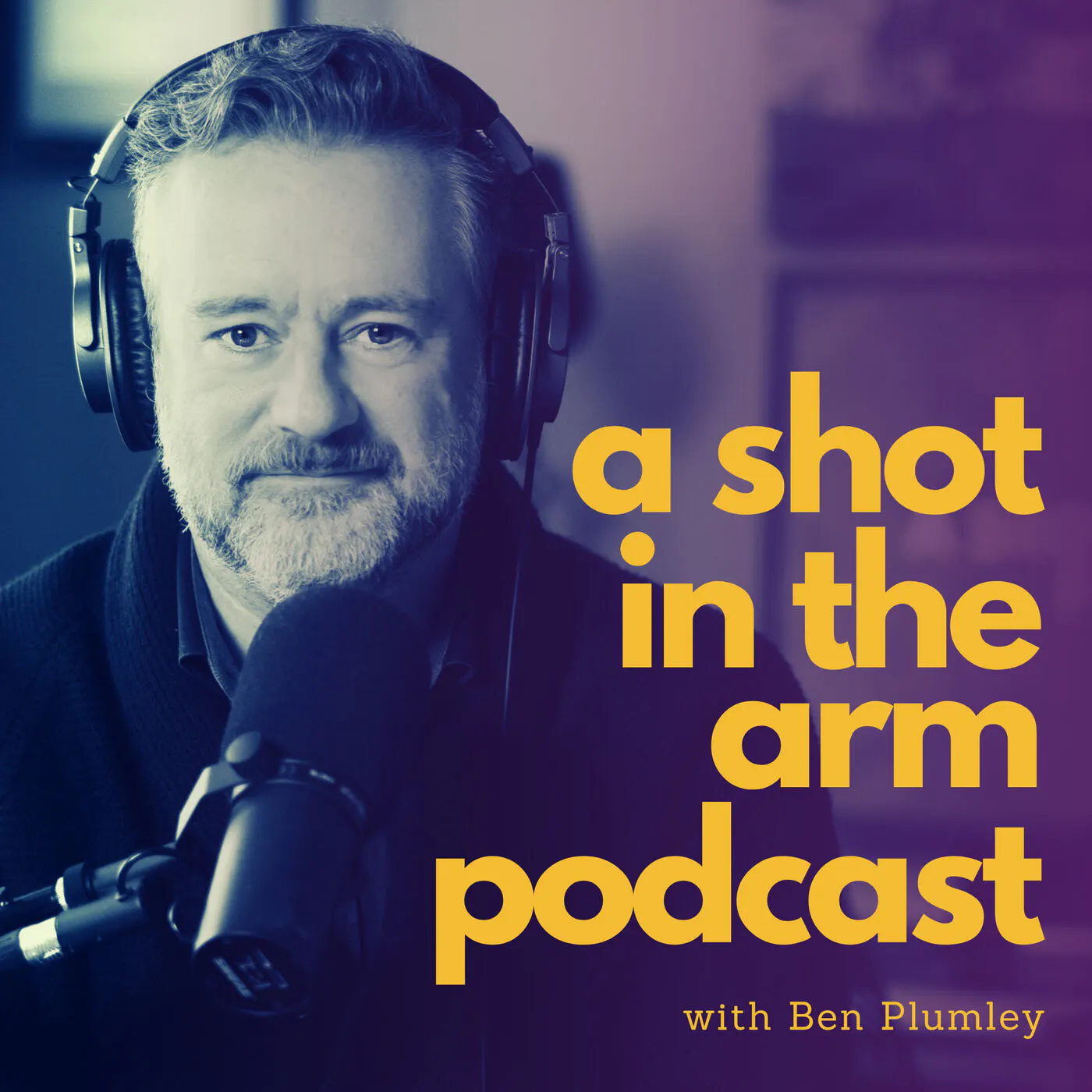
A Shot in the Arm Podcast
Post Election Blues & Reds
00:04:59
In this episode, Ben reflects on the recent US Presidential Election and its implications for democracy and global health.
Loading summary
Transcript3 lines
- [00:00]
A
Hi everyone, I'm Ben Plumlee from A Shot in the Arm podcast and the Global Health Diplomats. Well, like a lot of people in the us I'm guessing I didn't get a lot of sleep last night. As the results of the US Presidential election came in, there were a couple of things we just wanted to say. As the dust settled last night, we saw democracy in action. The people spoke. And in a sharply divided country, as in many countries around the world, we need to remember that democracy is not a moment in time every four years, but what we all do say and how we treat each other every day. That's true for winners and losers. It's also true that the transition team for the new administration has a lot to do to prepare for assuming the responsibilities of power in January 2025. That is particularly true when it comes to health, whether it's building back mutual trust in medical science, preparing for new pandemics and fighting existing ones at home and abroad, investing in research and funding the frontline services we desperately need. The transition period, no matter who won the election, was going to have to be a top priority for all of us, but is all the more so now.
- [01:20]
The triple threats of pandemics, climate and conflict place our world in the third decade of the 21st century at an unprecedented level of risk. It's not just our economies. Our whole ways of life are on the line. And a particular concern for us at the Global Health Diplomats and a Shot in the ARM podcast is the state of the global AIDS response. Questions floating in circles across all sides of the aisle centre on PEPFAR and the Global Fund. How LONG Is the U.S. taxpayer going to be expected to pay for these programs? Programs that are keeping people alive? When do national governments step up and take responsibility and do these so called entitlement programs limit the creativity and ingenuity of countries to mount their own responses free from outside interference? Well, it's just not in any way that simple. Viruses like HIV have no concept of funding cycles, budgets and national boundaries. So ending AIDS is something we all have to be responsible for in the US and internationally. What does that shared responsibility look like? How do we strengthen coordinating mechanisms like the Joint UN Program on AIDS to be laser focused on ensuring our investments deliver? Well, you might have seen my Global Health Diplomats co host Eric Goosby and I commit in our last episode to launch a dedicated set of podcasts designed to reach policymakers, influencers and the general public. We're going to ask the questions, what will the long term global AIDS response look like after 2030. How much will it cost? Who's going to pay for it? And how do we protect communities and and sustain our commitment to people with HIV? On life saving ARVs around the world, many were already saying that AIDS moment in the sun is over, that it's time to pass the baton onto other equally needy causes. But we see AIDS differently. It's the canary in the coal mine, perhaps the first of this era, zoonotic infections transmitted from animals to humans, such as certainly not its last. There is no monopoly of wisdom. There's no political party completely right and the other completely wrong. We have a lot we must learn from each other. And if there's one very specific lesson from November 5th, it's that we really do not understand the outsized role of digital technology and social media networks on every aspect of our lives.
- [04:02]
From building trust to predicting the outcomes of elections and the way we communicate with each other or at each other. Regardless of who you wanted to WIN in the U.S. presidential election, these technologies have embedded themselves deeply into our lives and our health, and we had better start figuring out how best we use them rather than us being used by them. So from Eric, you, Yvette, Jeff, Waisha, and all the team at A Shot in the Arm podcast, and the Global Health Diplomats, we hope you will join us on this necessary, essential journey. In the coming few days, we'll be announcing specific ways you can help, so keep an eye on your news feeds from us. But in the meantime, and for now, get some sleep and have a great week and a safe week, everyone.