Podcast
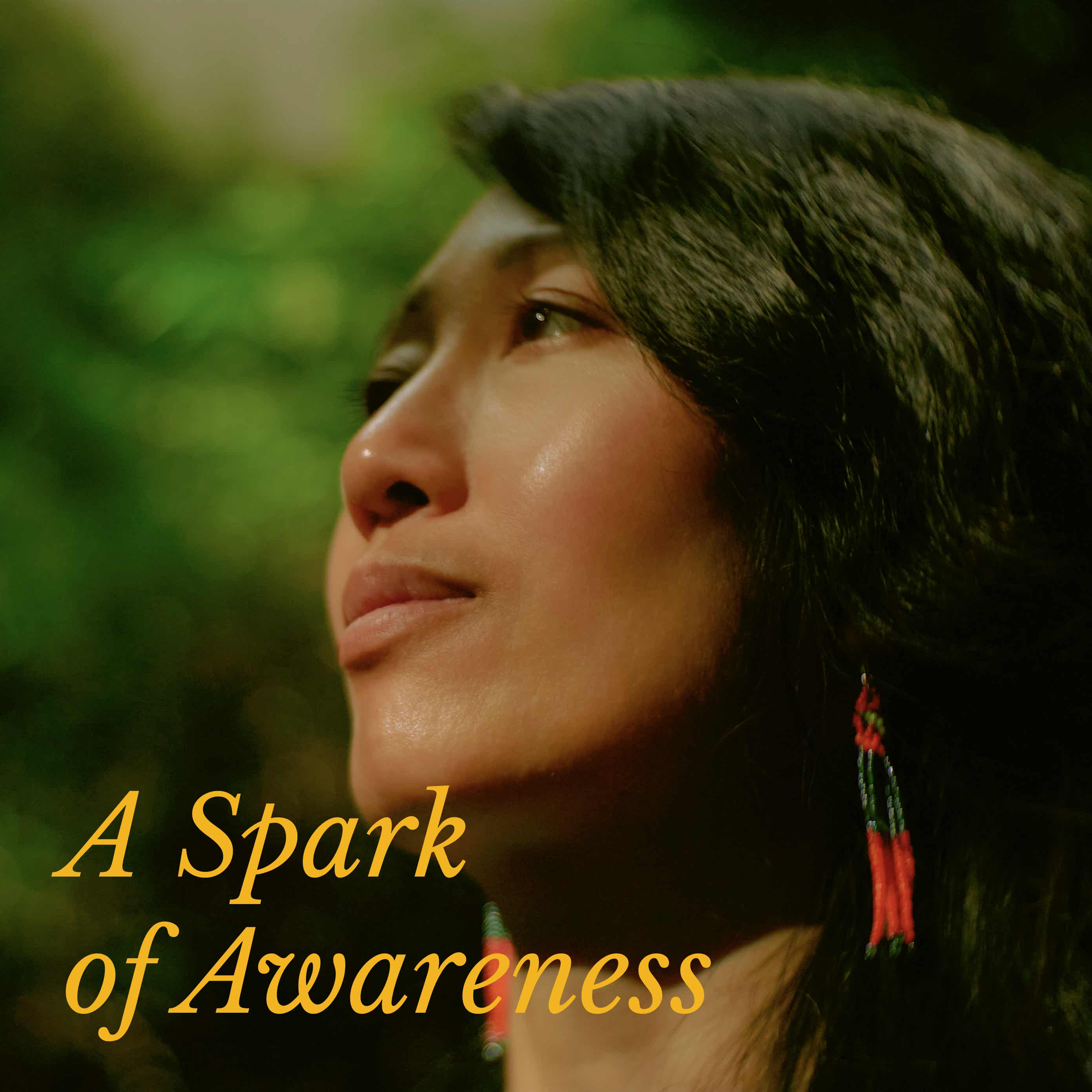
A Spark Of Awareness
Hosted by Sophie Vo · EN
A Spark Of Awareness is a weekly 15-minute reflection practice for conscious leaders to practice self-awareness. Your time to pause, and sit with yourself. No distraction, just self-listening.
Every week, Sophie Vo will offer a human prompt, drawn from real transformation work with tech and gaming founders, executives, and leaders to help you step out of old scripts, reconnect with your truth, and lead from integrity, presence, and self-mastery.
Sophie is a leadership guide for high-achieving and conscious leaders. With 17 years of leadership experience in the tech and gaming industry, Sophie has built and led 30+ global teams across the U.S., Europe, and Asia, and has mentored over 200 executives across VC-backed startups and public companies. A four-time founder, her most recent venture scaled to six figures in its first year and evolved into ORIN, a curated global network redefining leadership for women.
riseandplay.substack.com
riseandplay.substack.com
29episodes
Episodes
Newest firstAll episodes
The Mask We Wear: Who Are You Beneath the Identity You Created?
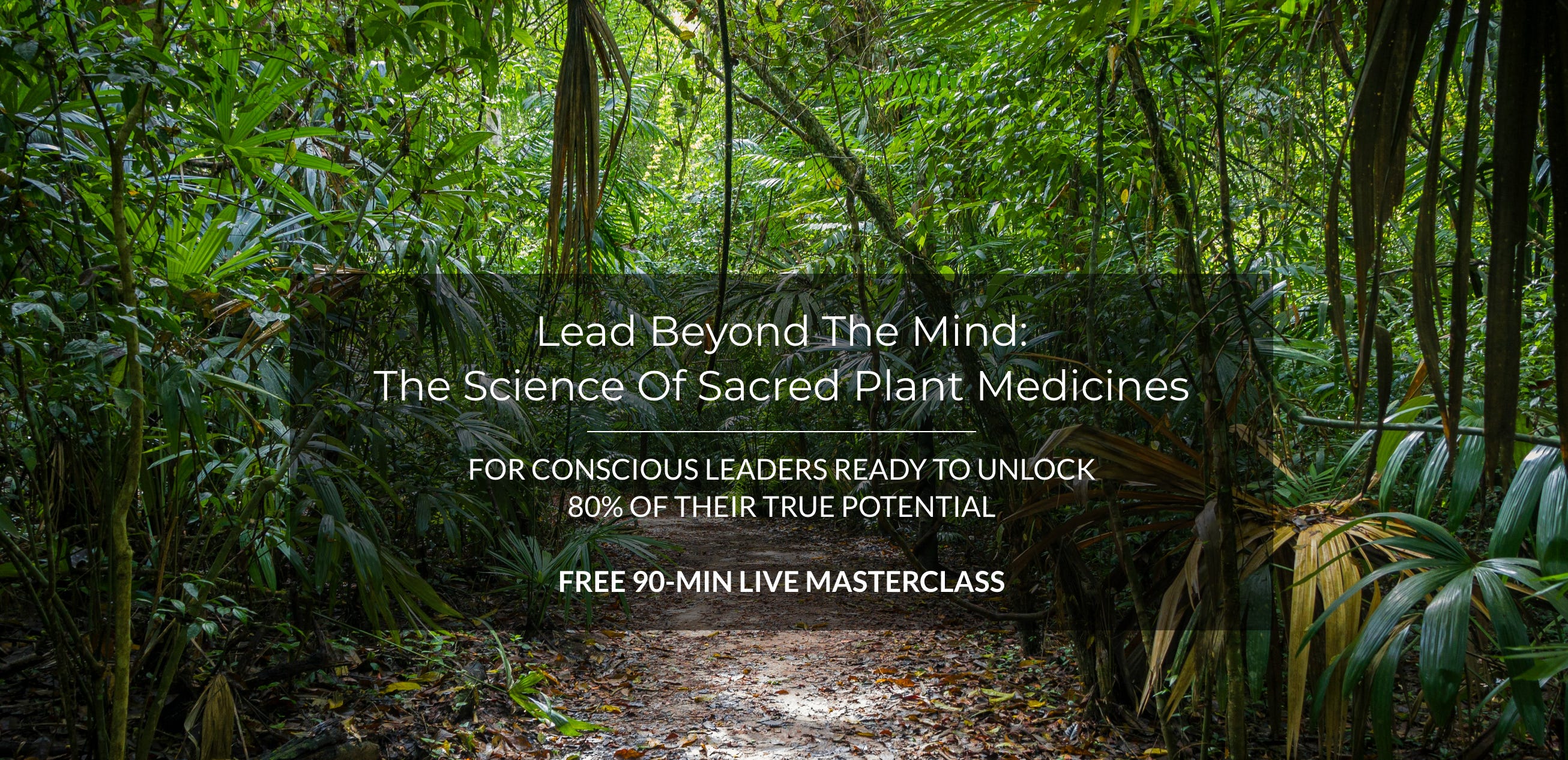
1w ago00:16:39Tap to summarizeFREE Masterclass “Beyond The Mind: The Science Of Plant Medicines”📅 Date: August 11🕒 Time: 18:00 CET / 9:00 PST / 12:00 ESTIn last week’s episode, I explored the idea of survival patterns and asked a simple question:Who are you when you’re no longer trying to survive?As I reflected on that conversation, I realised there is another question that naturally follows.Who are you beneath the Mask you’ve been wearing for so long?Because surviving is only one part of the story.The other part is the identity we create in order to survive.I believe every one of us wears a mask. It is part of being human. It is how we learn to live in society, how we navigate relationships, and how we adapt to the world around us. The problem is not that we wear masks. The problem is that, over time, we begin to mistake them for who we really are.Our authentic self slowly disappears beneath the personality we have carefully constructed to feel safe, accepted and loved.Very early in life, we begin receiving messages about who we should be. Sometimes they are explicit. A parent tells us we are too shy, too loud, too emotional or too sensitive. A teacher tells us we are not trying hard enough. Children at school make fun of our appearance or the way we speak. Sometimes the messages are never spoken, yet they are deeply felt. We realise that expressing anger is not welcome. Crying is seen as weakness. Being different risks rejection.As children, we don’t have the capacity to analyse these experiences. We simply adapt.Looking back, it is remarkable how intelligent this adaptation is. At that age, our nervous system has one priority above all else: survival. We need to feel safe. We need to belong. We need to be loved. If being ourselves threatens those fundamental needs, we naturally become someone else.That is how the mask is born.The mask isn’t fake. It isn’t manipulative. It is one of the most intelligent strategies our nervous system could create with the resources it had at the time.The challenge comes later, when the strategy that once protected us continues running our lives long after the danger has disappeared.This is something I observe often in leadership.Many leaders believe they are simply expressing their personality, when in reality they are expressing a survival strategy.The leader who always has to know the answer may be wearing the mask of the expert because knowledge once created safety.The leader who avoids conflict at all costs may be wearing the mask of the nice person because harmony once protected them from rejection.The entrepreneur who rejects every form of authority may be wearing the mask of the rebel because resistance once felt safer than trust.The woman who insists she needs no one may be wearing the mask of independence because vulnerability once led to disappointment.These masks often bring success. They help us build careers, companies and reputations. They help us belong to a particular tribe or professional culture. But success does not necessarily mean authenticity.Eventually, many people arrive at a point where they have followed every step they believed they were supposed to follow. They have built the company. They have earned the recognition. They have become financially independent. And yet something still feels missing.It is often because the mask achieved everything.But the person beneath it was never invited into the room.As I reflected on my own journey, I recognised several masks that shaped the way I moved through life.One of the strongest was the rebel.Growing up, I inherited a deep mistrust of authority. My father had lived through war, displacement and political oppression. Distrusting authority had once been a survival strategy. Without realising it, I adopted that same relationship to power.As an adult, I questioned managers almost instinctively. I challenged institutions. I resisted teachers. Even healthy forms of authority felt threatening because my nervous system had learned that authority meant danger.For a long time, I believed this made me free.Only later did I realise I was still reacting to a reality that no longer existed.The rebel had protected me.But she was also limiting my capacity to collaborate, trust and grow.Another mask I carried was over-independence.For many years, I believed strength meant not needing anyone. If I could build my career, my company and my life on my own, then nobody could hurt me.Looking back, I can see that independence wasn’t really the goal.Protection was.The deeper wound wasn’t about achievement.It was about trust.Healing that part of myself changed not only my personal relationships but also the way I see leadership today. When I first created women’s circles, there was an energy of protection. Women needed a place where they could reconnect with themselves in safety. I still believe deeply in those spaces.But something has shifted in me.Today, my vision is no longer about creating separation between men and women. It is about facilitating enough healing that we no longer need separation in order to feel safe. The work is not to remain inside the mask forever. The work is to become whole enough that we can relate to one another without needing it.That, for me, is the real invitation behind this episode.Not to reject the masks we wear.Not to judge them.But to become aware of them.Every mask once served a purpose.Every mask protected something precious.The question is simply whether it is still protecting you today, or whether it has become the very thing preventing you from living as your authentic self?This is also why my work has evolved beyond conversation alone. Awareness is essential, but awareness is only the first step. These identities were not created through logic; they were created through experience. They live in the nervous system, in the body, in memories that often formed long before we had the words to describe them.My personal journey has taken me into somatic work and, eventually, into the respectful exploration of sacred plant medicines. Not because they replace therapy or coaching, but because they sometimes allow us to reach the place where these identities were first created, making it possible not simply to understand them but to work at the root of the blockage.As you finish reading, I invite you to pause for a moment.What mask has served you for most of your life?What part of yourself has it protected?And if, deep down, you already knew you were safe... Who would you be without it?Perhaps conscious leadership is not about becoming someone better.Perhaps it is about having the courage to slowly remove the identities we no longer need, until the person leading is no longer the mask, but the human being beneath it.FREE Masterclass “Beyond The Mind: The Science Of Plant Medicines”📅 Date: August 11🕒 Time: 18:00 CET / 9:00 PST / 12:00 ESTThanks for reading Rise and Play! Subscribe for free to receive new posts and support my work. This is a public episode. If you would like to discuss this with other subscribers or get access to bonus episodes, visit riseandplay.substack.com
Transcribe →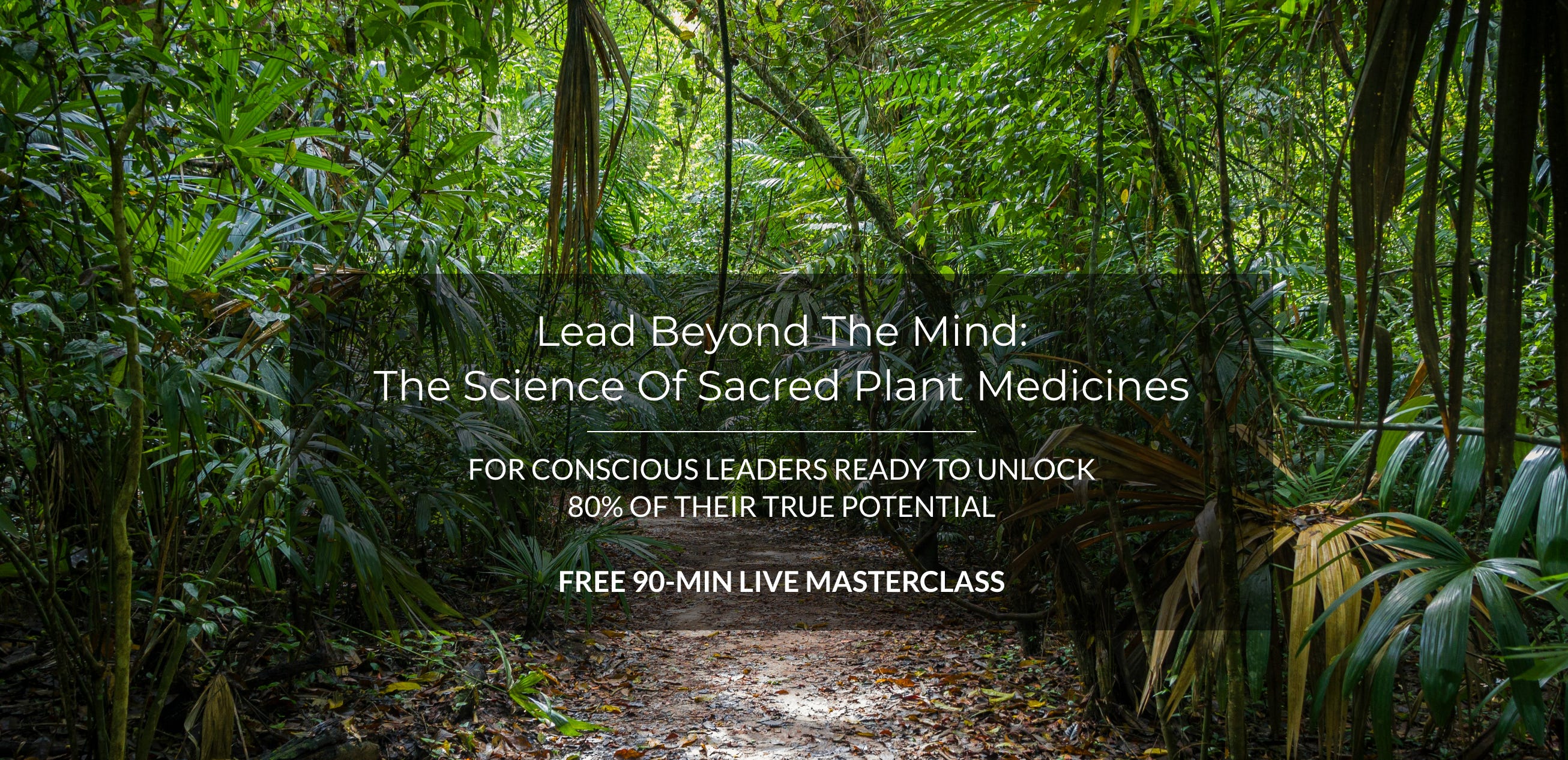
Beyond Survival: Who Are You When You’re No Longer Trying to Survive?
2w ago00:25:06Tap to summarizeFREE Masterclass “Beyond The Mind: The Science Of Plant Medicines”📅 Date: August 11🕒 Time: 18:00 CET / 9:00 PST / 12:00 ESTOver the past few years, I have been studying human behaviour through leadership, psychology, trauma, somatic work and, more recently, consciousness. One question has become increasingly present in my own journey and in the work I do with founders and executives:Who are you when you’re no longer trying to survive?At first, it sounds like a strange question. Most of us would probably answer that we are not surviving. We have a home, a career, a salary, food on the table. We are safe.And yet, when I look at the world around me, I see something very different.We live in a time where fear has become part of our daily environment. Every day we are exposed to news about wars, economic uncertainty, layoffs, political instability and the rapid rise of artificial intelligence. Even if none of these events affect us directly, they slowly reinforce a collective belief that the world is becoming less safe.For leaders, founders and entrepreneurs, that feeling is amplified.The question is no longer simply, “How do I build a successful company?” It quietly becomes, “How do I make sure I’ll be okay?”Many businesses today are not built from purpose or creativity. They are built from survival.And that changes everything.When Survival Becomes Your Leadership StrategyOne of the patterns I observe most often in coaching is that people believe they are making strategic decisions, when in reality they are making protective decisions.The business becomes the place where they seek safety.Success becomes proof that they are enough.Recognition becomes reassurance that they matter.Money becomes certainty.None of those things are inherently wrong. They are deeply human. But when they become the unconscious reason behind everything we build, fear quietly starts leading our decisions.Instead of asking, “What would create the greatest value?”, we begin asking, “What will make me feel safe?”Instead of creating from our purpose, we create from our survival.The difficult part is that most of us don’t realise we’re doing it.Knowing the Pattern Doesn’t Always Change ItMany of the leaders I work with have already spent years doing inner work.They’ve been to therapy.They’ve worked with coaches.They’ve read countless books.They understand exactly why they react the way they do.And still, they find themselves repeating the same behaviours.They continue overworking.They continue betraying themselves.They continue staying in relationships or businesses that no longer serve them.It is now that they don’t know better.But understanding is different from transformation.For many years, I believed that if I understood the source of my patterns, they would naturally disappear.Eventually I realised that the mind had taken me as far as it could.The answer wasn’t only in understanding the story.The answer was hidden somewhere else.The Body Remembers What the Mind Has Shut DownThis is what led me toward somatic work and the study of the nervous system.One insight completely changed the way I understand personal transformation.The body remembers.When we experience something overwhelming as children, our body adapts in order to survive. Sometimes it contracts. Sometimes it freezes. Sometimes it learns not to express emotions. Sometimes it becomes hyper-vigilant.These adaptations are incredibly intelligent.They helped us survive when we were five years old.The challenge is that many of us continue living with the same adaptations decades later.The situations have changed.We have changed.But our nervous system often hasn’t.That is why we can intellectually know that we are safe while our body continues reacting as if danger were still present.A growing body of research in trauma and somatic healing points in this direction. Authors such as Gabor Maté, Bessel van der Kolk and Stephen Porges have all contributed to our understanding that healing is not only about changing thoughts. It is also about helping the nervous system experience safety again.My Own Survival StoryLooking back, I understand where many of my own survival patterns came from.My parents left Vietnam after the war. Survival wasn’t simply part of their past; it shaped the way they experienced the world. Safety could disappear overnight. Stability could not be taken for granted.Without anyone consciously intending it, those beliefs were passed on to me.I learned very early that achievement created safety.That working harder meant being worthy.That success meant I would be okay.Even after leaving my corporate career and building my own business, I noticed the same program running inside me.I had enough savings to live comfortably for years.Nothing in my external reality suggested that I was unsafe.And yet my nervous system kept repeating the same message:“It’s not enough.”“Keep pushing.”“You never know.”The circumstances had changed.The survival pattern had not.Beyond the Mind, The Next Human EvolutionThat was the beginning of another chapter of my journey.I started exploring movement, somatic practices and eventually travelled to Colombia to sit with Yagé for the first time.I wasn’t looking for another technique.I wasn’t looking for another framework.I was looking for something beyond the mind.During that journey, I experienced something I had never been able to access through thinking alone. I could feel, in my body, layers of fear that didn’t seem to belong only to me. They belonged to my family history, to generations that had lived through war, displacement and uncertainty.For the first time, survival was no longer an idea I understood intellectually.It became something I could feel.And because I could finally feel it, I could begin releasing it.That experience changed the direction of my work.It showed me that there are dimensions of healing the mind cannot reach on its own.Who Are You When You Stop Surviving?One of the biggest fears leaders have is that if they stop being driven by fear, they will lose their ambition.I had that fear too.What I discovered was the opposite.When survival is no longer driving your life, you don’t stop creating.You don’t stop building.You don’t stop performing.You simply stop performing to prove that you deserve to exist.Your work becomes lighter.More aligned.More joyful.You create because it is an expression of who you are, not because you are trying to outrun an old wound.That, for me, is what conscious leadership is truly about.Not becoming someone different.But removing everything that fear has built around who you already are.Reflection QuestionsAs you reflect on your own journey, I invite you to sit with these questions.Where in your life are you still operating from survival rather than choice?What part of your identity was once necessary to protect you, but no longer serves you today?If your nervous system truly knew that you were safe, what decision would you make differently?And perhaps the deepest question of all:Who are you when you’re no longer trying to survive?Closing ThoughtsSurvival is one of the most intelligent adaptations our body has ever created.The question is not whether it protected us.The question is whether it is still protecting us from a danger that no longer exists.Because there comes a moment in life when surviving is no longer enough.There comes a moment when the work shifts from building a life that feels safe to building a life that feels true.And perhaps that is where real leadership begins.If you are ready to go a level deeper, I am inviting you to this workshop on August 11th to explore who you are without your survival patternsFREE Masterclass “Beyond The Mind: The Science Of Plant Medicines”📅 Date: August 11🕒 Time: 18:00 CET / 9:00 PST / 12:00 ESTThanks for reading Rise and Play! Subscribe for free to receive new posts and support my work. This is a public episode. If you would like to discuss this with other subscribers or get access to bonus episodes, visit riseandplay.substack.com
Transcribe →
From Leadership Shadows to Contribution: Our Highest Human Need
4w ago00:16:13Tap to summarizeOver the past weeks, we’ve explored the six core human needs and the shadows they create when they unconsciously drive our lives and leadership.We began with the need for certainty, which often becomes the need for control. We explored the need for variety and how it can create instability. We looked at significance, our desire to be seen and recognized, and at love and connection, where over-giving and people-pleasing often emerge. Finally, we reflected on the need for growth and how the pursuit of constant evolution can become exhausting when it never allows space for integration.Today, I want to close this series with the sixth and final need:The need for contribution.In many ways, I see this as the most mature of the six human needs.But it is also the easiest one to confuse with the others.What Is the Need for Contribution?The need for contribution is the desire to create meaningful impact beyond yourself.It is the desire to give back.To leave something better than you found it.To use your skills, experience, and life for something larger than your own success.Many people describe contribution as the highest expression of purpose.Yet there is an important question we rarely ask ourselves:From which place are we contributing?Because contribution can easily become another disguise for an unmet human need.Are you contributing because you need recognition?Then perhaps significance is still driving your actions.Are you contributing because helping others allows you to belong?Perhaps the need for love and connection is underneath.Are you contributing because it helps you learn and evolve?Perhaps growth is still leading the way.Contribution itself is not enough.The intention behind it matters.When Giving Is Another Way of ReceivingOne of the biggest lessons I’ve learned is that many of us give because, unconsciously, we hope to receive something in return.Recognition.Validation.Love.Belonging.Security.There is nothing wrong with these needs, they are deeply human.The invitation is simply to become aware of them.Healthy contribution begins when the act of giving is complete in itself.When giving is already fulfilling.When nothing needs to come back for the contribution to have meaning.That, for me, is where contribution becomes truly free.The Shadow of ContributionLike every human need, contribution also has its shadow.One of the most common expressions I see—particularly in women leaders—is over-giving.Helping everyone.Always being available.Giving expertise away for free.Putting others first.Feeling guilty for receiving.The intention is beautiful.But over time, it becomes unsustainable.Because contribution without receiving eventually creates depletion.Everything in nature exists in relationship.Breathing in. Breathing out.Giving. Receiving.Neither can exist without the other.One question worth reflecting on is:How comfortable are you receiving?Can you receive money without guilt?Can you receive appreciation without minimizing it? Say ‘Thank you’.Can you receive support without feeling indebted?Many people who love to contribute discover that receiving is actually much harder than giving.And yet both are necessary.My Own ShiftWhen I look back on my own career, I can clearly see how this need evolved over time.For many years, I worked in the gaming industry.I loved the creativity.I loved the innovation.I loved building teams and creating products that reached millions of people.I also received a great deal in return.Meaningful work.Recognition.Financial security.Growth.But eventually, a deeper question emerged.What am I contributing to?The games we created generated engagement, screen time, and significant revenue.From a business perspective, they were successful.But I also knew who some of our players were.I knew stories of people spending thousands of euros in games.People whose behavior resembled addiction more than entertainment.And I had to ask myself:Is this the impact I want to have?That question changed everything.It wasn’t a judgment of the industry.It was an honest reflection on my own values.I realized that my deepest need was no longer growth.Or recognition.Or achievement.It had become contribution.That realization eventually led me toward coaching.Toward conscious leadership.Toward creating spaces where leaders examine not only what they build, but the impact they create on the people around them.When Contribution Becomes a Different QuestionAt some point in life, many people reach a quiet transition.They’ve achieved.They’ve grown.They’ve accumulated experience.And the question changes.Instead of asking:“How can I become more successful?”They begin asking:“What do I want to leave behind?”Contribution is no longer about building something bigger.It becomes about building something meaningful.For me, that has become the work.Helping leaders move from fear to love.From leading through control, ego, and survival...To leading from awareness, integrity, and the heart.That doesn’t happen through strategy alone.It requires inner work.Because the quality of what we contribute will always reflect the quality of the place we are contributing from.Looking Back at the Six Human NeedsAs we close this series, I invite you to reflect on all six human needs.* Where do you seek certainty and control?* Where do you constantly chase novelty?* Where do you need recognition?* Where do you sacrifice yourself to maintain connection?* Where do you push yourself to keep growing?* And finally…How do all of these needs shape the way you contribute to the world?Every need is valid.Every need has a shadow.The goal is never to eliminate these needs.The goal is to become aware of them.Because awareness is where freedom begins.Reflection QuestionsTake some time to journal with these questions:* Which of the six human needs drives most of your decisions today?* When you contribute, what are you hoping to receive in return?* How comfortable are you with receiving?* What impact are you truly creating through your work?* If recognition, money, and status disappeared, would you still choose the same path?Closing ReflectionFor me, contribution is not about saving the world.It is about bringing more consciousness into it.Helping people move from fear to love.From unconscious patterns to awareness.From reacting to choosing.If this series has taught us anything, it is that our shadows are not something to eliminate.They are invitations.Invitations to understand ourselves more deeply.Because once we understand what has been driving us, we finally become free to choose a different way of leading, living, and contributing.And perhaps that is the greatest contribution any of us can make.Thanks for reading Rise and Play! Subscribe for free to receive new posts and support my work.I am opening the registration for a unique event on Sept 4-7, a medicinal retreat in Europe for conscious leaders ready to go to the next level.We are curating a selected group of 12. Book a discovery call for more information. This is a public episode. If you would like to discuss this with other subscribers or get access to bonus episodes, visit riseandplay.substack.com
Transcribe →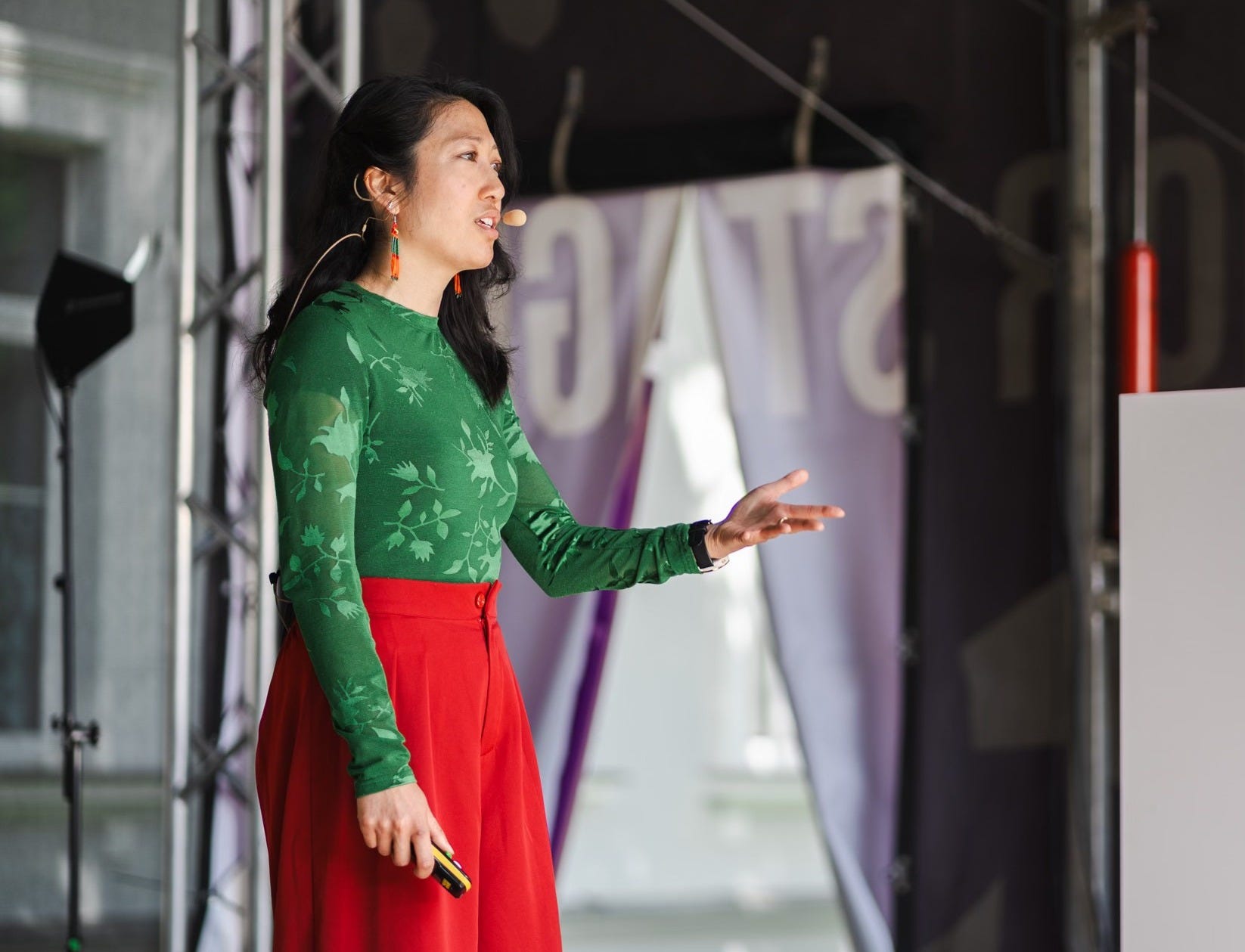
Leadership Shadow #5: The Insatiable Need For Growth
Jul 700:15:59Tap to summarizeIn this series on the six human needs, we’ve already explored certainty, variety, significance, and love and connection.Today, we’re looking at the fifth human need:Growth.For me, this has been one of the strongest drivers throughout my life.Growth has shaped how I learn, how I lead, how I build businesses, and how I relate to challenges.It has also been one of my biggest teachers.Because like every human need, growth is beautiful.And like every human need, it also has a shadow.What Is the Need for Growth?The need for growth is the desire to learn, evolve, and become more.People with this need often love challenges.They enjoy learning new skills.They seek transformation.They are energized by difficult situations because every challenge becomes an opportunity to grow.If this is your dominant need, you probably recognize yourself here:* You love learning.* You constantly seek new perspectives.* You are rarely intimidated by difficult problems.* You often feel excited by change rather than discouraged by it.Growth becomes a way of life.There is nothing wrong with that.In fact, growth is part of nature.Everything alive is constantly evolving 🌱.The question is not whether you should grow.The question is how you grow.When Growth Becomes a Survival StrategyLooking back, I can see that my need for growth didn’t begin as a conscious choice.It began as survival.Growing up in a family of immigrants, I inherited a simple belief:If we don’t grow, we won’t survive.We came to France with very little.Everything had to be rebuilt.A new life.A new future.A new generation.Growth wasn’t simply encouraged.It became associated with safety.Without realizing it, I carried that belief into every part of my life.At school, in my career, in my leadership, in business, and personal development…If I wasn’t growing, I felt like something was wrong.And even today, I can still feel that pattern if I don’t pay attention.The Shadow of Constant GrowthThe shadow isn’t growth itself.The shadow is never allowing yourself to stop.Always learning.Always improving.Always achieving.At first, this looks admirable.But eventually it becomes exhausting.I’ve experienced this personally.There were periods where I was so focused on growth that everything else became secondary:Relationships.Rest.Integration.Presence.Even joy.Growth became another thing to optimize.Instead of allowing experiences to settle, I was already looking for the next course, the next project, the next transformation.Ironically, I wasn’t integrating any of it.Hypergrowth Isn’t Always HealthyI also see this pattern in founders and leadership teams.Many organizations celebrate hypergrowth.Grow faster.Scale bigger.Raise more.Expand quicker.But organizations have nervous systems too.People need time to adapt.Teams need time to integrate change.Culture needs time to mature.When leaders push growth faster than people can absorb it, exhaustion follows.Not because growth is bad.But because sustainable growth requires rhythm.Just like breathing.Expansion.Then integration.Movement.Then rest.More Learning Doesn’t Always Mean More GrowthOne pattern I recognize in myself is the tendency to consume too much information.Four courses at once, several books, multiple trainings…Always learning.The result?I knew many things.But I hadn’t embodied them.Real growth isn’t measured by how much information we collect.It is measured by what we integrate.Sometimes learning one thing deeply creates more transformation than learning ten things superficially.Depth often matters more than volume.What Happens When You Stop?A useful question to ask yourself is:What happens inside you when you stop growing?When you don’t read another book.When you don’t sign up for another course.When you don’t work on yourself for a day.Can you simply rest?Or does anxiety appear?Many people discover that stopping feels surprisingly uncomfortable.Not because they enjoy constant movement.But because their nervous system has associated movement with safety.Growth has become the way they regulate themselves.The Leadership Practice: IntegrationThe practice isn’t to stop growing.The practice is to pace your growth.Growth also happens through: rest, reflection, repetition, integration…Silence.Sometimes doing nothing is part of growing.Sometimes the deepest transformation happens when we stop adding something new and begin living what we already know.This is particularly important in leadership.Because leaders who never pause often create organizations that never pause.The pace of the leader becomes the pace of the culture.Practices for Balancing the Need for GrowthIf you recognize this pattern, here are a few practices to explore.🔵 Practice One: Integrate Before You AddBefore starting another book, another course, or another project, ask yourself:Have I fully integrated what I already know?🔵 Practice Two: Schedule Rest as Part of GrowthTreat rest as a discipline rather than a reward.Integration is part of learning.Not separate from it.🔵 Practice Three: Observe Your AnxietySpend a few moments doing nothing.Notice what happens.If anxiety appears, stay curious.Ask yourself:What am I afraid will happen if I stop?🔵 Practice Four: Choose Depth Over VolumeRather than constantly seeking something new, spend more time mastering one thing.Depth creates wisdom.Volume creates information.They are not the same.💡Reflection QuestionsTake a few moments to reflect:* Is growth one of your strongest human needs?* Do you associate slowing down with falling behind?* What belief makes rest feel uncomfortable?* Are you integrating your learning—or simply collecting more of it?* What would sustainable growth look like for you?Closing ReflectionGrowth is one of the most beautiful expressions of being human.We are meant to evolve.The invitation is not to grow less.It is to grow more consciously.Because growth without integration becomes exhaustion.Growth with awareness becomes wisdom.And sometimes the greatest sign of growth is not how fast you move forward.It is knowing when to pause.Thanks for reading Rise and Play! Subscribe for free to receive new posts and support my work.I am opening the registration for a unique event on Sept 4-7, a medicinal retreat in Europe for conscious leaders ready to go to the next level.We are curating a selected group of 12. Book a discovery call for more information. This is a public episode. If you would like to discuss this with other subscribers or get access to bonus episodes, visit riseandplay.substack.com
Transcribe →
Leadership Shadow #4: The Unhealthy Need To Belong
Jun 3000:16:06Tap to summarizeIn this series on the six human needs, we’ve already explored certainty, variety, and significance.Today, we’re looking at the fourth human need:Love and connection. At first glance, this need seems harmless.Who doesn’t want love?Who doesn’t want meaningful relationships, belonging, and connection?The challenge is not the need itself.The challenge is what happens when our need for connection becomes stronger than our willingness to be truthful.What Is the Need for Love and Connection?The need for love and connection is the desire to feel close to others.To belong.To be included.To feel connected to family, partners, colleagues, teams, and communities.People with a strong need for connection often thrive in collaborative environments.They enjoy working with teams.They build deep relationships and bring people together.They care deeply about harmony.These are beautiful qualities.But like every human need, this one has a shadow.And the shadow often appears in leadership.When Connection Becomes DependencyThe shadow side of love and connection is not love.It is dependency, over-giving.It is people-pleasing.It is sacrificing your truth to preserve harmony.The fear underneath is simple:If I disrupt the connection, I may lose it.This fear shows up everywhere.A leader keeps an underperforming team member because they don’t want to hurt their feelings.A founder avoids difficult conversations with a business partner because they want to stay friends.A coach overextends themselves to keep clients happy.A person remains in an unhealthy relationship because leaving feels more painful than staying.In all these situations, connection becomes more important than authenticity.And eventually, that comes at a cost.The Hidden Cost of Keeping the PeaceMany leaders don’t recognize themselves as people-pleasers.The behavior often looks different at senior levels.It may appear as:* Avoiding difficult conversations* Delaying necessary decisions* Keeping partnerships that are no longer aligned* Over-accommodating others* Struggling to set boundaries* Carrying emotional burdens that aren’t theirsFrom the outside, it can look like kindness.Inside, it often feels like exhaustion.Because maintaining harmony requires energy.And when harmony is maintained at the expense of truth, the cost is usually paid by the person carrying the burden: You.Where Does This Pattern Come From?For me, this pattern has roots in my upbringing.Growing up in an Asian family, I learned very early that harmony mattered.The harmony of the group mattered.Keeping peace within the family was associated with safety.Breaking harmony felt dangerous.Being excluded felt unsafe.Of course, as children, these adaptations make sense.Belonging has always been tied to survival.Our nervous system still carries traces of that evolutionary reality.The challenge is that many of us continue operating from those old assumptions long after the original circumstances have passed.We act as if disagreement will lead to abandonment.As if honesty and boundaries will destroy connection.But is that actually true?The Leadership Practice: BoundariesThe practice is not to love less.The practice is to love differently.To learn that connection does not require self-sacrifice.To learn that boundaries do not destroy relationships.In fact, healthy boundaries often strengthen them.A question worth exploring is:Can you feel connected without giving everything away?Can you maintain a relationship while saying no?Can you disagree without withdrawing?Many people discover something surprising:The relationship survives.And sometimes it becomes stronger.Because authentic connection requires truth.Not performance.What Happens When Love Isn’t Reciprocated?This is another place where people struggle.Some people naturally give love very freely.They are generous, open-hearted and supportive.But not everyone knows how to receive love.And not everyone expresses it in the same way.When love isn’t returned in the way we expect, we often make it personal.We assume:“They don’t appreciate me = They don’t love me.”But reality is often more nuanced.People simply express love differently.The Five Languages of LoveOne framework that has been helpful for understanding this is the concept of the Five Love Languages (Resource)People tend to express and receive love through different channels:* Acts of Service* Quality Time* Gifts* Physical Touch* Words of AffirmationProblems arise when we expect others to love us in our preferred language.For example:You may need words of affirmation.Your partner may express love through acts of service.You may need quality time.Your colleague may show appreciation through practical support.The love is present, but the language is different.Recognizing this can soften resentment and create more understanding in both leadership and personal relationships.The Deeper PracticeUltimately, the practice is not about getting more love from others.It is about cultivating enough love within yourself that connection becomes a choice rather than a necessity.Can you feel worthy even when someone disagrees with you?Can you stay connected to yourself when a relationship changes?Can you remain open-hearted without abandoning your boundaries?These are the questions that transform the need for connection from a dependency into inter-dependency.A Personal ReflectionThis need has been very present throughout my life.But what has changed is how I relate to it.I’ve learned that sometimes love requires difficult conversations.Sometimes it requires saying no.Sometimes it requires risking disappointment.And paradoxically, those moments often deepen connection rather than destroy it.Because authentic relationships are not built on agreement.They are built on truth.Reflection QuestionsTake a moment to reflect:* Where are you sacrificing your truth to preserve harmony?* What relationship are you afraid to challenge?* Where are you over-giving in the hope of receiving connection?* What would happen if you trusted that real connection could survive disagreement?Closing ReflectionThe need for love and connection is one of our most beautiful human needs.It reminds us that we are not meant to navigate life alone.The invitation is not to need less connection.The invitation is to create healthier connection.Connection rooted in truth, supported by boundaries.Connection that allows both closeness and individuality.Because real love does not require you to abandon yourself in order to belong 💛Thanks for reading Rise and Play! This post is public so feel free to share it. This is a public episode. If you would like to discuss this with other subscribers or get access to bonus episodes, visit riseandplay.substack.com
Transcribe →
Leadership Shadow #3: When Your Need for Significance Is Running the Show
Jun 2300:18:02Tap to summarizeIn this series on the six human needs, we’ve already explored the need for certainty and the need for variety in the previous episodes.Today, we’re looking at the third human need: significance.This one feels particularly personal to me.As I’ve transitioned from leadership roles in tech and gaming into coaching and conscious leadership, I’ve had to confront my own relationship with significance. Not just professionally, but at a much deeper level.Because significance is one of the most celebrated needs in modern leadership.And one of the least examined.What Is the Need for Significance?The need for significance is the need to feel important.To be seen.To be recognized.To be valued.To know that we matter.There is nothing wrong with this need. It is deeply human.The challenge begins when our sense of significance depends entirely on external validation.When we need the title.The promotion.The company.The audience.The visibility.The achievement. The exit.To feel worthy.At that point, significance stops being a healthy need and becomes a shadow.Where Does It Come From?For many people, the need for significance is rooted in earlier experiences of feeling unseen.Perhaps your voice wasn’t heard.Perhaps your opinions didn’t matter.Perhaps you only received attention when you performed, achieved, or succeeded.That was certainly true for me.Growing up, I often felt invisible unless I achieved something.Recognition came through performance.Achievement became the place where I felt valued. Where I felt loved, where I felt safe.So I learned to achieve.I pursued promotions.Leadership positions.Recognition.Success.I became a founder, a CEO, a leader.And it felt good.Because every achievement temporarily filled the space where significance was missing.The problem is that external significance is never enough. There is always another milestone.Another title. Another level to reach.An endless hunger for ambition.How Significance Shapes LeadershipThis pattern shows up frequently in founders and executives.The company needs to be bigger.The revenue needs to be higher.The fundraising round needs to be larger.The impact needs to be more visible.When you ask why these goals matter so much, the answer is often revealing.Only then will I be successful.Only then will I be respected.Only then will I matter.Only then will I be “enough”.This is where significance becomes dangerous.Not because ambition is wrong.But because the business becomes a vehicle for proving personal worth.When leaders operate from this place, organizations often become centered around the ego needs of the founder rather than the needs of the people they serve.Everything starts to revolve around image, status, and perception.What looks impressive.What gets attention.What creates recognition — and we have seen a lot of that in the tech and gaming industry over the past years.And somewhere in the process, authenticity gets lost.The Hidden Cost of External ValidationI know this pattern well.Earlier in my career, visibility gave me power.It gave me influence.It gave me opportunities.But it also consumed me.Because when significance is built externally, you become dependent on external feedback to maintain your sense of self.The applause becomes necessary.The recognition becomes necessary.The visibility becomes necessary.And eventually, you stop asking:“Am I fulfilled?”And start asking:“Am I seen?”These are very different questions.The Real WorkThe real work is learning to feel significant without needing to be significant.Stay with that for a moment.Learning to feel significant without needing to be seen.Without needing recognition.Without needing validation.Without needing the room to acknowledge your value.This is where internal significance begins.The question becomes:Can you appreciate your own accomplishments even if nobody else knows about them?Can you complete something meaningful without sharing it publicly?Can you find satisfaction in the work itself?Can your own witness be enough?This is not about hiding.It is not about becoming invisible.It is about loosening the attachment between your worth and other people’s recognition.A Personal ShiftThis has been one of the deepest practices in my own transformation.As I moved into coaching and conscious leadership, I realized I could no longer lead from the same need for visibility that had driven parts of my earlier career.I had to shift from being the expert to becoming the guide.From being recognized to being useful.From seeking significance externally to cultivating it internally.It is still a practice.But it has created far more peace than any title ever did.Practices for Balancing the Need for SignificanceIf this pattern resonates with you, here are a few simple practices:✅ Accomplish Something Without Sharing ItDo something meaningful that nobody else needs to know about.Notice what arises.Do you still feel proud of it?✅ Attend Without Being the Center of AttentionGo to an event without trying to be noticed.Practice listening instead of performing.Observe what happens internally.✅ Focus on Craft Rather Than RecognitionShift attention from how your work is perceived to the quality of the work itself.Can the process become more rewarding than the outcome?✅ Ask Yourself ‘Why’When you want more visibility, more success, or more recognition, pause.Ask: What am I hoping this achievement will give me?The answer is often deeper than the goal itself.💡Reflection QuestionsTake a few moments with these questions:* Where does your sense of significance come from today?* Do you only feel valuable when you are achieving?* What would happen if nobody witnessed your success?* Can you appreciate your work without external validation?* Who are you when the titles, achievements, and recognition are removed?Closing ReflectionThe need for significance is not the problem.It is one of our most natural human needs.The invitation is simply to examine it.Because when significance is unconscious, it drives us.When significance becomes conscious, it teaches us.And sometimes the greatest achievement is not becoming more important.It is realizing that you were already enough before anyone noticed.Thanks for reading Rise and Play! Subscribe for free to receive new posts and support my work. This is a public episode. If you would like to discuss this with other subscribers or get access to bonus episodes, visit riseandplay.substack.com
Transcribe →
The Shadow #2 of Leadership — The Need for Variety and Uncertainty
Jun 200:18:44Tap to summarizeWelcome to a new episode of Spark of Awareness, continuing the series on the six human needs.If you missed the previous episode, I encourage you to connect with it. Each of these needs carries both a constructive expression and a shadow expression. In leadership, these shadows inevitably appear to varying degrees, and when they remain unconscious, they can hinder growth, decision-making, and long-term impact.Today, we explore the second human need: variety and uncertainty.This need reflects the desire for change, novelty, stimulation, unpredictability, adventure, risk, and new experiences. It is the drive toward what is unknown and evolving.If you recognize this in yourself, it is worth examining honestly.The Need for Variety in LeadershipPersonally, this need has been very present in my own life.I have often been drawn to new projects, new experiences, and new environments that create a sense of renewed energy. Repetition, long cycles, and sustained commitment have at times felt difficult.At its extreme, this pattern can lead to restlessness and a constant search for change. Without awareness, it can manifest in premature exits from teams, companies, or relationships — not necessarily because something is wrong, but because internal energy is pushing toward novelty.In hindsight, I can see moments where I was not responding to external reality, but to an internal need for change. Instead of understanding what was happening within me, I expressed it through external disruption.This pattern influences how things begin and end — projects, commitments, and relationships.The Shadow of Constant ChangeIn leadership, this need can become highly destabilizing.For example, in executives or founders, it may appear as constant shifts in direction — an ongoing pursuit of what feels new, exciting, or stimulating. However, what feels energizing for the individual is not always what a business requires.Organizations often need stability, consistency, and sustained execution. When leadership is driven primarily by novelty, it can create confusion and lack of grounding within teams.A key challenge is distinguishing between:* Necessary evolution* And personal preference for changeWithout this distinction, decision-making becomes reactive rather than strategic.Restlessness and the Creation of ChaosThis need can also express itself through intensity.When there is no clear channel for novelty or stimulation, it may manifest as unnecessary complexity, conflict, or even chaos. Situations become more complicated than they need to be, not because of external conditions, but because internal energy seeks movement.In some cases, this creates artificial urgency — a sense that something must be fixed, solved, or disrupted in order to feel alive.In business environments, this can be particularly damaging, especially where discipline, clarity, and consistency are required.Instability and Lack of CommitmentWhen the need for variety dominates, it often leads to instability.There can be a resistance to planning, structure, or long-term commitment. This pattern is also visible in broader society, where commitment in work, relationships, and long-term projects is increasingly fragile.In a leadership context, this becomes a barrier to mastery. Growth requires repetition, patience, and sustained focus. Without that, execution becomes fragmented.Another shadow expression is addiction to novelty: constantly starting new things while rarely completing them.This leads to scattered energy and unfinished potential.The Cost of Unchanneled EnergyAt the core, this is not a lack of energy — it is often the opposite. Too much energy.Many people with this pattern have significant internal energy, creativity, and drive. The challenge is not generating energy, but directing it.When it is not consciously channeled, it tends to fragment:* too many projects* constant restarting* unresolved commitments* loss of continuityInstead of creating value, the energy disperses.The key question becomes: how do you channel energy into creation rather than disruption?Awareness and Rechanneling EnergyThe first step is awareness: recognizing the pattern without judgment.Personally, I noticed a tendency to start many projects but struggle to sustain them. Over time, I learned that consistency itself is a discipline — not a limitation of creativity.The practice is not to suppress this energy, but to contain and redirect it.When restlessness arises, the first step is not immediate action. It is observation. Sitting with the energy without reacting to it.Often, nothing needs to be done immediately. The body may feel agitated, but the system stabilizes when the impulse is not instantly acted upon.Once the intensity settles, the energy can be redirected into something constructive:* writing* reflecting* creating* consolidating vision* refining directionThe goal is not to eliminate movement, but to transform it into intentional creation.Separating Expression from ResponsibilityOne important practice has been learning where expression belongs.Creative exploration, experimentation, and self-expression are valuable — but they are not always appropriate in every context.For example, in coaching or leadership environments, the role is not self-expression, but service. The focus is on the needs of others, not internal impulses.This separation is essential.Without it, personal energy can unconsciously influence spaces that require neutrality, clarity, and presence.The same applies to leadership in organizations: personal excitement should not override what the system actually needs.A useful question becomes:Is this decision serving the business, or serving my own need for stimulation?If it is the latter, it may belong elsewhere.Channeling Energy Outside of WorkWhen personal expression is needed, it is important to give it a proper outlet outside professional responsibilities.This may include creative practices, movement, or environments where expression is held safely and does not impact others’ work or expectations.This separation allows leadership spaces to remain stable, while personal energy still has room to flow.Both needs can coexist — but they must be held in the right contexts.Closing Practice: Working with Restless EnergyTo close, I invite a simple meditation practice centered on this theme.Sit comfortably and bring attention to your breath.Observe your internal state without attempting to change it.Notice where energy is present in the body:* the chest* the belly* the mind* the breathSimply observe.As you continue breathing, notice how the energy shifts. In many cases, it begins to regulate on its own.Some areas soften. Some tension releases. A sense of grounding emerges naturally.This practice does not require effort — only awareness.When restlessness appears in daily life, return to this observation. Sit with it before acting.Then, if needed, journal:* What is this energy asking for?* Where does it want to go?* How can it be directed constructively?Over time, this builds the ability to transform raw energy into intentional creation.Closing ReflectionThe need for variety is not a problem.In its healthy form, it brings creativity, innovation, and movement. In its shadow form, it creates instability, fragmentation, and unnecessary disruption.The work is not to remove this energy, but to learn how to channel it.Next week, we continue with the third human need: significance — the need for recognition and being seen 🥇.Thanks for reading Rise and Play! Subscribe for free to receive new posts and support my work.🌿 Next ORIN Women’s Retreat on Sept 11-16 (Portugal) 🌿 This is a public episode. If you would like to discuss this with other subscribers or get access to bonus episodes, visit riseandplay.substack.com
Transcribe →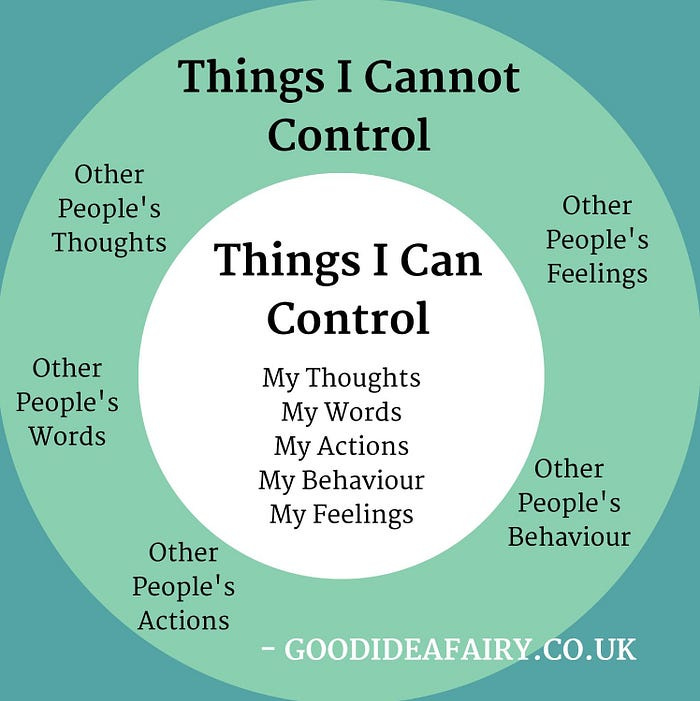
The #1 Shadow of Leadership: The Need of Control
May 2600:18:44Tap to summarizeWelcome to a new episode of Spark of Awareness.I’ve been away for a few weeks, integrating everything that happened over the past months. Many positive changes took place, but integration takes time. Sometimes, making priorities means letting go and accepting that we do not always have control — a theme I’ll explore throughout this series.In this series, I’m diving into the six human needs and their shadow expressions in leadership.The framework of the six human needs appears across several psychology and coaching work. You may know it through Tony Robbins’ work, but there are many models exploring human motivation and behavior: self-determination theory, Maslow’s hierarchy of needs, and others.I’m always interested in examining how humans function through different lenses. What I find valuable about the six human needs model is its ability to reveal our patterns and shadows.The purpose of this reflection is cultivating self-awareness. Self-awareness allows us to become more conscious of what we do, how we think, and ultimately, how we act.The six human needs are:* Certainty* Variety / Uncertainty* Significance* Love and Connection* Growth* ContributionEach episode in this series explores one of these needs through the lens of leadership and self-awareness. Today, I’m focusing on the first: the need for certainty.The Need for Certainty as the Need for ControlThe need for certainty is highly present in business and leadership.If I had to translate certainty into practical leadership behavior, I would call it the need for control.When the need for certainty becomes dominant, it often turns into an excessive focus on control. In organizations, this pattern appears frequently.We try to control outcomes. We seek certainty around success. We want guarantees that we will meet our targets, grow, survive, or secure the future.This creates pressure — pressure from leadership to control markets, despite the reality that markets cannot be controlled.It shows up as controlling employees, peers, or outcomes. It can manifest as manipulation, increased dependency on systems or people, and a loss of sovereignty.The need for certainty itself is not wrong. All human needs are valid.The problem emerges when a need becomes unexamined and overextended. At that point, it turns into a shadow — a blocker to growth, personal development, and consciousness.The Shadow Side of CertaintyThe shadow of certainty is an excessive attachment to control, safety, and predictability.We want every action we take today to guarantee future success. We want certainty that effort will produce the desired outcome.Unfortunately, reality does not work that way.Effort increases probability, but it does not guarantee results — especially in business.Startup success rates alone remind us of this reality.This overinvestment in certainty often extends to teams and relationships. Leaders may try to control employees to ensure they stay forever. Similar patterns appear in personal relationships: controlling someone to prevent them from leaving, or to obtain something from them.But controlling the market, outcomes, or other people is ultimately an illusion.People do what they want to do. They often act according to their own motivations, not according to our expectations.Recognizing this is an important reminder: much of what we try to control is beyond our control.The Reinforcing Cycle of ControlThe need for certainty easily becomes a reinforcing loop.When control fails, we often respond by trying to create stronger mechanisms of control: more contracts, more legal protections, more planning, tighter agreements, reduced freedom.The question becomes:Do you notice yourself forcing guarantees in order to feel in control?The path forward is not stronger control.It is learning to release control.It is surrender.Learning to SurrenderI speak from personal experience here.The need for certainty was deeply present in my earlier life. Certainty represented safety. I wanted assurance that no one would harm me, that there would be financial runway, that my salary would keep me safe.Working in the games industry taught me otherwise.It has been an incredible journey, but also one filled with uncertainty.Teams closed. People left. Expected numbers did not materialize. I left companies I had not planned to leave.Over time, I learned — often the hard way — that there is very little I truly control.Practicing Not KnowingIf you recognize yourself clinging to certainty, especially when it prevents growth, the practice is simple, though not easy:Practice not knowing.What does it feel like, in your body, to let go of control little by little?For me, releasing control created anxiety and stress. It became a gradual practice: letting go a little more, then a little more again.What can you release and discover that nothing catastrophic happens when you stop controlling?At minimum, your body often feels different — less contracted, less tense, less exhausted.Because certainty and control create physical contraction. They create tension, fatigue, and when sustained long enough, chronic symptoms.What Can You Actually Control?This brings me back to stoicism.Stoic practice reminds us that we control very little outside ourselves.What we can influence are our thoughts, our perceptions, and the actions that arise from them.How do you interpret events?How do you speak to yourself?Negative self-talk tends to generate actions that reinforce negative beliefs. A different interpretation creates different possibilities for action.Your perception of a situation is something you can work with.Acceptance as a Leadership PracticeAnother practice for those heavily attached to control is acceptance.Acceptance of what is.When someone does not do what you want, when reality unfolds differently than expected — can you sit with it?Can you be with your frustration?This has been an important practice in my own life.Because my pattern was certainty, much of my work involved becoming familiar with anxiety, uncertainty, and not knowing.Learning that it is safe not to know.Because trying to know everything is largely an illusion.It rarely changes the outcome.What changes is your internal state: you feel clearer, calmer, and more grounded in your body.Closing ReflectionTo summarize:Everyone has a need for certainty.In its shadow form, certainty becomes an excessive need for control and predictability.The invitation is to practice not knowing. To move forward without guaranteed outcomes. To discover what happens when you continue walking your path without certainty.A few years ago, I did not know I would become a coach.I did not try to force the answer.I focused on learning, improving my craft, listening to the market, understanding what people needed, and following the current of life.Today, I’m in the right place.But arriving here required surrender.So the question I leave with you is:How can you surrender a little more to not having control?Thanks for reading Rise and Play! Subscribe for free to receive new posts and support my work.🌿 Next ORIN Women’s Retreat on Sept 11-16 (Portugal) 🌿 This is a public episode. If you would like to discuss this with other subscribers or get access to bonus episodes, visit riseandplay.substack.com
Transcribe →
Building Bridges Between Entrepreneurship and Consciousness
May 1900:40:39Tap to summarizeIn this episode, Sam Bell (host of the Natural Genius podcast) interviews Sophie Vo about bringing more of the whole human into business: heart, healing, responsibility, joy, intuition and higher consciousness.Sophie has spent more than 20 years in technology, entrepreneurship, games and leadership. Now, through ORIN and her wider work, she supports leaders and women to come back to their own truth, voice and power. This conversation explores what becomes possible when business can hold more than strategy and execution. It can also hold healing, love, self-mastery, connection and the unseen dimensions that shape how people build.🌿Content note: this conversation includes brief references to plant medicine.🙏 Thank you to Ludovic Bodin for introducing Sam and Sophie.This episode explores:• Joy as a daily practice• Women’s leadership, sisterhood and returning to yourself• Healing, safety and going deeper than the mind• Business as a responsibility, not only a vehicle for achievement• Bridging the physical business world with the more invisible world• Love in leadership, emotional self-mastery and conscious founders• Human Design, Enneagram, plant medicine and tools that help us understand ourselves• Vulnerability, multidimensionality and being more fully yourself in publicIn 2024, Sophie made a complete transition to dedicate herself to bringing greater consciousness into leadership and business, restoring integrity, vitality and balance to the world.Conversation references:• Natural Genius podcast • Ludovic Bodin: https://www.linkedin.com/in/ludovicbodin• Human Design: https://www.mybodygraph.com/• Enneagram Institute: https://www.enneagraminstitute.com/Thanks for reading Rise and Play! Subscribe for free to receive new posts and support my work.🌿 Next ORIN Retreat + Medicine on Sept 11-16 (Portugal) 🌿 This is a public episode. If you would like to discuss this with other subscribers or get access to bonus episodes, visit riseandplay.substack.com
Transcribe →
Entrepreneurship is the most direct path to self-mastery
May 500:21:08Tap to summarizeIn our fast-paced world driven by algorithms and constant stimuli, the journey of self-mastery is an often overlooked yet crucial path. This episode distills the key learnings from the insightful teachings of Sophie Vo, conscious leadership coach, on how to let go and embark on a journey of self-awareness. We explore the signals that reveal shadows in leadership, offer options to practice self-awareness, and provide actionable insights to guide you toward mastering yourself, and ultimately, your endeavors.Conscious leadership begins from within. The path to self-mastery is not through external validation but through internal reflection and understanding. By engaging in deep inner work, you are invited to peel back layers that are not inherently ours and connect to our true selves.What are the signals of shadows in your leadership?🔸 Emotional Fluctuations: If your emotional state is heavily influenced by the performance of your business, it may indicate over-identification or attachment to external outcomes. Reflect on whether your self-worth is entangled with the success of your business.🔸 Self-Sabotage Behaviors: Recognizing patterns where you might intentionally or unintentionally undermine your progress can signal underlying beliefs or fears that need addressing.🔸 Lack of Center / Integrity anchor: Feeling ungrounded and swayed by external validations may suggest a need for a more profound self-connection. What are the parts that any successful entrepreneur should master?🔹Boundary Mastery: Reflect on what is genuinely yours versus what has been externally influenced. Journal daily on the origins of your beliefs and whether they serve your true self.🔹Energy Mastery: Observe your energy levels and what activities or thoughts either deplete or replenish them. Create a routine that prioritizes regenerative practices.🔹Self-Talk: Monitor your inner dialogue. How you think, how you talk to yourself, shapes your reality and actions. Are you caught in negative thoughts spirals where you sabotage yourself?🔹 Self-Knowledge: Be your own historian. Understanding your background will reveal why certain patterns persist and highlight what truly resonates with you. So you can make decision with speed and sharp clarity.Mastering the inner self equates to mastering the outer world. Self-awareness, when practiced diligently, serves as the foundation for effective leadership. By confronting shadows, refining self-talk, and embracing our energy, you can move closer to a more aligned and purposeful existence. Your business is just the mirror of you. Thanks for tuning in to a Spark of Awareness. Subscribe for free to receive your weekly reflection.Next Monday, I am teaching the 3 mindset shifts required 𝐭𝐨 𝐛𝐮𝐢𝐥𝐝 𝐚 6-𝐟𝐢𝐠𝐮𝐫𝐞 𝐛𝐮𝐬𝐢𝐧𝐞𝐬𝐬, 𝐰𝐢𝐭𝐡𝐨𝐮𝐭 𝐬𝐞𝐥𝐥𝐢𝐧𝐠 𝐲𝐨𝐮𝐫 𝐬𝐨𝐮𝐥, in a 90-min FREE masterclass:🗓️ Monday May 4, Online, 18:00 CET / 9:00 PST / 12:00 EST️For women who are ready to build a business with purpose, with a new playbook. Limited to 15 spots. This is a public episode. If you would like to discuss this with other subscribers or get access to bonus episodes, visit riseandplay.substack.com
Transcribe →