← The a16z Show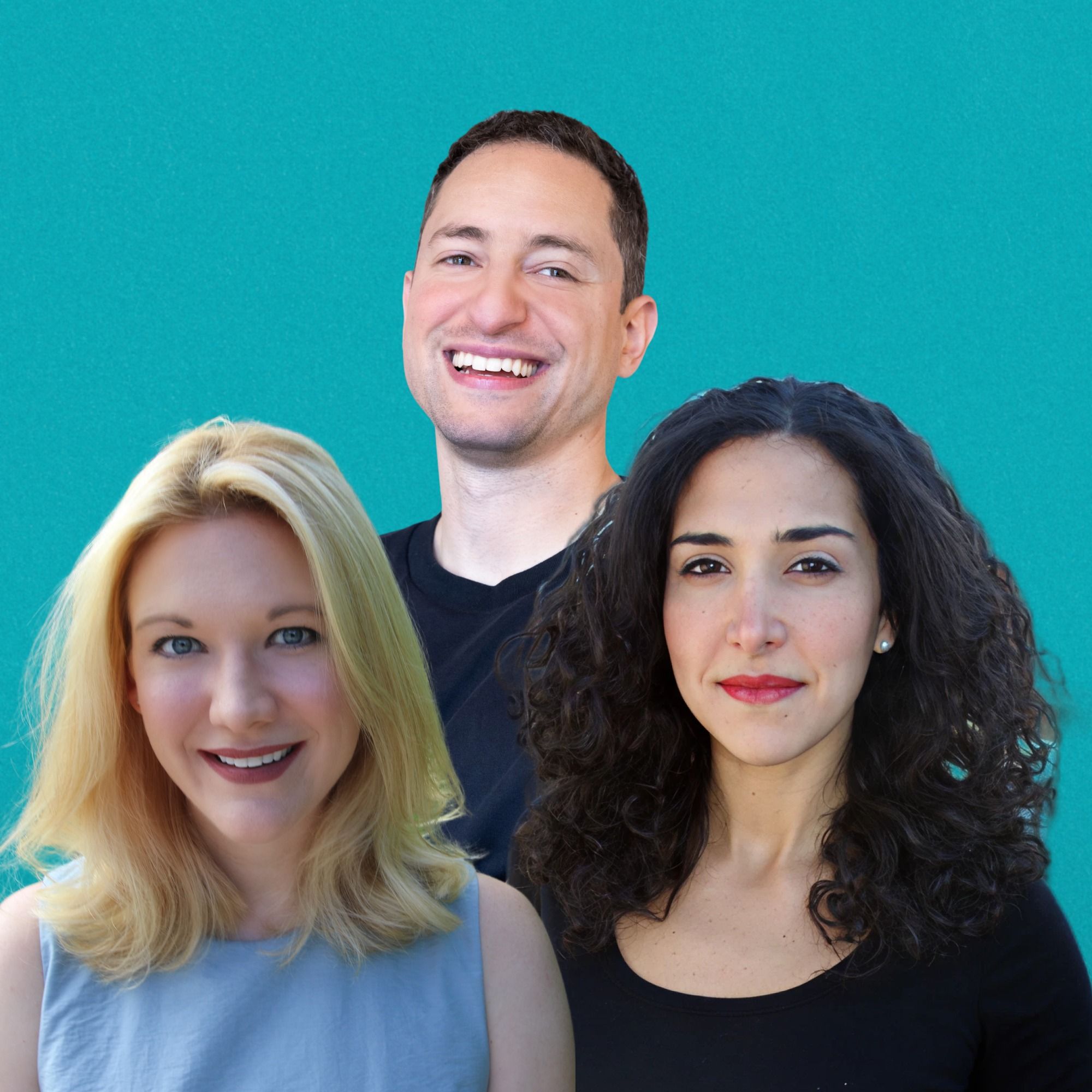
The a16z Show
Monitoring the Situation #2: Alana Newhouse
00:58:58
Two trends in media have been abundantly clear since 2020: legacy media is dying, and independent media is rising. a16z General Partners Erik Torenberg and Katherine Boyle sit down with Tablet founder and editor-in-chief Alana Newhouse to discuss the great media realignment, why real institutions will outlast the new “internet pirates", Alana’s deeply personal case for gene editing, and how faith, science, and community can coexist without giving in to government referees.
Loading summary
Transcript70 lines
- [00:00]
Alana Newhouse
Magazines at some point made a decision that the primary audience they cared about were the advertisers and the audience was the means to get to the advertisers as opposed to the other way around.
- [00:16]
Catherine
The beast is not 24 hour news cycles anymore. It's our news cycles. It's every day. Updating the website.
- [00:22]
Alana Newhouse
The idea of being able to create platforms and audiences that are truly elite, not the kind of elite of mediocrity that we've had in the last few decades, but a real elite is very possible now.
- [00:38]
Podcast Host (a16z)
The summer of 2020 marked a turning point in American media. Legacy institutions are shrinking and independents are rising. On this episode of Monitoring the Situation, we're joined by Tablet magazine founder and editor in chief Alana Dewhouse. We cover the great media realignment, Alana's two pyramids of legacy versus independent media, the transition to a golden age of subscription based media and and why real institutions will outlast the new Internet pirates. Jay's media is more fragmented and interesting than ever. Let's get into it.
- [01:11]
Jay
We're back for Monitoring the Situation episode two with very special guest Alana. Alana, thanks for joining the podcast.
- [01:18]
Catherine
So great to be here with you guys.
- [01:19]
Jay
So we're really grateful to have our first Nepo baby, Alana Newhouse of Condon Ass fame. Just kidding. There's no relation. But that's actually a perfect segue to one of the main stories this week. Of course, Alana is also a media mogul in her own right. Running Tablet and Media is one of the big stories of the week. We have the Free Press. A report came out that it's being acquired. In the process of being acquired. You two are board members of the Free Press. Obviously you can't comment on any of the specific details, but let's have a more, you know, meta conversation on the state of media. Alana, you've thought a lot about the relationship between establishment media and the upstarts and new media. Why don't you sort of comment on your broad reflections?
- [01:55]
Alana Newhouse
You know, I think that one of the things that's kind of incredible to realize is that it's only been five years and a couple months since Barry resigned from the New York Times. And it's not only the Free Press that's had a rollicking five years, but all of American media and the landscape of American public opinion. And the way that I see it is that there was basically a what I call a pyramid of media that at the very, very bottom had hyperlocal print publications. Then you go to like village papers. Then you have city papers, major metro dailies, national newspapers, news magazines, consumer magazines, and then the thought leader magazines. At the top, right at the tippy top of that pyramid, those publications had the smallest numbers of readers. They were also the most prestigious. The bottom has the most number of readers. But together, this print pyramid and then radio and TV come and kind of layer themselves on top of it. The print pyramid basically creates American public opinion for like 50 to 70 years. Over the last 15 to 20 years, that pyramid has been eaten away and it kind of looks like Swiss cheese. Now what's developed alongside it is a second pyramid. That second pyramid is independent media. And the thing to understand about those two pyramids is legacy media pyramid contracts by the quarter gets smaller, the audience gets smaller and the work gets less compelling. In my opinion, the independent space is filled with some very, very interesting people and also a bunch of absolute lunatics and nut cases. Right. But it expands by the quarter. So now what are we going to do with these two pyramids basically that are currently in existence, in operation? And one of the things that I think that rumors of a bunch of acquisitions, not just the free press are showing is actually that there are certain legacy brands that are leapfrogging into the independent space. So I don't see this as the independent media trying to horn their way in to the legacy space. I see it the other way, that this is an attempt by legacy media to absorb the energy and the ethos of people and outlets in the independent space.
- [04:44]
Catherine
Yeah, I very much agree with that. I think it's very generational as well. Like there's a lot of things we could talk about and I think we should go deep into sort of the lore of the last five years. Because if you are bookmarking, you know, if we're looking back 50 years from now, I think the state of American media is going to look drastically different than any of us can predict. And we would bookmark it as summer 2020, number of things in summer 2020, but Barry's letter being one of them. Just a sea change for what was happening in media. I actually think you kind of memory hold like we kind of collapsed this five year timeline. But even as I go back through sort of my own experience in media and you know, 2021 was sort of this time where if you go back to old podcasts, there's still the COVID vaccine advisory on anyone who's even talking about COVID in a way that wasn't aligned with, with the AMA and with this you know, the cdc, right. We kind of forget that there were whole years, like lost years in that sort of July 2020 to November 2022 time where there was this kind of burgeoning of voices and people talking about this is terrible, we need to be able to create new things. But like it really started, I would say, cascading and growing in the way that, you know, if you look at it from startup terms, that was sort of the seed stage. But like we're really hitting sort of these inflection points five years later, which are really exciting. And when you look at sort of the impact that, you know, a couple of really, I would say sort of cornerstone moments happened, whether it's the firings and resignations at the New York Times, like Barry was the one who resigned with the loudest voice, but there's also the firing of James Bennett or actually was it a firing? He resigned before he was fired because he platformed a sitting senator talking about the riots that were happening first, George Floyd and whether it's appropriate to send in the troops. The title was Send in the Troops. So. So, like people forget that like there were mass cancellations across media, a lot of sort of reshuffling. But where we are now is what I would consider to be a true golden age of new media. And I think Alana described it beautifully, where there's variations in what that media looks like. Swiss cheese is I think, a good metaphor for there's like probably a lot of missing parts. But there's this sort of, I don't know, startup like moment that's happening in media where it's like generational and there's passing of the torch in terms of people want new, fresh things. But there's also sort of this, you know, how do we now navigate this new landscape where someone who puts out a meme on X can completely control the 24 hour news cycle in a way that that did not happen five years ago. So it gives independent voices a much louder voice. And I think there is a lot of frustration, sincere sort of questioning at legacy institutions of how do we combat this? And as a former postie, I feel very strongly that they're finally combating it after 11 years of doing nothing. When Jeff Bezos bought the paper, I.
- [07:31]
Alana Newhouse
Think that it's actually interesting to watch and see whether or not it's salvageable at this point or whether they waited too long. And in order to observe the space and watch for that properly, one of the things that we have to remember is 2020 was a match but it dropped on Tinder. This was a media landscape that was decaying already. It had been decaying for years and years. People talk about, and many readers, I think, felt 2020 as though it came out of nowhere and their trust in their legacy media got bottomed out suddenly. But it didn't happen that way. Certainly for those of us who are in the media, I mean, I think Tablet has this really weird trajectory because Tablet starts out as a niche or marginal or cult outlet in the legacy media space. And effectively because of a bunch of moves that we made half consciously, honestly, I wish I could say I was strategic about it. We ended up becoming the kind of granddaddy of the independent space because I knew I was going to feel much more comfortable there. But in order that tablet's 17 years old. Right. Our view on media didn't start in 2020. It was already a deeply problematic space. And I'm not sure which. I think that any legacy brand that survives and that still exists in 10 years or five years is going to be because they made a decision to leapfrog into the ethos of the independent space. And again, I don't mean politics. It's not a political orientation. This is an ethos idea. I don't think there's any success to be had for any legacy media outlet in simply trying to live back in that old landscape. I think it's just death.
- [09:30]
Catherine
Maybe go back. I mean, I love what you said because it is true. Any of us who were working in media, I mean, it was layoff after layoff, buy off after buyout, starting around 2007, at least from my perspective. Maybe it was even earlier for you. Maybe give us the history of kind of what went wrong in legacy media. Was it a business model problem? Was it a cultural problem? Was it a combination of things? Maybe give us sort of Alana's view of the last 25 years of American media.
- [09:56]
Alana Newhouse
Well, so my view is a little bit colored by my particular investment in magazines as a. Frankly, I think one of the only. It's an American art form. Novels are not an American. We have plenty of European novels. Like there are other art forms that we take from other places. But magazines, I think are. Are truly an American native art form. And I'm invested in them. I think they're different and I think that they're different organisms and they mean something different. And I can talk a little bit about what I mean by that. But the. The thing that was really interesting about magazines is that. And I'm going to bastardize the history, just to get it, to get us there quickly. But the real problem begins, I think, in the post 60s AD boom. And it happens slowly. It happens in the 70s, picks up in the 80s and 90s, particularly as Wall street booms, where magazines, and again, none of this was conscious, but magazines at some point made a decision that the primary audience they cared about were the advertisers and the audience was the means to get to the advertisers as opposed to the other way around. Right? Advertisers were secondary and they were just things that you sold to your audience. When you make that decision to make your audience secondary, it's a whole host.
- [11:29]
Catherine
Of.
- [11:31]
Alana Newhouse
Consequences that cascade from that. And again, you can have decades of boom, decades of massive success, decades of enormously successful journalism. But I think there was a problem in that decision fundamentally. And what eventually happens, certainly for local newspapers is that they obviously it begins with when the Internet begins to eat away at advertising, you start to get a real effect on their bottom line. Classified ads start to go the way of Craigslist. But then all of a sudden, I'll never forget when I was starting Tablet. So this is 17 years ago, before we launched Tablet, I was at a dinner party with a woman who had just been made the head of digital ad sales at a luxury, very, very well known luxury clothing brand. And she said to me, you're starting a Internet publication, so explain something to me. Let's say she represented, let's say she represented Chanel, because it wasn't Chanel. So I'll use that as an example. She said, so the New York Times wants to tell me they have 20 million sets of eyeballs on their stories. Okay, how many of those 20 million can afford a Chanel bag? Okay, let's say it's 4 million. How many of those 4 million ever buy a Chanel bag on the Internet? How many? And she starts asking me to stratify the audience. And she said, okay, so then we get down to it. It's a million and a half possible customers. Why don't I pay for that? And right away I knew that there was just no ad market that was actually going to really be real and sustainable. As the business model starts to come apart, it is my contention that consciously or not, many of these legacy outlets decided to make themselves feel better with politics. So you take up righteous causes because you're not making any money. You can't actually sustain people's jobs. You can't promise them jobs. So what you can do is while they're Here, you can make them feel like they're changing the world. You can make them feel like they're waking up every day and they are fighting for justice. And so that's how, to me, the politics end up replacing or being, becoming a band aid over what was essentially a business problem.
- [14:09]
Catherine
Yeah, no, that makes a ton of sense. I mean, I do think that the scarcity in the media culture, one, it leads to, you know, people taking each other down over various political causes, whether it's internal politics or whether it's sort of these grandiose, you know, kind of visions of what people stand for. But I think there was. There was also this. This quality problem that you and I have talked a lot about, which is, you know, the. I joined the Washington Post in 2010, and people were talking about how the glory days were over. And there were reporters who had been there, you know, since the 80s and the 90s. And they remember, you know, going out for martini lunches. They remember writing a story a month. They remember, you know, having. Having kind of, I would say, carte blanche to do any story they wanted where they could fly anywhere in the world and tell a very interesting story. And they saw that as the glory days. And when you're coming off that high. And then there's these young people who graduate from top universities and see this as a prestigious career, right? Because the people who joined in the 80s and 90s didn' not see magazine writing or style writing or feature writing or reporting like it was not a prestigious career in the same way that it was for these Harvard grads. You know, at the kind of turn of the century, they realized, okay, now we have to compete with young people who are used to the kind of daily grind of the Internet. And they're kind of. They're fine. And the word slop didn't exist yet, but they're fine putting out 12 slop stories a day and playing to SEO. And so you had this sort of radical. It wasn't just a political sort of argument that was happening in newsroom. It was a radical, I would say, argument between the Internet native young. You know, we were all in our 20s, very, very care. You know, we very capable of writing 10 stories a day versus like these. These old hands who are, you know, just fabulous writers, but not used to the same sort of pace as well. And I do think that that led to a lot of it. You know, it's like, I mean, all those people took buyouts. A lot of the people who understood quality journalism left the industry because they were pushed also by this force of you have to feed the beast. And the beast is not 24 hour news cycles anymore. It's, it's our news cycles. It's every day updating a website. And that was, that was certainly something I think that that kind of brought on kind of the cultural revolution that you saw at the New York Times and the Washington Post where the young people took over because the old people all left and the young people had very different views of what it meant to be a journalist. What Alana said about ads is really important. But when you think about what is this new model, a lot of it is subscription, right? Like it's like a lot of these new, you know, personalities, whether it's the personality media or it's the kind of new institutions like the Free press, like these are, these are fundamentally built on subscription. The idea that people will pay for news. And that was something 10 years ago, no one believed.
- [17:02]
Jay
And let's go into that more because people said that this business model would change the content. And many people were optimistic and had reasons to be. But one of the arguments was hey, ads leads to more like BuzzFeed, like content appeal to the common, you know, the slop that you were describing. Appeal to common denominator. Whereas for subscribers, if you change it to subscription, people will only pay if they're getting real value out of it. So that was sort of the logic. How would you comment on sort of how that's played out or how the business model has, has changed the underlying content?
- [17:34]
Alana Newhouse
You know, look, I there, there's a, a lot of argument about audience capture, right. And this idea that subscription models lead to potential manipulation by mob behavior. And the Internet can, it can lend itself to mob behavior much more easily than we had in the 80s when you had actually had to write a letter. Right. That said, I want to possibly present the idea that it is a return back to media that put readers first.
- [18:10]
Catherine
Yes, yes.
- [18:11]
Alana Newhouse
And that was the. As far as I'm concerned, the original sin of post war American media was this decision to actually make this, to bring a third party into their relationship. And that throuple just simply doesn't last. Like it doesn't. Yes, everybody makes a lot of money and everybody has a lot of fun for a little while. But that's not a lasting relationship. The lasting relationship and the reason why I think successful media outlets like the Free Press are media outlets that are, that are subscription based is because in some, not to get woo woo about it, but in some real way it's Returning writers, editors, producers back into the relationship that they were meant to be in.
- [18:57]
Catherine
Absolutely. And this is why I think the substack model too, where substack took a hard line. We are not an ads business. We are a you and your subscriber business. And you have a direct relationship with your subscribers. It sort of allowed for fandom, I would argue, to come back into the relationship. And like, I mean, the Free Press is a good example. Tablet is a good example of this where your readers are actual fans. Like, they, they, they consider themselves part of the brand. Right. They consider themselves part of a community. And it is a very different thing than the relationship we had growing up reading media where it's like you, you considered yourself a May. Maybe you donated to NPR or you subscribed to the New York Times, but it wasn't a deep fandom. Um, it, it was, it was more of like a corporate relationship. Like, this is where I get my news. The fandom aspect of what's happening since 2020, since we've returned the sort of Paramount subscriber relationship to the business model, it, it just creates much stronger ties. And that's why I'm so bullish on, you know, people can say, oh, well, these are, these are small publications or maybe they only have X number of subscribers. They're not going to compete with the New York Times. But those ties are so much deeper. Like, they have so much more meaning for the customer. And when you think about like in any other world, not media, but think about like in consumer brand or in anything related to tech, it's. You want those, those customers who are just going to, to fight for you where they're part of your army. And that, that is what new media looks like. Like, people will fight for the personalities and for the, the newsrooms that they love.
- [20:28]
Alana Newhouse
I also think that there was something that happened. So, so, so let me just say something about what I think is a. If the last five years were about a kind of move to the fringes, move to rebels and pirates outside of a mainstream, I actually think the next five years, or call it five to 10, is going to be about a normalization again. You know, one of the things that we. Katherine, I think rightly described the independent media pyramid as very, very exciting. Um, which I, it is obviously. I would also say that it's pretty. It's a mess. And one of the things that's a mess about it is, is that there's no hierarchy. And forget about hierarchy as a value in and of itself. There's also no sense of who does what, like who does the reporting, who does the opinion, who does ideas, who does taste. Everyone can't do everything right. And one of the things that was nice about the previous pyramid is that it stratified and everybody had jobs that they did. I think we're going to get back to that mainly because I think human beings naturally stratify themselves and take on different jobs. We just distinguish ourselves. But what I think is going to be great about that is going to be I'm, I'm a snob. I'm a terrible snob about my writers, about the people who produce stuff for us, about the art that we publish, and I'm a snob about my readers. I think my future looks really good right now as a snob because the idea of being able to create platforms and audiences that are truly elite, not the kind of elite of mediocrities that we've had in the last few decades, but a real elite is very possible now. Tablet publishes. I mean, we published a 15,000 word piece about Bill Gates in Africa and what his foundation is doing in Africa. It's a very small number of people that are going to read that, but the small number of people who are going to read that are actually going to have their minds changed by it and have their vista on global politics expanded. That means I'm creating smarter brains and smarter. I'm making more smart already. Very powerful brains. Yeah, yeah.
- [23:12]
Catherine
No, no. And I think, you know, as you mentioned, there's a lot of change happening in media. A lot of, you know, mergers, a lot of things that are happening and likely will happen over the next five years. And what I think a lot of that business activity is going to do is to showcase that, hey, it's really fun to be a pirate on the Internet. Like, it's really fun to be a personality and to have like a one, a one woman podcast that's really fun. That is not the biz, like, that's not the media business and that. And you can, you can, you can, you know, you can be, exist as an individual and, and you know, and just kind of run your mouth. But like, actually, like these institutions are desperate for new properties, for what the, the antithesis of slop. They're desperate for prestige, they're desperate for new takes that are well researched and that's because their readers are as well. And we are in this moment where I do think it is a generational shift. Right. Like we have one of the youngest, you know, vice presidents. I think it's the youngest vice president we've ever had. We have, you know, or maybe not ever, but in recent memory we've had we having these sort of political sort of, you know, kind of shifting of the generations where like the next presidential election could be a millennial Gen X setup or a millennial millen. Like you have the passing of the torch from the boomer era, everything to this like very, everything's in flux. So, so people can put their hands up and actually try to build things. But you have to try to build something. It has to be an institution. It can't just be a one woman show. It has to be an institution. And so I think we're seeing that across a lot of different parts of the, you know, the media and cultural stack. That's very exciting. But it also I think is going to lead to a lot of people thinking a lot bigger.
- [24:50]
Jay
And I think that's what Barry did so well is that she built an institution that was sort of started as or was also personality driven at the same time. And most people can't do both. They either try to just sort of white label it and just be faceless or they just lean into the stardom of one person but can't, can't expand beyond that completely.
- [25:09]
Alana Newhouse
And one of the things that she found was that the amount of talent that wanted to come and build an institution with her was almost bottomless. Like there was just, there was some, there was so much good talent out there that. And I actually think that if she had waited a few more years there wouldn't have been because everybody would have left for other industries. And at some point the glow off of an industry or off of a possible career goes away. Right. And so I think she probably caught the last moment where there was real talent to scoop up and they all found, they all found it and they're going to continue to find it no matter what. It's just a, it's an incredible testament to institution building. Yeah.
- [26:09]
Catherine
And that people really do want institutions. I do think there was this moment where, you know, a lot of us were black pilling, I'll say I where, say several years ago. It's we don't need institutions. We're just gonna, you know, voice or exit. I'm part of the exit train. I mean I moved to Florida, right. So like I was clearly a little bit more, more, more on, more on the, we can't save some of these parts of the, the dying establishment. But at the same time it's like the, the, the recognition when people had Sort of that, that panic moment during COVID Actually, we do need these institutions. We do need to save things that, that have been built over. Over generations and centuries. And it's possible.
- [26:50]
Alana Newhouse
Yeah, I was. I became known as sort of the burn it all down girl because of everything that's broken.
- [26:56]
Catherine
Yeah, yeah, the. The brokenness piece, which was one of like the, the sort of essential readings of, I believe is what, 2021 when you wrote it? Yeah, I mean, it's actually, it was.
- [27:06]
Alana Newhouse
Actually I wrote it in, in March of 2020, but I published it in 2021.
- [27:10]
Catherine
Yeah. And. And yeah, you. You did have sort of a. Okay. Like. Yeah, we got, we gotta, we gotta decide what we are. Maybe talk a little bit about the, the kind of paradigm you. You put forward there.
- [27:21]
Alana Newhouse
So. But. And I'll. And I'll tell you how I, how I think the paradigm was misunderstood. But the, the basic idea was behind everything is Broken. And then a follow up was that the fundamental conversation in American life was not between the right and the left, or Democrats and Republicans, or even between conservatives and liberals. The dominant conversation that I saw happening was actually between people who deeply believed in the sense making institutions of American life, media, universities, and also including other institutions, our healthcare system, the government, and those who believed that those systems had become irrevocably damaged or decayed. And the conversation between those two pe. Two groups was the one that I found to be the most generative. And also the one that I found was like the one that had the most heat coming off of it. And the ones those conversations I left smarter. But because of those two pieces, people assumed, and I, with good reason, but they just assumed that I was like, burn everything to the ground. That's not really right. If you actually read the piece, what I say is that we need to look at these institutions and assess them for health. Some of them we should abandon. I actually don't really think that anyone should spend that much time or energy burning anything down. It's just useless. But you should abandon the things that are not actually going to survive or serve you or serve other people. Which ones should be reformed and which ones should be conserved, where we actually work to preserve them. And so it was a broad plea to look at institutions and assess them for health and not just assume that because they had been there for your whole lives that they were actually serving you properly. But the thing that I think we're looking at now, I think Catherine's completely right. We just had five years where everybody groked this and everyone was like, okay, we have to look at these institutions with a real skeptical eye. We have to abandon them. We. We went pretty far out. I think we probably have a little farther to go, but we went far. We've gone far in five years. But I do think that we're in for a kind of normie revolution. I think we're in for a pivot where people start to want. People start to want to institutions, they're going to want mass media again. They're going to want things that feel like when they say a lot of people, like when, when you, when you have an opinion, you can feel like a lot of people have that opinion too.
- [30:15]
Catherine
Yeah.
- [30:16]
Alana Newhouse
And I think the increasing excitement or verve or prurience of marginal spaces is starting to wear thin.
- [30:27]
Jay
We've been talking a bit about slop in this episode. You know, we just had Vibes last week, launch and Sora this week. And so there's kind of a broader commentary on. On sort of the future of content there. Alana, you have a piece on top. What? Why don't you sort of share your reflections?
- [30:45]
Alana Newhouse
Yeah. So the piece is actually the editor's letter for our November print issue. And in the editor's letter, I try to traverse a moment. So it can be about a couple of different pieces in that issue, or it could be actually about stuff happening in the wider world. The COVID story in that month's issue is actually about pig farming. And it's particularly about the use of something called gestation crates, which is incredibly horrendous instrument. Mainly it's a linchpin of factory farming. And it's a horror show. And it's a horror show from a bunch of different angles. Various states have actually passed laws outlawing gestation crates, and the federal government is considering overriding those states in support of companies for an instrument that is incredibly unethical. And so it's. It's bizarre, right? This is an instrument that favors the federal government over state governments, favors China over the US Is completely unethical. The evangelicals hate it as well as anybody in like Maha who is concerned about chronic disease. And as I thought about it and I thought about how we think about what we take in and what we bring into our lives. It felt more and more to me like we have this slop in, slop out economy, personal economy right now where we just take in a lot of shit in every part of our lives and then produce a lot of shit. And something about it feels. I mean, it obviously feels to me deadening and depressing, but it also feels worth thinking about whether or not the two things are related. So I pose in this, in this piece that our inability to judge or discern slop in what we're bringing into our lives has led us to not really be able to discern slop on the Internet, slop in on digital spaces, and to know whether or not we should care about it, bring it in, actually engage with it. I'm really curious. I know Catherine probably disagrees with me and I'm curious to hear her argument because then I, I want to fight with her and tell her I think it's all about the absence of God, but I'll get there.
- [33:32]
Catherine
Everything comes back to the absence of God. But yeah, no, I, I, I think, no, I, I, I agree with, I agree with what you say. I mean, I think in some ways the, if any, if the LLMs have taught us anything, it's, it gives us a better understanding of the human mind. And that what you, what you train yourself on, right? Like, like the, the kind of information that you take in it, it completely, you know, transforms your worldview. And so the garbage in, garbage out model, like we 100% know that, right? Like that, that technologists know, train on bad data, you get a bad product. So in, in some ways, I think there, there, there's a lot of truth in that. Where I, where I'm more sympathetic to the kids are going to be okay slop argument is, you know, I, I was watching, I was watching a podcast the other day and there was someone on, I believe it was Sean Ryan's podcast, and there was someone on, and he was saying, you know, like, kids use their phone seven hours or actually adults too. But it's seven hours of con, of raw consumption a day. And I remember the exact same stat being used in the 90s because I was part of the seven hour a day television consumption world, right? Like, I watched seven hours of TV a day and it was mostly slop, right? Like, I like, sure, you could make the argument that Law and Order created a generation of like, really, you know, hard charging prosecutors or whatever, right? Like, like, but we were all watching the same stuff. Like I would, you know, get home from school, watch Boy Meets World, then watch some game shows, you know, during the summer I'd watch some, you know, like CBS dramas, you know, built for housewives, right? Like you, like soap operas. Like you, you, you took in a bunch of nonsense. But I always, I always like, look back at my sort of worldview now and I'm like, well, this is why? My worldview is very different than a lot of the people I interact with, because most people who are watching seven hours of television a day are not operating the tech world. Right. So there's something about, okay, there's like a utility to having kind of bathed in slop that gives me a kind of a normie attitude that maybe I wouldn't have if I had parents who weren't policing me and, you know, like, or if, or if I, you know, if I had parents who were a little bit more engaged in what I was consuming. So I think there's something, I don't know, I, I, I guess, I guess I have a little bit more of an attitude of the kids are going to be all right, and we've made this movement from television to slop engines, but it's still going to be okay because the kids are going to know how to metabolize it. Maybe, maybe I'm being way too hopeful. But I do think that there was the same sort of fear of television definitely in the 90s when, you know, I was told that I was going to amount to nothing for how much television I watched.
- [36:04]
Alana Newhouse
Yeah, we don't actually disagree that much. What I guess I would say is, and maybe here's where, here's where numbers actually make a difference. What I'm concerned about is, is I don't know how many kids are going to be able to take in seven hours of AI generated content, which, by the way, I do think is different than tv and save their brains. A certain percentage absolutely will, but I don't know if it's going to be as big as the percentage that could save themselves from tv. And I don't know whether or not, and maybe that's okay. Right. Maybe we just create a smaller minority of people whose brains can take in lots of different kinds of nutrients from the world. Something about living in a country of 340 million people and basically being like, maybe it's okay if only a million of them are all right, doesn't strike.
- [37:18]
Catherine
Me as the right way to architect a society. Yeah, no, I, yeah, I, I guess, yeah. And I'd love to hear Eric's thoughts on this, too. I guess it's. There were guardrails in the 90s. Like, this is the thing that I think doesn't exist with the Internet, that, like, if I'm going to make the other case, you know, if I'm going to make the side for the other case, like, this is very true. And like, when, when I was 13 years old, I had to go to, you know, Blockbuster and chuck out the slop. There was friction. There were also guardrails. Right. Like I wasn't allowed to check out a porno. I had to check out, you know, a PG13 movie that was made directly for 13 year olds consumption. The thing that is missing in a lot of not only, you know, the kind of existing slop, but the AI slop is that like, unless there are strong parental guidelines or unless there are people looking over your shoulder, you can go very, very quickly down a dark hole which everyone, everyone recog recognizes. I mean like I, you know, I routinely experiment with how, how like, which holes you can get down just by clicking certain words. Like everyone understands this. So I do think it's, it's the, the parallels with the 90s are definitely not as strong as I'm making them. But I also, I just, I also worry about the, the language that is used and kind of codified to sort of demonize some of these products. Whereas it's like I see how I'm using AI, it's very useful in, in certain aspects and, and, and not slop because I'm prompting it not to be slop. So I think there is something there too that's often missed in the conversation of it. It doesn't all have to be slop. Maybe that would be how I would write it. It doesn't all have to be slop.
- [38:48]
Jay
I, I've become sympathetic to Jonathan Haidt's arguments around sort of your cell phones for kids. And maybe schools should, you know, sort of earlier, schools shouldn't have them in. But at the same time I worry about kids not being able to develop immunity to, to, to these products. Yeah, I look at my dad who discovered Twitter later in life and just can't get off. It is like so addicted. And if he had discovered TikTok. Jesus, you know, like, so we need, people need to develop immunity to these products. And you know, Tyler Cowan had this line about the Internet. He says it makes smart people smarter and dumb people dumber. And I think you could extrapolate that out to sort of like, you know, people who are well adjusted and have, you know, sort of are able to filter information and like it's a superpower and it makes you better. And for people who have, it's like a comorbidity like, you know, it's like for people who have other challenges or vulnerabilities, it can, it can, you know, exacerbate them or prey upon them. And so, you know, it's high Variance.
- [39:50]
Alana Newhouse
I also think that there's a way in which. And this is. This could be a rubric for a lot of conversations that we three could have. I think there's a way in which we don't have answers for what to do about big, radical moves that don't include the government, the conversations about all this stuff. In some senses, we all start getting, like, breaking out in hives. Because part of what I think. One thing that I think the three of us share, I assume, and I could be wrong, is that what we don't want is government regulation around these things. That's what's scary. It feels like, oh, God, if we start to black pill enough about this stuff, then the government comes in and it starts to regulate it. And if we could take that fear out of the conversation and imagine that that was never going to happen.
- [40:47]
Catherine
No.
- [40:48]
Alana Newhouse
Then what systems do we have in place as a society? And that could, in a healthy way, put the brakes on things or maybe even direct us, make it better. Make it so that people were smart. Smart enough before they got to the technology so that it made them smarter.
- [41:08]
Catherine
Yeah, Right.
- [41:09]
Alana Newhouse
And I think that's the. That's a big missing layer of conversation in a lot of. A lot of hot button topics right now. Totally, totally.
- [41:20]
Jay
There's a little bit of a Mott and Bailey where people. You were talking about sort of the critique of institutions. Instead of sort of assessing the critique. Some people deflect and say, hey, you're just undermining belief in institutions, or you just want to burn it all down because they don't want to sort of assess the. The critique of it. And, you know, we've been talking about sort of black pilling and how people are tired of black pilling.
- [41:38]
Alana Newhouse
There are a lot of emotional reactions that people have that I can tolerate. And then there are a couple of them that I just find very, very annoying. And I find there's a particular kind of black pilling. There's one flavor of black pilling that really gets under my skin, which is the person who ignores the problem for years and ignores all the very good people trying to direct their attention to it. Then the minute it shows its face, that person's hair gets on fire. They freak out. They're outraged, they're shocked. And then because they can't actually change the entire World in 11 days, they're then like, ugh, it's all over. And you're just like, every move here emotionally was fraudulent. And I feel this way particularly because I live in New York City. And there I. The emotional process I just laid out is the process that many people have had around our mayoral election. And at some point you just look at them and you say, are you going to, are you going to ever learn? Like, you have to actually engage and you can make things better, but you do have to do the work. Yes. And freaking out as soon, like fire alarm politics is just dismal. And really, it's just, it's like the thing that annoys me the most.
- [43:09]
Catherine
I think, I think that is a perfect encapsulation of what's happening in New York City now. And as a resident of Florida, I fear for the number of people who are going to make the decision to move, given the politics, given their reaction to the politics and sort of the waking up moment you just described, I.
- [43:28]
Jay
Feel like we have to segue into the politics of aesthetic Ozempic. Earlier you talked about the normie revolution, Alana. We've talked offline about, you know, Vivek's famous nerd versus jock, you know, Christmas, you know, hullabaloo on X. And we've talked about how this admin is the jock administration. You know, Pete Hegseth had the speech this week to the military. There's a lot to get into when you talk about what you found most striking or remarkable.
- [43:55]
Catherine
Yeah, I mean, the sort of news of the week that was all over our experience was the, the fat shaming of the military speech. And, and it's interesting. The reason why I think it's so, so fascinating is, of course, I work, I work in the world of aerospace and defense, and a lot of people were sort of putting out their theories of what was going to happen.
- [44:15]
Alana Newhouse
Right. Like, why.
- [44:16]
Catherine
Why are all of these people getting together? Why are. Why is all the top rats in the military getting together in one place? Like. And I think there were people on who haven't been necessarily following the optics of this administration who thought, oh, we must be going to war.
- [44:30]
Alana Newhouse
Right.
- [44:30]
Catherine
Like, that was sort of the. And I always say a lot of mainstream media actually, like, put out that narrative like this. If we're having this kind of big powwow, there must be something extremely important happening. And sort of my, my internal view, which was vindicated, is this is, this is a. An administration that understands the importance of esthetics and of drama and of, of what, you know, what was called the pseudo event in the 1960s when, when television first started. Right. There's a great book called the Image, and it's all about these, these. How do you create Pseudo events that then lead the news. And I, I always of the opinion, like, these things are much more pseudo events, especially if they're planned and if they're, they're organized. And, and I, I think that the politics of aesthetics that are on display when you say, okay, like it matters what our generals look like, or it matters that a lot of our administration has had a television career, right? Like, I think one of the things that's most interesting about the, the Secretary of War is that he had, you know, a decade on tv, and he looks the part of someone who is a global war on terror veteran, right? Like, he's tattooed. He looks very different than the, the previous generals who've had that role or the previous people in, in the department who, who've, who've. Who've worn. Worn that suit. Right? So there, there's something about this administration that deeply understands that aesthetics matter. And it kind of harkens back. I, I think it's. It's in some way, some way fitting. But, like, the, you know, the kind of politics of aesthetic started with jfk. It started with the advent of television. And now we have an administration that, of course was born from, you know, like, the president spent how many years on tv? He understands that medium. And so we have to view every event, we have to view every political event through the medium of the people who are putting it out. And it's like we are. It's. It's esthetics, it's television. It's, you know, it's the, it's the Fox News look, right? Like, everyone has the same look. Like, like there, there is something about understanding the world through that aesthetic prism. And what's interesting and, and this. That's sort of the, the last point on it. I think young people get that. Like, I really think young people understand it because they've been in a sort of mimetic universe for their entire lives, and they understand sort of the importance of image and memes and that, like, the kind of way things look is very inherent to how they are. And so I think a lot of the people who were predicting that it was going to be a really big, momentous event, it was interestingly more about aesthetics and making sure that the people who work at the department are in line with the aesthetics.
- [47:12]
Alana Newhouse
I would also say that I think that there is.
- [47:15]
Catherine
You're.
- [47:15]
Alana Newhouse
You're picking up on this idea of a pseudo event, I think is really important because one of the things that we've seen with this administration is a lot of times the Most important things that happen, nobody actually knows are going to happen. And what I find useful about that is that in both instances, let's use two things as. As examples. One, Israel's strike on Iran. Two, Pete Hegseth's announcement last week. Right. Israel strike on Iran not announced before. Right. And Pete Hegseth announced, to great fanfare, lots of preparation, lots of people. In both instances, what was so great were the number of people who seemed absolutely sure that they knew what was happening. And one of the things that I think this administration, some people in the administration, I think, definitely are conscious of this and know it, but some of them, I think are just. Simply just do it naturally is I think that they're throwing into sharp relief the mediators, meaning the media, the people who tell us how to understand what we're seeing. And they are making fools of a lot of them because they're wrong a lot, and they're wrong in both ways. And the aesthetics is super important because you could see who falls for them and who doesn't in all sorts of directions. So I think it's very skilled politics, their approach to aesthetics, both when they use them and when they don't. You can. You can like the effect of them or. Or appreciate the consequences or not. But what I think Catherine is saying that I think is really important and actually really interesting, and very few people are really thinking about it clearly, is that these are people who think deeply about what images are and are not getting put out. And I think it behooves those of us who claim to analyze them and to observe them for readers or for audiences to get smarter about it and be able to serve our audiences in a more sophisticated way.
- [49:37]
Catherine
Yeah, Yeah. A lot of that means reading the memes.
- [49:41]
Alana Newhouse
It does.
- [49:42]
Jay
Well, is it interesting? On the point of the memes, I remember speaking of, like, massive pseudo events. Remember the. The JD Vance on the couch discourse and how people thought that that was like some sort of real blow. And it's funny because J.D. vance, the other week, he just embraced the meme, right. He co. Tweeted the image of him, like, puffed out. And it's. It's funny how just sort of this back and forth war on the. On the memes and how people. Yeah. Can lean into them or out of them or sort of similarly, like Kamala's. What was it? The coconut tree or something that was, like, was acute at one point, became kind of a symbol of, like, frivolousness, you know, the. The next week. It's. It's funny how the symbolism can change.
- [50:19]
Alana Newhouse
And it's funny how quickly dissipates, Right? But what's important is, is that the. The meme dissipates sometimes. Sometimes it gets brought back, but a lot of times the meme and the effect dissipates, but the. It changes us and it change it maybe in unspoken ways, but we. Some of us get more skeptical, and some of us just keep buying the manipulation. Um, and it's interesting to see who's who.
- [50:51]
Jay
Basically, one other just sort of funny cultural comment thing that happened was, you know, Emma Watson, sort of Emma Watson, you know, comment complimented J.K. rowling or said, oh, I still love you. And J.K. rowling, like, wasn't having it at all. She was like, you were not there for me in my time of need. Now you're, you know, sort of sucking up to me because it's more popular to do so. But I've been through absolute hell, and I needed courage in 2020. I didn't, you know, today I don't. I don't need it. And it's just funny. She didn't let her. Let her have it. Like, people are trying to sort of, you know, just distinguish that these are different times. And, you know, where were you, you know, you know, at these moments?
- [51:34]
Alana Newhouse
I also think that there's something else at work. I think that's right. But then there's another thing, which is say you're sorry. Like, you don't get to be a leader who people listen to and get something wrong and then not take responsibility for it. Or you. You do, but then you don't get people's. You don't get to earn everyone's trust. I think what. What. What Rowling was saying was, take responsibility for what you did. Whatever you did in 2020, fine. But if you want to be taken seriously now as somebody who people should follow and listen to and take direction from, the first thing you need to do is acknowledge what you got wrong. And what I think she saw Watson doing, at least it's certainly my read of her was pretty cowardly. It was wriggling. It was like, well, I want to see everything. Well, I want to, you know, everyone. Everyone should love everyone, and we should all be able to see both sides of everything. And you're just like, what? Like, say you're sorry. And to me, there's just this. I feel this way a lot with.
- [52:49]
Jay
COVID Remember that the piece of the Atlantic that was like, truce? Like, hey, both sides got things wrong in Covid.
- [52:55]
Alana Newhouse
Like, my thing is is why would I listen to you again if I feel you're just going to take me down another road that was wrong? Right? So when, when Covid was the. I think the, the time when a lot of us experienced this en masse, where we had authorities or people that we trusted telling us that this was. It was very, very, very important that we all stay inside in a pandemic of an airborne virus and that we had to close down schools and we had to do everything. Like they, they issued these proclamations with such surety and such a sense of confidence, and then they never, ever said, here's what we got wrong and here's where, how we got it wrong and why we got it wrong. And then they turn around and say, why is there so much mistrust? All you people are crazy. Well, what do you mean? Like, I needed you at some point to at least tell me that you saw that you took a left when you were supposed to take a right, because how do I know that at the next stoplight you're not going to do that again? And to me, I mean, I obviously feel that way about a bunch of different things, about a bunch of different people and media. And, you know, another good example are all the people who yelled that before the Iran strike that this was going to be World War iii. And I get it. I get all the fears that go into that. I completely understand it.
- [54:28]
Catherine
I.
- [54:28]
Alana Newhouse
But when it's not World War 3, you then have to come out and say, I got it wrong. Otherwise, I don't see why I should trust you the next time there's a geopolitical event to have any instinct that is reality.
- [54:42]
Catherine
One of, one of the things that I think is so great about markets and investing is that there's a track record if you're right and it's marked how early you were. And as someone who takes that very seriously, I really like to remember if you're early and right. And I really like to remember what I got wrong. Right. Like, I, I like that's intellectual honesty. And one of the things that I think X has truly given us is that is the same metric system for media now, because at least now there's receipts. There didn't used to be serious receipts or it used to be much more difficult to, like, you know, go back to the, the archives of various news stations and be like, hey, this is what people were saying, right? But, like, now any person can do it and be like, this person said this crazy thing and they haven't apologized. And I think you're right. Like, we. We now have the system to track, but there is this hesitancy. And I think the Emma Watson thing is a good thing. Like, the heroes will be villains. The villains will be heroes. And I think it's, like, good that she is called out as like, hey, you, You. You weren't an early believer. Like, you didn't stand by your friend or you didn't just like. I mean, I think the thing that J.K. rowling said that was beautiful was like, she could have just shut up. Right? Like, she just not said anything, which I think is very good advice for. For most of us. Maybe just stop talking if we don't. We're, you know, if we're not totally sure about something. But that is of course, not the times that we. That we live in.
- [56:09]
Alana Newhouse
But I mean, and I think that the problem is, is that, you know, the reason why the conversation has the power that it has in the valence is because you're dealing with two celebrity women. Yeah, right. And so Emma Watson's comments go viral and then Rallying's Repost goes even more viral. So then we can all see the receipts. Right. The problem for me with X is that the receipts don't nearly. Don't go nearly as viral. Yeah, the original, again, I fundamentally fall out where Catherine is, which is like, it's all going to come out in the wash and we are going to find our way through it. But finding our way through it, I think in part includes acknowledging what's going.
- [57:03]
Catherine
Wrong with it and that it's a messy, messy moment. I will say the receipt that J.K. rowling put out because she is the best writer to ever exist is. I mean, it will go down in history as one of the greatest receipts. Like, 10 years from now, we could be talking about what is one of the greatest takedowns of someone who backstabbed you. That paragraph was just beautifully crafted, and I aspire one day to be able to write something so beautiful.
- [57:36]
Jay
I don't know if you saw. I was so classic. Cernovich replied and was like, okay, now do migrants like? And she's like, you're still here. It was amazing. Well, with that, I think. I think we should wrap. It's been a fantastic conversation. Alana, thanks so much for joining us.
- [57:54]
Podcast Host (a16z)
Thanks for listening to this episode of the A16Z podcast. If you like this episode, be sure to, like, comment, subscribe, leave us a rating or review and share it with your friends and family. For more episodes, go to YouTube, YouTube, Apple Podcasts, and Spotify. Follow us on X16Z and subscribe to our substack@A16Z substack.com thanks again for listening and I'll see you in the next episode. As a reminder, the content here is for informational purposes only, should not be taken as legal, business, tax, or investment advice, or be used to evaluate any investment or security, and is not directed at any investors or potential investors in any A16C fund. Please note that A16Z and its affiliates may also maintain investments in the companies discussed in this podcast. For more details, including a link to our investments, please see a16z.com disclosures.