Loading summary
Transcript255 lines
- [00:00]
Ben
All right, acquired listeners, we have a very special treat with you today. We have Jesse Cole, the owner and founder of the Savannah Bananas and the creator of Banana Ball, with us here today.
- [00:11]
David
I don't think I've ever been so excited for an ACQ2 episode ever.
- [00:15]
Ben
This story is the most unlikely success story and the most fun. It is baseball. For anyone who hasn't paid attention, like a lot of you have, probably, you're out there thinking, oh, Savannah Bananas, everyone knows about that. A lot of you are also thinking, wait, how have I never heard of this if Ben and David are treating it like the whole world has heard? There's these weirdly two camps. People that think everyone knows about Banana Ball and people that this is your first experience. It's baseball, but there's a guy on stilts. There's choreographed dances. If a fan catches your foul ball, you're out. If you bunt, you're rejected. And there's like 15 more rules like this.
- [00:55]
David
It's baseball, but fun.
- [00:56]
Ben
But fun. The craziest thing, though, is how much it's really caught fire. And that's, I think, one of the things we're gonna talk about today. Last year, they sold a million tickets. This year, they've sold 2 million. And they have an additional 3 million person waiting list. Is that right, Jesse? Somewhere in that neighborhood?
- [01:14]
Jesse Cole
3.2 now, but yes, but who's counting?
- [01:17]
Ben
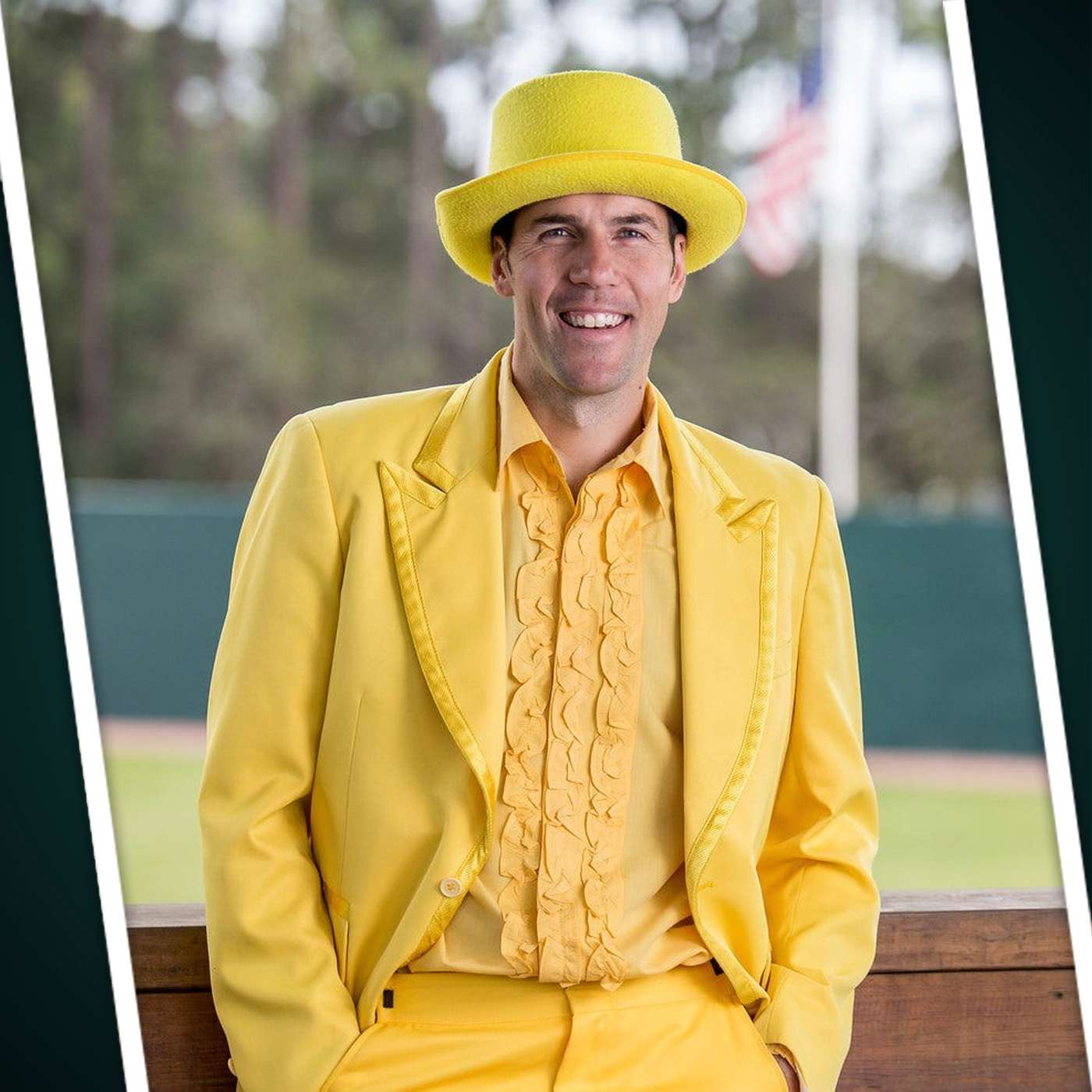
The Bananas now have over 15 million followers on social media, including more than more TikTok followers than every MLB team combined. Tickets are $35 to games. Ish. There's unlimited food and drinks. There's no hidden fees. Jesse, has I read the quote, built the Harlem Globetrotters of baseball, and I think we even referred to that kind of on our IPL Cricket episode, but it's not. And we're going to talk today about why it's not that. So anyway, we've got the man in the yellow tuxedo. Jesse, thank you so much for joining us.
- [01:49]
Jesse Cole
Truly fired up to be with you guys. As I shared in our first call, big fan, been a listener of the podcast, learned so much, and shared your podcast with many people on our team. So excited to be with you. Turn it around a little bit today.
- [01:59]
David
Well, we hope we can atone for calling you the Harlem Globetrotters of baseball.
- [02:04]
Jesse Cole
A lot of people call us that. It's the easiest comparison. So I get it, okay?
- [02:09]
Ben
You're like a student of business history. We have so many interesting business angles to analyze the bananas from. But I want this in narrative form. So take me back. How did banana ball start?
- [02:20]
Jesse Cole
Oh, geez. Well, let's start as a 23 year old general manager of a team in Gastonia, North Carolina that had 200 fans coming to their games and $268 in the bank account and was losing $150,000 a year. That was my first job.
- [02:34]
David
And this wasn't even the minor leagues. This was like a college summer league, right?
- [02:37]
Jesse Cole
Yeah, there's like major league AAA high, a regular, a rookie ball, independent ball, and then there's like college summer baseball way down there. So we were one of the lowest levels of baseball and the team was there and failing. The only way you get a job as a general manager at 23, it has to be one of the worst teams in the country. And that's how I got the gig. We had to turn it around and I started meeting with everyone. I got hung up on numerous phone calls. People weren't interested in working with us. And I realized that we couldn't be a baseball team. We had to make it more about entertainment because we were never going to the best baseball players. So that's when I just started reading every book about P.T. barnum, Walt Disney, Circus, LA, SNL, WWE. And I just said, let's get crazy. And yeah, we started doing grandma beauty pageants, flatulence, fun nights, Salute to underwear nights, a Dig to China night where we actually buried a certificate to China in the infield dirt. And after the game we had everyone dig to China.
- [03:27]
David
Like an actual trip to China.
- [03:29]
Jesse Cole
Yeah, but it was just a one way flight to China. No flight back and no accommodations.
- [03:33]
David
Oh my God.
- [03:34]
Jesse Cole
We fired our mascot for bear growth hormone bgh when that was. Remember HGH was really big. So we did that. We, we offered George Bush, after his term was over, an internship with us. We were gonna give a host family a stipend. So we just started doing everything to create attention.
- [03:48]
David
In this era you were doing like crazier but typical minor league baseball stuff.
- [03:53]
Jesse Cole
Right.
- [03:53]
David
Like you were still just playing baseball but doing stunts. Right.
- [03:56]
Jesse Cole
It was traditional baseball, which you had to get people excited about it. And so it was really what people don't realize. It was 10 years there of experimenting, you know, with the pregnant knights and you name it, I mean, we did everything. And that's when people started to say, I'm coming to the show. I'm coming to have fun. And that was the first time we had players dance. I actually had players learn how to dance during the game. So we started really experimenting. For 10 years there with very little notice now, we climbed out to be fourth in the country in attendance. We started selling out games, but it was in a little, tiny suburb of Charlotte. And I think we had one media story in my 10 years, like, that was it. But the team was profitable. It was successful. It was doing very well.
- [04:33]
Ben
And what was the team called?
- [04:35]
Jesse Cole
The Gastonia Grizzlies. Now they no longer exist. So I guess they didn't do as well as I hoped. But we did a good job with them. And then they ended up getting sold, and now they got a professional team in Gastonia. So it actually helped steer the way to building a whole brand new stadium in professional baseball. But the actual college summer team no longer exists.
- [04:50]
Ben
And you had a background as a player, right? You were a pitcher?
- [04:53]
Jesse Cole
Yeah, so I played and I played Division 1 college ball. I was getting seen by professional scouts. I thought that was my dream, and that's where I was going to go. Before I went to Gastonia, I went into coaching, and, you know, you don't play, you go coach. But I realized there I was coaching in the Cape Cod League, which you guys may know is probably one of the best.
- [05:10]
David
That's kind of the premier college summer league, right?
- [05:12]
Jesse Cole
Correct. And I was sitting there, literally next to the best players in the world in the dugout with the best seat in the house, and I was bored out of my mind. There's a difference when you're playing the game versus when you're watching the game. And I was like, all right, I know we're going to hit and run here, all right? This hitter's coming up. We're going to bring in this guy. And I'm, like, still bored. And I'm like, I can't imagine the fans that don't, like, love baseball, how they're feeling. And that was kind of the little start to all of that. And I studied Walt Disney probably more than anyone. And he said when he was at Griffith park watching his two daughters, Saturday was Daddy Day with Walt. And he went to the carousel at Griffith park, and he said, man, I wish there was a place adults and kids could have fun together. And that was where the idea of Disneyland started. And I remember vividly being in that dugout and just saying, I wish the game was fun for everyone and not just people who were playing the game. And. And that's kind of where it started. And Gastonia was 10 years of experimenting before the colossal failure of the beginning of the Savannah bananas.
- [06:06]
Ben
Have you always had this personality type most people would observe, you know, this isn't that fun. But, hey, this is the industry I'm in. This is the game I'm in. This is the sport. Most people would never plant a ticket in the infield and say, you know, let's do a dig to China.
- [06:21]
Jesse Cole
I wanted to be successful. I wanted to figure out how to make it work. I wanted to put my name on something and create something special. But I started in 2007, 2008. That was the peak of Major League Baseball. 80 million fans were going to baseball, like Major League Baseball games, you know. Now it's around 70 million, I think. But it was dominating. I still saw something because I played the game and I was watching, and it was just. It wasn't that exciting. The games got over three hours long. I mean, that's a long game. And I was there. I was like, I can't wait till this game's over and I'm coaching the team. If you're coaching the team and on the dugout and you can't wait till the game's over, there's got to be a fundamental problem. And that was kind of the start of, let's make something fun. Let's try something. Let's experiment.
- [07:01]
Ben
And Gastonia, you're employed.
- [07:03]
Jesse Cole
I didn't get paid the first few months. Yes. But I eventually got paid, yes.
- [07:05]
David
Somebody else owned the team and they employed you as the gm.
- [07:08]
Jesse Cole
I was employed as the gm. I became the managing partner and got a piece of ownership and then ended up buying that team. So after 10 years. But yes, it was 10 years of a slow build, from losing hundreds of thousands of dollars to making a little bit of money.
- [07:21]
Ben
How does it work to buy that team? Was that a risk for you financially?
- [07:25]
Jesse Cole
You know what's so funny? The team was worth probably nothing when I started, which was crazy. The owner, who I'm so close with, and he actually ended up marrying my wife and I at our field in Gastonia. So, like, that's how full circle it is. But I joke because I had to pay hundreds of thousands of dollars for this team that was worth nothing when we started. But because we made it to one of the high, I was like, I hurt myself colossally there. But no, we made a good deal. Owner financing, he helped me get started, and I took it over. And I think 2014 is when I bought that.
- [07:53]
Ben
Okay, so how does that lead to the Savannah Bananas?
- [07:57]
Jesse Cole
So, long story short, the last game of 2014, August 4, 2014, I had met my. Well, she was my girlfriend at the time, our director of fun Emily McDonald. Now, how did I meet her? I was hosting a seminar our first year, and she was working for Cal Ripken and Ripken baseball, working for the Augusta Green Jackets. And so she was in minor league baseball. And I hosted a seminar. This is how crazy I am. I'm 24 years old, I'm like, I'm gonna host a seminar. I only hosted it cause I wanted to learn. So I was like, can I get everyone here from minor league baseball, like, pay nothing, just come, we'll do a seminar. Luckily, I got some people to come and I'm talking about our grandma beauty pageants. And her boss left the conference and called her and said, I just met the guy you're gonna marry. And Emily's like, what are you talking about, Amy? Like, and she's like, no, he's got the energy, the enthusiasm, the passion. He's all in it. Like you are. Just reach out to him, ask some business questions and maybe you guys can connect. So she reached out. I told her about our grandma beauty pageants and our craziness, and we just stayed in touch. Then we met again at a minor league promo seminar. Hit it off. She came to work for us. We didn't tell anybody. Like, literally, it was like she wanted to build herself in the industry. So she was like, we had to keep it secret. So for a whole year, she's literally our director of fun. We are the most professional relationship, like no anything. And she's working. She joins every board, like the ymca, the United Way. She's a part of everything in the community, builds herself up. And then after a year, we tell people, I think a year later on the last game of the year, because I met her at our stadium in Gastonia. The first time I met her in person in front of a sold out crowd. I stopped the game in the middle of the sixth inning. And I'm thanking all of our players, all of our cast, all of our staff. And I say last but not least, and I went into her and I told, we met here at this field. This is the first time in front of my family, your family, our entire baseball family. Will you make me the luckiest guy in the world? Dropped down to a knee, had the ring inside a baseball, had fireworks go off in the middle of the game. So like, just delayed the game completely, like 20 minutes. I'm like, this is our moment. And the umpires are like, are we gonna play soon? I'm like, just let us own this moment. Thank goodness she said yes. So then that night, she was just so excited, I went to sleep. After the game, she planned a trip to Savannah. She's like, you did this epic proposal. I wanna plan a weekend for us to have fun. And so we went down to Savannah. I was like, and we gotta check out the minor league stadium. I mean, we've never been there.
- [10:09]
David
She's like, yeah, just like. Like, it's a beautiful place. Beautiful place to go.
- [10:12]
Jesse Cole
Like a weekend together. Like that was it. Nothing. But I was like, em, we gotta check out this stadium. She's like, all right. So we went to the minor league stadium. And I'll never forget, we walk in, you could feel the history. It was like 1926, ballpark. Babe Ruth played there, Hank Aaron played there, Jackie Robinson played there. It was amazing. And then we walk in, it's a beautiful night, 80 degrees, and there's nobody there. I mean, like 200 people, max. You could almost picture a tumbleweed just going through the grandstand. Like, what is going on? And so I immediately called the commissioner of our league and I said, if this team, this minor league team, New York Mets affiliate, ever leaves, we're calling this market. And he's like, sure, Jesse, whatever you say, It's a minor league market. A month later, they say, we want a brand new stadium, $38 million, or we're leaving. The city's like, we're not building you a $38 million stadium. And they're like, peace out, we're gone. And I'm like, where'd they go? To Columbia, South Carolina.
- [11:02]
Ben
Huh?
- [11:02]
Jesse Cole
And so they left. And we then convinced the city of Savannah to give a lease to us to start a college summer team. They had minor league baseball for 90 years. And we convinced them to let us have a college summer team at this old majestic Stadium. And that's when it got really, really hard. But that's. That's how it started.
- [11:21]
Ben
And I was reading, that's a $20,000 per year lease that you signed, is that right?
- [11:27]
Jesse Cole
Yes. And that was just what we had in Gastonia. So again, I've learned, if you have a good precedent, share it. Like, if you have a very good precedent, share. And I was like, 20,000 a year. I was like, this is what we pay. You know, we're just a small little college summer team. Please help us. And. And they worked with us and shared it. And so they said yes. And we convinced them. But that's when it got really hard.
- [11:45]
David
Emily said yes, they said yes.
- [11:46]
Jesse Cole
Everybody's saying yes at this point, except for the fans. The fans all said no. Immediately.
- [11:51]
David
I gotta stop you for one minute, actually. I can't remember we talked about this before. You're just bringing back, like, so many memories of my childhood. My family's in the baseball business. My dad was one of the founders of the Atlantic League, which is one of the big independent minor leagues. And so, yeah, my whole childhood was going around with my dad to these cities that either had minor league baseball teams in the past, the team had left, or great cities where they were in the territory of a major league team and so couldn't have a minor league team. And we would go pitch these municipalities exactly like you were doing.
- [12:20]
Jesse Cole
Yeah. So we pitched them, they said yes, and then we showed up, and the former team cut the phone lines, they cut the Internet lines. They took everything out of the ballpark. There was nothing left. And so we walk in. It's myself, My wife, I'm 31 at the time. Emily's 28. Our team president is 24 years old. And we have three 22 year olds straight out of college who are interns. So this is our crew, and we're like, we're gonna take this on. We had this big vision. I was like, if we could start from scratch, if we could make the team any way we want to, and, like, all inclusive tickets, nonstop entertainment. Like, we were ready. And then we proceeded to sell two tickets in the first three months. A guy gave us a donation. It was like, here you go. We had a launch event where we gave out, like, free food, free alcohol. We were going onto doors and knocking, like, literally knocking at restaurants, knocking at shops. They were like, we're not interested. About a hundred people showed up for a free event. And the conference center felt so bad. They didn't even charge us for all the food and all the alcohol. It was so bad, guys. On how we started.
- [13:17]
David
And the fans were pissed that they'd lost their official minor league team. Yeah. And so they're like, oh, this is some college thing coming in.
- [13:23]
Jesse Cole
We got college summer baseball, and we had professional baseball. This is the lowest of lows. Why would we support this? We're not interested. And we heard it everywhere.
- [13:32]
Ben
Help me understand. Did you still own the Grizzlies at this point?
- [13:36]
Jesse Cole
Yes. So I had both teams. So at that point, you know, I was living in Gastonia and just coming back and forth to Savannah. But we were failing so bad that on January 15, 2016, we got the phone call that we'd overdrafted our account and we were completely out of money for the bananas. We launched on October 4, October 5, 2015. Within three months, we sold a handful of tickets. By January, we were completely out of money. And so Emily turned to me and said, jesse, we have to sell our house. We have no other options. So we sold our house up in Gastonia. We emptied out our savings account. We found a dump down in Savannah. It was an old garage, guys. It was a garage turned into a studio.
- [14:12]
Ben
And so, wait, you could have just said, hey, the Savannah team's not working out. I own and have a, like, reasonably decent team over with the Grizzlies. Let's just cut our losses. But instead, you sell your house.
- [14:24]
Jesse Cole
The Gastonia team was kind of successful now. It wasn't like, there wasn't cash flow. Like, crazy. It's a college summer team. You play 30 games. The money comes in during the summer. So that time, there's no money anywhere. Like, we're just, like, we don't have money at all. And we got all these people were responsible for the six people in Savannah. And then we have our people in Gastonia. Our option was sell our house. So we sold our house, empty. Our savings account, found a dump. Emily went and got a twin airbed. Not even like a queen or a king airbed. She got a twin airbed. And this is how gross this place is, guys. Like, we had to sleep in our socks. Like, you never sleep in your socks. Like, that is crazy talk. It was disgusting. There were cockroaches. It was gross. We were reading at the time a book by Mike Michalowitz, Profit First. And there was a chapter in there about saving. You need to enjoy saving more than spending. And it's just one more day, one more day. And so we had phone chargers that were, like, falling apart. And we just kept saying, one more day, one more day. And we'd grocery shop with just $30 for a whole week. We'd go into Walmart with a $20 bill and a $10 bill. And so we have 42 meals for a week. And that's what we were doing for months because we couldn't sell anything. People hadn't experienced us. We were just a college summer team.
- [15:30]
Ben
Wow. Okay, so the State of Play, 2016.
- [15:34]
David
Were you already studying PT Barnum and Walt Disney at this point in time? Like, did you have the vision?
- [15:40]
Jesse Cole
Yes. Oh, I was reading everything on them. I just knew we had to get fans to experience it. Walt had his. I mean, literally, he went bankrupt with Laugh O Grams. He had his struggles. PT Barn, everyone had their struggles. It was just no one had experienced our Product in Savannah. And so we were just this. And marketing is not what you say. Marketing is what you do. You have to create an experience that is remarkable. And so we hadn't done that. That's where we had to take a page out of P.T. barna's book and said, how are we gonna create attention? We need to name the team something completely different and wild to get attention. Because right now nothing's working. I can tell them about what we're doing, but no one cares.
- [16:15]
Ben
What was the, like, temporary name that you were using when you were marketing to the community?
- [16:19]
Jesse Cole
Savannah Baseball 2016. I mean, there was no name.
- [16:22]
Ben
Like, it's the Washington Football Club, right?
- [16:24]
David
Real ring to it.
- [16:26]
Jesse Cole
The year before, when I started, like, our company, it was like Team Cole and Associates. Like a terrible law firm or accounting office. Eventually, when we came to Savannah, we. We changed it to Fans First Entertainment. Because that's our mission. Fans First. Everything we do is Fans First. So Fans first became our guiding light, our North Star. But Fans hadn't experienced what we've done. So we were like, okay, we got to name the team. We do a name the team contest. We get a thousand generic suggestions. Spirits, ports, anchors. Everyone's like, you got to be the Braves. I'm like, there's a Braves team in Georgia. We're not going to be the Braves. All right. It's not going to happen, guys. And then one suggestion. A 62 year old nurse, Lynn Moses, suggested Bananas.
- [17:04]
David
Had you already been thinking bananas? Had it crossed your mind or.
- [17:07]
Jesse Cole
It had been thrown around and we thought about it, but we're like, will anybody suggest it? You know? And then she suggested it and we looked and we said, yes, Yes. A senior citizen dance team, the Banana Nanas. A male cheerleading team, the Mananas. A mascot named Split Go Bananas. Bananas in the pants that people catch during promotions. Can't stop the peeling. We started thinking of everything and I was like, this is crazy enough. It could work. This was actually interesting. I haven't told many people about this. So we had to get a logo designed, right? And we had no money. And so everybody said, just work with someone local and do the logo. Anyone on our team. My wife, our president was like, jesse, we don't have the money. And I'm like, guys, we have to get the logo right. Like, this is important or it's not going to work. And they're like, we don't have money. There was one group studio, Simon, that does, like really good food, animated logos. And I went to him and he was like, it's $12,000. I'm like, we don't have that anywhere.
- [18:03]
Ben
We don't have $1,000.
- [18:04]
Jesse Cole
I have $30 to grocery shop. Guys, we won't eat this week. We'll figure it out. I told him the vision, and I negotiated him down. It was still high figure. And our team was like, just. We can't. I'm like, guys, we have to. This is it. We just have to. So we put everything into this logo that we had. And the first time he showed it to me, I was like, yes. Like, this is it, guys. Excuse my language, but I said, I want a badass banana. This can't be a soft banana. I need a badass banana. Tropical, fun colors. It needs to work. And he delivered. I knew when we had that, I was like, all right. People are gonna criticize us like crazy for the name. You can't criticize this logo. This logo is good. And I was like, you can't criticize it. I was right. We named the team. We had a big event February 25, 2016.
- [18:49]
Ben
I just have to stop listeners to have Jesse say, I haven't told this story before, or I haven't told this story to many people. There's an ESPN show about the bananas. They were just on 60 Minutes.
- [18:58]
David
You're on Disney.
- [18:59]
Ben
You have told the story. This is a rare privilege for us to get to talk to you in a format like this. Jesse, I have to tell you, this morning, I went to my local Starbucks, and as I am ducking out, I see someone wearing a Bananas hat. And I just like, this is too perfect.
- [19:12]
Jesse Cole
I love it. I love it. It's the power of the banana, man. Walt Disney said it all started with a mouse. It all started because of a mouse. And it's crazy. We were on an airbed grocery shopping with $30. But when we named the team Bananas on February 25, 2016, everything started to change. Now, at first, terribly, the criticism we received for naming the team Bananas, give an example. That night, the owner should be thrown out of town. Whoever came with the name should be fired. You're an embarrassment to the city. You'll never sell a ticket. They had the big St. Patrick's Day parade in Savannah. Now this is like hundreds of thousands of people come. It's like, one of the biggest in the country. So we proudly, myself and our staff, that was it. We wore our T shirts down to the parade. We were getting booed everywhere we walked. Imagine walking down the street. All right, you know, I'm 31. My wife's 28. We got 22 year olds. We were just getting booed for what we're wearing. I was like, this is brutal.
- [20:06]
David
My mental image of Savannah is this, like, beautiful, old school, Southern, very tradition steeped community. And here you are. You took their beloved baseball team where, like, Babe Ruth played there and Hank Aaron played there. And like, we're making this the bananas.
- [20:21]
Jesse Cole
We made it a joke. It was like, this has to be a joke. We made it a joke. And you know, everyone's like, it doesn't even make sense. Bananas. And some people said, no, we're one of the biggest ports of bananas. I'm like, yep, 100%. Like, not at all. Like, that is not true. Like, it sounded awesome. And we had an amazing idea to build this into a fun brand with all the different things. The banana baby that we lift up before the game with a baby in a banana costume and sing. Nah. Savannah like, all these ideas that we wanted to put into our show, but they had a reason. They had a reason to criticize. We hadn't earned anything. We hadn't done anything. You know, we were just talk and we had a big vision and to make it fun, but they had to experience it. We were criticized. We were ripped apart. But now people started to like, maybe I should buy tickets. Maybe I should see what they're all about. Maybe I should listen. We created a sellout mentality so people don't know this either. Yeah, geez. I shared this internal, sorry, guys, I'm getting into it a little bit. So we had 28 games on the schedule. We condensed it to 22 and made double headers so we could create some more demand and excitement because no one wants to come to a Monday or Wednesday game. So we said, let's create double headers on Wednesday so we have six less games and a bigger chance of selling out more games. So that was the first thing we did. And then we said, okay, what if we build five game plans but we only sell 250 and then we announce those are sold out?
- [21:34]
Ben
But you don't control the league. You're working with the league to do some wonky scheduling and have them just roll with your ideas.
- [21:41]
Jesse Cole
Luckily, with 10 years in Gastonia and we've built some success, they started to give me a little bit more opportunity. I said, hey, we need this to work, guys. This is a big win. And I actually bought the team from the league, so I owed them money every single year, hundreds of thousands of dollars. So they needed this to win. And so like, that's some of the inside game as well. They were like, we'll work with you. And we know there's creating some excitement and energy. So when we announced the team ESPN SportsCenter put on, it said logo of the year, question mark with the bananas. So we were on SportsCenter for, like, 15 minutes, which is like, oh, for us, a college summer team, that's as big as it gets. Like, we were like, game over, guys. We did it. We did it.
- [22:17]
Ben
Haven't played a game yet, but it's over.
- [22:19]
Jesse Cole
We walked around town and got booed. So it was, like, really up and down between how we were feeling in the first weeks. But we convinced enough people to come out. We pushed all the tickets to opening night. We're like, we're gonna get everybody to come to opening night, create this unbelievable thing and, like, go all in.
- [22:32]
David
So you knew you needed a great show opening night, 100%.
- [22:35]
Jesse Cole
And so that's why we had our banana Nanas. So we had them ready to go. We had the banana, baby. We had a breakdancing coach. We went all in. We had the first banana instead of the first pitch. So you throw a banana. I mean, we were thinking about it, and then the team was wearing green uniforms because we weren't quite ripe. So, like, we literally went. We went all out.
- [22:52]
David
This is a new team. This is all college players. Anybody who watches the Bananas now, like, these are incredible entertainers. I assume you didn't have any of that. Like, these guys didn't know how to dance. They were just like, college summer baseball players.
- [23:03]
Ben
But they're good baseball players.
- [23:04]
Jesse Cole
Yes, but we had to convince them to play for a team called the Bananas. So, like, the recruiting was harder than it ever was. And literally, when they showed up, we spent a day and a half teaching them and coaching them when they get criticism. How does it feel playing for a team named after a fruit? We had to coach them, media training and say, like, hey, do you hate the name, too? It's like, guys, no, we don't say we hate the name. We're excited to have fun. Like, we try to teach them to embrace it. Our first practice, we filmed, they did it with just bananas. So we did batting practice with bananas. We did throwing with bananas. We did catching with bananas. We fully embraced it and just made it fun.
- [23:34]
Ben
And are they worried about destroying their reputation? Like, they're trying to get recruited by major league teams. And are they worried about the perception of being part of a joke?
- [23:42]
Jesse Cole
Maybe, but it's college summer ball.
- [23:43]
David
Anything kind of Goes in the college summer ball.
- [23:45]
Jesse Cole
Yeah, they're all playing at these top level colleges and somehow we actually got good players. But that first night we made six errors. So we're playing in green uniforms because we're not quite ripe. And we made six errors. But a few crazy things happened. So we had a rain delay. The first thing I said is, it's a raining and everyone's there just getting poured on. And I said, nanas, just go out and dance. And they went out in the field and dance. And they were wearing white jerseys and it's pouring rain and it's Banana Nanas. So talk about another viral moment that was unintentional. Okay.
- [24:11]
David
The Nanas being the grandma dance team.
- [24:13]
Jesse Cole
The banana Nanas, our senior citizen dance team, is dancing in white jerseys as it's raining on them during the rain delay. All right. Ridiculous. So we had the first night all you can eat. And again, that was part of our fans first model that you briefly mentioned before. We made every single ticket all inclusive. So all your burgers, hot dogs, chicken sandwiches, soda water, popcorn, dessert, everything inclusive. It was $15 when we started, but we had no idea what we were doing. So we went through 10,000 pieces of meat in the first hour. I mean, it was a disaster. People were waiting like two to three hours. We end up going through of like every other type of food we had because people couldn't get it.
- [24:45]
Ben
So I assume you lost money because people did all they can eat more.
- [24:48]
Jesse Cole
Than yes and no. People don't realize you can't eat that many burgers and hot dogs. And even if a burger, a really high quality burger is one or $2 and sodas are 20, 30 cents, a good hot dog's 80 cents. We'd always act like, yeah, we're losing our shirt on this. Theoretically, you're not really. But you want to make a product that people feel like they can take advantage of you. I love the idea of making a product that people get so excited. They're like, I'm going to take advantage of them. I'm going to get them like you. Yes. You go get it, man. You go get it. It's just that mindset. But they watched, you know, the players go into the crowd and deliver roses to little girls. They watched the dancing, they watched the entertainment. And after that night, they started telling people like, we've never seen anything like this. And that changed everything. They had to experience it first. And that was kind of the start playing traditional baseball at that point. But fans were coming in now and we were starting to sell out game after game after game.
- [25:37]
Ben
So it sort of worked out of the gate.
- [25:39]
David
Well, it didn't work until the first gate and then the first gate. It worked out of the gate.
- [25:43]
Ben
Is it right to say you kind of had product market fit with fans from your first game on?
- [25:47]
Jesse Cole
Yes. As soon as they experienced it? Yes, I would say right out of the gate. The airbed and the grocery shop? Yes, there was not. But after six, nine months, once they started seeing it, they were like, this is something different. This is good for Savannah. Savannah's a fun city. People want to have fun. It worked out all right.
- [26:01]
Ben
Listeners, we want to thank a new friend of the show, Plaid. The name is likely very familiar to you after our recent ACQ2 episode.
- [26:09]
David
Odds are you've used Plaid before without even maybe realizing it. If you've ever linked your bank account to apps like Robinhood, Venmo or Chime, you're one of the millions of people, like one in every two Americans who've already used Plaid.
- [26:24]
Ben
I feel like I've grown up in the tech industry. Alongside Plaid. There are so many modern experiences that are powered by them. And at its core, Plaid isn't just about making it easier to connect to your bank. It ends up being the backbone for thousands of companies building faster, safer and more seamless financial experiences. So whether it's reducing fraud, speeding up onboarding, or turning old school banking processes into something that feels instant and effortless, Plaid is making it happen.
- [26:50]
David
So last year, Plaid rolled out some powerful tools. Think cash flow data for better credit decisions, anti fraud tech with AI and analytics for bank payments. And this year, they've leveled up again with major updates across all three of those product lines.
- [27:04]
Ben
Yep, they're even helping businesses manage things like direct billing for your subscriptions. So the bottom line is Plaid is making it easier for companies to build smarter, safer, and more personalized financial experiences that just work.
- [27:17]
David
If you're building financial tools or infrastructure, Plaid's data analytics can give you a serious edge, whether it's fighting fraud, underwriting smarter, or managing payments more efficiently.
- [27:26]
Ben
So if you want to learn more about how Plaid created one of the biggest networks in financial services today, listen to our recent ACQ2 episode with Plaid's founder and CEO Zach Perret. And our thanks to Plaid. So what's your debt load personally look like at this snapshot in history?
- [27:42]
Jesse Cole
Oh geez, I'm over seven figures in debt.
- [27:44]
Ben
It was tough because you owed money to the league, owed money to the.
- [27:48]
Jesse Cole
League, owed money to startup. We had to Get a place to live. I mean, it was a lot of things. Money to put in, money to start owing money for the league. Then I actually still owed Ken Silver, the owner of Gastonia. So I still had that team. I mean, it was. It was a piles of. Piles of debt.
- [28:02]
Ben
So this must be a pretty wild thing that you're sitting on owing all these payments to all these different parties and you have a thing that's really working, but it's not like super cash generative. Even though it has great product market.
- [28:13]
Jesse Cole
Fit, what was happening merchandise was bigger than we ever imagined. So, like, even when we were first launched on February 25th, we did merchandise from all 50 states and did different countries immediately. Now, SportsCenter, we were at national. I mean, it was Yahoo's front page, which Yahoo was a big thing. You know, back then, we were everywhere. And so merchandise was selling, and it was crazy. Nationally, the brand was loved. Locally, it was not loved. Which, to be honest, is still kind of a thing like national, local. There's. There's all these different mindsets of us as we've grown and as we've developed into what we are. But, yeah, merchandise was bigger than we ever imagined. Like, our biggest day in Gastonia ever. We were doing that in hours. It was just. It was. It wasn't even a comparison. What the Bananas were doing in merchandise.
- [28:54]
Ben
You've created almost a lifestyle brand. If I wear the Savannah Bananas logo, it says more about me than it does about me liking baseball.
- [29:03]
Jesse Cole
That's a good point. We have people come up to us every day and they say whenever they want to feel good about themselves, they wear our shirt. Because people will come up to them, say, I love your shirt. Go Bananas. Have you seen them? It creates conversation. Even today, every time people wear their shirts are now the party animals and our other brands are happening. That so? Yeah, I think lifestyle brand was an accidental thing that happened.
- [29:19]
David
I want to spend one more minute on business model here. I mean, I remember from my youth and my family, there's four main revenue lines for minor league baseball. There's tickets, there's merchandise, and then there's food and Bev and advertising. Even in those early days, and I think certainly now, you basically cut off the last two. No advertising, no sponsorship, and food and Bev is included.
- [29:43]
Jesse Cole
Yeah, tickets and food and Bev came together. Now, again, there was auxiliary. You know, there was alcohol and some specialty items, ice cream and other. All the ballpark basics were included. So there was a little bit of food in Bev, but basically that covered Your cost and then sponsorship we had in the first few years, but it wasn't much. Our first few years. It was probably 15, 20% of our total business.
- [30:04]
David
And then you ultimately cut it all off, right?
- [30:06]
Jesse Cole
Yeah. We thought two weeks before a global pandemic might as well eliminate another big source of revenue for the team. Yes. It was February 25, 2020, that we made an announce that we don't believe anybody comes to a ballpark to be sold to, marketed to, or advertised to. And we want to give this historic ballpark back to the fans. We're creating an ad free stadium here in Savannah and we eliminate all the ads. And right there, hundreds of thousands of dollars we just threw away. We actually created a fan wall. So instead of ads, fans get to sign the wall and put their name on the wall. So where there's zero revenue. But what we wanted to do was that we work for one person and it's the fan. Like that's who we work for. And a lot of times when you have sponsors and advertisers, they try to extract value from fans. We want to give value to fans with everything we do. And what do we believe we can be the best in the world at? It's putting on the greatest show in sports. It's not selling ads. Three, four, five years ago, everyone started going to digital. If you're an advertiser, do you want to put an ad at a stadium? Is that the best use of your 10, $20,000 or whatever? And so we just try to put ourselves in our fan shoes in every way. And we just said, no, we're going to lean in all in on that. So, yes, tickets and merchandise, that is 95% of our entire business model.
- [31:13]
Ben
I'm going to foreshadow something we'll get to later in the episode around ticketing. But when we were chatting before this, you sort of have this principle that shows up in a lot of different mechanics in your business, which is no one is allowed to sit in between us and our fans, and no one is allowed to extract value out of that relationship. It is a pure product that we make for them, that they pay for. You're more obsessed with that than any entrepreneur I've ever met.
- [31:40]
Jesse Cole
Well, go back to Walt Disney. Control the end to end experience. And he learned that with his final masterpiece, you know, Magic Kingdom. I mean, he even built his own government inside the Reedy Creek district, inside Disney World, so he could control getting permits, putting off fireworks, doing all the voting. Like that's what he learned when he built Disneyland. It was only 190 acres or so. And literally it became. He called it the Neon Jungle. Everyone just moved around all these hotels, and he had to build a wall to keep it out so he could control the experience. And. And so he learned that every step of the way. And I was like, well, how do we do that? If you want to create a truly great experience, you have to do it end to end. And we're still struggling with that when we go to other stadiums. That's why eventually, when we build a potential banana land, you know, we would control every end to end experience.
- [32:23]
David
Yeah, yeah, yeah, yeah. Keep thinking about how this business model is going to apply to other stadiums.
- [32:27]
Ben
Pivotal moment that we haven't talked about yet. At some point, you stopped playing college summer league baseball and started playing banana ball. When was that? How did that happen? What did it look like mechanically?
- [32:39]
Jesse Cole
So we literally put ourselves in our fan shoes so people don't realize we go undercover. So we walk up with the fans, we drive, park with the fans, we sit with the fans, we eat with the fans. And after every game, we talk about what are the friction points of the experience. We believe that's the starting point of all innovation. To create a fan for life is to eliminate all the friction. So we were doing this, and I have videos of myself coming and had classes and walking in and experiencing it. And what I realized was people started to get my voice. So I had to be. I had to be strategic on when I talked and when I didn't talk. But we noticed that I started watching. And fans, even with all the entertainment, and I'm guys, I mean, we have a promotion every half inning and promotion, I mean, like a crazy skit, you name it, it's wild. And people were still leaving games early. And so what I started to realize that it's a fundamental problem with the game. You know, I think about, like New York City hot dog stand, right? You got the great condiments, you got the sauerkraut, you got the mustard, you got the ketchup, you got all the good stuff, right? That's all our entertainment. But the hot dog still needs work, and that's baseball. And so when I started watching this, I was like, all right, there's a challenge here. So around 9 o' clock, fans would start leaving games. 9, 15 more.
- [33:43]
Ben
You were like monitoring security camera footage to try to figure out when do people start leaving.
- [33:48]
Jesse Cole
We had people on our team, every 30 minutes, they would take a picture and a video of the corner of the grandstands every 30 minutes. This was a whole year of doing this. That night, he would send me visuals and the pictures, and we have that. And we started tracking on when they're leaving. But you could see literally at 9 o' clock, you would watch just a rush of people get up. It was like they just knew, nine o' clock, we're good. And so I'm watching this over and over again, and I'm like, all right, we're putting every form of entertainment possible. We're winning championships, too. Like, we're winning games. Entertainment, There is a problem. So then I just went to the, you know, the mindset. We look at everything, whatever's normal, do the exact opposite. And if we were to put ourselves in our fan shoes, what are all the boring parts of a baseball game? What are all the things that we could change to make it so exciting, so fun that every night, regardless of the entertainment, people want to watch the game? So I started an idea book in 2016, 2017. So write down 10 ideas every day. And, guys, that's a lot of bad ideas. I mean, I'm talking about 70, 80% bad ideas.
- [34:43]
David
You were writing down 10 ideas every day starting in 2016.
- [34:47]
Jesse Cole
Yeah, I believe you got to work your idea muscle. If you want to have great ideas, you got to work your idea muscle. And so what I realized is people that work out, they work out every day, and they get their reps in, and it gets really hard at 6, 7, 8, 9. But that's how they push through. That's how they grow. That's how they develop. So the same thing with ideas. So I just said, we got to start writing down ideas. And I still do it to this day. But what I realized is from the idea book, I was like, all right, let's think about baseball. What are the boring rules of baseball? What are the boring parts of baseball? So start writing down mound visits. Not one fan gets excited about a mound visit. There's not one. Fans like, oh, I can't wait there. I need more mound visits. Let's get some.
- [35:20]
Ben
Wonder what they're talking about out there.
- [35:22]
Jesse Cole
Oh, yeah, I can't wait. Oh, seventh inning. We'll get some more mound visits. Now it's that time. It just doesn't happen. I watched the game. I'll never forget. It was the Dodgers playing Yasiel Puig. You know, remember, he was like a superstar for, like, a flash in the pan. And I watched. He'd get in the box, and then he'd step out, and I was like, whoa, that was a lot of time. So then I grabbed my phone, I started timing it, and it was 25 to 35 seconds every time he stepped out. And he had a six pitch at bat. So three minutes of the at bat, he wasn't even in the batter's box. I go, there's not one fan in the world that likes watching guys step out of the box. Eliminate that. And so I just kept looking.
- [35:52]
Ben
I said, walks, you're out if you step out. Right? That's the banana ball rule.
- [35:55]
Jesse Cole
It's a strike, it's a strike, okay? Yeah, if you step out, it's a strike. And then I started keep thinking, I was like, walks. I go, there's a rule or a play in sports. It's actually called a walk, which is so unathletic. It's called the walk. Like, what is wrong with us? And so I was like, well, what's the opposite of a walk? A sprint. And I started thinking, all right, how can we create a sprint action? What can we do? You punish the pitcher, you create this. And so that's where we developed the ball for sprint. So on the ball four, literally the catcher has to throw the ball to every person in the field before it's live. And the hitter can get as many bases as he wants. You know, that was turning into a double, a triple. Now the defense is ridiculous. So it's hard now, but you'll see it once a game. Usually someone get a double out of it. So that's where it started. And then fans first are guiding light on everything. No ticket fees, no convenient fees, no service fees, no sponsorship. And then we just kept thinking, it's like, well, what's a fan's first rule? Well, let's fans play the game. Let's have them be a part of the game. So if a fan catches a foul ball, it's an out. The way I learned to do this is always picture what the perfect scenario is. So what would be like? The perfect scenario is a fan catch a foul ball to win the game and then he's rushed on the field. He or she is doing the media interviews. That's what I pictured. And so he said, if that were to happen, would it be amazing? And we said, yeah. And so lo and behold, two years ago, a 15 year old kid caught a line drive in front of his sister's head. Caught it. We rushed him on the field. He's running up and down. He's on the front page of the paper the next day. I was like, it happened. We did it, it's so those little things. But then also the time, a two hour time limit. Everyone was telling me, jesse, you got to do two and a half. You know, games were three hours and 12 minutes in Major League Baseball. Go to two and a half and I'll make it. I go, no, two. You want people to want more. You don't go to a movie in the middle of the movie and say, that was a great movie. I left in the middle also.
- [37:33]
David
I mean, like, this is a family thing, right? People are bringing their kids. You don't want your kids up till 10 o' clock. Like, that's miserable. You got to get them home, you got to get them to bed.
- [37:41]
Jesse Cole
100%. I want people to want more. And not a great comedian or anything. You're not going to like, oh, it was awesome. I just want to get out early though. Like, you don't do that. But baseball games, it happens all the time. And then the last thing I said, well, what's really bad on a game that people don't want to come to, It's a blowout. You know, if team's up by eight runs, 10 runs, they're not going to play. So I said, well, how do you change the scoring? And this is where my dad came into play. Me and my dad were as close as it could be. We talk all the time. I said, dad, what can we do with scoring? And he started, he's a big golfer. He's like, well, what about match play or something? What if we did something and we started talking? We both, what about every inning? What if every inning counts for a point? And so even if a team scores seven runs, they can only get one point. And it'll never ever be a blowout because you can only get one point in inning.
- [38:19]
Ben
It keeps the game more competitive 100%.
- [38:22]
Jesse Cole
And so. But the challenge was the first year a team could have four points in the seventh inning and the game was over. Because you win the eighth and the ninth, you could only get two more points.
- [38:32]
Ben
You need a comeback mechanic.
- [38:33]
Jesse Cole
I was writing, writing and writing and writing and I called our coaches. I go, I got it. They go, what? I go, the last inning, every run counts as a point. So no matter what the last inning, the ninth inning, if you score three or four runs, you can still come back and win. And it always comes down to the last inning. Every game in banana ball always comes down to the last inning and being close.
- [38:52]
Ben
So you destroy the blowout problem without eliminating the comeback mechanic that naturally exists in baseball.
- [38:58]
Jesse Cole
Correct and then we threw in one more final one on there. We said, well, what about getting your best hitter the opportunity to hit in the ninth inning no matter what?
- [39:06]
Ben
Oh, the golden batter.
- [39:07]
Jesse Cole
The golden batter rule. So your best hitter against your best pitcher. That's action. And so how do you make it the ninth inning? Again, you talk about tv. A lot of your podcasts, you know, you talk about the TV rights, how big it is. That's a whole nother story I want to do on YouTube. But how do you get people to want to watch to the end? Now you have the ninth inning coming down to everything. A fan can catch a foul ball to win a game. You have a golden batter who can come up and the fans can even challenge a play. So literally, we have a fan challenge rule. If a fans don't like a call, they can literally challenge the rule. So we built this, and with 11 rules, again, 11 is a big number for us. The 11th letter of the Alphabet is K, the symbol of potassium. We have 11 rules. And banana ball, we have 11 fans first principles. We count down from 11 every game. 11 is really big to us. So there's a little symbol there as well. So there you go.
- [39:52]
Ben
Taylor Swift has 13. Banana ball has 11.
- [39:55]
Jesse Cole
There you go. It all started because of a banana.
- [39:57]
Ben
Okay, so you kind of have this idea that baseball can be more fun and that the bananas should play a variant of baseball. What does it look like to leave a league? And you know, you need someone to.
- [40:11]
David
Play and then tell your fan base to you. Thought we were wacky before.
- [40:15]
Jesse Cole
Well, people don't realize is we tested this in 2018. We didn't leave the league until 2022. So in 2018, we went to a small Division 2 college. Well, first we went to Wofford, my school, because my coach was like, yeah, Jesse, we'll give it a shot in practice. And then we got rained out. So people say rain out is a good luck, I guess. So our first ever banana ball game got rained out. So then I went to Lander because one of my other assistant coaches was there. He's like, jesse, we'll give it a shot. And so we told the guys we didn't have a name for the game yet. We were calling it like speedball or show ball. We were messing around and we played the game with them. And it was behind closed doors, except some of the girlfriends were there, like watching and doing homework. And this was great because we played nine innings in 99 minutes and the girlfriends were up on the edge of their seat Watching instead of doing their homework. They're like, we've never watched practice or scrimmage. We just come here to get the outside and do our homework. And we played nine innings, 99 minutes. And the guy said it was the most fun they've ever had playing baseball. And so that was in 2018 with College Guys. Lander. It wasn't until 2020 we played one in front of fans.
- [41:13]
David
So you were workshopping for two years.
- [41:15]
Jesse Cole
Workshopping, playing regular, conventional baseball. And then we did it 2020 again, Covid year. We were one of the few teams that we in Georgia, we had like a thousand people and they watched it. The first play or the second play was a ball four sprint home run. It just. No one knew what to do. Like, it was just chaos. It was fast. It was like an hour and 45, hour and 50. It was exciting. And we were like, all right, there's something here. Test it again. Then 20, 21. We're like, let's just keep the coastal plain league team, the college summer team, but let's just do a one city world tour. So I always believe in start small, but think big. Start small, think big. So we announced the one city world tour. Now again, here's a little inside the business. So again, goes back to demand, and that's part of our flywheel. So we got live events drives content. Content drives traffic. Traffic drives demand. Demand forces you to do more live events that all goes together. So if you push on the demand button, that will push live events. Live events always drives content. Content drives outrageous traffic.
- [42:10]
David
Because the only way you can make revenue is live events. You don't do live events. You're not.
- [42:15]
Jesse Cole
Live events is everything. Yeah, it drives everything. I mean, obviously, merchandise online is a bigger business than we ever anticipated.
- [42:20]
David
That's downstream of live events and people seeing the game.
- [42:23]
Jesse Cole
Exactly. So we announced the one city world tour. And the idea was no one wanted us. No one knew what banana ball was. But could we get one city to want us? And so we announced this and we said, we're going to go to one city. And I'll never forget the city of mobile. They were like, interested. And again, mobile was never on the radar. But the mayor had read my first book and he was a fan of what we're doing. And he goes, what'll it take? And I go, what do you mean, what it'll take? Go on, go on. And he goes, well, you know, I know it's Covid and there's challenges. You know, is there some form of investment? I Go, what are you thinking? And so he threw out a small number and they got tourism involved and they just invested a little bit in it. And we sold all the tickets.
- [43:03]
Ben
And it's a 3,500 seat stadium.
- [43:06]
Jesse Cole
Yeah, it was. It could have been five, but because of COVID we were only allowed to do 3500 each night with some spreading out. So we said, we need to do two nights. So we did 3,500 each night, sold them out. And that started the business model. Now the sound went out. I had our announcer try to sing the national anthem because the anthem singer got caught in traffic. He couldn't make it because all the traffic. So when he went to sing the national anthem, I go, shark, let's lead everybody. We're back together here. Let's all sing the national anthem. And he goes, a one, a two, a one, two, three, four. Take me out to the. I go, shark, national anthem, please. So that's how our first one city world tour started, with a start of take me out to the ball game into the national anthem. And at that time, we were broadcasting ourselves too. We were putting it up free on Facebook, I think, because we were trying to learn how to broadcast a game as well. So a lot of things didn't go well, but fans showed up and they stayed and they were into it and they were fired up. And we're like, those two games proved, let's extend this a little more. And so that's when we said, all right, 2022, let's do seven cities. See where that is versus the coastal plain league team. And then we saw the success and we said, 2022, we have to leave and go all in.
- [44:12]
Ben
And seven cities, what type of ballparks are you playing in? Those seven cities.
- [44:16]
Jesse Cole
Everything we do is a test for the future years. So we tested major league spring training homes. So we're like, could this help us get relationships with major league teams? Do it right, do it well, show that we can sell it out, get a good per cap for them, all of that. So we did West Palm Beach. And so we work with them. Home of the Astros and the Nationals. And if you look, last year, two of our first, first stadium we ever went to was Houston. We did the Rickwood before major league did. So with the old ballpark in Birmingham, the old 8,000 seat, oldest ballpark in Americ, how to create a story? So we did a few different places, but again, just found places that were interested in us that were willing to say, hey, we want to give you a Shot it was anybody that was willing. And then we had to prove our concept. So after we proved sold out all seven of those, then it started opening up pretty heavily.
- [44:57]
Ben
Was Major League Baseball starting to take notice? Because everyone who's a baseball fan who's listening to this will say, wait a minute. Some of this stuff kind of started to show up in Major League Baseball a few years later, like the pitch clock. Is that at all motivated by the success of the Bananas?
- [45:14]
Jesse Cole
No, I mean, I appreciate that and I do hear that Major League Baseball has a lot of smart executives and smart people on them. And it just takes time because they got to work with so many parties. The union, the owners, the commissioner's office, there's so many parties. It takes time. The Major League baseball games are 3 hours and 12 minutes. Something had to happen. I may have seen it, but I think they knew they had to make the games faster. I think when you see more of the celebrating and when you start to see some trick plays coming into the game, I think that's coming player focused. I think people are starting to see that that's the part of the game, that's how you get kids excited to play, is you show them having fun. Like that's why we play it as kids.
- [45:45]
David
Okay. On the player side, as you're transitioning to banana ball and you know, already becoming more popular, like how has player recruitment evolved? I assume you have a lot of people who want to play for you, but to play for the Bananas or the party animals or your other teams, you need to be multi talented. You can't just be a good baseball player. Right?
- [46:04]
Jesse Cole
So yes, at first it was very hard to recruit players. So during this time before the 2022 tour, we convinced ESPN to do a series, the Banana Land, to do like a five episode series. It helped because we had Eric Burns, a former major leaguer. He was like, he's like, I'll give it a shot, I'll coach the guy. So we had a kind of a character to coach. And we had like only 50 players show up for a tryout for like two teams. Literally most guys are going to make the team if you show up because it's weird. You're playing in the middle of the spring, it's only seven weekends. It was really hard. And you had some guys who played pro ball, you had some guys who played college and some guys who played high school. There were no trick plays back then. Like that didn't exist. It was just, can you have fun, can you dance or will you wear Costumes. They were wearing costumes. Are you willing to not take yourself too seriously? And so that first tryout was episode one, I think, of Banana Land. And one of the big things that happened was a young kid showed up. He was an average ballplayer, hadn't played since high school. And a tryout, he wasn't going to make it. He just wasn't good enough. And he came up to me and said, hey, I got stilts. You want me to wear them? And I said, no, not really, unless you can hit in them. And he goes, I can hit in them. Yes, sir. I go, all right, get in the batter's box. Let's see what you got. And I didn't know this. He had never hit in stilts, ever. He actually hadn't worn stilts since he was, like, 12 years old. But his mother saw the tryout, signed him up, and said, you got to go to this. And they said, they want you to be different and do things people have never seen before in a baseball field. Because that was my whole thing. I want to see things I never seen before. He gets into the batter's box and he starts actually hitting the ball and hitting line drives. And everyone stops what they're doing. Like, it is just shock, disbelief. They're blown away. I mean, it is. It is special. I'll never forget right afterwards, all the coaches got together and they said, we can't take him. I go, guys, he hits on stilts. What do you mean you can't take him? They go, well, he just can't play at this level. We don't have a roster spot. I go make a roster spot for him. I don't care what you call it. Call it the entertainment player. I go, I'm going to walk out. You guys figure it out. And I watch. I came back in 20 minutes later. They said, okay, we'll create this entertainment roster spot. And then stilts became like, the first big viral thing with what we were doing. And so we started seeing those people show up. And then after that, we started getting more and more better players and showing them, hey, you got to be entertained. You got to start doing trick plays. You got to show that. And so each year now, we have first rounders, second rounders, third rounders. I mean, we have pro guys who just didn't make it, but they're right on that cusp. And that's who's now joined a lot of the banana ball teams.
- [48:27]
David
The social media flywheel is helping here, too, right? Like, people are like, you're becoming bigger on social, players are becoming bigger. On social, people are seeing opportunity. Hey, like, if I'm talented, I should.
- [48:36]
Jesse Cole
Come do this 100%. Every night it was, what can we show tonight that people had never seen on a baseball field before? And so every night, we were trying to cover up things so people don't realize we spent time the week before coming up with all the ideas. So we followed snl. We studied the Saturday Night Live model of pitching. Table reads writing we followed their model, and so we would come up with these ideas. We'd go into the games with 10, 15 ideas of things we want to do during the game. And if all we got to do is capture them, you got to rehearse them, you got to nail them, capture them and put it out like that was our whole model. And immediately started getting a million followers. 2 million. And now, you know, 25, 26, 27. It just keeps growing.
- [49:09]
Ben
It's insane. And it's an interesting insight that most baseball players don't have a second great skill, and they don't necessarily have the most charisma. But you need a couple of rosters full. And as your notoriety grows, it's pretty easy for you to field a team of all talented baseball players who all have crazy other skills. It's not like you need every baseball player to have that. You just need a couple rosters full.
- [49:35]
Jesse Cole
You're the average of the five people you surround yourself with. So think about these guys. Every day, they're surrounding themselves by people that are entertainers, that are doing it at high level, not just the baseball, but these guys have millions of followers on social media. You know, they have more followers than most major league players. And so they're seeing how to create content, how to do this. And we have a dance instructor, a choreographed dance instructor. He's our dancing first base, Coach Macy, who's been with us many years. You know, he works with the guys daily. And I've watched guys who, when they showed up, couldn't dance. They'll go out to country bars and line dancing and they'll take over the whole dance floor. It is unbelievable to see because again, it's just like working your ideal muscle. They've been working every day, every rehearsal, they're learning dance moves, new dance moves that night that they have to perform, and then the next night, a whole other dance. So think about that. And so they're learning all this trick plays, dancing, social content, how to play banana ball, how to be fans first and go up to the crowd and deliver roses and do Things every day it's a different track. They're not just trying to be the best baseball player, they're trying to be the greatest entertainer. Most fans first, it's just a different thing we're teaching.
- [50:34]
Ben
And so at this point, had you created the Party Animals yet to create the opponent for the Bananas?
- [50:40]
Jesse Cole
Yeah, the Party Animals 2020. So we had to have another team for them to play. So in 2020, those first few games they started, but they were just the secondary brand. They were just quote unquote, the underdog or even the villain at that point. But then they took off. So in 2023, they actually won the tour. That's when people call us the Globetrotters. I'm like, guys, the Bananas don't win every game. In fact, this year in 2025, the party animals have been dominating. I mean, they have the first round picks, they hit home runs. They're just unbelievable. And so they started creating a falling. And what was wild is now they have over 5,6 million followers. They have more followers than every major league baseball team on TikTok. It's crazy. So we tested last year their own tour. They sold it out. And now they have 21 game tour sold it out. They have 500,000 people on their waitlist because they've created their own identity of fun entertainment. They're the greatest party in sports and.
- [51:30]
Ben
They'Re wearing like crop top, like baseball uniforms. They're their own form of sacrilege.
- [51:35]
Jesse Cole
Yes, they definitely go against the grain in many ways and it's fun to watch. You know, as you think about this, the Yankees, when they hit, have success. You have people start turning against them. And we started seeing more hate towards the Bananas recently as we've got bigger. But now you have this other team or you have the firefighters or the tailgaters or teams five, team six. So we're trying to build this ecosystem of banana ball because we believe the game is truly entertaining. Take away all the dancing and entertainment. It's an awesome game to watch and we believe in it.
- [52:01]
David
Has anybody else ever blended entertainment and like actual sport? Like, this sport is entertainment. That's the whole thesis of all the episodes we've done on Acquired. But like it is a competitive sport that you guys are playing at a high level.
- [52:17]
Jesse Cole
Yeah. So obviously the easiest is to look at it's wwe, but WWE scripts the outcomes. So that's where the biggest difference is. But I wrote this in the 2022. I wrote a vision for 2026 and I wrote a three page thing and I shared it with our team and I talked about the Harlem Globetrotters. And I said, guys, right now, that's the comparison we see. And we have a Runway. So did the globetrotters. In the 1940s, the Globetrotters played in front of 75,000 people in Berlin. The NBA was booking the Globetrotters to play so they would actually get fans to stay for the NBA game. Wilt Chamberlain chose the Globetrotters. Before going into the NBA, the Globetrotters beat the Lakers with George Mikan. The Globetrotters were playing competitive games all over. They were the biggest team in sports, bar none. They were biggest team in sports, arguably even bigger than the Yankees. They were huge. And then something happened.
- [53:08]
Ben
I don't think most people know that.
- [53:09]
Jesse Cole
No, they don't. Then what happened? They did something. Abe Saperstein, very unique owner, great promoter, he said, ah, well, we can do this all over the world. Why don't we just make another Globetrotters team and then make another Globetrotters team? And we have three Harlem Globetrotters playing everywhere. And let's script it so we can control the outcomes and make it a great show every night.
- [53:28]
David
Like the traveling shows of like Bravo. You have a Broadway hit and then you do a second cast and that goes on the road. Yeah, yeah.
- [53:33]
Jesse Cole
100. And they dominated for years. The 40s, the 50s, they were rolling in it, dominating because it was still a new thing. And then the NBA started to take some of the fun things from the Globetrotters, like through the legs. The entertainment of the game made it more fun. And they got the higher level ball players because of the competitiveness, the Globetrotters were no longer competitive. And then the globetrotters, hey, 100 years, I will always say a ton of respect. They are still in business. 100 years. Very few businesses can do that. But not many people are wearing Globetrotter jerseys anymore because the relevance is not there. So what I wrote in that piece, that three page piece, was, what if the Globetrotters created their own league in the 1940s, would there be an NBA? Or would the Globetrotter League be the most entertaining, competitive league in sports? And so I said, we have a Runway, but why don't we disrupt ourselves before we have to? Because that's what we did when the Coastal Plain League, when we were playing college summer ball, we had won back to back championships. We had no cost. You couldn't pay the players back then. It was a great business model.
- [54:31]
David
That's right. College summer leagues, you actually can't pay the players, because it's NCAA violence, can't pay the players.
- [54:36]
Jesse Cole
Great business model. If you're selling tickets. Great business model. We disrupted that to do something that no one was asking us for. And we went to it, and then now no one was asking us for a league, but we said, what if we did it now and learn and instead of everyone else who starts a league, think about any league that started over the last 30 years. Generally, if they start the league, they get a TV rights deal, they get sponsorship, and they say, let's hope the fans come. But we got our money.
- [55:00]
David
This is ipl.
- [55:01]
Jesse Cole
Yeah, we got our money. You know, IPL does a great job, but some of the other ones that have started more recently, last 10, 15 years.
- [55:06]
David
But even IPL, like, the whole thing was the TV rights, like the TV rights and the jersey sponsorships, they knew they were going to get fans because it was just like the fans were so starved for cricket.
- [55:14]
Jesse Cole
But like, so our mindset is, why don't we create the fans first? If the bananas have 18 million on social media, the party animals have over 5. The firefighters we just launched 12 months ago have over a million. The tailgaters we just launched, they're growing like crazy. If you create the fans first, then focus on everything else, could you have a more sustainable league in the future? And that was the mindset.
- [55:33]
Ben
All right, here's an interesting. You have an opinion on this, I'm sure, because you have taken aside all big successful sports leagues. Every team is owned by a different owner. Is it better or worse for the game and for the competition of the league that you own all the teams.
- [55:49]
Jesse Cole
We think about that regularly. So a single entity. Will there be the storylines Everyone cares about story. That's where this is going to drive. We got the entertainment, I believe in the game, but it's going to come down to storylines. So you got to create coaches. The Deion Sanders effect, you know, you got to create coaches that are the.
- [56:05]
David
The heroes and the villains. Yeah.
- [56:06]
Jesse Cole
Storyline in the sense that they're going to be the one talking, they're the one going to be doing all this, getting people fired up. And so we think about that and there's a few other ideas. Obviously, there's some things that Premier League, Indian Premier League do that's very interesting. On Korean storylines, which, you know, we may look into. You got to create that. So I think it will be hard, but we will be able to control the experience, the end to end better and not let another owner do something that might not be truly Fans first. Because every other owner would say, TV rights, sponsorship. We're going to charge ticket fees. What do you mean? We're going to charge taxes for our fans. Why are you paying all the taxes? Like that is crazy. We pay all the taxes on every merchandise item. Every ticket item. That is crazy. They would do it for short term revenue, but we're focused on long term fans over short term profits. It's a big difference.
- [56:50]
Ben
The other thing that your model benefits from is you can never have an owner of a really successful team who then wants to lock in their advantage. You economically don't care which of these teams becomes the most successful as long as the game stays competitive. Each team is accruing a bunch of fans. It's fun to watch and competitive on the field. Like you're more invested in the sport than any given team, which is different than other sports leagues.
- [57:18]
Jesse Cole
I mean, can each team upscale? So, like, for instance, can the party animals start selling out major league stadiums? And my thought would be, yes. Could each team start selling out? Could not just the bananas go to Mexico or go to Australia or go to Japan and sell out? And so you start building that where it creates more excitement and demand. It's not just one team.
- [57:36]
Ben
So, okay, catch us up. You're selling out football stadiums now. What. What did the next few years look like?
- [57:42]
Jesse Cole
Well, that's been hard, just so you know.
- [57:43]
Ben
I bet.
- [57:44]
Jesse Cole
So at first we weren't sure we could do major league stadiums. Major league stadiums, all of them have exclusive ticket deals.
- [57:50]
David
This is what we foreshadowed earlier.
- [57:52]
Jesse Cole
We built our own ticket platform.
- [57:53]
David
By exclusive ticket deals, you mean like Ticketmaster or another platform have the exclusive rights to all events?
- [57:59]
Jesse Cole
Ticketmaster tickets.com sea they have all these. Every single event they have. And so we weren't sure we would be able to do this. We had to find a way in and basically say, we're not competing. Every ticket sold in advance. You can still sell some of the premium suites on yours. We're going to sell it. So we found a few that said, we'll do it. Find that right precedent. We found that right precedent. And then we said, all right, well, if something happened where we couldn't work with Major League Baseball anymore, what else do we have to grab onto? And no one's really looking at football stadiums at all. And I've always learned from Sam Walton, go where others won't go. Kmart and Sears were obsessed with going to the cities where everyone was. And Sam goes, no, we're going to go to these Suburbs where no one is right now. And we're going to build it. Such a great experience. Obviously Ikea has followed that model. And so, and so, and so go where others won't go. We can go to every city in the country. Small cities, big cities. But it's not just baseball stadiums. We said, what if we experimented with going to a football stadium with banana ball? Could it be a great show? We got one that was like all in and they set a deal for us that was a great deal, a great precedent. We said, let's do it. You build the field, we'll take care of the netting, we sell all the tickets. There's no rent. Let's find a deal that works out. You'll make all the food in Bev, et cetera. And so that's one of the things people don't realize. We don't pay rent anywhere we go, but they make huge money on food and Bev. And some of the premium tickets and.
- [59:15]
David
Teams are now using the ability for their fan base or, you know, customer base to have access to banana tickets as a like selling point. Right.
- [59:26]
Jesse Cole
And think about this. So we went to Clemson. 60%, 50,000 people came from outside of the state of South Carolina to Clemson. Talk about economic impact. And so we're seeing that everywhere we go. So cities, tourism, now want to invest. Because when we come in, people are coming in for this bucket list trip because there's 3 million people on the wait list. If you get a chance to go, we're fortunate people are coming.
- [59:48]
David
You're the ERAS tour of sports.
- [59:50]
Jesse Cole
Well, I would never. She's the best there is. So we said, could it work at a football stadium? And we went to Clemson, 81,000 fans, 190ft down the left field line. There were 11 home runs, but the game was played in an hour and 43 minutes. And it was one of the most exciting banana ball games we've ever had. And I was like, heck yes. And since then we've heard from every stadium, over 100,000.
- [60:14]
Ben
Is the left field outfield wall like ridiculously far?
- [60:18]
Jesse Cole
Oh, yes. One's like 350 down the line and one is like 200 down the line. And then we have a 50 foot net. Oh, it's crazy. I mean, it's laughable.
- [60:27]
Ben
Cause in the old days when they had municipal stadiums, they would sort of accommodate where you could push out one of the walls for baseball and.
- [60:34]
Jesse Cole
Yep. No, we can't move anything at football stadiums. No, it's just, hey, here's the field. Let's put the field in, here's a giant net, and let's do it. And again, we found a partner netting pros that would say, hey, we'll supply the net, we'll do some partnerships. That was a unique partnership that we were able to make work. And it worked. And then we did Nissan in Tennessee and we're doing two at the Panther stadium in Charlotte. And so now we have a lot of opportunities.
- [60:55]
Ben
Looking in the future, your business requires way less risk and way less operating capital. And it's much more asset light than traditional sports businesses because you have this advantage, like this leverage where you could say, look, people really, really, really want to see the bananas. They can't see them in their city. I bet I can lure close to 100,000 people into this stadium to have a unique, amazing experience. You should give me the stadium for free.
- [61:19]
Jesse Cole
And people go, sure, they're not using it. You know, you're looking at these assets we've often called a circus. P.T. barnum 146 years of touring and now they went out for a few years, now they're back. You know, touring model can work if you minimize your expenses. But we travel with 200 plus people. So when you talk about minimizing expenses, comparison. The Globetrotters travel with 30. We travel with 200 to 220. We do the whole broadcast, both teams, all the Entertainment. We hire three to 400 locally. Nanner scanners, people in banana costumes scanning your tickets. We hire people to do merchandise. It's very big operation. It costs each person that travels 35 to $40,000 a year in just travel expenses for each person. So if you're traveling with 200 people, that's a huge expense. But we believe in doing the unscalable to make sure they feel our presence there from everything. Our entertainment, our cast. I mean, we travel with a whole cast. I mean, you name it, our dancers, our bands, everything. And so that's worth it for us. There's different models. We spend more here, we spend less here. But also we pay the players dramatically more than minor league baseball. Not even close.
- [62:26]
David
The average minor league player is making not even have it. Like there's caps on this stuff. I remember like from my family did like minor league players. You get a signing bonus when you get drafted, but then your salary is like if you're lucky, poverty line, you.
- [62:38]
Jesse Cole
Know, if you're lucky, yeah, they increased it. Like aaa is like 35,000 and you help out that are there. But like, you know, we have numerous players and most players in the future are six figures plus. And so you get paid well. And they play half the games. We only play on Friday, Saturdays, and Sundays. Maybe a Thursday. No, Monday, Tuesday, Wednesdays. So we try to put our money into our people, into the experience, and not put the money in things like a rent or something that we can't actually make a huge impact with.
- [63:04]
Ben
All right, so I'm dense. Help me understand this. You're paying your players like three times as much. What's the top line that supports that? Where's all the profitability come from? That allows you to invest in your players more because you don't have sponsorships.
- [63:17]
Jesse Cole
So you sell 2.2 million tickets. Ticket prices are between 35 and $60. So major league stadiums, football stadiums, $60 for the lower bowl, 50 for the middle, 40 for the top. And then merchandise. We're very fortunate. That is our model. So we can serve 15 to 20,000 people per game of merchandise. In a football stadiums, it could be even more so. Like at a major league stadium, you can look at 15,000 people, you know, which is 40%, 50% are buying merch, not just for themselves, but potentially. They buy multiple items. I mean, you've seen the numbers on the Masters. Obviously, what they do in four days, we're not like that. But it's a big part of our business and we keep our prices low. A $30 shirt is $30 with no tax and no extra fees.
- [63:58]
David
What did you say the tier pricings are for football stadiums?
- [64:01]
Jesse Cole
40, 50, and 60?
- [64:03]
David
My God, go to an NFL game. Like, you're not getting a $40 ticket anyway.
- [64:07]
Jesse Cole
Yeah, and a $60 ticket is $60. And so what's the challenge for us and the next fans? First thing we got to figure out, market people look at us. I hear every day your tickets are the most expensive in the world.
- [64:17]
David
And that probably makes you crazy.
- [64:19]
Jesse Cole
There's memes of me behind bars, guys and saying Jesse Cole should be put in jail for his ticket pricing. The secondary market, how much do you think StubHub, Vivid Seed, Sea Cake, invest to be the top tier on Google? I bet you it's millions of dollars.
- [64:31]
David
And so even though you have your own ticketing platform, you still can't totally control secondary market.
- [64:39]
Jesse Cole
No, because it's speculative. So what will happen on October 9? We do a world tour draft, which is one of my favorite events. So most teams, they do a schedule release. We actually make it into a live event. So we had fans flying from 38 states to find out where we're going. To play. And we make it a huge big event. Very Steve Jobs, Mac World. I want to make it big. We announced the new teams that night. There are no tickets available except on all those secondary websites. There's thousands of fake tickets, speculative tickets that are being sold for hundreds and hundreds of dollars. That night our lottery list opens. 2 million people will join the lottery list in 48 hours. But everyone else who just searched Savannah Manasse tickets or banana ball tickets, they see all those and then they're buying fake tickets.
- [65:18]
David
Oh, so they're not even real tickets.
- [65:19]
Jesse Cole
They're speculative. Every night we have people fly into town, show up, and that morning they got their tickets. They said, sorry, these weren't real tickets. They brought their whole family. And so every night we have to figure out how to take care of them fans first. Whether it's standing room or do something, every single night. So we're gonna figure out how to solve this problem. We got some ideas. So average ticket price on the secondary market's 300 plus dollars. So that's what we could charge tickets for, but we don't. That's a big problem we're trying to solve.
- [65:45]
Ben
Is it just because those websites allow you to list tickets without verifying that you actually have the tickets?
- [65:50]
Jesse Cole
Correct.
- [65:51]
Ben
We've actually seen this for our upcoming Radio City show. I logged on to secondary, a non Ticketmaster secondary site. And I looked at a seat and it was very expensive. And I thought, huh, I know for a fact there is going to be a camera in that seat. That seat is actually not available. I sure hope no one pays $1,000 for that seat.
- [66:09]
Jesse Cole
There you go. There you go. So again, it's part of the model. We're going to get there. It just takes time.
- [66:14]
David
Yeah. So, okay, tell us about broadcast. Like what is your broadcast and meteorite strategy?
- [66:19]
Jesse Cole
So again, put yourself in the fan shoes. What do people hate about broadcast? Commercials. Nobody likes commercials. So how could we create an ad free experience? What else do people hate? Paywalls. Where's the game on? I don't know, Peacock. Hbo. I don't know. God bless it. I understand the NFL, nascar. Like I have so much respect and admiration. They are maximizing every opportunity and they're learning from it. It's great for us. I'm putting myself in our fan shoes. It's like, what if we keep every game for free on YouTube? Every single game. Now there's very little money on YouTube. I mean we're talking hundreds of dollars a game. Very, very little. But for the fans, makes it easy and so I believed that at some point we could have games on national networks, but only if it was on our terms. And so the first few years talking to all these groups, they were like, no, it's exclusive. We've never done it that way. I go, well, we only do it if it's not exclusive. And they go, we're offering you this much money. I go, doesn't matter. We're good. Our business is not built on that. We're profitable and successful and healthy based on tickets and merchandise. So I said, no.
- [67:21]
Ben
You've never taken equity capital and you've never raised debt. This is a debt free business that you operate.
- [67:27]
Jesse Cole
It's my wife and I, we have the team, like, that's it. So we just kept saying no. And finally they're like, we can't ignore you guys anymore. That was actually how I got the phone call from the National Baseball hall of Fame aside. They said, we can't ignore the bananas anymore. We have to put you guys in the hall of Fame. I was like, this wasn't how.
- [67:41]
David
Wow.
- [67:42]
Jesse Cole
This wasn't how I expected to get that call. But it was, it was fun fact that guys, they have the original idea book where I wrote the rules. I called showball back then, and it's got even the Golden Batter, which we'd introduced to last year. But a lot of the original rules are in there and it's got, you know, some really cool things. But anyways, ESPN and some of these others said, we can't ignore you. And I said, guys, we have to keep it. We have to keep it on YouTube. They said, We've never done it like that. I go, well. And they said, all right, I guess we can make the exception. And they made the exception.
- [68:12]
Ben
So they're paying you for broadcast rights that they're gonna put on their apps and ecosystems. They're gonna run ads against or they're gonna monetize. However they're gonna monetize. And you are broadcasting the exact same games ad free on YouTube.
- [68:24]
Jesse Cole
So every game is on YouTube. So all the promotions, the in between the halftime shows that we do, you can watch on YouTube or you can watch on ESPN and there'll just be some commercials filled in it. So we were able to hold our ground. And now we have. Same thing with TNT and some others we're about to announce. It's been a long process and we still spend millions of dollars on a broadcast. Like the broadcast in itself right now is not making money. We're investing $5 million plus just this Year alone, building control rooms. We have multiple tours going on, so it's not covering itself yet, but it will, and it's best for fans.
- [68:53]
Ben
Does the broadcast partner take your media feeds, or do they bring in their own duplicative cameras and crews and control rooms?
- [69:00]
Jesse Cole
Here's a funny story. So our first game on ESPN, this was 2022. And this was. We were still working on it. They brought in a crew from the outside. All right, this wasn't espn, but they brought in a crew to help do it. And the first hitter struck out in 10 seconds. So three pitches in 10 seconds. The guy directing is sweating bullets. He goes, I can't do this. This is too fast. I can't. Because they're used to a baseball game.
- [69:20]
David
Stepping out of the box, adjust the batting gloves. You know, do that.
- [69:26]
Jesse Cole
So we had an intern, a seasonal person step in and start leading that show. And now we're like, we just got to do this in house. And so now we've built it all btv. We've built it all in house.
- [69:36]
Ben
Whoa. And so when it's broadcast on these partners, it's using the output of your control room.
- [69:41]
Jesse Cole
It's our entire. It's our entire team. And. But. But, guys, we have failed every step of the way.
- [69:46]
Ben
That's not how the NFL works.
- [69:48]
Jesse Cole
No, most. Most places they have. I mean, some, like, I think UFC does their own. I think some do their own. But a lot of times it's all hired out. It's just too expensive. It doesn't make sense.
- [69:56]
David
Yeah, FOX and CBS are coming in and doing the NFL.
- [69:59]
Jesse Cole
It's astronomical. But people don't realize this. Our first game on primetime ESPN, not ESPN2. Last year, the transmission went out for the first 10 minutes. So the ESPN anchors were like, go to YouTube. Well, looks like the bananas can't handle us right now. And we finally got back on, and it was buffering, and we were struggling. My point is, we failed every step of the way. Just. People don't remember the failures. Cause we move on to the next at bat. Our first shipment of T shirts, Guys had too many N's in bananas. We misspelled our own name with our first shipment of T shirts. Our first major league game, Our ticket system got hacked. And so literally, our ticket system in Houston got hacked. It wasn't working the whole night. I was like, we're done. We're never doing a major league game again. It got hacked. Cyber attack, people on the ground. It was crazy. But, like, we have failed every step of the way. But we're willing to get to the next at bat and I think that's where it's like, all this. We don't know how to do all this. We're learning it.
- [70:50]
David
So what's the vision for broadcast going forward again?
- [70:54]
Jesse Cole
And the vision that I wrote in 2022 was like, well, how do you create a broadcast that again is must watch? It's not just the game, you know, could every player be mic'd up? You have your favorite player that you can be tuned in. What are these other things that can make the game so interesting? Because right now I believe people are bigger fans of individuals than they are teams. It's becoming that way because as individuals, Jackson Olson's got a couple million followers. K.J. jackson, Coach Rack. It's like, how do I get a full access of watching him? And there's these different ways. So we need to learn how to do that. That's going to take a couple of years. All these ways of looking at it. We just want to control it so we can learn faster. And that's. That's the model.
- [71:30]
Ben
You are leaving money on the table and profit dollars on the table everywhere.
- [71:34]
Jesse Cole
Yeah, CFO's hate.
- [71:35]
Ben
I get the sense you are aware of this and love this because there's two ways of saying it. One, it's for the fans. It's your North Star. All of that is true. But two, man, does this build sort of a stored potential energy into banana ball as a sport, into these teams, into the relationship with the fan, into nps. You're charging up a massive battery right now in the profit dollars you choose not to collect.
- [72:03]
Jesse Cole
I mean, I think that's part of it. I mean, what's so great is to see our fans defend us when any people get after us. I tell our team, don't write back, let our fans defend us. Let our fans back us up because that's powerful. And what we've been doing behind closed doors as well, we haven't promoted it. We have a K club again, K symbol, Potassium. We have thousands of members. Thousands. We haven't released numbers yet, but it's growing. We don't advertise or promote it, but it's your way to guarantee tickets to any game and you're part of this community on Facebook and they talk and they share everything and we do special things for them. We get to have special meetups and all this. We're building this loyal bigger than any season ticket holder base, you know, in the country. And now it's all over the country. This K Club group, they pay $59 a year and they get complete access and they can get any ticket they want to any game. And it's all part of this.
- [72:54]
Ben
There's so many elements. Even before you said the membership thing, I was going to say there's so many elements of Costco here where you are minimally value extractive. It's the idea of shared economies. Scaled or scaled shared economies, where you're passing as much as possible onto the fans and trying to build this durable relationship that they're super big fans of.
- [73:14]
Jesse Cole
And we've shared that Costco episode from you guys with our whole staff. And just the fact that they were even literally processing their own, they went all the way in to control it, to keep that hot dog at A$50 and keep the chickens at their price. They went all the way. And so there'll be a point where we do that with merchandise, we're already doing it. With TV tickets, we're already doing it. But we need to figure out the secondary market. So you'll play the long game. If the company is healthy enough. Me and Emily don't need. We're not in an airbed anymore. We have a real bet. We're happy. Okay? We don't need any. We don't have to appease any shareholders. We don't need to appease any investors. So if we have minimal profits every year, but we're doing things for the long game, it's going to win in the end, and that's what we believe in.
- [73:49]
David
I don't even need to ask you the question. Like, I know that you know you're doing this for the rest of your life. I can't imagine you doing anything else with your days. You're not looking to exit or like, maximize short term profits. So, like, why wouldn't you operate this way?
- [74:02]
Jesse Cole
I want this for my grandkids. I want to create something that we love. It's all about chasing moments, guys. You bring people together like, there's nothing like it. When you see after a game, thousands of people singing Stand by Me, which, out of all things, it's wild. They feel like they're a part of something. It's those moments that I'm chasing that energy and so why would you ever give it up? So we're going to keep building, and each team has their own moments that they're creating. I mean, seeing a football stadium, 80,000 people, and everyone's got their flashlights on their phone and everyone's singing yellow look at the stars, look how they shine for you. It sounds Kumbaya, I get it. But every night I get goosebumps. And when I was at Fenway park, which, you know, I grew up south of Boston, a dream to pitch at Fenway. And I looked around, 38,000 people at Fenway all singing yellow, I was like, there's nowhere else in the world I'd rather be. And I think that's what our fans feel like.
- [74:48]
David
Well, you do pitch at Fenway now. Just a different definition of pitch.
- [74:51]
Jesse Cole
Different way you P.T.
- [74:53]
David
Barnum pitch it. Fed by.
- [74:55]
Ben
Well, Jesse, I know we gotta let you go. David and I cannot wait. He's gonna come up to Seattle for the T Mobile park game. Games. I don't know how many you're doing here in September. I can't wait.
- [75:04]
Jesse Cole
It's gotta be fun. We'll get you guys there early so you can see the full show. Because we start early. I mean, it's entertain always.
- [75:10]
Ben
There's like a parade and starts at like 2:00pm Right?
- [75:12]
Jesse Cole
2:00Pm and yeah, yeah, just. You'll get your steps in. It'll be worth it, though.
- [75:16]
David
Amazing.
- [75:16]
Ben
Can't wait.
- [75:17]
David
Amazing.
- [75:17]
Ben
Can't wait. All right, everyone. Jesse Cole listeners. We'll see you next time.
- [75:22]
David
We'll see you next time.