Podcast
Across the Horizon
Hosted by Bob Holmes · EN
Bob Holmes of SUSS hosts Across the Horizon (formerly Ambient Country). Each month he and a special monthly guest explore the wide open country of ambient and experimental instrumental music, featuring performances that evoke open skies, endless roads, and a sense of drifting between worlds, taking listeners across the horizon.
www.flowstate.fm
www.flowstate.fm
25episodes
Episodes
Newest firstAll episodes

Across the Horizon Ep. 67: "Jeopardy" Edition with Brad Rose
1w ago00:59:56Tap to summarizeBob Holmes of SUSS invites co-host Brad Rose on to the show to play the inaugural edition of music "Jeopardy" – where Bob plays a musical segment and his co-host is asked to provide the correct question in response. Brad is a man of many talents, including musician, visual artist, label owner, music journalist for Foxy Digitalis, as well as a fellow music podcaster for a great series called “Songs of Our Lives," a podcast that Bob was recently on. Bob had such a good time on the show that he wanted to return the favor, as well as turn the tables on Brad. This episode includes a variety of experimental instrumental music, including More Eaze, Shane Parish, Lake Mary, Sarah Davachi, and much more. This is a public episode. If you'd like to discuss this with other subscribers or get access to bonus episodes, visit www.flowstate.fm/subscribe
Transcribe →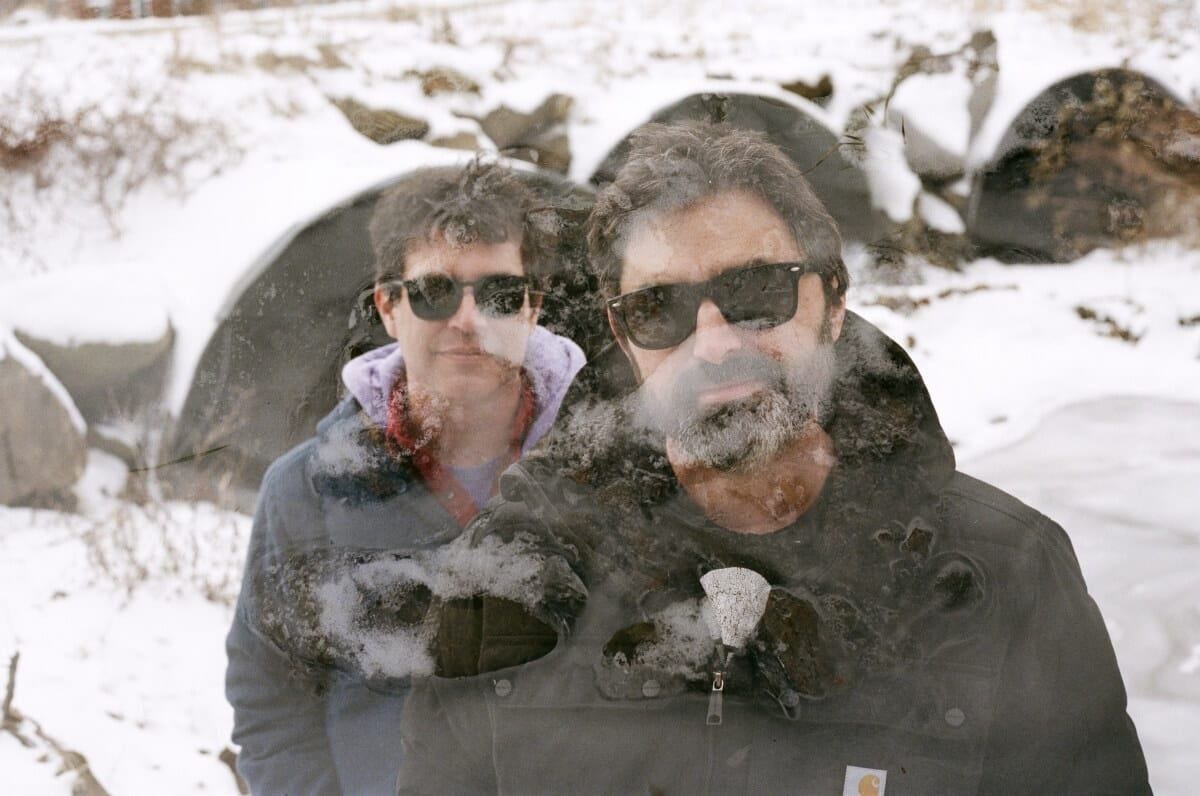
Across the Horizon Ep. 66: Croz Boyce
4w ago00:59:50Tap to summarizeHost Bob Holmes of SUSS sits down with Animal Collective members Geologist (Brian Weitz) and Avey Tare (David Portner) to discuss their new instrumental electronic/acoustic duo Croz Boyce. Brian and David also bring along a playlist of music that inspired them from their Baltimore high school years, including Wendy Carlos, Apples in Stereo, Climax Golden Twins, Pink Floyd, The Cure, and much more. Their free-flowing conversation ranges from their love of horror films to music concrete and the band Pavement. This is a public episode. If you'd like to discuss this with other subscribers or get access to bonus episodes, visit www.flowstate.fm/subscribe
Transcribe →
Across the Horizon x Songs of Our Lives (Deluxe Edition)
Jul 101:17:57Tap to summarizeRecently, Bob Holmes of SUSS was on the Songs of our Lives podcast hosted by Brad Rose of Foxy Digitalis. Bob had a great time, and it was one of those occasions where over the course of an hour talking about music, complete strangers turned into good friends. They discussed SUSS's latest release, Counting Sunsets, as well as the Across the Horizon podcast and music series. They also talked about the music that continues to inspire Bob, including tracks by Glen Campbell, Pink Floyd, Brian Eno, David Bowie, Harry Nilsson, and many more. For this special edition, Bob has added the music that they discussed, which is something that Brad does not include on his show. This is a public episode. If you'd like to discuss this with other subscribers or get access to bonus episodes, visit www.flowstate.fm/subscribe
Transcribe →
Across the Horizon Ep. 65: Chuck Johnson
Jun 1801:01:21Tap to summarizeHost Bob Holmes of SUSS is joined by composer and multi-instrumentalist Chuck Johnson, one of the Curators in Vol. 2 of the Across the Horizon music series. In this episode they discuss his latest music as well as tracks from his guest artists Marielle V. Jakobsons and Cole Pulice. Chuck also features music from his DJ playlist that he performed at this year’s Across the Horizon night at Big Ears 2026, including Eiko Ishibashi, Natural Information Society, and Nina Keith. This is a public episode. If you'd like to discuss this with other subscribers or get access to bonus episodes, visit www.flowstate.fm/subscribe
Transcribe →
Across the Horizon Ep. 64: Marisa Anderson
May 2801:00:29Tap to summarizeOn today’s episode of Across the Horizon, host Bob Holmes of SUSS is joined by co-host Marisa Anderson, the Portland-based guitarist who just released The Anthology on UnAmerican Folk Music on Thrill Jockey Records. They discuss the new record, which was inspired by the personal record collection of Harry Smith, American polymath and major figure in the Beat movement. They also discuss a playlist from Marisa’s own collection including Fela Kuti, Kokoroko, Ennio Morricone, and others. This is a public episode. If you'd like to discuss this with other subscribers or get access to bonus episodes, visit www.flowstate.fm/subscribe
Transcribe →
Across the Horizon Ep. 63: Pan-American
May 600:59:56Tap to summarizeOn today’s episode of Ambient Country, host Bob Holmes of SUSS welcomes back Mark Nelson aka Pan-American to discuss his latest album, Fly the Ocean in a Silver Plane. Mark brings a playlist of music he's recently discovered including Hoavi, Sam Wilkes, Dave Easley, and Elori Saxl. They also discuss recent collaborations that Mark has released with Chelsea Bridge and MIchael Grigoni.For Flow State, we’re listening to two recent Pan-American records. We’re first playing that new LP, which came out in March. Its tender ambient pieces are made up of elegant strings, multi-layered processed guitar lines, and field recordings. We’re also revisiting his 2024 collaboration with Kramer, Reverberations of Non-Stop Traffic on Redding Road, which we previously described as ghostly Americana, as if William Basinski or The Caretaker were handed a guitar.Fly the Ocean in a Silver Plane - Pan-American (38m, light vocals on tracks 2 and 10)Spotify / Apple Music / YouTube Music / Amazon Music / Bandcamp / TidalReverberations of Non-Stop Traffic on Redding Road - Pan-American & Kramer (50m, no vocals)Spotify / Apple Music / YouTube Music / Amazon Music / Bandcamp / TidalHave a great Wednesday. This is a public episode. If you'd like to discuss this with other subscribers or get access to bonus episodes, visit www.flowstate.fm/subscribe
Transcribe →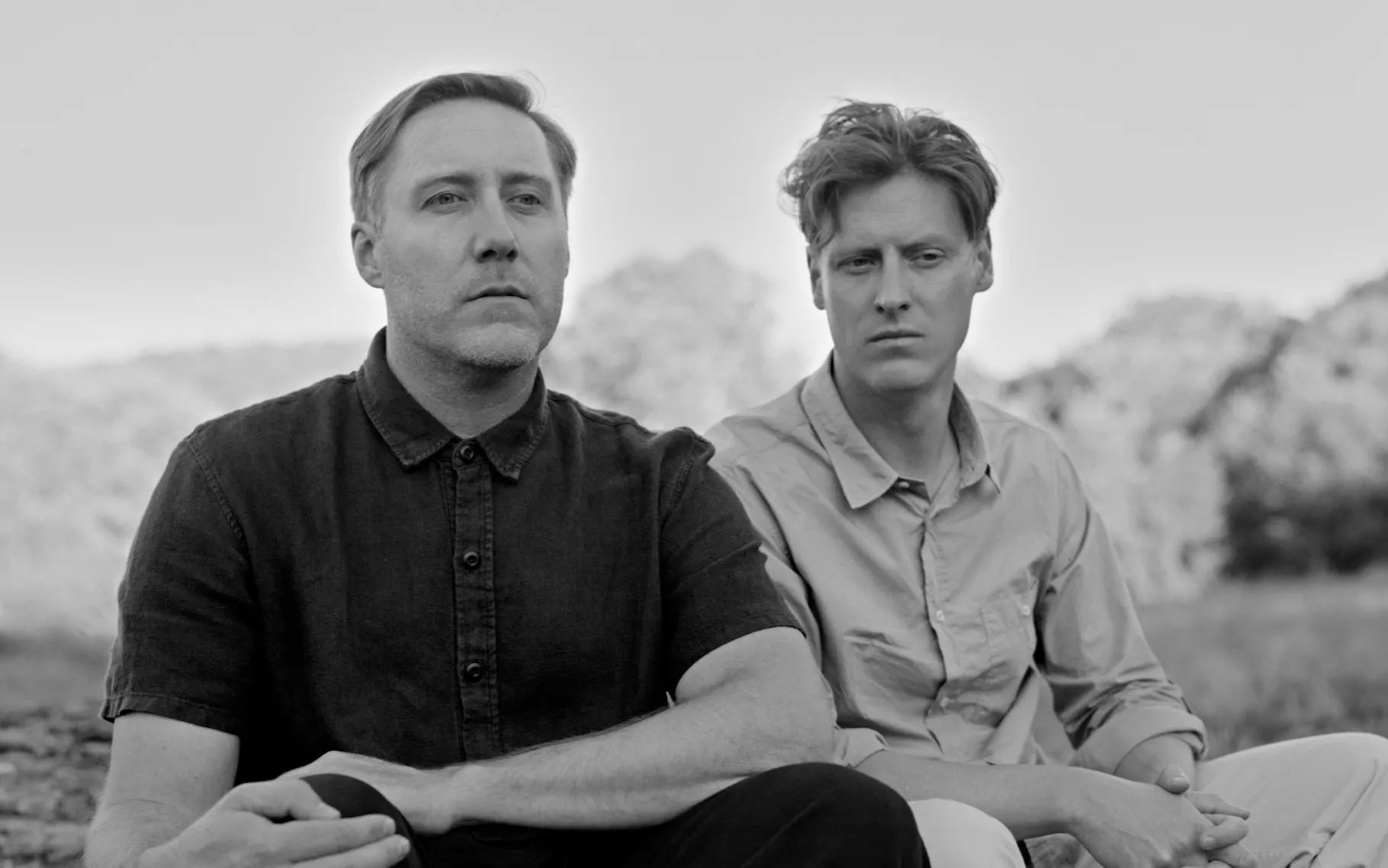
Across the Horizon Ep. 62: Balmorhea
Apr 1500:59:56Tap to summarizeOn today’s episode of Across the Horizon, Bob Holmes of SUSS reconnects with co-hosts Rob Lowe and Michael A. Muller of Balmorhea for a discussion about their latest release in Vol. 2 of the Across the Horizon music series. Rob and Michael also curate a playlist of influences from their early years in Balmorhea, which is on the eve of its twentieth anniversary, including music from Bexar Bexar, Pullman, Rachel Grimes, Will Ackerman, and many more. The playlists from this episode are available here.For Flow State, we’re listening to two of Balmorhea’s albums released on Deutsche Grammophon. The Trap, their latest album, came out in August of last year, and is an original score for a film written and directed by Lena Headey (not the M. Night Shyamalan Trap). As they discuss on today’s episode, that record is just Rob and Michael playing keys and guitar together. We’re also playing The Wind from 2021, which features a range of accompanists including cellist Clarice Jensen.The Trap - Balmorhea (24m, no vocals)Spotify / Apple Music / YouTube Music / Amazon Music / TidalThe Wind - Balmorhea (46m, spoken vocals on track 1)Spotify / Apple Music / YouTube Music / Amazon Music / TidalHave a great Wednesday. This is a public episode. If you'd like to discuss this with other subscribers or get access to bonus episodes, visit www.flowstate.fm/subscribe
Transcribe →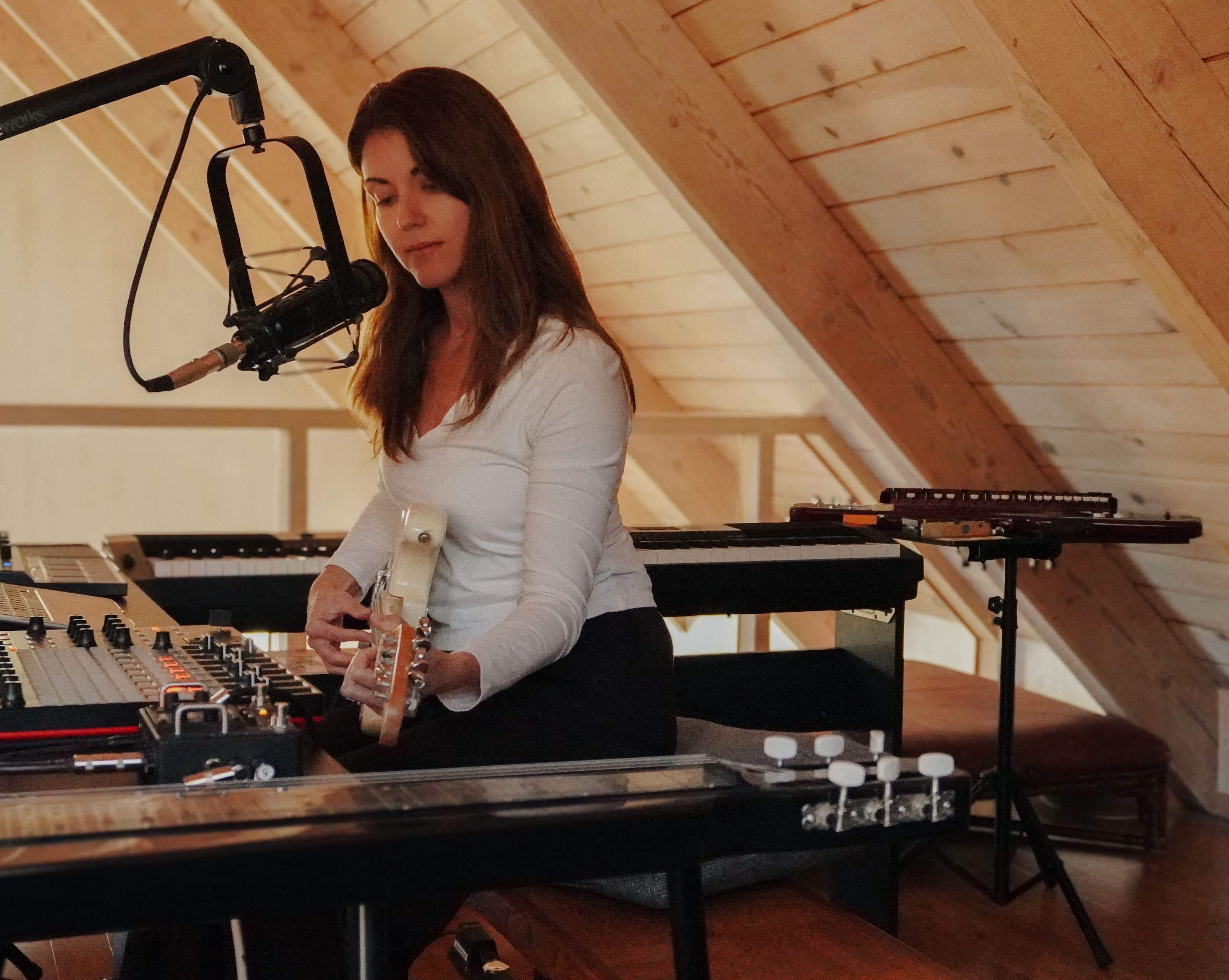
Across the Horizon Ep. 61: Marine Eyes
Mar 2500:59:53Tap to summarizeOn today’s episode of Across the Horizon, host Bob Holmes of SUSS is joined in this episode by co-host Cynthia Bernard aka marine eyes. In addition to her prolific ambient output, Cynthia is also one of the curator artists in Vol. 2 of the Across the Horizon music series. In this episode, she discusses the music and artists that she brought to the series, as well as a playlist of ambient artists that have inspired her own music including Nancy Wilson, Amiina, Julianna Barwick, and many more. This is a public episode. If you'd like to discuss this with other subscribers or get access to bonus episodes, visit www.flowstate.fm/subscribe
Transcribe →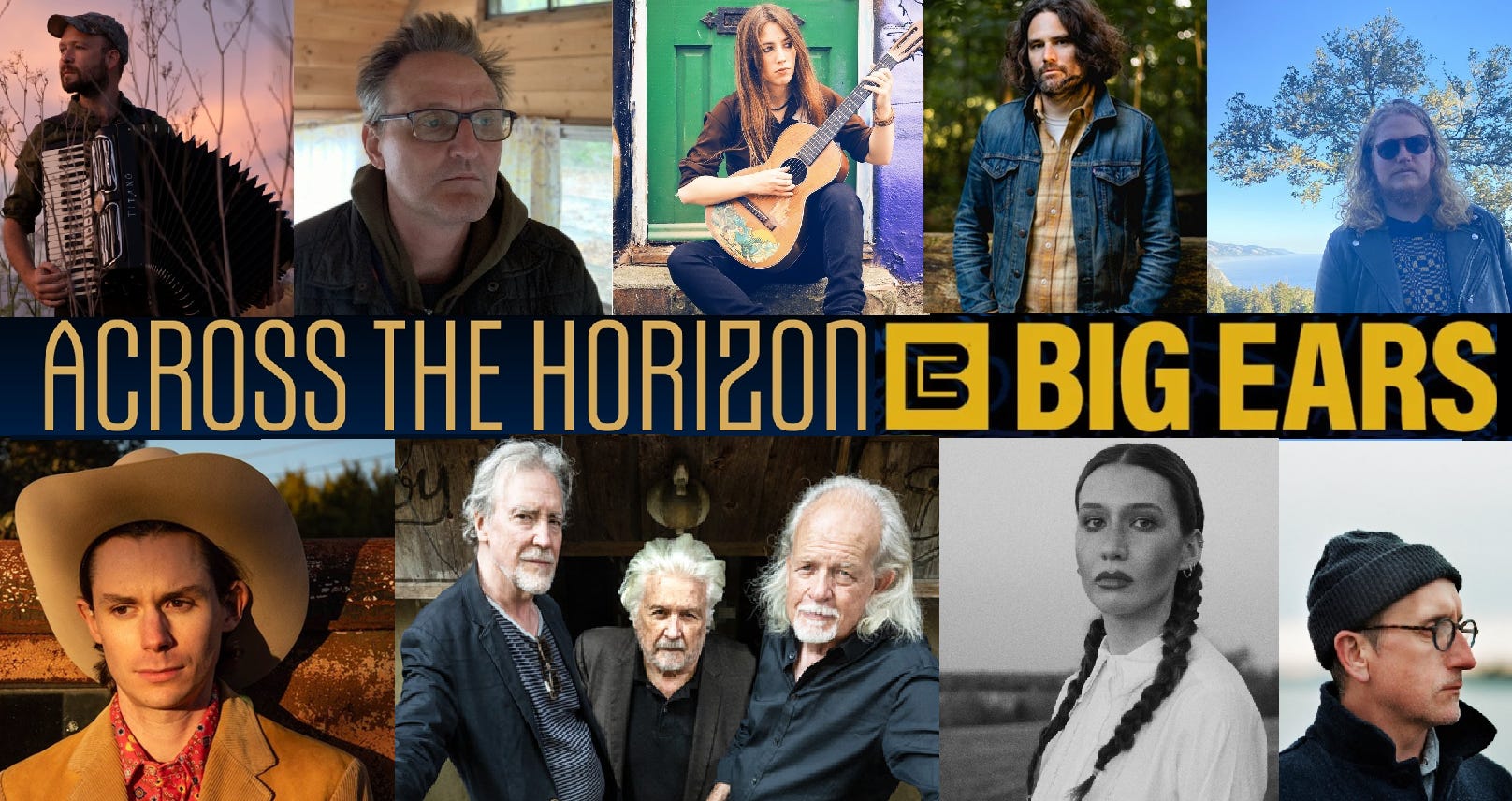
Across the Horizon Ep. 60: Big Ears 2026
Mar 1100:59:55Tap to summarizeBob Holmes (of SUSS) speaks with artists featured at this year's Across the Horizon Showcase at Big Ears 2026. Pulled from interviews Bob has had over the last few years, the show features the music and artists who will be performing at this event, including Pan-American, Chuck Johnson, Hayden Pedigo, Gwenifer Raymond, Ken Pomeroy, Dave Harrington, Luke Schneider, Walt McClements and SUSS. This is a public episode. If you'd like to discuss this with other subscribers or get access to bonus episodes, visit www.flowstate.fm/subscribe
Transcribe →
Across the Horizon Ep. 59: Clarice Jensen
Feb 1800:59:56Tap to summarizeOn today’s episode of Across the Horizon, Bob Holmes of SUSS is joined by his co-host, the cellist and composer Clarice Jensen, to discuss the music of her friends and mentors: Max Richter, Jóhann Jóhannsson, Ryuichi Sakamoto, Stars of the Lid, and more. She also discusses her latest releases, including her submissions to the new Across the Horizon Vol. 2 series. This is a public episode. If you'd like to discuss this with other subscribers or get access to bonus episodes, visit www.flowstate.fm/subscribe
Transcribe →