← Adult Child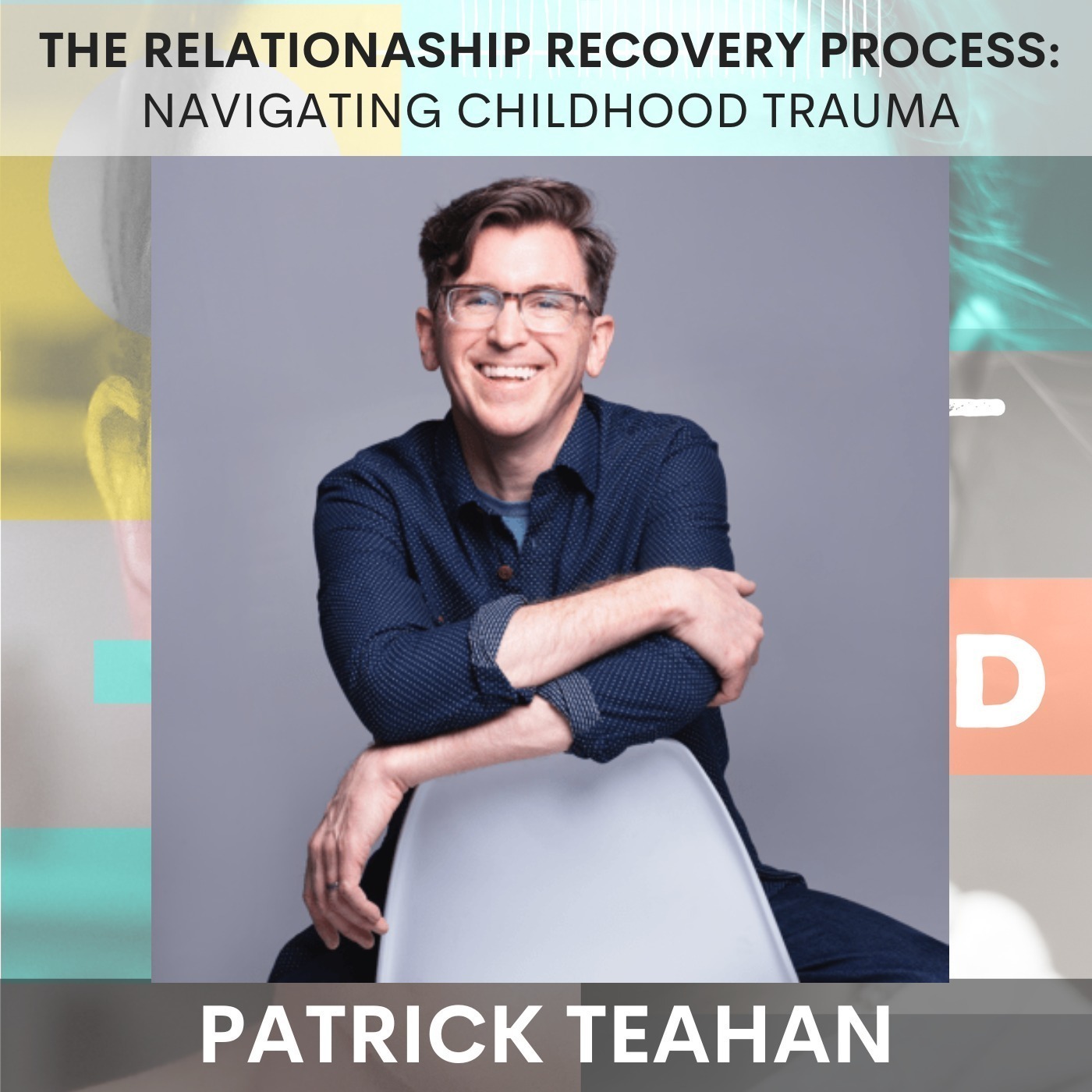
Loading summary
Transcript148 lines
- [00:00]
Teresa
So tell me if this sounds like you. You're the one holding it all together. You're the reliable one, the helper, the fixer. You're getting it done at work in your relationships, for your family. But inside you're exhausted. Rest feels impossible or even guilt inducing. Asking for help feels unsafe, maybe even a little shameful. Your body is always clenched. You're running on empty, but you can't stop. So here's what no one tells you. That hyper responsibility, that constant over functioning that is one of the most overlooked forms of functional freeze. We're we tend to think freeze looks like shutdown, like doing nothing. But sometimes freeze looks like doing everything. Fixing, helping, performing. All while disconnecting from yourself underneath it all. And here's the thing. You can't think your way out of this mindset. Hacks won't melt this freeze because it's not about mindset. It's your nervous system stuck in survival mode. It's about your body believing it's only safe if you keep doing. And I know plenty of you right now are hardcore relating to everything that I'm saying. Which is why I'm so excited about Breathe to Heal, a six week somatic breath work core course designed exactly for this. Led by Teresa, a certified Somatic breathwork practitioner and a fellow member of our show community, this course will help you reconnect with your body, regulate your nervous system and begin to feel safe enough to rest, slow down and just be and y'all. This is a steal compared to most somatic healing programs out there. We start on Wednesday, May 14th at 8:30pm Eastern. It's all online. It's live on Zoom, so get your damn spot@adultchildpodcast.com breathe to heal.
- [01:27]
Andrea
That's breathe.
- [01:28]
Teresa
Breathe with an E at the end or you can see the link in the show notes. Your nervous system has been waiting for this, so please don't leave it hanging.
- [01:35]
Andrea
What makes a family toxic is the hills they will die on. My name is Andrea and this is Adult Child.
- [01:54]
Patrick Teehan
Let it all go. What's making you small now?
- [02:00]
Andrea
Welcome back to Adult Child where we take a deep dive into the impact of growing up in a dysfunctional family. Ahoy my dear shit shows for any new listeners. My name is Andrea. I am a total incomplete shit show and this is the the podcast where we talk about what the hell to do when you realize that your childhood screwed you up a whole hell of a lot more than you initially thought it did. Now, there is a misconception that some people have about this term, adult child, that is only applicable to those who grew up in an alcoholic home. However, that's not the case. This term applies to all different sorts of breeds of family dysfunction, from subtle to more blatant. Any and all are welcome here, so welcome aboard. Buckle up. This is not your typical trauma podcast. Okay, so for anyone who may not know, I'm currently on a little break working on the relaunch of this podcast to incorporate everything that I've experienced, which has been a lot and learned since launching this almost four years ago. So in the meantime, I am replaying some of the adult child classics. And today, boy, do I have a goodie for you. You know them, you love them. Uh, he's a fan fave. And that is Mr. Patrick Tian. So for anyone who may not be familiar with Patrick, which I'm sure that's not very many of you, Patrick is a therapist who specializes in healing from childhood trauma. He has a huge YouTube channel where he puts excellent material up there all the time. And this is just a raw and real conversation about what. What this healing journey looks like. And we're diving into his story a lot, so let's just get on with the damn show. But first, let's talk about why us? You need to damn join show my online support community where I host four weekly zoom support groups. This is where you can connect with other fellow shit shows who are doing the damn work to heal. We have a bunch of sub communities that have their own groups. So we have a childhood sexual abuse group. We have a divorce and separation group. We have an IFS healing group. We have a employment struggle sesh group. We have a shit show dudes group that meets occasionally. And so just like this is not your typical trauma podcast, this is not your typical trauma healing community. This is a really raw and real place where it's just next level vulnerability is the only way that I can can put it. You know, I've been in 12 step recovery, like, essentially since I've been 12 years old in many different programs. And the vulnerability that occurs in our meetings is unlike anything I have ever experienced before. It is truly powerful. There is profound healing occurring in this community. If you want to get an idea of what our groups are like, every week on Saturdays, I have my shit show Saturday episodes where you get to either hear a recording from a recent meeting that we had, or you'll get to hear an interview with one of our fellow members. So this is relational trauma. We heal relational trauma and safe relationships. And this is the place where you can do. So. So how about you just do it already, folks? See the link in the show notes to join for less than a dollar a day. I ask you, is your healing worth a dollar a day to you? Quit after a month if you don't like it. Next, give me a little follow on the Insta on the TikTok at Adulthood pod. And last but not least, whatever you do, please, please, please give me a five star rating on Apple, on Spotify.
- [05:42]
Teresa
Thank you.
- [05:43]
Andrea
Love you all.
- [05:44]
Unknown
Well, it is my pleasure to introduce a. So I call myself a recovering shit show. And I'm going to call you one as well. I have a feeling that you'll take that as a badge of honor. We have a licensed independent clinical social worker, recovering shit show. Patrick teehan. He has YouTube, he has Instagram, he has everything. You really put a lot of good out there.
- [06:11]
Patrick Teehan
Thank you.
- [06:12]
Unknown
I really appreciate it.
- [06:14]
Patrick Teehan
Thank you. I love the term shit show. I. I tell clients, I just like, when I tell my story, I just kind of say I. I kind of stumbled into therapy. Just feral.
- [06:24]
Unknown
Yeah, I've heard you use that term.
- [06:25]
Patrick Teehan
Like, like, kind of like a fucked up alley cat with a job, you know, like.
- [06:29]
Unknown
Well, I sell merch. That says recovering shit show and former shit show.
- [06:34]
Patrick Teehan
Great.
- [06:35]
Unknown
So. Okay, so you and I, I think, have similar backgrounds. Before we talk about your childhood, I want you to tell me about like, what was your bottom? Not necessarily addiction, but like childhood, like trot. Like adult child.
- [06:59]
Patrick Teehan
I know, I'm good.
- [07:00]
Unknown
Obviously familiar with the term. Like you're.
- [07:02]
Patrick Teehan
Yeah.
- [07:03]
Unknown
Aca. What was your.
- [07:05]
Teresa
What was your aha moment when you.
- [07:06]
Unknown
Came to terms with like, truly how much your childhood fucked you up?
- [07:12]
Patrick Teehan
Yeah, it's a great question because there are different types of bottoms and if you identify as like, you know, substance abuse and cptsd, there are, there's this. What I'm. I love the question because I'm fascinated how people have these experiences, like say with an ex three years before they broke up with them, where their body was like, oh, you're totally not safe for me. Like, we have this awareness. We have the compass, we have the intuition, but we're not in our body enough to take action on it. And that moment for me was I was, I was. How old was I? I was. Everything started at 19 years old in terms of recovery. And the bottom was my dad had passed away in November of 95. And then in the summer of 96, in between my dad's passing, my mother's alcoholism shot up. Like, if you look at the bar Graph, when they talk about it being a progression of disease, is. My mother was, you know, she just lost this kind of trauma bond relationship with a narcissist. Her alcoholism skyrocketed her. She was like six months behind in her mortgage. The house was foreclosed upon eventually, but during the summer, it's like she turned against us, her kids, and there was. There was another gross alcoholic drinking buddy in her life to, you know, there was always that in my life. And it was just. We just had this moment with her where she was just hitting a bottom. You know, my. She's never woken up from her bottoms or anything like that, but it was just, it had just gone off the rails so much that it was actually a gift. And I'll never forget this moment of like. Like she was blitzed in like a two or three day bender and just saying awful things to us that I'll talk about in detail in a book that's coming up. And if that was just that moment that there was this, like, there was just every cell in my body was like, it's time to go. There's nothing here for you. There's just. You have to just move out and just get away from this. And there wasn't much more recovery. I wasn't in. I wasn't seeing anybody. I just had bandmates and friends and a girlfriend at the time. There was no therapist. There was nothing. And then that summer. So just, you know, just. You just remember really shitty summers in your life. You know what I mean? Like those like, oh, summer 97 and that freshman year, just like really dark stuff. That was the bottom. And shortly after that, I talk about this. It's like, you know, it's another. It's a deeply personal loss. And just like the. How. I think the world has just a weird kind of sense of humor. There was this look, this. I waited tables at this fish restaurant in Boston and I was just like this mascot young orphan kid, 90s. I had like long like Fabio red hair, you know, like playing in a band. But I was so feral too. And we were all partying and stuff like that. But there's a lot of people in that restaurant. This is around. I was working at that restaurant that summer and in the fall there was just, you know, there was a guy there that. He was funny. He was struggling with substances too, but he was in therapy seeing my mentor. He was also doing stuff like breath workshops. People think like the holistic world is kind of brand new, like people doing Reiki or people doing like breath work. Or people doing somatic stuff, you know what I mean? There's like, it feels like a revolution but there's, it's, it's going to go away and then 10 years later there'll be another revolution again. So many people were going to this place called Krapalu in Massachusetts. So he would go out there and do these breath workshops with his girlfriend and he was a safe person to me. Like we could relate about our families. And he, I was just probably dissociated and hungover and he was like, what's, you know, what's, what's going on with you? You okay? And it was the first time I related to this bottom is the first time I ever related to somebody and, or opened up to them. And I said, well, I just feel like there's always something wrong with me. My relationships don't last longer than six weeks because I'm such a mess. Like I was a very needy. You know what I mean? I was really looking for a mom and I was 19 of. You're a 20 year old girl. You know what I mean? Like they couldn't, you know, they probably thought I was cute, but it was just became too much. That's how feral I was. And I just kind of told him everything and he says, I'm seeing this great therapist. Here's her number. And still dissociated. I just kind of walked over from that table. I remember everything crystal clear to a payphone on the wall. And that's when I called my therapist. So that's kind of the story of the bottom of this two month period of. And all of it is just kind of miraculous the way everything kind of played out.
- [12:18]
Unknown
I just want to say that I love when you say feral because your Boston accent really comes out when you say feral.
- [12:24]
Patrick Teehan
Feral.
- [12:27]
Unknown
Like, yeah, what the hell? You said you just left like a year and a half ago. Why don't you have a thicker accent?
- [12:36]
Patrick Teehan
My, I don't know. I really don't know because I was immersed in that accent. But I never really even had it as a kid. I think it was almost like this canceling out. Both my parents were Irish immigrants. I'm a first generation, you know, so it's. They had these in Irish accents at home and then you know, the, the you know, classic Boston suburban. Hey, what's going on guy? How you doing? Stop. You know, like all that we would just, you know, say that stuff and I can mimic the accent but for some reason I just left the world without, without it. But it does pop up once in a while.
- [13:13]
Unknown
Yeah, I'm into it. I'm gonna try to get you to say feral as many times as possible.
- [13:19]
Patrick Teehan
Or I'll just say emdr. Emdr.
- [13:29]
Unknown
So my experience is. So I. I hit my, like, complex PTSD adult child bottom at nine years sober. And it was like, after dating, like, the past nine years of just being in toxic relationships and not realizing that I was living in a trauma response every time I was in a relationship. And my bottom was, I dated two alcoholics named Brian back to back. That's when I realized what the hell was going on with me. My. I think that your childhood was probably, like, more, like, blatantly dysfunctional. I mean, I had a. So I had. My mom was an alcoholic. My dad was, you know, emotionally unavailable, workaholic. But then at age 12 is when I started to act out. And so then from, like, 12 to 19, I became the focus of the family. In and out of rehabs, all that stuff. And it really worked in saving the family. Like, my mom stopped drinking, and my parents stopped fighting as much, you know, wow. It really worked. And then as soon as I got sober, they picked up right where they left off. But, like, I knew that my mom was, like. I was told my mom was an alcoholic when I was 7, and I was, like, very parentified. I was an only child.
- [14:54]
Patrick Teehan
Who told you?
- [14:55]
Unknown
My mom. We were out to dinner, and I could tell something was upset, and I was like, what's wrong? She said, I'm an alcoholic. And I said, well, what does that mean? She says, it means I can't drink. And it was like. It was like, I didn't know what that meant, but, like, I knew exactly what it meant. And just, like, from that day on, like, I. I developed, like, a sixth sense, like, as it related to my mom's drinking. And I could feel it, you know, like, hours before she would pick up a drink. And my dad, like, her alcoholism was a secret from the rest of the world. So, like, you know, I remember being 8 years old and helping him search the house for booze or, like, going into the liquor cabinet and, like, taking a paint stick and, like, measuring it and monitoring every bottle. And for me, it was, like, exciting. Like, that was, like, my first addiction. Yeah, you.
- [15:48]
Patrick Teehan
Yeah, right.
- [15:50]
Unknown
But I just thought that, like. Yeah, I knew it was, like, less than ideal, but, like, I was never physically or sexually abused. You know, Like, I went to private school. Like, we had. Like, I had no clue that it was trauma. Like, no clue. Yeah, but it sounds like your. Your Your upbringing was like, a little bit more violent, probably. You want to talk?
- [16:15]
Patrick Teehan
Yeah.
- [16:15]
Unknown
Like, growing up, like, when did you first realize that, like, something was off or did you always know?
- [16:21]
Patrick Teehan
I. I think I might have. It's. I don't. I don't know. It's. It's almost not trying to be funny. It's. It's kind of like. It's kind of like knowing you're driving in a blackout. What's that?
- [16:39]
Unknown
Many siblings?
- [16:41]
Patrick Teehan
Just one.
- [16:42]
Unknown
Just one. Older or younger?
- [16:44]
Patrick Teehan
A little bit older. We started off as three, so there was a death in the family at 10. So it's where, you know, even. But. But even before that, the thing that, you know, I want to come back to something you said about. About your folks. I think that if you had asked me when I was five, what the problem is, is I would say that my dad is awful. I don't like my dad. My dad is mean to my mom. You know, and there's this kind of story, like, that's the thing that I knew was abnormal is, and this is the 80s, where you kind of know that as a kid that you. You might get slapped by a dad or something like that, or like. Or men are kind of gruff or something like that. But there was just. I knew from a young age that there was something off about my dad. And then that progressed. That would, you know, If I was 5, that would, you know, for the next 13 years. He was just that oppressive USDA narcissistic personality disorder with some weird variations around it in a way that he felt that he was just super powerful person, but he was many. He was really pathetic in many ways. So it's just. And you know, it's also just being an American kid and having him also be like an immigrant, not really knowing, you know, he's never fully American or. Or that kind of dad. Like, you know, other dads would play basketball and that kind of a thing. My dad would just be. He would. He would. He was like, living as an Irishman in the 60s, in the 80s, in Boston. Yeah. You know what I mean? Just like, just weird where he carried a handkerchief. Do you know what I mean? Like, he, you know, just like, weird. Not that that's super weird, but it's. It's hard to describe, but it's. In other words, like, yeah, us. Well, back in the 50s and 60s, even way before that, it was Ireland, a very underdeveloped kind of country. Now it's just a totally different story. But, you know, my mom is one of eight Only one person stayed on the rural farm. Why everyone else? While everyone else went to London, New York or Boston for work, for opportunity, there wasn't really much around unless you just wanted to hunker down and be a farmer or you know, struggle with some poverty. You know, there was, there was money to be made elsewhere. And even my aunt, I think I had the story somewhere in my family of someone just flipping a coin between London and Boston and then you just. There was a sponsor in those cities, like a cousin who was already there or something like that. So they're, they're two Irish people from the west coast of Ireland and they met south of Boston in an Irish dance around 1969.
- [19:31]
Unknown
Wow.
- [19:31]
Patrick Teehan
But coming back to your folks about, you know, this weird dynamic of like you becoming the problem that happens so much in these families, when I think about a couple's codependency about staying together and that now we can unify and not look at anything in our marriage or ourselves and have our kind of, you know, our, our family up. 14 year old boy who's acting out or something like that. And it can be. It. There's really a. I, I find I'm not, you know, I find that there's kind of a quiet pathology behind all that because when you really think for the person to sort of to say, oh my kid, you know, they need so much help and I can really change things here and not know that you cause that or not know that you have a hand in that or not know that, like you mentioned, dad's a workaholic or she's a drinker. And for the two of them, it can't. Same thing with my parents. Can't be us, can't be that, you know.
- [20:33]
Unknown
Well, I didn't even tell you part of it. So then at 9 is when I started to develop separation anxiety. So I started to. I woke up in the middle of the night one night like terrified, like, and had to start sleeping in my mom's bed. And so then they sent me to a therapist. And then I remember asking my mom years later, did you ever tell them that you were an alcoholic and that you and dad fought all the time? And her answer was no. It didn't seem relevant.
- [21:03]
Patrick Teehan
Right. You know, like I wasn't. They never, they were so anti therapy or any anti help at all. Anti telling the truth. But for clients who go through that, for listeners who go through that, that like your experience, that's a level of mind that's almost like religious, religious abuse, it's a Mind. It really is another layer of thing for those kids who end up in therapy. And no one's talking about how Mom's a drinker, dad's violent, dad shut down, dad's. Dad's may be closeted. Do you know what I mean? Or. And it's like, as kids, we're not exactly. Some of us are telling the truth on purpose, but we're. The kid is just the. The canary in the coal mine that I feel like in society we gotta start picking up on that, you know? But no one, you know, like, no one wants to, you know, whether it's school or DSS or whatever, or even the therapist that you saw. Do you know what I mean? It's just kind of like, you know, like, yeah, if I was doing family therapy, I wouldn't really kind of want to. I, I have too much counter transference. I would. I would really, really have to really find my ground as a therapist and work with a parent with low insight. That would be very exhausting. Like, I, I only work with people that are like, I know I have this thing. I know what happened. I resonate with your videos. You know, I'm not taking anybody right now, but, like, that's the person I want to see. Do you know what I mean? I would never take somebody on that's just like, Chase, you know, my kid doesn't listen to me. You know, he's got all these. He's on his phone all the time playing the video games, and he's like, punching walls. I don't know what's going on. And it's just like, oh, could it be that you're a sex addict? I don't know. Could it have something to do about that, you know, or that you're never home, or that you're hypercritical, or that you're an. Or, you know what I mean? Or that, you know, you just, you're just, you're, You're a phony. You're really fake.
- [23:09]
Unknown
Definitely, not. Definitely the kid, right? So when that death happened of your sibling, did that, like, really. Is that when things. Was there a dramatic shift, like, in your parents after that? Like, did drinking really pick up then?
- [23:25]
Patrick Teehan
Yes and no. I mean, by the time he was 10, I was 6. The middle sibling was 8. But by that time, there had already been a. Domestic violence was like, there'd be cops at the house maybe like once every six months. Once every three months. There was. You know, and you don't. I, I've heard this from other people involved in, you Know, wrapped up with my family or family members over time where, when you're six, but even before my brother's passing, you know, developmentally you're kind of in a bubble. You're not really unaware of things. You just might know you don't really feel good. But like my, my mom, we, we hated being around our dad. And sometimes we would have to like, you know. You know, I remember nights where he would just be watching a hockey game and we would just be like, you know, we would be calling the bar, asking mom to come home and he would take the phone off the hook kind of stuff. So it's like that kind of existence was even going on before then. It wasn't. It just things really got worse, you know what I mean? Like where and despite who my parents are, like, you know, losing a child is like that is the one mission in life I think if you're a parent is to pass away before your child does. Like that's, you know. So I, I, you know, don't ever sort of blame them for those feelings or whatever. But after that the alcoholism kind of took off. More neglect, more shutdown because they were, you know, they were in a trauma response too or whatever. But not much was really new. It just was just worse, if that makes sense. So it's just, you know, but for the childhood trauma piece about it was. No one was talking to the kids or me about it. You know, like no one, no one was saying, let's get you a therapist or whatever. It was just like, yes. And then it was also more about mom going into this now, now she had full license to drink. You know what I mean by that? Like now like you've probably seen that in the halls. It's just like, well, my best friend died of an overdose, so I'm just gonna off myself for the next 10 years. I have, you know what I mean? Like the world is, you know, God's dead to me. You know, the world has wronged me, I can do this. But it's such a, it's such an alcoholic thought, it's such a substance. The abuse oriented kind of thought.
- [25:50]
Unknown
Is she still alive?
- [25:52]
Patrick Teehan
Yes. Yep. And I wish her well. I, you know, I'm just not in contact with her and it's just sort of like, it's just where with going no contact. You do all this work and you do all this changing and then if you were going to re. Reconnect with them, they haven't. They're still back at that conversation they had with you 12 or 15 years ago. Which is why I say that is for many survivors is we, you know, there might be the part of our inner child that might be like, well, maybe things are different. Yeah.
- [26:28]
Unknown
That fantasy. Of course, of course.
- [26:32]
Patrick Teehan
Yeah.
- [26:33]
Unknown
Yeah. No, yeah, I agree. You know, I've gotten to a place where like there's been times in my healing where I've like cut contact but I'm at a place now like where I figured out how to have a relationship with them that like, you know, works for me. Very limited.
- [26:50]
Patrick Teehan
Yeah. Going, going. No contact is not for everybody. So many people, you know, I, I get a lot of nasty comments from parents about like you're tearing families apart or that kind of a thing. It's just, but it's just sort of, it's, it's only when for some people it's absolutely necessary. Yeah. Or it really, it prevents you from healing because you just don't get a reprieve from any of the, of the abuse or the drama or stuff like that. But many, many survivors can tolerate a superficial. Okay. Ish. Enough relationship with parents and make that work. It's still hard, but it's possible, you know.
- [27:26]
Unknown
Yeah. Okay, let's. Let's talk some about complex PTSD versus adhd. So I just got an assessment on Wednesday. The way it's showing up for me is like in procrastination and like self sabotage and just like so like being on my phone constantly, not being able to get those big ticket items like moving like the stuff that's really going to like move my life forward in an impactful way. There's been some other things, but I would love to talk with you about that. I was watching one video that's great. I didn't get to watch the whole thing, but just start wherever the hell you want to start.
- [28:07]
Patrick Teehan
Sure. Yeah. And I think that that video is long and involved to get into, but I'm really not an expert in adhd. I just really wanted to kind of give some, just additional pieces to it that it could be cptsd. I think I started that video talking about being feral at the time when I started meaning overwhelmed with how to write a check because I wasn't really parented around that. Really struggling with shame and anxiety that if I asked for the laundromat in the new neighborhood that I lived in, I'd be like, okay, okay. And not taking what the person's saying. And you know, it's just, I think that I almost look at ADHD sometimes. It's really kind of a thing. Some kids are just born with it. It doesn't mean that there's bad parenting going on. There's just some organic tendencies, some genetic tendencies, perfectly fine. But where the lens gets opaque with CPTSD is around the issue of not fully being in our body. I think. And I think what is then the piece that I think, well, why, why are we not fully in our body? Is I think that there is a lack of processing, like things like losing my brother, things like that summer with my mother. There's just a backlog of these really big things that kind of run us. It's a little bit tricky to explain, but when we get triggered, we go on a third date with somebody, we really, really like them, and then they're just like, you know, you're great, but I don't think that this is for me. I'll see you later, you know, and that came from out of the blue and.
- [29:48]
Unknown
Yeah, you want to kill yourself.
- [29:50]
Patrick Teehan
Yeah. You know what I mean? Like you've, you've gone down to now you're abandoned again. You know where I think the non trauma survivor, I don't want to say the normal person because I don't really know what quite that is, but the non trauma survivor who doesn't have like deep attachment wounds or. And I want to clarify something that I did grow up in blatant abuse and you grew up in some. When you say that you kind of. It wasn't like that. In many ways it doesn't matter because the symptoms are the same.
- [30:18]
Unknown
Absolutely. And what I like to say is like, it's not really so much about like what happened to us versus like what we came to believe about ourself in the world as a result of what happened to us.
- [30:30]
Patrick Teehan
Exactly. Good way to put that, you know, because just even having a dad who's workaholic and he's out of there is enough to mess with our self worth, to mess with how much do we hold somebody accountable, you know, and your mom telling you that she's an alcoholic at 7 and then to have the drinking continue after that is another level of. You know what I mean? Like then. Yeah, because it's like I have a real problem, but it's not real, you know, so there's a lot of. What? There's a lot of. So for me, when I started to do some heavy duty trauma work and the group work that I did with my mentor, we were doing rage work as a group, we were doing empty chair work and finishing business with parents and really holding them up we were struggling with our inner child's belief around, do people really want to hear from me or not? Is it okay to show up for people? It was. It was very intimate. And I think that that's what kind of helped me come back to my body enough in the short amount of time. I graduated high school in 95, and I barely graduated for smoking pot every day and not going and really going to a hopeless part of my life because my dad was a. Was. He was getting more ill. But I don't. I don't want to sound like a monster, but that was like, he was such an abusive person. Is like, when is this going to happen? This has gone on. He had cancer for 10 years. So there was this. I really wasn't doing well. Senior year in high school, that was 95. Started to get a little bit sober, got into therapy, was doing group therapy.
- [32:06]
Unknown
A little bit sober?
- [32:08]
Patrick Teehan
What's that?
- [32:08]
Unknown
A little bit sober?
- [32:09]
Patrick Teehan
A little bit sober. Well, it was like, I. The therapist was, whoa, you can't be in this group if you're coming in hungover on a Tuesday. And I was like, ah, I don't want to go to aa. I'll just stop and I'll show you. And I stopped for like a, you know, so it was like white knuckling. Replacing the therapy with sobriety. But it is a funny term. It's kind of soberish. On my way. And then from 95 to 98, she got me to go to college. In college, I got a 4.0. That's a very different experience from being feral to not. And, you know, and the. The sobriety that I had, I was still not, you know, showing up 45 minutes late to my waiting tables gig and getting in trouble or getting pink slips or you know what I mean? Or that kind of a thing. So it's just, I have this weird theory that if we drain the well of everything that happened to us, I think our focus gets better. I think we're back in our body in that way, you know. And what was helpful for me was also working with the inner child around, okay, it's time to quit smoking. We're going to really try to commit. We're going to just have three cigarettes today. And that level of inner child dialoguing work, which you're kind of journaling on paper to do, that was very helpful in a way of getting our adult in place. So if you're kind of like, you know, first of all, like, we're all addicted to our phone. I was on TikTok for an hour last night when I only needed to be on it for 30 seconds. Do you know what I mean? We're all.
- [33:45]
Unknown
It's so weird that I don't get pulled into social media. It's like fucking candy crush.
- [33:51]
Teresa
All right, shit show, ladies. Have you ever had those days where everything just feels so much damn harder than normal and you can't figure out why? I already know the answer to that question is yes. And boy, have I definitely had more than my fair share of those days and totally get just how frustrating this can be. But recently I've learned that sometimes it's not just stress, lack of sleep, a disregulated nervous system. It could also be my hormones at play. And that is where Happy Mammoth comes in. They offer a free two minute quiz that can help you uncover the root cause of your hormonal symptoms. It's super easy. Any shit show can do it. Just answer a few questions about what you've been going through and where you're at in life. After taking this quiz, you'll get personalized recommendations to help balance your hormones and start feeling better. So I took this hormone quiz myself. The quiz suggested that my body may be overloaded with estrogen, which is affecting me in all kinds of ways. And one of the recommendations that I got was to start taking Hormone Harmony, which helps with bloating, chronic fatigue, weight gain, mood swings and more. And after adding it to my routine, I've definitely noticed a difference. Now, taking care of your hormones isn't just about feeling good right now. It's also about investing in our healing journey. And so by taking this quiz, you'll learn more about your hormone balance, which will allow you to start making small, intentional changes to support you on this healing journey. Whether it's the hormone Harmony or another Happy Mammoth product, the quiz helps guide you towards solutions that work specifically for you. So if you're ready to start feeling like yourself again, head over to happy mammoth.com and take their free 2 minute hormone quiz today to find out the ultimate answer to your stubborn hormonal issues. And for a limited time, you can also get 15% off your entire first order with my code Adult Child at checkout, that's happy mammoth.com and use the code adult child for 15% off today.
- [35:40]
Patrick Teehan
Then in a way like yes, you could look at that as adhd, but I, you could also look at it as the inner child not having any healthy limit setting from the inner adult. And I'm not, I don't mean to say like the Inner child and the inner adult is the only way to do therapy. I don't mean to say it like.
- [36:02]
Unknown
Yeah, I know.
- [36:04]
Patrick Teehan
It's just kind of helpful in that way to start a relationship with this, this part of ourselves. But that literally looks like being a real parent. We're only, you know, I just went through this week with my son. We just, we revamped my son's screen time because he didn't know he was doing this. He spent a bunch of money on a website contributing to a gamer. Like, it's almost like a Patreon kind of a thing. And I don't even want to say, like, how much money he spent. And he thought he was just subscribing or supporting them with stars or, or things, and he just spent a whole bunch of money.
- [36:37]
Unknown
Like where you're watching them play games.
- [36:39]
Patrick Teehan
Yeah, they're watching them play, like Zelda Breath of the Wild and, you know what I mean? They're just like, these people are really good at it. Like, that's their gig, you know, and, you know, they. That's how they make money. And it's really cool. But my son didn't know that. He was like, tipping them because his, his Hotmail account is attached to my PayPal kind of a thing. So we gave him that freedom. But it's every, Every moment is a parenting moment. And we, we just as a family really looked at our screen time with him. And then we, we went, went down from say, like three to four hours a day to an hour and a half. And in the, in the meantime, he's picked up guitar.
- [37:17]
Unknown
Nice.
- [37:17]
Patrick Teehan
Do you know what I mean? Like, he's doing other things. It's actually been a really good experience so far. But I didn't grow up with that kind of thing. Do you know what I mean? Like, I was just neglected. I was smoking parliaments at 11, you know what I mean? Like, I, you know, in, in high school, my diet was like peach Snapple and Parliament Lights and you know what I mean? And like a lot of weed and not ever being home for two or three days, you know. So I think that for the trauma survivor who kind of grew up in this. I grew up in an anything goes kind of environment. Very hard to break through and become a parent for ourselves and not still live like that, you know, I'm 46 years old and it's. I'm just now in my life getting to bed at a decent time, and I've been in recovery since I was 20. That's a long time yeah, that is okay. It's a long time. Or realizing at 46 that too much sugar doesn't make me feel good or look good.
- [38:15]
Unknown
Yeah, that's the worst. It's the worst when you realize that, you know what, I'm 511 and I was this height at like 12. And I always say, thank God I started smoking at 12 or I would have been seven foot one.
- [38:28]
Patrick Teehan
Wow. Okay. Well, there's a, there's a plus.
- [38:30]
Andrea
Absolutely.
- [38:34]
Unknown
So I want to talk about RRP. So it's what Recover Relationship Recovery program is, right? The kind of the recovery model that you use.
- [38:42]
Patrick Teehan
Yep.
- [38:43]
Unknown
I've looked into it some, but I'd love to like get into it more. It sounds like in a nutshell it's kind of a. A two. A two part dealio.
- [38:51]
Patrick Teehan
Yep.
- [38:52]
Unknown
Focuses have at it.
- [38:54]
Patrick Teehan
It's. We tweak the name. It's relationship recovery process.
- [38:59]
Unknown
Process.
- [38:59]
Patrick Teehan
And it has two major goals. One is finishing business with our parents or toxic family system of origin. And the other goal is to reclaim intimacy. And that it's really a group therapy model.
- [39:13]
Unknown
Is it kind of like psychodrama?
- [39:15]
Patrick Teehan
It's a bunch of stuff. It's inner child work, psychodrama, group therapy, experiential work. So in that, you know, the therapist is forming groups. You can do it in individual, but it only kind of goes so far because you, you don't get the witnessing that other group members can provide for you. You don't get a sense of like a, like a healthy surrogate family alone, just one on one with the therapist. And some people are not wired for groups. Some people are really, you know, like, you know, like. But our first group is our family. And that's where I think that kind of like, I don't want to kind of, you know. But humans are humans too. When they told me I needed to go to aa, I was like, ah, you know, like no church basement with those losers.
- [40:00]
Unknown
Yeah.
- [40:03]
Patrick Teehan
No thanks. I'm too cool for school. Finishing business with mom and dad. Reclaiming intimacy.
- [40:11]
Unknown
So about finishing business with mom and dad.
- [40:14]
Patrick Teehan
Yep. I tell people to use the group as a long process to figure out whether your parents were right about you or not. Whether that's direct messages or the secret messages. So when my mother wouldn't come home for a couple of days or not even say goodbye because she didn't want to get into it, about how long she'd be gone. And then I would wait on a weekend, I remember this pink lady's pink couches, chair things in our living room and On a rainy day, I remember I would spend probably from like 8am to about 5pm looking out the window, waiting for her. That's a kid dissociating. That's a kid getting into magical thinking. I would probably be terrified that she was out there drinking and driving. Very attached to my mother. It's not my. My dad was horrific, but my mom was my world. So finishing business in that way is really holding the parent accountable in therapy, not with the parent, because they're not gonna. They're not going to be a good resource for you to take that in. And writing the parent letters and having the group witness that doing empty chair work, where you put the parent into the chair and tell them the truth. Have the therapist talk to the person in, you know, in doing a genogram and telling your family story in front of people, an experiential is you. You're experiencing the trauma that you went through, but having a different outcome. So a client might. Another group member might play someone's violent dad and say the things that dad would say and have the energy with that, which you're going to get a beating. And I can't believe you did this. Like you left your bike out in the lawn kind of a thing. And all of that frenetic, violent energy. It's not for everybody. It sounds crazy. You know, when I'm gonna. I'm. I'm in the process of writing a book about it and I just picture in my mind, I don't really care about critics, but I do picture a lot of therapists going like, that's bananas. You would just, you know, like trigger the client that much. Yes. You would bring the client back to that experience, but then have a different outcome. And the different outcome is someone arrests the dad. A therapist comes in and tells you that leaving the bike on the lawn was a normal thing for a kid to do. Do you think your dad is right about you? Do you know what I mean? Where's your mom in this? Why isn't mom around protecting you? You know, it's sort of psychodrama, but really recreating. What did you need when you were eight? Like, if it was in your case, not to make this super intimate for you, but when you're. And I, that's a very common adult child thing to be watching the clock, watching the amount of booze go down and measuring how much they're drinking. And you're really in this. There's a lot of drama and excitement, but there's, you know, the, the kid going through that, needed a rescue and needed help going that mom is an alcoholic. You know, you can't. You didn't cause it, control it, can't cure it. And I'm mad that dad isn't more real about it. Like, that's finishing business, you know, because. But it's such a big barrier. Because I'm sure, even as the listener, I'm a mind reader. I'm sure the listener is thinking, yeah, but my parents are going to get it even if I do all that stuff.
- [43:37]
Unknown
Yeah, but that's not what it's about.
- [43:38]
Patrick Teehan
That's not the point. But that's where our inner child goes. Do you know what I mean? Like, I'm still not going to be able to explain that. But wouldn't it be amazing if your inner child knows that you were a good kid and it was just bananas what was going around on you? Wouldn't your inner child benefit from knowing that unavailable people are kind of shitty? You know, it's not anything that you're not sparkly enough or thoughtful enough or all of that stuff. Finishing business, it's a big umbrella term that all the activities. RRP is very heavy on activities, which is a good thing. It's not like you're not just sitting around in a group for six months waiting for someone to get it. You know what I mean? You're just. You're doing these processes.
- [44:28]
Unknown
Why didn't you call it taking care of business just so we can sing the song.
- [44:32]
Patrick Teehan
Yeah, I know. Every day and working overtime.
- [44:39]
Unknown
Work it out.
- [44:42]
Patrick Teehan
So it's really, you know. And then at the end of that process, you know, ideally, the client knows that they were a good kid, it was all bananas, and that they don't really care anymore what mom thinks about you. You know, they don't. You know, when the client wants to open up a cupcake store and live and become a baker and live that dream, they're like, what my mom thinks. My mom doesn't even know me. My mom just saw me as a role for her, you know, my mom just was like, don't do that. You're gonna die. You know, I think of that Adam Sandler thing, like, everyone's gonna laugh at you. You know, like the doomish mom or the doomish parent, you know, and it's just. It's very freeing.
- [45:22]
Unknown
One thing that's been hard for me a lot of the times with is like, because I was not like, directly told certain things, it was so much more insidious.
- [45:31]
Patrick Teehan
Yeah.
- [45:32]
Unknown
Then, like, kind of hard to, like, Identify kind of what some of the beliefs are. But I had this moment a couple months ago where I've been trying to connect with my inner child more. And, you know, I was journaling her, and I was asking her how she felt about, like, my procrastination. And when I say I'm going to do something and I don't do it the next day. And then it came to me, and she told me that when I make promises that I'm not going to, like, play games the next day or I'm going to get certain things done, and I don't. That it feels the same way as when my mom would tell me that she was gonna stop drinking and she wouldn't.
- [46:10]
Patrick Teehan
Yep. Right. You get it.
- [46:12]
Unknown
It's like that habitual disappointment. Here's my cat, Kiki.
- [46:16]
Patrick Teehan
Yep. That is so insightful and bright. For you to know that is golden. For you to know how your present is being run by your past in that way. And inner child work is another part of that finishing business is. This is complicated to articulate, but when. When the kid has broken promises, it's like their heart gets broke, gets broken. Then we grow up into an adult that doesn't really trust anybody or even trust ourselves. So the inner child can be this caustic entity. You know what I mean? Like, you get. You get the cake at work, and they're like, happy Birthday, Andrea. You know, and you're just like, you guys are full of. You know what I mean? You don't. This is all, you know, like, that might be a feeling on the inside or something like that.
- [47:08]
Unknown
I used to go to this AA meeting, and when they would hand out the chips, they would sing Happy Birthday. And I was like, the only girl in the room was like, this is so lame.
- [47:16]
Patrick Teehan
Right, Right. Because our parents were kind of fakers, you know, Like, a lot of us heard, oh, I would do anything for my kids. I'm not going to be honest and stop drinking and, you know, stop putting them in dangerous situations, but I would do anything for my kids. So. But also, what's really the unfinished business is that children start to hate themselves. When the parent breaks promises, we start to hate her. You're so stupid. Why did you think she would. You know what I mean? Why did you think she would quit drinking? You're so stupid. You wasted the whole day waiting for your mom to come home. You know what I mean? What are you, an idiot? Why do kids do that? Is we. It's not a great phrase, but I kind of say we point the gun on ourselves because it's too painful to hold our parents accountable.
- [48:06]
Unknown
Exactly.
- [48:07]
Patrick Teehan
You know, so there's that self hate, self critical loop is old. But when we don't make the bed or get to bed on time, or when we don't pay attention to our checking account and something overdrafts or something like that, it's like there's that, you know, or when we say, little Patrick, we're gonna quit smoking and you know, you're full of, you know, you know what I mean? He's projecting my parents onto me. So when he said when my inner child would say, you're full of. You're. You're gonna buy a pack of cigarettes, nothing's ever gonna change that kind of a thing. It's like he was really talking to mom and he wasn't seeing the adult me making effort, which is something my mother would never do. So between the adult and the inner child, it seems like a lovey duddy, lovey dovey, really. Oh, my inner child wants pizza. Or I'm just journaling my inner child. No, it's like real parenting. When you're parenting a really traumatized, upset foster kid that doesn't like you at times and you have to set that relationship straight by kind of going, I totally hear you, but I'm very different than mom. Would mom ever try to quit smoking or try to show up for you or try to get to bed on time or stop eating a bag of Oreos and Netflix because you don't want to feel good? You know what I mean? Like, and it has to be like that for a while until the inner child kind of goes, yeah, I guess you're all right.
- [49:32]
Unknown
Was there any like, did you like, well into your recovery journey, were there like some, like, was there any, like, real pivotal aha. That came much later on for you? Like with what your inner child or anything? Just, was there anything that kind of, I don't know, took you a while to get or was like, yeah, well, later on that you didn't realize was there.
- [50:00]
Patrick Teehan
Right. The benefit of RRP in a group way is, is people are. They're all trying to reparent their inner child as a team and they're getting feedback with each other. So what? There wasn't really epiphany like we were doing activities. We were all trying to dialogue, we were all doing. We would sort of put a teddy bear in a chair and have empty chair conversations with our inner child. And the inner child would say, I don't believe you. You're not going to stop binge eating at night or whatever the issue was or something like that. So the epiphany, you know, it's just kind of where we were being helped on how to parent. And then there were some really big moments where the inner child became more and more real to us as we were kind of learning the things. It was like kind of almost like a DBT group and learning the skills. Learning like, whoa. My inner child was so up the other day that I felt like my boss was mad at me. So I decided to work overtime and I didn't leave the building till 12 and I didn't even know what was going on. But the group is kind of. And the therapist is helping people become more and more aware of how the inner child runs us. That's the epiphany where people, people start to do it. They're like, holy, I'm in my inner child 24 7. I'm a mess. You know what I mean? I'm dating unavailable people. I don't do my laundry. I hate myself. I rescue people all the time. Like all of that mess that happens to people.
- [51:33]
Unknown
What do you say for people who. And I once was this way, like I just thought that this inner child was corny as hell.
- [51:41]
Patrick Teehan
Yep. It's not for everybody. It's like where semantically.
- [51:48]
Unknown
But it seems like it is though it to me it seems like it's a crucial element for adult children.
- [51:54]
Patrick Teehan
It is what, what I let people, for those that really have a hard time with it is, you know, it's just semantics. But it's also when people think it's corny or they think it's precious or something like that. I'm also wondering about if they grew up in an anti love family where a kid's needs or, or tenderness or attachment or cuddling was kind of gross in the family or shunned. So I'm wondering if I'm curious about why people have such a reaction to. And it's not criticism. I get it. It's just like there are many clients. If I say, can you get a picture of yourself? They're like, yeah, but I just hate. I hate that kid. And we're coming back to what I said earlier about that self hate. So it can range from corniness to self hate or whatever. And if you're not in tune with it, I just tell people to start with, okay, if you don't like inner child, inner adult, just flip it. Limbic system for the inner child. Your trauma brain, specifically your amygdala that remembers what it's like to be around a moody person like Tim from accounting at work, you know, and then your prefrontal cortex that goes offline when you're triggered. That's the inner adult. And we're trying to get that prefrontal cortex more online. The minute you get triggered, it's like the prefrontal cortex is like a 50k modem not being able to kick into the landline, you know, so then you lose your words with Tim from accounting because he's got this edge to him. He's in a rush, he's. He's anxious or he just, you know, he's a little bit gruff about your TPS reports. Yeah. And you just, you kind, you kind of become a babbling mess around him. Why? It's because your limbic system remembers what it was like to be around dad. And now the limbic system is projecting the authority figure around Tim from accounting. When Tim from accounting is just an, you know him, he's just somebody that you have to deal with in the cube farm. That is your job. So sometimes it's helpful to couch it in that way of these two brain parts and then, and then try to work your way into sort of like personifying it into an inner child who had that kind of like neurotic boy scout dad that was just like. You don't know your square? Not yet. Just. Jesus Christ. You know, like.
- [54:15]
Unknown
Okay, do you want to touch upon what is the next part? Intimate building. What is it called again?
- [54:20]
Patrick Teehan
Reclaiming Intimacy, which is actually the harder part of 1, 2, 3 of the harder part of the. Of RRP reclaiming intimacy is that, you know, group therapy is really a badass experience in the way that group therapy is designed to increase the person's ability to do conflict, to increase the person's authenticity, to increase the person's ability to take risk. So the intimacy piece is both with other people in our lives, specifically the group members, but also the intimacy with ourselves, with our inner child. Setting limits and that. It's people, when they hear this, they almost want to throw up in their mouth. But gradually, as the group becomes more of a cohesive unit and they become more of a supportive unit. And these groups are. I run a. Well, I'm not taking clients now, but I'm training clients. We have two types of groups. We have a six month group and then we have a long term group. The six month group is to just kind of introduce the person to the work and they don't have to sign on to A long term experience and they do a genogram, they get to experience other people. They get a lot of psycho education about the family system. It's where we start. Everybody. I don't, I don't, I stopped putting people into the long term group unless they had done a lot of work prior and you know what I mean? Like they had, maybe they had been an individual client of mine for three or four years or they had done a lot of, a lot of, of trauma work prior and they can handle that kind of intimacy. The longer term work is I don't really even introduce the intimacy work until like a year, a year and a half because we have a group of trauma survivors that the abuse was around conflict, the abuse was around bringing things up. So we do a lot of the first part until the group is kind of ready to be able to handle that. And as the group leader, I'm encouraging, you know, I'm reminding them, like down the road, you know, think about, there might be someone in group right now that is triggering for you. And as we become a healthy, more of a healthy family system, we're going to be bringing that up. And you know, it sounds crazy, but it is conflict work that made me become who I am today. Being able to bring something up and have actually had that be super messy or heated to be able to have a successful marriage, to be able. And I really think about like where when I, you know, and people were really in my group, they challenged me. I was a scrappy 19 year old, really feral kid who was really off. I was kind of preachy, I was bossy, I was, I think that that's kind of part of being young. But I really created a lot of distance with my group members by either taking care of them or being a little bit superior to them. And they call me out on it. You know, they, they were really, that would really trigger these people. I was also a mess. I'd also be like a half hour late to a lot of groups before I got sober and I would miss people's check ins or the, you know, I'm just, I'm busting in. But as a, as a neglected trauma survivor, I'm thinking no one notices because no one ever did. You see that? Disconnected intimacy. Do you know what I mean? Like say you have a group of friends or whatever and you got one friend that just kind of blasts in whenever and it pisses you off because you're like, we were waiting for you. Like we, we let another table go ahead of us and they're like, I'm so sorry. I'm so sorry. I'm so sorry. And then come to find out that they just didn't even think that, you know, they were so anxious about being social to begin with. It wasn't a you.
- [58:12]
Unknown
Yeah.
- [58:12]
Patrick Teehan
It was just their feralness.
- [58:14]
Unknown
Yeah.
- [58:15]
Patrick Teehan
That is intimacy. And there's usually some one person in a group that pushes your button so much that they're the most important person in the group. I had a group member who really hated men. And I really triggered her to the abuse of men in her family systems. For some reason. Whether I looked like them, I talked like, whatever, it didn't matter. And we had a cold war going on in that group for a good two and a half years.
- [58:41]
Unknown
Wow.
- [58:42]
Patrick Teehan
Until I showed up to one of her experientials wearing a suit because she wanted that in there. And that was the first time that she was like, oh, it's Patrick. And I can't believe he would do that. Was like the. Where projection got lifted by showing up for somebody.
- [58:58]
Unknown
Wow. That's beautiful. No, this is relational trauma. We heal through relationships.
- [59:05]
Patrick Teehan
Absolutely. That's how. That's what got us here. Right. You know, like people being unreal, people being shitty to us, people not teaching us how to use our words, how to speak up around something, you know.
- [59:19]
Unknown
Well, that's awesome. I could talk to you for forever.
- [59:22]
Patrick Teehan
Yeah.
- [59:22]
Unknown
Why don't you shell your. And I'll have to have you back on.
- [59:26]
Patrick Teehan
Lovely. What do I have going on just right now where I've got these three video ideas?
- [59:34]
Unknown
Give it to me.
- [59:36]
Patrick Teehan
Well, this has been on the back burner for so long, but I'm getting going on it this week as I've been wanting to do a video on religious trauma.
- [59:42]
Unknown
I just interviewed somebody on that.
- [59:44]
Patrick Teehan
Yeah. Because I find that those who go through it is the way my mind works around it. There is just. If there wasn't fundamentalist religion going on, you would still have a very up nuclear family.
- [59:57]
Unknown
Yes.
- [59:58]
Patrick Teehan
But then there's this religious community superimposed on top of it. And that's the mind f. Like, in other words, you got the narcissistic dad or mom who's like a Mormon or a fundamentalist Baptist or whatever. Or. Or I don't. I'm not saying religion is bad as any way or any specific religion is bad. But when it becomes fundamental that the family or the person lives by it to a point of extremism, that's where things are. But, you know, like, you're a traumatized kid and Then. But then every day, you have to go to your youth church group and make cold calls to the community about whether they're saved or not. That's an additional layer to the trauma, which is what I kind of want to focus the video on and how to recover from that. Then there's a video on some, like, 10 unknown issues that come up for childhood trauma survivors, like the delay of our emotions. You have a conversation with somebody at work, and you agree to something, and then five hours later, your kid goes, fudge. Wait a minute. Why did I get sucked into that? You know what I mean? This delay of emotions. Like, for example. And then I recently, I want to start a series on what happens to men. And I've been looking at historical figures, and I just did a video on John Quincy Adams because I'm a history fan, and I'm thinking of doing a video on. On John Lennon and looking at his trauma related to how he was as a husband and wife in his first marriage and looking at, like, that, because his story is just as horrific as anybody else's.
- [61:33]
Unknown
Wow, that's so cool.
- [61:35]
Patrick Teehan
Yeah, I guess I'm excited. I'm just busy.
- [61:38]
Unknown
Yeah, you are. Yeah. On a recent.
- [61:42]
Teresa
Well, not that.
- [61:42]
Unknown
A couple months ago, I got to interview the guy who. His YouTube channel is growing up in Scientology. And I was like, oh, Scientology. So it was like, everything.
- [61:53]
Patrick Teehan
Wow.
- [61:55]
Unknown
His name is Aaron Levin Smith.
- [61:57]
Patrick Teehan
Okay.
- [61:59]
Unknown
Yeah. So, yeah. And if. But if you go to his. If you go to his name, like, aaron levinsmith.com, it's like a website that Scientology, like, created, like, and, like, to hate on him, because that's what they do. They just like to slander you. Yeah.
- [62:15]
Patrick Teehan
Oh, my God.
- [62:16]
Unknown
Yeah. But he was. Yeah, he's so. It was fascinating. I love cults.
- [62:21]
Patrick Teehan
Yes.
- [62:22]
Unknown
Give me anything dark.
- [62:24]
Patrick Teehan
Yeah, I know. Well, the fam. The Toxic Family is a cult. You know what I mean? There's just alliances, and there's all kinds. Even if you're just a single child. You know what I mean? Even if it's a single mom, there's still this idea of, you know, praise me or you're my enemy. Get on board with the rules, or you're. You know.
- [62:43]
Unknown
Well, thank you so much for your time. I'll include all your in the show notes, and I would love to have you back.
- [62:49]
Patrick Teehan
I would love that. Lovely chatting with you. Very cool. What's making you slow now Let it all go what you got to do.