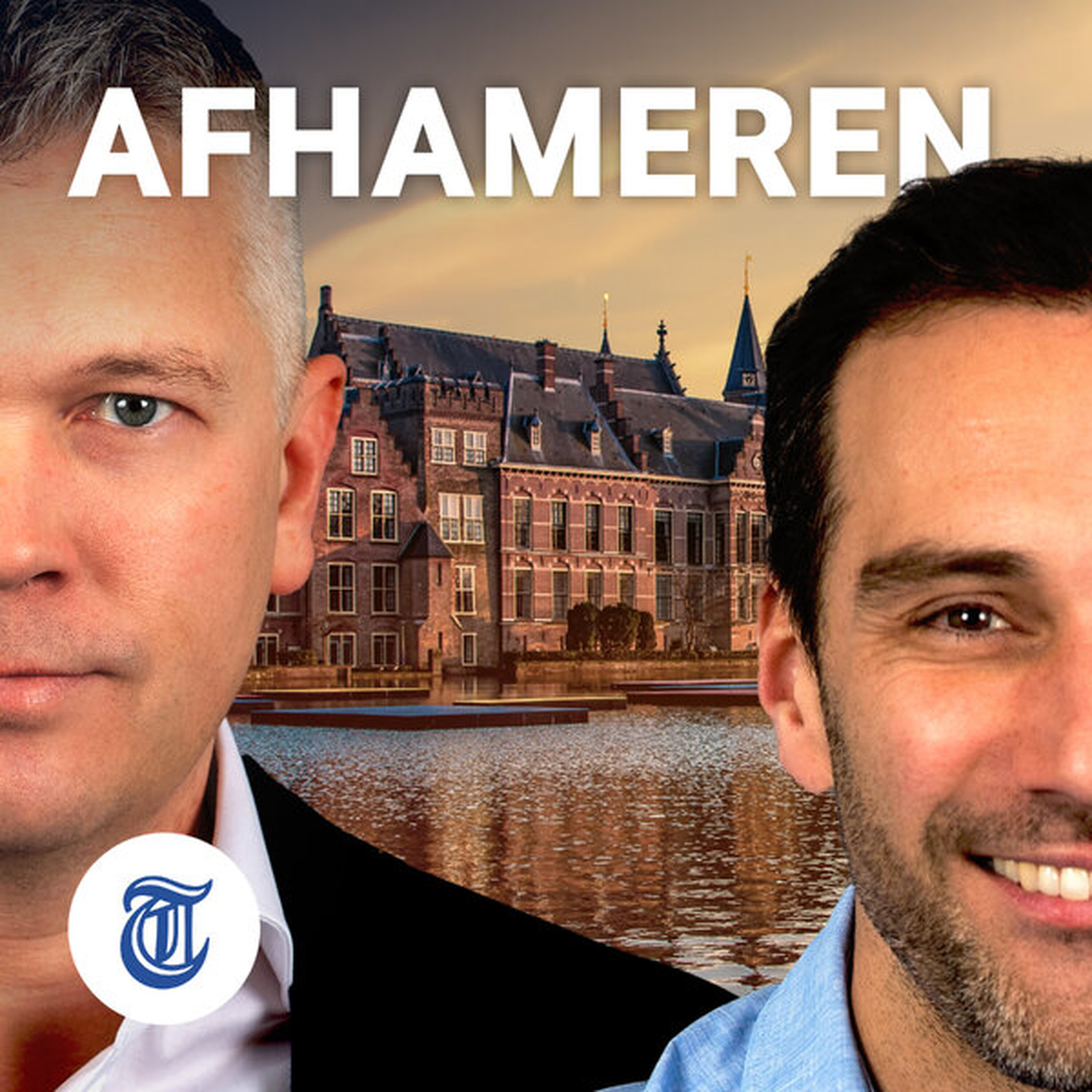
Podcast Summary: Afhameren met Wouter de Winther
Episode: “Bij D66 blijkt maar weer: Als je hoog te paard zit, kun je hard vallen”
Date: February 20, 2026
Host: Pim Sedee
Expert/Guest: Wouter de Winther (politiek commentator)
Produced by: De Telegraaf
Episode Overview
In this episode of "Afhameren," Wouter de Winther and Pim Sedee delve into the latest political turmoil in The Hague, with a special focus on D66's recent setbacks and internal strife. The hosts dissect how the party's high-handed positioning may have contributed to its latest stumbles, offering sharp analysis and contextual insight into the broader implications for Dutch politics. Other discussion points include the mood in de Tweede Kamer (House of Representatives), reactions to recent resignations, and the emergence of new leadership figures.
Key Discussion Points & Insights
1. D66's Fall from Grace
- Discussion kicks off with the fallout at D66 after significant internal troubles, prompting the resignation of a key figure.
- The phrase, "Als je hoog te paard zit, kun je hard vallen" (If you sit high on your horse, you can fall hard), sets the tone for the party’s perceived arrogance and its subsequent reckoning.
- The hosts interrogate whether D66’s problems are a result of its moralistic stance and previous sense of invulnerability.
2. Reactions in Den Haag
-
Wouter de Winther describes the atmosphere in the Tweede Kamer following the latest political shake-up.
-
The mood is described as unsettled and uncertain, with many politicians and parties recalibrating their strategies in response to D66’s missteps.
“De sfeer in de Kamer is er echt een van: dit hadden we niet zien aankomen, maar iedereen probeert nu snel te schakelen.” — Wouter de Winther (03:10)
-
There is a sense that this crisis was not entirely foreseen but invites broader reflection on political transparency and accountability.
3. New Leadership & Party Reputation
-
Discussion of the new Minister of Economic Affairs; the hosts note past controversies and managerial style.
-
Concerns are raised about the depth of talent within D66 and whether current replacements can restore trust.
“De nieuwe minister staat meteen onder een vergrootglas, met name omdat het oude zeer van de partij nog niet verwerkt is.” — Pim Sedee (07:22)
-
The difficulties of stepping into leadership during a period of crisis are explored, with comparisons made to previous political mishaps in other parties.
4. Party Image and Public Perception
-
Analysis of how D66’s brand, formerly associated with renewal and integrity, is now under threat due to perceived hypocrisy.
-
The episode reflects on media coverage, parliamentary debates, and behind-the-scenes jockeying for position.
“D66 heeft zich lang als de partij van transparantie gepresenteerd. Nu krijgen ze die belofte als een boemerang terug.” — Wouter de Winther (14:41)
Notable Quotes & Memorable Moments
Recommended Timestamps
- 00:25 – Introduction to the D66 crisis and political implications
- 03:10 – Wouter de Winther on the mood in de Kamer
- 05:21 – Analysis of political arrogance and fallout
- 07:22 – Scrutinizing new ministerial leadership
- 10:08 – Speculation about further political repercussions
- 13:36 – On the challenges facing the new leadership
- 14:41 – Reflection on D66’s troubled reputation
Tone & Language
The tone remains sharp, analytical, and occasionally wry, in keeping with the show’s reputation for cutting commentary. Both speakers blend political insight with candid observations, offering listeners a conversational yet incisive lens on current affairs.
Conclusion
This episode stands out for its timely dissection of the D66 crisis and its implications for Dutch politics more broadly. Through their exchanges, Sedee and de Winther offer listeners a front-row seat to the unfolding spectacle in The Hague, with plenty of sharp quotes and pointed analysis for political enthusiasts.