
Podcast
Afropop Worldwide
Hosted by Afropop Worldwide · EN
Afropop Worldwide is an internationally syndicated weekly radio series, online guide to African and world music, and an international music archive, that has introduced American listeners to the music cultures of Africa, Latin America and the Caribbean since 1988. Our radio program is hosted by Georges Collinet from Cameroon, the radio series is distributed by Public Radio International to 110 stations in the U.S., via XM satellite radio, in Africa via and Europe via Radio Multikulti.
40episodes
Episodes
Newest firstAll episodes
Reissued - African Vinyl in the 21st Century
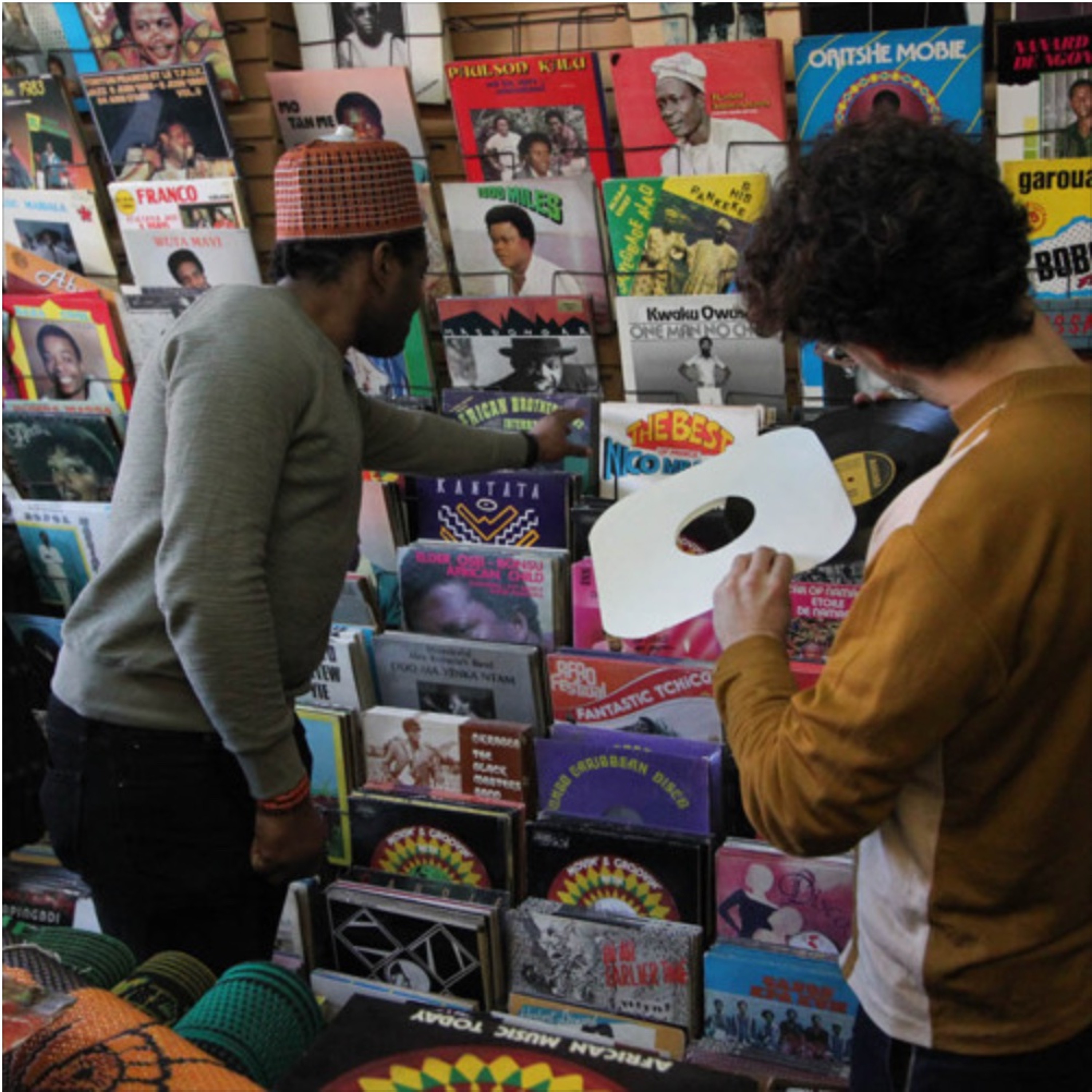
1w ago00:59:04Tap to summarizeThe golden age of vinyl records is long past in Africa, but the market for rare and reissued African vinyl outside the continent has been growing steadily since the early 2000s. DJs and collectors have turned an obsession with rare records and forgotten gems from Cape Town to Tangiers into an international reissue and compilation industry, led by record labels such as Soundway, Strut and Analog Africa. This program explores some of the complex and shifting dynamics of neocolonialism, cultural ownership and audience in the African vinyl market. We’ll hear stories from label owners, DJs and artists, touching on controversies around Nigerian disco funk reissues, new career opportunities for sometimes-obscure African artists, the unique vinyl culture in South Africa, and much more. Produced by Morgan Greenstreet and Alejandro Van Zandt-Escobar, with Nenim Iwebuke. APWW #749
Transcribe →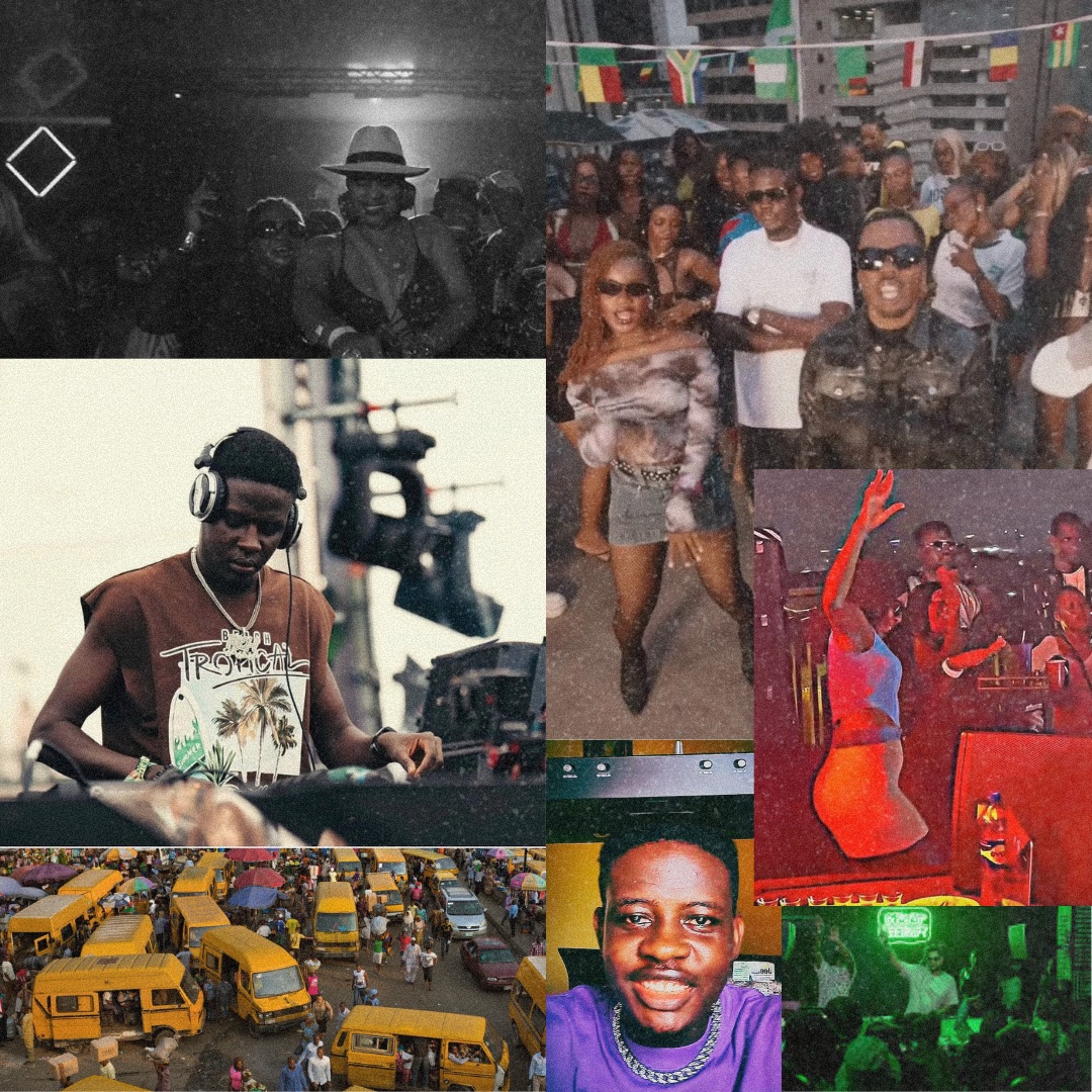
Is Mara Nigeria's Answer to EDM?
2w ago00:59:00Tap to summarizeIn this special episode we introduce you to a fast-paced, emotional sound built from the streets of Lagos, Nigeria. We follow DJ Khalifa, the pioneer behind the sound, from DJing on a phone in a hostel to collaborating with CKay and catching the ear of Afrobeats stars. We also hear what it means for a street sound to go global and what's at stake if it does. Is this Nigerian EDM? We'll let you decide. Produced by FayFay APWW #880
Transcribe →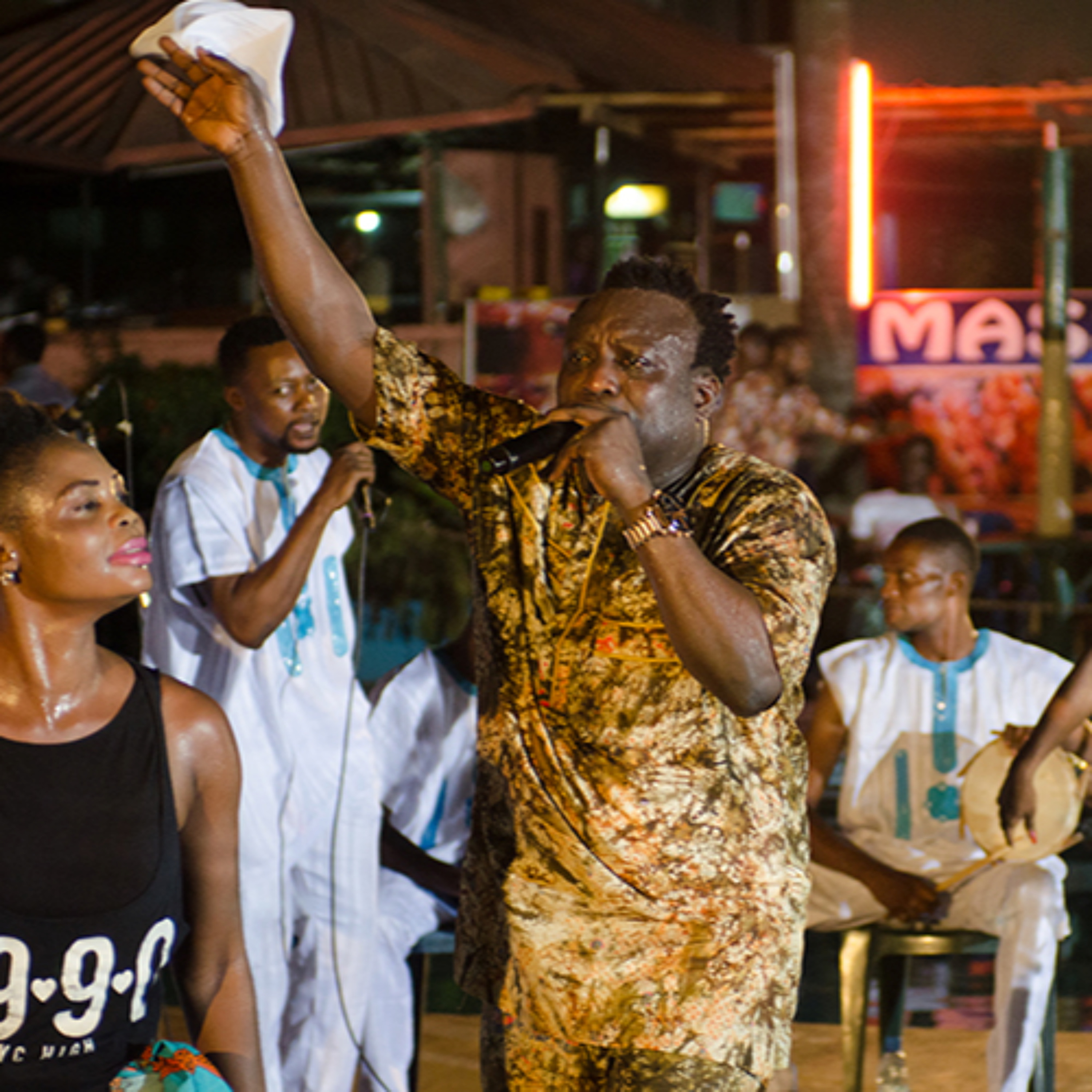
Lagos Roots: Fuji, Juju, and Apala
3w ago00:59:04Tap to summarizeBeneath the gloss of Nigeria’s contemporary pop, older roots styles, mostly derived from Yoruba tradition, still thrive. In this program, we meet four top stars of fuji music, the percussion-driven, message-heavy, and occasionally profane trance music that animates weddings and parties on a daily basis in hidden corners of Lagos. Rival “kings” K1 da Ultimate and Saheed Osupa, and a rare woman of fuji, Salawa Abeni, take us inside the rough and tumble of an exciting musical subculture little known outside Nigeria. We also meet juju legend Shina Peters, meet up-and-comers on the Lagos roots scene. This program fills out our Hip Deep portrait of a vibrant African city where music holds the keys to a tumultuous collision of cultures and peoples. Produced by Banning Eyre. APWW #763
Transcribe →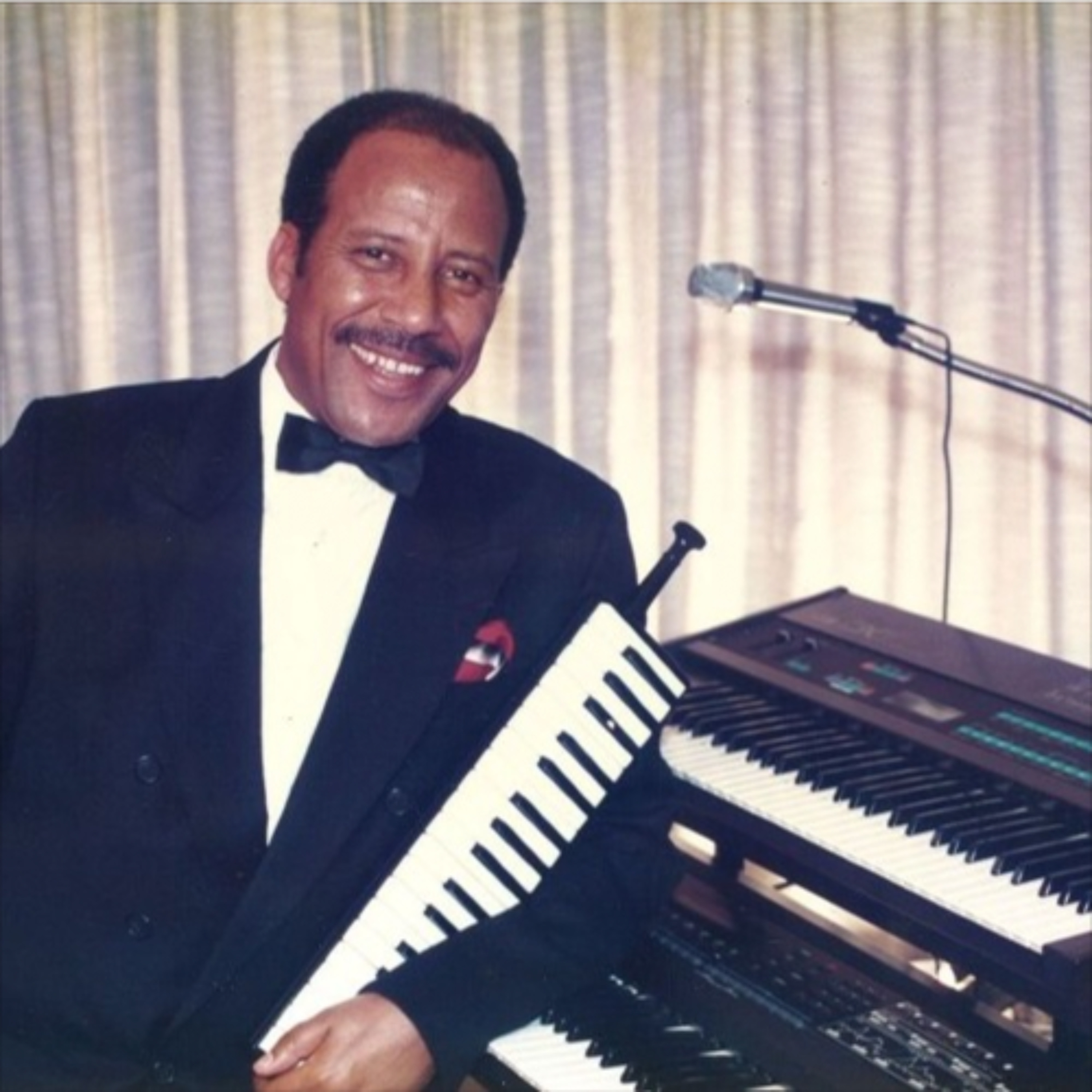
Afro-Tech: Stories of Synths in African Music
4w ago00:59:04Tap to summarizeTechnology is one of the great drivers of musical change, and often one of its least understood. In this episode, we explore the synthesizer, looking closely at the history of this ubiquitous (and often debated) piece of musical technology, and investigating how and why it was first used in a variety of African musics. Enabled by groundbreaking record reissues by synth pioneers like William Onyeabor (Nigeria) and Hailu Mergia (Ethiopia), disco stars like Kris Okotie, and South African superstar Brenda Fassie, we take you back to the ’70s and ’80s, listening to the birth of a distinctly African electronic sound. Produced by Sam Backer APWW #676
Transcribe →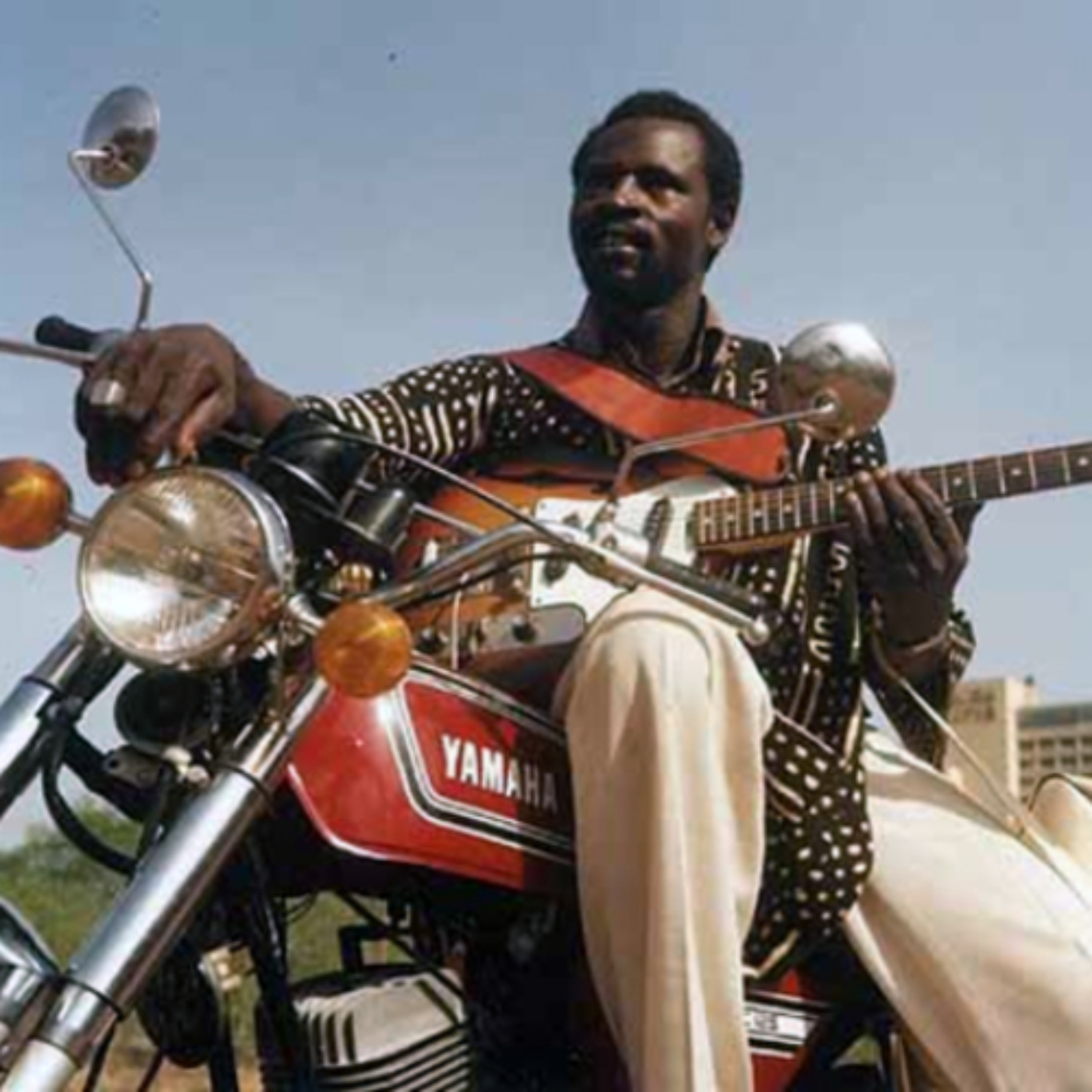
The Immortal 1970's
Jun 2500:59:04Tap to summarizeThe 1970s was a decade that changed the world's popular music... No. Changed the world's culture. Whether you were boogieing to full-flower rock and funk, delving into free jazz, or discovering a hidden identity, the music was your constant companion. This was true in Africa as well. Ten years after most of the continent gained independence, new sounds were flourishing. This program samples the bounty from Ghana, Mali, Ivory Coast, Zimbabwe and more. Produced by Sean Barlow and Banning Eyre in 2005 APWW #461
Transcribe →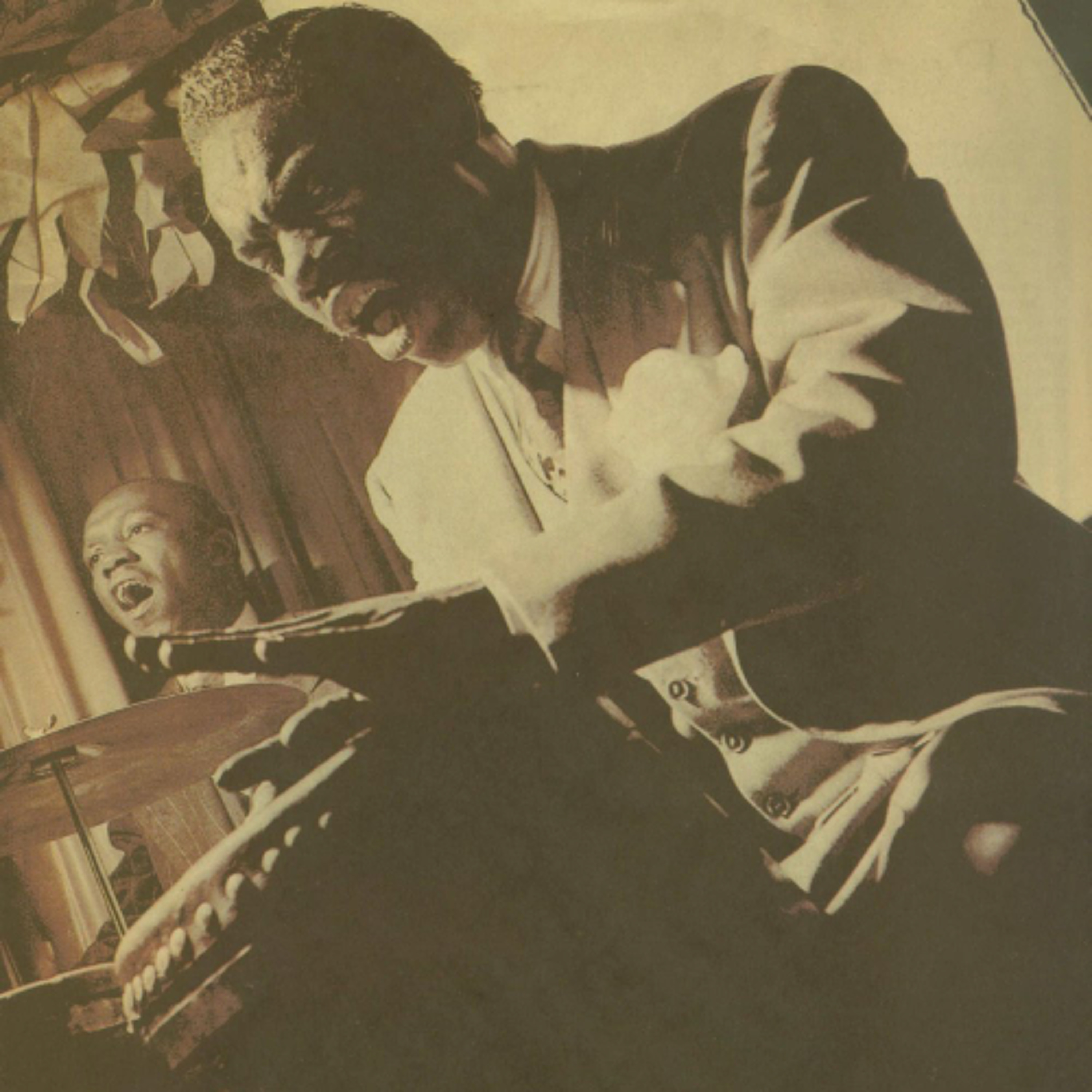
Voice of the Leopard
Jun 1800:59:04Tap to summarizeThe leopard cult of Ekpe in Calabar, in present-day Nigeria and southwestern Cameroon, has one of the most unique performance traditions in all of Africa - a complex theatrical tradition, referred to in calabar English as "play," which encompasses a cycle of sacred dramas that takes many years to execute. The music of this society is almost completely unknown outside the region, because it was not recorded until the 1980s. This program will feature Calabar-themed recordings by artists including Sexteto Habanero, Chano Pozo, Arsenio Rodriguez, and Los Munequitos de Matanzas. Dr. Ivor Miller, the only scholar who has both penetrated the Abaku society and visited the motherland in Calabar, and promoted the first-ever re-encounter between the two traditions, will play some of this powerful music and tell stories of this fascinating culture. Hip Deep by Ned Sublette (originally aired 2007) APWW #534
Transcribe →
Samba, Forro, Candomble, Tropicalia: The Sounds of Brazilian Artists in the US
Jun 1100:59:04Tap to summarizeThere's a lot of fantastic music being made by Brazilian artists living in the U.S. They entertain an estimated 1.5 million Brazilian immigrants here as well as a growing number of other fans. And Brazilian music is enjoying a resurgence here - on Mazda commercials, endless bossa nova soundtracks played in upscale restaurants; inter-cultural collaborations and so on. We'll hear many of the best: Jorge Alabe, the godfather of many samba schools; Bebel Gilberto, daughter of bossa pioneer Joao Gilberto; singer Luciana Souza; the quirky percussionist Cyro Baptista; the funky, unorthodox Forro in the Dark and others. They all have fascinating stories to tell. We'll hear them in concert, visit with them in their homes, and hear songs from records produced in the U.S. New York University's widely published Professor of Music Jason Stanyek will be our co-host. APWW #555
Transcribe →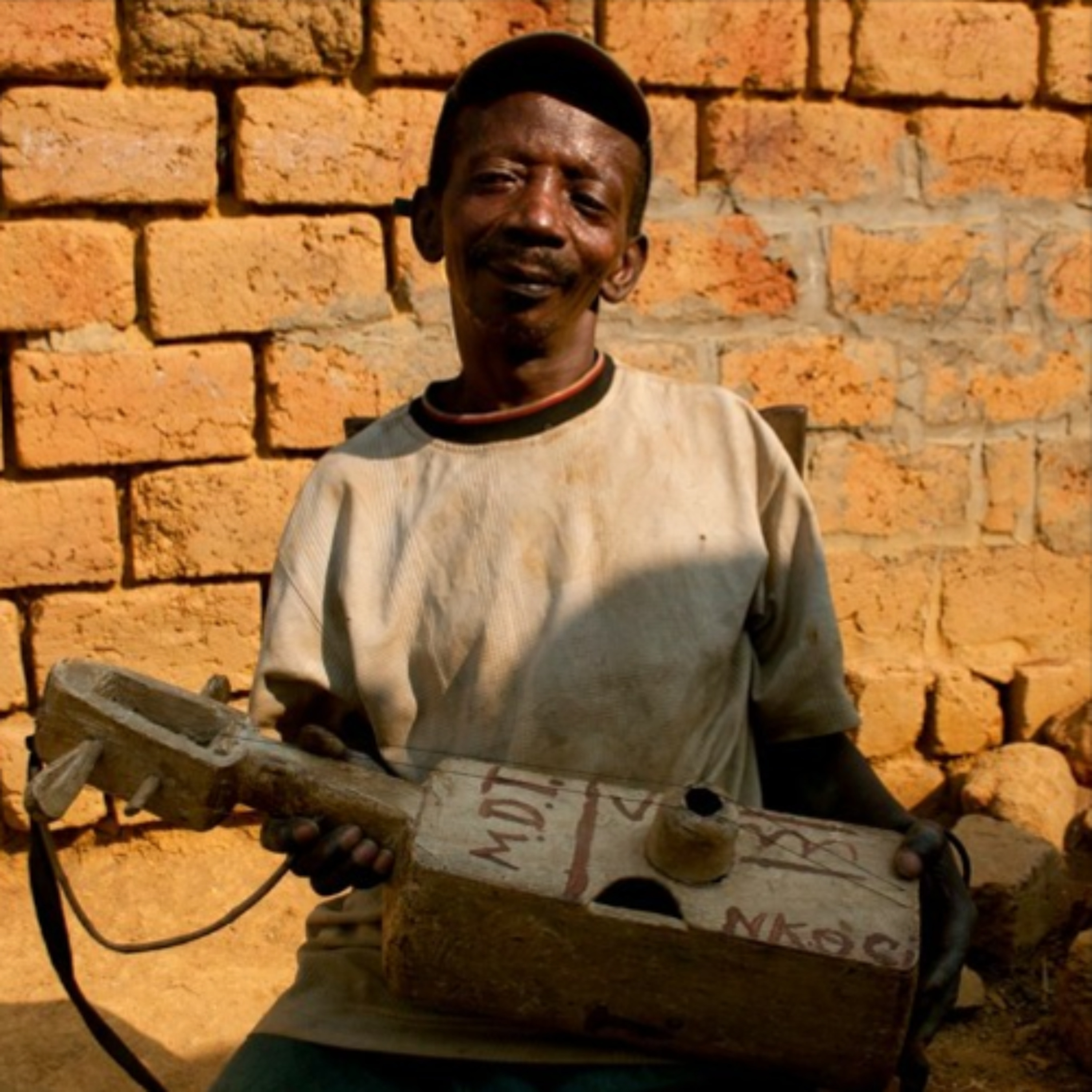
A Spiritual Journey to Mbanza Congo
Jun 700:59:04Tap to summarizeTo make this unprecedented program, producer Ned Sublette traveled to Mbanza-Kongo, the ancient seat of the Kongo empire located in present-day northern Angola, where he spoke to Dr. Bárbaro Martínez Ruiz, professor of art and art history at Stanford. We’ll learn about the simbi, the spirits that Martínez Ruiz describes as “the multiple power of god”; hear Antonio Madiata play the lungoyi-ngoyi, the two-stringed viola of the Kongo court; attend a session of the lumbu, the traditional tribunal of elders; and talk to Pedro Lopes, a nganga mawuko (traditional healer). With C. Daniel Dawson and Angolan composer and musicologist Victor Gama, we’ll explore Kongo-Ngola culture in the diaspora – in Brasil, Haiti, Cuba, and more. A SPIRITUAL JOURNEY TO MBANZA-KONGO is supported by a 2012 Knight Luce Fellowship for Reporting on Global Religion. The fellowship is a program of the University of Southern California's Knight Chair in Media and Religion. Originally produced by Ned Sublette in 2012 APWW #651
Transcribe →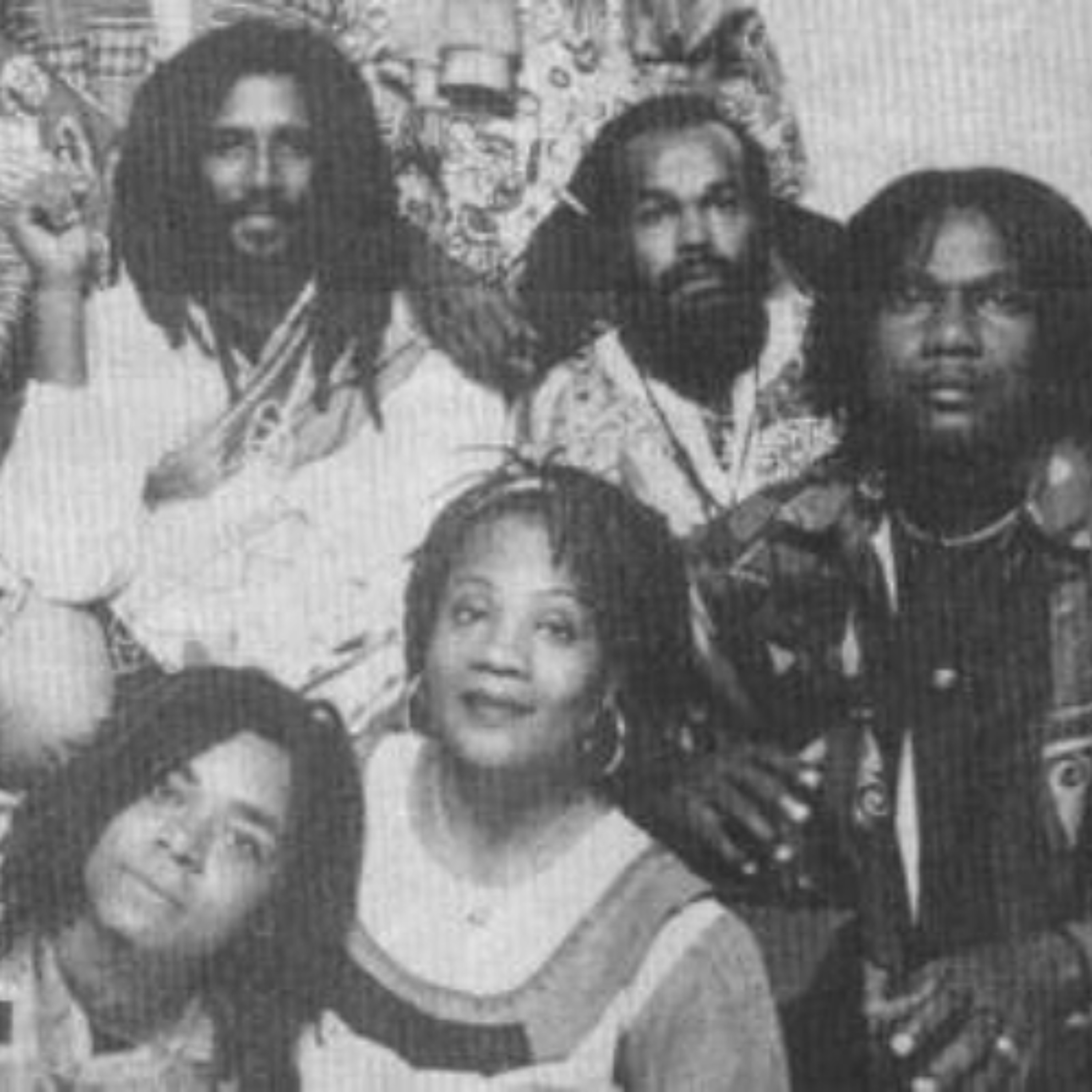
Music and the Story of Haiti: From Vodou to Compas to Racine to Rara and Beyond
May 3000:59:04Tap to summarizeHaiti became the first black-ruled republic in the Americas in 1804, and music has mirrored, and at times shaped, the twists and turns of Haiti's politics and culture ever since. A primary source of Haitian culture is Dahomey, the birthplace of vodou--the most commonly held world view among Haitian people today. We explore how each of Haiti's rulers has championed his own preferred music. The Duvalier dictators favored compas dance music, and suppressed the most African-identified cultural expressions. When Baby Doc was run out of the country in 1986, African-derived racine, or roots, music exploded. Elizabeth McAlister, professor of religion at Wesleyan University, and Holly Nicolas--interweave music and history to tell a dynamic, and at times heart-breaking story. Included in the mix we'll hear the sweet sound of troubadour balladeers, as well as the exuberant tones of rara bands, the call and response of a capela kombit songs of work parties, impassioned choral music of evangelical churches, and the sophisticated, improvisational rhythms used in vodou rituals. Produced by Sean Barlow APWW #540
Transcribe →
Hip Deep Angola Part 1: Music and Nation in Luanda
May 2100:59:04Tap to summarizeWe explore the role music played in the creation of a uniquely Angolan consciousness as the country struggled toward independence in the 1960s and ‘70s after centuries of colonialism. Our guides will be producer Ned Sublette, on the ground in Angola, and Dr. Marissa Moorman, historian of southern Africa, and author of Intonations: A Social History of Music in Luanda, Angola from 1945 to Recent Times. We’ll hear the pathbreaking group Ngola Ritmos, who dared sing songs in Kimbundu publicly when it was prohibited by the Portuguese. We’ll hear immortal voices from the age when the guitar-driven style called semba ruled, as well as some snazzy ‘60s guitar instrumentals. Produced by Ned Sublette APWW #647
Transcribe →