← All Of It with Alison Stewart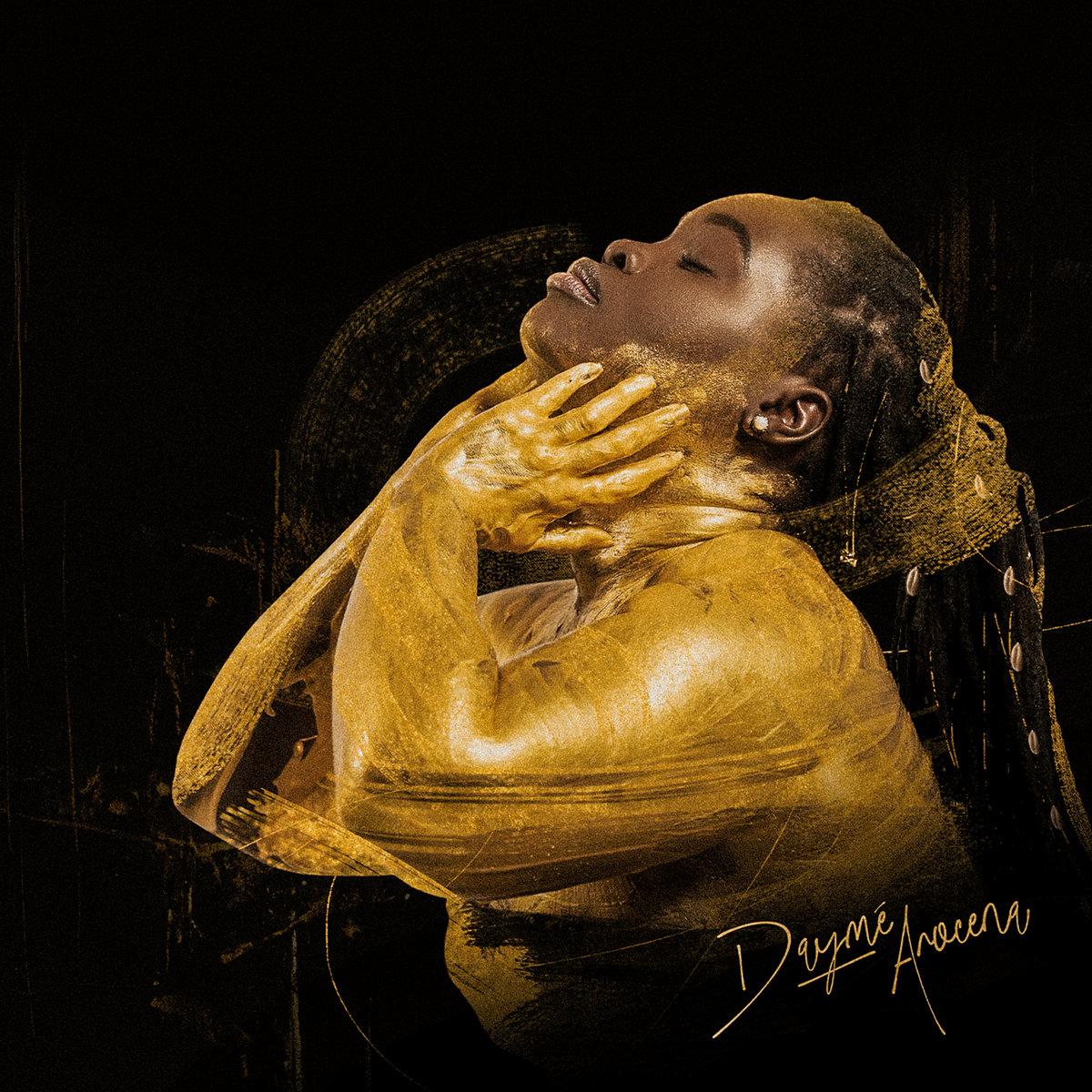
All Of It with Alison Stewart
Daymé Arocena's 'Alkemi' (Listening Party)
00:19:06
Last week, Afro-Cuban singer Daymé Arocena dropped her first full-length project in five years.
Loading summary
Transcript82 lines
- [00:00]
A
NETCredit is here to say yes because you're more than a credit score. Apply in minutes and get a decision as soon as the same day. Loans offered by NetCredit or lending partner banks and serviced by NetCredit. Applications subject to review and approval. Learn more at netcredit.com partners. NetCredit Credit to the people.
- [00:16]
B
I'm gonna put you on, nephew.
- [00:17]
C
All right, unc.
- [00:18]
D
Welcome to McDonald's.
- [00:19]
A
Can I take your order, miss?
- [00:20]
B
I've been hitting up McDonald's for years. Now it's back. We need snack wraps. What's a snack wrap? It's the return of something great. Something snack. Rap is back.
- [00:39]
C
This is all of it from wnyc. I'm Matt Katz filling in for Alison Stewart. And now it's time for a listening.
- [01:00]
D
Moment.
- [01:39]
C
That's Afro Cuban singer and composer Daime Aracena with her new song Porti, which means for you. A single from her first full length studio album in five years. The LP is titled Alchemy and it's a follow up to her 2019 album Sonic Audiogram. The acclaimed jazz artist's new album combines Cuban folk music with the sounds of jazz and R B. Rolling Stone called it a gorgeous reinvention of her sound that blends tradition and modernity. Daimey Aricena is here with us today in the studio to discuss the new album ahead of her album release party tomorrow, right at the Sultan Room in Bushwick at 7pm Daime, welcome to all of it.
- [02:22]
D
Oh, thank you, thank you. It's a pleasure for me to be here.
- [02:25]
C
Oh, it is so nice to meet you. I'm loving this album. I've been. I've been having. I've had it on repeat. The album's title is Alchemy. It's the. It's a Yorubin word from West Africa for alchemy.
- [02:39]
D
Right. Yes.
- [02:40]
C
Tell me about the title. I'm so curious.
- [02:42]
D
Oh, well, at the very beginning, the idea was to find a title that was good to describe mixing things like putting things together, like mixing genres and mixing instruments and rhythms and things. So at the very beginning, it was all about music. But then when I started working deeply in the album, it started actually transforming myself. Because alchemy is the difference between alchemy and chemistry. Yeah. Is the Cosmo vision inside. The chemistry scientist is like you put things together to make it, to transform it and make something new. But there is nothing spiritual or. Yeah. There. But in case of alchemy, you are trying to do something that is actually spiritual. If you are Mixing things. You are actually singing or performing or praying to get the result you want. So now I can say that alchemy is not just a musical thing. It's actually trying to find the best version of yourself. So that's the way I describe this album, and it came from myself, and then I'm ready to share it to the world. So it's not something that I plan to do it that way. It just came out that way.
- [04:35]
C
Yeah.
- [04:35]
D
And I. And I enjoying the process of trying to find the best version of. Of myself.
- [04:43]
C
Yeah. That's so. So you're. This. This mixing is not just happening musically, but also it's personified in this album culturally, too, right?
- [04:53]
D
Exactly.
- [04:54]
C
It's a Yoruban word. You grew up in Cuba.
- [04:57]
D
Yeah.
- [04:57]
C
You live in Canada, right?
- [04:59]
D
Yeah.
- [05:00]
C
Is that. Are all those sort of cultural influences and the spiritual connection to that. Is that all. That's all mixed into this album too?
- [05:09]
D
Right. But also the spiritual connection is more focusing me as a woman on my journey as a black Latina woman, how I faced all the violence that is that society puts into women and how I got to succeed on that. Like I'm a woman, that I no longer look at myself at the mirror to judge me. Now, when I look at myself at the mirror, I dance.
- [05:45]
C
Wow.
- [05:46]
D
So I believe that's why I said I succeed, because normally the way we are, we are set is to be judging ourselves all the time, especially women. So I discover many things of myself that I didn't know before. I discovered my own beauty through this album. It was a long journey. I believe that's why it took me a little bit to finish it. But honestly, I'm so happy that I am a totally different woman after this album. Like, I created an album, and at the end of the day, the album created a new version of me that is beautiful.
- [06:36]
C
So this was different from your prior projects?
- [06:39]
D
Oh, yeah, for sure, for sure. All my projects were focused on music. This one is focused on music too, but music. I let the music transform me. I didn't want to prove myself anymore as a killer performer in this album. I just wanted to be honest. I wanted to share my story as a woman. And when I finished this project, I just felt lighter. All the heaviness that I had on top of me, like in my back, is no longer here. Wow.
- [07:24]
C
I mean, that is transformative.
- [07:26]
D
That's remarkable. That's what alchemy means, transformation.
- [07:31]
C
And that's exactly what you experienced. And maybe that's something that listeners could experience by.
- [07:38]
D
I believe Everybody should try to make their own alchemy. It's just because we, most of us, we don't like ourselves. We don't like who we are. We don't like our body, we don't like our life. We don't like our energy. And alchemy is trying to find the balance in between all of that.
- [08:01]
C
Wow. Did you. You know, you've referenced. You've often referenced African spirituality in your music. The song Gods of Yoruba from 2016 album One Takes.
- [08:13]
D
Yes.
- [08:14]
C
The song Alegua in 2017 album Cuba Phonia, and your last album, Santa Cardiogram, which we. Which we mentioned before, dedicates songs to the deities of Santeria.
- [08:26]
D
Yeah.
- [08:27]
C
How do you feel about inviting listeners who might come from different spiritual backgrounds, inviting them into this, you know, intimate aspect of yourself?
- [08:38]
D
I believe spirituality is just one, like we. What we call or what we think is religiosity is just an institution. For me, spirituality is way bigger than that, and we all connect through that. So the way I express my spirituality is through the rituals of my ancestors, but there is not any conflict with other ancestors and other rituals from other cultures and people. When people talk about freedom of religiosity, sometimes people confuse that with freedom of institution or something like that. And in my opinion, when you connect with someone that is deeply connected with their spirit, you don't care what really legion is behind that. Right. It doesn't really matter. We cannot call things the same way if we are different, if we are from different cultures, if we are from different countries. But for me, if I meet someone that is connected to its spirit and it identifies as Chintohista, so that's the institution, but what I see is the spirituality, and I connect with that. So this album is actually just giving my spirituality to people to connect with way more bigger than any religious name.
- [10:24]
C
I want to play another song from the album. You wrote the song American boy 10.
- [10:31]
D
Years ago for the New York guy.
- [10:33]
C
Yes, I know. Tell us a little bit as much as you want about the backstory.
- [10:39]
D
Oh, I could say anything, but his wife is not gonna like.
- [10:44]
C
Fair enough.
- [10:46]
D
But basically, this is a beautiful song I wrote for someone that. A big impact in my life when I was, like, 22 years old, and the impact he made on me was that he holded my hand in public and he walked down the street with me in public. And at that time, I was someone so insecure of myself. Wow. So when he left because he was in Cuba just for a jazz festival, and it happened back in Havana when He left. I felt the darkness. I felt like when he was there, I saw the light because he was giving me a different version of who I was. I didn't notice my beauty at that time. And he was just so amazed of me. So he changed in certain way my perspective to see myself at that stage, at that first stage. So I felt so sad when he left. And I remember that after growing up, I was like, hey, he didn't left me in the darkness. He gave me light that I needed at that time to recognize myself. So that's the song about. That's what it says. Yeah. And now we are really good friends. We have done projects together. I'm married, he's married.
- [12:21]
C
Yeah.
- [12:21]
D
Life is beautiful, right?
- [12:23]
C
But that one gesture from so long ago had that meaning for you. That's beautiful. Let's hear a little bit of a memory. That's a little taste of American Boy from Daimey Aristotle from her new album, Alchemy Time. In the song, you can hear the traditional African Yoruban rhythms and there's some funk. You really composed this with picking from a lot of different places. How did you think about the sound of this track?
- [13:56]
D
Well, I really wanted to make it that way, especially that one. There are other songs that my producer, Eduardo Cabra, made a big impact and he directed the arrangements. But in this specific case, I wanted the Batadromes, which represents a lot my culture into funk, which represents his, the hedican boy culture. It was like a crush. We had a crush, but we had actually a cultural crush.
- [14:33]
C
Yeah, that's great. You mentioned Eduardo Cabra from the hip hop group Calle Trece.
- [14:38]
D
Yeah, exactly.
- [14:39]
C
And what did he bring? Something unique to this album.
- [14:44]
D
Oh, my goodness. Yes. I think that he was the perfect match for this album because Eduardo is coming. He's coming from the industry, so he knows how the industry works. I'm coming from the jazz scene, which is mainly away from the industry in many ways. Like, it's not pop, is not selling crazy amount of tickets or being a pop star or a rock star. Right. So. But I knew Eduardo was the perfect person to combine things because he knows Caribbean music perfectly, he knows Cuban music perfectly. He understands folklorism and the roots of music. And at the same time, he knows how to make it sound pop. So I brought songs for him that it were. I don't know, I brought a Roomba and he turned it into a reggaeton rumba, like something like that. He had that way that I beep he live is just magnificent. To transform Songs to.
- [16:02]
C
And you were recording in. In Puerto Rico, San Juan. Right. So that. That probably helped to be in that environment.
- [16:08]
D
Yeah, for sure. I spent like four months at his house, working every single day, really, to make this.
- [16:15]
C
To make this record. Wow.
- [16:16]
D
Yeah.
- [16:16]
C
How about that? I was interested in learning that you're a melon artist residence at NYU's Hemispheric Institute right now.
- [16:25]
D
Yes.
- [16:28]
C
What will you be teaching? What are you going to be talking about?
- [16:30]
D
Well, today I have a masterclass at 4pm we will be talking about Cuban music and genres. And then tomorrow I have a vocal class. So I'm going to be giving some tips to the students of performance. And then I have another class the day after the show, which is March 1st, where I'm going to be talking, debating about my new album. So how was the process and all of that, how we create to getting.
- [17:09]
C
Into the technical aspects of it?
- [17:10]
D
Yes.
- [17:10]
C
Very cool. I wanted to play one more. Give listeners another taste of the album before we go. So maybe let's play a Fuego Lento. Can you tell me who is on this and tell me a little bit about the song.
- [17:24]
D
Oh, this is a duet with the one and only Vicente Garcia, one of my favorite songwriters from Dominican Republic. And it's a song that is sexy.
- [17:38]
C
There's songs on this album that I feel like that you can kind of sit and be with yourself and listen to. And there's other songs that you can just kind of dance and feel, you know, dance with another person.
- [17:49]
D
Yay. Yay. Some songs you can added on your. On your bedtime playlist.
- [18:01]
C
Right, right, right. Be careful. You know, family show here, but we know what you're talking about.
- [18:05]
D
Yeah, yeah, yeah. No worries. Life is beautiful.
- [18:07]
C
Life is beautiful. Let's take a listen to a Fuego Lento and I'm gonna. I'm gonna say say goodbye to you. And then we're gonna listen to it.
- [18:16]
D
Thank you so much.
- [18:17]
C
My guest has been Daimae Ar new LP is titled Alchemy. It's out now. And there's an al featuring DJ Benona.
- [18:26]
D
Yes.
- [18:27]
C
That is tomorrow night at the Sultan Room in Bushwick at 7pm Daime. Thank you so much.
- [18:33]
D
Thank you for having me here. It was a pleasure.
- [18:36]
C
Let's listen.
- [18:37]
D
Yay.
- [19:38]
B
I'mma put you on, nephew.
- [19:39]
C
All right.
- [19:40]
D
Welcome to McDonald's.
- [19:41]
A
Can I take your order, miss?
- [19:42]
B
I've been hitting up McDonald's for years. Now it's back. We need snack wraps. What's a snack wrap? It's the return of something great. Snack wrap is back.
- [19:53]
A
NYC now delivers the most up to date local news from WNYC and Gothamist every morning, midday and evening with three updates a day. Listeners get breaking news, top headlines and in depth coverage from across New York City. By sponsoring programming like NYC now, you'll reach our community of dedicated listeners with premium messaging and an uncluttered audio experience. Visit sponsorship.wnyc.org to get in touch and find out more.