Loading summary
Transcript39 lines
- [00:00]
A
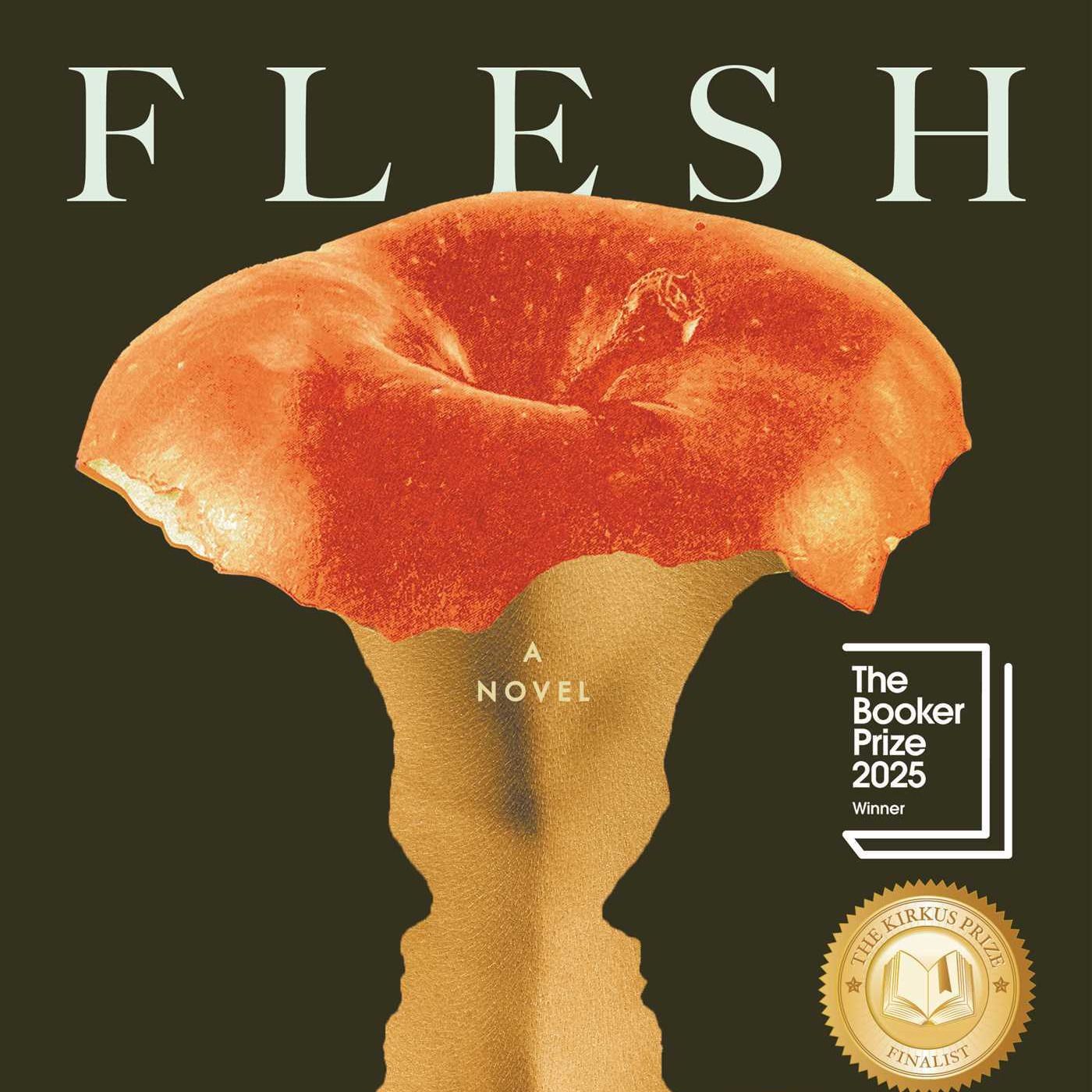
WNYC Studios is supported by AT&T, offering a guarantee covering both wireless and fiber Internet service that is all about having your back. Staying connected matters. That's why AT and T has connectivity you can depend on or they'll proactively make it right. That's the AT&T guarantee. Visit att.com guarantee to learn more. Terms and conditions apply. Visit att.com guarantee for details. @ and T connecting Changes everything. This is all of it on wnyc. I'm Alison Stewart. This week on the show we spotlighted Doc NYC with the directors of films about Cheesemonger, Sesame Street, Truth Tellers and a whole bunch more. We also spoke to spoke to Oscar winner Brendan Fraser and director Hikari about their charming new movie Rental family. We also talked about an Off Broadway production of Richard II with stars Michael Urie and Grantham Coleman. And we went to church with Big Frida about her first gospel album. If you missed any of those conversations, you can listen to them wherever you get your podcast. You can also find them on our show page@wnyc.org where we also have the transcripts now on with show and the winner of this year's Booker Prize, Author David Soloai took home one of the top prizes in literature, the Booker Prize for his new novel Flesh. The novel was selected out of hundreds from five judges. Roddy Doyle, I hope I get this right, Ayobami Adobe, Chris Power, Kylie Reid and Sarah Jessica Parker, who described the novel as singular, exciting, propulsive, emotional. Flesh begins with a Hungarian man boy named Istvan at a pivotal moment in his life. He's a disaffected teenager who has just moved to a new town with his mom. His neighbor, a woman in her 40s, takes an interest in him and soon Ishtan and the woman are having sex. What that relationship? When that relationship ends in a shocking act of violence, Ishtan's life changes forever. After serving in Iraq, he moves to England where he has highs and lows and once again is entangled in a complicated sexual relationship relationship with a married woman. Flesh is out now and I'm joined now by Booker Prize winning novelist David Soloi. David, it is nice to meet you.
- [02:36]
B
Thank you. It's great to be on the show.
- [02:38]
A
So you started this book after another novel you were working on? Really wasn't working out that well. What wasn't working about that book?
- [02:47]
B
Yeah, I mean, I don't really want to go into the details of that book because the whole point is that I abandoned it. But yeah, it wasn't working. And it wasn't working in a sort of deep and fundamental way, rather than just something that could be improved by sort of polishing the prose. But it took me quite a while to realize that. And when I finally did, I decided that the only thing to do really, was to abandon it. So I did. And there was. I'd been working on it for a couple of years. There was maybe 80,000 words of it, so it was quite a big thing to, to junk was initially a relief to do that, but then, of course, I had to start work on something else, and, and that was a bit tough.
- [03:33]
A
Did Ishtan come to you? I've heard so many authors say that, that a voice, a person just shows up in their brain one day.
- [03:42]
B
Yeah, I wasn't quite like that. I mean, I, I, I sort of. Yeah, it was really tough because I, I think that was probably that in my writing, in my career as a writer, that was probably the most difficult moment in terms of feeling that I had to come up with something and something good and, and do it right now, more or less. So I, I ended up sort of trying to start with a few very simple things that I wanted to write about. I wanted to write a book that was partly set in Hungary and partly in England that sort of combined those two countries. And I wanted to write a book that was sort of about life as a physical experience, first and foremost. And the character of Istvan kind of emerged, I guess, eventually from, from those very simple starting points.
- [04:33]
A
That's interesting. So you started with the setting, not the subject?
- [04:37]
B
Yeah, yeah, kind of. I mean, I'd been living in Hungary for some years then. I grew up in England and lived most of my adult life there. But I'd moved to Hungary some years before I started work on this book. And I sort of felt at the time that I was neither fully at home in Hungary nor in England. And I wanted to write something that used that feeling and that sort of used my quite deep and rich knowledge of both countries, but also my sense of being ultimately somewhat of a sort of outsider or not fully at home in either of them. So, yeah, I mean, that, that was, that was one of the starting points before, before I even had the character. Yes.
- [05:18]
A
So once Istvan shows up, what were some of the things that you knew about him right away?
- [05:25]
B
Well, I think the first chapter of the book that you outlined just now was the first thing to be written. And so I think as far as I remember, when I wrote that, I hadn't, didn't really have in any detail at all the rest of the story in mind. So it was really just this piece about a 15 year old boy entering into a relationship with a much older woman, a neighbor in the building where he lives. And I really, I wanted to write that in this very detached sort of style, this very simple, pared down detached style because I thought that would produce the greatest impact, the greatest emotional impact for the story and also because it really sort of seemed to capture the sort of numbness and confusion and also sort of excitement in a way of the inarticulacy as well of this, of this teenager. So that's what I wrote first and then when that, I felt that that was really working, that had been, been. That was good. I, I sort of extended the story out from there.
- [06:37]
A
Why do you think Ishan initially goes along with this relationship with this much older woman? He's a teenager.
- [06:47]
B
Sure. I mean, he's lonely I guess is one thing. He's, he's just been rejected or has just had a sort of negative experience with a girl his own age. He's kind of confused and in some way disgusted by the approaches of this older woman initially, but also fascinated in a way that he doesn't fully understand himself. It's, it's some, it's a hugely sort of voyage of self discovery for him. This, this first chapter of the book he sort of comes to understand in a sort of, not necessarily in an articulate way, but in a deep way more about himself in the course of it and, and his own, of course his own attitude to it changes dramatically and I don't really want to go into exactly what happens, but the, the, the attitudes of both of the central characters in this relationship develop quite dramatically and in quite surprising ways perhaps over the course of, of this, just this first chapter.
- [07:51]
A
You said in an articulate way. I do want to point out about the dialogue, and you have answered this before, that Istvan, he's not very talkative and sometimes much of his dialogue is okay. And. Yeah. What are the challenges of centering a novel around a character who really doesn't speak that much?
- [08:13]
B
Well, yeah, that was part of my sort of idea of it from the beginning and I guess it was a challenge, but because it was so sort of built into my whole conception of it from the beginning, it wasn't. I didn't find myself constantly having to sort of cut great articulate speeches was coming out with or anything like that. The character was, was sort of fully formed from, from the first moment in that sense. No, I wanted specifically to write a novel. That was one of the starting points I had about a character who didn't really explain himself, a protagonist who didn't explain himself to the, to the reader. It wasn't really going to be about Ishtvan's sort of mental states in a way. I mean, I, I don't want to give a misleading impression of the book because I think it is about Istran's mental states, but it approaches them from the point of view of physical experience more than from the point of view of a sort of inner monologue or an inner voice that, that he has.
- [09:16]
A
It's interesting. When he's asked a question, he almost repeats it back before answering. Is this a linguistic tick for him? Is this. Because it's a second language? What was that?
- [09:30]
B
Yeah, I mean, there is, for much of the book, there is a sort of second language element to it. Absolutely. I mean, he's the. Most of the book takes place in England and he's obviously a foreigner there who's learned English as an adult. And that. There's definitely that aspect of it. I, I think also it, it is possible to maybe exaggerate a bit the extent to which Istvan is inarticulate and the extent to which he only ever says things like, okay, and yeah, I mean, clearly he, he's perhaps less articulate than the sort of typical protagonist of a literary novel, but I, I think he does, he does, you know, he, he does say other stuff. Okay. And yeah, and he, he sometimes he, he opens up quite, quite extensively indeed. So I, I think, you know, it's, it's, it's not, it's not quite as sort of clear cut as that. But, but yeah, I mean, I come back to what I said before. I guess that, that it's a book about a character who doesn't explain himself. The reader observes this character over, over the course of most of his life, really, because he's 15 at the start of the book and it ends when he's, I guess, about 60. So the reader kind of comes to have what I hope is a very intimate relationship with Istvan. Yeah, but it isn't one which is based on Istvan telling the reader, even indirectly, I guess, what he or she should think about him.
- [10:59]
A
My guest is author David Soloi. His novel Flesh just took home the 2025 Booker Prize. It tells the story of a Hungarian man struggling to find his place in the world. It is out now. This jumps through time. You're like, oh, I'm here now. I'm oh, I'm here now. And I personally, I really like that in the book. How did you decide how big you wanted to make those time jumps?
- [11:28]
B
Yeah, I mean again, that was, I suppose that was quite sort of instinctive and not a matter of, of sort of rational thought. I had the arc of the, the story pretty much in a rough sense clear in my mind from more or less the beginning. Certainly after writing the first chapter, I then planned out the rest of the story to quite, you know, as it is in the book, in the final book. So yeah, then I would sort of, as I wrote it, there would be a chapter and then the next chapter, I would, I guess. Yeah, it was, it was really quite instinctive. So at one point he, he's, he's gone off, he's joined the army and he served in the Iraq War of 2003. And so, yeah, I just, when I sat down to write that, I just sort of plunged into it, but plunged into it maybe in a slightly unusual way and that the chapter starts when these soldiers are on their way home from the war, sort of in transit through Kuwait. And it. So it starts off in Kuwait and they're staying at some sort of shabby hotel as they wait for a military flight back to Europe. And that's just what drew my, my interest, I guess. And the, the sort of. The whole book works through quite an oblique way of telling the story often. So the, his experiences in the war come out gradually over many pages as the thing which is being sort of described on the surface is his journey home and his struggles really to reintegrate into life at home. And it culminates in him going to see a therapist because he quite clearly has some form of ptsd. And then in those therapy sessions we finally find out a bit more about what actually happened there. So it's quite an oblique way of approaching the most dramatic elements of the story really. And that continues throughout the book, I think.
- [13:25]
A
Let's talk about money in this novel. Istvan and his mother, they're not really well off. But later he becomes a personal driver for this incredibly wealthy family in England. They helicopter every day. Their second house, for example, to give you the kind of money we're talking about. How does Ishvan feel about being around this kind of wealth?
- [13:47]
B
Well, Ishvan is. One thing I think I can say about Ishvan is he's pretty non judgmental, generally speaking. So he, he doesn't. Istraan is not sort of burning with, with any sort of sense of outrage. I don't think at this, these people's wealth. I mean, he's come to London as an economic migrant himself. He's, he's kind of in a modest way. He's worked his way up since arriving in London to be the personal driver of these people. And indeed later in the story he becomes very wealthy himself. But he, he, he neither is someone who sort of is judgmental about wealth, nor is he someone who, with great energy and you know, obsessive determination seeks wealth, really. So I think he's, he's kind of, and that's quite typical of him generally. He's a bit of a, sort of, in a way, he's a bit of a blank canvas as a character. But as I say, I think that more subtle elements of his, of who he is come out gradually through the story and, and are very important. But the book is also about wealth, about power in society, about wealth and power, I guess, particularly in contemporary Europe. Israel moves from the sort of poorer eastern half of Europe to the richer western half of Europe. And that's quite an important dynamic throughout the story.
- [15:18]
A
I have an odd question. We don't actually know that much about his appearance. Women do seem drawn to him. Do you picture him as a handsome man?
- [15:30]
B
I guess so, yeah. I mean, I don't. As you say, he's never, he's never really physically described. I mean, there are, there are. You can infer things from things other people say. And as you say, he. Women are quite often attracted to him and so you can infer something from that too. But I, I guess he must be, he must be quite good looking or in some way physically appealing. But it's not actually, funnily enough, it's not like I have a very clear or precise sense of what he looks like. I mean, I have an incredibly strong sense of who he is as a person, but I don't have a very precise sense of what he looks at. And I think, I mean, I noticed that when I was reading novels myself, other novels written by other people, I very often have an extremely strong sense of characters in terms of who they are without having a very precise sense of what they look like. And I just thought that was so interesting that I almost deliberately pushed that dynamic in this book.
- [16:33]
A
Did you mean to push it? Did you mean to put it on the back burner?
- [16:38]
B
I noticed after writing two or three chapters that I hadn't really provided any visual description of him. And at that point I wondered whether I should. And I thought that there wasn't. I mean, obviously I Decided not to. But that was partly because I just thought it doesn't need it. I thought that there was this very strong sense of this character and, you know, information about his eye color or, you know, the shape of his ears or whatever. Excuse me. Wasn't. Wasn't really necessary.
- [17:12]
A
There's been a lot written recently about the male loneliness epidemic. Is your protagonist a lonely person?
- [17:22]
B
My protagonist is a loner, I think for sure. He's sort of. He's someone who's quite comfortable being alone, I think. So he's not sort of acute loneliness isn't. Isn't an affliction of his, really. Throughout the book. He seeks, obviously he seeks the company of other people. He does seek kind of intimacy in relationships with women, particularly throughout the book. But he's a loner. But he's someone who is sort of naturally a loner. So sort of loneliness as such isn't. Isn't really in the foreground as something that he suffers from? I wouldn't say no.
- [18:08]
A
How did it affect you to spend all that time as in the head of a loner?
- [18:14]
B
Well, I'm quite a loner myself. I mean, I. It wasn't for me, it wasn't that exotic to. To inhabit this character from that point of view. You know, he's. He's a. There were other ways, though, in which he's extremely different from me. You know, his. His just his sort of life details, just the sort of outline of his life could hardly be more different from. From my own. So in a way it was fascinating for me to. To sort of try and inhabit this character and try and articulate this character who is so different from myself. But I think the most important thing in a way, and one of the main things that I was really trying to do with this book was to try and find some sense of bedrock, common humanity, I suppose I could say, between myself and this extremely different character and between this character and anybody.
- [19:11]
A
The Booker Prize. What was your first thought that ran through your head when they announced your name as the winner of the Booker Prize?
- [19:20]
B
It was an extraordinary moment, really. A sort of one of those sort of out of body, dreamlike moments. Yeah. I'd quite successfully persuaded myself that I wasn't going to win in order to enjoy the evening at least a little and not spend it entirely sort of twisted up by stress. So when they did announce it, I don't know what I felt. It was just an extraordinary dreamlike moment which sort of lasted for hours or perhaps even days after that. Best part of two weeks ago now or 10 days ago. And you know, I'm still only just starting to get my head around it.
- [20:04]
A
Still riding the wave. What does it mean to you personally but then also professionally to win a prestigious literary award?
- [20:15]
B
Well, obviously on one level I think it will be very good for the sales of the book, which is, which is fantastic. Obviously when you write a book, you want to, as many people as possible to read it and you know, then the, the sort of, the, the attention that the book gets will then bring more attention to the other books that you've written and to books that you write in the future. So it, it's, from that point of view, it's a huge deal. I think also probably most novelists kind of want to win a prize like this. The recognition of it, the sort of validation of it is something which I think most people on some level would, would, would sort of crave. And, and I'm certainly no exception to that. But it's, it's, as you say, it's, it's a very prestigious prize indeed. So it's the kind of prize that you hardly dare even even hope to win. So it's, it's, it's extraordinary.
- [21:15]
A
Are you working currently on a book?
- [21:18]
B
I am, I am. I mean, I finished Flesh the best part of two years ago because obviously there's a long editing process and then it was published at the very early part of this year. So I, I'm kind of well into another book actually, but that's had to be somewhat paused, the writing of that book for the last couple of months. But I hope to get back to it in the new year and finish it within a year or so.
- [21:41]
A
And you will finish it. You're not going to toss it like the other one?
- [21:45]
B
I will finish it. I will finish it. I think I can't really. I think you can perhaps abandon one book in a career, but if you make a habit of it, it's probably not good for your psychological well being as much as anything else.
- [21:59]
A
My guest has been David Soleil. His novel Flesh just took home the 2025 Booker Prize. Congratulations to you.
- [22:07]
B
Thank you. Thank you. En la tienda Oper, Internet, Tote Pierdas, Black Friday and the Home Depot.
- [22:40]
A
This is Ira Flaydo, host of Science Friday. For over 30 years, the science Friday team has been reporting high quality science and technology news, making science fun for curious people by covering everything from the outer reaches of space to the rapidly changing world of AI to the tiniest microbes in our bodies. Audiences trust our show because they know we're driven by a mission to inform and serve listeners first and foremost with important news they won't get anywhere else. And our sponsors benefit from that halo effect. For more information on becoming a sponsor, visit sponsorship.wnyc.org.