Loading summary
Transcript62 lines
- [00:00]
Progressive Insurance Announcer
All of it is supported by Progressive Insurance. You chose to hit play on this podcast today. Smart Choice. Make another smart choice with Auto Quote Explorer to compare rates for multiple car insurance companies all at once. Try it@progressive.com Progressive Casualty Insurance Company and affiliates not available in all states or situations. Prices vary based on how you buy.
- [00:29]
Alison Stewart
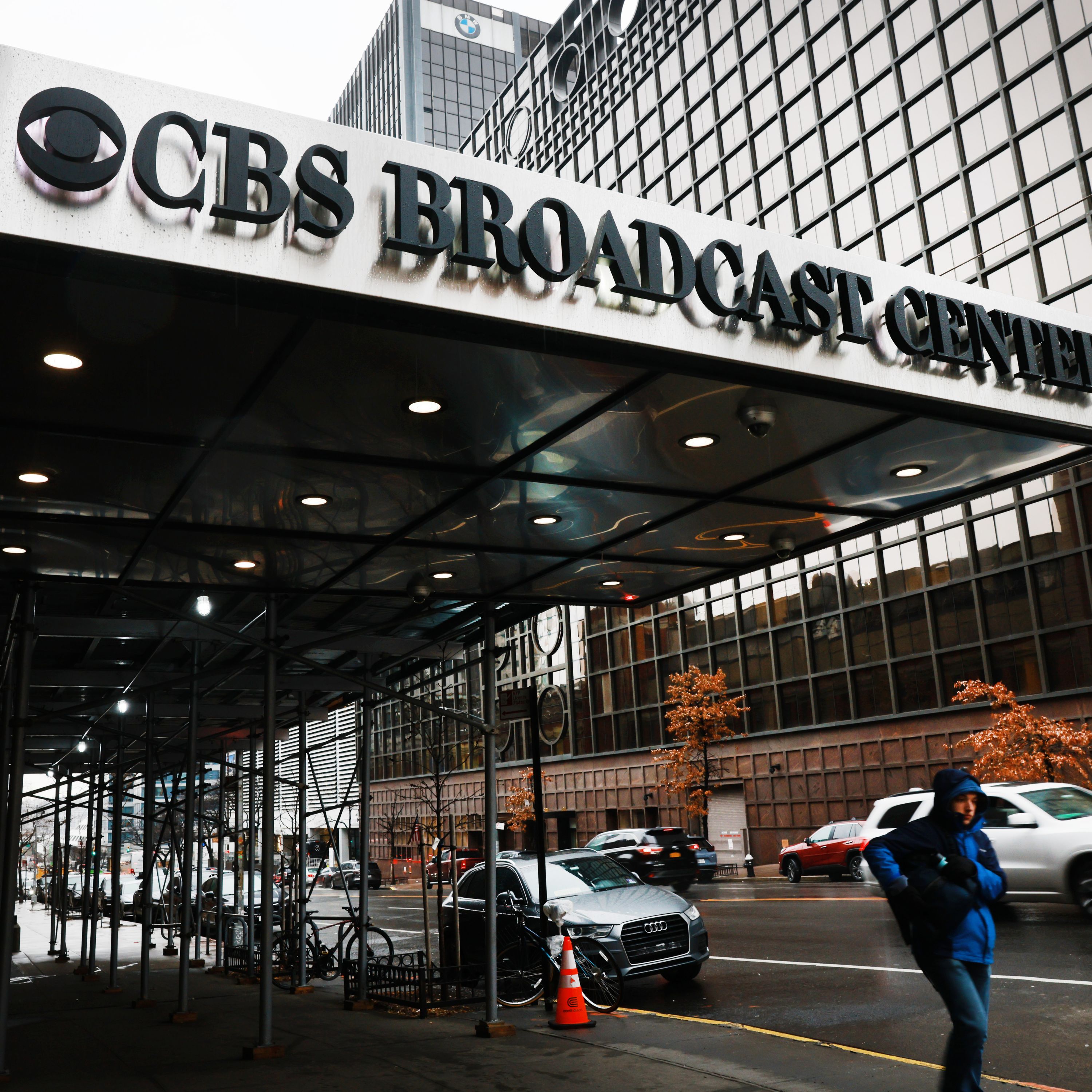
This is all of It. I'm Alison Stewart live from the WNYC studios in soho. Thank you for spending part of your day with us. I'm really grateful that you're here. On today's show, Howard Bryant will be here to talk about his new book, Kings and Jackie Robinson and Paul Robeson in America. New York Times food writer Melissa Clark will join us to share some soup tips that are perfect for weather like this. And we'll continue our conversation with author Amanda Vail about the famous Schuyler sisters of the Revolutionary War era. New York Today we'll dive into the life of Angelica, the one that shared steamy correspondence with Alexander Hamilton, her sister's husband. That's the plan. So let's get this started with the New Yorker article everyone's talking about. Last October, Bari Weiss was hired as the editor in chief of CBS News. She has had an eventful first few months on the job. Those months and her rise to this position are chronicled in the New Yorker piece Inside Bari Weiss's Hostile Takeover of CBS News. It's an interesting headline because her appointment comes amidst some business dealings. In August 2025, David Ellison became the CEO of CBS parent company Paramount Skydance. He then bought Weiss's the Free Press for $150 million on October 6, 2025, and Weiss got a new gig at CBS News. Sources told New Yorker writer Claire Malone that they thought Weiss was hired to appease President Trump, who has openly criticized the network's coverage of him and his administration and he sued 60 Minutes. Weiss has stated that at CBS News she will seek to hold, quote, both American political parties to equal scrutiny. She has reiterated her desire to present opinions from all sides of an issue. Weiss has been a lightning rod figure on social media and at the New York Times, where she was an opinion writer for three years. At 41 years old, she's never had a job in broadcast media. Her first few months have been seen a dust up over her last minute decision to pull a 60 minute story on El Salvador prison. The story finally ran earlier this month. A new host for the CBS CBS Evening News was installed. And just this week she told staffers that CBS News, which is nearing its 100th anniversary needs to think like a quote. Startup. New Yorker writer Claire Malone joins me now to discuss her piece which provides a deep dive into Weiss's career and her new career at CBS News. Claire, welcome to all of it.
- [03:22]
Claire Malone
Great to be here.
- [03:22]
Alison Stewart
So when did you first get interested in Bari Weiss?
- [03:25]
Claire Malone
Well, you know, like everyone in media on the Internet, I've sort of, you know, known who Bari Weiss is as sort of a divisive figure for like a decade, let's say. And I think, you know, her, the Free Press really kind of became a little bit of flashpoint her startup during the Biden years and people were paying attention to it. You know, there was a piece about NPR that got a lot of attention. So she, she sort of had a talent for courting controversy and making things go viral on the Internet. And then when, when her company was bought by the Ellisons, it really just became sort of, she, she became sort of an interesting figure to me as someone covering the media beat because she, she represented not just this kind of new blood going into this old, very traditional media corporation, but also the dynamic that exists now in the second Trump administration with billionaire owned media companies. I put the Washington Post in this category, obviously owned by Jeff Bezos. And the way that they're trying to navigate the waters of the second Trump administration, where, you know, the corporate bosses, the big bosses, Bezos or David Ellison and his father Larry, have business with the US Government or need their projects approved and how do they go about treating their newspapers? You know, are they nuisances? Can they be tools? So, so Barry Weiss sort of became an interesting figure for me just to sort of explore, explore that issue a little bit.
- [04:46]
Interviewer/Host
Have you ever met her?
- [04:48]
Claire Malone
I have met her, yes.
- [04:49]
Alison Stewart
And what was your opinion of her?
- [04:51]
Claire Malone
You know, it's interesting. She is, everyone who, who knows her well or sort of knows her professionally comments on how sort of interpersonally, you know, disarming she is. We're about the same age, we're both women, you know, so she's, she sort of has a personal charm that a lot of people talk about. And so, you know, I think that, I think that does exist. And it's interesting for people who only know her via her very flamethrowy online Persona.
- [05:21]
Interviewer/Host
For this piece, you talked to her sister and people around her, but you did not speak with her. Why not?
- [05:27]
Claire Malone
She did not engage on the record. And you know, that's a, that's a choice that, that people make. You know, listen, I, as a, as a person covering media, covering a lot of people who, you know, are big bosses of media corporations. You know, oftentimes people who are editors in chief engage directly on the record with reporters, which is obviously appreciated. But you know, I think she's, she's also become the target of. Not the target, the subject of a lot of these weekly, you know, or daily news news media roundup letters. So I think that there was a certain amount of trepidation, I guess about talking to the press and you know, certainly it's a, a time with a lot of leaks coming out of cbs. So I think that there was just a little bit of, you know. Sure. Irritation. Right.
- [06:12]
Interviewer/Host
It's interesting you said the leaks coming out of CBS and that she's part of the daily conversation among people who follow media. Why is that? Is she good clickbait?
- [06:22]
Alison Stewart
Is it a good story? What do you think?
- [06:24]
Claire Malone
Yeah, I think she has become good clickbait. Listen, so she was a pre existing character in the media sphere, Right? Someone who didn't just court controversy, like really made a business around it. Right. The Free Press was a business that, you know, explain what the Free Press. Sure, of course, yeah. Yeah, so, so Barry Weiss sort of left the New York Times in a blaze of controversy in 2020. She said the, the paper had been become a bastion of wokeness and she started a sub stack that eventually turned into a sub stack publication called the Free Press. And that publication really just tried to publish a lot of, you know, some reporting, a lot of first person accounts about things like gender, care for minors or you know, quote unquote, woke education at elite private schools. Things that I think, you know, there was often reporting, but often in the way that like the New York Post has reporting, like there's a little sauce on it. Right. Like there are good guys and bad guys. But the Free Press, I think during the Biden era in particular gained an audience of people who felt that there were sort of third rails that weren't being touched in American media. And I will say very particularly there were a lot of fans that Barry Weiss had among the billionaire class in Silicon Valley, which really I think fueled not just the, you know, the funding rounds for her startup, but also Obviously, eventually it's 150 million dollar acquisition, which I think you, you talk to people who are, you know, allies of Barry Weiss, really like her and they'll say, listen, that's a crazy number for what this publication was. But like, you know, God bless. And David Ellison really was willing to pay that much, I think because he wanted sort of to, to say to President Trump or you know, prove. Listen, we're going to run a media organization that is fair or open to the ideas of the second Trump administration, many of which are obviously, you know, outre ideas in American life really pushing the bounds of constitutionality. And I think that is what's setting CBS apart a bit in its daily coverage.
- [08:32]
Interviewer/Host
What has Bari Weiss stated? What has she said are the goals for CBS News?
- [08:37]
Alison Stewart
Yeah.
- [08:37]
Interviewer/Host
Now that she's there.
- [08:38]
Claire Malone
Yeah. I mean, I think first and foremost she wants to modernize the network and I think a lot of people inside the network would also like to modernize it. It's sort of a perpetually third place network. And, and some of the moves she's made thus far, I mean she's only been there a few months, but she hired, let's say the head of talent acquisition from Substack, which I thought was a really fascinating move. And she in the last. Interesting. Yeah. And I think it's, it's been, you know, in the last couple days she's announced a bunch of contributors like Andrew Huberman, a couple of maybe sort of Maha adjacent commenters along with just sort of regular like lifestyle commenters, but people who have these niche audiences on YouTube or other platforms who aren't who you'd think of who to be, you know, your classic, you know, stentorian news anchor. So I think she is trying to, you mean, you said it a little bit in that intro, the idea of a startup mentality, this idea of well, terrestrial TV is dying. Well, what are people going to be watching? Whatever, whatever the successor to TV is and you know, where are they going to be watching it and sort of trying to. This is not a new idea in media. I don't think creating these little sort of pockets of stars who can kind of draw in very niche audiences to the bigger mothership being cbs.
- [09:59]
Interviewer/Host
And then you can rotate them out into clips.
- [10:02]
Claire Malone
Yes, exactly.
- [10:03]
Interviewer/Host
Right.
- [10:03]
Claire Malone
Exactly. Yes.
- [10:04]
Interviewer/Host
It's sort of an ecosystem.
- [10:06]
Claire Malone
Yes. But all of this is really, I mean it's, it's, you know, you're seeing Mark Thompson at CNN trying to figure out what's the digital strategy like, how do we save, you know, how do we wring all of the money out of cable news while we still got, we still have it. But also how do we make, you know, people under 30 pay for a subscription to CNN? And what, what does that look like? Are they just clicking on the website, things like that. So I think that's really, I think that's what she would say mostly is her project over a Political project.
- [10:34]
Interviewer/Host
We'll discuss that in a minute. Some sources in the article mentioned that Weiss might not be a natural fit for network television, that she's much more of a digital native. What we were just talking about, why might that be a problem in this role, particularly at CBS News?
- [10:50]
Claire Malone
Yeah, listen, I'm, I'm a print digital person and there is tons, I don't know about all kinds of broadcasts, radio, television, those are mediums that are very technical, have a lot of logistics attached to them. And I think, you know, Barry Weiss came up on the opinion side of newspapers. She worked for a couple of. She worked for Tablet, which is a sort of Jewish culture and news outlet, digital native. And then obviously the free press. But she sort of used to decision making and editing in just the written word, Google Docs, things like that. And it sounds simple to say, but when she came into cbs, a lot of the flare ups that I think have made news in these daily media newsletters or even in the New York Times or in my story often have to do with her lack of knowledge about how broadcast pieces actually are cut and edited. What, what when edits need to go in the literal run of show, the flow of information. And I think, you know, she and her allies would say those were big mistakes, that she came in maybe a little too hot and didn't learn enough about the way that the network actually works. I think a lot of this, this sort of the Sea Cots segment, this, this 60 minute segment about an El Salvadorian prison that she basically cut at the very last minute. Her camp says, listen, that was, it had nothing to do with it by the way. Had terrible timing. It was, it was cut the day before a, you know, basically a massive ramp up of her of David Ellison's hostile takeover bed went out. So it was, it was really sort of suspicious timing to a lot of people. Her camp says, listen, it was just. She didn't know how, how it worked. Like she didn't know she had to.
- [12:34]
Alison Stewart
Just be put in bed by Saturday afternoon so the press can send out.
- [12:37]
Claire Malone
The, she didn't know when the promos went live on television, things like that. So a lot of mistakes that you know are rookie mistakes, just, just bluntly are rookie mistakes. And I think those have upset people inside cbs.
- [12:50]
Alison Stewart
Have they upset her? Could you tell?
- [12:54]
Claire Malone
I think, I think the, I think it's upsetting that she's, I think it's upsetting for her the distraction from what she sees as her sort of grand project to offer a more heterodox News offering to Americans. You know, she sees it. She is. I mean, it's interesting. Like people have pointed out that, you know, when she was leaving the New York Times, she was live tweeting these department meetings on Twitter. Now she's irritated at staff for leaking about her meetings. I mean, there's obviously some, you know, some real personal animus she has towards people who are leaking. But yeah, I mean, I think, I think she, I think she is upset by the, by the press coverage.
- [13:33]
Alison Stewart
My guest is New Yorker writer Claire Malone.
- [13:35]
Interviewer/Host
We're discussing her new piece Inside Bari.
- [13:37]
Alison Stewart
Weiss's hostile takeover of CBS News. What did you learn about the way.
- [13:42]
Interviewer/Host
She grew up that you think is significant to how, to the, to what we're discussing now? CBS News?
- [13:48]
Claire Malone
Yeah, Bari Weiss grew up in Pittsburgh in a very sort of upper middle class environment. She grew up in a neighborhood in Pittsburgh called Squirrel Hill, which is a pretty predominantly Jewish neighborhood. And an interesting thing about that is it's a mixture of both secular or conservative movement Jews, but also, you know, more Orthodox or ultra Orthodox Jews. So she grew up in a very, you know, tight knit community. Um, and you know, her pro Israel spent a lot of time in, you know, her parents, you know, spent summers in Jerusalem learning Hebrew. She's a real genuine personal connection to Israel. And you know, that has been a through line in her career. Her very, in college she went to Columbia and was, became a very visible pro Israel activist on campus. So that's a, that I think really has shaped her politics and is also something that has tied her to David Ellison, who is also, you know, his, his father is a sort of an ally, Bibi Netanyahu and Trump. But you know, I will also say Bari Weiss, upper middle class family in Pittsburgh. The one thing that's interesting to watch when you talk to people who've known her throughout her life, just a really good networker, which I believe it. Yeah. Which is a, which is an interesting thing to watch develop from. Like, you know, you'll read something from her second grade teacher who talks about her being a force of nature through to college where she's, you know, she's at Columbia. That's a connected place. But she's really like, you know, sending the chummy emails to the, to so and so and you know, taking advantage, I think in a, in a sort of very worldly way of the connections that New York and New York media had to offer. So that's an interesting sort of personal biographical fact that I think then serves her well, particularly in the last five Years when she really makes a lot of very, very powerful, very rich friends and springboards. The Free Press to the success with cbs.
- [15:42]
Interviewer/Host
One thing I noticed when I was reading your article and I went back and I checked it is that she's not at a place very long. She at the New York Times for three years and makes a big splash. The Free Press for how long? For CBS News?
- [15:55]
Claire Malone
We don't know how long.
- [15:57]
Interviewer/Host
What do you make of that? Yeah, she's only 41 and she's gone from place to place to place to place.
- [16:04]
Claire Malone
She's incredibly ambitious. I mean that is just. It's an interesting.
- [16:09]
Interviewer/Host
Ambitious.
- [16:09]
Alison Stewart
Or is it something else?
- [16:11]
Claire Malone
It's an interesting thing to, you know, in some ways her ambition is, you know, if you're talking about someone who's the editor in chief of cbs, it's sort of a banal fact that that person is ambitious. Right? Yeah, I think it's obviously like we think about it a lot because she's a younger woman, but the personal ambition really rubbed people the wrong way. At the New York Times, for instance, where she kind of became famous. She was brought in as a basically a conservative editor, commissioning editor for op EDS writer. And I think the way that she straw manned a little bit, you know, fellow New York Times employees as sort of whiny liberals, really, really graded at people. So even if she was interpersonally nice at the office, I think that her realization that she could brand herself as sort of the in house heretic at the Times and that could get her places, you know, it, it chafed at people. I, I also think she is a pretty chaotic manager. You know, the Free Press was plagued by a lot of problems with, you know, she's a very ambitious, hands in every pot. I mean you see this at this at CBS where she's writing evening news scripts and editing them. But that I think could great at people even if they aligned with her ideologically. I mean a lot of this stuff like management is a learned skill. And so I think that there's, you know, maybe something also to do with that where it's, it's a. There's a lot of sort of wholesale personal charm and charisma and ambition, but often it's paired with maybe managerial aspects that are lacking.
- [17:57]
Interviewer/Host
I'm talking with Claire Malone from the New Yorker. We're discussing her new piece Inside Barry Weiss's hostile takeover of CBS News. It's a long piece, by the way. I should say that as well. You have to nestle in to read it. How would you describe Barry Weiss's use of social media.
- [18:18]
Claire Malone
You know, in some ways very of my elder millennial.
- [18:26]
Interviewer/Host
You.
- [18:27]
Claire Malone
Know, fluency and way of using it like she's a real poster. She posts through it, as they say, so often got in trouble with social media. I think she, both, she would, you know, particularly at the New York Times, which is again, she, when she really made her name as a, either you're with her or against her kind of person. But, you know, she, she got in trouble for this controversy during the Winter Olympics where she sort of insinuated that a U.S. born figure skater was not born in the U.S. this person was, I believe, Japanese American. And she posted about her being an immigrant and that got a bunch of, you know, hateful replies. And then Bari Weiss deletes her tweet, but then tweets about deleting her tweet. She's just a person who really puts a lot of her feelings of put upon this out on social media. And it's interesting now to watch, to watch her use of social media. It's certainly much less prev. Prevalent, but she's still very much posting Free Press stories. I mean, she's obviously posting CBS stories, but it's a, it's a tension, I think that exists where she is the editor in chief of this very traditional media outlet. But she's also very much promoting the, I would say conservative leaning content of the Free Press. Her wife is an editor at the Free Press who writes a weekly newsletter where she criticizes CBS journalists who are, you know, saying or leaking not nice things about her wife. So there's sort of a strange or unusual for a, a media CEO kind of public performance of her job and how people feel about her. It's an interesting meta narrative that I do think is sort of native to people of my generation who kind of realized that social media was necessary to build a brand, to build that identity. And I think when Barry Weiss says to CBS employees become a star, in some ways she does, she did make herself a star via social media. She did, did build a niche outlet. She is sort of more talent, as they say, than a typical media executive. The person who would be typically the editor in chief. Although that's a new title of cbs. It is a new title.
- [20:43]
Interviewer/Host
It is a new title. What is her relationship or her stance on President Donald Trump?
- [20:54]
Claire Malone
Well, I think there's a public and private, I think privately she, you know, she was, she was vocal, let's say in early 2025 she went on Fox News and said, listen I was a sort of avowed anti Trumper in 2016. I cried when he won. But looking back, I had Trump derangements syndrome. And I've really liked some of the things he's done in the Middle east with Iran, with Israel. I've liked the way he did the economy. I don't like his personal, you know, his, some of the character stuff that he does. But, you know, policy wise, I'm okay with some of the stuff he's done. I think personally the last few months, I think she probably has issues with some of the Trump immigration policies. But, you know, professionally, CBS News is very committed, I think most visibly through the CBS Evening News with Tony decouple. It's very visibly courting the appearance of, of Trump administration figures on the show, which is, of course, what everyone wants. Right. You want those bookings. But I think that how do you get those bookings in the Trump era is a real question. And, and, and obviously they're, the Trump administration is super acrimonious and super adversarial to media outlets, particularly those who don't give them favorable coverage. And I think CBS News did suffer from booking problems with, after Trump sued them. Yeah. So I think Weiss feels the pressure to essentially win the Trump administration back into the booking graces. And that's obviously a tense, a tense thing to do at a time when the Trump administration again, is really pushing constitutional boundaries.
- [22:38]
Alison Stewart
Because some of the interviews they've given, they're softballs.
- [22:42]
Claire Malone
Yes, many of them are softball. Yes. There was a, even before, I think Tony decouple, even before the first official airing of the CBS Evening News, we obviously, the US Obviously went into Venezuela and he did this interview with Pete Hegseth, which was long and I think notable for not a lot of pushback on these tough questions. And I think that those are really fair critiques. Obviously, interviewing for print is so different than interviewing for any kind of broadcast medium. And there are choices that you make if you don't push back on acrimonious issues. It's one thing to ask the question and then let the figure answer, but, you know, kind of pushing back in the, in those intermediate spaces, I think becomes really important. And I think that CBS has gotten a lot of criticism for that.
- [23:29]
Alison Stewart
How, how is Tony decouple doing as the anchor of the CBS Evening News? Because that chair meant so much to the people who worked at CBS News, starting with Walter Cronkite.
- [23:41]
Claire Malone
Well, speaking of Walter Cronkite, I mean, decouple in this promo for the CBS Evening News basically said, or he replied to someone and said, I'm going to be more trusted than Cronkite, or I'm trying to be more trusted than Cronkite.
- [23:54]
Alison Stewart
Oh, boy.
- [23:55]
Claire Malone
But they, they, you know, he.
- [23:59]
Alison Stewart
Who wrote that? Did he say that or did somebody write that?
- [24:02]
Claire Malone
I believe he, you know, I'm not looking at the exact text, but he wrote it in a reply to a comment on Instagram. But his whole thing when he promoed the show was, we've listened to too many experts and he's stuck there. Okay, good. You know, their idea, I think their, their vision for CBS is basically like. And they said this. We've listened to many, to too many experts and elites. We're going to listen to you, the American people. Now, of course, all reporters want to go out and talk to people, but there are also experts who are experts in things that, that we reporters are not. So there was a lot of pushback about that. What does that actually mean? And I think in the rollout of the show, which again is still relatively new, there have been choices that were made. I think the most visible one was the anniversary of January 6th. You know, the leading network evening news, ABC, David Muir did like a two and a half minute segment within a, what, 20 minute broadcast. Tony Decouple that same night came at the end of the show. It was like 15 seconds. And then he followed it with a segment on Marco Rubio, Florida man memes. So the tone of the news is quite different. Now. There are also, I think, perfectly normal segments on Tony decouple's version of the CBS Evening News. But they are definitely leaning into the, you know, we are the center ground space. And I think, you know, you'll talk to, you know, seasoned TV producers who will say, okay, good luck winning over hard right viewers to your network. Those people are addicted to Fox News. So what are you doing? And maybe they have a brilliant plan for this. See the, you know, the digital expansion. But it is certainly a different product with, I think maybe both with softer edges, I guess, in an era of extremely hard news.
- [26:00]
Alison Stewart
As someone texted us, good luck with that Walter Cronkite thing. I would say I worked at CBS News for three years. I have opinions about it. The Tiffany Network. Some folks there are incredibly smart. Often many of them are very arrogant. They are very stuck in their ways. I spoke to someone who works at CBS News and I said, what's going on? What's happening? And they said, I, I don't know. And the answer was, I don't know. What does that tell you based on what you've reported and what you've written about?
- [26:34]
Claire Malone
I mean, I think it's first of all notable that in the past couple days they have offered buyouts to people at the CBS Evening News who I think they phrased it, if you don't believe in our vision, hit the road. There's the door. Hit the road. Yes, there's the door that will be coming in the next couple weeks or a couple months. There are layoffs widely understood to be happening soon. And these are the first layoffs that Weiss will be in charge of. And I think that there is going to be a culling of the herd. Now, will that be ideological or will it be the kind of, are you with the plan or not? That is a question that's good. That's an important question that is, you know, I don't know the answer to, and I don't think people inside the network know the answer to. I think Barry Weiss, if she were sitting here, would say, I want the ideological diversity, but I want people who are down with the plan. I want, you know, the younger, smarter thinkers. And listen, like CBS, the New Yorker did a lot of reporting about 60 Minutes culture in particular as being very political. Lots of, you know, gender harassment. Not. Not true. Yes. Not a. I work there, you know, so a place that has a difficult, calcified, sclerotic culture, I think, as Weiss would say. And I don't think people know what's happening there. And I think some people are like, get me out of here. I don't want to be part of this. And some people, you know, TV pays well. Let me tell you that TV pays a lot better than print journalism. So I think a lot of people like, it's. It's to their financial benefit to try to figure it out and make it work. And this is a huge platform. Like, those are all real things that are going on. But I do think it's a real moment of uncertainty. What does her vision actually look like? I. I don't think we can really tell, but I don't think it will be. I think it looks a lot more like, you know, Andrew Huberman as CBS contributor than, you know, Walter Cronkite.
- [28:31]
Alison Stewart
You should read the piece. It's called Inside Barry Weiss's Hostile Takeover of CBS News. New Yorker's Claire Malone has been my guest. Thank you so much for being with us.
- [28:40]
Claire Malone
Thank you for having me.
- [28:42]
LifeLock Announcer
The new year brings new health goals and wealth goals. Protecting your identity is an important step. Your info is in endless places that could expose you to identity theft, leading to lost funds. LifeLock monitors millions of data points per second. If your identity is stolen, our restoration specialists will fix it, guaranteed, or your money back. Resolve to make identity, health and wealth part of your New year's goals with LifeLock, save up to 40% your first year. Visit LifeLock.com SpecialOffer. Terms apply.
- [29:11]
Progressive Insurance Announcer
Since WNYC's first broadcast in 1924, we've been dedicated to creating the kind of content we know the world needs. Since then, New York Public Radio's rigorous journalism has gone on to win a Peabody award and a DuPont Columbia Award, among others. In addition to this award winning reporting, your sponsorship also supports inspiring storytelling and extraordinary music that is free and accessible to all. To get in touch and find out more, visit sponsorship wnyc. Org.