Podcast
Alongside
Hosted by NorthStandard · EN
NorthStandard‘s podcast features thought-provoking discussions on news and topics in the maritime industry. We talk with experts from the club and special guests in the field from around the world
14episodes
Episodes
Newest firstAll episodes

Future Thinking S4 E3: Leading at Sea: How Shipowners Support Their Crews
3w ago00:25:18Tap to summarizeIn this episode of Future Thinking, Captain Yves Vandenborn, Head of Loss Prevention – Asia-Pacific at NorthStandard, explores how shipowners and operators are responding to improving the evolving well-being needs of today's seafarers and building safer, more supportive working environments. Yves is joined by Jeremy Sutton, CEO of Swire Shipping, and Nick Potter, President & CEO of AET, both NorthStandard Members, to discuss the relationship between crew wellbeing, vessel safety and operational performance.Together, they share industry best practices which attract, develop and retain the next generation of seafarers, from clear career pathways and mentoring programmes to onboard support. The conversation also examines changing expectations around connectivity, community and life at sea, while sharing examples of initiatives, including the All Aboard Alliance which features are explained by guest speaker Susanne Justesen, Director of Human Sustainability at Global Maritime Forum.Highlights: 02:26 Wellbeing Equals Safety 04:35 Cadets and Retention 07:07 Preparing Cadets for Life 08:58 Better Living Onboard 10:55 DEI and Belonging 14:00 All Aboard Alliance Goals 16:19 Practical Fleet Examples 19:30 Roadmaps and Benchmarking Nick Potter – President & CEO at AETNick Potter was appointed President & CEO of AET and Vice President, Petroleum & Products of MISC Group on 17 March 2025, joining the MISC Executive Leadership Team. Based in Singapore, he brings over 35 years of maritime and energy sector experience, having held key leadership roles in commercial, technical, and operational capacities.His career began at sea as an Engineering Officer, before progressing through various roles at Shell and BG Group, giving him deep expertise in maritime logistics, including the tanker business.Nick plays an active role in shaping the future of the maritime industry, with a focus on energy transition, talent development, and seafarer welfare. He is the Immediate Past Chairman of the Oil Companies International Marine Forum (OCIMF) and serves on the board of the Singapore Maritime Foundation. He is Co-Chair, Steering Committee and Chair, Private Sector Advisory Group, Clean Energy Marine Hubs; an alliance between the International Chamber of Shipping and The Clean Energy Ministerial (CEM). He is also Chairman of the global ambassador programme for the Mission to Seafarers and an ambassador for WISTA Singapore. He co-chaired the Singapore Tripartite Advisory Panel for a Future-Ready Maritime Workforce and was elected as Director to the Members’ Committee of the UK P&I Club, one of the world’s largest maritime mutual liability insurers.Jeremy Sutton – CEO at Swire Shipping Jeremy Sutton is Chief Executive Officer of Swire Shipping. He took on the role in August 2022, having previously held the position of Chief Operating Officer.Jeremy is a New Zealander, and industry veteran, with more than 25 years of experience in diverse roles in the shipping and transportation industry in Asia, New Zealand and the USA. Jeremy joined Tasman Orient Line (a Swire subsidiary) in New Zealand in 2006 before moving to Singapore in 2008 and over the past 20 years has held various management roles with Swire Shipping.Based in Singapore, Jeremy is a Board Member with the NorthStandard P&I Club, Singapore Maritime Foundation and World Shipping Council, and also serves as Trustee and Director of the Mission to Seafarers.
Transcribe →
Future Thinking S4 E2: Setting Sail: Recruiting the Future Generation of Cadets
3w ago00:23:11Tap to summarizeIn this series of Future Thinking, our host Captain Yves Vandenborn, Head of Loss Prevention - Asia-Pacific, explores those at the heart of the shipping world; the seafarers - why they choose a career at sea, what makes it special and what the challenges are.In this episode, we discuss the future of the maritime workforce through the experiences of cadets entering the industry today.Joined by Lisa Oliver, Curriculum Manager at South Shields Marine School, and Johan Smit, Head of Wellness at Sailors’ Society, Yves discusses the challenges of attracting and retaining the next generation of seafarers amid an ongoing officer shortfall.The conversation explores why young people choose a career at sea, common misconceptions about maritime life, and the factors influencing both recruitment and retention, including wellbeing, connectivity, changing expectations and career development.Lisa and Johan also examine the support available to cadets throughout their training, from structured education pathways and mentoring programmes to peer support networks and wellbeing resources. Together, their expertise in this episode highlights how the industry can better prepare and support cadets, equipping them to navigate both the technical and personal challenges of life at sea and build successful maritime careers.Highlights:03:16 Officer Shortage Explained05:42 Why Cadets Choose Sea07:10 Misconceptions About Seafaring09:12 Preparing For First Voyage11:26 Reality Check Onboard13:54 Sea Time Placement Gap17:15 Connectivity And Wellbeing20:16 Mentoring And SupportJohan Smith – Head of Wellness at Sailors’ Society Johan joined the international maritime welfare charity, Sailors’ Society in 2014 to develop and lead its Wellness at Sea programme, a pioneering initiative which empowers seafarers to prepare and keep physically and mentally fit for life at sea. The Wellness at Sea programme has since grown to become one of the leading wellness interventions for the shipping industry, benefiting thousands of seafarers every year and winning a Safety at Sea award for Best Crew Welfare Programme and a Seatrade Award for Investment in People. Johan has worked with seafarers for many years, previously serving as a Port Chaplain for six years in Cape Town, South Africa. It was during this time that he became aware of the challenges many seafarers face and in 2011 he started developing his work on a wellness programme to meet seafarers’ needs. Johan also studied Theology and is also a qualified Social Worker.Lisa Oliver – Curriculum Manager at South Shields Marine School Lisa joined South Shields Marine School in 2012 as Curriculum Manager, with responsibility for developing and delivering the school’s responsive and bespoke short course provision. Since 2023, she has also led programmes supporting cadets in achieving their Engineering Officer of the Watch Certificate of Competency, alongside teaching electrical and electronic subjects across cadet and management-level courses.Prior to this role, Lisa worked as a lecturer in both further and higher education and served in the Royal Navy as a Weapons Engineer, bringing valuable industry experience to her teaching and leadership.South Shields Marine School, based in the North East of England, was founded in 1861 and is the longest continuously operating marine training college in the world. It offers a wide range of commercial maritime courses, equipping individuals with the skills and knowledge required for a successful career at sea.
Transcribe →
Future Thinking S4 E1: The Human Safety Net – Welfare on the Frontline
3w ago00:22:04Tap to summarizeIn this episode of Future Thinking, our host Captain Yves Vandenborn, Head of Loss Prevention - Asia-Pacific, is joined by Steve Willows of Stella Maris and Ruth Campbell of The Mission to Seafarers to explore the people at the heart of the maritime industry: seafarers.Drawing on their experience supporting crews around the world, Steve and Ruth discuss why people choose a career at sea, the realities of life onboard and key welfare challenges facing today's seafarers. The conversation highlights the importance of raising awareness of seafarers' vital contribution to global trade, sharing positive stories, and inspiring the next generation through education and outreach.Together they further explain how maritime charities provide trusted support to crews and discuss the practical steps shipowners can take to create healthier, more supportive environments at sea.Offering valuable insights from those working directly with seafarers every day, this episode shines a light on the people who keep global trade moving and the collective responsibility to support their wellbeing.Highlights:01:34 Making Seafarers Visible03:43 Schools And Awareness05:38 Life Onboard Challenges07:54 Why They Go To Sea10:09 Mental Health And Safety13:21 Charity Support In Port15:40 Shore Leave And Fatigue17:04 What Owners Can DoSteven Willows – Regional Port Chaplain at Stella Maris Steve Willows is a Port Chaplain with Stella Maris, supporting seafarers and fishers from around the world for over 12 years. Having previously worked in the ports of Immingham and Grimsby, he now works across Northumberland and Tyneside.His role takes him onboard vessels in port, where he offers both practical assistance and pastoral care. His work has included responding to cases of crew abandonment, medical emergencies, and supporting survivors of modern slavery.Through his ministry, Steve provides a vital link to welfare, advocacy, and human connection for those often working in isolation at sea.Ruth Campbell – Development Manager – Europe Region at The Mission to Seafarers Ruth Campbell works for the Mission to Seafarers serving as Chaplaincy Development Manager for Europe, where she oversees the growth and support of chaplaincy services across the region. With a background in Social Work, she began her work on the frontline in 2020 during the COVID-19 pandemic, responding to a crisis that left nearly 3,000 crew members stranded aboard five cruise ships in the Port of Tilbury. This experience ignited her passion for supporting seafarers and strengthening welfare provision.In addition, Ruth serves as Programme Lead for female seafarers with the Mission to Seafarers, where she advocates for their rights and works to promote their wellbeing and inclusion within the maritime sector.
Transcribe →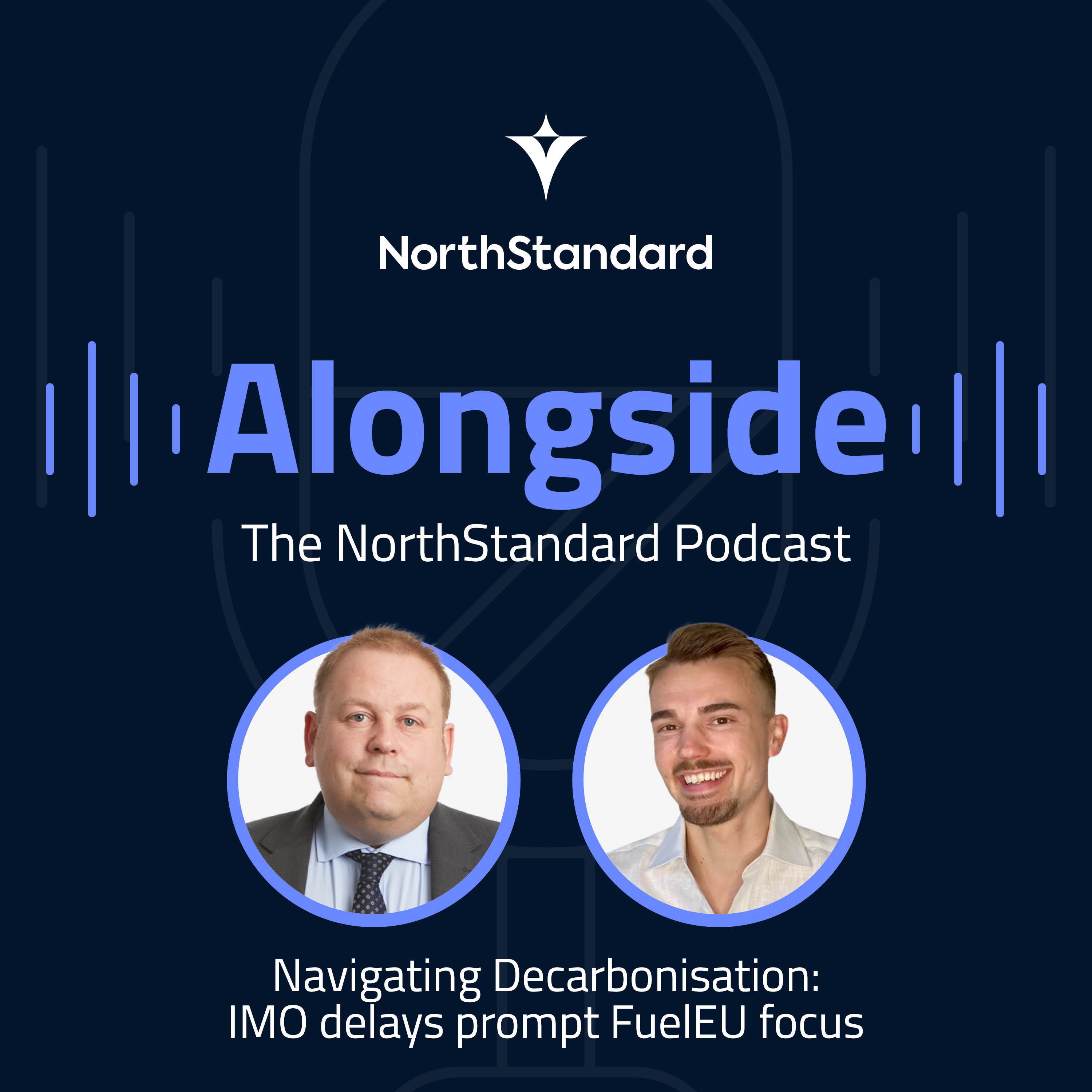
Navigating Decarbonisation: IMO delays prompt FuelEU focus
Jan 2200:17:20Tap to summarizeIn this episode, we discuss the impact of the delayed IMO deal to cut global shipping emissions and the resulting focus on the EU's FuelEU Maritime regulation. We hear about the political tension and uncertainty surrounding the IMO negotiations, the interim strategies for the maritime industry and the benefits and challenges of the FuelEU regulation. We also look at the pooling process for emissions reduction, and the importance of fuel quality and certification. 00:00 Introduction: The Urgency of Reducing GSG Emissions 00:09 The Delayed Deal: Impact on Global Shipping Emissions 01:02 Inside the Negotiations: Political Tensions and Outcomes 02:41 Fuel EU Maritime: A New Hope for Decarbonisation 05:40 Pooling Process: Challenges and Opportunities 10:50 Fuel Quality Concerns: Risks and Implications 13:44 Looking Forward: Future Challenges and Regional Regulations 16:07 Conclusion: The Path Ahead for Maritime Decarbonisation
Transcribe →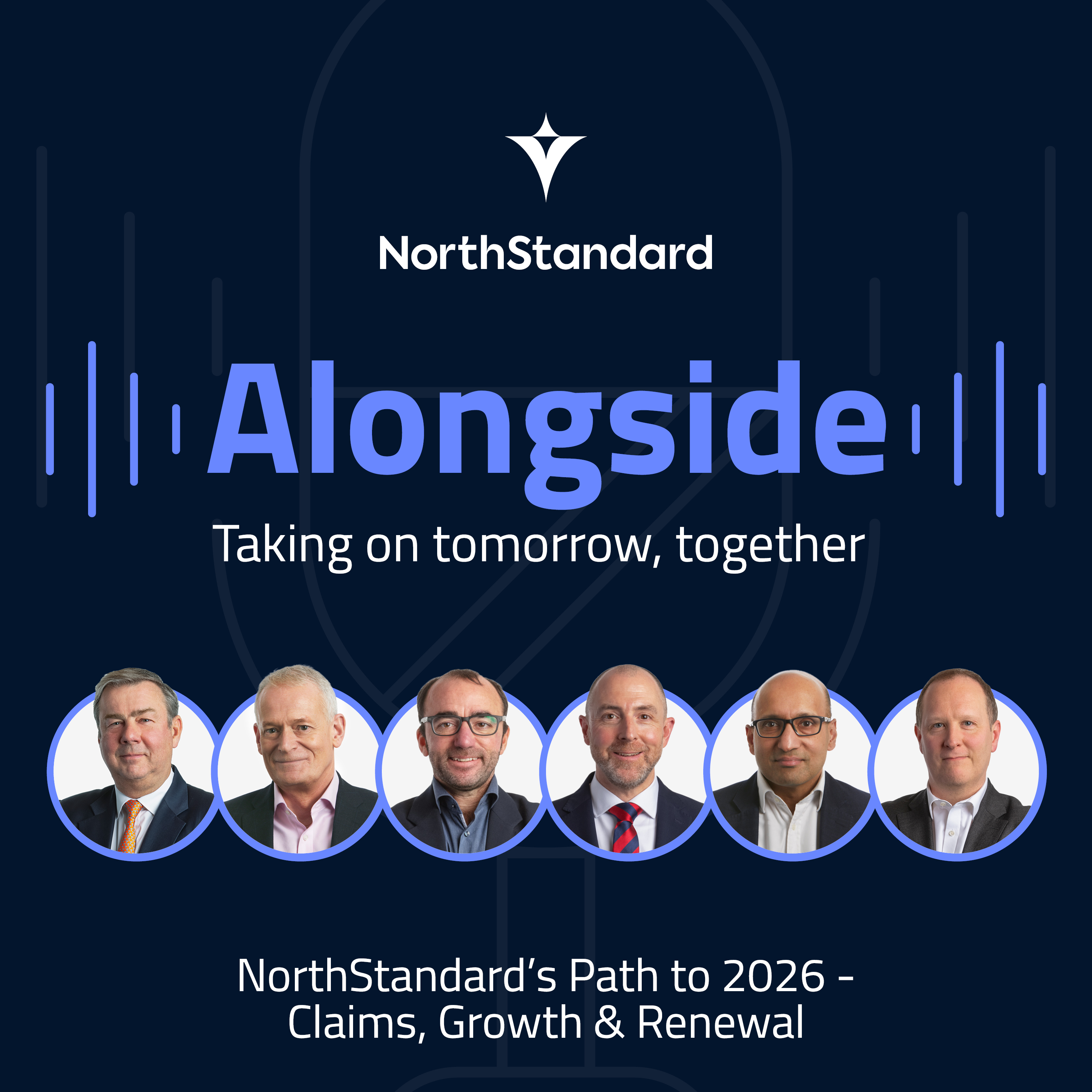
Taking on tomorrow, together: NorthStandard’s Path to 2026 – Claims, Growth & Renewal
Dec 1100:11:46Tap to summarizeIn this episode of 'Taking on tomorrow, together,' some of NorthStandard's Leadership Group reflect on the key challenges and achievements of 2025. Despite a calmer year for claims, the club highlights the need for caution still amid global conflicts, rising costs, and political uncertainties.Discussions include the Pre Renewal Report, and the strategic initiatives that have fostered diversification and growth. Managing Directors Paul Jennings and Jeremy Grose, Chief Financial Officer Nick Jelley, Chief Claims Officer Sam Kendall-Marsden, Chief Underwriting Officer Thya Kathiravel, and Chief of Specialty Sectors Nick Wolfe provide insights into financial stability, claims performance, and broader forces influencing the shipping industry.Emphasis is placed on maintaining service excellence, supporting members, and adapting to market conditions, ensuring NorthStandard remains resilient and well positioned for the future.00:00 Introduction and Overview of the Year01:25 Key Messages and Financial Performance03:03 Strategic Developments and Diversification04:22 Claims Performance and Market Conditions08:36 Future Focus and Challenges Ahead10:46 Conclusion
Transcribe →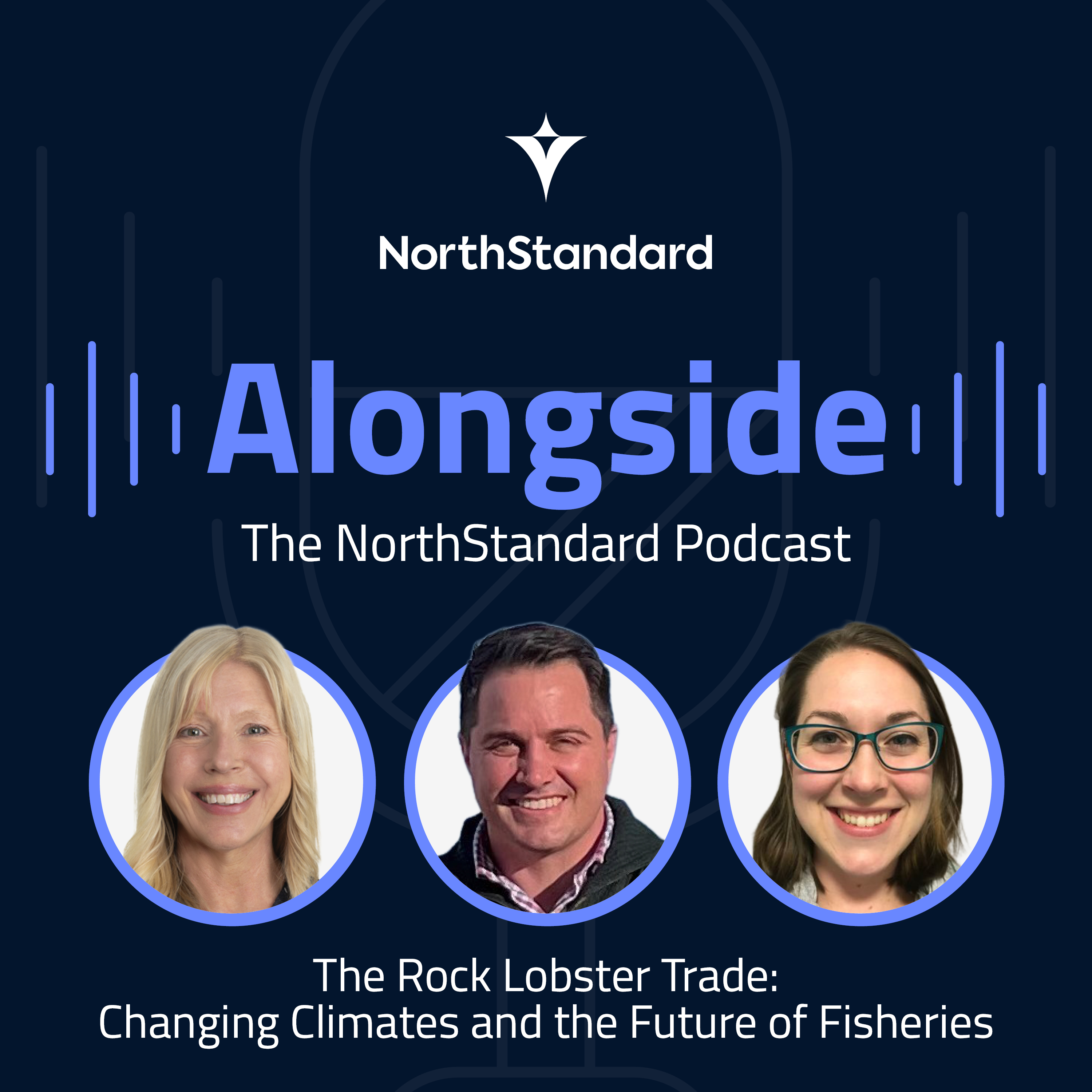
The Rock Lobster Trade: Changing Climates and the Future of Fisheries
Nov 600:19:25Tap to summarizeIn areas off the coast of Victoria in Southern Australia, ocean conditions are changing. Warmer currents, unpredictable storms, and shifting water chemistry present a new reality for the communities who depend on the sea. In this episode of NorthStandard's 'Alongside' podcast, hosted by Danielle Jalowiecka, we dive into how these changes are impacting one of the ocean's most iconic creatures—the Southern Rock Lobster. With insights from Matt Wassnig, CEO of Seafood Industry Victoria, Mia Bredenburg from Sunderland Marine, and Dr. Sam Twiname from the University of Tasmania, the episode delves into how the lobster industry is adapting to these challenges. The discussion highlights the importance of sustainable fishing practices, robust scientific research, and strong collaboration among industry stakeholders to ensure the resilience and innovation of the sector. Through their experiences, we learn valuable lessons that extend beyond just the local industry to the broader marine industry worldwideHighlights00:50 The Southern Rock Lobster: An Iconic Species03:01 Economic and Social Impact of Rock Lobster Fishing04:46 Challenges and Adaptations in the Fishing Industry07:35 Scientific Research and Climate Change Effects10:39 Collaboration Between Industry and Science16:25 Future Opportunities and Industry Resilience18:27 Conclusion and Key Takeaways
Transcribe →
Becoming the Marine Insurer of Choice
May 29, 202500:19:16Tap to summarizeIn this special episode of ‘Alongside’ – the third in the 'Taking on tomorrow, together' series, host Kait Borsay is joined by Managing Director Paul Jennings and Chief Financial Officer Nick Jelley. They discuss NorthStandard's latest Annual Review results, delve into significant incidents from the past year, and explore the impact of global geopolitical events on the shipping industry. The episode highlights the company's financial stability, its strategic vision to become the marine insurer of choice, and its initiatives to invest in its people and future innovations. 00:26 Meet the Guests: Paul Jennings and Nick Jelley00:58 Jeremy Grose's Adventure Race02:09 Impact of the Baltimore Harbour Incident04:12 Global Geopolitics and Shipping05:58 Annual Results Overview12:16 Financial Stability and Future Vision13:11 Strategic Goals and Initiatives16:10 Investing in People and Future Projects
Transcribe →
Future Thinking S3 E1: Smarter Seas: Shipping In A Digital Age
Mar 25, 202500:27:15Tap to summarizeIn this first episode of Future Thinking Season Three, Mike Salthouse explores the impact of new technologies on the maritime industry with futurist K.D. Adamson.The discussion addresses the misconception that technology alone will shape the future, emphasising that values and adaptability are critical. Topics covered include the vulnerabilities of the shipping industry to technological advances, the implications of cyber threats, the shift from optimisation to resilience in business practices, the challenges and opportunities presented by AI, and the transition to low and zero-carbon fuels.The conversation also highlights the importance of focusing on the human element within the industry, particularly seafarers' needs and the broader environmental impacts of shipping. The episode concludes by advising ship owners on investing in sustainable, adaptable assets in an uncertain technological landscape.00:34 The Role of Technology in Shipping01:19 Values Over Technology03:59 Challenges of Globalisation and Cybersecurity10:38 AI in the Maritime Industry14:00 Transition to Low Carbon Fuels16:45 Future of Seafaring Careers20:45 Blind Spots and Opportunities23:13 Advice for Ship Owners
Transcribe →
Future Thinking S3 E4: Securing the Future: Cyber Threats in Shipping
Mar 25, 202500:21:26Tap to summarizeIn this episode of the Future Thinking mini-series from NorthStandard, Helen Barden is joined by Kimberly Tam of the Alan Turing Institute and the University of Plymouth discuss the prevalence of cyber attacks in the maritime industry and the role of AI in defending against these threats.The conversation explores the types of cyber attacks common in the sector, the challenges in detecting and reporting them, and the vulnerabilities at different stages of AI development.They look at how AI can assist human analysts in managing cyber security and the importance of industry-wide communication and training to bolster cyber resilience. The episode also addresses the costs of cyber incidents and the need for improved information sharing across the maritime industry.00:38 Prevalence and Types of Cyber Attacks in Shipping02:28 AI's Role in Cyber Defence04:32 Vulnerabilities of AI to Cyber Attacks06:02 Cyber Risks in the Maritime Industry08:17 Cost Impacts of Cyber Attacks10:14 Improving Cyber Resilience through Information Sharing15:25 Ensuring Cyber Security in Autonomous Vessels18:51 Top Tips for Cyber Awareness and Communication
Transcribe →
Future Thinking S3 E3: Charting a Digital Course with AI in Shipping
Mar 25, 202500:21:22Tap to summarizeNorthStandard’s Helen Barden discusses the transformative role of AI in the shipping industry with Professor Adam Sobey from the Alan Turing Institute. Professor Sobey explains the basics of artificial intelligence, machine learning, and data science, emphasising their applications in ship design, manufacturing and operations.The conversation explores AI's potential to optimise vessel efficiency, enhance safety protocols, support the energy transition, and improve regulatory compliance.Additionally, they address industry hesitancy towards AI adoption, workforce implications, and the importance of integrating human learning with AI. Professor Sobey also highlights ongoing initiatives to democratise AI through no-code approaches and the role of educational efforts in preparing future engineers for a data-driven industry.00:43 Understanding Artificial Intelligence02:35 AI in Ship Design and Manufacturing05:00 AI's Role in Emission Detection and Enforcement07:48 The Future of Autonomous Shipping10:09 Overcoming Hesitancy and Embracing AI14:37 Scaling Up AI in the Industry18:25 Human-Machine Learning in AI
Transcribe →