Podcast
America Abroad
Hosted by America Abroad · EN
America Abroad is an award-winning documentary radio program distributed by Public Radio International (PRI) and broadcast on NPR stations nationwide. Each month, we take an in-depth look at one critical issue in international affairs and US foreign policy.
11episodes
Episodes
Newest firstAll episodes
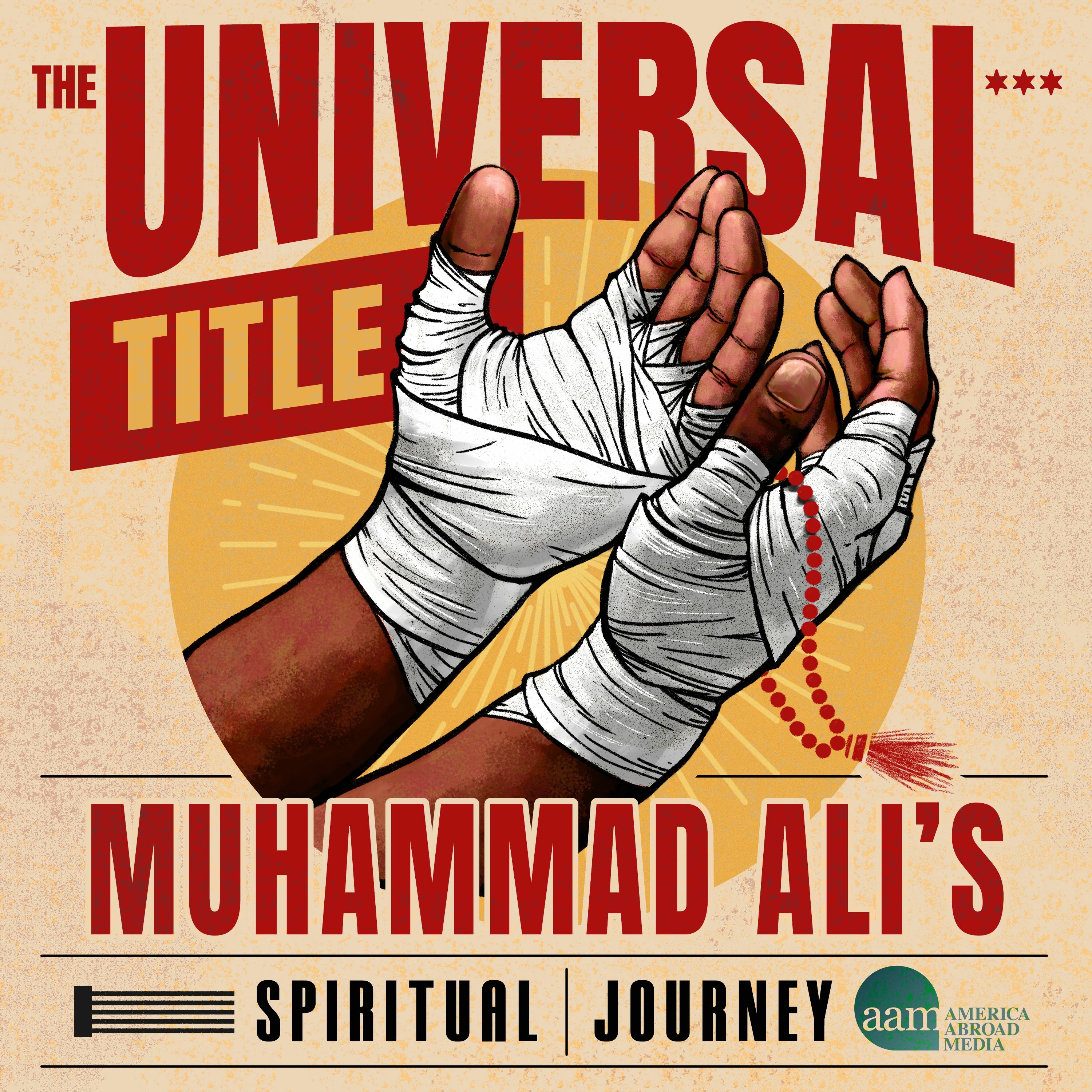
The Universal Title: Muhammad Ali's Spiritual Journey
Apr 15, 202100:04:45Tap to summarizeThere may be no other actor on the world’s stage whose life has been as heavily documented as Muhammad Ali's. Yet for all the ways the legendary athlete and humanitarian’s life has been scrutinized and celebrated, few have attempted to tell the story of what he valued most: his spiritual evolution. From America Abroad Media, The Muhammad Ali Center, and PRX, “The Universal Title” is a one hour radio special special on Muhammad Ali’s spiritual journey from Christianity to Islam — And what really made him ‘The Greatest.’ Hosted by Preacher Moss. Please check https://www.theuniversaltitle.com/ for more information about the show.
Transcribe →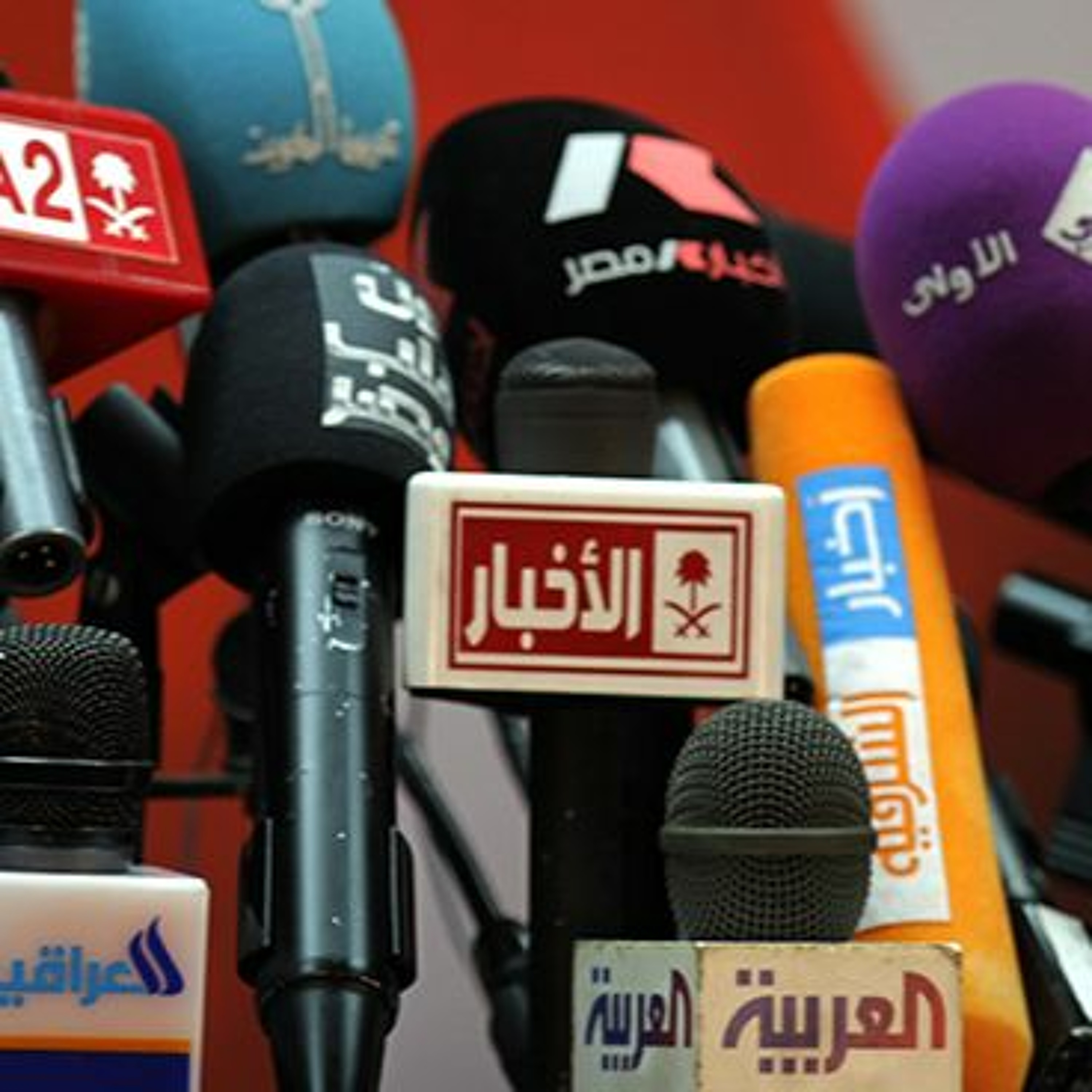
Fighting Extremism on Middle East Media
Apr 9, 202100:51:00Tap to summarizeThere's a vast media landscape in the Middle East - and religious extremists have unfortunately leveraged the power and reach of this media to spread an ideology of intolerance. But in the past few years, new broadcasters have taken up the fight, using their bully pulpit to fight back. This month on America Abroad, we learn about how the issue of religion is handled in the media throughout the Middle East. We hear about moderate religious clerics who are finding new ways to speak to young people, and how some liberal media personalities are finding creative new ways to broadcast programs that advance themes of pluralism and openness.
Transcribe →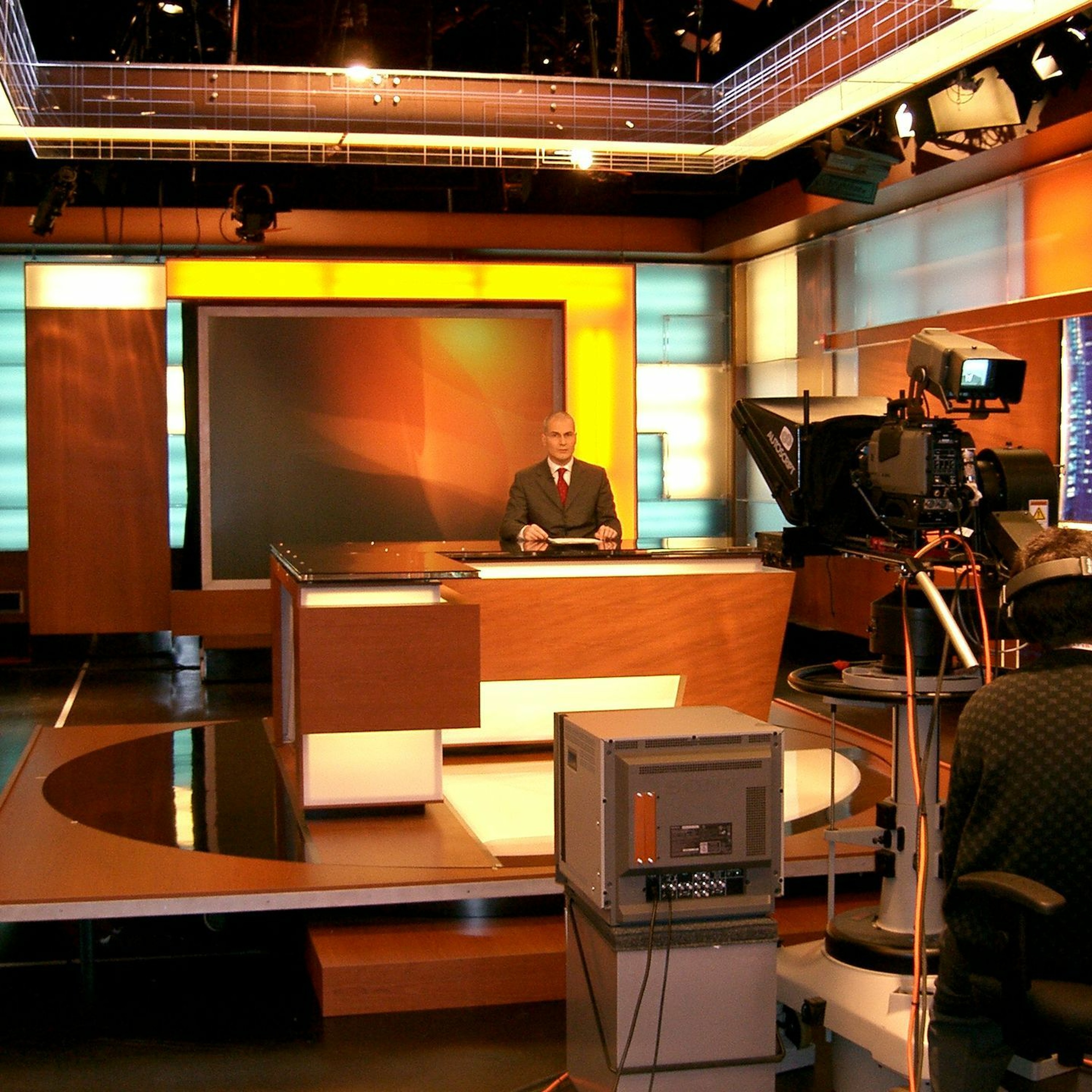
Combating Extremist Ideology Since 9/11
Sep 4, 201800:50:59Tap to summarizeIn this episode we’re looking to answer the big question of whether or not the country is safer than before 9/11. There hasn’t been a big terrorist attack on our soil since then, ISIS has lost almost all its territory in Iraq and Syria, Bin Laden is dead, and yet there are still thousands of extremist fighters out there and their ideology persists in attracting new recruits. To get a sense of what was proposed and how far we’ve come, we’ll hear from both a Commissioner of the 9/11 Commission as well as it’s director. We’re focusing on the efforts made by the Obama and Bush administrations. We ask top officials from those State Departments what they did to counteract extremist ideology - where they succeeded and where they failed. And we’ll go to Lebanon where the U.S. is funding a local anti-terrorist organization, and making an impact one individual at a time. Experts on this episode: Daniel Benjamin: Norman E. McCulloch Jr. Director of the John Sloan Dickey Center for International Understanding, Dartmouth College. Former Ambassador-at-Large and Coordinator for Counterterrorism, U.S. State Department. Rukmini Callamachi: Reporter, New York Times and Host of podcast Caliphate. Nicholas J Cull: Professor and Director, Master of Public Diplomacy program at USC Annenberg School for Communiation and Journalism. Osama Gharizi: Regional Program Manager, Middle East at United States Institute of Peace. James Glassman: Former Under Secretary for Public Diplomacy and Public Affairs, US State Department. Former Chairman, Broadcasting Board of Governors. Stephen Hadley: Chair Board of Directors, United States Insitute of Peace. Former National Security Advisor under George W. Bush. Lee Hamilton: Former Member of US House of Representatives (D-OH). Former Vice-chair, 9/11 Commission. Tara Sonenshine: Former Under Secretary of State for Public Diplomacy and Public Affairs under Barack Obama. Senior Career Coach, George Washington University's Elliot School of Interiontaional Affairs. Phillip Zelikow, Former Executive Director of 9/11 Commission. J. Wilson Newman Professor of Governance and Professor of History at the University of Virginia,
Transcribe →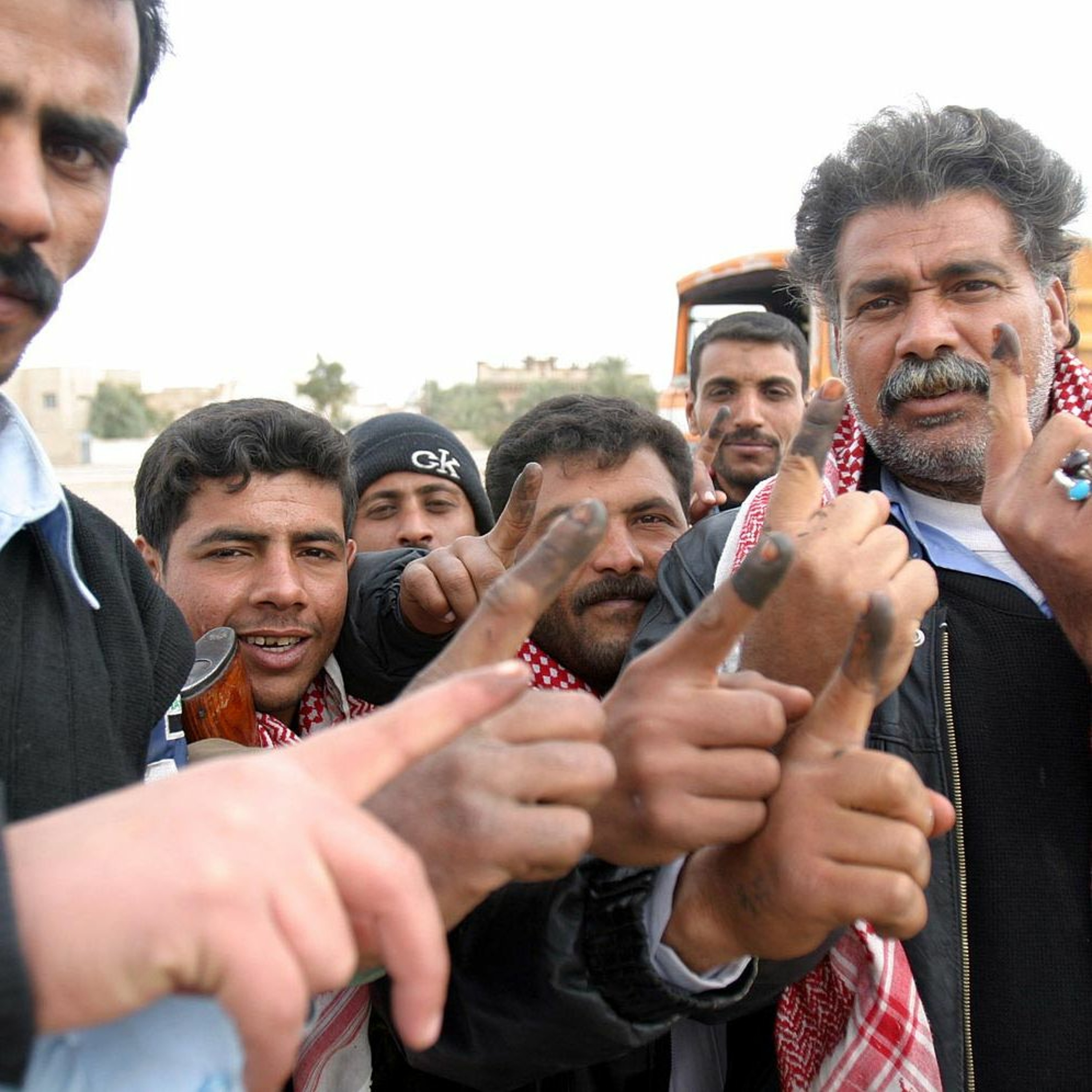
Iraqs Next Steps FULL
Jun 5, 201800:51:56Tap to summarizeIn May, Iraqis went to the polls to elect a new national parliament. It was the first election since the defeat of ISIS in Iraq. And in a surprise turn, a coalition led by controversial cleric Muqtada al-Sadr—a staunch opponent of both U.S. and Iranian influence in Iraq—won the most seats. How will this shape the next phase of Iraqi politics? And what will this mean for the US? We explored these questions in our town hall discussion at the United States Institute of Peace in Washington, DC. Featuring Ken Pollack (American Enterprise Institute), Denise Natali (National Defense University), and Sarhang Hamasaeed (USIP).
Transcribe →
Sowing Chaos: Russia's Disinformation Wars
May 2, 201800:51:55Tap to summarizeRevelations of Russian meddling in the 2016 US presidential election were a shock to Americans. But it wasn't quite as surprising to people in former Soviet states and the EU. For years they've been exposed to Russian disinformation and slanted state media; before that Soviet propaganda filtered into the mainstream. We don't know how effective Russian information warfare was in swaying the US election. But we do know these tactics have roots going back decades and will most likely be used for years to come. This hour, we’ll hear stories of Russian disinformation and attempts to sow chaos in Europe and the United States. We’ll learn how Russia uses its state-run media to give a platform to conspiracy theorists and how it invites viewers to doubt the accuracy of other news outlets. And we’ll look at the evolution of internet trolling from individuals to large troll farms. And — finally — what can be done to counter all this?
Transcribe →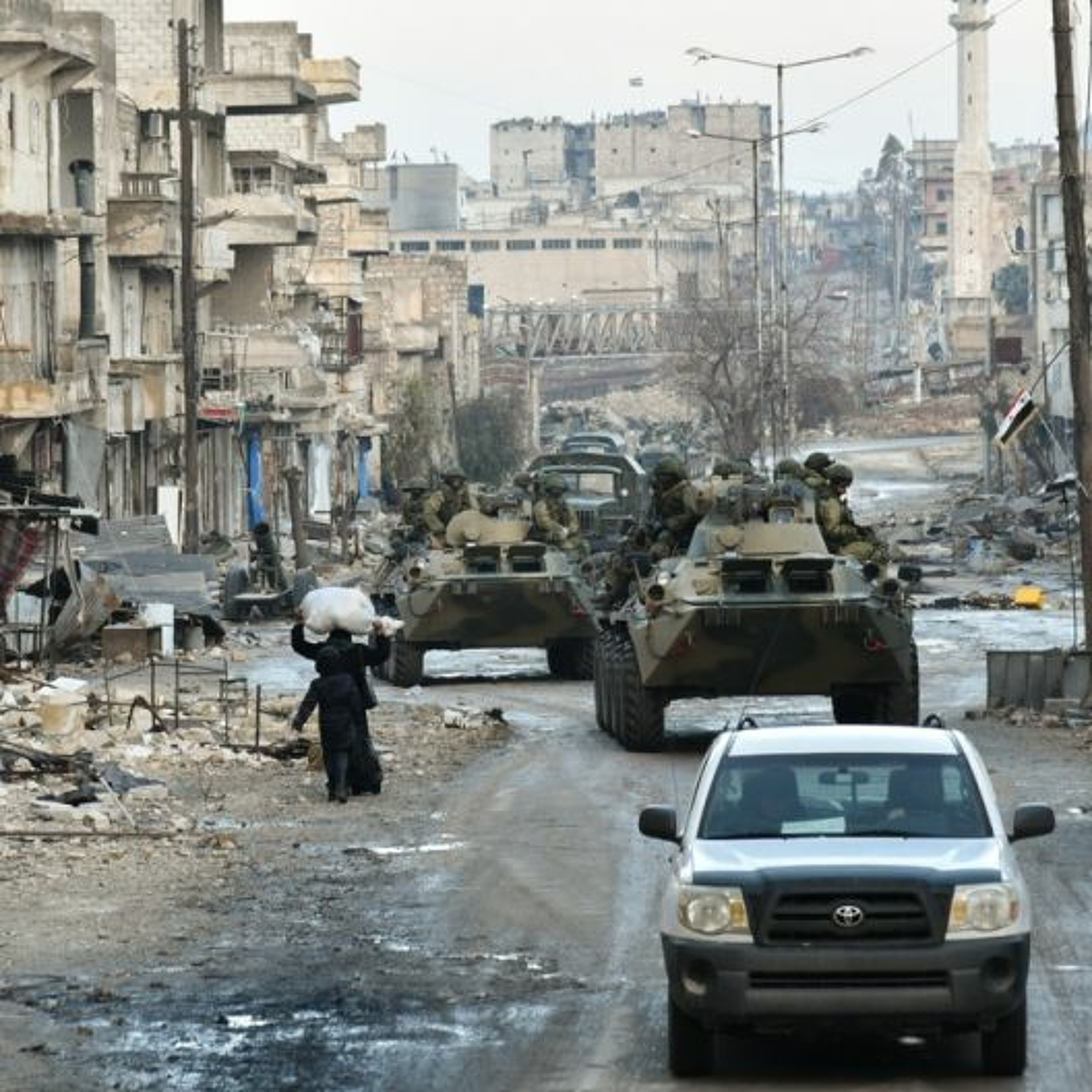
Syria and Fragile States
Apr 4, 201800:51:58Tap to summarizeThis hour: why some states become fragile; how it affects the people who live there; and the US approach to getting fragile states back on their feet. We’ll focus on the conflict in Syria - the site of one of the worst humanitarian crises in recent memory. What is the US doing right and where is our foreign policy falling short? Finally, we’ll look what happens when the US and other democracies ignore fragile states and leave the rebuilding to authoritarian regimes like China. Much of the program is a town hall discussion we held on March 19, 2018.
Transcribe →
Islam and the Cosmos
Mar 6, 201800:51:57Tap to summarizeWhile Europe was in the Dark Ages, scientific discovery was blooming in the Islamic World. Now, centuries after being eclipsed by the West, some Muslim countries are making new investments in space exploration.
Transcribe →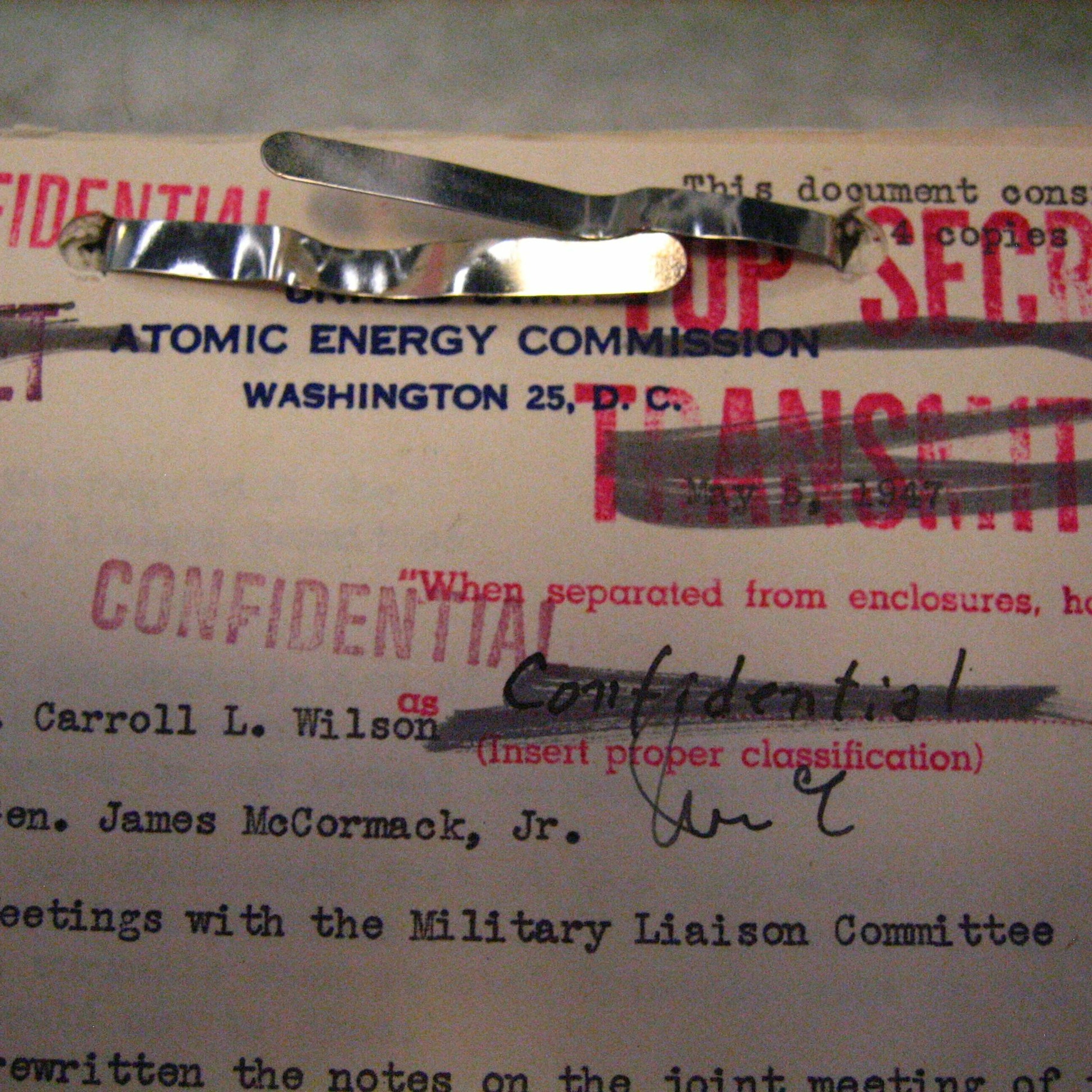
Document Leaks: The consequences of revealing secrets
Feb 6, 201800:51:58Tap to summarizeMassive document leaks have led to the fall of world leaders and to new anti-corruption laws. But some leaks have put lives in danger. So is there a limit to the public’s right to know?
Transcribe →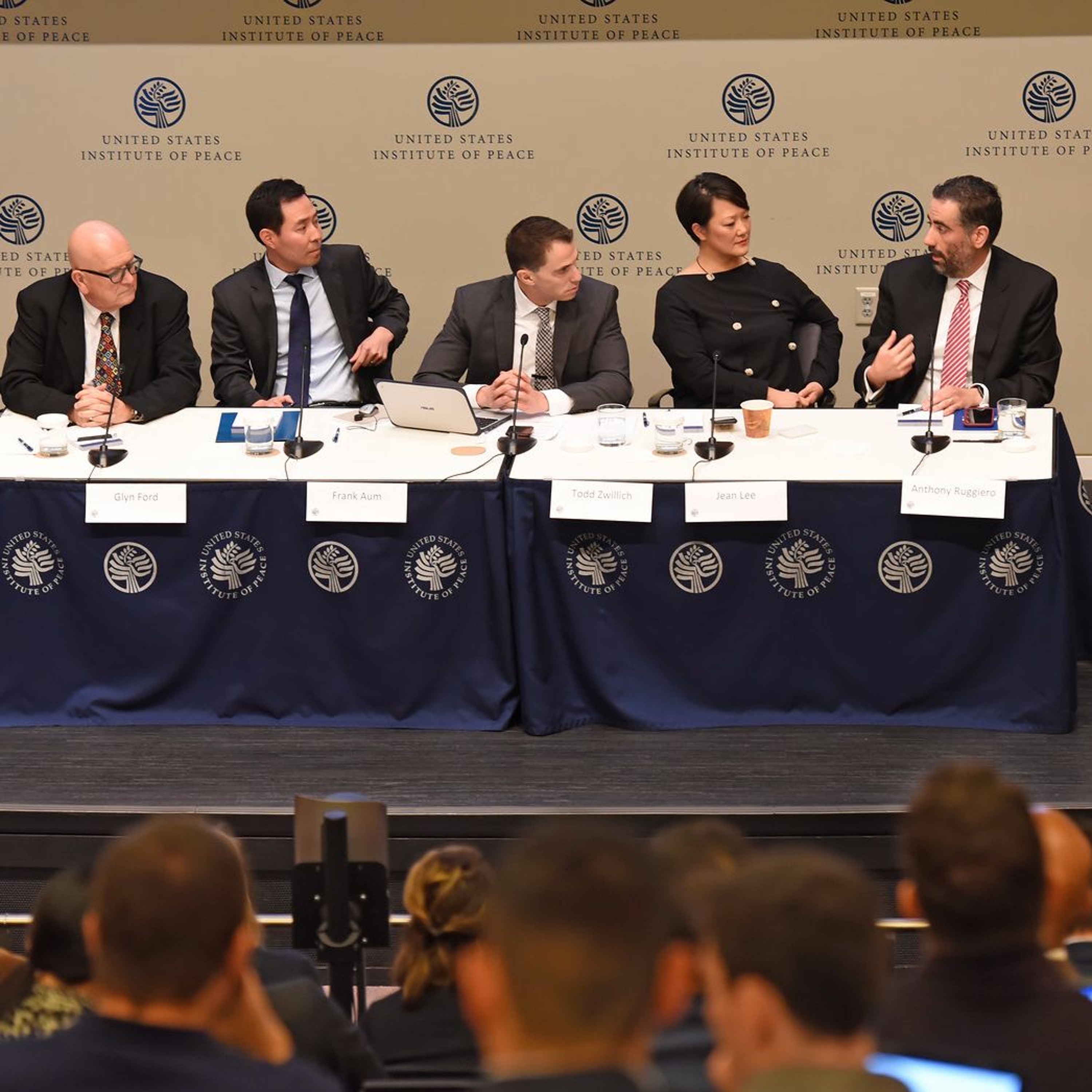
Brinkmanship US - North Korea Relations
Dec 7, 201700:51:56Tap to summarizeNever before has the threat of a nuclear missile from North Korea been more pressing. “Even in a conventional conflict, within the first few days you would have anywhere from 30,000 to 300,000 deaths," said North Korea expert Frank Aum. "Obviously, those numbers go up exponentially when you have a nuclear weapon involved.” Meanwhile, the Trump administration has sent mixed signals about the potential for detente. President Trump used his November visit to Asia to reinforce a policy of “maximum pressure” against the North Korean government. But he also hinted at the possibility of a diplomatic off-ramp in the dispute over North Korea’s missile and nuclear weapons development. North Korea and the United States have offered signals of openness to diplomacy. But how real is that possibility? Leading experts on North Korea and nuclear proliferation gathered at the United States Institute of Peace for a town hall discussion, moderated by Todd Zwillich, host of The Takeaway. Panelists: Frank Aum - Senior expert on North Korea at USIP and former senior advisor on North Korea at the office of the Secretary of Defense Jean Lee - Global fellow at the Wilson Center and former chief of the Associated Press Pyongyang bureau Anthony Ruggiero - Senior fellow at the Foundation for the Defense of Democracies and former government expert on sanctions and nuclear proliferation Glyn Ford - Former European Parliament member and author of North Korea on the Brink: Struggle for Survival
Transcribe →
Made in America: Trade Policy in the Trump Era
Nov 6, 201700:51:00Tap to summarizeThis hour, we'll talk about why trade was one of the biggest issues that got Donald Trump elected. What Americans stand to gain - and lose - by pulling out of trade deals. And what really happened to American manufacturing jobs. We’ll also see how the rest of the world is preparing for a massive shift in US policy, from a microbrewery in Tijuana to a medical manufacturer in Berlin.
Transcribe →