
Podcast
American Considerations: A Commentary On American Culture, Heritage, And History
Hosted by J. Curtman · EN
American Considerations is unapologetic commentary on culture, current events, and the heritage that defines our nation. Hosted by Jason Curtman, this publication stands firm on faith, freedom, and history.
americanconsiderations.substack.com
americanconsiderations.substack.com
27episodes
Episodes
Newest firstAll episodes

The Biggest Myth In The ID Debate
6d ago00:05:02Tap to summarizeA viral political meme claims there’s a contradiction between supporting voter ID laws while opposing identification requirements for firearm purchases. But is that claim based on fact?In this episode of American Considerations, Jason Curtman takes a closer look at what federal law actually requires when purchasing a firearm from a licensed dealer and explains why the popular comparison often misses a critical point.Topics include:* What federal law requires when purchasing a firearm from a licensed dealer.* The role of government-issued identification and federal background checks.* How firearm identification requirements compare with commonly proposed voter ID laws.* Why understanding the facts should come before sharing political memes.* The importance of beginning public policy debates with accurate information rather than assumptions.Rather than focusing on political slogans, this episode encourages listeners to examine the law, separate fact from fiction, and consider why an informed citizenry is essential to a healthy constitutional republic. This is a public episode. If you would like to discuss this with other subscribers or get access to bonus episodes, visit americanconsiderations.substack.com
Transcribe →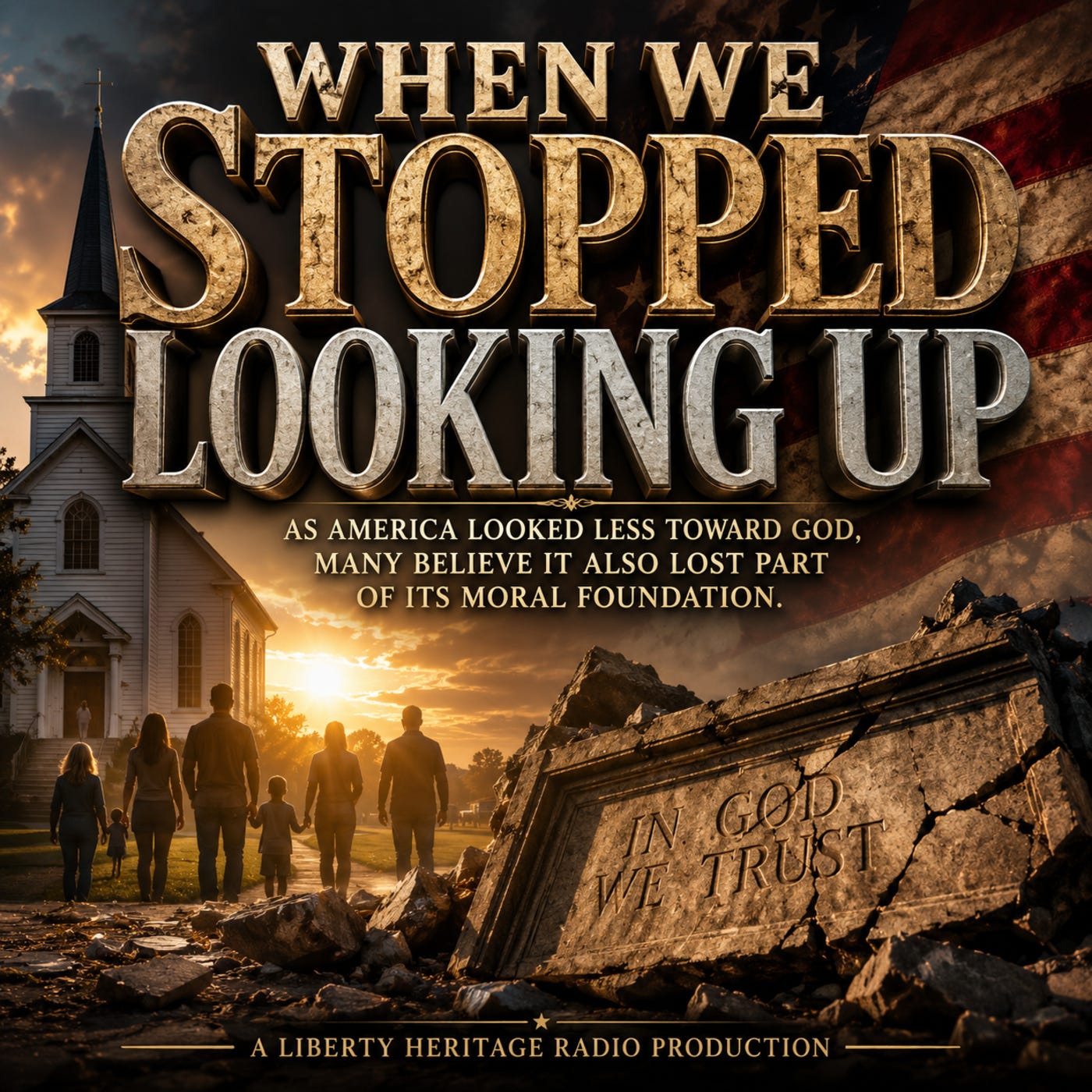
When We Stopped Looking Up
2w ago00:07:01Tap to summarizeThere was a time when the local church stood at the center of American community life. It was far more than a place for Sunday worship. It was where families belonged, neighbors became lifelong friends, children learned biblical values, and communities came together to celebrate victories and carry one another through life’s hardships.In this episode of American Considerations, Jason Curtman reflects on how the role of the local church has changed over the past two generations and explores what may have been lost as fewer Americans became actively involved in a church community.From the church’s historic role in building strong families and strong communities to the cultural shifts that gradually changed our priorities, this commentary examines the importance of belonging, accountability, faith, and our relationship with God.Whether you agree with every conclusion or simply appreciate the discussion, this episode invites you to consider how the church once helped shape American culture and whether rediscovering those timeless principles could help strengthen our nation once again.American Considerations is a production of Liberty Heritage Radio, Where Values Are Louder Than Noise. This is a public episode. If you would like to discuss this with other subscribers or get access to bonus episodes, visit americanconsiderations.substack.com
Transcribe →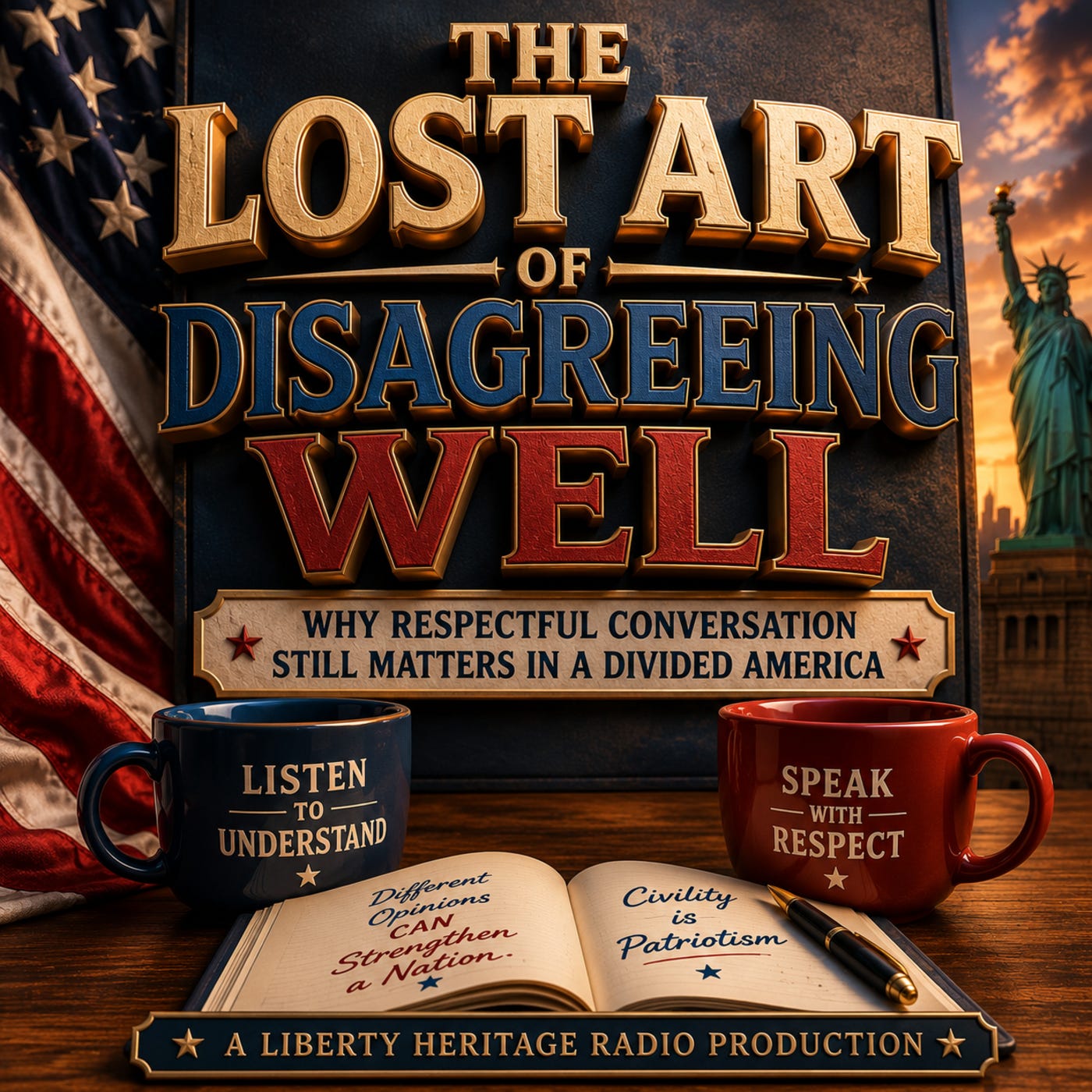
The Lost Art of Disagreeing Well
3w ago00:04:40Tap to summarizeDisagreement has always been part of the American story. Our Founding Fathers debated passionately, neighbors gathered around dinner tables and coffee shops to discuss the issues of the day, and friendships often survived differences of opinion.So what changed?In this episode of American Considerations, Jason Curtman explores how civil discourse has given way to personal attacks, social media outrage, and the growing tendency to judge people by their opinions rather than their character.Topics include:• Why disagreement has become personal instead of thoughtful• How social media has changed the way Americans communicate• Why name-calling, profanity, and changing the subject often replace honest discussion• The importance of saying, “You bring up an interesting point. I’ll have to think about that.”• How strong convictions and genuine respect can exist together• Practical ways to restore civility in our homes, workplaces, churches, and communitiesAmerica doesn’t need less conviction.It needs more character.Join Jason Curtman for another thoughtful edition of American Considerations, where we don’t just examine the issues of our time, we consider the values that will shape the generations to come.Liberty Heritage RadioWhere Values Are Louder Than Noise This is a public episode. If you would like to discuss this with other subscribers or get access to bonus episodes, visit americanconsiderations.substack.com
Transcribe →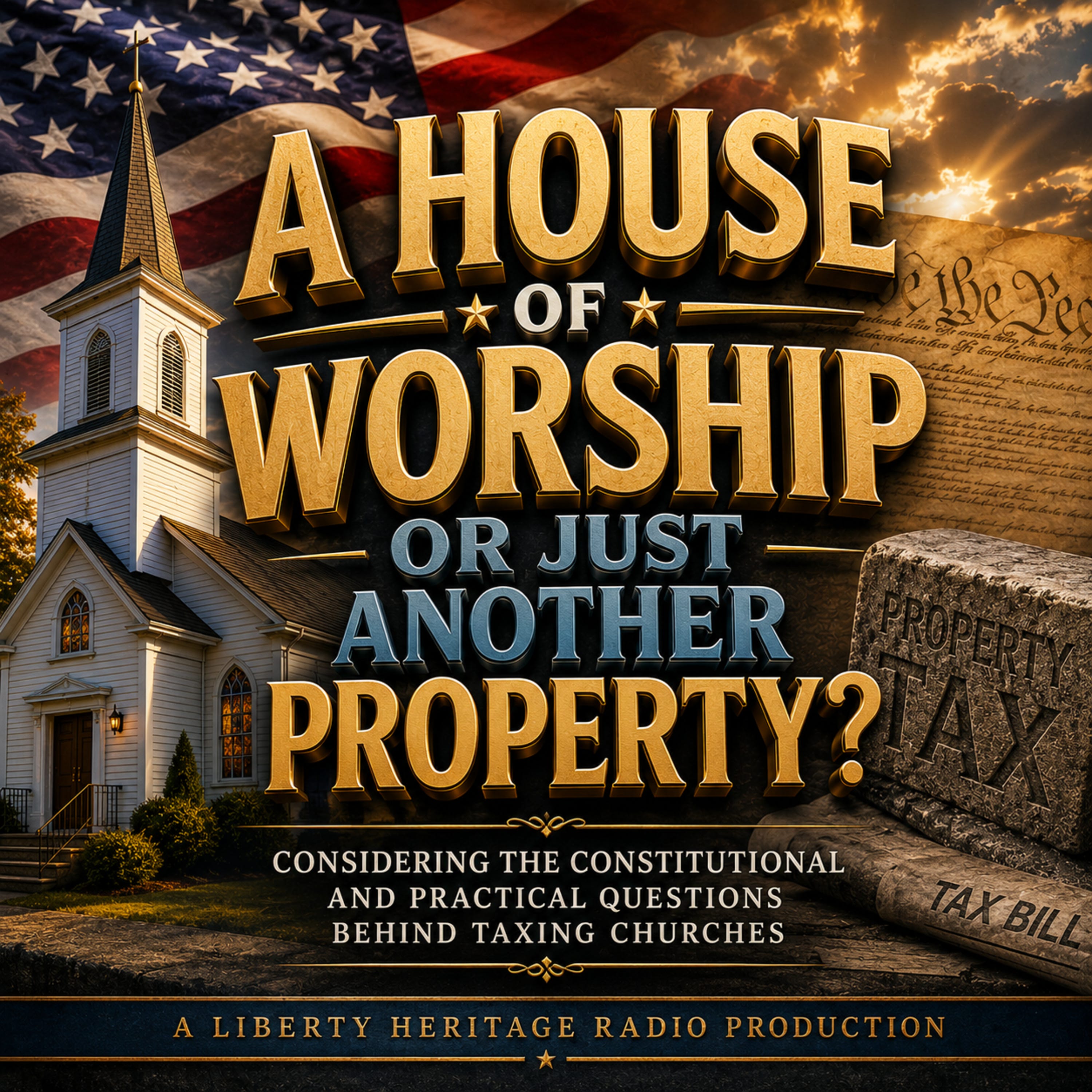
A House Of Worship Or Just Another Property?
4w ago00:04:33Tap to summarizeEvery few years, the debate over taxing churches returns to the national conversation. Supporters argue that taxing houses of worship would promote fairness and generate additional revenue for local governments. Opponents believe such a change could fundamentally alter the relationship between church and state.In this episode of American Considerations, we explore both sides of the discussion while examining the constitutional principles, historical traditions, and practical consequences surrounding church tax exemptions. We consider what taxation really means, how it could affect small congregations, and whether giving government the power to tax a house of worship could also give it greater influence over religious institutions.Is a church simply another piece of property, or does it occupy a unique place in American society? Join us as we reflect on a question that reaches far beyond taxes and into the very meaning of religious liberty.American Considerations is a production of Liberty Heritage Radio.Where Values Are Louder Than Noise. This is a public episode. If you would like to discuss this with other subscribers or get access to bonus episodes, visit americanconsiderations.substack.com
Transcribe →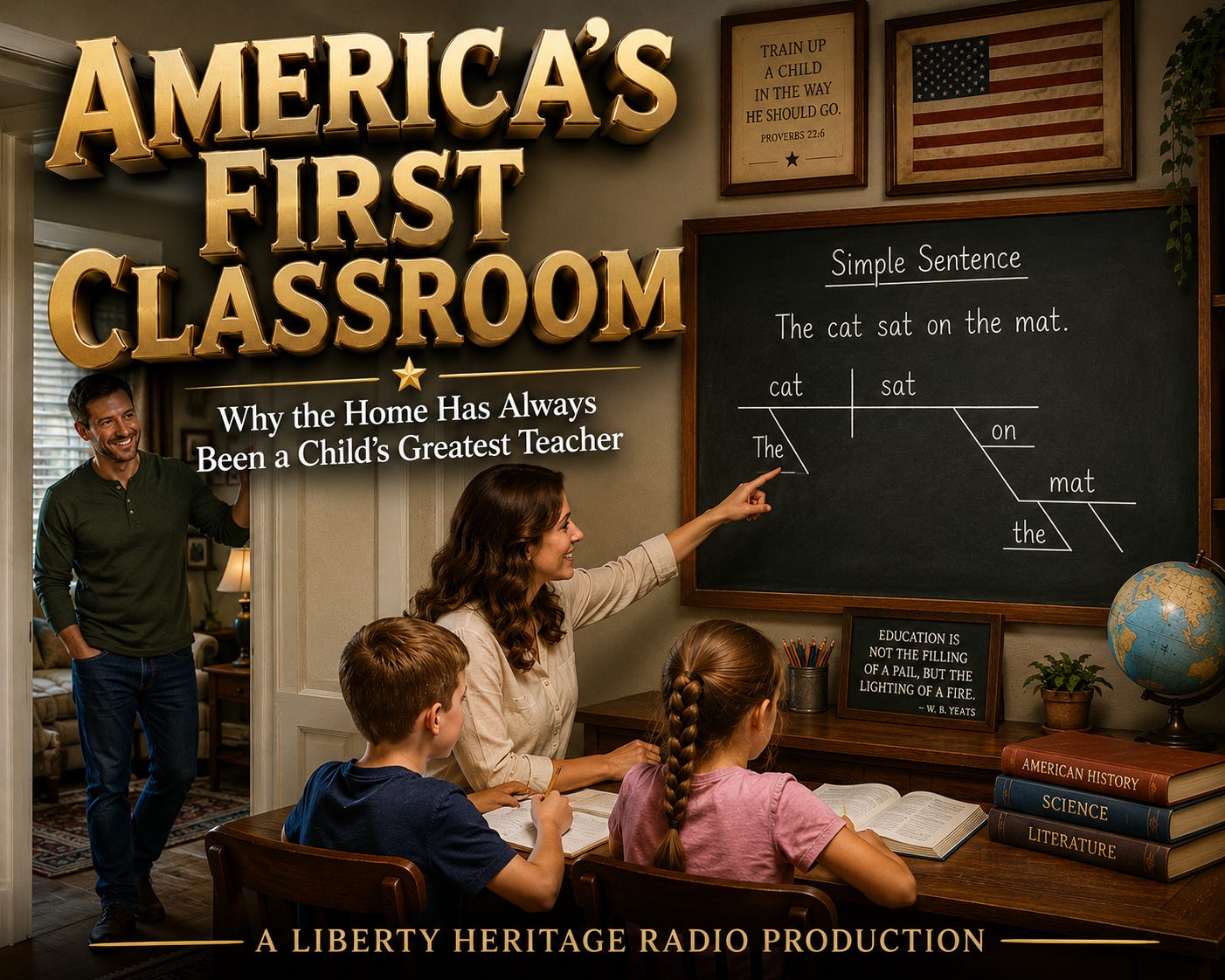
America's First Classroom
Jun 2900:07:39Tap to summarizeBefore there were schoolhouses, there was the home.In this edition of American Considerations, Jason Curtman reflects on the timeless truth that a child’s first and most influential classroom has always been the family. Long before organized public education, parents, grandparents, neighbors, churches, and local communities worked together to pass on knowledge, practical skills, moral values, and the traditions that helped shape generations of Americans.This thoughtful commentary explores the remarkable growth of homeschooling in the United States, the unique advantages of homeschool cooperatives, and the importance of parents taking an active role in their children’s education. It also examines research showing that homeschooled students often perform well academically while recognizing that successful education can take many forms.More importantly, this episode reminds us that education is about far more than grades and standardized tests. It is about developing character, responsibility, integrity, compassion, curiosity, and a lifelong love of learning. Whether a child attends public school, private school, charter school, or is educated at home, strong families and caring communities remain essential ingredients in preparing the next generation.Join Jason Curtman for a thoughtful look at the role parents have always played in shaping young lives and why America’s first classroom has never really been a building—it has always been the home. This is a public episode. If you would like to discuss this with other subscribers or get access to bonus episodes, visit americanconsiderations.substack.com
Transcribe →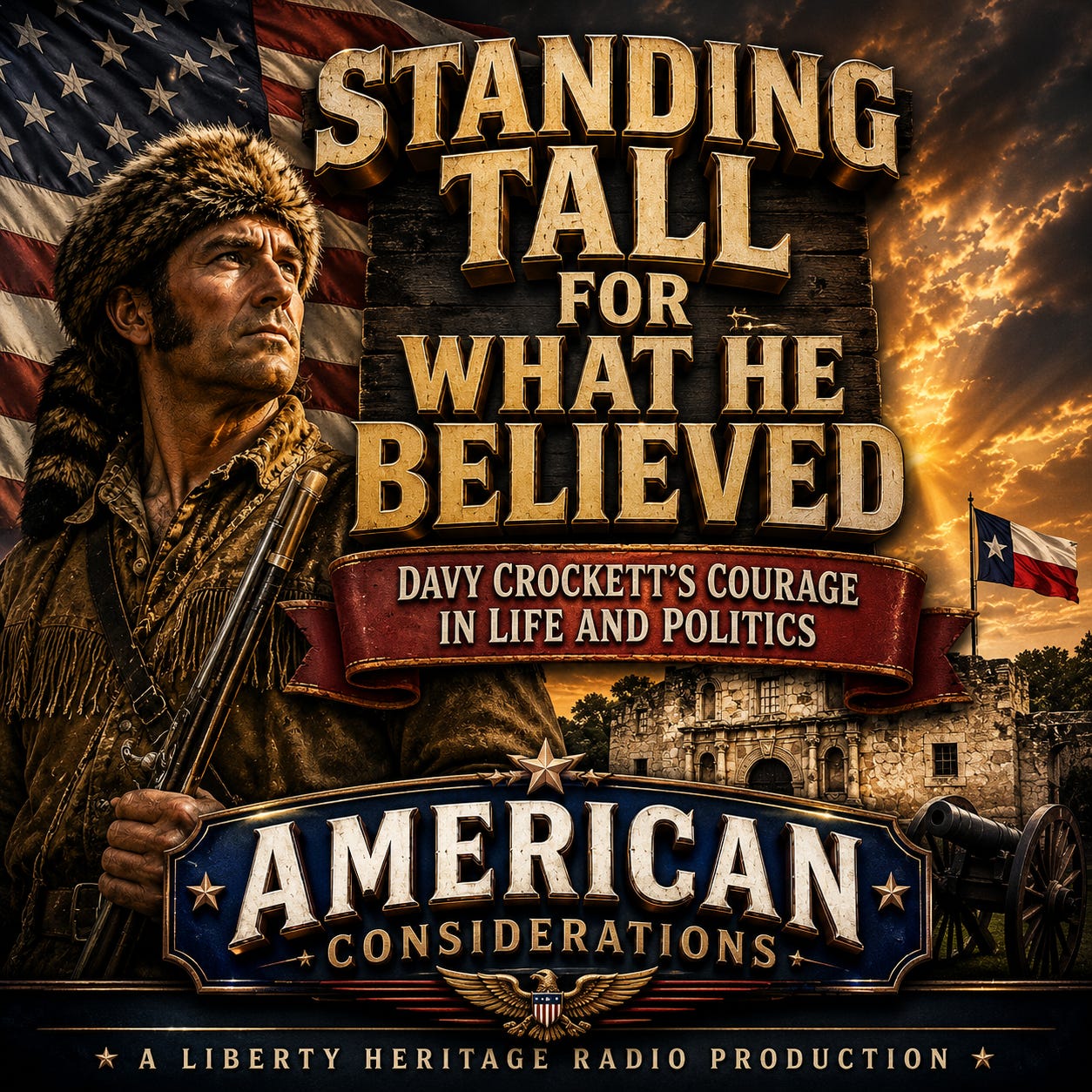
Standing Tall For What He Believed
Jun 2200:05:16Tap to summarizeDavy Crockett is remembered as a frontiersman, a hunter, and a defender of the Alamo. But perhaps his greatest legacy was his willingness to stand firm in his convictions, even when doing so came at a personal and political cost.In this episode of American Considerations, Jason Curtman explores the life of Davy Crockett and the character traits that made him one of the most enduring figures in American history. From the rugged frontier of Tennessee to the halls of Congress and ultimately to the Alamo, Crockett demonstrated a rare determination to follow his conscience rather than public opinion.Join us as we look beyond the legend and examine the courage, independence, and integrity that defined the man behind the coonskin cap.In This Episode* Growing up on the American frontier* The challenges that shaped Crockett’s character* How he became known as a skilled hunter and outdoorsman* His rise from humble beginnings to the United States Congress* His willingness to oppose popular opinion when he believed it was necessary* His disagreements with President Andrew Jackson* The political consequences of standing by his principles* His journey to Texas and the Alamo* Why his example still resonates nearly two centuries laterWhat You’ll LearnDavy Crockett’s story is about more than frontier adventure. It is the story of a man who believed that character matters, that convictions should not be abandoned for convenience, and that true courage often means standing alone. This is a public episode. If you would like to discuss this with other subscribers or get access to bonus episodes, visit americanconsiderations.substack.com
Transcribe →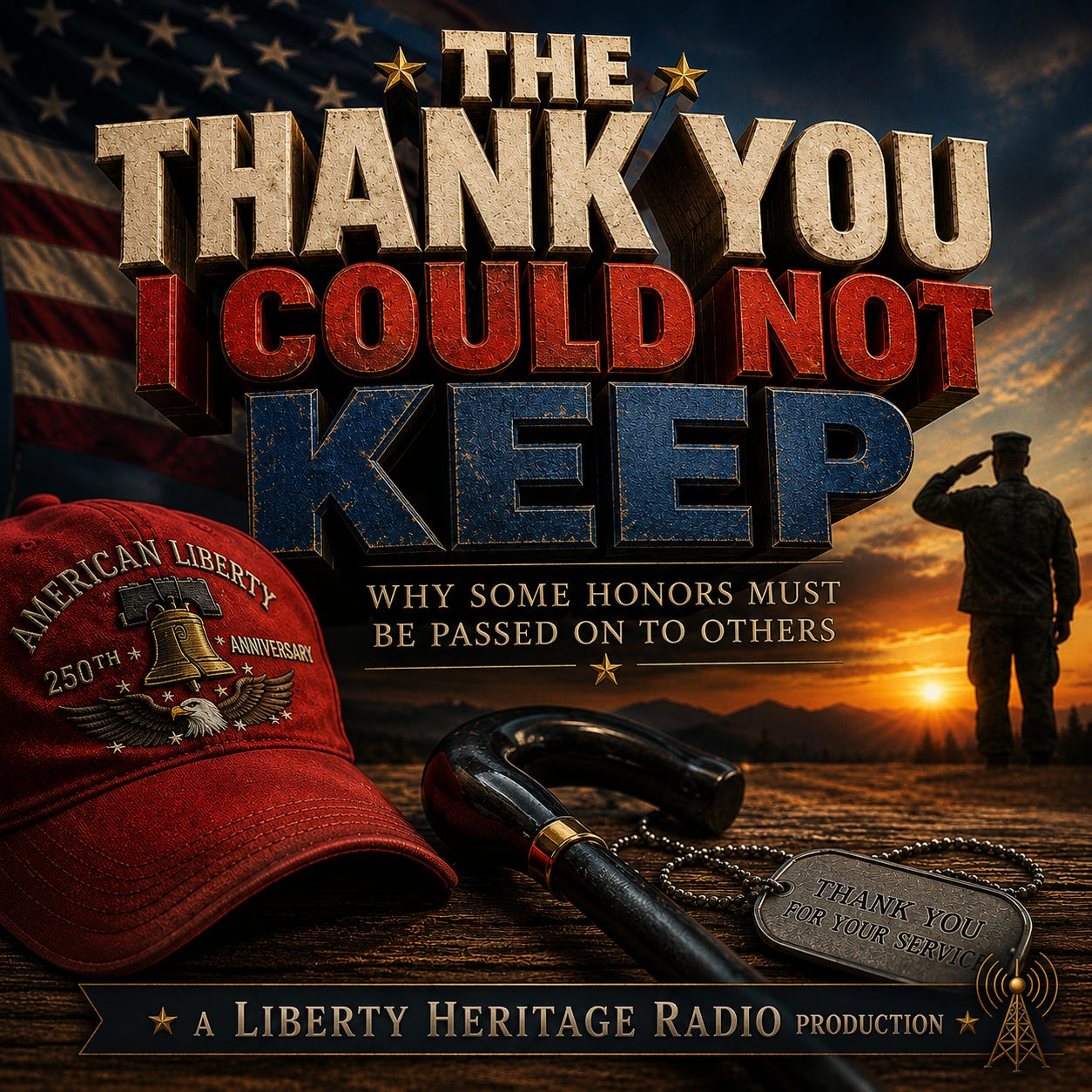
The Thank You I Could Not Keep
Jun 1500:05:16Tap to summarizeSometimes the most meaningful moments arrive without warning.In this episode of American Considerations, I share a personal experience that took place during a routine trip to a warehouse store. While recovering from a knee injury and using one of the store’s mobility scooters, I was unexpectedly thanked for my military service by a passing stranger.The problem was simple: I am not a veteran.What followed was an emotional journey that brought back memories of my attempt to join the United States Navy in 1990, my medical rejection, and the deep respect I have carried ever since for those who wore the uniform and served our nation.In this deeply personal reflection, I explore why those few words affected me so profoundly, why I have always viewed military service as something unique, and why some honors belong to those who truly earned them.Most importantly, I offer a message of gratitude to America’s veterans and pass on words that were given to me, but were always meant for them.In This Episode, I Discuss:• Being mistaken for a military veteran• My attempt to join the United States Navy in 1990• The emotions stirred by an unexpected encounter• Why military service holds a special place in my heart• The difference between military service and my years in law enforcement• The importance of honesty when speaking about service• A personal tribute to America’s veteransKey Themes• Honor• Service• Sacrifice• Patriotism• Gratitude• Personal Reflection• Respect for Veterans This is a public episode. If you would like to discuss this with other subscribers or get access to bonus episodes, visit americanconsiderations.substack.com
Transcribe →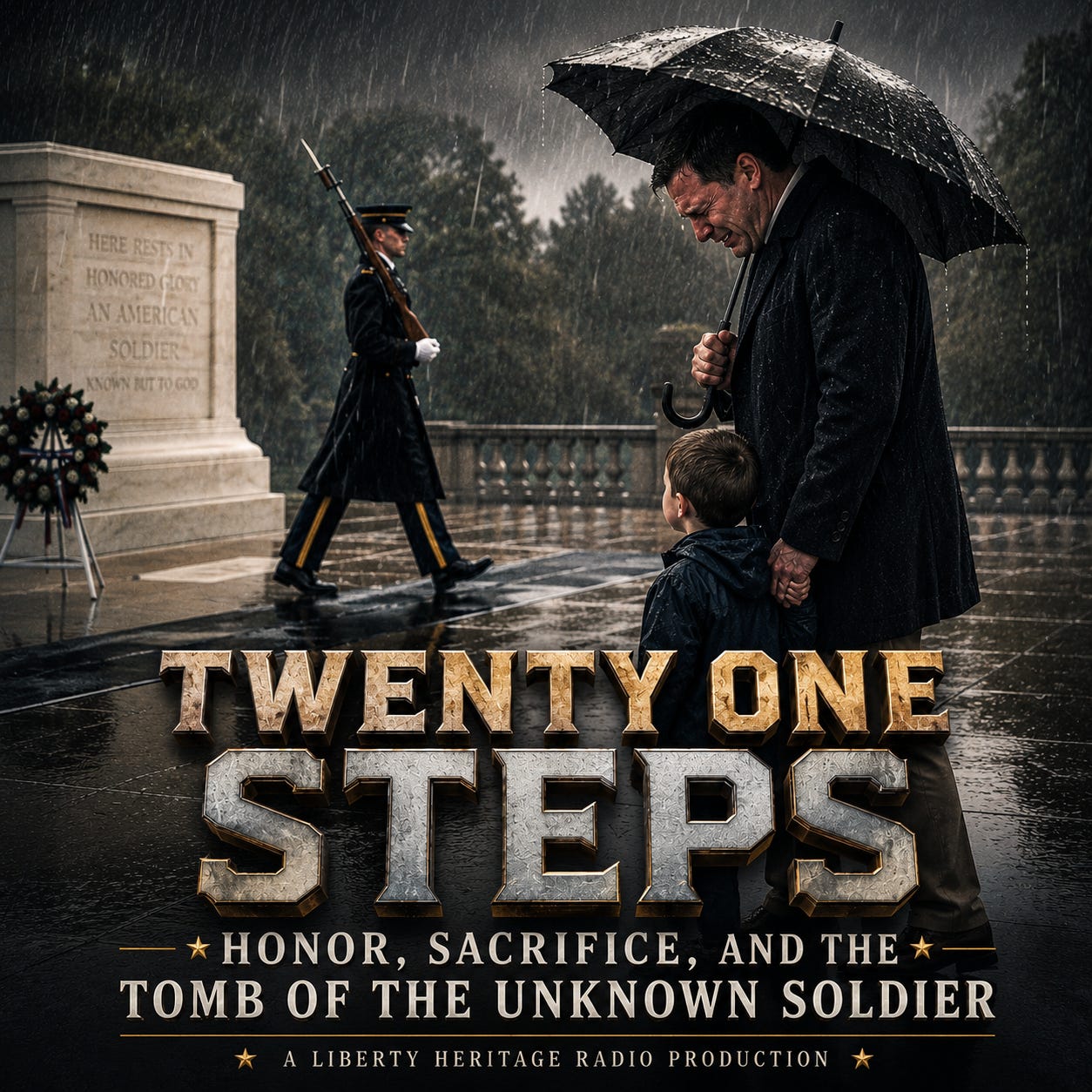
Twenty One Steps
Jun 800:06:37Tap to summarizeIn this episode of American Considerations, Jason Curtman explores the history, symbolism, and enduring meaning of the Tomb of the Unknown Soldier at Arlington National Cemetery. From the aftermath of World War One to the present day, this program traces the origins of America’s most sacred military memorial and the unknown servicemen chosen to represent generations of fallen warriors whose identities were lost in war.The episode examines the selection and burial of the first Unknown Soldier in 1921, the addition of unknowns from World War Two, Korea, and Vietnam, and the eventual identification of Air Force Lieutenant Michael Blassie through DNA testing. It also explores the legendary sentinels of the United States Army’s Old Guard, whose precise twenty one step ritual has become one of the most recognizable symbols of military honor and national remembrance.More than a monument, the Tomb of the Unknown Soldier stands as a reminder that freedom has always carried a human cost — often paid by ordinary Americans whose names history may never know, but whose sacrifice the nation must never forget. This is a public episode. If you would like to discuss this with other subscribers or get access to bonus episodes, visit americanconsiderations.substack.com
Transcribe →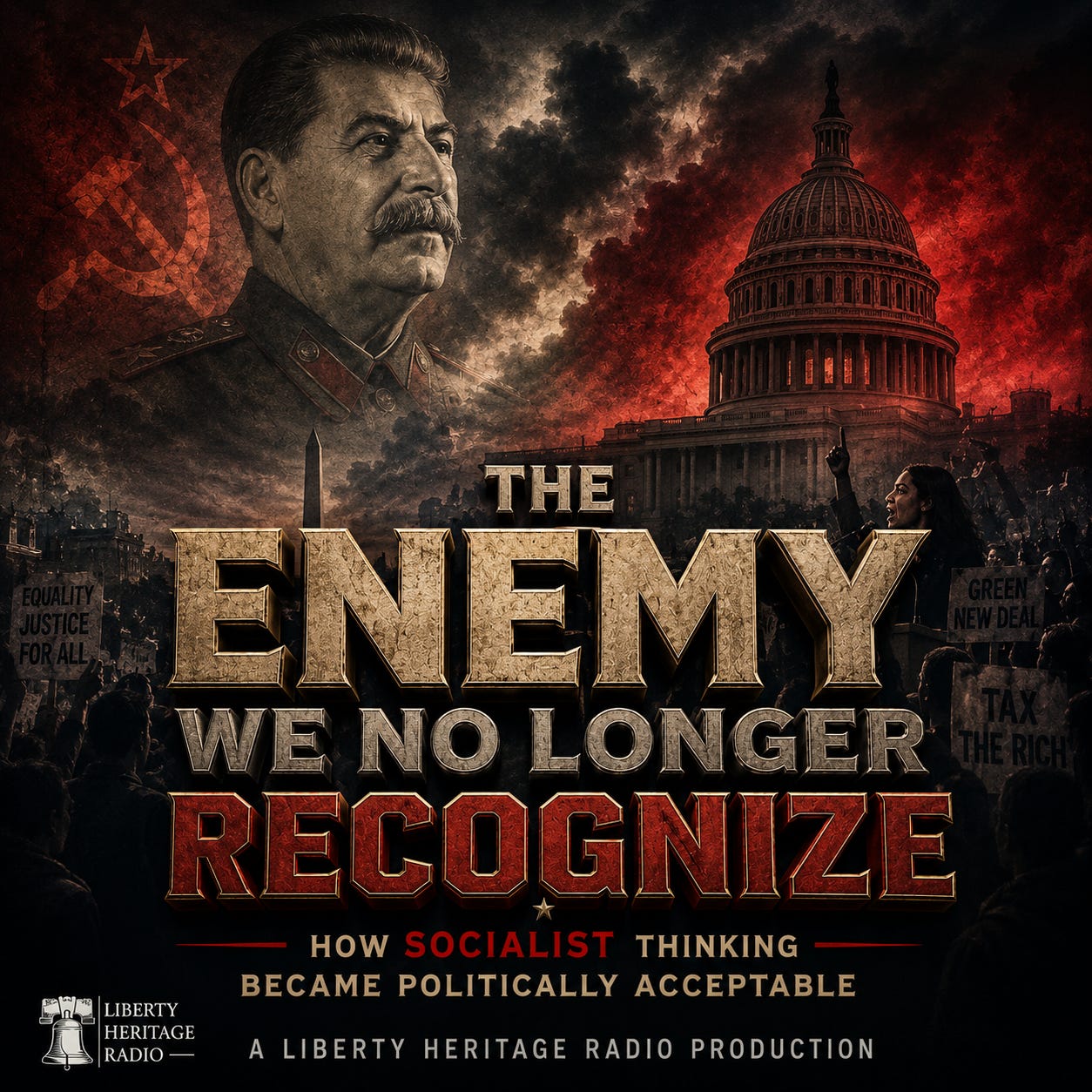
The Enemy We No Longer Recognize
Jun 100:03:42Tap to summarizeIn this episode of Liberty Heritage Radio’s American Considerations, we take a hard look at a question many Americans never imagined asking decades ago.Why did earlier generations view communism and socialist ideology as direct threats to the United States, while many similar ideas are now openly discussed, defended, and legislated within mainstream American politics?From the McCarthy hearings and Hollywood blacklists to the rise of modern democratic socialism, this commentary explores how America’s cultural and political attitudes toward centralized government power, wealth redistribution, and socialist thinking have dramatically changed over time.This episode is not about defending every action of the Cold War era. It is about examining the mindset of the generations that lived through it, the fears that shaped America’s opposition to communism, and the modern political climate that would likely seem unrecognizable to many Americans of that time.What changed?Did the principles change?Or did America simply stop teaching the difference? This is a public episode. If you would like to discuss this with other subscribers or get access to bonus episodes, visit americanconsiderations.substack.com
Transcribe →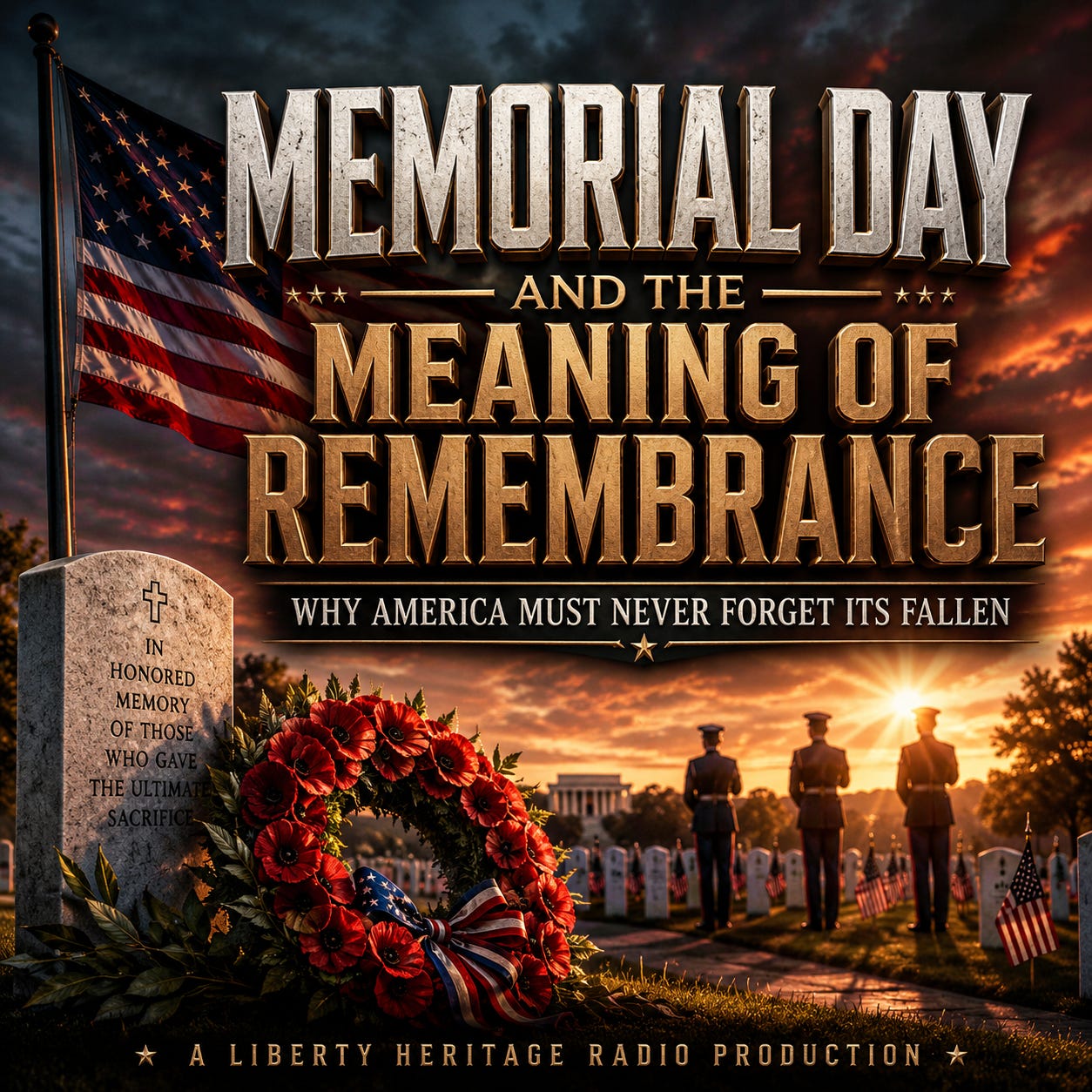
Memorial Day And The Meaning Of Remembrance
May 2500:08:03Tap to summarizeIn this episode of American Considerations, we explore the true history and purpose of Memorial Day, a solemn American observance created to honor those who were killed in military service to the United States. Beginning with its origins as Decoration Day after the Civil War, this episode examines how Memorial Day became a national act of remembrance dedicated not to all veterans generally, but specifically to those who never returned home from war.We discuss the important distinctions between Memorial Day, Veterans Day, and Armed Forces Day, and why many veterans and military families believe the meaning of Memorial Day has gradually become misunderstood over time. The conversation reflects on sacrifice, memory, gratitude, and the responsibility of a nation to remember those who paid the ultimate price for its freedoms.From Arlington National Cemetery to small-town memorials across America, this episode considers why remembrance matters, what is lost when history fades, and how honoring the fallen remains one of the most sacred civic traditions in American life.American Considerations is a presentation of Liberty Heritage Radio, where values are louder than noise. This is a public episode. If you would like to discuss this with other subscribers or get access to bonus episodes, visit americanconsiderations.substack.com
Transcribe →