
Podcast
American Planning Association
Hosted by American Planning Association · EN
Welcome to the American Planning Association Podcast. This is your source for discussions, interviews, and lectures on a multitude of planning topics.
14episodes
Episodes
Newest firstAll episodes
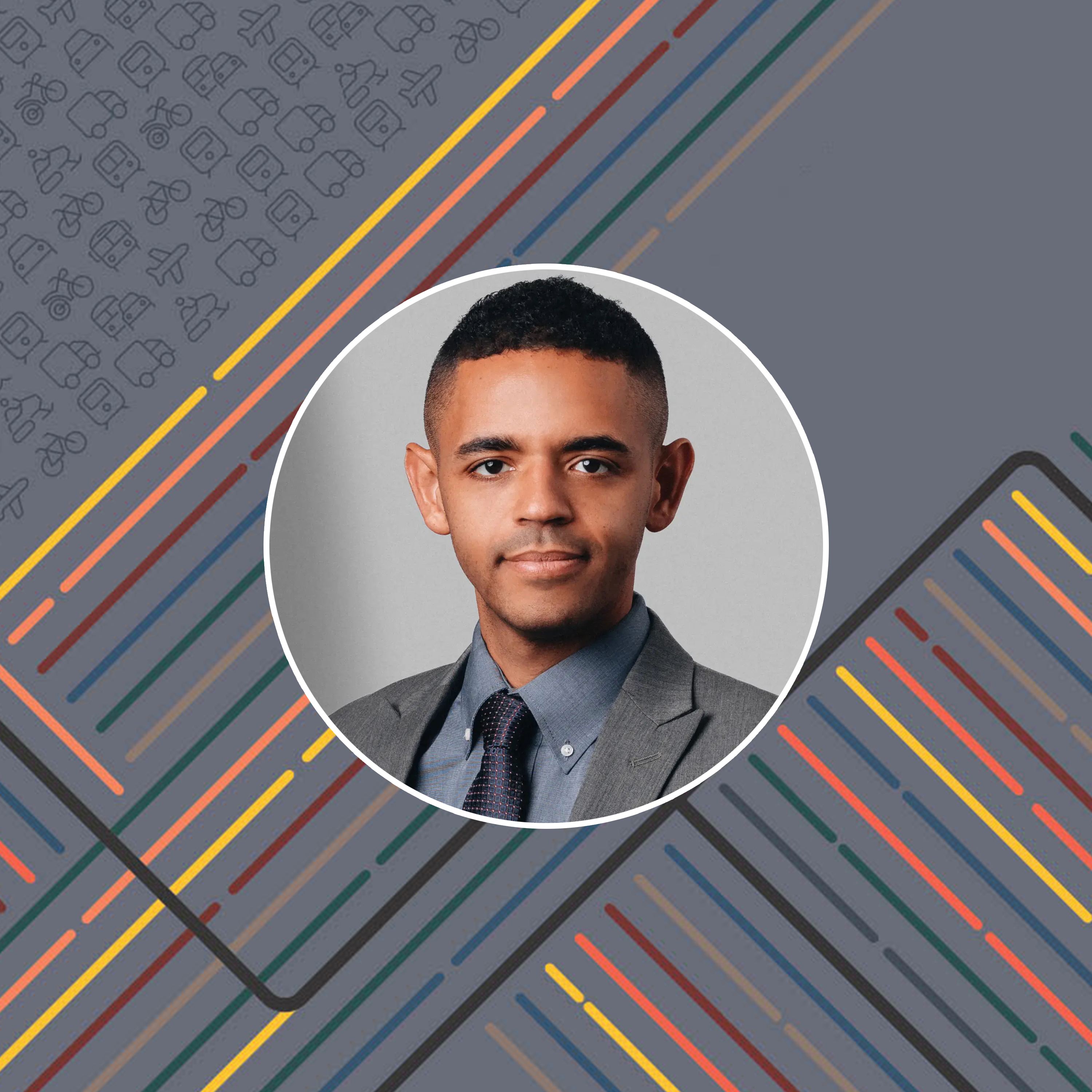
Mapping Environmental Justice in NYC with Paul Lozito, AICP
3w ago00:33:31Tap to summarizeIn this episode of Critical Conversations in Transportation Planning, hosts Em Hall and Divya Gandhi sit down with Paul Lozito, AICP, Deputy Executive Director of the NYC Mayor's Office of Climate and Environmental Justice, to explore how environmental justice is reshaping urban planning in New York City. Lozito traces the roots of the EJNYC report and mapping tool back to decades of environmental justice organizing, and explains how the city is using data to identify "have" and "have-not" communities across heat, flooding, and tree canopy access. The conversation dives into Resilient Acquisitions, a first-of-its-kind proactive buyout program for flood-prone properties, and the city's new Urban Forest Plan, which targets tree planting and stewardship in historically underserved neighborhoods. Along the way, Lozito shares practical lessons for planners anywhere — not just in a city with New York's resources — on grounding climate work in community history, hard data, and tangible action. Episode URL: https://planning.org/podcast/mapping-environmental-justice-in-nyc-with-paul-lozito-aicp/
Transcribe →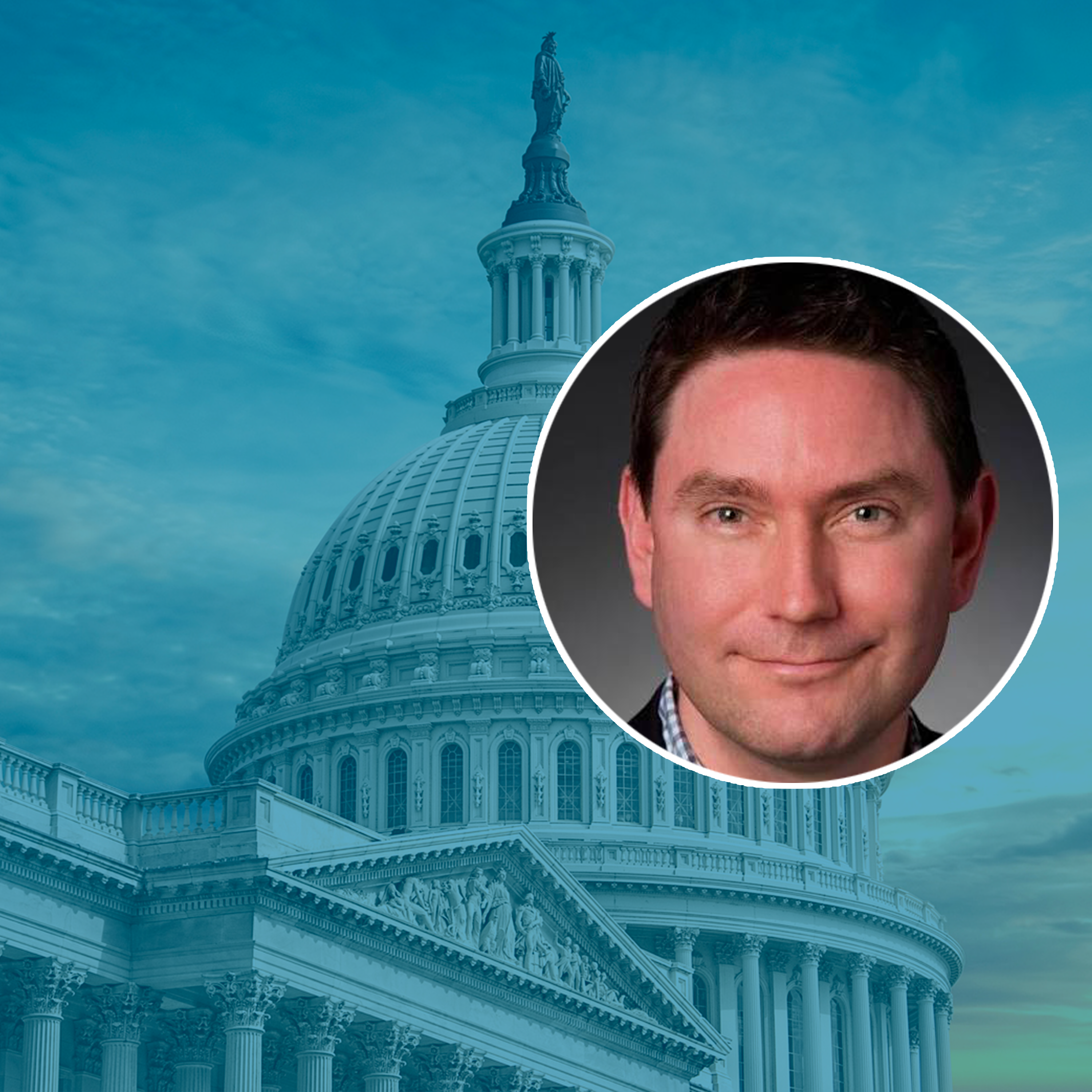
The New 21st Century ROAD to Housing Law with Jason Jordan
Jul 1100:27:02Tap to summarizeIn this special episode of the APA Podcast, recorded fresh off the 21st Century ROAD to Housing Act officially becoming law, host Mike Johnson talks to Jason Jordan, APA's public affairs principal. Jason dives into some of the important provisions in the new legislation, outlines some of the funding opportunities, providing a general sense of what comes next and what this means for planners moving forward. Episode URL: https://planning.org/podcast/the-new-21st-century-road-to-housing-law-with-jason-jordan/ Watch the video version of this episode
Transcribe →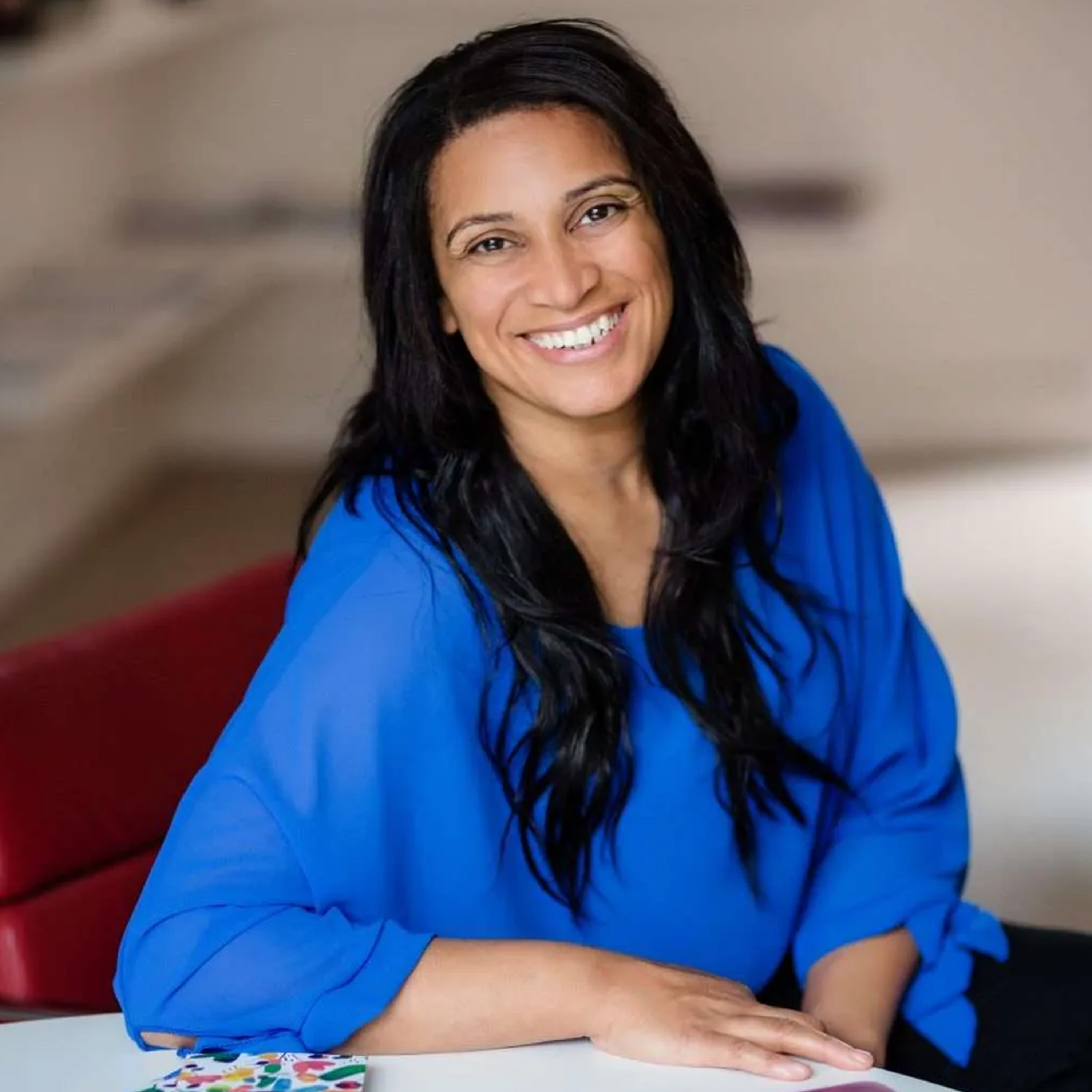
Ten Percent Braver: Championing Personal Resilience with Jaz Ampaw-Farr
Jul 100:39:48Tap to summarizeRecorded live at the 2026 National Planning Conference in Detroit, this special APA Podcast episode features an intimate and uplifting conversation between host Mike Johnson and NPC26 keynote speaker Jaz Ampaw-Farr— an internationally acclaimed British motivational speaker, leadership consultant, and self described "resilience ninja". Jaz earned mainstream recognition in the UK as a candidate on Series 9 of the BBC reality show The Apprentice and later via her popular TEDx talk, The Power of Everyday Heroes. Jaz recounts her challenging upbringing in foster care, the transformative impact of five teachers who believed in her, and how sharing her story led to global speaking engagements and her acclaimed book, "Because of You, This Is Me." The conversation explores practical strategies for planners to cultivate courage and resilience, including the concept of being "10% braver"—taking small, incremental steps toward positive change. Jaz emphasizes the power of courageous conversations, reframing "should" stories that hold us back, and the importance of self-care as a foundation for serving others. She also shares advice on authentic public speaking, overcoming imposter syndrome, and connecting meaningfully with audiences. Discover how empathy, engagement, and enrollment drive effective change, why acknowledging every success matters, and how planners, like runners in a relay race, contribute to a larger legacy they may never see bloom. This episode is packed with heartfelt anecdotes, practical wisdom, and a call to action for planners and everyday heroes to write their own stories and lead with authenticity. Episode URL: https://planning.org/podcast/ten-percent-braver-championing-personal-resilience-with-jaz-ampaw-farr/ Episode Sponsor: Booked on Planning 2026 Book Summit
Transcribe →
From Disinvestment to Renewal: Lessons from Detroit's Joe Louis Greenway
Jul 100:35:42Tap to summarizeThe Joe Louis Greenway is a 29-mile trail network connecting 23 neighborhoods and four cities across metropolitan Detroit, and it runs on land with a complex legacy of disinvestment, industrial use, and community displacement. Building the Greenway requires more than funding and construction. It requires trust. Recorded at the 2026 National Planning Conference in Detroit, this episode of Critical Conversations in Transportation Planning features Idrees Mutahr and Reuben Riggs-Bookman, PhD, the planning and implementation team behind the Greenway. They walk co-hosts Divya Gandhi and Em Hall through how their team built an engagement framework that goes far beyond typical public involvement, with more than 200 community meetings, a presence at a diverse array of events, and a deliberate effort to inherit and honor years of relational groundwork laid before either of them arrived. They also get honest about where that model has been tested. Greenway planning and transportation planning are related, but not the same. This conversation explores where they diverge, and what transportation planners can learn from a project that must be, all at once, a piece of infrastructure, a community commitment, and a down payment on a city's future. Episode URL: https://planning.org/podcast/from-disinvestment-to-renewal-lessons-from-detroits-joe-louis-greenway/
Transcribe →
Ryan Slattery, AICP, on Resilience, Community Trust, and Tough Conversations
Jun 1900:34:29Tap to summarizeHow do you protect communities from intensifying floods, heat, storms, and other hazards when the words around those risks can shut the conversation down? In this episode of People Behind the Plans , recorded live at NPC26, APA Editor in Chief Meghan Stromberg talks with Ryan Slattery, AICP , a resilience and hazard mitigation planner in Houston, about what it takes to keep difficult conversations moving when trust is fragile, language is loaded, and the stakes are real. Drawing on more than a decade of work helping communities prepare for and recover from shocks and stresses, Ryan reflects on why “meeting people where they are” is not about avoiding hard truths. It is about finding the way into conversations that matter. Along the way, he shares what planners can learn from criticism, why the best engagement starts with listening, and how the work of protecting communities continues even when the vocabulary gets complicated. Ryan also offers a window into planning from inside a large engineering firm, where resilience work can be shaped alongside stormwater, transportation, and environmental expertise from the start. He talks about where AI may help planners make sense of complex information — and where human judgment still matters most — as well as the growing tensions around data centers, water, and the conversations communities cannot afford to postpone. And because Houston is never just a backdrop, Ryan makes the case for an NPC27 itinerary with bayou trails for hiking and biking, culture in every direction, and plenty of great food along the way. It is a conversation about resilience, community trust, and the uncomfortable moments that can make planners better at the work. Episode URL: https://www.planning.org/podcast/ryan-slattery-aicp-on-resilience-community-trust-and-tough-conversations/
Transcribe →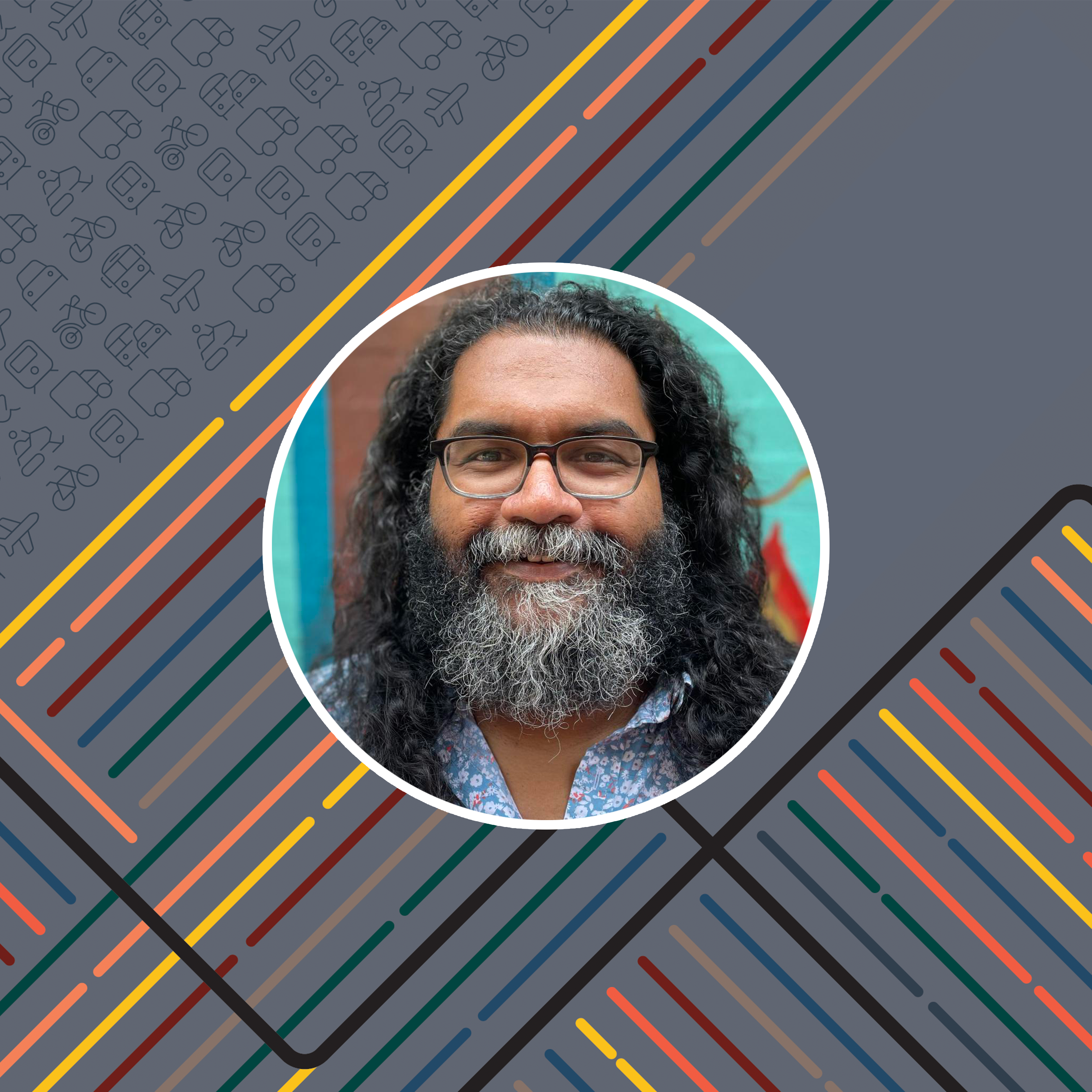
From Data Centers to City Streets: Rethinking Infrastructure in a Digital Age
May 2900:31:08Tap to summarizeCo-hosts Divya Gandhi and Em Hall continue the Critical Conversations in Transportation Planning series with a conversation that challenges transportation planners to reckon with a new kind of infrastructure: the data center. Recorded at the 2026 National Planning Conference in Detroit, this episode features Manny Patole, Industry Assistant Professor at NYU’s Center for Urban Science + Progress (CUSP), whose work sits at the intersection of community data science, environmental justice, and AI’s hidden physical footprint. Episode URL: https://www.planning.org/podcast/from-data-centers-to-city-streets-rethinking-infrastructure-in-a-digital-age/
Transcribe →
Planning Education, Uncertainty, and the Rapid Evolution of AI with Tom Sanchez, AICP
May 2700:34:48Tap to summarizeIn this episode of the Trend Talk podcast, a companion series for the 2026 Trend Report for Planners, Joe DeAngelis, AICP, research manager at the American Planning Association (APA), chats with author and professor Tom Sanchez, AICP. The two engage in a thoughtful discussion about the rapidly evolving landscape of artificial intelligence (AI) technology and planning, reflecting on the unpredictability of the future, the importance of learning from past trends, and the need for planners to remain both cautious and open-minded. The conversation emphasizes embracing uncertainty, leveraging intelligence to adapt and innovate, and the value of collaboration. The 2026 Trend Report for Planners is created by APA in partnership with the Lincoln Institute of Land Policy. Episode URL: https://planning.org/podcast/planning-education-uncertainty-and-the-rapid-evolution-of-ai-with-tom-sanchez-aicp/
Transcribe →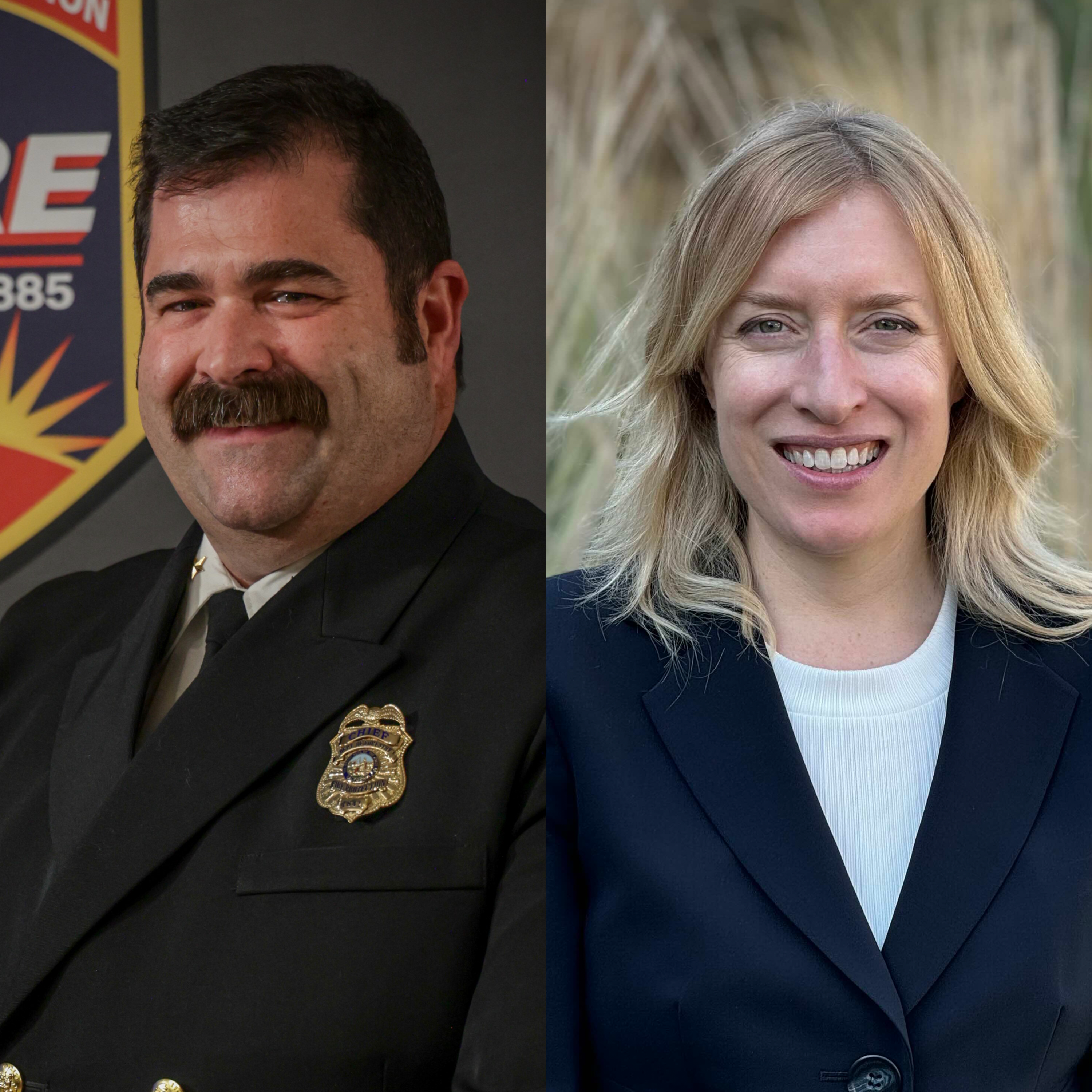
Resilient Landscapes: The Land Use Planning for Wildfires in California Training Program
May 1900:35:01Tap to summarizeIn this episode of the APA Podcast, Roberta Rewers, senior communications manager, explores California’s Land Use Planning for Wildfires in California Training Program, recipient of the 2025 Resilience and Sustainability Award. Joined by Molly Mowery, AICP, executive director of Community Wildfire Planning Center, and Matt Damon, staff chief of Community Wildfire Mitigation Assistance with CAL FIRE / Office of the State Fire Marshal, they discuss how the unique interdisciplinary program brings planners and fire officials together to reduce risk, strengthen collaboration, and improve long-term resilience. Episode URL: https://www.planning.org/podcast/resilient-landscapes-the-land-use-planning-for-wildfires-in-california-training-program/
Transcribe →
Connected Neighborhoods: The Joe Louis Greenway Neighborhood Study
Apr 2600:43:19Tap to summarizeIn this episode of the APA podcast, Roberta Rewers, senior communications manager, explores Detroit's Heavyweight Impact: The Joe Louis Greenway Neighborhood Planning Study for Inclusive Neighborhood Growth, recipient of the 2025 National Planning Excellence Award. Joined by Michele Flournoy, urban designer at Detroit's Planning Development Department, and Ashley DiCaro, senior associate at Interface Studio, they discuss how the Joe Louis Greenway Neighborhood Planning Study uses the greenway as a catalyst for neighborhood redevelopment, creates economic opportunity, and strengthens community ties to ensure nearby residents benefit from the greenway's investment. Episode URL: https://www.planning.org/podcast/connected-neighborhoods-the-joe-louis-greenway-neighborhood-study/
Transcribe →Governance, Preemption, and the Importance of Protecting Local Representation with Nestor Davidson
Apr 100:38:49Tap to summarizeIn this episode of the Trend Talk podcast, a companion series for the 2026 Trend Report for Planners, Joe DeAngelis, research manager at the American Planning Association (APA), sits down with Nestor Davidson, the Emma Bloomberg Professor of Real Estate at the Harvard Graduate School of Design. An urban law expert, Nestor delves into the complex dynamics between state and local governance, highlighting the adversarial relationships and the challenges of state preemption. Their conversation covers the importance of shared governance and the need to protect local representation, while acknowledging the shortcomings of local politics. They also explore how these issues intersect with broader environmental, political, and social trends, emphasizing their impact on cities, planners, and planning practices across the country. The 2026 Trend Report for Planners is created by APA in partnership with the Lincoln Institute of Land Policy.
Transcribe →