Podcast
Amplify Archaeology
Hosted by Neil Jackman, Abarta Heritage · EN
At Abarta Heritage, we try to tell the story of Ireland through our informative and immersive audioguides, audiobooks and podcasts.
Our professionally narrated guides are packed with facts and information but are also full of music and sound effects to help immerse you in the story.
We have guides for all over Ireland, and they can be enjoyed from the comfort of your own home or at the site. So hit play and let us whisk you off to Ireland's past!
11episodes
Episodes
Newest firstAll episodes
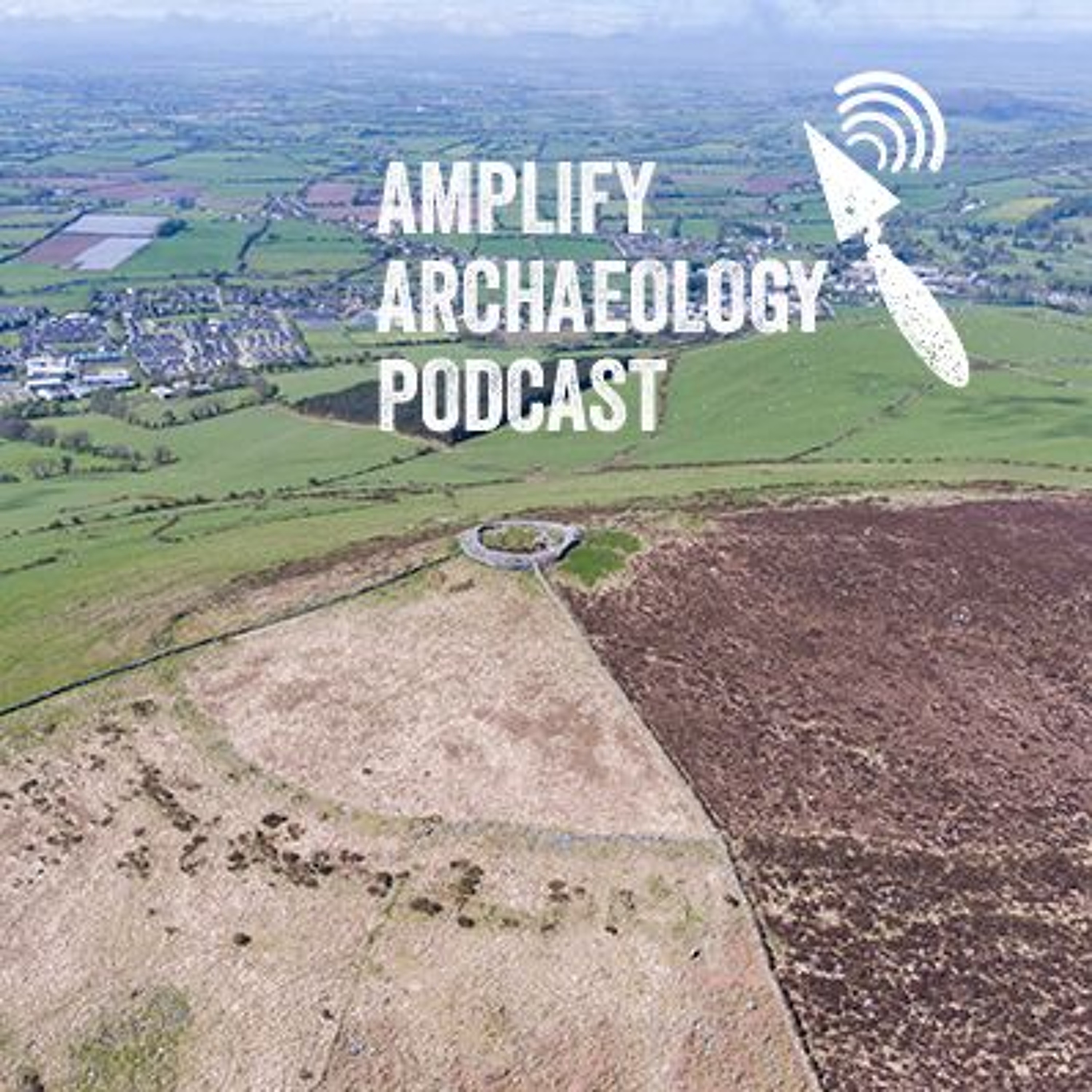
Irish Hillforts Amplify Archaeology Podcast
Nov 27, 202401:10:47Tap to summarizeIrish Hillforts are some of our largest monuments, though until recently they remained relatively enigmatic. In recent years Dr James O’Driscoll has started to uncover their story, he tells us all about it in this episode of Amplify Archaeology Podcast. Find more information and the shownotes on our website: https://www.abartaheritage.ie/irish-hillforts-amplify-archaeology-podcast/
Transcribe →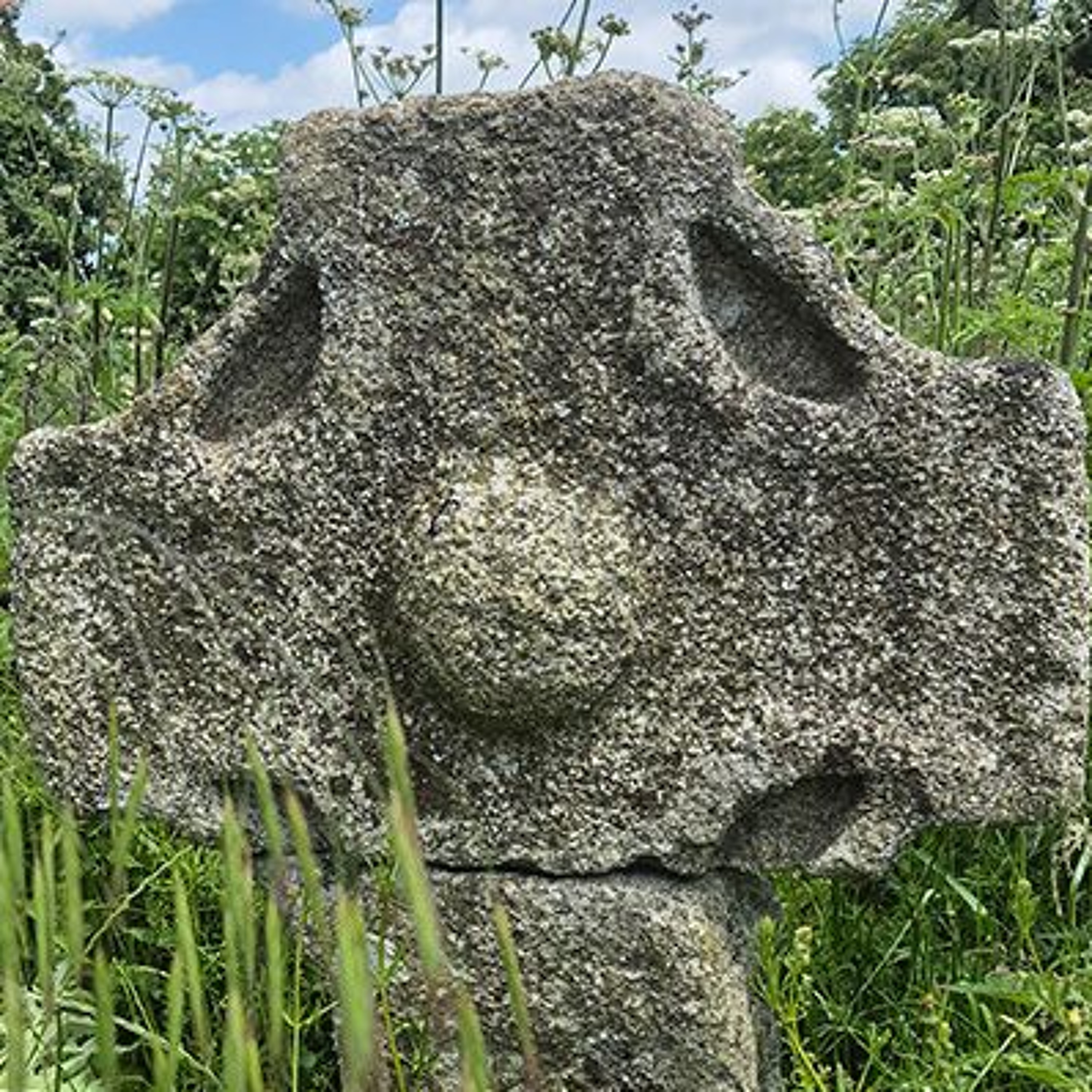
Tinryland Audio Guide
Nov 15, 202400:38:58Tap to summarizeWithin a short drive south of Carlow town are the rich agricultural lands of Tinryland. The village and its surrounding townlands have an abundant history that spans from the Mesolithic period to the modern age. In this audio guide, you can take a journey through time to uncover their stories. We will hear about the accidental discovery of Ireland’s first Linkardstown burial and of brave men who fought in the 1798 Rebellion, the Battle of Gettysburg, and the Battle of Little Bighorn. The area also has a strong ecclesiastical connection. The great monastic settlement of Ráith Melsigi once stood here, and it was from this monastery that the great St Willibrord travelled to Europe and spread the Christian faith to Luxembourg and the Netherlands. In this audio guide, you’ll also discover where Walt Disney’s ancestors are buried, Tinryland’s interesting connection to Ireland’s electrification, and the Ballybar Races, once considered the Cheltenham of Ireland. Discover more at https://www.abartaheritage.ie/tinryland-audio-guide/
Transcribe →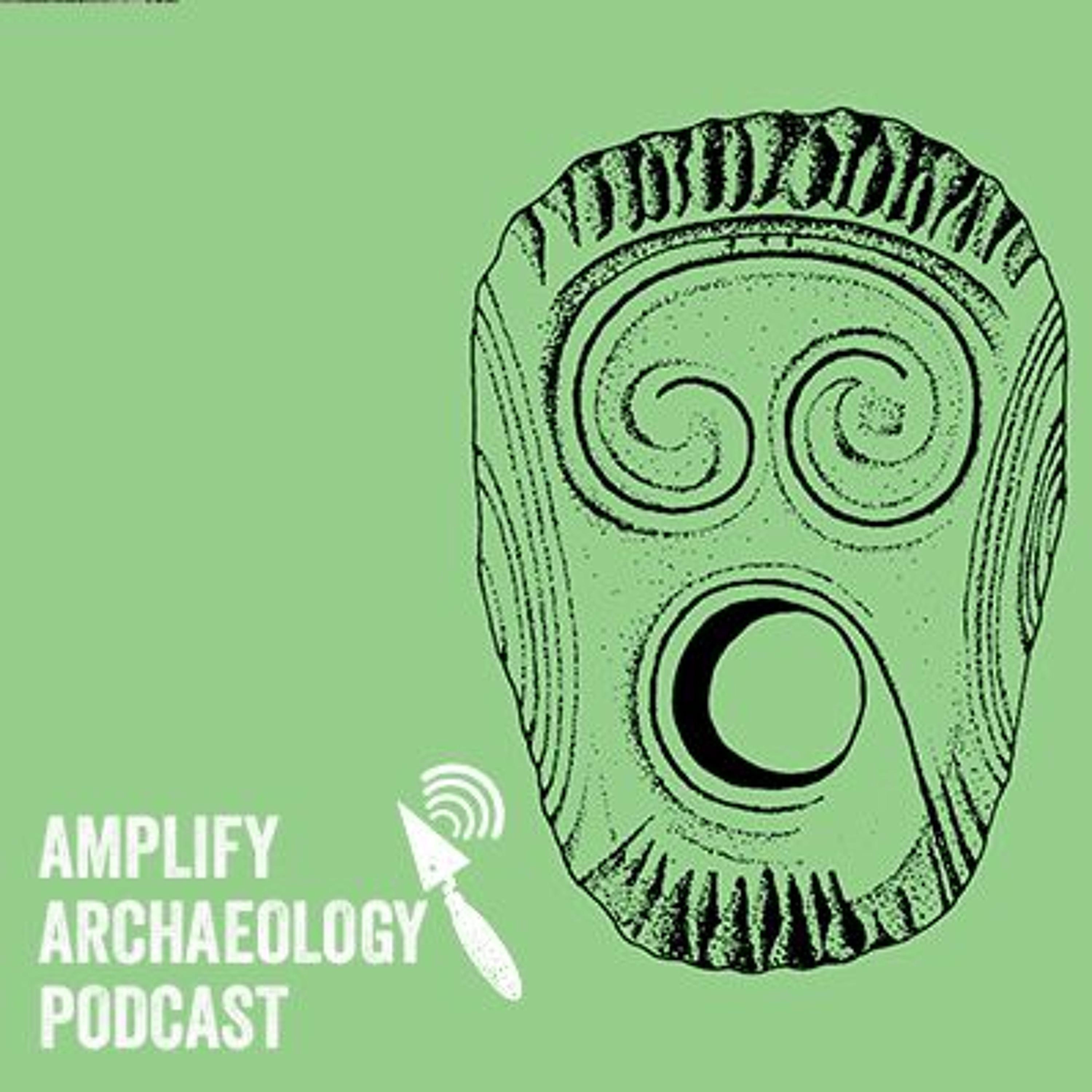
Excavations At Knowth - Amplify Archaeology Podcast
Sep 16, 202401:15:58Tap to summarizeThere are few places as deeply layered in stories as Knowth. Located in the famous bend of the Boyne like its near neighbour Newgrange, Knowth has been a place of significance for millennia. Through the Neolithic as a place of settlement and ritual, an Iron Age ancestral burial ground, an early medieval ‘royal’ residence of the kings of North Brega, and activity continued through the medieval period and onwards. Today Knowth is part of the celebrated Brú na Bóinne World Heritage Site, and visited by thousands of people every year. Its complex story was uncovered in a truly monumental series of excavations led by the late Professor George Eogan. In this episode of Amplify Archaeology Podcast, Neil chats with Dr Kerri Cleary who discusses those excavations and George’s incredible legacy in Irish archaeology, and describes the story of Knowth through time. Find out more on our website at https://www.abartaheritage.ie/excavations-at-knowth-amplify-archaeology-podcast/
Transcribe →
Places For The Living Podcast
Jul 18, 202400:52:48Tap to summarizeWelcome to our audiobook, ‘Places for the Living, Places for the Dead: Archaeological discoveries on the N25 New Ross Bypass’. This audiobook tells the story of the remarkable archaeological discoveries that have revealed the story of a landscape through time. Many significant sites were discovered during archaeological investigations along the N25 New Ross Bypass. The new road commences near Glenmore, Co. Kilkenny. The Rose Fitzgerald Kennedy Bridge, Ireland’s longest bridge, crosses the River Barrow and its reclaimed estuarine wetlands between Pink Rock and Stokestown, south of New Ross. East of the river it runs between a series of low hills – the prominent landmark of Slievecoiltia – a vantage point to which we will return over the course of this audiobook – and the medieval town of New Ross. At its northern end it passes east of Lacken Hill, crossing a ridge to its north before joining the N30 New Ross to Enniscorthy road. Along the bypass route, archaeologists working on behalf of Wexford County Council and Transport Infrastructure Ireland, uncovered more than 30 previously unknown archaeological sites, encountering evidence ranging from the Mesolithic hunter gatherers who were the first to people the landscape of the to the landlords and labourers of the 19th century whose capital and toil created the well-ordered agricultural landscapes that led to Wexford being known as the ‘Model County’. This audiobook tells the stories of some of those sites, revealing the travellers, farmers and traders that passed through. Some stayed longer than others but all left their mark and played a role in shaping this landscape through which the unstoppable River Barrow flows. The Barrow is one of three rivers – along with the Nore and the Suir – collectively known as the Three Sisters, which drain much of south Leinster and east Munster and flow into the Celtic Sea through Waterford Harbour. For more please visit https://www.abartaheritage.ie/places-for-the-living-places-for-the-dead-audiobook/
Transcribe →
Kilmovee Heritage Trail Audio Guide
Dec 11, 202300:45:20Tap to summarizeEncounter a megalithic tomb, ogham stone, holy well and stone fort as you explore the Kilmovee Heritage Trail. Where millennia of Mayo’s memories are written in stone. The quiet village of Kilmovee on the borderlands of Mayo and Roscommon is surrounded by a peaceful landscape full of stone walls and hedgerows. It is a scene that has remained largely unchanged for centuries. However, in these fields and along the quiet boreens, you can find many echoes of the past. Clues that this was a place of significance over centuries and where you might find a story around every corner. This audio guide will introduce you to some of these tales. Discover these tales that span millennia on our Kilmovee Heritage Trail Audio Guide. Together we’ll encounter centuries of stories – from a Neolithic court tomb to famous saints, a medieval cashel and intriguing legends. Throughout the guide, you will also hear from local residents who share the heritage, folklore and traditional Irish music that the village is known for. For the full story please visit: https://www.abartaheritage.ie/kilmovee-heritage-trail/
Transcribe →
St Brendan's Way Audio Guide
Nov 24, 202300:44:15Tap to summarizeThe St Brendan’s Way Heritage Trail explores the life and extraordinary journeys of St Brendan the Navigator, one of Ireland’s most famous saints. Experience the sights and sounds of St Brendan’s early years in Fenit, West Kerry for yourself, by following the 26km route of the Slí Bhreanainn or St Brendan’s Way. This heritage trail runs along the north of Tralee Bay; a wild coast that shaped the life of a young man who would become one of the most influential figures in the early Irish church. A figure that has inspired pilgrims and adventurers alike and whose reputation has travelled across the world. For the full episode please visit https://www.abartaheritage.ie/st-brendans-way-audio-guide/
Transcribe →
Death In Irish Prehistory Part Two Amplify Archaeology Podcast
Nov 15, 202301:26:37Tap to summarizeThis is the second part of an in-depth discussion with Professor Gabriel Cooney on his landmark publication – Death in Irish Prehistory. In this part, we take a chronological approach and look at continuity, change and belief over 8,500 years. Learn more at https://www.abartaheritage.ie/death-in-irish-prehistory-part-2-amplify-archaeology-podcast/
Transcribe →
Death In Irish Prehistory Part One Amplify Archaeology Podcast
Nov 12, 202300:55:31Tap to summarizeThis is the first part of an in-depth discussion with Professor Gabriel Cooney on his landmark publication – Death in Irish Prehistory. In this part, we discuss the archaeology of death, and how we know what we know. And what the types of evidence can reveal about life, death and belief in prehistoric Ireland. Don’t forget to subscribe for part two, where we take a chronological approach and look at continuity, change and belief over 8500 years. Learn more at https://www.abartaheritage.ie/death-in-irish-prehistory-part-1-amplify-archaeology-podcast/
Transcribe →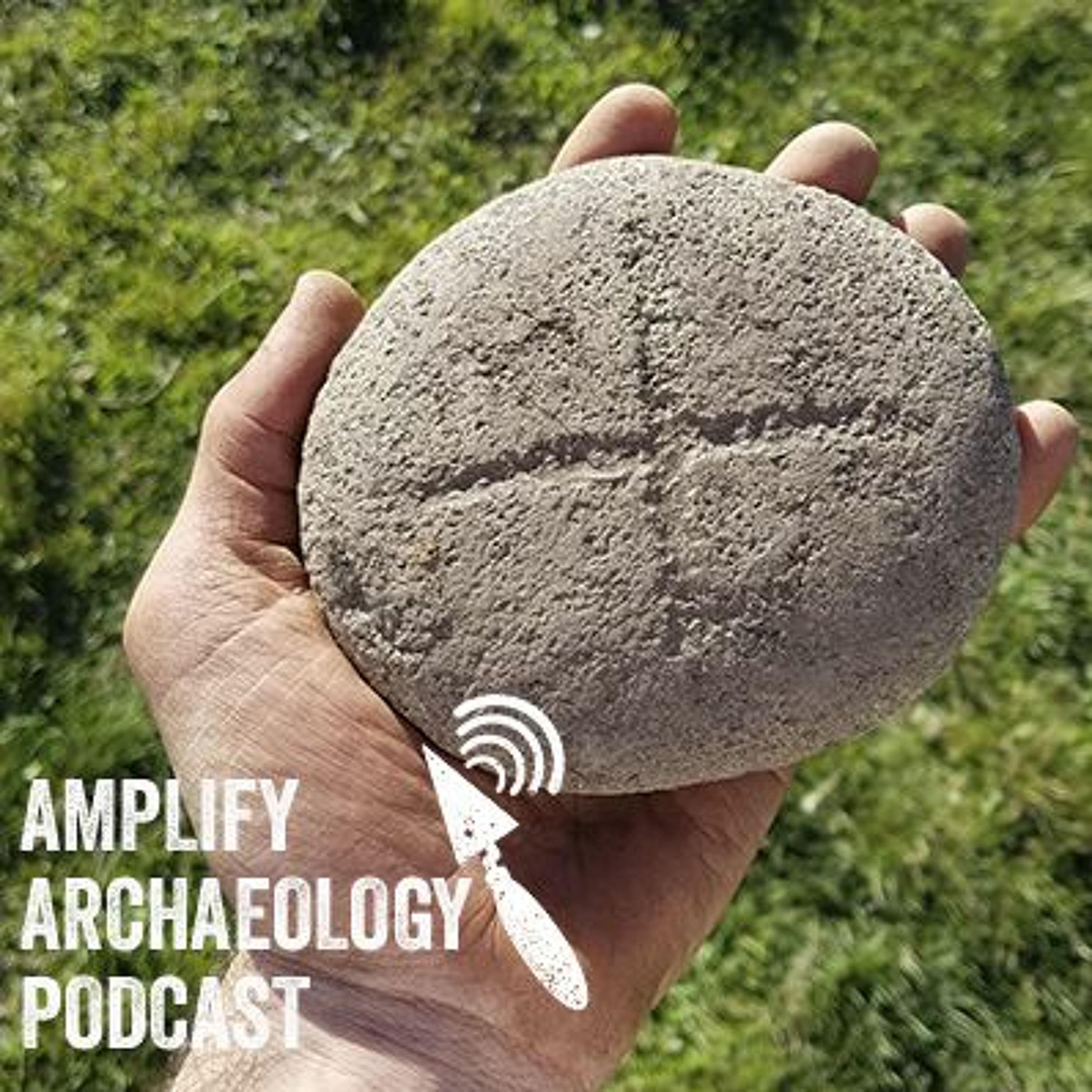
Island Pilgrimage Cures And Curses Amplify Archaeology Podcast
Oct 10, 202301:27:45Tap to summarizeIn this fascinating discussion with Tommy Burke and Dr Ryan Lash we discuss aspects of pilgrimage, faith and folklore on Inishbofin and Inishark. The islands of Inishbofin and Inishark lie off the western coast of County Galway. This discussion with Tommy Burke and Dr Ryan Lash, looks at some of the key features of the pilgrimage landscape of the islands, and we hear about the discoveries of the research excavations that have taken place in recent years. We discuss holy wells and their origins, and folk belief around cures and curses. We also hear about the skulls taken in the 19th century from St Colmán’s Monastery, and the efforts by the local community and others in helping to secure their return after more than a century. From cures, curses, wells and wonders, this is a wide ranging chat, I hope you enjoy the episode! You can find the full episode and shownotes here: https://www.abartaheritage.ie/island-pilgrimage-amplify-archaeology-podcast/
Transcribe →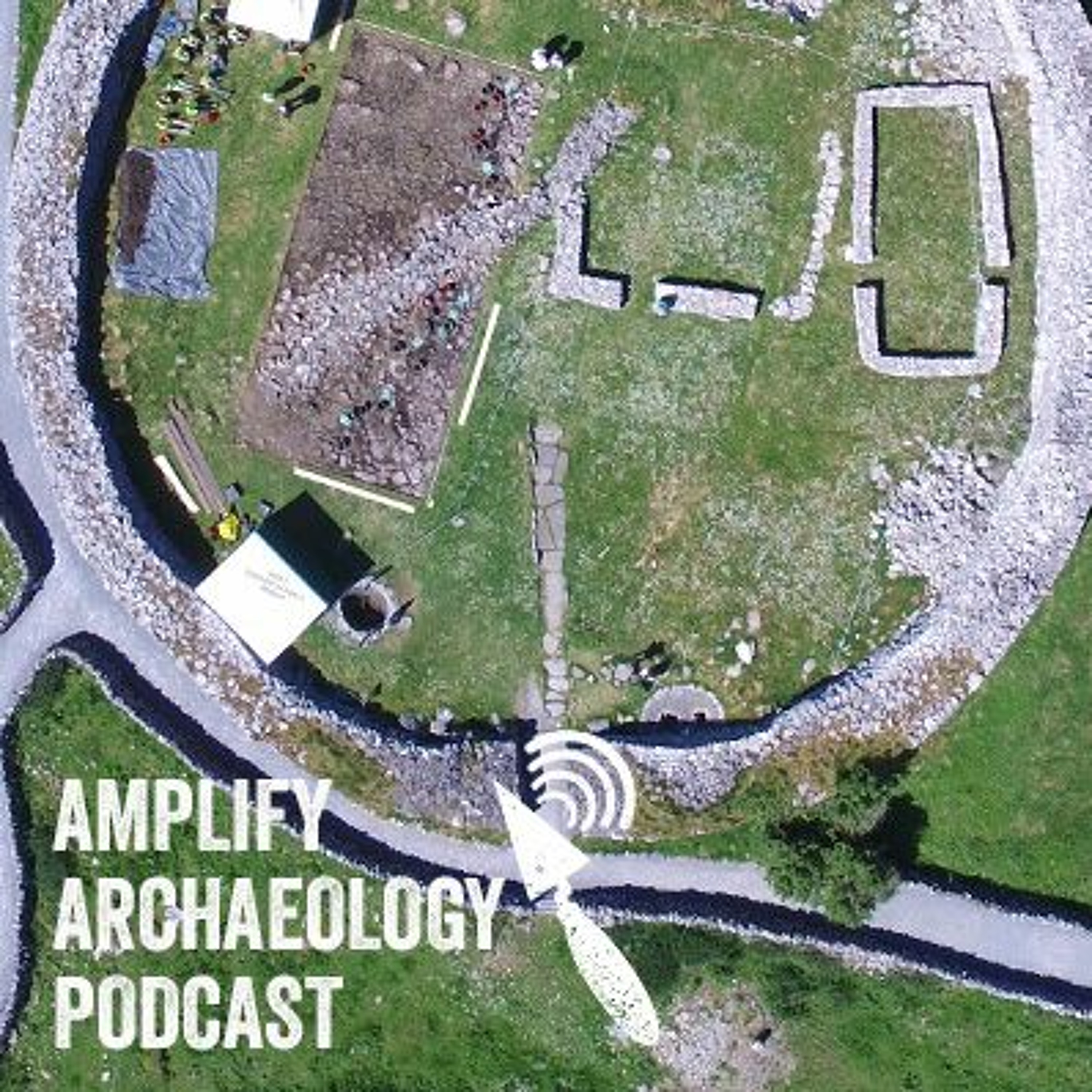
Excavations At Caherconnell Fort - Amplify Archaeology Podcast Episode 38
Jul 8, 202300:52:38Tap to summarizeIn this fascinating discussion with Dr Michelle Comber, we discuss the excavations, the wealth of archaeology in the Burren, and generational continuity at Caherconnell Fort. We also hear from some of the excavation team who tell us of their experiences.
Transcribe →