← Ancestral Findings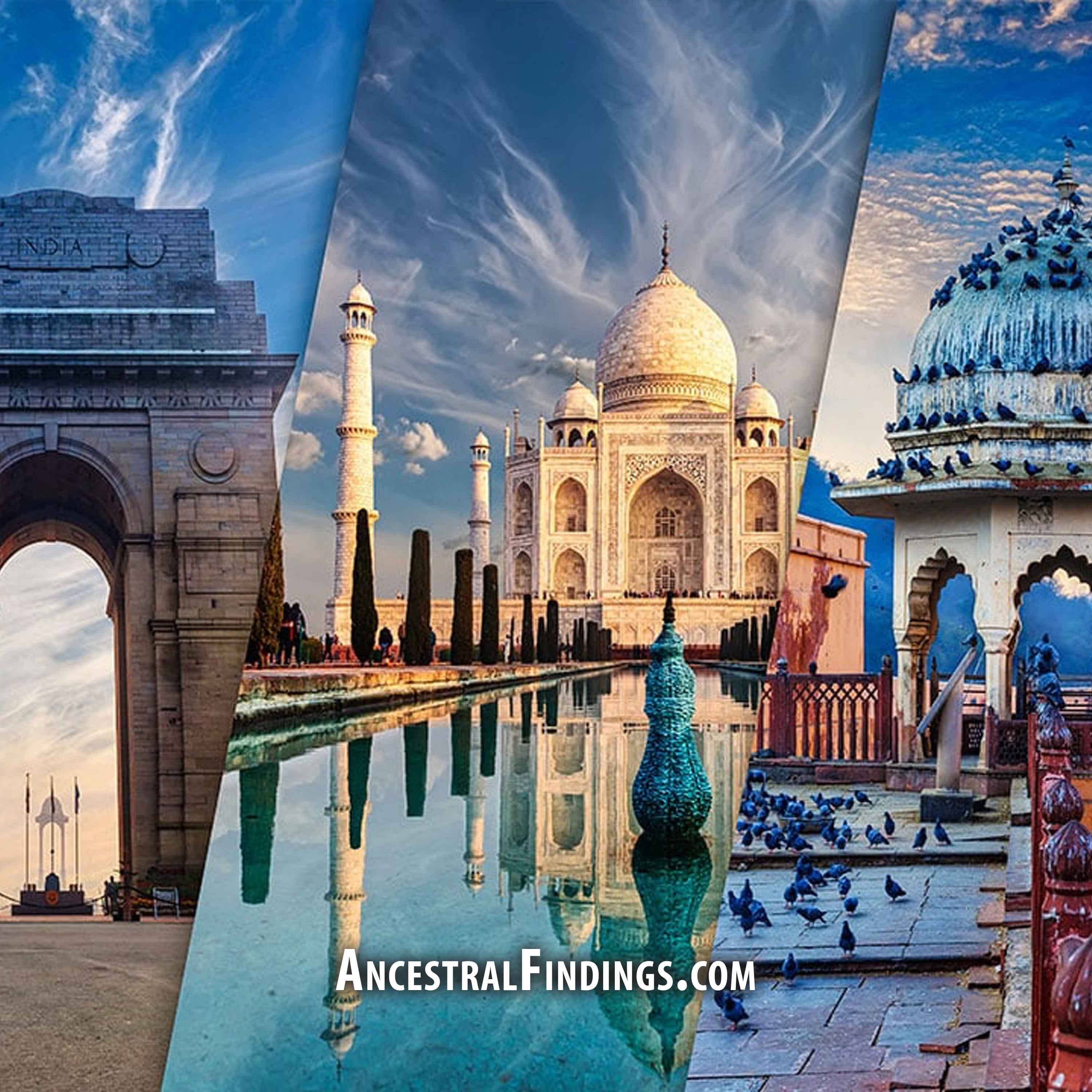
Loading summary
Transcript2 lines
- [00:01]
A
Welcome back to the Ancestral Findings podcast. India, with its diverse cultures, ancient traditions, and rich historical background, offers an intriguing yet complex landscape for genealogical research. For anyone with roots in this vast nation, tracing family history can be an incredibly rewarding endeavor. But it comes with unique challenges. From the intricate caste system to various religious customs and languages, Indian genealogy requires a bit of extra detective work, patience, and a willingness to navigate many different sources. Understanding how to research your ancestry in India involves delving into both formal records and oral traditions. Let's start with an introduction to Indian genealogy, helping you get started on your journey into the past. India is a country where history is everywhere in the languages spoken, the temple standing tall for centuries, and the stories passed down from generation to generation. Families in India often take pride in their lineage, and many communities have meticulously maintained family histories, especially within religious and caste groups. However, much of this information is scattered and often not found in one central archive. Unlike in many Western countries, where national archives may contain extensive birth, death, and census records, Indian records are often kept locally, sometimes in temples, mosques, or private family collections. The challenge is piecing together these various sources to build a cohesive family history. Religion plays a central role in Indian culture and as a result, is one of the primary sources of genealogical information. And each major religion in India has its own methods of record keeping. Temple records may be key to understanding the lineage of Hindu families. Priests often kept family histories, especially if the family had a long standing relationship with the temple. Records may include rituals, performed births, marriages, and death ceremonies. Some Brahmin communities also kept detailed genealogical charts called kuldevi, or family goddess records. In Islamic communities, family histories can often be found in mosque records. Nikkinama, marriage contracts, and other religious documents can provide valuable insights. Additionally, many Muslim families kept written records within their own households. Christianity Christian families in India, particularly those with ties to British missionaries or the Portuguese in Goa, often have access to church archives that contain baptism, marriage, and burial records. Many of these records date back to colonial times. Sikhs, especially in Punjab, also have strong family ties. Recorded through gurdwaras, the community often preserved written family records through these religious institutions. The British ruled India for almost 200 years, and during that time they left behind a treasure trove of records. Plenty of documentation may be available in the colonial archives if your ancestors were involved in government, military service, or land ownership. During the British period, the British meticulously kept records, especially land transactions, censuses, and military service. These records can be invaluable for tracing Indian ancestry. In fact, the British conducted the first modern census in India in 1871, which offers an excellent source for family researchers. However, accessing these records may require going through British or Indian national archives, local municipal records, or even church archives that maintained vital information at that time. One unique aspect of Indian genealogy is the influence of the caste system. India's social structure is deeply intertwined with caste, which has historically governed marriage, idols, occupation, and even geographic mobility. Certain castes, such as Brahmins, priests, and scholars, or Kshatriyas warriors, maintained detailed genealogies, passing down family trees through generations. Caste also played a role in how records were kept. Many villages and communities had hereditary record keepers, known as purohits or bhats. These individuals often maintained detailed records of family histories, especially for higher castes. Accessing these records today requires connecting with local historians, temple priests, or scholars familiar with the particular caste's history. One of the biggest challenges in Indian genealogy is language. India has more than 1,600 languages and dialects, and many historical records are written in regional languages. While English is widely used in modern India, older records may be in Hindi, Tamil, Bengali, Telugu, Marathi, or any number of other regional languages. Genealogists often need translators or experts familiar with the specific script to overcome language barriers. For example, some older records may be in Devanagari, used for Hindi and Sanskrit, or regional scripts like Tamil, Telugu, or Urdu. Working with local archivists or hiring translation services is often necessary to navigate these documents. In India, oral tradition holds as much value as written records. Families, particularly in rural areas, often pass down stories through generations, preserving their history without formal documentation. These oral histories can be incredibly valuable when piecing together family trees, especially when combined with other sources like temple records or land documents. For many Indian genealogists, the key to success lies in sitting down with elders and listening to their stories. Documenting these oral histories preserves family memories and provides clues about migration, caste, or community connections that might be hard to find elsewhere. Indian genealogy isn't limited to the subcontinent. Over the centuries, many Indians have migrated abroad, forming diaspora communities in countries like Trinidad, Guyana, Fiji, and Kenya. These migrations, often prompted by British colonial policies, scattered Indian communities across the globe. Descendants of indentured laborers, traders, and migrants often seek to trace their family history back to India. Researching Indian ancestry from abroad requires a different approach. Connecting with diaspora organizations, visiting local archives in these countries, or even working with genealogists in India can help reconnect families with their roots. Though exciting, Indian genealogy comes with its challenges. Fragmented. Unlike some Western countries with centralized record systems, India's records are often scattered between religious institutions, local archives, and private collections. Multiple scripts and languages as mentioned earlier, the variety of languages can be daunting, requiring translation services and knowledge of regional scripts. The reliance on oral history means that written documentation may be sparse, and verifying information from oral traditions can be difficult without supporting records. Lack of access to some archives in some cases, local customs or lack of digitization can make accessing records difficult, particularly in remote areas or private hands. Here are a few tips to begin your Indian genealogy journey. Start with family Gather as much information as possible from relatives. This includes names, birthplaces, religious affiliations, and any known family stories. Explore religious records. Contact temples, mosques, churches, or gurdwaras to see if they maintain family records. Look into online databases. Some genealogy websites now offer Indian records, although coverage can Vary, websites like FamilySearch, MyHeritage, and Ancestry have growing collections of Indian records. Hire a local genealogist if your search requires visiting local archives or navigating complex records, working with a genealogist based in India can be extremely helpful. Indian genealogy offers researchers a unique and rewarding challenge. Whether tracing ancestors within India or among the global Indian diaspora, the journey offers insight into family histories and the history and culture of one of the world's most diverse and ancient nations. By combining oral traditions, religious records, colonial archives, and local resources, genealogists can uncover rich stories that connect them to their heritage. If you've got a hard to find ancestor you're stuck on, I'd love to hear about it. Just head over to ancestralfindings.com and click on Contact to send me a message. While you're there, take advantage of our free weekly genealogy lookups, explore thousands of articles, and enjoy hundreds of podcast episodes. We've been helping family history researchers since 1995, and if you're looking for even more, check out our Genealogy Gold Q and A series over on Patreon. Thanks for listening and, as always, happy searching.
- [09:38]
B
High interest debt is one of the toughest opponents you'll face unless you power up with a SOFI personal loan. A SOFI personal loan could repackage your bad debt into what? Low fixed rate monthly payment. It's even got super speed, since you could get the funds as soon as the same day you sign. Visit sofi.compower to learn more. That's S-O-F I.com P-O-W-E-R loans originated by Sofi Bank NA member FDIC terms and conditions apply. NMLS 696891.