← Ancestral Findings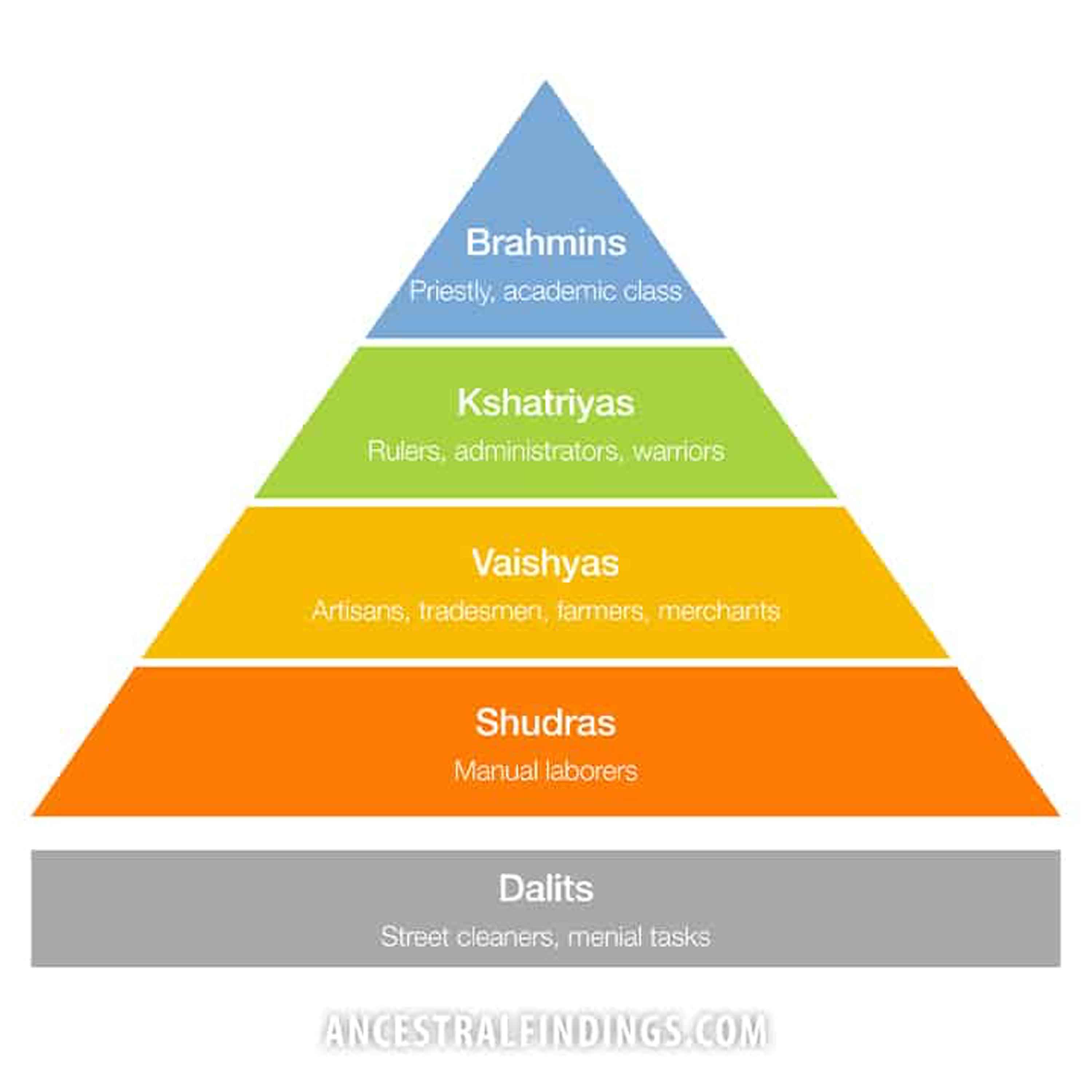
Ancestral Findings
AF-1184: Understanding Caste and Community Records in Indian Genealogy | Ancestral Findings Podcast
00:08:42
Loading summary
Transcript2 lines
- [00:01]
A
Welcome back to the Ancestral Findings podcast. India's social structure, particularly the caste system, has long shaped family histories and relationships. For genealogists, understanding how caste and community records were kept and where to find them can open up new paths for discovering ancestors. Let's explore the role of the caste system, the different types of records available, and practical steps you can take to access these genealogical treasures. What is the caste system and why does it matter for genealogy? The caste system is a social hierarchy that has deeply influenced Indian society for centuries. Though the system is far less prevalent today, it played a critical role in shaping family lines, marriage customs and community roles. Traditionally, people were born into a specific caste, which often determined their profession, social status and even religious responsibilities. Understanding your ancestors caste can provide important clues about their role in society, the types of records that were kept and where to search for those records. For instance, a Brahmin family might have more extensive genealogical records preserved in temples, while a merchant family might have community led records tied to trade and and land ownership. Each caste and community in India had its own methods for recording family histories. Let's break down the main types of records you might encounter and how to find them. Kuldevi Records Family goddess records what are they? These records are specific to Brahmin families and detail generations of family members, their roles in religious rituals, and their connection to particular temples. Where to find them Typically, you'll need to visit the temple where your family worshipped. Family priests, purahits or temple custodians may have these records preserved over generations. Bat records Hereditary genealogists what are they? Bahts, particularly in Rajasthan and Gujarat, were hereditary record keepers for families in warrior and merchant castes. They maintained detailed family trees that often go back hundreds of years. Where to find them these records are usually held by community elders or local historians. You may need to travel to these regions to access them or hire a local genealogist familiar with the tradition. Gotra and Pravaras what are they? Gotra is an ancestral lineage passed down through male descendants. Pravaras are subdivisions within gotras that trace the family back to specific sages or religious leaders. Where to find Many families, particularly Brahmin communities, maintain these records. Consulting family elders or visiting temples where your ancestors worshiped is a good starting point. Practical tips for Accessing caste and community records Start with what you know. Ask your relatives about your family's caste and community connections. Simple details like the temples they visited or the communities they were part of can give you valuable clues. Don't hesitate to dig into your family's oral histories Ask older relatives about their memories of family rituals, marriages, or priest visits. These oral traditions can often lead you directly to important documents or contacts. Temples, mosques, and churches are key recordkeeping centers in Indian genealogy. For instance, many Brahmin families have their genealogies kept by the family's temple priest or purahit. These priests sometimes keep detailed records for centuries, especially for families who perform regular rituals. When contacting a religious institution, be prepared to offer as much detail as possible. Knowing the family's involvement with the temple, such as participation in festivals or specific rituals, may make it easier for the priest or custodian to help you locate records. In some regions, professional genealogists or local historians have inherited the responsibility of maintaining family records for generations. These professionals can be invaluable for accessing older documents that may not be publicly available. Visit or contact state archives in areas like Rajasthan, Gujarat, or Kerala. These regions have a long history of maintaining caste and community records and often collaborate with local genealogists. India's diversity means that caste and community records can vary greatly depending on the region. Here's a quick guide to what you might find in different parts of India. North India Rajasthan Gujarat what yout'll Find in Rajasthan and Gujarat Bhaats Hereditary genealogists have maintained caste based records for centuries. These are especially valuable for tracing Rajput warrior lineages or merchant families. Where to search look for regional archives or contact Baats directly. Many still practice their hereditary role as genealogists and keep detailed records. South India Tamil Nadu Kerala what you'll FIND Temple records are often the most valuable source of genealogical information. Some families have records tracing their ancestry through the temple's involvement in religious rituals. Where to search Major temples, such as those in Maedurai or Thrisur, often have extensive records. It's best to contact the temple in advance to see if they offer genealogical services. West India Maharashtra Goa what you'll Maharashtra's Brahmin communities have well preserved genealogical records in temples, while Goa's Christian population may have baptismal and marriage records dating back to the Portuguese colonial period. Where to search Contact the relevant religious institution to find out what records it maintains. While caste and community records are a treasure trove for genealogists, accessing them isn't always easy. Here are a few challenges you may encounter along with tips to overcome them. Many caste records are written in local languages or ancient scripts, which can make them difficult to decipher. Work with a translator or someone familiar with the regional dialect and script. Many genealogists in India specialize in reading and interpreting these records. Some families consider their caste records private and religious institutions may restrict access to outsiders. Approach community leaders with respect and a clear purpose. Explaining your genealogical research and expressing the importance of the records to your family history may encourage more openness. Many Indian genealogical records are oral rather than written, making them more difficult to verify. Sometimes oral traditions passed through the family might not match up exactly with written records. Treat oral histories as an important piece of the puzzle. They can provide context and help verify the information you gather from other sources. Understanding caste and community records is key to unlocking the deeper layers of Indian genealogy. These records do more than just list names they offer insights into your ancestors, societal roles, professions, and religious duties. Combining these records with oral histories and regional archives allows you to better picture your family's place in India's history. With persistence, patience, and the right approach, caste and community records can take your genealogy research to the next level, revealing stories that connect you to your ancestral heritage. If you've got a hard to find ancestor you're stuck on, I'd love to hear about it. Just head over to ancestralfindings.com and click on Contact to send me a message. While you're there, take advantage of our free weekly genealogy lookups, explore thousands of articles, and enjoy hundreds of podcast episodes. We've been helping family history researchers since 1995, and if you're looking for even more, check out our Genealogy Gold Q and A series over on Patreon. Thanks for listening and as always, happy.
- [08:41]
B
Searching Marketing is hard, but I'll tell you a little secret. It doesn't have to be. Let me point something out. You're listening to a podcast right now and it's great. You love the host. You seek it out and download it. You listen to it while driving, working out, cooking, even going to the bathroom. Podcasts are a pretty close companion. And this is a podcast ad. Did I get your attention? You can reach great listeners like yourself with podcast advertising with from Libsyn Ads, choose from hundreds of top podcasts offering host endorsements or run a pre produced ad like this one across thousands of shows. To reach your target audience in their favorite podcasts with Libsyn ads, go to libsynads. Com. That's L, I B S Y N ads. Com today.