← Ancestral Findings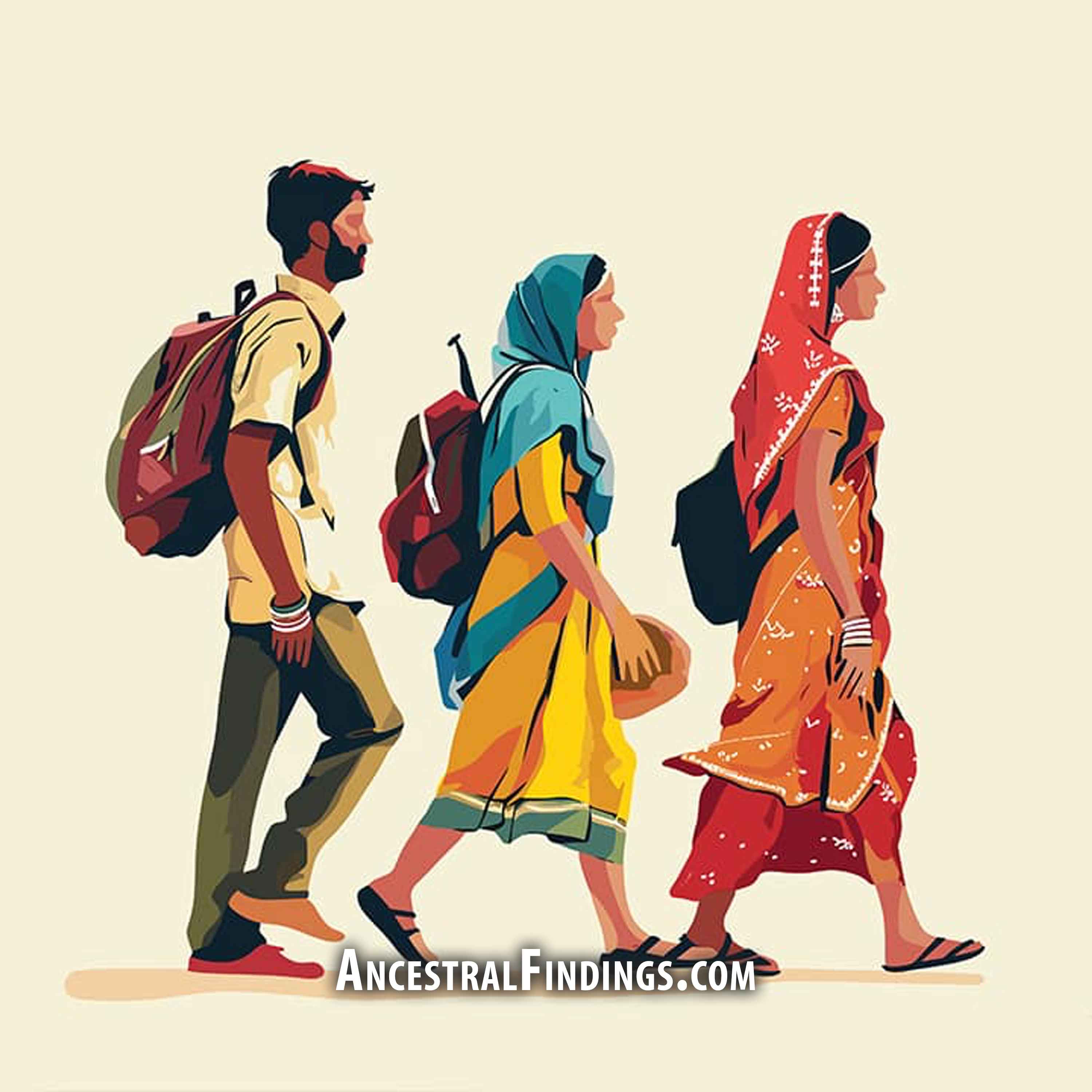
Ancestral Findings
AF-1186: The Indian Diaspora: Tracing Indentured Labor and Migration | Ancestral Findings Podcast
00:07:51
Loading summary
Transcript2 lines
- [00:01]
A
Welcome back to the Ancestral Findings podcast. The story of the Indian diaspora is one of both hardship and resilience. During British colonial rule, millions of Indians were sent abroad as indentured laborers, forming a global network that stretched from the Caribbean to Africa and the South Pacific. The movement of people wasn't just a simple relocation. It was driven by economic needs, social changes, and political agendas that shaped shaped Indian families for generations. The roots of Indian migration under British rule lie in the early 19th century. Following the abolition of slavery in the British Empire in 1833, plantation economies in places like the Caribbean, Mauritius and Fiji still needed labor for sugar and other cash crops, and the British turned to India as a vast labor resource. The indenture system, often referred to as the new slavery, began to take shape. Early Recruitment the British first started recruiting Indian laborers for Mauritius in 1834. This was an experiment to replace slave labor with Indians being shipped to work on sugar plantations. By the end of this early period, nearly 30,000 Indians had migrated to Mauritius alone. Indentured labor system takes hold 1840s through 1917 with the experiment's success in Mauritius, the British expanded the indentured labor system to other colonies. This period saw large scale recruitment of laborers from the northern regions of India, especially Uttar Pradesh and Bihar, and southern regions like Tamil Nadu. The main destinations were the Caribbean, Trinidad, Guyana, Suriname, Fiji and parts of Africa, Kenya, South Africa the contracts were typically for five years, but the harsh conditions, low wages, and cultural isolation made it nearly impossible for many to return home. By the end of this period, more than 2 million Indians had been sent abroad. Life on the Plantations Life for indentured laborers was grueling. They worked long hours in sugarcane fields, often under oppressive conditions. The promises made by British recruiters rarely matched the reality. Laborers were subjected to harsh disciplinary measures, lived in overcrowded conditions, and were paid meager wages. Despite the hardships, many communities managed to maintain their cultural traditions, keeping languages, range, religious practices, and even aspects of Indian cuisine alive. Post Indenture Communities when the indenture system was officially abolished in 1917, due to growing criticism from human rights groups and Indian nationalists, many laborers were allowed to return to India. However, by this point, many had already laid down roots in their new countries, choosing to stay and build new lives. This period saw the formation of Indian diaspora communities that became central to the social and economic fabric of places like Trinidad, Fiji, and Mauritius. These communities continued to grow and eventually played significant roles in the political movements of their adopted countries. The impact of the Indian diaspora can be seen in the cultural landscapes of many countries in the Caribbean, for instance, Indian festivals like Diwali and Holi have become national celebrations. Blending Indian traditions with Caribbean influences. Indo Fijians have preserved religious practices, languages and cultural traditions in places like Fiji, even as they integrated into local societies. Here are the key destinations for Indian the Caribbean by the late 19th century, Indian communities in Trinidad, Guyana and Suriname had established their presence, bringing Indian festivals, food and religious practices into the local culture. By the end of the indenture period, Indians made up a significant portion of the Mauritian population. Today, most of Mauritius population is of Indian descent and Indian culture plays a central role in national identity. Indians were brought to Fiji to work on sugar plantations and despite political struggles and discrimination, they they have shaped the country's political and economic life. In Kenya and South Africa, Indian communities grew as laborers worked on railways and plantations, contributing significantly to the anti colonial movements in these countries. Many descendants of indentured laborers are now exploring their family histories, trying to reconnect with their Indian roots. Fortunately, the British Empire's bureaucracy resulted in extensive records of these migrations. Ships, passenger lists, contracts, plantation records and other documents are invaluable tools for tracing the journey of Indian ancestors. Many indentured laborers traveled on specific ships and these records, often meticulously maintained, can provide details about the person's name, age, caste and village. Contracts typically outlined the terms of their work and included additional information such as the laborer's destination and expected return date. The National Archives of India the repository of many indentured labor contracts, passenger lists and employment records. These documents offer a detailed look at who left India and where they went. Mauritius National Archives this archive contains labor records and detailed accounts of the Indian migration to Mauritius, including family links and property details. The National Archives UK as the administrative centre of the British Empire, the UK holds a vast collection of records related to Indian migration, including ship logs and contracts from the Caribbean, Africa and the Pacific. Trinidad, Guyana, Suriname These archives house records related to indentured labor, including detailed employment contracts and plantation records. FamilySearch and both platforms have growing collections of digitized records related to Indian migration, offering easier access to family history. The story of Indian migration is a story of survival, adaptation and resilience for descendants of the Indian diaspora. Tracing this journey through historical records offers a chance to uncover family histories and connect with a shared cultural heritage that spans. By exploring these documents and piecing together the past, you can discover the struggles and triumphs of your ancestors, understanding how their experiences helped shape the world we live in today. If you've got a hard to find ancestor you're stuck on? I'd love to hear about it. Just head over to ancestralfindings.com and click on Contact to send me a message. While you're there, take advantage of our free weekly genealogy lookups, explore thousands of articles and enjoy hundreds of podcast episodes. We've been helping family history researchers since 1995, and if you're looking for even more, check out our Genealogy Gold Q and A series over on Patreon. Thanks for listening and as always, happy.
- [07:50]
B
Searching Marketing is hard, but I'll tell you a little secret. It doesn't have to be. Let me point something out. You're listening to a podcast right now and it's great. You love the host. You seek it out and download it. You listen to it while driving, working out, cooking, even going to the bathroom. Podcasts are a pretty close companion. And this is a podcast ad. Did I get your attention? You can reach great listeners like yourself with podcast advertising from Libsyn Ads. Choose from hundreds of top podcasts offering host endorsements, or run a pre produced ad like this one across thousands of shows. To reach your target audience in their favorite Podcasts with Libs synads, go to libsynads. Com. That's L I B S Y N Ads. Com. Today.