← Ancestral Findings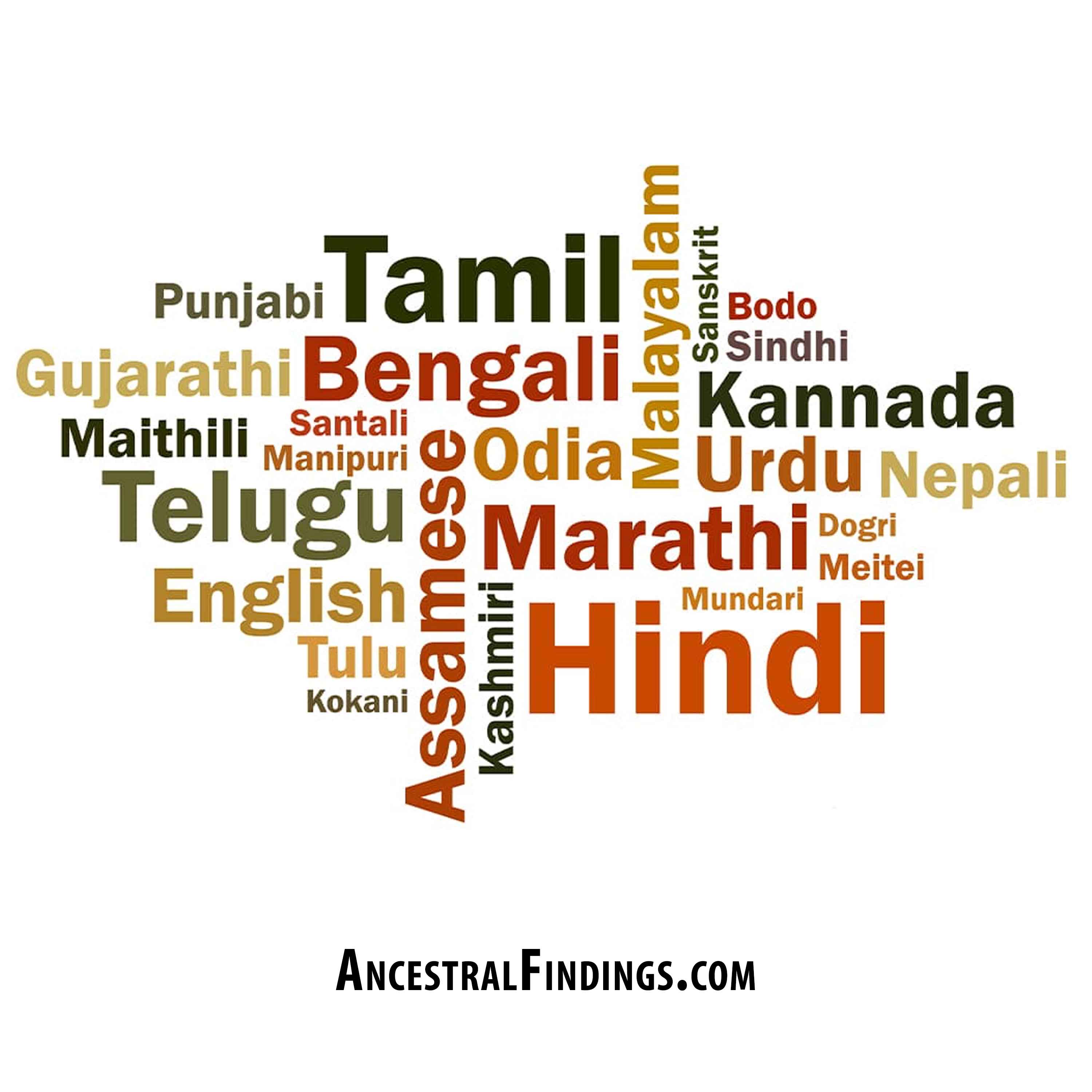
Ancestral Findings
AF-1189: Navigating Language Barriers in Indian Genealogy | Ancestral Findings Podcast
00:07:41
Loading summary
Transcript4 lines
- [00:01]
A
Welcome back to the Ancestral Findings podcast. India's rich linguistic diversity is both a cultural treasure and a challenge for genealogical research. With over 20 officially recognized languages and countless regional dialects, navigating family records requires more than just a knowledge of genealogy. It demands understanding the country's linguistic landscape and the right tools to decipher records that can reveal your family's past. But the good news is that with the right strategies, you can overcome these language barriers and unlock a wealth of genealogical information. India's historical records are written in various languages and scripts depending on the region, religion and time period. Some of the most common languages Hindi, spoken in North India and used in many governmental records Tamil, a classical language in Tamil Nadu with a long history of inscriptions and family records Bengali, common in West Bengal, known for its literary tradition and historical documents Urdu, used historically by Muslim communities often found in marriage and death records widely used during and after British rule for official documents and legal records. Other regional languages like Marathi, Gujarati, Canada, Telugu, and Malayalam are equally important in their respective regions. Each language may also have several dialects or regional scripts that can pose additional challenges for researchers. A major hurdle in Indian genealogy is deciphering handwritten records in regional scripts. These documents, whether written in Hindi, Tamil, or Bengali, can be difficult to interpret due to fading ink, poor paper quality, or variations in spelling and grammar from different time periods. Colonial era English records are often written in cursive or administrative shorthand, making them tricky to read as well. Here is an A family in Kerala might find an old property deed written in Malayalam, but the script may have been altered over time, making it difficult for modern day readers. A researcher might come across a letter written in Persian, which is common in Muslim communities and struggle with its legibility. Use online translation tools Although tools like Google Translate are limited in handling historical terms, they can still help with basic translations. It's not perfect, but it's a useful first step. Learn genealogical vocabulary Familiarize yourself with common terms like birth, marriage, death, land, and inheritance in the language you're working with. This will help you identify critical information in the records even if you don't fully understand the text. Some genealogical websites offer glossaries for key terms in various Indian languages. Work with professional translators it's worth investing in a professional translator specializing in the language or script you need help with for complex or handwritten records. Many professional translators are familiar with historical and genealogical records and can help decipher archaic terms. Local expertise Regional archives, universities and libraries are often staffed by individuals familiar with the language and history of their area. Contacting these experts can provide invaluable assistance, especially when dealing with obscure dialects or scripts. Engage with online Communities There are online communities and forums dedicated to Indian genealogy where members often help each other by offering translations or insights. These communities can be a treasure trove of knowledge and resources for overcoming language related challenges. Genealogical Software with Multilingual Support Some genealogical software programs support multiple languages and scripts, making it easier to input and organize family records even if they are written in different languages. Software like Legacy Family Tree or rootsmagic can be used to manage complex family trees with multilingual components. Handwritten records pose a unique challenge in Indian genealogy, particularly because scripts have evolved over time. Deciphering them requires both skill and experience. For example, older Bengali documents may use a script that has since changed, while handwritten Hindi documents from rural areas may not follow standardized spelling conventions. Here is an A researcher tracing a family in West Bengal might discover old property records written in a handwritten version of Bengali that differs from modern script. Consulting experts are using specialized software that recognizes older scripts can overcome these kinds of challenges. Here are some resources that can help you tackle the language challenges in Indian genealogy. FamilySearch's language help tools FamilySearch offers language aids for several Indian languages, including Hindi and Tamil, with guides on interpreting common genealogical terms. State archives like the Tamil Nadu Archives or the Maharashtra State Archives have local experts who are familiar with regional scripts. They also house multilingual records that can help cross check translations. Universities and Cultural Local universities often have departments dedicated to studying regional languages and may offer translation services or assistance. For example, the University of Calcutta has resources for interpreting Bengali historical records, while institutions in Tamil Nadu specialize in Tamil inscriptions and records. Digital archives Projects like Google Arts and Culture digitize old manuscripts and provide access to translations or transcriptions. These online archives can be invaluable for accessing records remotely and can offer basic translations. Indian genealogical societies often have volunteers or members specializing in different languages. They offer translation assistance and may even have glossaries of genealogical terms specific to certain languages. Navigating language barriers in Indian genealogy may seem daunting, but it can become a fascinating part of the journey with the right tools and strategies. By leveraging online translation tools, working with professional translators, and seeking help from local experts, you can unlock valuable insights into your family's history. The complexity of India's languages only adds to the richness of the genealogical experience, and with patience these barriers can be overcome, revealing the stories that lie within the records. If you've got a hard to find ancestor you're stuck on, I'd love to hear about it, just head over to ancestralfindings.com and click on Contact to send me a message. While you're there, take advantage of our free weekly genealogy lookups, explore thousands of articles, and enjoy hundreds of podcast episodes. We've been helping family history researchers since 1995, and if you're looking for even more, check out our Genealogy Gold Q and A series over on Patreon. Thanks for listening and as always, happy searching.
- [07:41]
B
Did you know you can opt out of winter with VRBO? Save up to $1,500 for booking a month long stay. When thousands of sunny homes are waiting for you, why subject yourself to the cold? Put the snow shovel down, put the Parco back in the closet, and don't you dare scrape another windshield. Slip into some flip flops, consider a sunless tan, and use the monthly stays filter to save up to fifteen hundred dollars. Book your warm getaway at vrbo.com Marketing.
- [08:11]
C
Is hard, but I'll tell you a little secret. It doesn't have to be. Let me point something out. You're listening to a podcast right now and it's great. You love the host. You seek it out and download it. You listen to it while driving, working out, cooking, even going to the bathroom. Podcasts are a pretty close companion. And this is a podcast ad. Did I get your attention? You can reach great listeners like yourself with podcast advertising from Libsyn Ads. Choose from hundreds of top podcasts offering host endorsements, or run a pre produced ad like this one across thousands of shows. To reach your target audience in their favorite podcasts with Libsyn ads, go to Libsyn ads.com that's L I B S Y N ads.com today.
- [08:53]
D
Today we'll attempt a feat once thought impossible, overcoming high interest credit card debt. It requires merely one thing a SOFI personal loan. With it, you could save big on interest charges by consolidating into one low fixed rate monthly payment. Defy high interest debt with a SOFI personal loan. Visit sofi.com stuntplus to learn more. Loans originated by SoFA Bank NA member FDIC terms and conditions apply. NMLS 696891.