← Ancestral Findings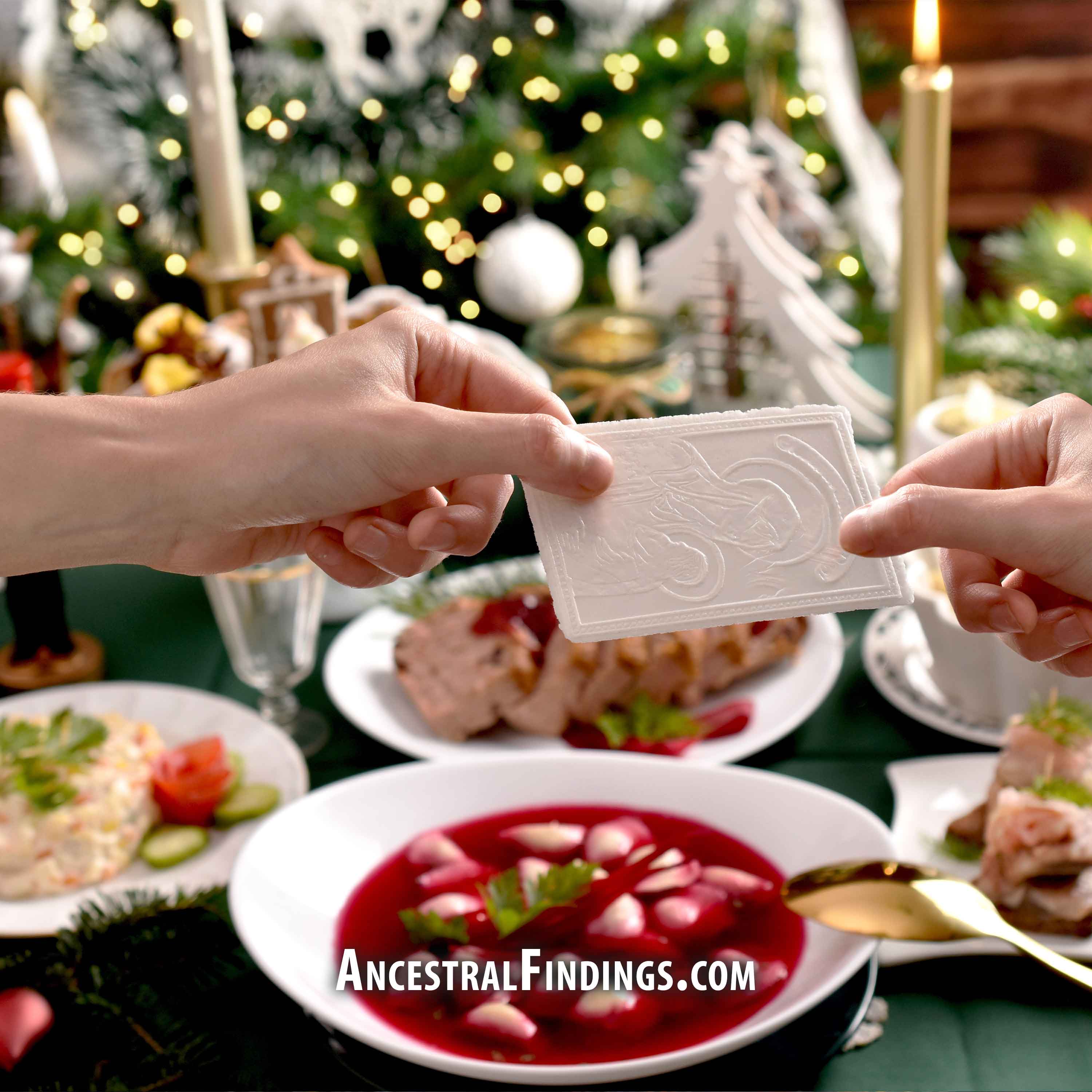
Loading summary
Transcript9 lines
- [00:01]
A
Welcome back to the Ancestral Findings podcast. In Poland, Christmas has a different shape than it does in many places. The biggest family moment often happens on Christmas Eve, not Christmas morning. That Christmas Eve gathering is called vigilia, and in many homes, it is the main event of the season. Even people who are not very religious still keep vigilia traditions because they're tied to home, family and the feeling that this night matters. Vigilia is not built around hurry. It is built around steps. People prepare the table, the food and the room. The evening begins in a certain way, follows a certain flow, and ends with everyone feeling like they actually spent time together. There are Christian elements for many families, but there are also customs that feel older than church life. Customs connected to winter, rural history, and a basic desire to bring light and meaning into the darkest part of the year. Some traditions are gentle and beautiful, like the sharing of wishes before the meal. Some are a little odd to outsiders, like hay under the tablecloth or stories about carp. That mix is part of what makes Christmas in Poland so interesting. It is warm and serious at the same time. It is a family night with a sense of purpose. In many countries, December 25 is a big moment. In Poland, Christmas Eve often holds the emotional center. That does not mean Christmas Day is ignored. It just means that the peak of family attention, preparation and tradition usually lands the night before. On Christmas Eve, many families spend the day getting ready. Homes are cleaned, food is prepared, the table is set carefully. In some homes, the tree is decorated earlier in the season. In other homes, finishing the tree happens close to the evening meal, as if the room is not complete until the tree is ready. This focus on Christmas Eve also shapes how people talk about the holiday. Vigilia is not just dinner. It is a shared event. Families often treat it with more formality than a normal meal. Even if the family is casual the rest of the year, people dress better, they sit longer, they follow customs their grandparents kept. They make room for moments that force everyone to slow down. In a modern world that is loud and distracted, that slow pace is part of the power vigilia gives people permission to stop running. A well known Polish tradition is waiting for the first star in the sky. In many homes, the vigilia meal does not begin until someone sees it. For children, this can feel like a mission. They look out the window, hoping to be the first to spot the star and announce it. That announcement often becomes the signal that the evening has officially begun. For religious families, the star can connect to the Christmas story and the idea of the star of Bethlehem. For Families who treat vigilia as cultural tradition. The star still works because it creates a shared starting point. It turns the beginning of dinner into something that feels set apart from everyday life. In cities, the first star can be hard to spot. Clouds, buildings and streetlights all interfere. Some families adapt by treating it symbolically. A child might still call out that the star has appeared. Or the family may simply choose a moment that feels right and begin. The point is not strict accuracy. The point is the shared ritual that says, now we start together. Vigilia traditions tend to cluster around the table, and one of the most meaningful is the extra place setting. Many families set out one extra plate and chair. This is not a joke or decoration. It is treated as a real place. Some families explain it as a seat for a stranger who might need a meal. It is a reminder that no one should be turned away on this night. Other families explain it as a way of honoring loved ones who are not present, including those who have died, those who are far away, or those who cannot travel home. Some keep the custom without a long explanation because it is simply how vigilia has always been done. Whatever the reason, the extra place does something important. It keeps the meal from turning inward. It quietly says that family life is not only about the people who made it to the table. It is also about compassion, memory, and the way a home can stay open in spirit, even if no one knew. Walks in the door. For many people, this is one of the most powerful parts of Christmas in Poland. Because it is simple and direct, it does not require a speech. The empty place speaks for itself. Before the meal begins, many Polish families share a thin wafer called oplatek. This is one of the most characteristic vigilia moments. People go around the room, the pair by pair, and break off a piece of each other's wafer. While they do that, they exchange wishes. The wishes can be basic, such as health, peace at home, success at work, strength for the year ahead. They can also be specific and personal. A person who has been through a hard year might receive a wish that names that hardship. Someone starting a new job might get a wish for confidence and steady progress. Older relatives might be thanked for holding the family together. Sometimes people apologize. Sometimes people cry. This is why the oplatech tradition can feel surprisingly intense. It asks people to speak plainly and kindly. It slows the whole room down. It is easy to eat and move on. But the wishes are not that easy to brush off. They land even in families that are not strongly religious. People often keep this tradition because it does something Modern life rarely does. It creates a moment where every person is seen, spoken to and included. Vigilia food traditions vary by region and family, but a common idea is that the Christmas Eve meal is meatless, especially in more traditional homes. That practice connects to older Catholic customs of fasting or abstaining from meat on certain days. Over time, what began as religious discipline also became a cultural marker. People know it is vigilia because the table looks and smells like vigilia. Many families serve multiple dishes. Some people connect this to the idea of 12 dishes, often associated with the 12 apostles. Not every home follows a strict number today, but the general idea remains. The meal is meant to be special, varied and prepared with care. Common vigilia foods include beet soup called barstes, sometimes served with small dumplings. Pierogi are very common, often filled with sauerkraut and mushrooms. Cabbage and sauerkraut dishes appear in many forms. Fish is usually present. Poppy seed desserts are strongly connected to the season. A poppy seed roll called makobie etch is a classic. The meal is usually meant to be filling without being showy. It has a winter logic to it. Mushrooms and cabbage store well. Fermented foods are part of traditional winter eating. Dumplings and soups stretch ingredients to feed many people. The table reflects how people lived through long winters for centuries. Carp is one of the best known vigilia fish traditions. It also tends to be the one that outsiders talk about first. In some families, carp is loved and carefully prepared. In others, it is simply what you eat on vigilia because the holiday expects it. There are also stories that have become famous about families keeping a live carp in a bathtub before cooking it. That is not every household, and it is less common today, especially in modern city life. Still, many Polish people recognize the story because it points to an older, practical reality. Before modern refrigeration and easy access to fresh fish. Keeping fish alive until the last moment was a way to keep it fresh. Over time, that practicality turned into traditional, even when the bathtub story is more legend than everyday practice. Now, carp still represents the older side of vigilia, the side shaped by winter survival habits that became meaningful through repetition. Another tradition that often surprises outsiders is placing hay under the tablecloth. Some families connect it to rural life and the history of homes built around farm work. Others connect it symbolically to the manger story. Some keep it because it feels like a link to grandparents and older Poland. Some skip it. Some do a small version, just a bit of hay tucked under the cloth. When it is Included, it adds a texture that feels old fashioned in a good way. It turns a table into something more than a surface for plates. It becomes part of the story of the season. You may also see natural decorations in some homes, including straw, stars, handmade ornaments or simple materials that echo older ways of decorating. The modern holiday can become very commercial. These older details push back against that. They say the season is not only about buying things. It is also about making meaning from what you already have. Some families keep small fortune customs during the holiday season, too. The details vary widely. The basic idea is simple. People like to play with the question of what the coming year might bring. It is not always treated as serious belief. Often it is treated as a playful, traditional way of adding mystery to winter. In many Polish homes, gifts are opened on Christmas Eve. The timing varies, but it often happens after dinner and after the wishes are exchanged. That order matters. The evening is not built around presents first. It is built around people first. After gifts, families often stay together. They talk, eat desserts and sit around the tree. Many sing carols, called kaladi in Polish. People often know many verses, and in some families, the carols are a major part of the night. And even if not everyone sings well, the point is not performance. The point is doing it together. Some families attend a late church service called Pasterka, a midnight mass. For some, this is the spiritual peak of the holiday. For others, it is part of family tradition, even if they do not go to church often. For others, it is skipped entirely, and the knight stays at home. Vigilia can be deeply religious, lightly religious or mainly cultural. The core is still the same, a meaningful evening shared with family. After vigilia, Christmas Day is often quieter. The biggest cooking is done. The main ceremonial moments have already happened. People may visit relatives, rest and eat leftovers. In many places, December 26 is also a holiday that gives people time to stretch the season out, rather than squeezing everything into one day. This slower pace can be part of the appeal. Vigilia is intense in a gentle way. After that, the family gets to rest, talk and enjoy the feeling that they already did the most important thing. They were together and they treated it as important. Poland has changed a great deal over the last century. Cities grew. Work schedules changed. Families spread out. Yet vigilia traditions remain strong. They remain strong because they solve a human problem. They create a shared script that helps families connect. They include children in a real way through the first star and the table customs. They build kindness into the night through the extra place and the wishes. They slow time down by giving the evening a clear order. Many modern holidays can become chaotic. Vigilia tends to resist that chaos. It keeps the focus on the table, the people, and the meaning. Vigilia is also a reminder that a holiday does not need to be loud to be powerful. A simple act like saving a seat for someone who is not there can change the mood of the whole room. Breaking a wafer and wishing someone well can repair things that have been cracked for months. Sitting through a long dinner without rushing can bring family members back into each other's lives. That is why vigilia remains one of the most distinctive Christmas traditions in Europe. As Christmas Eve moves into late night, the house often feels different. The meal is finished, the wishes have been spoken, the room holds the smell of food and candles. Gifts may be opened, carols may be sung, and the family may sit longer than they do on normal nights. For many Polish families, that is the true arrival of Christmas. Not only a date on the calendar, but a night that was built carefully, step by step, to bring people back to each other. If you've got a hard to find ancestor you're stuck on, I'd love to hear about it. Just head over to ancestralfindings.com and click on Contact to send me a message. While you're there, take advantage of our free weekly genealogy lookups, explore thousands of articles and enjoy hundreds of podcast episodes. We've been helping family history researchers since 1995, and if you're looking for even more, check out our Genealogy Gold Q and A series over on Patreon. Thanks for listening and as always, happy searching.
- [13:31]
B
Everyone deserves to be connected. That's why T Mobile and US Cellular are joining forces. Switch to T Mobile and save up to 20% versus Verizon by getting built in benefits they leave out. Check the math@t mobile.com switch and now T mobile is in US cellular stores.
- [13:49]
C
Savings versus Comparable Verizon plans plus the cost of optional benefits. Plan features and taxes and fees vary. Savings with three plus lines include third line free via monthly bill credits credit stop if you cancel any lines. Qualifying credit required.
- [14:00]
D
Hey Ryan Reynolds here wishing you a very happy half off holiday because right now Mint Mobile is offering you the gift of 50% off unlimited. To be clear, that's half price, not half the service. Mint is still premium unlimited wireless for a great price. So that means a half day. Yeah, give it a try@mintmobile.com Switch upfront.
- [14:24]
E
Payment of $45 for three month plan equivalent to $15 per month required new customer offer for first three months only. Speed slow 135 gigabytes of network's busy taxes and fees extra. See mint mobile.com Shopify helps you sell at every stage of your business. Like that. Let's put it online and see what happens.
- [14:36]
A
Stage and the site is live that.
- [14:39]
E
We opened a store and need a fast checkout. Stage thanks. You're all set that count it up and ship it around the globe stick.
- [14:45]
B
Stage this one's going to Thailand and that.
- [14:48]
E
Wait, did we just hit a million orders? Stage Whatever your stage Businesses that grow grow with Shopify. Sign up for your $1 a month trial@shopify.com listen.