← Andy Beshear Podcast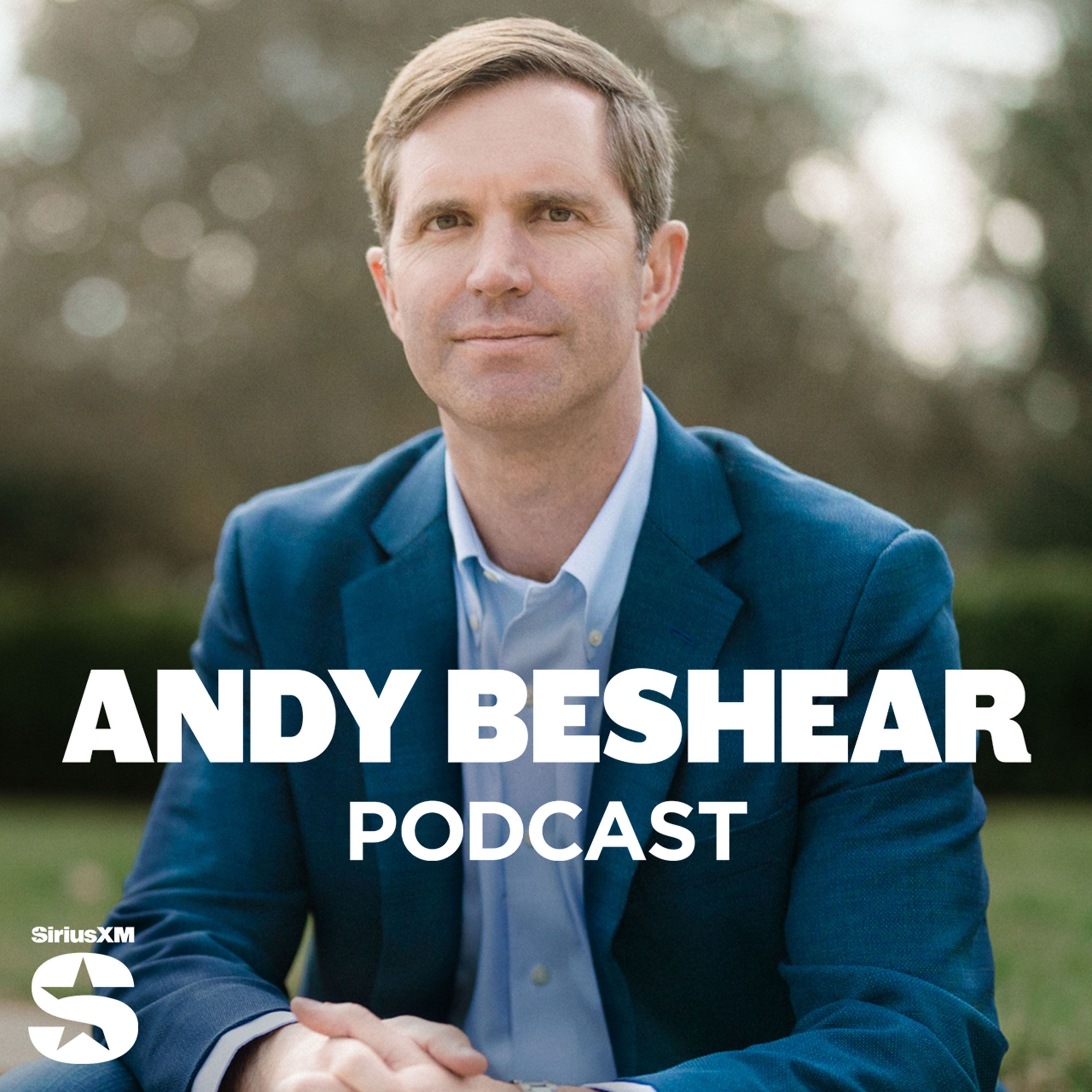
Andy Beshear Podcast
BONUS: Mark Cuban and Coach Cal
00:50:00
Merry Christmas and happy holidays, Podcast family! We’re throwing it back today to two of our favorite interviews from the past year – straight shooter Mark Cuban and legendary Coach Cal.
Loading summary
Transcript98 lines
- [00:01]
Oregon Lottery Announcer
Looking for a last minute gift for your people. You know, your people, that weird bunch of friends and family that you love dearly. Well, here's an easy idea. Oregon Lottery Holiday Scratchets. Because your people, they're the ones that, amidst all the holiday crowds and endless notifications, help you find the fun. Which calls for a little gift that brings big cheer. Oregon Lottery Holiday Scratchets. You know where to find them. Grab some today. Must be 18 or older to play Lottery games are based on chance and should be played for entertainment only.
- [00:30]
John Calipari
Foreign.
- [00:38]
Andy Beshear
Welcome to the Andy Beshear Podcast. As we are in the holiday season, we wanted to bring you some of our best episodes that we filmed and recorded before our deal with Sirius XM Radio. We're proud to be a part of the Sirius XM Podcast family and and wanted to make sure that you could hear this content. Today we took two very special guests and put them together. First we have NBA owner and businessman Mark Cuban. He's going to talk about his prescription drug company that actually brings transparency into your prescriptions. He's also going to talk about the Dallas Mavericks and if you are watching on YouTube, you'll even see the championship trophy behind him. Then we'll talk to a good friend of mine named John Calipari. He is currently the head coach of the Arkansas Razorbacks, though I got to know him when he was the head coach of the UK Wildcats. We're going to talk about basketball, but also how he gets involved in his community and things we did to help people after natural disasters. These are two of our best episodes. So during this holiday season, hug your families, make sure you spend good quality time with them and catch up on some old episodes of the Andy Beshear Podcast.
- [02:01]
You're listening to the Andy Beshear Podcast. On the podcast we've had a lot of great guests. We've had US Senators, we've had Attorneys General, we've had self made billionaires. Today we have a businessman, a TV personality and an NBA championship winning owner of the Dallas Mavericks, Mark Cuban. Mark, welcome to the podcast.
- [02:27]
Mark Cuban
Thanks for having me on.
- [02:28]
Andy Beshear
Oh, I'm excited about today. I'd like to start a little bit with your background, which I find so fascinating. It seems like business called to you at a really young age. From distributing newspapers to starting businesses in college, we when was it that you knew that this is just what you were going to do with your life?
- [02:49]
Mark Cuban
That's a great question. Probably when I was 9 or 10 years old, literally, I would buy baseball cards at the local hardware store, go down to the park in my neighborhood and repackage them so that I grew up in Pittsburgh. And so, you know, for a dollar, you were guaranteed to get at least one Pirates player, even though the packages only cost me a dime or a quarter. So I was hustling as long as I can remember, I sold garbage bags door to door. I went. My dad and his buddies were playing poker one day, and I went in there to pick up a donut or something. And, you know. And I know. I know all his friends. I was like, dad, I need some new basketball shoes. He looks at my feet, he goes, those shoes look like they work really well. When you have a job, you can buy whatever shoes you want. I'm like, dad, I'm 12. I'm not picking a job. And one of his buddies, who had to be drunk, you know, spoke. Spoke up and said, hey, I. I've got a job for you. I've got all these boxes of garbage bags, and you can sell them in the neighborhood. I was like, cool. And so I went door to door in my neighborhood, and I was like, hi, my name is Mark. Do you use garbage bags? And from that moment on, I knew I could sell. All he had to do was find value for people. And I. I think that's what gave me all my confidence, too, because if you can be a kid selling door to door, you can sell anything.
- [04:06]
Andy Beshear
Did you ever sit on the Shark Tank set and think, I can see myself in these folks coming and trying to sell to me, just like I sold those garbage bags all the time.
- [04:18]
Mark Cuban
I mean, there were so many entrepreneurs that would come and stand on that carpet that I was like, oh, my God. It's the same experience that I've had. There are a couple investments I made where there was like, all right, this guy's a little mini me. I don't know if that's good or bad, but he's like a young version of me. But, yeah, all the time. Because, you know, the thing about the American dream, it takes work, and it takes a healthy dose of fear. And it's not something that just happens automatically. We all. You know, every entrepreneur goes through a phase where it's. I don't know if I'm going to make it. I don't know if I made the right choice. I don't know if I can do this. And when they come on the show in Shark Tank, you know, you can see it in their eyes. You could hear it in their pitches. And so I can always relate to them.
- [05:01]
Andy Beshear
Now you go to college and you transfer to Indiana and you've got a lot of businesses going on then. I think you owned a bar, but I think you also had a company that taught disco lessons.
- [05:13]
Mark Cuban
My favorite, right?
- [05:15]
Andy Beshear
Were you, were you giving the disco lessons?
- [05:18]
Mark Cuban
Oh yeah, for sure, for sure. And so the bar that I ended up buying before I bought it was a place that had dancing and I would go and give lessons there. But then my best, the best job that I got out of that was I got hired by sororities to teach them how to line dance and do dances which was like $25 an hour. The best job I've ever had. And I think if I got offered that job today, I'd quit everything else and take that job.
- [05:46]
Andy Beshear
So you not only got, got paid through the job but you got invited to the parties.
- [05:51]
Mark Cuban
Unreal. It was like a dream come true for a 20 year old kid.
- [05:55]
Andy Beshear
You know one thing that I think as I watched your career that's, that's different from a lot of other self made billionaires is a lot of them have, you know, that one company that they hit it big with, that they're still with. You think about the Microsofts, the Apples, the Nikes. But your career has been about starting a company, building a company, selling the company or buying the company, bettering it and selling it. Talk to us about that.
- [06:22]
Mark Cuban
Yeah, you know, it's an interesting question. I've never really been asked that before. For me, my goal always was to retire by the age of 35. You know, my dad did upholstery on cars, my mom did odd jobs and they just had to grind it out, you know, gone at 7am, back at 6pm, eat dinner, watch some TV, go to sleep every single day. And my dad would take me where he worked and you know, he'd have me sweeping and shoveling and doing whatever. Not because he wanted to prepare me for that job, but because he wanted me to see that this was not a job that he wanted me to have. And so, you know, I was always motivated by trying to, you know, own my own time and control my own destiny. And so in starting these companies, I never looked at them and thought, okay, this is the company I'm going to run for life. It was the exact opposite. It was like, okay, I'm going to build this, I'm going to try to do something special. I'm going to try to make my customers happy, have an impact, be innovative, hopefully disruptive. And then if I get the chance, if I can sell it, I'm going to Sell it. And that's what I did with my first real company, Microsolutions. And then from then on, Broadcast.com, hedge fund that I owned and started, you know, et cetera, et cetera.
- [07:35]
Andy Beshear
You're listening to the Andy Beshear Podcast. Our guest this week is Mark Cuban and we are talking about first his business ventures. And so, Mark, as I look at your litany of companies, I also see a focus on the future, on what is next and whether that was some of the first live streaming on the Internet.
- [07:58]
Mark Cuban
To not love the very first, I.
- [08:00]
Andy Beshear
Didn'T want to take that away from you. Then the very first live streaming to now. I know a focus on AI. How do you balance having investments that can sell right now versus trying to.
- [08:14]
Be in the lead for what's going.
- [08:15]
To sell in the future?
- [08:17]
Mark Cuban
You know, I just try to be pragmatic. You know, Steve Jobs said it best and it's always stuck with me that technology is a remix or every. He said everything is a remix. And basically what he meant was if you can create a base of understanding of technology and, and just continuously be learning, you'll see ideas that pop up that may be disruptive, but really are just an extension of taking new technologies and adding them to what's already in place. And that's what I always tried to do with my first company, Microsolutions. You know, we were one of the first local oriented network networking integrators. You know, one of the first to write software, et cetera, et cetera. And so, you know, flat fast forward, I found out that I love this stuff, you know, funny with my kids, my kids are 15, 18 and 21. They're like, dad, you're such a geek. And I'm like, I'm so proud of that. Thank you, thank you, thank you. And I just love learning it. And now with AI, this is easily the most disruptive technology we've ever seen. And it's not even close. And I've been around for almost all of them. You know, AI is going to change how we live our lives. It's going to change how we communicate, it's going to change how we learn. I mean, there's, there's not a whole lot of things that AI won't touch. And because of that, to me it's exciting. And you know, every day it's something new and that keeps me really engaged with it. And, you know, by spending the time and just building on the base I have, I think, you know, I get a good feel for Where I can use it in my companies, where I can invest in it in companies, just wherever that path takes me. And, you know, in some cases, I'll start new companies. In other cases, I'll invest in others.
- [09:57]
Andy Beshear
When looking at your foundation, I saw that you've got a group that is teaching folks about AI and how to use AI. I thought it was this, this great intersection of giving back and where your companies are going and creating the future.
- [10:13]
Mark Cuban
Mark Cuban Foundation AI Bootcamp is one of the projects. Then we have the Global Teaching Project with the boot camp. We go to kids, you know, high schools and underprivileged schools around the country and introduce them to AI and teach them more about it, use the tools that are available. Because if we can get some kids excited about it now, when they're 16, 17, 18, they're going to be the ones that teach us how to use it when they're 28, 29, 30. And then the Global Teaching Project goes into underprivileged schools and hires, you know, leading professors to come into these, these high schools that really, you know, really didn't have AP programs before. And we'll teach them AP physics, AP Computer science to try to propel them as well. So, you know, I've been really blessed, and I just think the more I can support teaching kids and getting them further along, the better off the country is going to be.
- [11:12]
Andy Beshear
So your most recent company and disruption is where we met. We met with you talking about your company, Cost Plus Drugs, in Washington. I was there speaking out about a lack of transparency and pharmaceutical pricing. Why don't you tell our listeners a little bit about Cost Plus Drugs?
- [11:31]
Mark Cuban
Well, first, kudos to you for being one of the first with the state of Kentucky to really take on the PBMs and show that, you know, a state can be proactive in changing an industry and saving its. Its citizens, citizens of the commonwealth money. So congrats on that. But along Those same lines, Dr. Alex Oshmiansky and I created a company called CostPlusDrugs.com and what makes us different is that when you go to our website, costplusdrugs.com and you put in the name of the medication that you want, we'll bring up information about it, but we'll also show you our actual cost. If it cost us $2, we'll show you a cost is $2. If it costs us 20, whatever it may be, then we'll show you our actual markup. And those two things really make us different. We only mark up the price of the medications only 15%. And so I'm a big believer that the missing component in health care, whether it's pharmacy or medical, is trust. And to engender trust, to me it's kind of a two part equation on the top, you know, trust equals transparency divided by self interest. And with cost plus drugs, we publish our price list. We publish, you know, as I said, when you go, each page has the cost of each drug and then you divide that by personal interest. Our markup's only 15%, which, you know, pretty much everybody believes to be fair. And because of that, people trust us. And because of that, we've grown to help, you know, millions of people in the short period since January of 22 when we launched.
- [13:07]
Andy Beshear
Most people probably don't know how different and revolutionary that is. Most people don't know that their pharmaceutical, when it's originally sold, is sold with like an automotive sticker price on it. And then we come up with all these different names like AWP or, or, or others. And there's this giant negotiation between all these different levels and no one but the actual maker of the pharmaceuticals knows what it actually costs.
- [13:39]
Mark Cuban
Yeah, it's insane because, you know, the pharmacy business should be really, really easy. You go to the doctor and if you needed some, some help, the doctor prescribes a medication. And the only question is how much does it cost and how do you pay for it? In reality though, what's happened is it's such a big industry, all these middlemen have stepped into to the industry and kind of created hundreds of arbitrages to squeeze money from patients. They're called pharmacy benefit managers. And I don't know who they benefit other than themselves. But to your point, they take drugs and it's not the manufacturers that determine who, what the price of those drugs will be. It is these middlemen, the pharmacy benefit managers, who set the list price and then they negotiate rebates based off of this list price that nobody knows. In fact, almost every single brand drug delivered to patients in the United States, other than through Medicaid, I believe, has got a rebate associated with it. And only three companies negotiate all those rebates in the commercial market. That's just insane. And it creates all kinds of price distortions. And that's why we've been able to have such a big impact. I'll give you another example that you're familiar with. There's something called specialty medications, and they're on anybody who looks at their own insurance plan and they look to See that there is a special tier of medications. Well, the crazy part is there's nothing special about those medications. The only reason there's a specialty tier is that it gives them an excuse to charge more money for it. And so part of what we're doing at costplusdrugs.com is to separate formularies from the PBMs and to make sure that all that leverage goes from the PBM back to the patient. We've got a long way to go, but there's a direct path there, and we think we'll continue to be able to disrupt the pharmacy side of the business.
- [15:39]
Andy Beshear
You're listening to the Andy Beshear Podcast. We're on with Mark Cuban. We've talked about business and now we're gonna have to turn to just a little politics in maybe a connection with what we're talking about with these middlemen I know you've talked about, especially the last election and the Democratic Party having relied on bloated consultants and not focusing on everyday challenges to people like prices and inflation.
- [16:09]
Mark Cuban
Yeah, I can't argue with you at all. I mean, you know, there are a whole lot of consultants in the room anytime I went there to talk to anybody. But they never let Kamala Harris just be Kamala Harris. And they never, you know, they always over tested everything. It was like, why are you talking about price gouging instead of price inflation? Well, it tested well. Why are you talking about the well, it tested well? I'm just not a big believer in that. I think, you know, like you've done, you've got to go out and talk to people and listen to them and let them. They're the customer, the voters are the customers. And the customers are never wrong, you know, most of the time. But, you know, I don't think the Democratic Party did that at all. I think now going forward, you know, there's a dearth of leadership and people who are just, you know, people talking to big crowds is great, but I don't think there are people that are going to people in, you know, small town Kentucky asking what the impact of the Doge cuts are.
- [17:05]
John Calipari
Right.
- [17:06]
Mark Cuban
Or Parkersburg, West Virginia, where there's a Treasury building that has 2000 employees and already 150 have been cut. If those cuts get much bigger, what happens to Parkersburg, West Virginia, you know, and I think that's where Democrats need to be. And you can't mention the T word. And I'm not talking tariffs because the Democrats want to make everything about Donald Trump. It's not it's about their constituents. It's about going in and listening to them and say, how can I reduce your stress? How can I make your life better? What can we do with health care? What can we do with jobs? What can we do with all the things that make your life more difficult? Let's let you tell us, and then we can come up with the policies that enable that instead. It's just like so many Democratic politicians stand in front of a lectern and just. They lecture about whatever they think everybody should believe. And to me, that's the big difference between Democrats and Republicans, as I see it, and I'm an independent. Democrats look at something and they extrapolate it out and say, this is the way it's going to be. You, you better be careful. And we're here to warn you and we're here to protect you. Republicans say this is the way it is and this is the pain you're feeling. During the last campaign. It was, you know, inflation primarily is part of that gas crisis. And we hear you loud and clear. And we feel you. We feel the pain that you're feeling here is exactly what we're going to do. And I think the Democrats need to get a better handle on doing that, because with tariffs, we're probably going to see a lot of inflation, a lot of pain. With, with doge cuts and other cuts, you are going to see a lot of small rural areas that are predominantly who are most impacted by cuts in federal budgets. You're going to see those cities start to hurt. You're going to see their tax revenues cut. That's where you should be. And not just even holding a town hall, those are great. But just talking to people, because when the only person who can convince a Trump voter not to vote for Trump is Donald Trump, and the only way to make, to, you know, understand how and when that's going to happen is by talking to those people about their current experiences and what they're going through today. Don't try to extrapolate from data. Well, we know economists tell us this. You know, the economists tell us that. No, it's like, Andy, right. You're living in, you know, I can't even think of a small town. Kentucky. A town outside of Lexington. You're 50 miles outside of Lexington.
- [19:51]
Andy Beshear
You're in sales.
- [19:52]
John Calipari
Yeah.
- [19:53]
Mark Cuban
You're in Versailles. That's how we pronounce it, Versailles instead of Versailles. Right. Versailles, Kentucky. And you're there and you have the Social Security office that closed that ability now is half empty.
- [20:05]
Andy Beshear
They're they're doing that in Hazard, Kentucky, in eastern Kentucky.
- [20:10]
Mark Cuban
Yeah. I mean, and then on top of that, there's the funding for grants. You had the one cli, you had the one clinic that was funded by money from COVID that's now being pulled back. And not only is that 12 people who don't have jobs, that's a whole slew of people that aren't going to get the help that they need. You had. I was reading a small town newspaper. My habit now these days is going from different small towns to small towns and reading their local newspaper, if they still have one, to find out what these cuts are doing to impact and impact them. And that's why I brought up Parkersburg. They cut funding to West Virginia Arts and culture or whatever they call it. And now there's a museum that's closing in Parkersburg. There's another organization that can't get funding for, you know, the educational programs that they had in place. All these things that seem like little things, they're adding up. And I think, you know, the Democrats, they complained about Elon, but it wasn't about Elon. It was the fact that all of these Doge cuts are happening at once. And because these small rural towns are so disproportionately impacted by those cuts, nobody is there asking them, what do you need? What can we do? And then with Medicaid, who knows how you guys are going to have to compensate for what happened there. And look, if it happen. Oh my God. And if it happens that it passes. Okay, where is somebody saying okay, for those of you who don't have jobs and can't get jobs in order to qualify, we are going to help you get jobs. Where are those programs being introduced? At least the Democrats can say that, right? Hey, if this passes, we're going to make sure all those people have jobs so that they not only have a job that they need, but they qualify.
- [21:49]
Andy Beshear
As well as not get kicked off their coverage because they didn't check a box, I think, right?
- [21:53]
Mark Cuban
Oh, yeah, yeah. For disenrollment. Because they did something wrong. That's insane.
- [21:57]
Andy Beshear
And I think that's at the heart of what the Republicans are trying to do. It's that idea either with Social Security that you've got to go to an office two hours away and they shut down the call in line so you don't know what to bring and then you don't have the right documents and so you lose two, three, four payments. I'm concerned. It's the same thing with Medicaid and you get kicked off for six months.
- [22:20]
Mark Cuban
Yeah, I mean, and that six months, six months can be life or death. Yeah, but the question, you know, we see what the bills are, we'll see what happens in the Senate, we see what the Doge cuts are as best we can, but we see it when it hits the impacted parties and the impacted towns. What you're not doing that the Democrats need to do, you need to be going to those tax successors and, and you need to be going to the mayors and saying, tell us what's going to happen, tell us what you think we can do. Because what you do at that point, all of a sudden that local representative has to choose between fielding to the president or their constituents. Who, what are you, who are you going to support? You're going to support the folks that need the help that voted for you and go to Washington and you know, obviously the House already voted the, you know, where they stand there, but, you know, but take a stand against there or is that an open door for the Democrats to walk through by being supportive? And it's not just about diminishing. They'll do that on his own. It's about helping the people that need the help in the way they ask to be helped.
- [23:26]
Andy Beshear
There's so many things that you mentioned that, that I, I want to unpack, but just a couple that I think are, are so critical is you talked about Democrats lecturing. And I think it's really important for not just Democrats, but anyone in government service or in politics not to talk at people, but to actually talk to them. And then you mentioned listening. I was thinking how just watching my son play baseball. There are three federal employees. One has gone ahead and taken the buyout because they were fired and brought back. The other, she checks her email every three innings to see if she still has a job. And it's just awful how these people are being treated. But that's actually the listening and the understanding. But the last part is you talked about the open door, everything that Trump got elected on his claiming he was focused on you, that he would help you pay the bills, that he'd bring down prices. He's doing everything but that.
- [24:26]
Mark Cuban
But you know what, Governor, you've got to also ask yourself, you know, put yourself in the shoes of a hardcore Trump supporter, why, you know, 40%, give or take of people are still supporting him. And the question is why? And when you think about it, he said that he was going to close the border and he did. He said that he was going to deport People that maybe were taking jobs. He's done a horrific job in his approach. But if you're a hardcore Trump supporter, he's done that job. He said he was going to get rid of dei, and I'm a huge supporter of dei, but he said he was going to get rid of dei. And if you're somebody who feels like you didn't get a promotion because you're white and somebody else got it ahead of you because of dei, well, he's gotten rid of DEI in every way, shape and form to an excess. So those are three things that he said he would do and he's doing so when it comes to tariff and inflation, well, he's batting.750. Shouldn't I give him the benefit of the doubt on tariffs and inflation? And you can understand why they believe that's the case. But to your point, if you truly believe, like we do, that the tariffs are going to have a horrific effect on inflation, but let's just say a bad inflation. The impact of Doge, like we just discussed, the impact of people looking over their shoulder or checking their email to see if they still have a job the next day or those are the people we need to be talking to. Those are the people the Democrats need to be talking to. Because at that point in time where the prices start to go up, we won't have to tell them. They'll tell us you have a high deductible plan and you know, you're playing baseball and you know, your son or daughter breaks their, their ankle running to first base and you can't afford that deductible. You want, you know, who is there to talk to them and show them a better approach or why Medicaid is important to them, why Medicare is important, why the cost of healthcare is important, why, you know, rural hospitals are closing and the Democrats haven't done anything about it listening to them because they'll tell you again what they want. But more importantly, you'll be the team. The Democrats that are listening. You'll be, you have to be there when it hits the fan in order for people to think that you're going to be the solution.
- [26:46]
Andy Beshear
I think one other piece that you talked about in a, in a story that's out there is small business not speaking to small business in 2024. And I recognize in Kentucky, most of our jobs are created by small business.
- [27:00]
Mark Cuban
Oh, yeah.
- [27:00]
Andy Beshear
If we're healthy, we are supporting them in ways that help them grow. They're the first to hire. They're the last to Fire. But I'll tell you, we're already seeing tariffs hit our small business in ways to where they're laying off people that they go to church with.
- [27:17]
Oregon Lottery Announcer
Looking for a last minute gift for your people, you know, your people, that weird bunch of friends and family that you love dearly. Well, here's an easy idea. Oregon Lottery Holiday Scratch hits. Because your people, they're the ones that amidst all the holiday crowds and endless notifications, help you find the fun, which calls for a little gift that brings big cheer. Oregon Lottery Holiday Scratch it yous know where to find them. Grab some today must be 18 or older to play lottery games are based on chance and should be played for entertainment only.
- [27:47]
Mark Cuban
No. It's horrific. Like all my Shark Tank companies, you know, we're doing newsletters and emails out asking about the impact of tariffs, giving them suggestions whether or not, you know, should they keep stuff in the home country and wait to see what happens. The layoffs are here. The people are, you know, eating their margins, you know, losing profits now losing money. And the one thing you've never heard the president say anything about is small business. And the one time he, I remember he got asked, because I listened for it all the time, does he bring up the term small business or the word entrepreneur? He never does. But the one time he was asked about it, he basically said big companies are more important. They deal in the billions and trillions without realizing that the American dream is built by small business entrepreneurs. There are 33 million companies in this country. 30 million of them are small business or solo entrepreneurs. There are only 21,000 companies that have more than 500 employees in the entire country. And most of those people, particularly the sole entrepreneurs, make $400,000 or less. And so they are not in a position to absorb tariffs like he may believe. They don't have an option to take, you know, money they have in the bank and try to find somebody to build another mold to manufacture their product. They don't have the ability to pay, you know, increased shipping amounts because, you know, whenever he changes his mind in two days, everybody rushes to ship things from the home country. They don't have the money to go to Vietnam and compare prices, prices or Indonesia to compare prices to China. He doesn't give about them. And that is the other opportunity. And I'm so glad you brought that up, Governor, because going out there and talking to businesses, going out there, start a Kentucky Small Business Council, start a national Small Business Council where you can't have more than 50 employees and let them speak about the impact of tariffs. Let them talk about. And then there's other areas, right? I mean, Amazon gives every advantage to Chinese companies over American companies and he won't do anything about that at all. So the list is long in the impact and the innovation that small businesses create, the jobs they create, and they're the ones that are taking the hit right now and just with complete uncertainty and, and it's brutal.
- [30:19]
Andy Beshear
This has been the Andy Beshear Podcast with Mark Cuban. Mark, thank you for your time. Today on the Andy Beshear Podcast. Our special guest is hall of Fame and NCAA championship coach John Calipari. This is a coach that has built or rebuilt programs at UMass, at Memphis, at Kentucky, and now at Arkansas. About half of the current NBA rosters have played for him. And he is an all around great guy where I got to see his compassion and empathy really at play, especially after natural disasters. He's become a great friend. I look forward to this conversation where we'll start with his upbringing, move into basketball, and then talk about leadership, because this man knows a lot about leadership. Coach, welcome to the Andy Beshear Podcast, Governor.
- [31:16]
John Calipari
You know, I wasn't turning this down the chance to sit with you. We, we traveled the state a little bit together, didn't we?
- [31:22]
Andy Beshear
We, we did. We traveled the state during tough times, but then we traveled the state during some good times, too.
- [31:29]
John Calipari
It's a pleasure to be here with you.
- [31:31]
Andy Beshear
Well, very excited about this. I, I want to start with you. You grew up in a blue collar family. Tell us a little bit about that and how it shaped you as a, as a person and as a coach.
- [31:43]
John Calipari
We were a pay it forward family. Never had everything, but never went without. Everyone in our community was the same. Their families were blue collar workers in some form or fashion. My dad was in the mill for a while and then he ended up going, going to being a baggage handler for at the time, Allegheny Airlines, US Air turned into Mid American or wherever they all went. Mom worked in the high school cafeteria. She sold ice cream, so she had the white coat on and, but we never did without. Friday was a big day. Dad got paid on Friday. So Friday, Saturday, Sunday, Monday, good food days. Tuesday, Wednesday, Thursday, you were having dinner. I mean it. But you know what? I didn't know anybody else lived any different.
- [32:41]
Mark Cuban
Right?
- [32:41]
John Calipari
We all, we never locked the door. Wherever you were, you ate. All my friends have stayed. My friends, the guys that I grew up with will come to games and, you know, be with us and we have a group text and. But what you learn, you don't work, you don't eat. You better work. You better be ready to spend time. You're not looking for the shortcut. A lot of times you're looking for the long way of doing it. Have satisfaction from doing things, from working when you walk away, job well done, whatever that is. Pittsburgh was a mill town when I grew up. It's now insurance, medical and all the other stuff, but it was a mill town. We used to hose our house off because of the soot you had to hose because this. Yeah. Oh, yeah. It was a little different.
- [33:46]
Andy Beshear
How early in life did you know that you wanted basketball to be. To be your profession?
- [33:52]
John Calipari
I was pretty young because all the people I looked up to, the professionals, were all teachers and then coaches and then Bill Sacco, Skip Tatalo, Ray Bozzetti, Jim Bonnie, Mark Capoana. They were all the coaches. Football, basketball, baseball. I thought, I guess you gotta be Italian and supposed to coach because they were all Italian. And so, you know, I. I started at a young age knowing what I wanted to do, enjoyed playing, enjoyed work. You know, we broke into gyms, played on Saturday nights, and we were gym rats. And it wasn't just me, it was our whole team and learned to come together and be about each other. And. No, it's. I wouldn't trade how I grew up, friend. You know, my parents never. We never had a credit card. We bought things on layaway. When I say pay it forward. If people came to our house for Christmas, my mom would go to another room and wrap some of our presents for them to give to them and. Mom, where's my sweater now? They needed it worse than you. I didn't even get to wear it. You gave my sweater away, so. But I again, you know, you just, you know, you take. Dad was working overtime. Mom was the dreamer. You can be president. That's what she's. You can be president if you want. Well, I am right now a dual citizen. I'm a citizen of Italy and a citizen of the United States. So you know what that means. Go. Can't be president.
- [35:45]
Andy Beshear
Can't be president. I like it. Tell me. Most coaches have this great story of sacrifice, especially when they started, how they got in on the ground level, what that's like in your very first year that you're trying to break through.
- [36:05]
John Calipari
I take a Drive on I70 from Pittsburgh to the University of Kansas. I'm going to work their basketball camp. Bob Hill invited me. Ted Owens was the head coach. We drive all the way on I70 from Pittsburgh to Lawrence, Kansas. As I'm working the camp, Ted Owens watched me with some young kids doing individual work, knew a little bit of my background and said I'd like you to join my staff. And I said as an assistant? He said yes, as a volunteer. Assistant.
- [36:45]
Andy Beshear
Volunteer.
- [36:47]
John Calipari
And I said how much does that guy miss? And. But I worked in the training meal with the Sinclairs. So football and women's basketball and, and basketball players would come through and I was the bees and the corn. Would you like beef? You like corn? Um, I tell the story. They once a week they did steaks. Well, I never had steak growing up. I. Steak? Are you kidding me? Um, so I would also eat there. I, I think I had three steaks the first time. Cuz I said I don't know if I'm ever going to get steak yet. I'll eat three of these. But again, live with the part time assistant, worked their camp, you know, again, had no worries, had no money and just coach basketball. I never got in this to say how much money are you going to make coaching? No one did back then. I mean coaches were making little more than a high school teacher would make. It's going crazy now. But back then it wasn't about that. There's about loving the profession, it's about loving the players, loving to see them grow. So no, but I also met my wife, she worked in the business office at the university and I was delivering something down there and she saw me and Mitch. This woman was, she chased me everywhere. I mean I'm like, you gotta leave me alone, come on. Or maybe it was me chasing her. I gotta figure it out. I think I was chasing her more.
- [38:17]
Andy Beshear
Yeah, that, that sounds, that sounds about right. Knowing, knowing your wife. But, but you were a lucky man. Did, did your mom ever call you? Having served ice cream in her cafeteria, now that you're at Kansas, you know, serving some of the players before you get your own and talk to you about it.
- [38:35]
John Calipari
My mom used to call and used to say how do you do this? Oh yeah, I can't believe you're not nervous. I mean this is crazy what you're doing. I can't even watch the games. But she was the like your mom, mom of the hair, would you say?
- [38:53]
Andy Beshear
Oh yes. I remember when I said guys, I think I want to run for office. And she looked at me and said no.
- [39:01]
Academy Sports and Outdoors Announcer
This Christmas give the gift of fun. The most wonderful time of the year happens here at Academy Sports and outdoors. Shop in store or online@academy.com to save on gifts for Everybody's list. Find everything from football jerseys and basketball hoops to fire pits and deer stands. Academy carries all the hottest gear from top brands including Nike, Adidas, Carhartt, Yeti and Pit Boss. Give the gift of fun this holiday season at Academy, sports and outdoors.
- [39:30]
Andy Beshear
And then we work through it after that. But, but it's that, it's that love of a mom and wanting to, to, to protect you. It's a pretty special thing that I wouldn't trade for, for anything. Coach, when was the, that first moment where you said I could be really good at this, that first moment that you had that said I can be a top tier coach?
- [39:52]
John Calipari
First of all, my first year at UMass, we gave up 100 points, I think 14 times. We were the worst defensive team in the country. My first year I called Rick Barnes, who's a good friend, and I said, rick, what do I do? He asked, what, what would you say?
- [40:12]
Mark Cuban
I don't know.
- [40:13]
John Calipari
If we jumped off, see, what would you tell me? You, you demand, what do you work on? What are your defensive principles? So I tried to give them like 20 things. Too many, too many. Give me four. And from that point, ball, pressure, gaps, don't give them lanes, get around the post and get off on the weak side. And to this day, that's basically the premise of our defense. And from that conversation, the next year we got better. The next year we got better. The next year, my first year, I was trying to do drills which I had learned that didn't even fit how we were playing. But they, if you came in and watched us, you'd say, wow, he runs good drills. Just didn't fit. So you learn as you go on this. And if you don't fail, if you don't take a spill or two, I got fired by the nets. If you don't have stuff like that to let you know you're going to be fine. It's hard to not worry about result, worry about your team getting better, worry about the process, worry about loving every day in practice. The result will take care of itself. Well, when you're so concerned with the result, it's hard to really get your team back.
- [41:38]
Andy Beshear
The idea of it's hard to win if you're afraid of losing.
- [41:42]
John Calipari
We call it winning and learning. Just learn from it and march on. I want to see when things go bad. What kind of leader is that? Coach? Now it's easy when you're winning every game, but when things go wrong in your position, I've seen you when Covid hit our State. I watched you, I saw what you did. When some of the biggest disasters that this state has ever faced has been with you as governor. And now, well, what do we jump under the covers? Do we blame? Do we? Or do we just go out? Let's get something done. And it may not be everything we want to do, but we're going to do something and we're going to get started. I think in coaching, things go bad. Do you blame or do you take responsibility? Does your team splinter? And if they do splinter and start blaming each other, it tells a lot about your leadership. If they come together as things get crazy and they get better and tighter talks about leadership. Leadership in these jobs is how do I help? How do I move? How do I influence? What do I do that this state or city or university needs for me, the students. Ellen and I did something for the students in education, knowing the loans that those kiss, which was incredible. We talked to the school, the dean of the school of education and say, how can we help? And so it's, you know, the federal workers. Do you remember when they laid off the federal workers in Lexington?
- [43:28]
Andy Beshear
Oh, I do.
- [43:30]
John Calipari
And Ellen said, how do we help? And I said, well, I think we gave grants to each of them that would wanted to come. And, you know, we did stuff with Kroger. We did stuff. I mean, that position I held and the one I have now, really, it carries weight in those states. You've done things that no one knows that you did. So. And you're a politician. I, you know, you, you're not really a politician. Governor who.
- [44:01]
Andy Beshear
But it does mean we normally talk about it.
- [44:04]
John Calipari
Yeah. You're trying to say, let me have coverage. Well, there was a debt in Dawson Springs. Ashley McKnight's son, Logan McKnight, died. Car crash. Devastated. Devastated.
- [44:24]
Andy Beshear
And then they lost their house a month after leaflet.
- [44:28]
John Calipari
And you did stuff that no one knew that you did. And are you ready for this, you continue to do that's authentic. That I probably shouldn't have said it here, but it's important for people to know. Yeah. You and I went out for the flood victims. We met people. We did things behind closed doors. We gave cash out, probably weren't supposed to. Can I get arrested for that?
- [44:57]
Andy Beshear
I think I can pardon you.
- [45:01]
John Calipari
I need a pardon before you leave. Got it. So we did that. No one knew. Well, and you've done. I think it's so important. But there are other times that you have to stand up because you're trying to influence others to do it, to step in to give, to care. And that's been the greatest thing with my time in Lexington and what I'm trying to do right now in Arkansas. Very similar. I don't want to just be the basketball coach. That doesn't move me. We got to win because it helps move people and think I've been okay at that.
- [45:45]
Andy Beshear
This is the Andy Beshear Podcast. We are on with Coach Cal. Coach. One of the funniest stories, because you look for moments you can smile and laugh, and when we're. When we're down helping those that have been through the worst is I still remember after the tornadoes, you're out there giving out a little bit of cash. I gave my coat away to a woman who was really cold. And I look back and I'm proud of that moment. But then I gave my belt away to somebody who didn't have one, and I realized my pants were a little larger than I thought they were before I gave that belt away. So that might be the one that I pull back, but I'll still never forget. He walked out, he looked at our friend Rocky Atkins, and he said, I got the big man's belt.
- [46:32]
John Calipari
You know, but you think of all the things you've done, and, you know, some of the best are those kind of situations. You know, again, a great Christian state that we were doing things at Christmas where we were making Christmas for fast families. We did that every year. And, you know, some of the stuff, the tears and all the other things that go along with, was also to show our players, they're watching you as a governor, they're watching me as coach. And, you know, the best sermon is one without words.
- [47:13]
Mark Cuban
Amen.
- [47:14]
John Calipari
I don't watch what we're doing.
- [47:15]
Andy Beshear
When you agreed to do the Blue White game in Pikeville to help flood survivors, I remember when we walked out to present that check of what it had raised for the flood relief fund. And your players were as excited to get out there and gave it just as much as they did during the game. I thought that was a great testament to them and a great testament to you.
- [47:37]
John Calipari
But it was their idea. They're the ones that wanted to do it. Can we go to Pikeville and do a game? It wasn't my idea. It was theirs. A really proud moment, which meant, I'm teaching, I'm doing what I'm trying to do now. Do you mind if I tell the story?
- [47:55]
Andy Beshear
Go right ahead.
- [47:58]
John Calipari
So at the time, our governor, his approval rating was like, 65%. It's ridiculous for him. Ridiculous. 65 was was that low or was it 68? I couldn't remember.
- [48:12]
Andy Beshear
It's 68 now.
- [48:17]
John Calipari
So I said, I saw your dad and I said, have you ever, did you ever have a rating like that? He said, they, they still think I'm in office. That's why he's. And then the governor says to his dad, no, no, the 32% that, the negative, they do think you're still in office. That's why they gave me the negative.
- [48:45]
Andy Beshear
And still do it.
- [48:46]
John Calipari
Which I Erical, going back and forth.
- [48:48]
Andy Beshear
With your dad, it's, it's, I'm, I am blessed to have been from a great family. When we talk about leadership, tell me the importance of trust. You've got to earn the trust of a, of a family that sends their 18, 19, sometimes 17 year old son to your team and your university. The team's got to trust you when they, when they come together. And you can certainly see that these players trust you when they're, when they're drafted and they know they're going to be financially secure for the rest of their life.
- [49:22]
John Calipari
Well, starts with you under promise and over deliver. So you're not embellishing, you're not, because that's when kids just, they lead. You told me this, you said this and all of a sudden you recruited over me or you did this. The biggest compliment that I'd had in my coaching career is when former players send their sons for me this year I had three players where I coached their dad and one I coached a brother. That's the ultimate. I trust him. I played for, and, and that's, and there are others that wanted to, and I, I said you wouldn't play much. I love to coach you here but, and, and you know, again, if you embellish, if you say whatever you have to to get them to come to school and you can't follow through, how do you have trust?
- [50:28]
Andy Beshear
Coach? Thank you so much for joining the Andy Beshear Podcast. I greatly appreciate you.
- [50:32]
That's a wrap on this episode of the Andy Beshear Podcast. And while we're closing, the merch store is still open. Head to andybashearpodcast.com to order your sweatshirt, to order your mug, to order your T shirt. Because nothing says Merry Christmas or I love you like merch from the Andy Beshear Podcast. Remember, you can download us on all major platforms, but go on over to YouTube. We could use a few more subscribers there. Excited about the number of audio downloads, but come on folks, it's the only place that you can see us live. We look forward to the next episode. Until then, take care of yourself.
- [51:28]
Oregon Lottery Announcer
Looking for a last minute gift for your people? You know, your people, that weird bunch of friends and family that you love dearly? Well, here's an easy idea. Oregon Lottery Holiday Scratchets. Because your people, they're the ones that, amidst all the holiday crowds and endless notifications, help you find the fun. Which calls for a little gift that brings big cheer. Oregon Lottery Holiday Scratchets. You know where to find them. Grab some today. Must be 18 or older to play. Lottery games are based on chance and should be played for entertainment only.