
Podcast
ANI Podcast with Smita Prakash
Hosted by Asian News International (ANI) · EN
ANI Podcast with Smita Prakash gets eminent people from different walks of life to talk about issues that impact you and society at large. Join Smita Prakash as she brings important voices from the field of politics, sports, entertainment, and lifestyle. Dive in for a great listening experience brought to you by India’s largest news agency.
76episodes
Episodes
Newest firstAll episodes
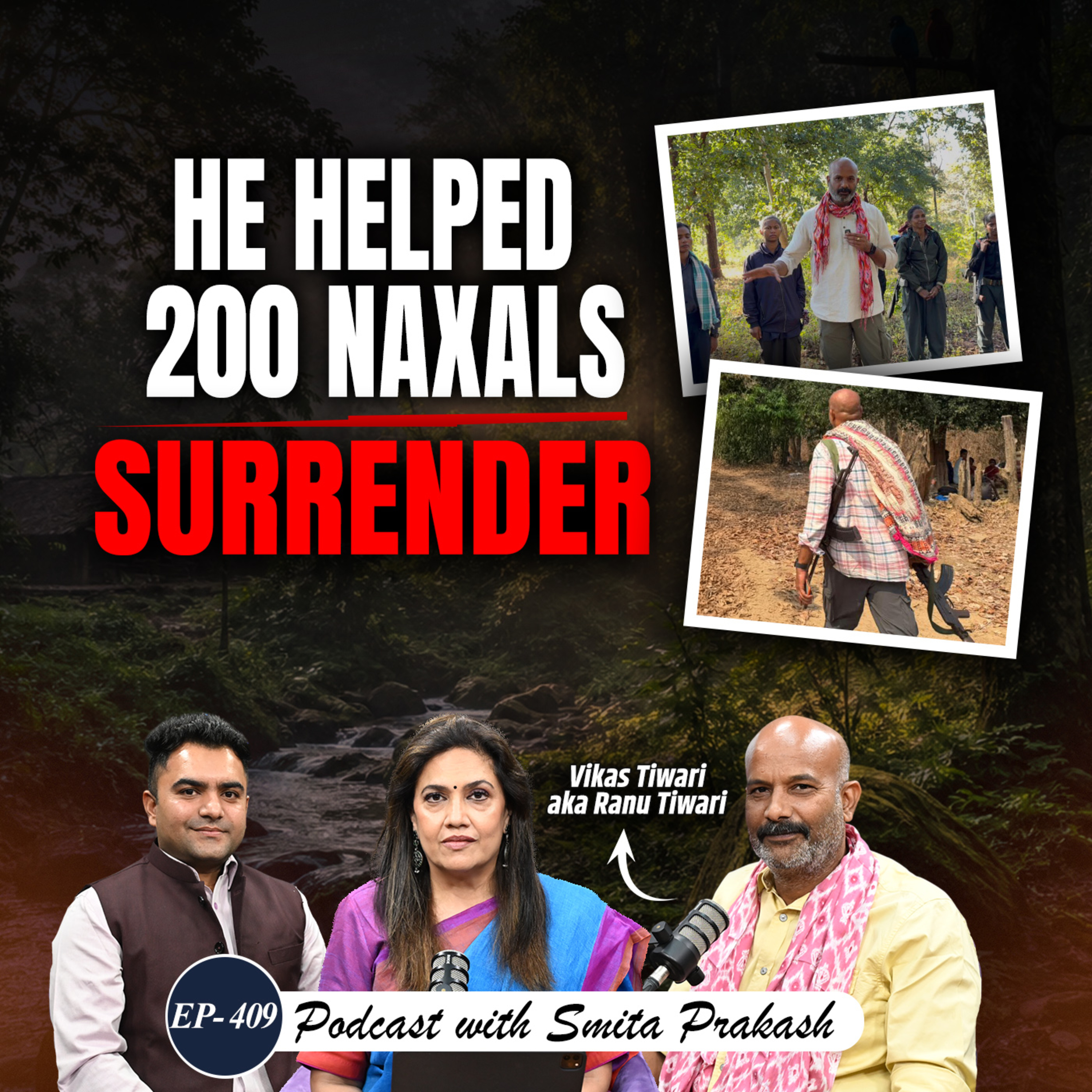
EP-409 | Inside Bastar: The Journalist Who Made 200 Naxals Surrender | Vikas Tiwari
Apr 2701:30:52Tap to summarizeVikas Tiwari, also known as Ranu Tiwari, runs the YouTube channel Bastar Talkies. He has helped over 200 Naxals surrender and return to mainstream society. In this episode of the ANI Podcast with Smita Prakash, he talks about how Naxalism began in Chhattisgarh, the challenges of reporting from Bastar, and the goal set by Union Home Minister Amit Shah to make India Naxal-free. He was awarded the Rameshwaram Hindi Journalism National Award in December 2025. This is a simple, first-hand account from a journalist reporting directly from the remote areas of Chhattisgarh.Timestamps00:00 – Introduction03:18 – From Truck Driver to YouTuber11:58 – Dangers in Naxal-Affected Areas15:34 – Naxalism and Its Causes22:07 – How Naxals Return to the Mainstream28:33 – Challenges of Reporting in Naxal Areas36:41 – Naxals in Bastar: What Has Changed41:10 – Thulthuli Encounter Explained44:41 – The Story of Mukesh Chandrakar50:58 – Why Maoists Resisted Development56:03 – The Reality of Salwa Judum58:28 – Life After Maoists’ Surrender1:00:53 – Youth and Maoist Ideology1:02:35 – Reporting from Naxal Areas1:07:22 – Stories from Families of Martyrs1:14:08 – When Maoists Started Losing Power1:16:36 – Attack on Congress Leader V.C. Shukla1:18:35 – Understanding “Urban Naxals”1:24:10 – Suggestions to Counter “Urban Naxals”1:27:15 – Reality of Bastar Villages
Transcribe →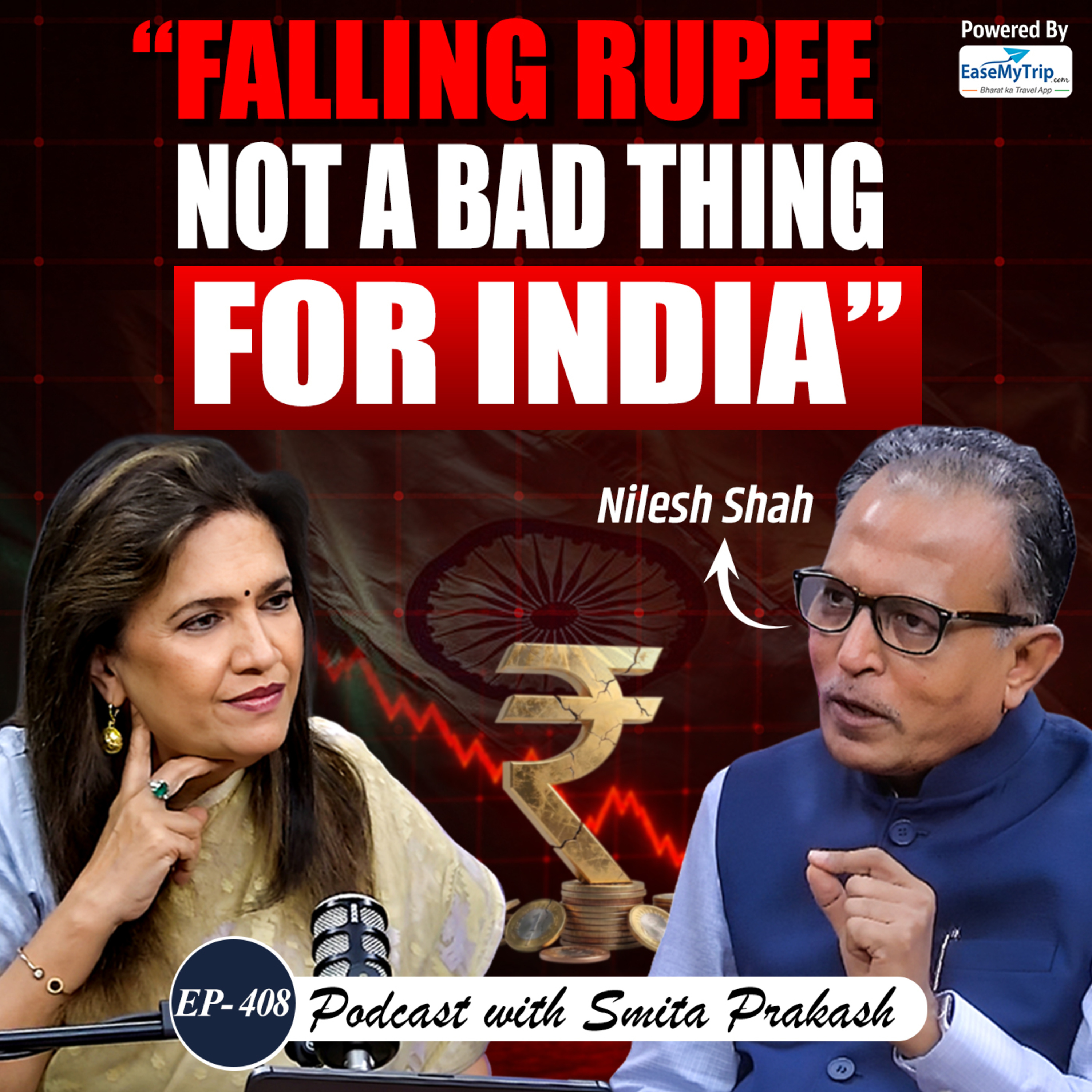
EP-408 | Indian Economy, Energy Crisis, Stock Market, AI & Power Politics | Nilesh Shah
Apr 2400:48:12Tap to summarizeIndia’s financial markets are going through a complex global situation, shaped by changing geopolitics and shifts in domestic growth. To help us understand what lies ahead, the ANI Podcast with Smita Prakash is joined by one of the most respected voices in the investment world, Nilesh Shah, Managing Director of Kotak Mahindra Asset Management Company. He is also a part-time member of the Economic Advisory Council to the Prime Minister. With decades of experience across market cycles, he shares valuable insights on the economy, markets, and where investors should consider placing their bets. He also explains what lessons India can learn from the West Asia crisis.Timestamps00:00 – Introduction00:39 – Role in PM’s Economic Advisory Council03:49 – India’s GDP Ranking07:30 – India’s Economic Vulnerability12:30 – Progress of Banking in India16:16 – Impact of West Asia Conflict on India20:41 – How India Can Improve Its GDP25:22 – US Markets During Iran War27:44 – India–China Trade Explained31:07 – Monsoon Impact on Indian Economy32:30 – Why is Rupee Falling?37:55 – Role of AI in Indian Economy41:06 – Investor Trust in Indian Equities42:37 – IPO Rush in 2025 Explained44:09 – Buy or Sell in the Stock Market46:45 – How to Manage Money Better
Transcribe →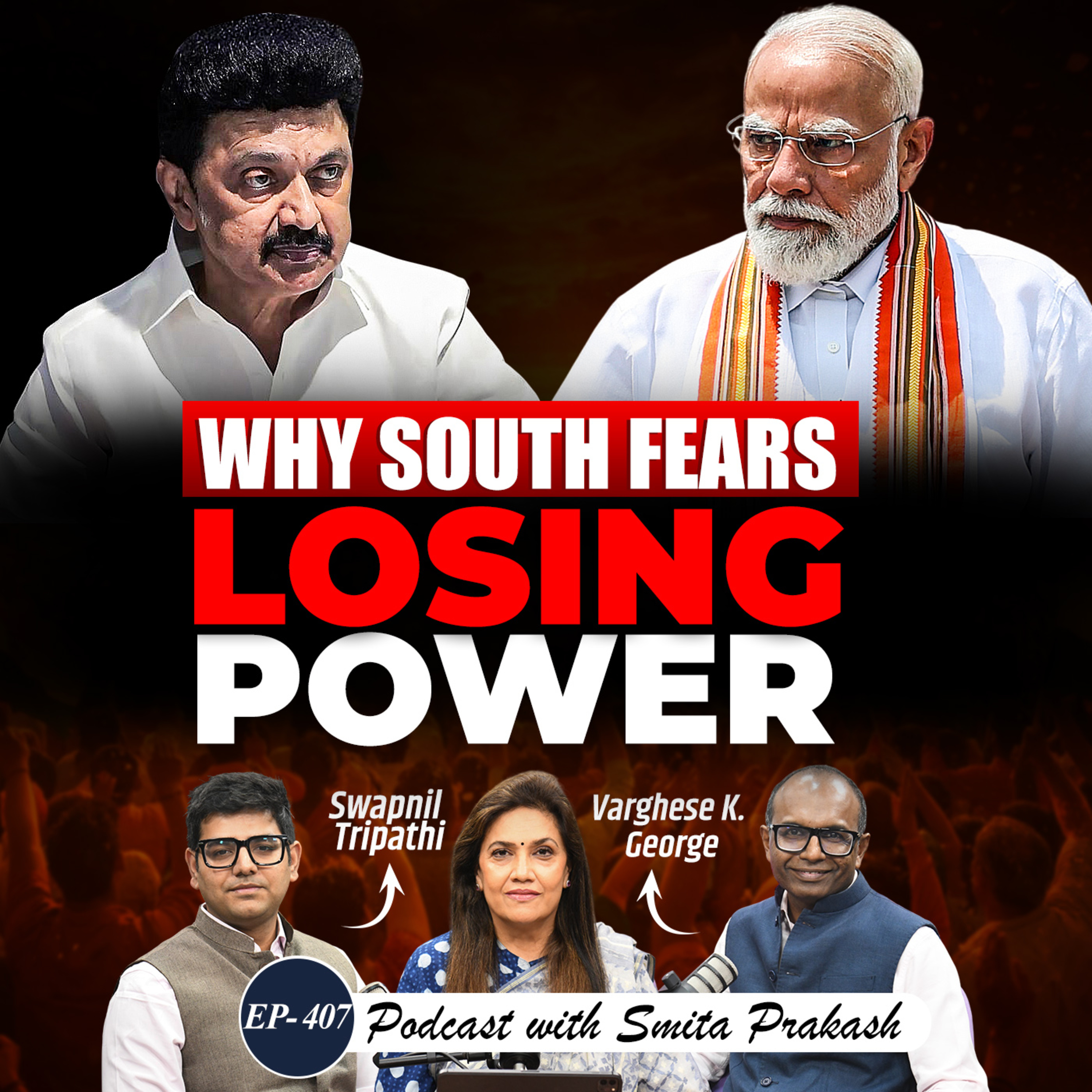
EP-407 | Delimitation, Women’s Quota Bill, North–South Divide & Census | Varghese K George & Swapnil
Apr 1901:13:16Tap to summarizeIn this episode of ANI Podcast with Smita Prakash, we take a deep dive into Women’s Reservation Constitutional Amendment Bill, which was defeated in the Lok Sabha on April 17, 2026.Joining the conversation are Varghese K. George, resident editor at The Hindu, and Swapnil Tripathi, lead at Charkha (Centre for Constitutional Law) at Vidhi.Together, they explain what the bill aimed to do and why linking it with delimitation and census data led to political disagreement.The discussion also covers concerns over North-South balance, population-based seat redistribution, and parliamentary accountability.*Timestamps*00:00 – Introduction01:47 – Political Timing of Women’s Quota Bill05:38 – Delimitation Debate11:02 – PM Modi’s Guarantee17:03 – Impact on South India20:24 – Chandrababu Naidu’s Stand25:49 – Furore Over Delimitation30:55 – Reserved Constituencies in India35:11 – Population & Tax Contribution40:28 – Tharoor’s Proposal49:23 – Political Consensus on Women’s Reservation52:44 – DMK’s Private Member’s Bill56:43 – Executive-Centric Governance in Democracies1:07:19 – Arvind Kejriwal & Mamata Banerjee in Court
Transcribe →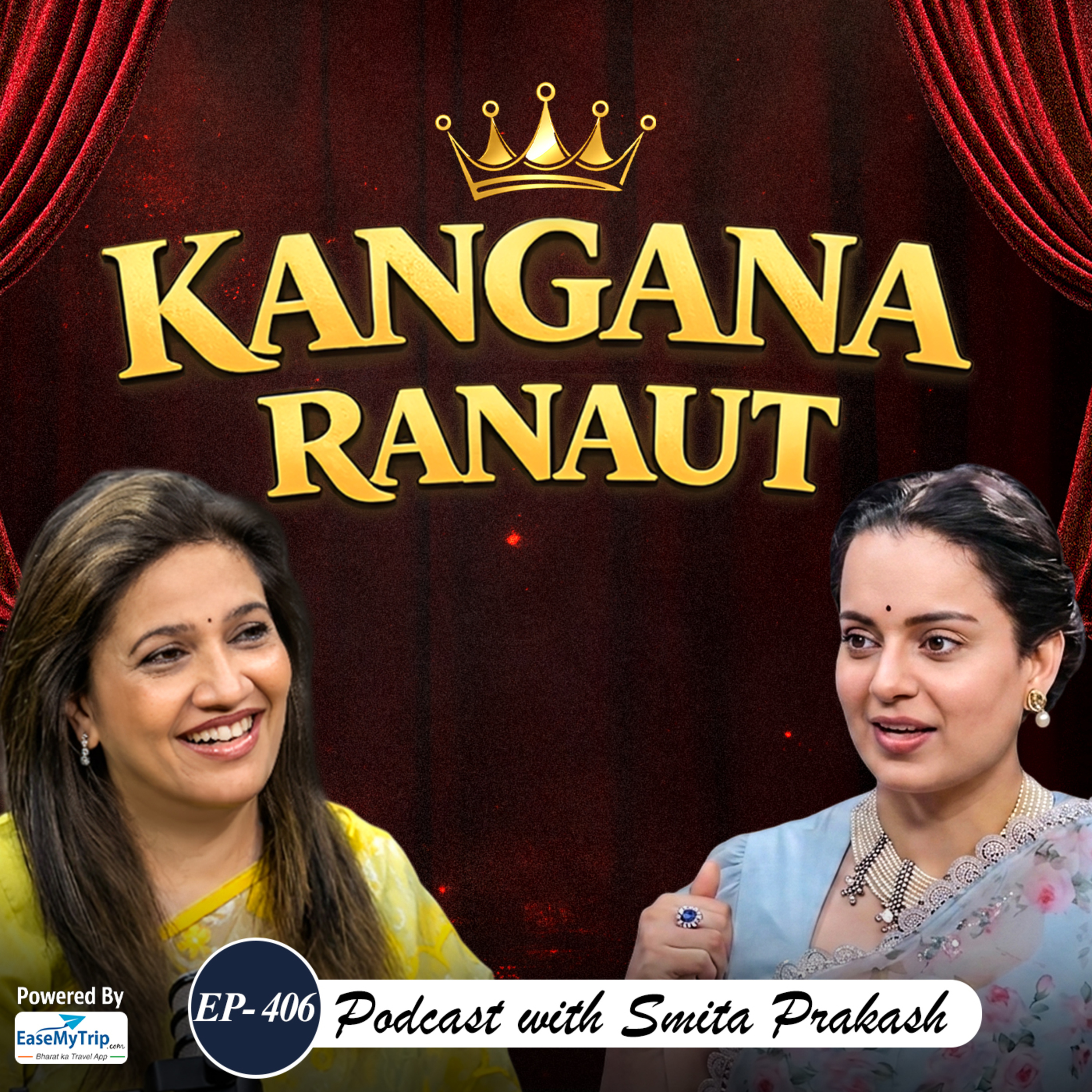
EP-406 | Kangana Ranaut on Women’s Reservation Bill, PM Modi, Rahul Gandhi & Bollywood
Apr 1601:22:39Tap to summarizeKangana Ranaut is a BJP MP from Himachal Pradesh’s Mandi and an actress known for speaking her mind. In this edition of the ANI Podcast with Smita Prakash, she shares her journey in Bollywood and reflects on whether her bluntness has cost her opportunities in the industry.She also speaks about her controversies with Karan Johar and her ‘tapori’ remark on Rahul Gandhi. The conversation covers the Women’s Reservation Bill, her upcoming film Queen 2, why she chose to become a parliamentarian, and more.Timestamps00:00 – Introduction00:53 – Salman’s Compliment06:21 – Bollywood Journey12:54 – Interview with Karan Johar16:14 – Turning Point in Career18:52 – Why Actresses Avoid Comedy Roles20:51 – First-Time MP Experience25:57 – ‘Tapori’ Remark Against Rahul Gandhi29:28 – Women’s Reservation Bill39:36 – Delimitation Debate43:41 – Mandi Constituency Challenges48:13 – Passion for Handloom Sarees53:15 – ‘Dhurandhar’ Effect on Bollywood59:23 – Snap Reactions1:06:37 – Career vs Marriage Choice1:17:35 – Journey from Mandi to Mumbai
Transcribe →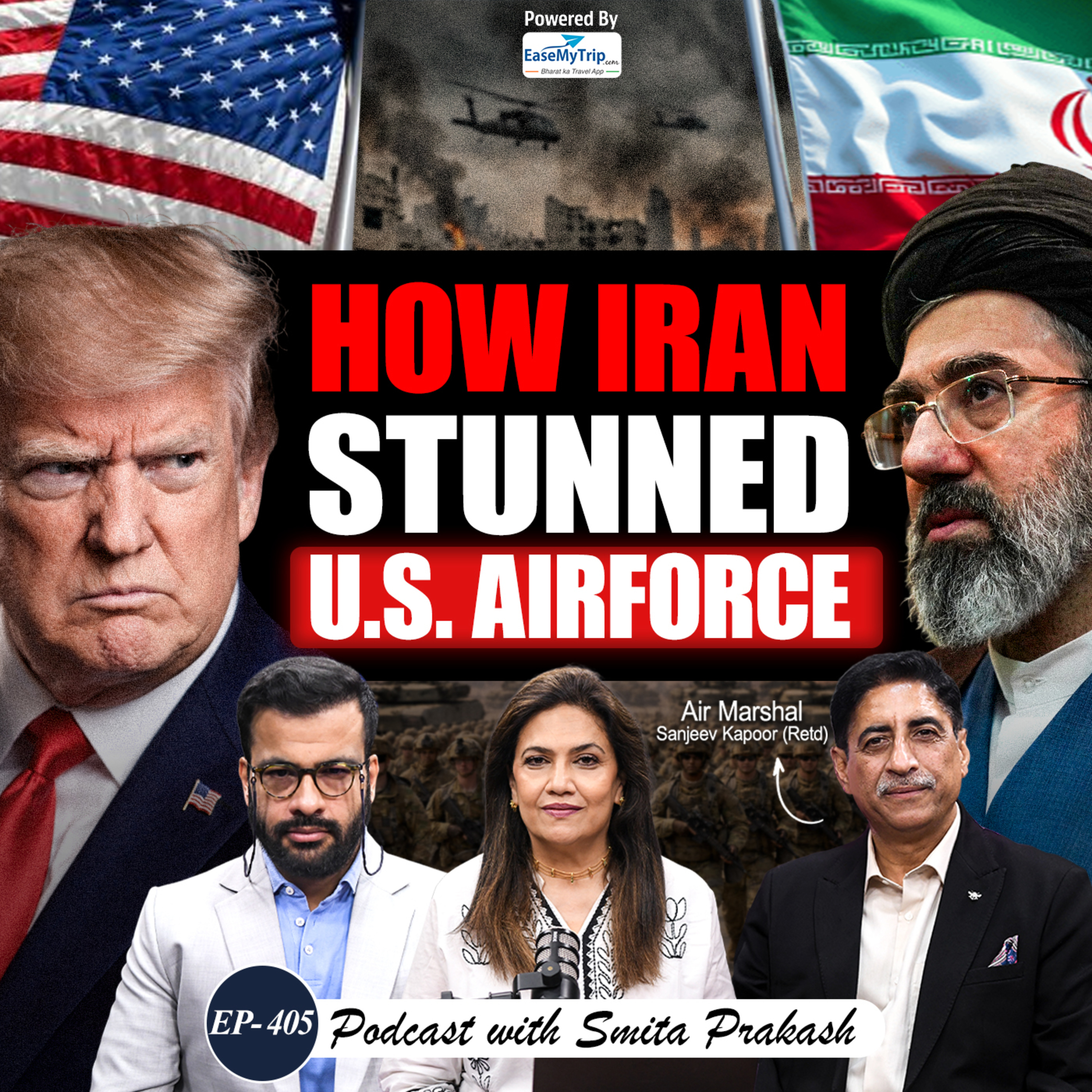
EP-405 | How Iran Stunned U.S. Air Force in Modern Air Warfare | Air Marshal Sanjeev Kapoor (Retd)
Apr 1601:04:16Tap to summarizeAir Marshal Sanjeev Kapoor (Retd) has served as the Director General (Inspection and Safety) of the Indian Air Force. He has also held the position of Commandant at both the Air Force Academy and the National Defence Academy. With over 7,800 hours of incident-free flying on various trainer, transport, and strategic aircraft, he is considered one of the stalwarts of Aerial Refuelling Operations in the Indian Air Force. He has also flown the Airborne Warning and Control System (AWACS) aircraft.In this edition of the ANI Podcast with Smita Prakash, Air Marshal Sanjeev Kapoor explains how modern warfare in West Asia is driven by air power, missiles and drones, and how Iran’s air defence has challenged U.S. and Israeli air superiority.He also highlights that China’s J-20 stealth fighters in Tibet pose a serious challenge and India must develop strong fifth-generation capabilities, while also pointing out that India’s indigenous satellite navigation system needs to be strengthened further.*Timestamps*00:00 – Introduction01:16 – Iranian Air Defence Response05:47 – Iran’s Decentralised Command Structure09:57 – Iran’s Underground Missile Bases18:05 – Limits of Modern Interceptor Systems23:13 – Multi-Domain Warfare29:20 – US Aircraft Losses31:54 – India’s Satellite and Navigation Capability Gap43:53 – Role of Theatre Commands47:46 – Global Energy Supply Chains50:56 – Indigenous Defence R&D54:56 – Jamming and Spoofing57:42 – Rafale Source Code Access Debate
Transcribe →
EP-404 | Do Not Exit the Markets at All” Finance Writer Monika Halan’s Advice to Investors
Apr 1301:02:52Tap to summarizeMonika Halan is a finance writer, speaker, and author who helps families make better money decisions. She is the founder of Dhan Chakra Financial Education and the author of the best-selling book Let’s Talk Money. She also serves as the Chairperson of SEBI’s Advisory Committee for the Investor Protection and Education Fund.In this episode of the ANI Podcast with Smita Prakash, Halan explains why investors often panic during situations like the Iran war. She says the key is to have a clear asset allocation and not enter the markets without proper understanding or research.She also highlights the importance of energy and food security for India. She advocates that India has enough coal reserves for the next 100 years and should use them wisely. At the same time, she points out that India cannot be expected to follow the same climate standards as developed countries with much higher incomes.00:00 – Coming Up00:00 – Introduction01:03 – Investor Anxiety Over Iran War07:41 – Asset Allocation Strategies14:15 – Where to Invest Amid War?19:11 – India’s Fiscal & Monetary Safety Nets25:11 – Financial Influencers30:30 – Home Loans & Emergency Funds34:12 – Financial Planning for Children’s Education40:11 – Behavioural Traps in Investing43:58 – Portfolio Management Tips50:30 – India’s Reform Priorities58:16 – AI and Financial Literacy
Transcribe →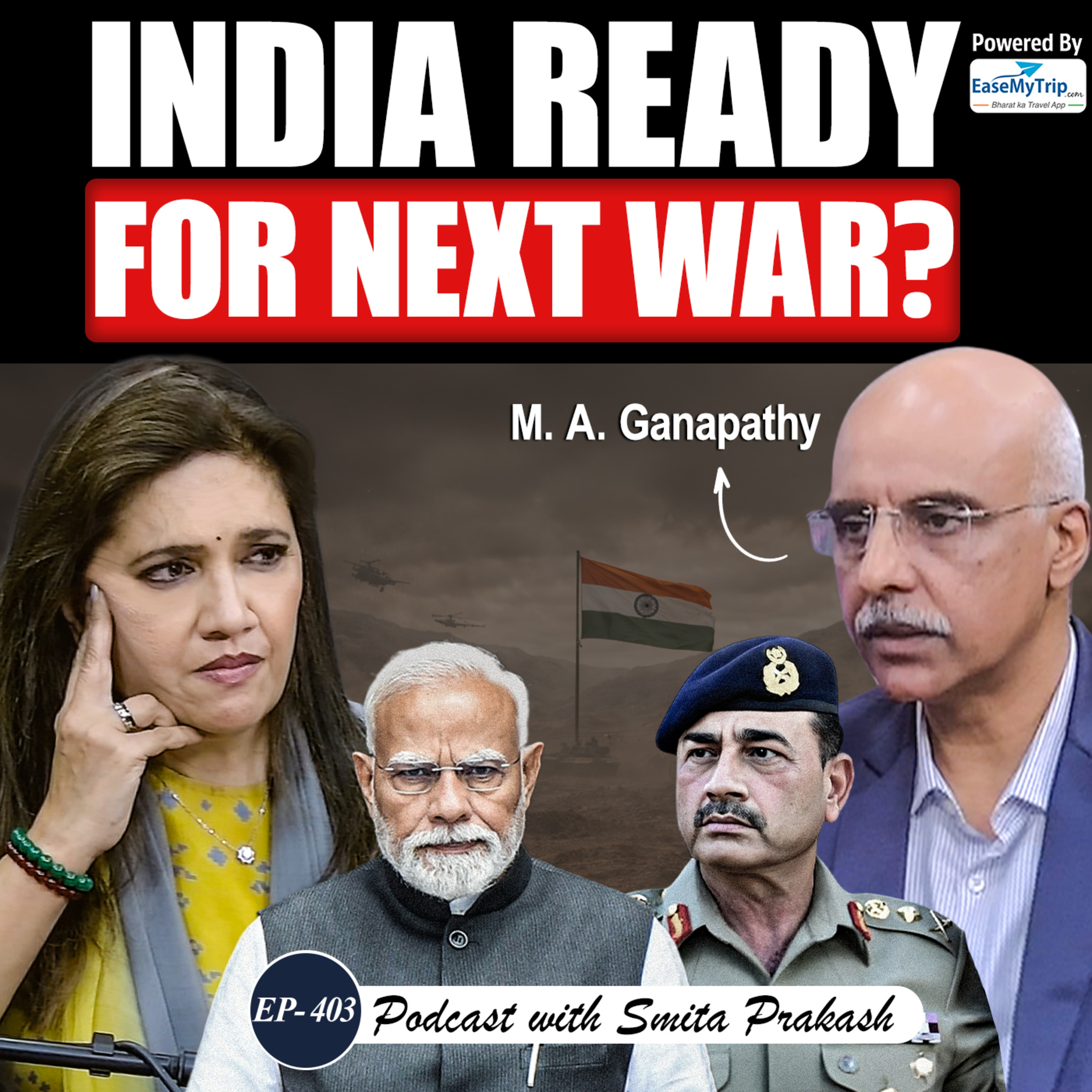
EP-403 | 'PRAHAAR': India’s First National Counter-Terror Policy Explained | Ex-NSG Chief MA Ganapathy
Apr 501:06:41Tap to summarizeM.A. Ganapathy is a former NSG Chief and senior IPS officer with decades of experience in internal security, counter-terrorism, and policing. In this episode of the ANI Podcast with Smita Prakash, Ganapathy breaks down ‘PRAHAAR’, India’s first national counter-terror policy, and explains what it means for the country’s security strategy. He talks about the lessons India can draw from the West Asia conflict, the importance of building capabilities as a deterrent, and why clear objectives are critical in any conflict. He also discusses the growing threats of drone warfare, cyber attacks, and radicalisation, and why India needs a “whole of society” approach to tackle terrorism. The conversation covers the role of intelligence agencies, coordination between police forces, and how sleeper cells operate in urban environments.*Timestamps*00:00 – Introduction00:46 – US & Israel’s Objectives in Iran05:08 – Role of Intelligence in Wars06:50 – India’s Approach to Iran War07:49 – ‘PRAHAAR’ Counter-Terror Policy13:48 – Interstate Coordination16:31 – State Police Forces20:39 – De-radicalisation in India29:12 – Naxal Networks32:27 – How Criminal Networks Support Terror34:28 – Can Police Tackle Tech-Driven Terror?40:00 – Surveillance and Apps in Modern Warfare45:57 – Tackling Sleeper Cells48:58 – Training Citizens to Recognise Terror52:24 – Role of the NSG56:41 – How the CBI Investigates Cases1:00:09 – Reality of OTT Series1:02:27 – Police Mental Health & Physical Fitness1:05:09 – Why Pakistan Isn’t Mentioned in ‘PRAHAAR’
Transcribe →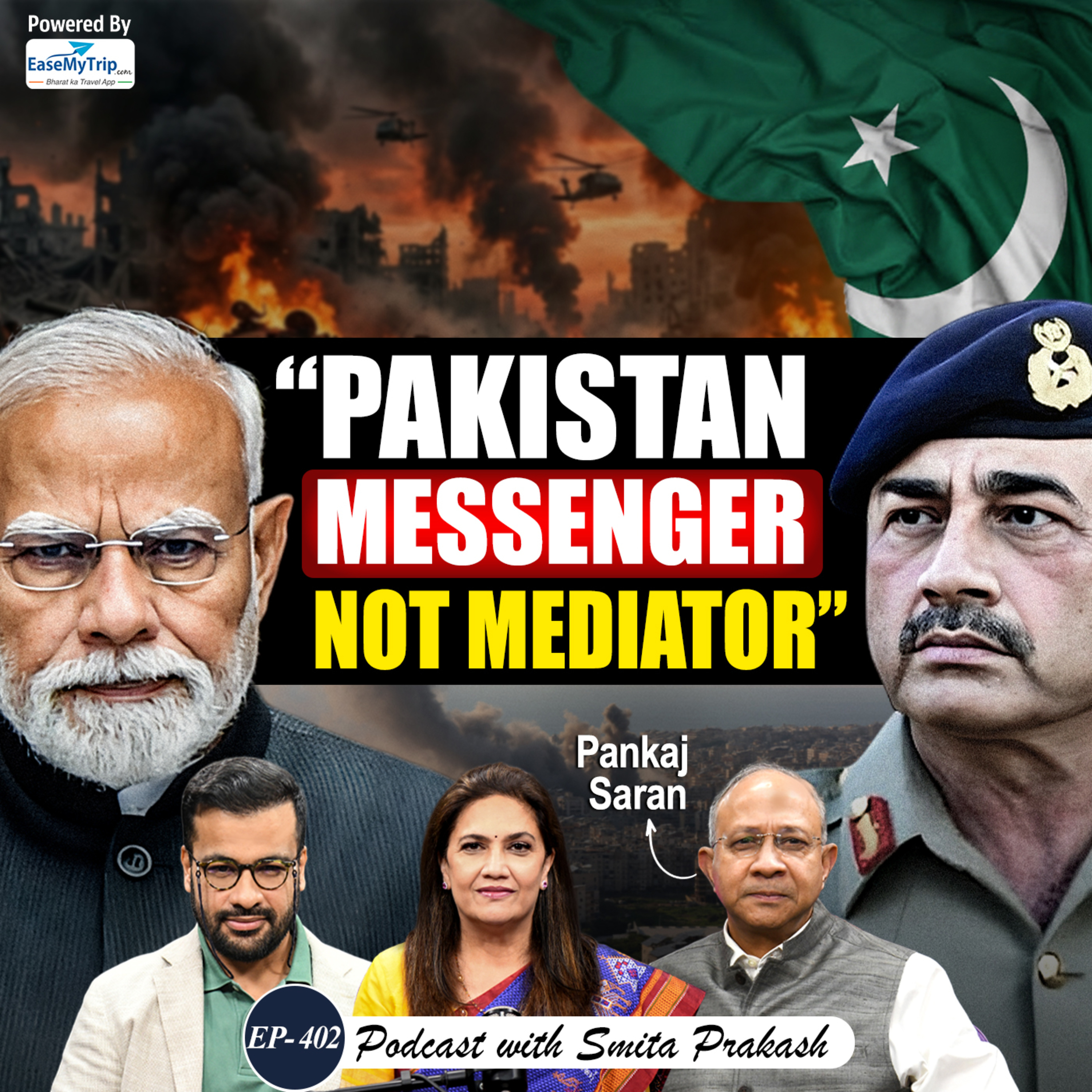
EP-402 | India Silent on Iran War: Strategy or Compromise? | Ex-Deputy NSA Pankaj Saran
Apr 201:26:49Tap to summarizePankaj Saran is a former diplomat with over 40 years of experience in foreign policy, strategy, and national security. He has served as India’s Ambassador to Russia and Bangladesh, Deputy National Security Adviser, and worked in the Prime Minister’s Office under Dr Manmohan Singh. He has also been posted at the Indian Mission in Washington, D.C. He is currently the Convenor of NatStrat, a Delhi-based independent centre for research on strategic and security issues.In this episode of the ANI Podcast with Smita Prakash, Ambassador Saran explains why India’s silence on the Iran war is being seen as aligning with the US and Israel. He says Pakistan is not a mediator, but a messenger in the conflict. He also talks about how Pakistan built close ties with the Trump administration, and whether India missed a chance to play a bigger role in stopping the war. The conversation also touches on the film Dhurandhar and why India chose not to retaliate after the 2008 Mumbai terror attacks.Timestamps00:00 – Introduction00:53 – West Asia War Overview05:47 – Decision-Making in War09:18 – India’s Stand on Iran War12:16 – LPG Supply Crisis17:52 – Gulf Nations Under Attack19:55 – Warfare Strategies27:41 – Pakistan as Mediator in Iran War36:26 – Should India Mediate Iran War?38:44 – Iran’s Global Position42:26 – China & Russia's stand58:38 – India’s Strategic Silence1:04:45 – Can India Build AI Without U.S.?1:08:57 – Did India Misread Iran Situation?1:11:29 – 2008 Mumbai Attacks1:22:45 – Dhurandhar Movie
Transcribe →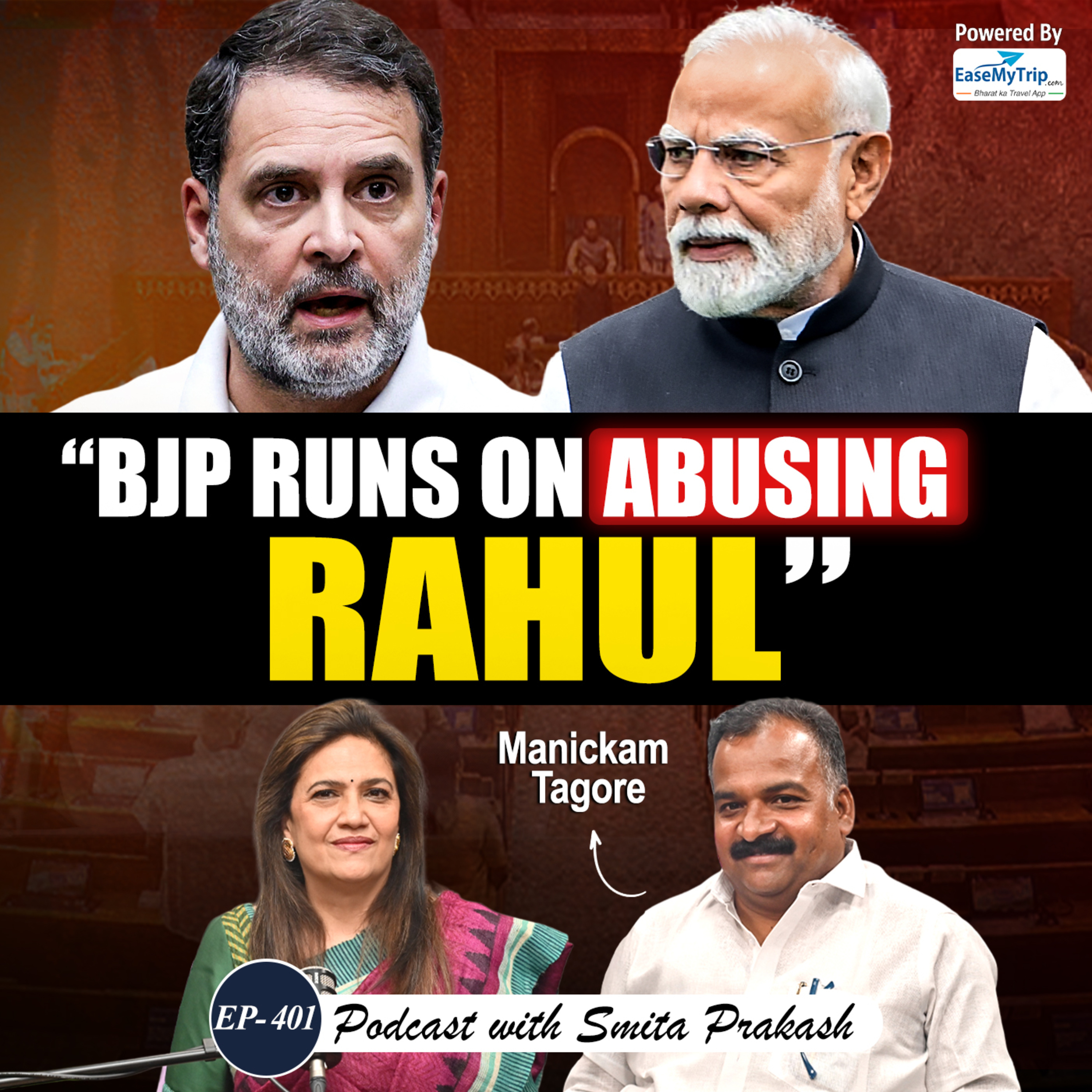
EP-401 | Manickam Tagore on Tamil Nadu Polls, Vijay, Stalin, Modi, Rahul & Freebies
Mar 2901:20:57Tap to summarizeManickam Tagore is an Indian National Congress MP representing the Virudhunagar constituency in Tamil Nadu. He serves as Whip of the Congress Party in the Lok Sabha and is the All India Congress Committee in-charge of Andhra Pradesh.In this episode of the ANI Podcast with Smita Prakash, he discusses the Opposition’s strategy in Parliament, the DMK–Congress alliance, actor Vijay, freebies politics, Congress’ organisational challenges, and the BJP’s presence in Tamil Nadu.*Timestamps*00:00 - Introduction 00:22 - Lok Sabha Suspension Revoked 04:25 - DMK–Congress Alliance 08:16 - National Parties in Tamil Nadu 16:28 - Modi vs Rahul Popularity 21:27 - Power Sharing with DMK 26:08 - The Vijay Challenge 35:58 - Tamil Nadu Media 37:21 - Alliance Dynamics in Tamil Nadu 40:24 - Politics of Freebies 46:57 - Rahul as Congress Face 49:42 - Why Rahul Gets Angry 53:50 - Digital Marketing by Political Parties 55:42 - Ravneet Singh Bittu 1:04:28 - Congress Cadre 1:14:23 - Caste Politics in Tamil Nadu
Transcribe →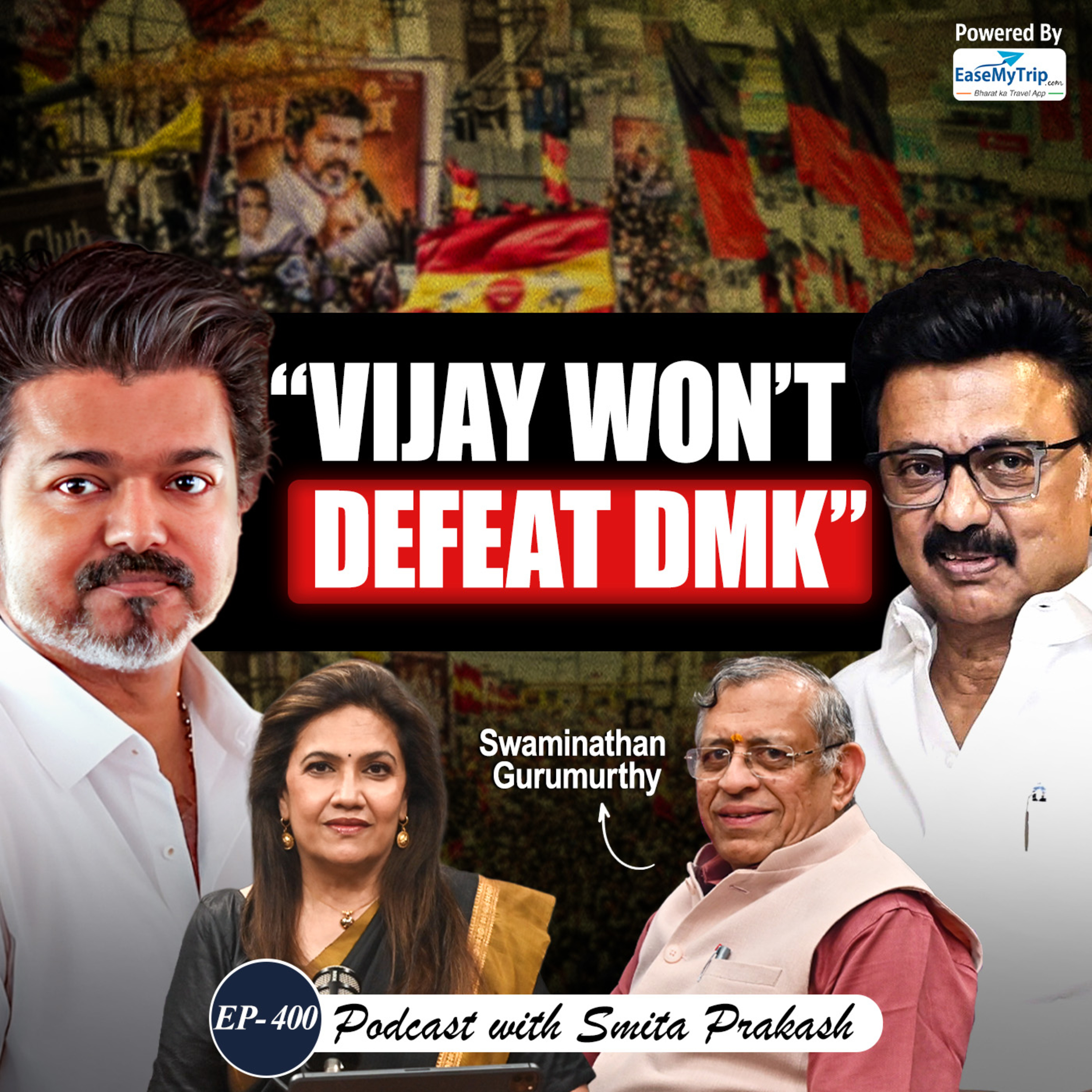
EP-400 | S Gurumurthy on Tamil Nadu Polls, Vijay, Modi, Rahul, DMK, Sanatana & More
Mar 2401:59:24Tap to summarizeSwaminathan Gurumurthy is the editor of the Tamil political weekly Thuglak. An auditor by training and an ideologue by conviction, he has spent decades at the intersection of economics, politics and civilisational debate. From his investigations into corporate power in the 1980s involving Reliance Industries to his critique of globalisation and role in shaping the intellectual ecosystem of the RSS, he has remained an influential and outspoken voice in India’s public life.In this episode of the ANI Podcast with Smita Prakash, he discusses the DMK-Congress alliance, actor Vijay, Sanatana Dharma, Tamil Nadu politics and RSS.Gurumurthy outlines the structural and ideological challenges the BJP faces in Tamil Nadu, shaped by decades of Dravidian politics and alliance-driven electoral dynamics.He also speaks candidly about Ramnath Goenka, Dhirubhai Ambani, Indira Gandhi-era politics and his clashes with corporate power in India.Timestamps00:00 - Introduction02:14 - Dravidian Politics14:43 - DMK-Congress Alliance21:25 - Can Vijay Challenge DMK?25:42 - Tamil Nadu’s Cultural Ethos33:56 - Electoral Shifts in Tamil Nadu40:43 - BJP’s Challenge in Tamil Nadu48:05 - Tamil Cultural Media51:46 - Anti-Hindu Politics in Tamil Nadu55:58 - Story Behind ‘Guru’ Movie58:51 - Ties with Ramnath Goenka1:08:20 - Dhirubhai Ambani Investigations1:10:35 - Advisory Role in Corporate Family Disputes1:17:12 - Political Engagement Across Parties1:24:28 - Congress’s Leadership Crisis1:32:58 - West Asia Conflict1:39:33 - BJP’s Outreach to Minorities1:49:03 - Views on the Gandhi Family1:54:21 - BJP-RSS Coordination
Transcribe →