
Podcast
ANI Podcast with Smita Prakash
Hosted by Asian News International (ANI) · EN
ANI Podcast with Smita Prakash gets eminent people from different walks of life to talk about issues that impact you and society at large. Join Smita Prakash as she brings important voices from the field of politics, sports, entertainment, and lifestyle. Dive in for a great listening experience brought to you by India’s largest news agency.
78episodes
Episodes
Newest firstAll episodes
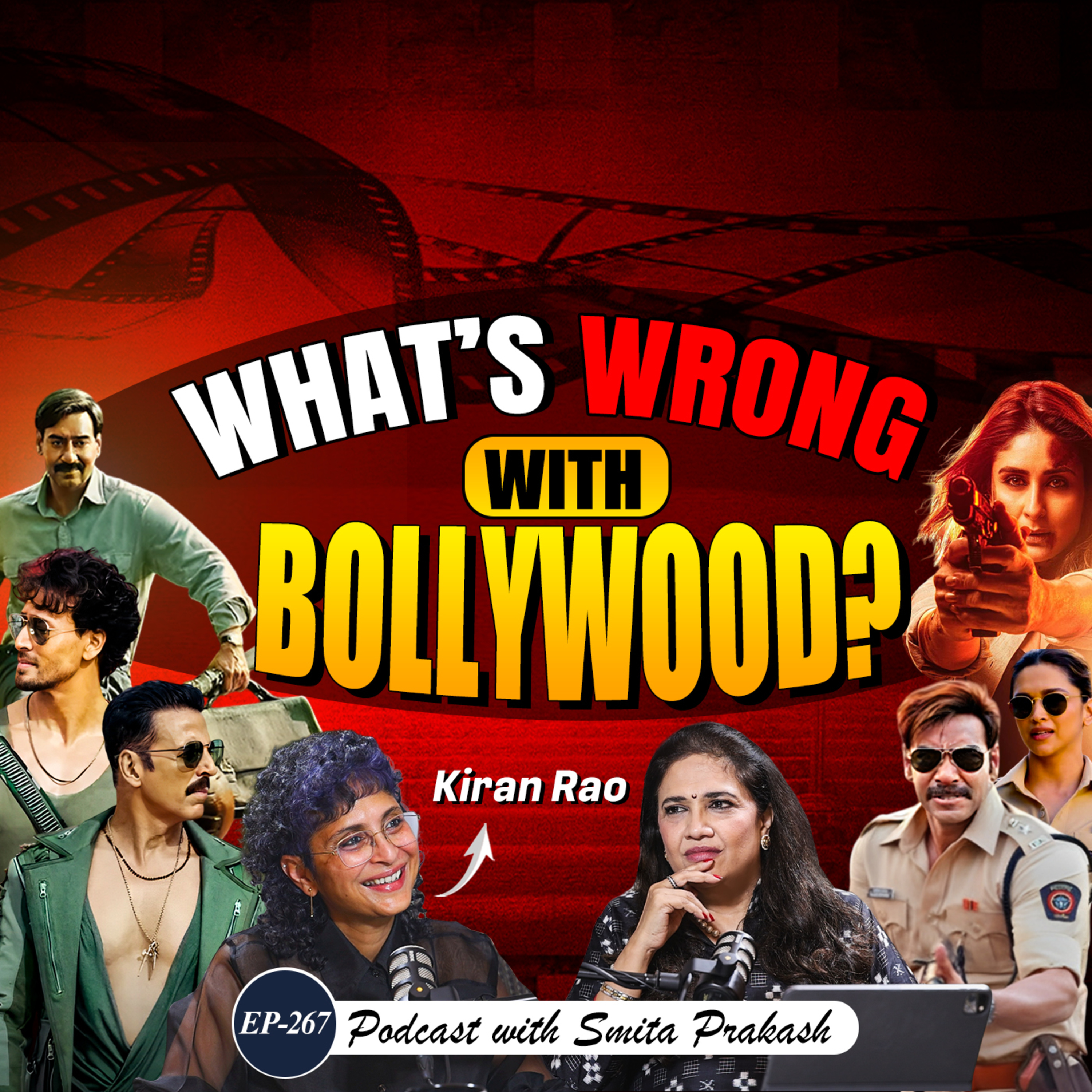
EP-267 | Kiran Rao on South Cinema vs. Bollywood, Divorce with Aamir, Patriarchy, and More
Mar 8, 202501:05:42Tap to summarizeKiran Rao began her career as an assistant director on the iconic film Lagaan and later went on to direct Dhobi Ghat (2010) and the critically acclaimed box office success Laapataa Ladies (2024). She graduated with a degree in Economics from Sophia College for Women, Mumbai, in 1995, and later pursued her Master’s at AJK Mass Communication Research Center, Jamia Millia Islamia, New Delhi.In this episode of the ANI Podcast with Smita Prakash, Kiran Rao delves into the intricacies of storytelling, the impact of cinema on our lives, and how films can be a powerful tool for messaging. She also shares her perspective on patriarchy, emphasising how men can be its victims.She also opens up about her divorce from Aamir Khan, highlighting the mutual respect and strong bond they continue to share. More on the creative challenges in filmmaking and how she deals with an industry dominated by men.00:00 - Introduction02:27 - Movie Ticket Tax Row06:55 - The Art of Storytelling in Bollywood17:15 - Commercial Success vs. Critical Acclaim23:12 - The Auditioning Process in Bollywood24:54 - Working with Naseeruddin Shah27:47 - Collaborating with Ashutosh Gowariker28:52 - How SRK Behaves on Set29:50 - Memories from Jamia University Days32:39 - Women in a Male-Dominated Industry38:49 - South Indian Films vs. Bollywood48:25 - Laapataa Ladies vs. Animal50:21 - Are Films Being Over-Promoted?57:15 - Nupur’s Wedding59:12 - Marriage & Divorce with Aamir Khan01:02:45 - Nostalgic Memories from Dil Chahta Hai
Transcribe →
EP-266 | Leadership, Diplomacy & Politics: Women Shattering the Glass Ceiling | Ruchi Ghanashyam, Shaina NC
Mar 5, 202501:20:41Tap to summarizeRuchi Ghanashyam joined the Indian Foreign Service (IFS) in 1982. Over her 38-year career, she served at India’s Permanent Mission to the United Nations in New York and as High Commissioner to Ghana, South Africa, and the UK, where she retired in 2020. She was also a Counsellor at the Indian High Commission in Pakistan.Shaina NC is a fashion designer, politician, and social worker. She is the daughter of former Mumbai Sheriff Nana Chudasama. In 2024, she left the BJP and joined Eknath Shinde’s Shiv Sena ahead of the Maharashtra Assembly elections.In this episode of ANI Podcast with Smita Prakash, Ruchi Ghanashyam shares her journey as a woman in the Indian Foreign Service and her experiences as a diplomat in Pakistan and the UK.Shaina NC talks about her transition from fashion to politics. She shares her experience of contesting elections from the Mumbadevi constituency and addresses the ‘Imported Maal’ controversy. She also discusses the debate over politicians' looks.For generations, leadership, diplomacy, and power corridors have been dominated by men. But trailblazers like Ruchi Ghanashyam and Shaina NC have shattered stereotypes, proving that gender is no barrier to success.00:00 - Introduction03:01 - Indian Tradition08:19 - The Story of Banarasi Joda in Pakistani Weddings09:41 - Indian Saree in the Fashion Industry13:55 - Saina's Entry into Politics16:19 - Women in the Foreign Service18:55 - Ruchi as an Indian Woman Diplomat in Islamabad21:11 - Contesting Elections from Mumbadevi25:04 - The 'Imported Maal' Controversy32:32 - Ruchi as High Commissioner to the UK37:50 - Debate over Politicians’ Looks44:13 - Snap Reaction Segment01:10:06 - Why Did Saina Leave the BJP?01:13:24 - Dealing with Mental Health
Transcribe →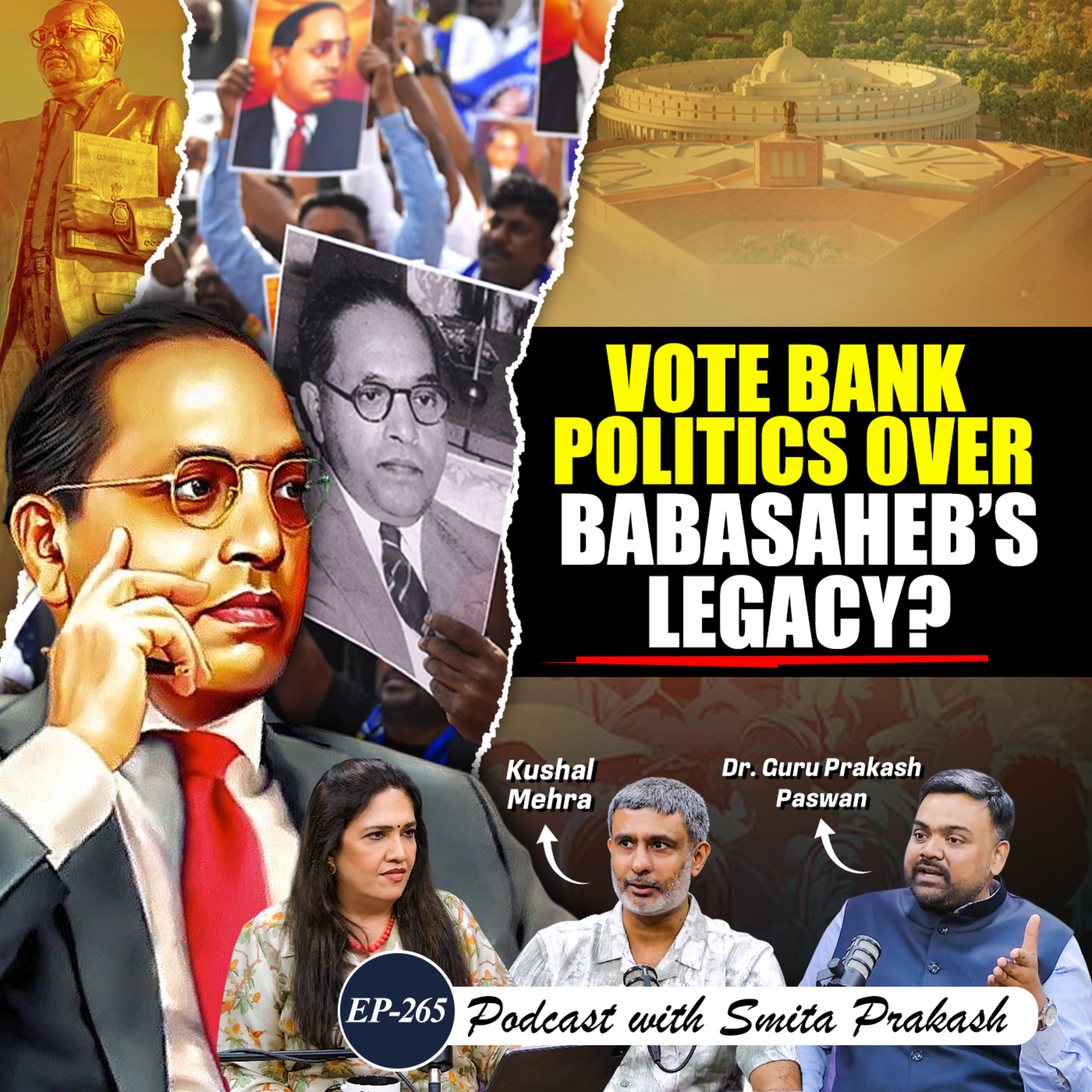
EP-265 | Babasaheb's Legacy War, Dalit Votes, Hinduphobia in Canada & USA | GP Paswan, Kushal Mehra
Mar 1, 202501:46:20Tap to summarizeIn this episode of ANI Podcast with Smita Prakash, we take a deep dive into Babasaheb Ambedkar’s legacy and how it continues to shape Indian politics. Joining the conversation are Dr. Guru Prakash Paswan, National Spokesperson of the BJP with a deep understanding of Dalit issues, and Kushal Mehra, a podcaster and author known for his sharp takes on politics and society.They discuss the role of Dalit votes in elections, how Ambedkar’s vision is understood today, and the political battles fought in his name. The conversation also touches on the rise of Hinduphobia in Canada and the USA—why it’s happening, who is driving the narrative, and what it means for Indian communities abroad.Timestamps:00:00 - Introduction01:17 - Ambedkar's Legacy 12:52 – Neo-Feudalism in India16:15 - Caste Discrimination in the USA26:04 – Migration Patterns from India to the West34:27 - Merit vs Quota45:05 - ‘Hinduphobia’ in the USA52:40 – Caste Census in India58:04 – Dalit Icons statues1:06:42 - Dalits & Babasaheb1:18:53 – Indian Community in Canada & the USA1:29:49 – Dalit Politics in Punjab1:37:04 - Politics over Dalit Vote Bank
Transcribe →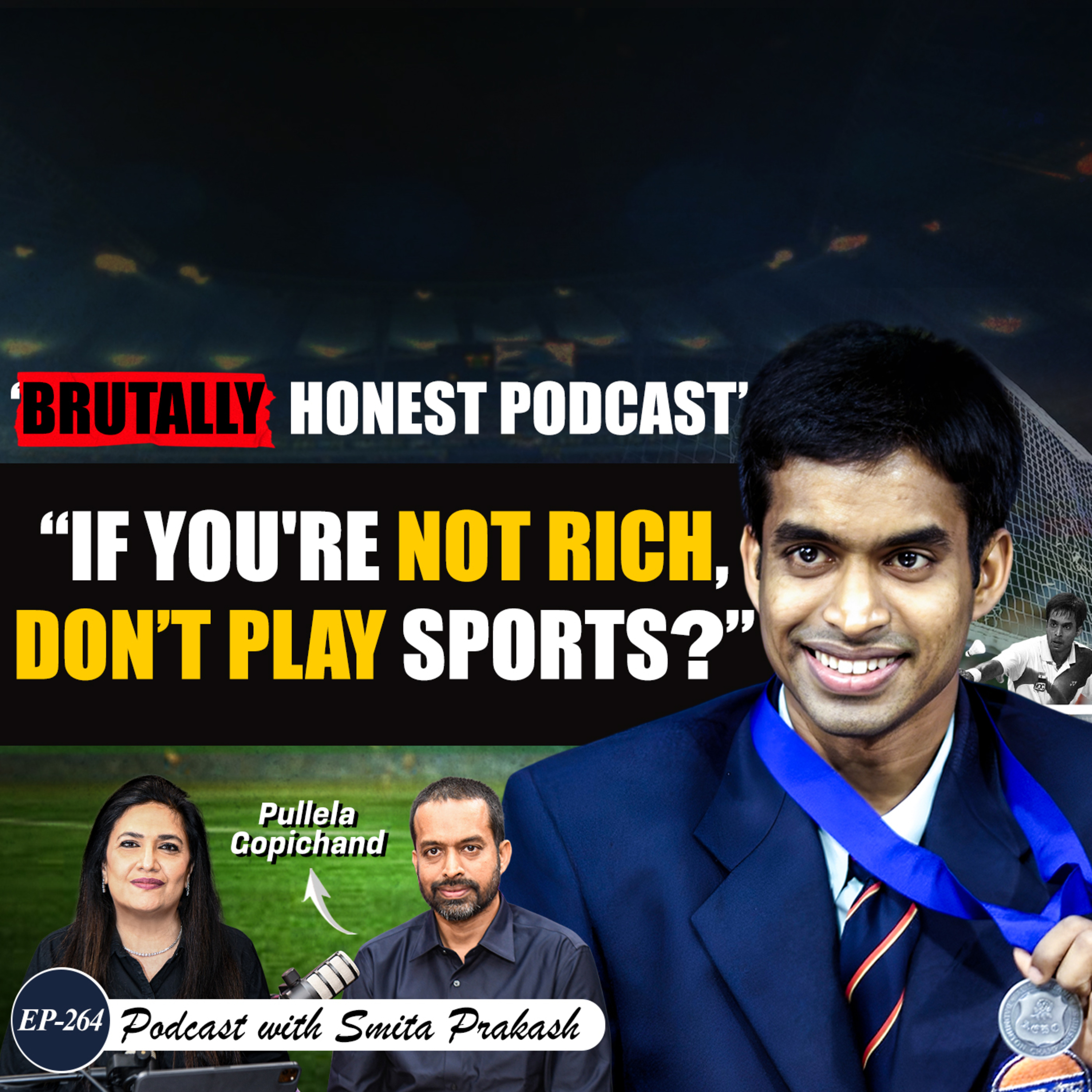
EP-264 | Is Sports Only for the Rich? Pullela Gopichand's Brutal Take
Feb 25, 202501:12:48Tap to summarizePullela Gopichand is the second Indian to win the prestigious All England Open Badminton Championship (2001). A former Olympian, he coached Saina Nehwal and PV Sindhu to Olympic success.Honoured with the Arjuna Award in 1999, Gopichand is often called the ‘Dronacharya of Indian Badminton.’ Since 2004, he has been running an academy in Hyderabad, where players like Srikanth Kidambi, Parupalli Kashyap, H.S. Prannoy, Sai Praneeth, and Sameer Verma have trained and brought glory to India.In this episode of ANI Podcast with Smita Prakash, Gopichand addresses the controversy around his remark that "only the rich should play sports." He clarifies that his concern is about the lack of support for athletes after retirement. He points out that while one in a hundred may reach the top, the rest need a safety net.He also talks about how the government can do more to support athletes, the evolution of sports in India, and what it takes to create champions. He also discusses the impact of social media trolling on athletes’ mental health and the reality behind sports quota jobs.00:00 - Introduction00:49 - ‘Sports are for the Rich’ Controversy08:05 - Securing an Athlete’s Future13:44 - Post-Career Support for Athletes19:54 - Wealth Disparity in Sports25:27 - Government’s Role in Athlete Welfare25:49 - Struggles of Athletes28:04 - From Badminton Player to Coach36:42 - How Sports Have Evolved40:50 - Best Sports Choices for Kids44:11 - Coaching Saina Nehwal and PV Sindhu48:08 - Bias in Coaching53:16 - Dealing with Social Media Trolling54:58 - An Athlete’s Diet: What It Takes58:11 - Southeast Asian vs. European Players01:01:25 - PM’s Role in Sports Development01:02:48 - Sports Career Options: Then vs. Now01:07:19 - Sports Quota Jobs
Transcribe →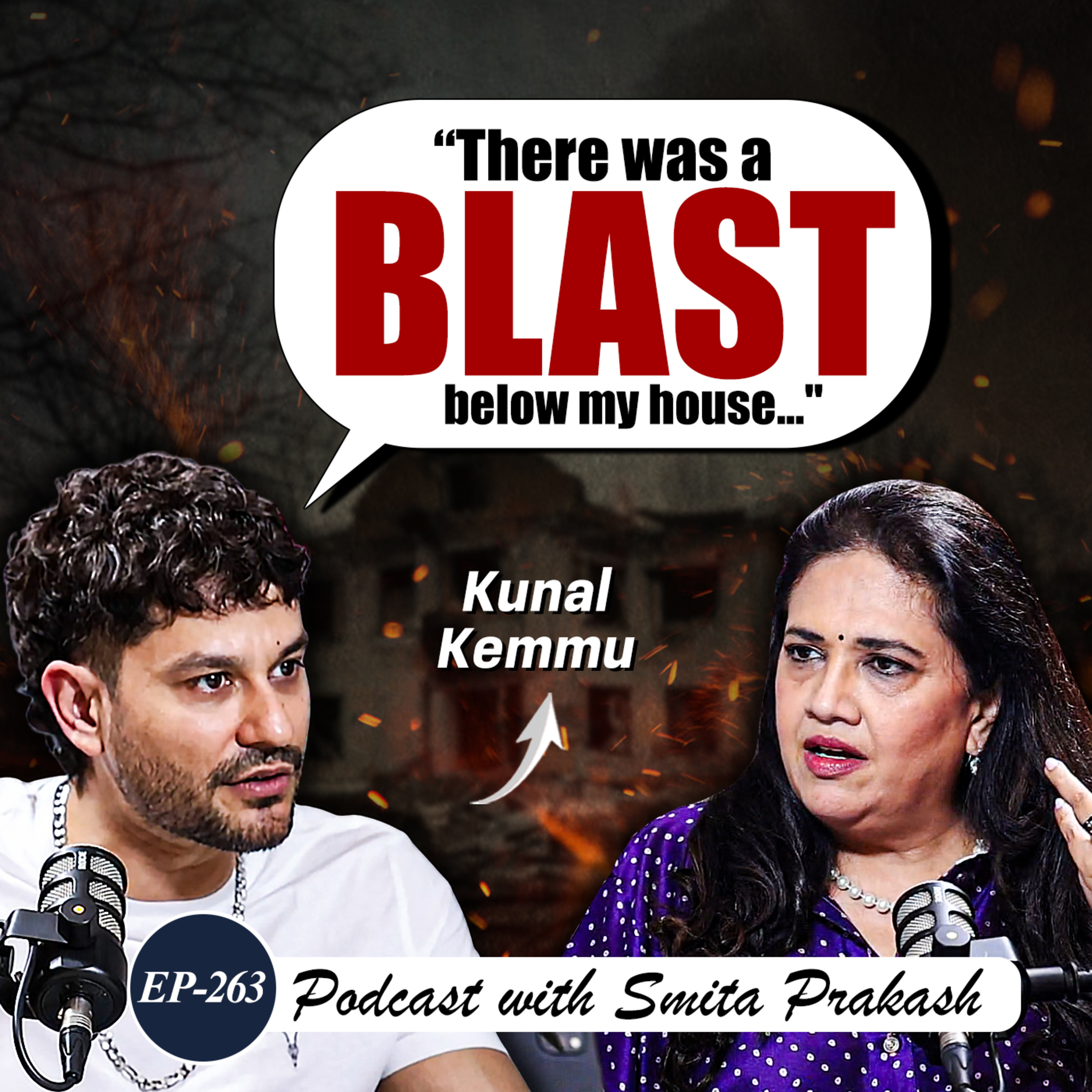
EP-263 | Life as a Kashmiri Pandit, Attack on Saif, Movies, Family & More | Kunal Kemmu
Feb 22, 202501:12:04Tap to summarizeBorn in Srinagar, Kunal Kemmu comes from a family of actors. He began his career as a child actor, appearing in films like Hum Hain Rahi Pyar Ke (1993), Raja Hindustani (1996), and Zakhm (1998).Kunal made his debut as a lead actor in Kalyug (2005) and went on to star in several films, including the Golmaal franchise, Go Goa Gone (2013), and intense dramas like Traffic Signal (2007) and Blood Money (2012).In this episode of ANI Podcast with Smita Prakash, Kunal opens up about the Kashmiri Pandit exodus in the 1990s and how it affected his family. He also shares why he chose to become an actor and what life was like growing up in Srinagar.Kunal talks about the attack on his brother-in-law, Saif Ali Khan, and recalls the terrifying incident when his wife, Soha Ali Khan’s, house was robbed, explaining how he dealt with the situation.He also discusses his directorial debut, Madgaon Express (2024), how fatherhood has changed him, and the important role fitness plays in his life.00:00 - Introduction00:44 - Growing Up as a Kashmiri Pandit08:33 - Will Kashmiri Pandits Return to the Valley?10:37 - Life in Bombay vs. Kashmir12:17 - Entering the Industry as a Child Actor18:50 - Transitioning from Child Actor to Adult Roles22:36 - Working with Different Directors24:00 - Directing 'Madgaon Express'29:50 - Film on the Kashmiri Pandit Exodus32:47 - Conversations at Actors' Family Dinners35:40 - Saif Ali Khan Stabbing Incident42:18 - Growing Up in the Public Eye as an Actor’s Kid45:27 - How Social Media is Affecting Children47:49 - Love for Travel53:35 - Staying Physically Fit1:06:37 - What’s Coming Up in 2025
Transcribe →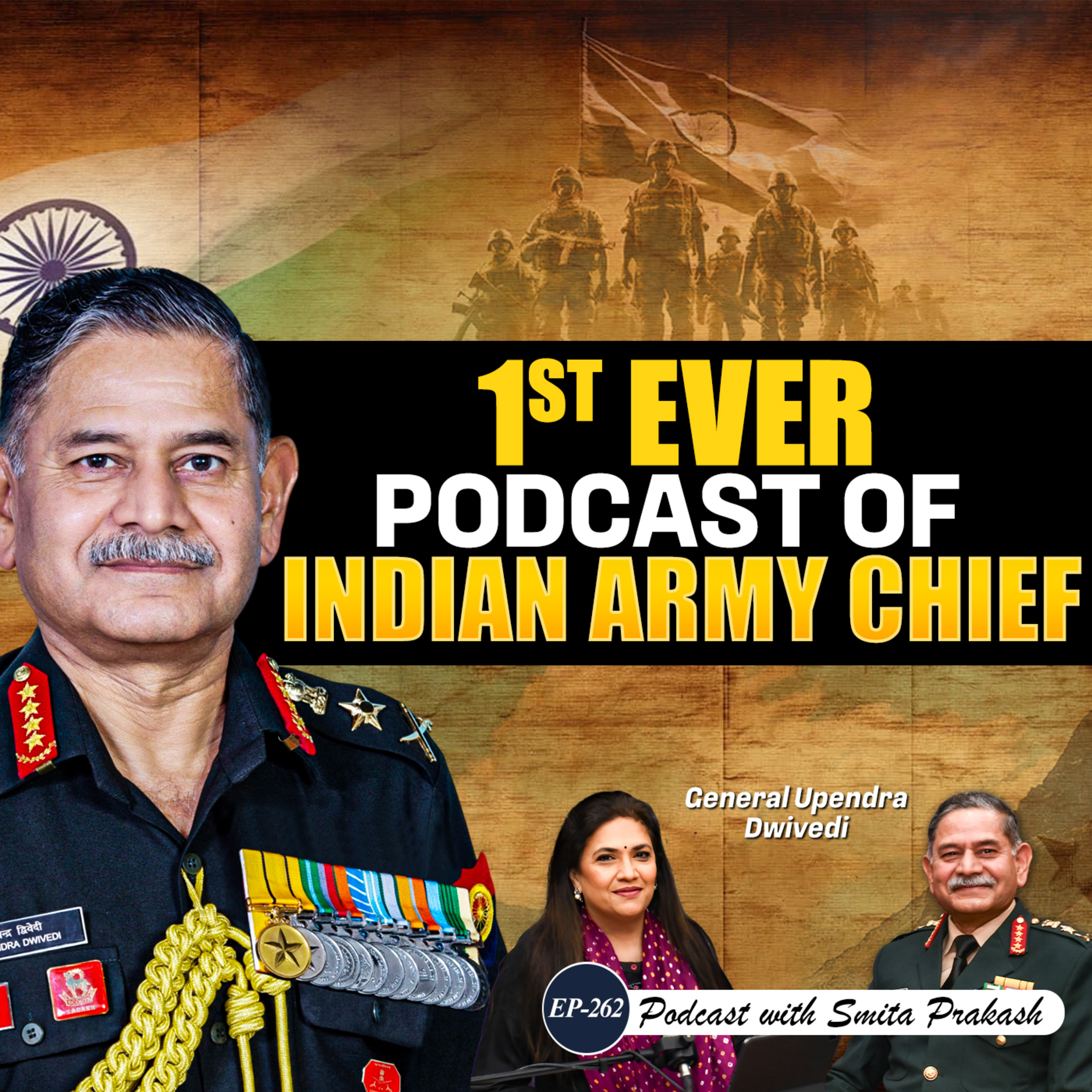
EP-262 | India-China Border, Atmanirbhar Bharat in Defence, Pakistan & AI | General Upendra Dwivedi
Feb 19, 202501:27:16Tap to summarizeGeneral Upendra Dwivedi is currently serving as the 30th Chief of the Army Staff of the Indian Army. He previously served as the General Officer Commanding-in-Chief of the Northern Command. Before that, he was the Deputy Chief of Army Staff for Information Systems and Coordination and the General Officer Commanding of the IX Corps.In this episode of the ANI Podcast with Smita Prakash, the Army Chief shares his views on several key issues. He discusses how the situation of militancy in Jammu and Kashmir has changed after the abrogation of Article 370 and also talks about the Indian Army's role in implementing the theme of ‘Terrorism to Tourism” in Kashmir Valley. He also opens up about the Pakistani Army’s mindset regarding PoK and the motive behind infiltration bids by Pakistani terrorists.General Dwivedi also addresses how AI is transforming battlefields across the world and how the Indian Army is utilizing this technology. He emphasizes that civilian support for the army plays a major role and explains how an average citizen can be helpful to the Indian Army. He highlights the disengagement between India and China along the Line of Actual Control (LAC).General Dwivedi further reflects on the role of women in the Indian Armed Forces. He also discusses the budget allocated for the defence sector and the priorities that need to be addressed to boost the army's performance.00:00 – Introduction01:06 - India-China border Disengagement04:20 - Rahul Gandhi’s remarks on Army Chief07:32 - Trump’s pitch to sell stealth fighters to India11:43 - Security situation along LoC14:16 - Decline in militancy in Kashmir16:47 - Mindset of Pakistani Army22:24 - Drones: Future of Warfare27:46 - Is Agnipath scheme helping Army?30:42 - ‘Gray zone’ and ‘Hybrid’ warfare38:31 - AI and Indian Army48:56 - Two classmates leading Indian Armed Forces55:59 - Recruits in the Indian Army59:22 - Budget allocation for Defence1:06:23 - Army pay scale compared to private sector1:12:02 - Civilian support for Army1:16:55 - When Army Chief visited Mahakaleshwar Temple1:19:05 - Childhood of Army Chief1:22:30 - Emotional impact of losing friends in combat
Transcribe →
EP-260 | Will Bihar trust Nitish Kumar, again? | Purvanchali voters in Delhi | Sanjay Kumar Jha
Feb 2, 2025Tap to summarizeSanjay Kumar Jha is a member of the Rajya Sabha and serves as the National Working President of Janata Dal-United. He is also the Chairperson of the Parliamentary Committee on Transport, Tourism, and Culture.In this episode of the ANI Podcast with Smita Prakash, Sanjay Jha discusses the challenges Bihar is facing, such as unemployment, poverty, literacy rates, migration, and GDP growth. He also reflects on what Nitish Kumar has accomplished for the state over the last 20 years.Jha speaks about Nitish Kumar's health and whether he will be fit for the upcoming state elections. He also clarifies whether Nitish Kumar will be the CM candidate for the 2025 Assembly elections in Bihar.Jha explains the relationship between Lalu Prasad and Nitish Kumar and criticizes Tejashwi Yadav for his ‘ineffective’ 17-month term as Deputy CM. He also addresses the recent BPSC protests and the possible influence of Prashant Kishor on Bihar politics.More on the Caste Census, India Bloc, Delhi Assembly elections, and the liquor ban in Bihar.00:00 – Introduction00:45 – Bihar: Poverty, Growth & Inequality06:48 – Literacy in Bihar11:44 – Liquor Ban in Bihar16:25 – Crime Rate in Bihar20:49 – Nitish's Chemistry with Lalu Yadav23:33 – Why Nitish Left the INDIA Bloc30:27 – Who Convinced Nitish to Rejoin the NDA35:18 – Seat-sharing for the Upcoming Bihar Polls38:23 – Prashant Kishor and BPSC Protests40:24 – Nitish Kumar’s Health43:04 – Caste Census47:35 – Will Nitish Switch Sides Again?52:54 – 2024 Lok Sabha Poll Mandate57:35 – Purvanchali Factor in Delhi Polls1:03:19 – Tejashwi vs. Chirag
Transcribe →
EP-258 | BPSC Exam Row, Bihar Politics, Prashant Kishor, Caste Politics & More | Shambhavi Choudhary
Jan 28, 2025Tap to summarizeShambhavi Choudhary is the youngest Member of Parliament in the 18th Lok Sabha. At 26 years old, she represents the Lok Janshakti Party (Ram Vilas) from Samastipur. Her father, Ashok Choudhary, is a JDU leader and a key minister in Nitish Kumar's cabinet.She holds a Master’s degree in Sociology from the Delhi School of Economics and graduated from Lady Shri Ram College. She is pursuing a PhD on the participation of women in active electoral politics in Bihar from Magadh University.In this episode of the ANI Podcast with Smita Prakash, Shambhavi talks about the challenges Bihar faces, including unemployment, migration, and the lack of business opportunities. She also discusses the recent BPSC protests, addressing whether there was a paper leak or not and why students in Bihar are obsessed with government jobs.Shambhavi shares her views on caste politics in Bihar and weighs in on whether Prashant Kishor could make a difference in the state’s politics. She strongly criticizes Lalu Prasad Yadav’s tenure as Chief Minister, calling it a period of stagnation.More on the problem of floods in Bihar and whether Nitish Kumar switches sides again or not.Timestamps00:00 – Introduction01:01 – BPSC Exam Controversy07:36 – Prashant Kishor & Bihar Politics14:03 – Bihar Students' Obsession with Govt Jobs20:18 – Lack of Employment Opportunities and Migration in Bihar30:00 – Caste Politics in Bihar35:40 – Tejashwi Yadav vs Chirag Paswan43:13 – Political Representation of Women in India49:05 – Portrayal of Bihar in Movies53:12 – Will Nitish Kumar Quit the NDA Again?1:02:11 – Women's Reservation in Indian Politics1:10:37 – Liquor Ban in Bihar1:21:44 – Low Literacy Rate in Bihar
Transcribe →