
Podcast
Arizona Science
Hosted by AZPM · EN
From astronomy to cancer research and beyond, explore the latest scientific and technological innovations taking place in Arizona.
20episodes
Episodes
Newest firstAll episodes
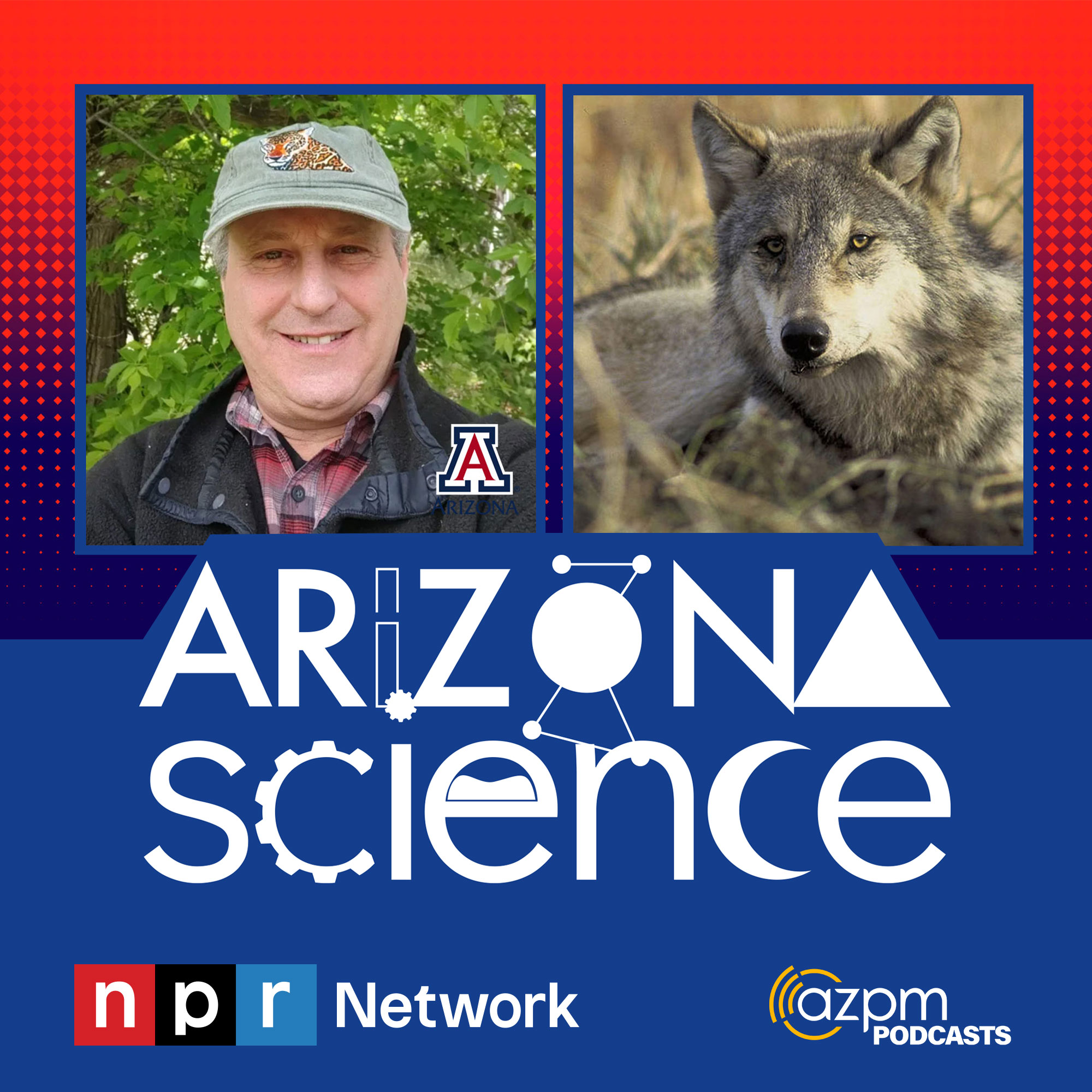
The hidden value of protecting endangered species
3w ago00:09:43Tap to summarizeScientists have discovered when one plant or animal faces extinction, the whole ecosystem is threatened. Michael Robinson with the Center for Biological Diversity talks about protecting the Mexican gray wolf in southern Arizona, and how it is crucial to wildlife patterns across the region. Michael Robinson spoke with Erika Hamden, Astrophysics professor at the University of Arizona.
Transcribe →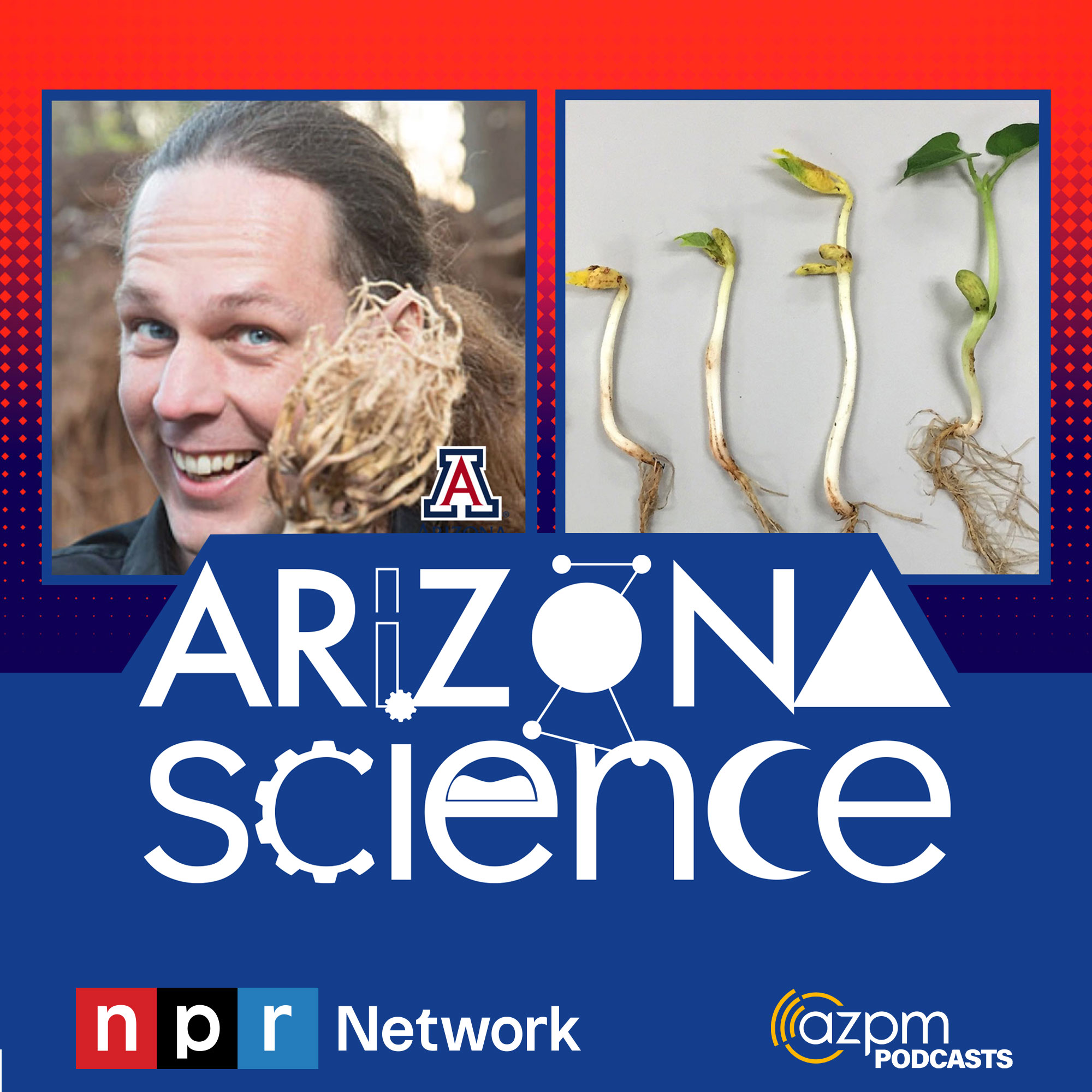
Discovering what makes plants drought resistant
3w ago00:09:27Tap to summarizeScientists have discovered certain plants get a head start on survival in drought conditions. University of Arizona researcher Alexander Bucksch discusses how some root systems use tiny hooks that bring in water and keep plants alive. Alexander Bucksch spoke with Erika Hamden, Astrophysics professor at the University of Arizona.
Transcribe →
Changing the way we look at the stars
Jul 1600:09:08Tap to summarizeA new space telescope called PUFFINS will soon be viewing faraway stars through interstellar dust. University of Arizona astronomer Ramya Anche talks about solving the mysteries of polarization and stellar evolution using tools found only in outer space. Ramya Anche spoke with Erika Hamden, astrophysicist at the University of Arizona.
Transcribe →
How better weather forecasting can make a difference in mortality rates
Jul 900:11:58Tap to summarizeWarnings about hurricanes and tornadoes help save lives, but researchers are beginning to study how alerts about extremely hot and cold weather can make a difference, too. University of Arizona economics professor Derek Lemoine discusses the connection between better weather forecasts and mortality rates. Derek Lemoine spoke with University of Arizona astrophysics professor Erika Hamden.
Transcribe →How better weather forecasting can make a difference in mortality rates
Jul 900:11:58Tap to summarizeWarnings about hurricanes and tornadoes help save lives, but researchers are beginning to study how alerts about extremely hot and cold weather can make a difference, too. University of Arizona economics professor Derek Lemoine discusses the connection between better weather forecasts and mortality rates. Derek Lemoine spoke with University of Arizona astrophysics professor Erika Hamden.
Transcribe →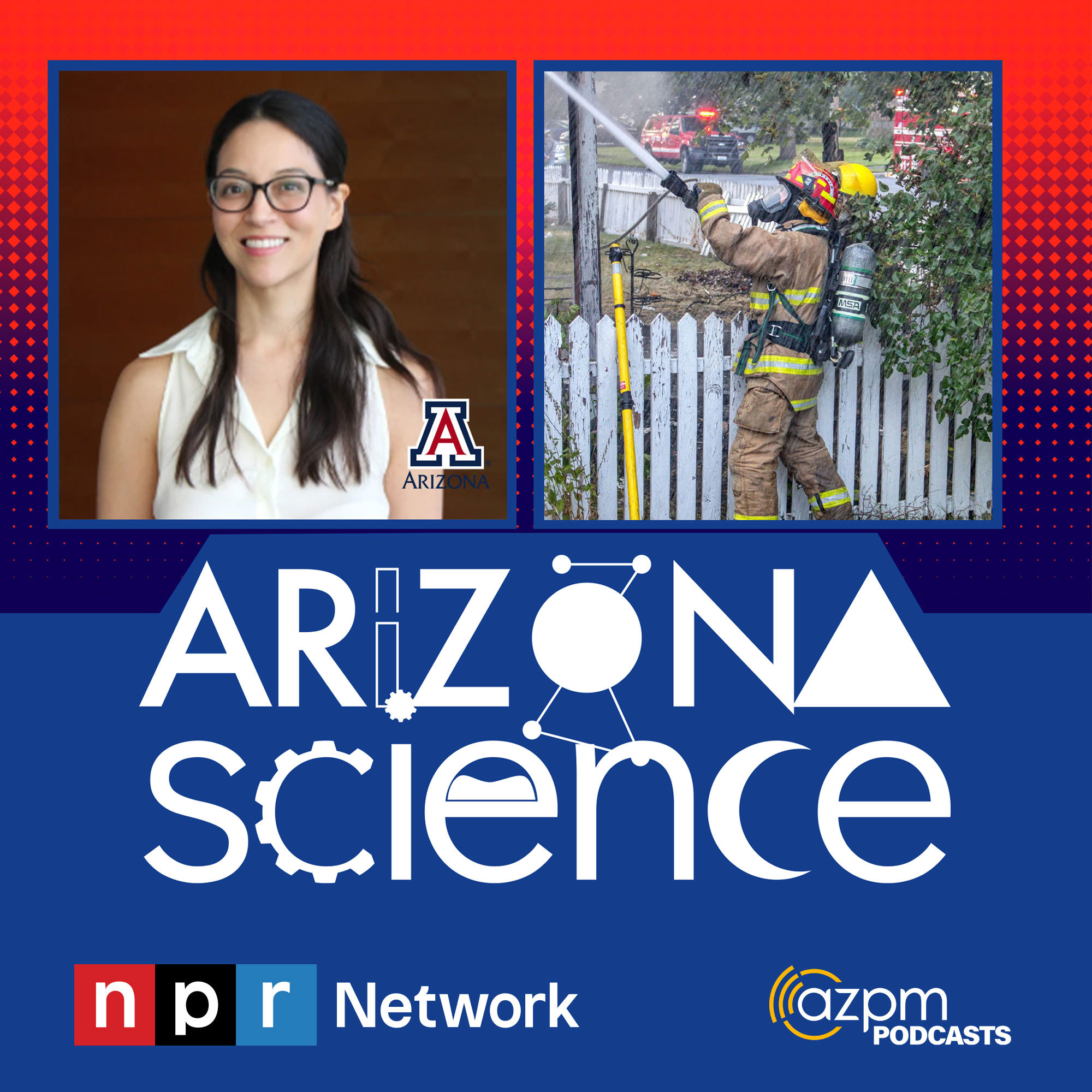
Firefighters focus on their health in a study about forever chemicals
Jun 2500:08:39Tap to summarizeOngoing research into the forever chemicals known as PFAS is putting an emphasis on the health risks firefighters face. University of Arizona public health professor Melissa Furlong discusses her studies regarding firefighters and their exposure to cancer-causing PFAS chemicals. Melissa Furlong spoke with Tim Swindle, professor emeritus of Planetary Science at the University of Arizona.
Transcribe →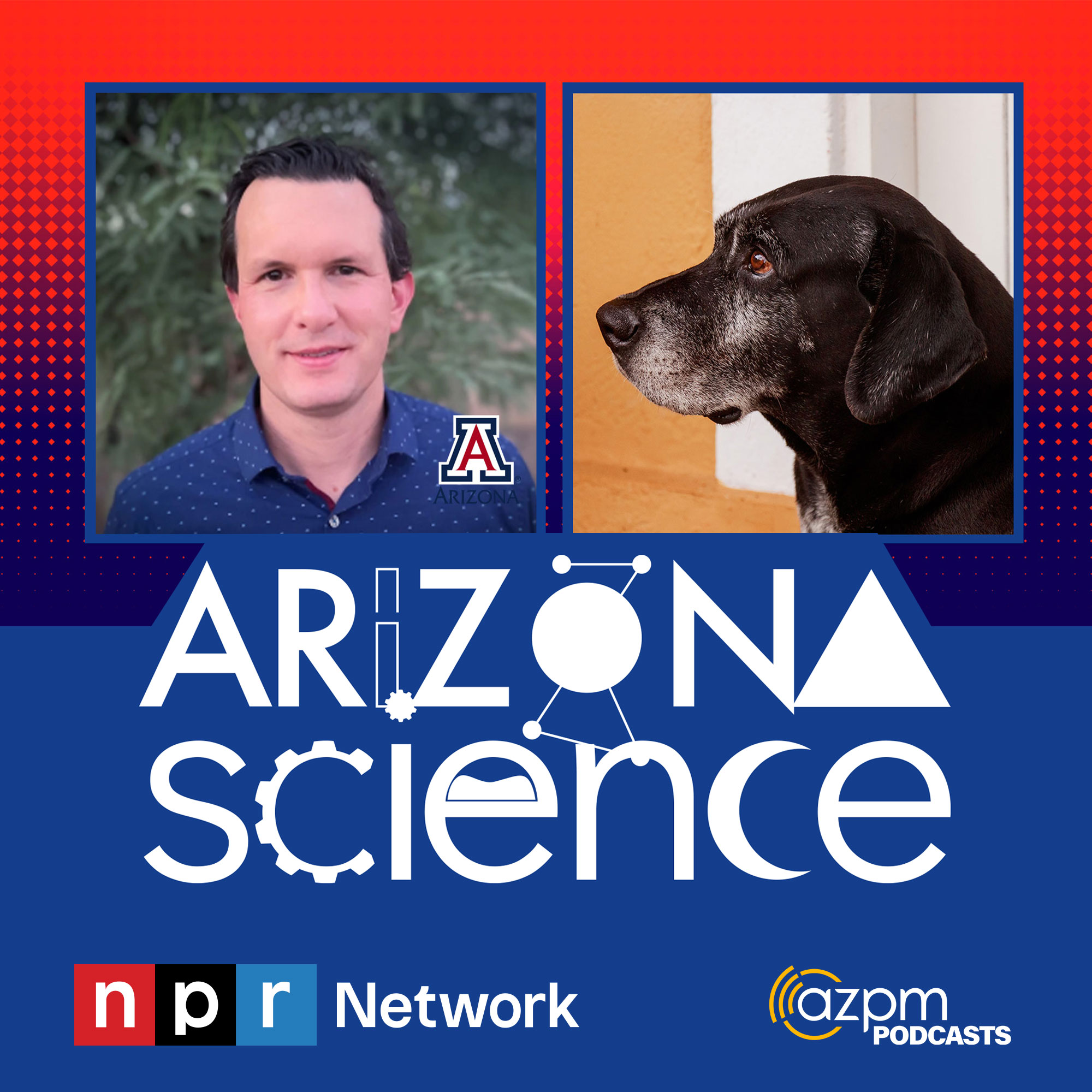
Investigating similarities in how dogs and people age
Jun 1800:10:08Tap to summarizeScientists are discovering more facts about how dogs age and what humans can learn from them. University of Arizona veterinary researcher Evan MacLean discusses the similarities between dogs and people when it comes to cognitive decline in their twilight years. Evan MacLean spoke to Tim Swindle, professor emeritus of Planetary Science at the University of Arizona.
Transcribe →
Facing a literal loss for words
Jun 1100:09:05Tap to summarizeA new study suggests we are facing a literal loss for words. University of Arizona psychology professor Mattias Mehl discusses the impact of people speaking hundreds of fewer words every day, and how devices like supermarket self-checkouts have eliminated ordinary chit-chat. Mattias Mehl spoke with Tim Swindle, professor emeritus of Planetary Science at the University of Arizona.
Transcribe →
Examining the mysteries of gut health
May 1500:11:01Tap to summarizeIf you feel "butterflies in your stomach" during times of anxiety, it is likely your brain communicating with your gut. University of Arizona physiologist Maya Kaelberer discusses how the gut connects with the nervous system and impacts our behavior. Maya Kaelberer spoke with Erika Hamden, professor of Astrophysics at the University of Arizona.
Transcribe →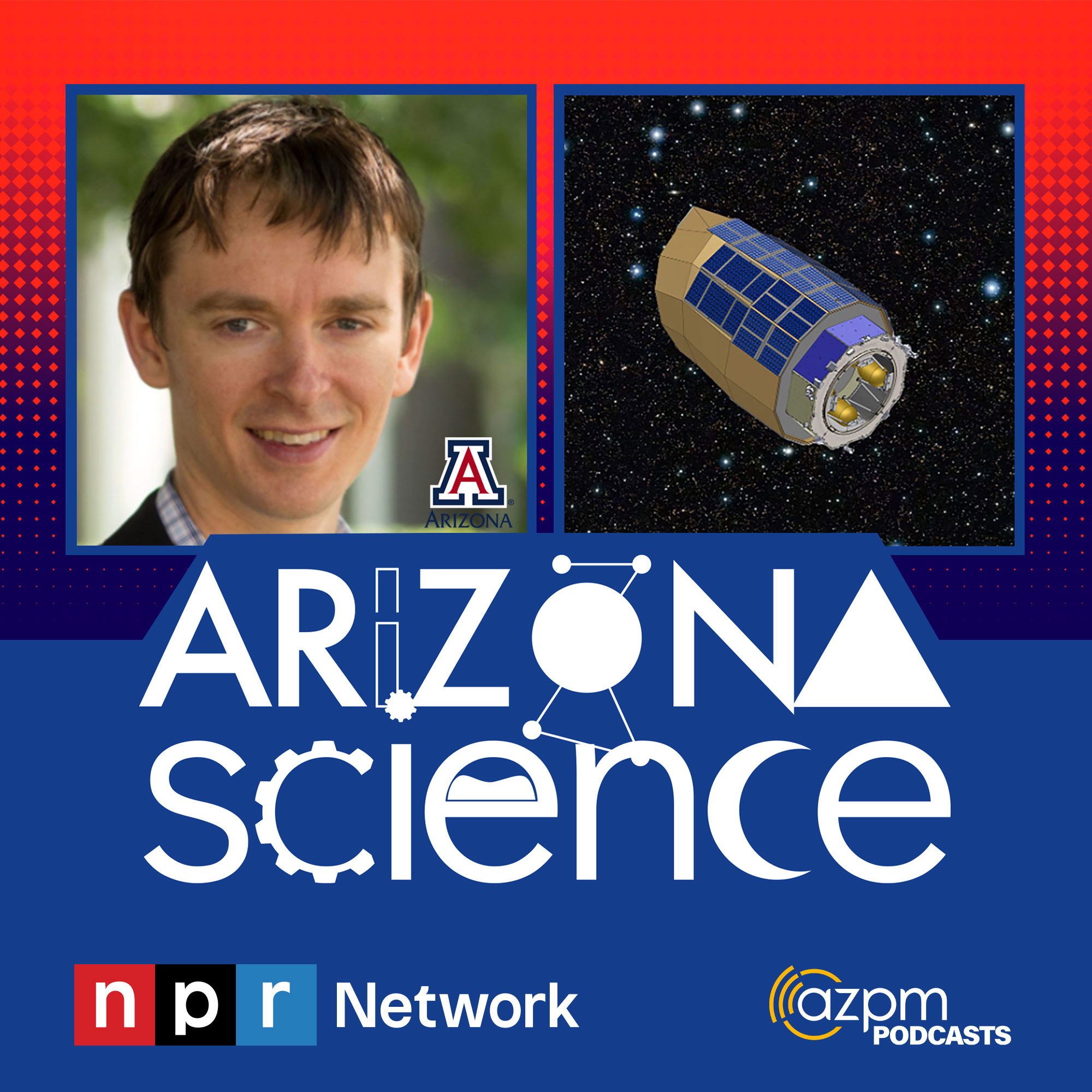
Privately funded space exploration planned for Earth orbit
May 700:08:33Tap to summarizeThe Lazuli Space Telescope is slated to be the first of its kind to be completely funded by private dollars. University of Arizona planetary scientist Ewan Douglas discusses the spacecraft designed to be larger than the Hubble Space Telescope, which was launched in 1990. Ewan Douglas spoke with Tim Swindle, professor emeritus of Planetary Science at the University of Arizona.
Transcribe →