
Podcast
Audacious with Chion Wolf
Hosted by Connecticut Public Radio · EN
Audacious with Chion Wolf spotlights the stories of people whose experiences, professions, or conditions defy convention or are often misunderstood. Guided by deep curiosity and genuine compassion, the team behind Audacious creates space for the kinds of stories that rarely get told - and the kinds of questions we're often afraid to ask. From those speaking publicly for the very first time to voices already known around the world, every guest is met with care, and every story is honored as both deeply personal and profoundly human.
For more: ctpublic.org/audacious
34episodes
Episodes
Newest firstAll episodes

Our gift to you: Pinch me moments that remind us how beautiful life can be
3d ago00:49:08Tap to summarizeMost days fade into the next. You make the coffee, answer the emails, run the errands, fold the laundry, try to keep up. But every once in a while, life gives you a moment that blows your freakin' mind. For more than a year, at the end of Audacious interviews, we've asked guests one final question: Will you tell me about a pinch me moment in your life? Here are their answers: stories of love, second chances, belonging, transformation, and awe, including a few from 250 miles above Earth. Suggested episodes: Life advice, one Audacious guest at a time Forgiveness: How we define it and how it defines us I saw it coming! When premonitions come true What smells remind you of childhood? Kitchen objects with a story. Listen at your own whisk Awe yeah! Exploring the magic of mind-blowing moments How regret teaches us to live Stories of everyday courage, from getting a needle in the eye to tackling a purse thief The surprising ways we ritual GUESTS (in order of appearance): First segment: Andy Corren, Bruce Campbell, Steve Feltham, Leroy McSmith, Jeffrey Marsh, Dr. Cori Breslauer, Logan Goodspeed, Casper ter Kuile, Jody Jahn, Harriet Newman Cohen, Andrew Luber, Patrick O'Connor, Glynn Washington, and Bill Edgar Second segment: James Tillman, Cassandra Madison, Julia Tinetti, Rebekah Spicuglia, Danielle Meinert, Candace Jordan, Drew John Ladd, Mikaela Higgins, Ari Cobb, Meredith Dietz, Sarah Thomas, Dr. Lisa Kenton, and Karen Smith Third segment: Audley Stephenson, Tamia Potter, Jay Bragg, Dr. John Elefteriades, Landon Proctor, Marci Pelzer, Karen Nyberg, Nicole Stott, and Chris Hadfield Support the show: https://www.wnpr.org/donateSee omnystudio.com/listener for privacy information.
Transcribe →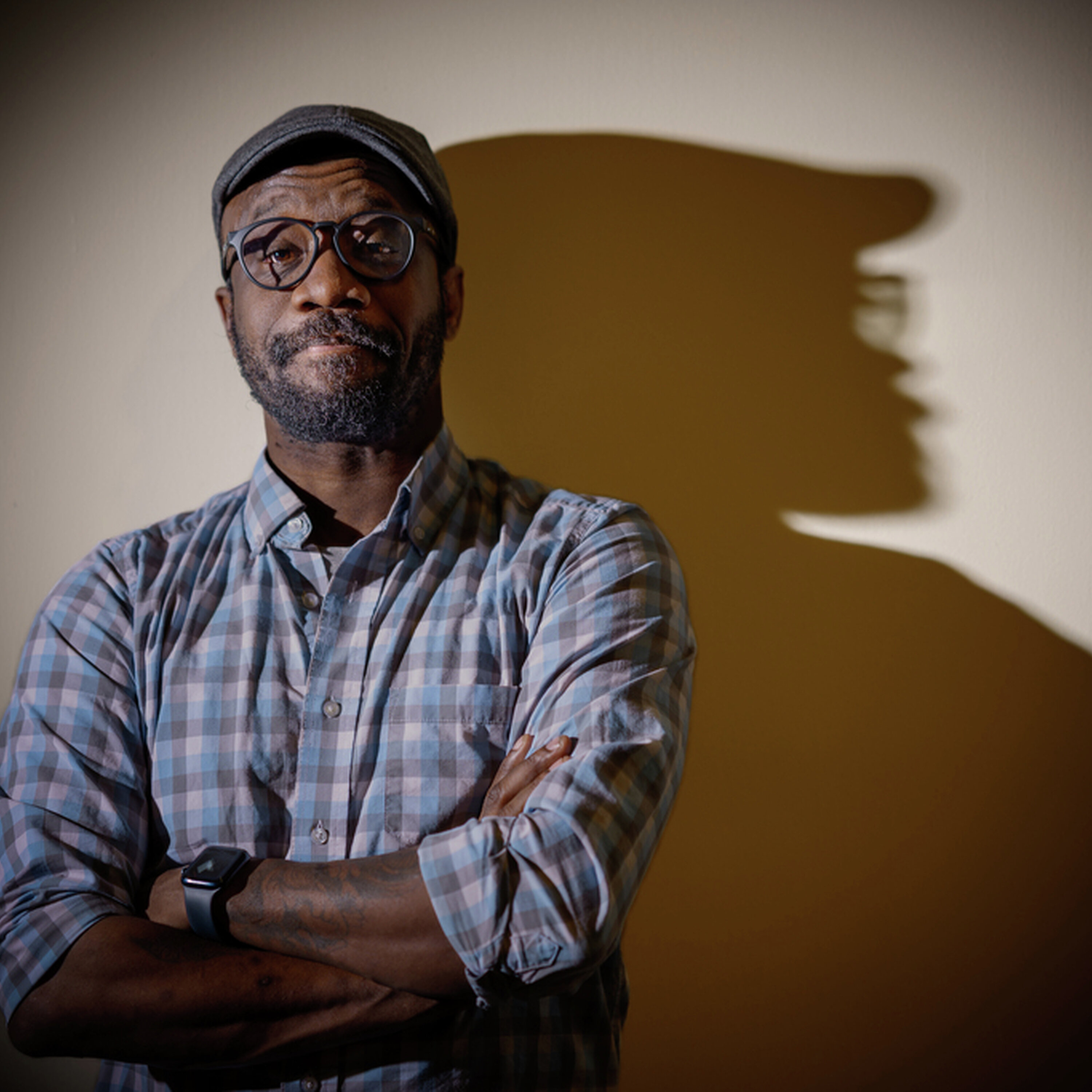
A survivor of childhood sexual abuse speaks his truth. We’re listening.
1w ago01:04:14Tap to summarizeWhen someone tells you they’ve survived sexual abuse, the conversation can feel tender for everyone involved: the person choosing what to share, and the person trying to respond with care. How can we make those moments feel safer, more honest, and less lonely? Beth Hamilton, executive director of the Connecticut Alliance to End Sexual Violence, offers guidance on how to respond with steadiness, care, and humility. Then Drew John Ladd shares his story as a male survivor of childhood sexual abuse. He reflects on silence, family response, masculinity, justice, shame, survival, and joy. This episode is about how to integrate trauma, what disclosure asks of a survivor, and how the rest of us can learn to listen better Resources: RAINN’s National Sexual Assault Hotline 1in6 offers support, information, and community specifically for male survivors Suggested episodes: Forgiveness: How we define it and how it defines us What two suicide attempt survivors want you to know about staying alive GUESTS: Beth Hamilton: Executive director of the Connecticut Alliance to End Sexual Violence, where she works on advocacy, prevention, survivor support, and public policy. She is also a survivor of childhood sexual abuse, which informs the care and clarity she brings to conversations about disclosure and healing Drew John Ladd: Writer, musician, and teacher. He shares his experience as a male survivor of childhood sexual abuse, and reflects on silence, family response, masculinity, justice, and what better conversations can make possible Support the show: https://www.wnpr.org/donateSee omnystudio.com/listener for privacy information.
Transcribe →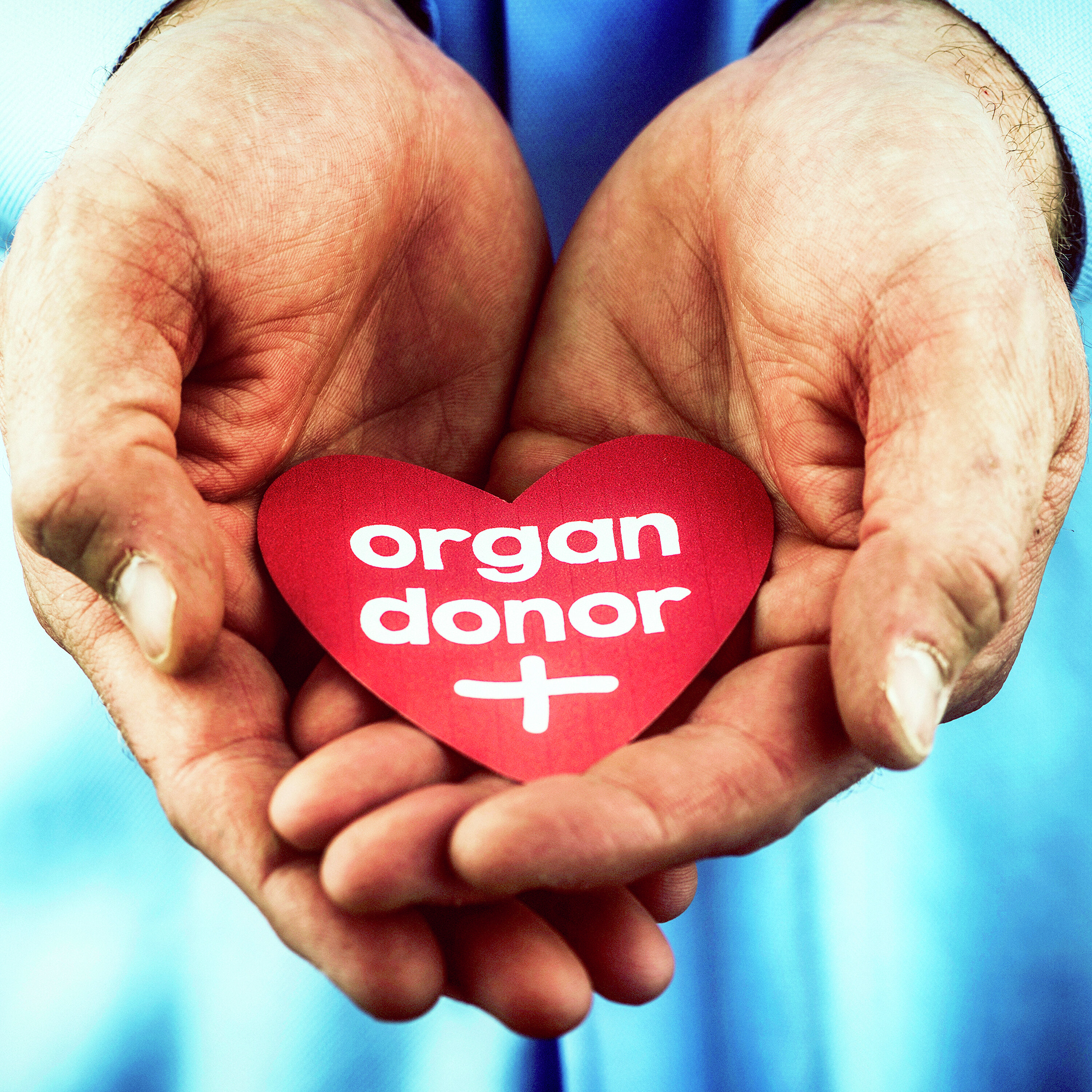
The kidney was just the beginning: Unexpected gifts after transplants
2w ago00:49:09Tap to summarizeWhat happens when a Brooklyn woman who identifies as queer, liberal, vegan, and an atheist donates her kidney to a conservative Christian man from Virginia? Kerry Kennedy and Joey Shervey tell the story of what it looks like when compassion outvotes everything else. Their transplant crossed party lines and personal beliefs to create an unexpected friendship. Then, Lindsay Vigue describes how a small flyer on the wall of a diner led her to become a living kidney donor, and then to becoming the executive director of Donate Life Connecticut. Resources: Donate Life Connecticut National Kidney Foundation National Kidney Registry OrganDonor.gov Former Middletown mayor Dan Drew's TED Talk about why he donated his kidney Suggested episode: The Story Of The First African American Face Transplant GUESTS: Joey Shervey: Kidney transplant recipient from Moneta, Virginia Kerry Kennedy: Living kidney donor from Brooklyn, New York Lindsay Vigue: Living kidney donor and the executive director of Donate Life Connecticut Support the show: https://www.wnpr.org/donateSee omnystudio.com/listener for privacy information.
Transcribe →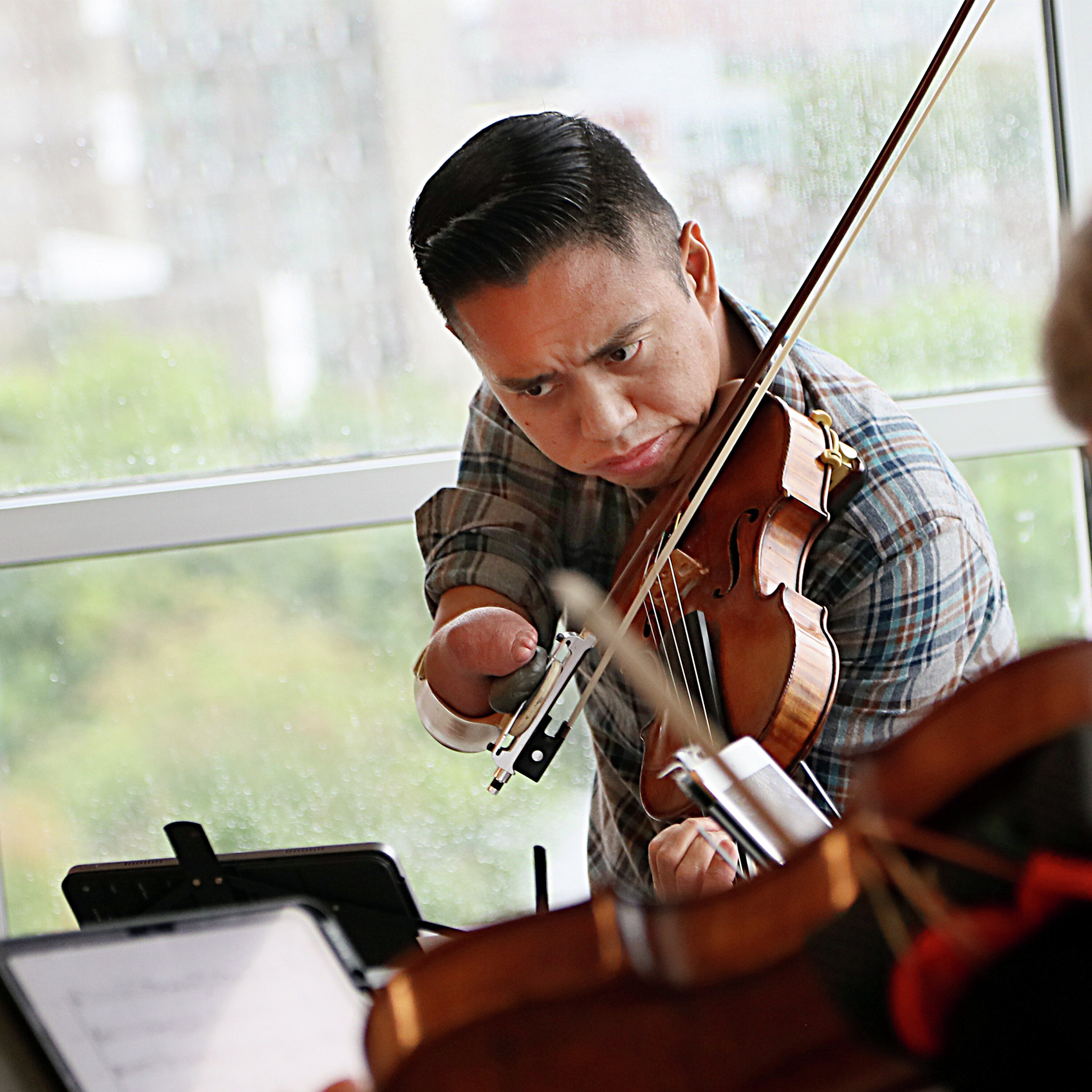
A drummer, a rapper, and a violinist on disability and the art of adapting
3w ago00:49:08Tap to summarizeHow do you play the violin without a right hand? How do you drum after losing a leg? How do you rap and create beats when you can only move your head and shoulders? Adrian Anantawan was born without his right hand and most of his right forearm, and learned violin using a custom bow adaptation attached to his arm. Billy Brimblecom Jr., a drummer who lost his left leg to cancer, shares how he returned to music and now helps other amputees get prosthetic limbs. And Pheez, a rapper and producer who became paralyzed after a diving accident, explains how he records using breath control, memory, and accessible technology. Suggested episodes: New ways to see, new ways to move: The tech that’s changing disability Stunt performers David Holmes and Jonathan Goodwin on life after paralysis Multiple sclerosis tried to bench her. Karen Smith won gold instead Joe Stone, wheelchair rugby, and the full-contact art of resilience GUESTS: Billy Brimblecom Jr.: Drummer, nonprofit leader, and amputee who turned the support he received after cancer into help for others through Steps of Faith Foundation Corey Lee, AKA “Pheez“: Rapper, producer, and Navy veteran who became a quadriplegic after a diving accident. He's a disability advocate and the host of The Super Adaptables podcast Adrian Anantawan: Violinist born without his right hand and most of his right forearm. Using a custom bow adaptation, he has built a career as a performer, teacher, and advocate for musicians with disabilities Support the show: https://www.wnpr.org/donateSee omnystudio.com/listener for privacy information.
Transcribe →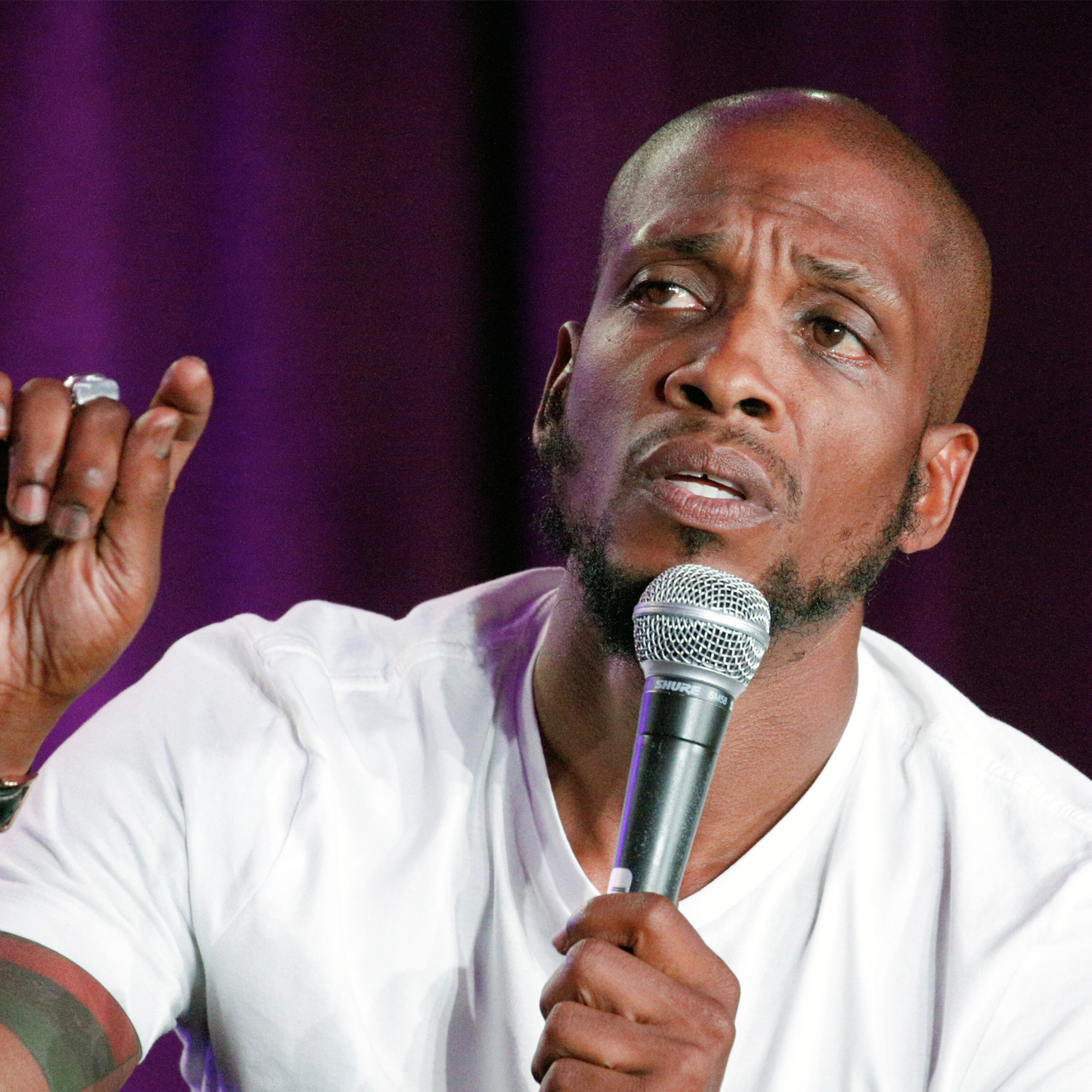
No stage? No problem! Stand-up comedy in offices, ferries, prisons, and nursing homes
Jul 1000:49:08Tap to summarizeWhen you go to a comedy club, you know what you’re there for. But what happens when comedy shows up somewhere else? Meredith Dietz describes doing stand-up in a New York City office where employees were told not to laugh, and on a Staten Island Ferry where no one could escape the ride. Years after his own incarceration, Ali Siddiq returns to jail to speak with people inside. And Pauline Schantzer, aka Polly Wolly, brings suggestive parody songs, dance moves, and deeply silly comedy into nursing homes. Suggested episodes: Why the world needs comedians with disabilities The meteoric rise of comedian Zarna Garg Actors Mary Elizabeth Kelly and Dean Edwards on the art of impressions Why the warm-up comic is the most underrated job in show biz D’yan Forest is a 91-year-old Guinness World Record holder for oldest female comedian GUESTS: Pauline Schantzer, aka Polly Wolly: Comedian and performer who brings musical comedy into nursing homes and senior-care spaces Meredith Dietz: Writer and stand-up comedian who has performed in comedy clubs, offices, and on the Staten Island Ferry Ali Siddiq: Comedian, writer, and actor whose work often draws from his own experience of incarceration. He filmed It’s Bigger Than These Bars inside Bell County Jail in 2017, and his 2026 special From Inside is a serious conversation recorded inside a detention center Support the show: https://www.wnpr.org/donateSee omnystudio.com/listener for privacy information.
Transcribe →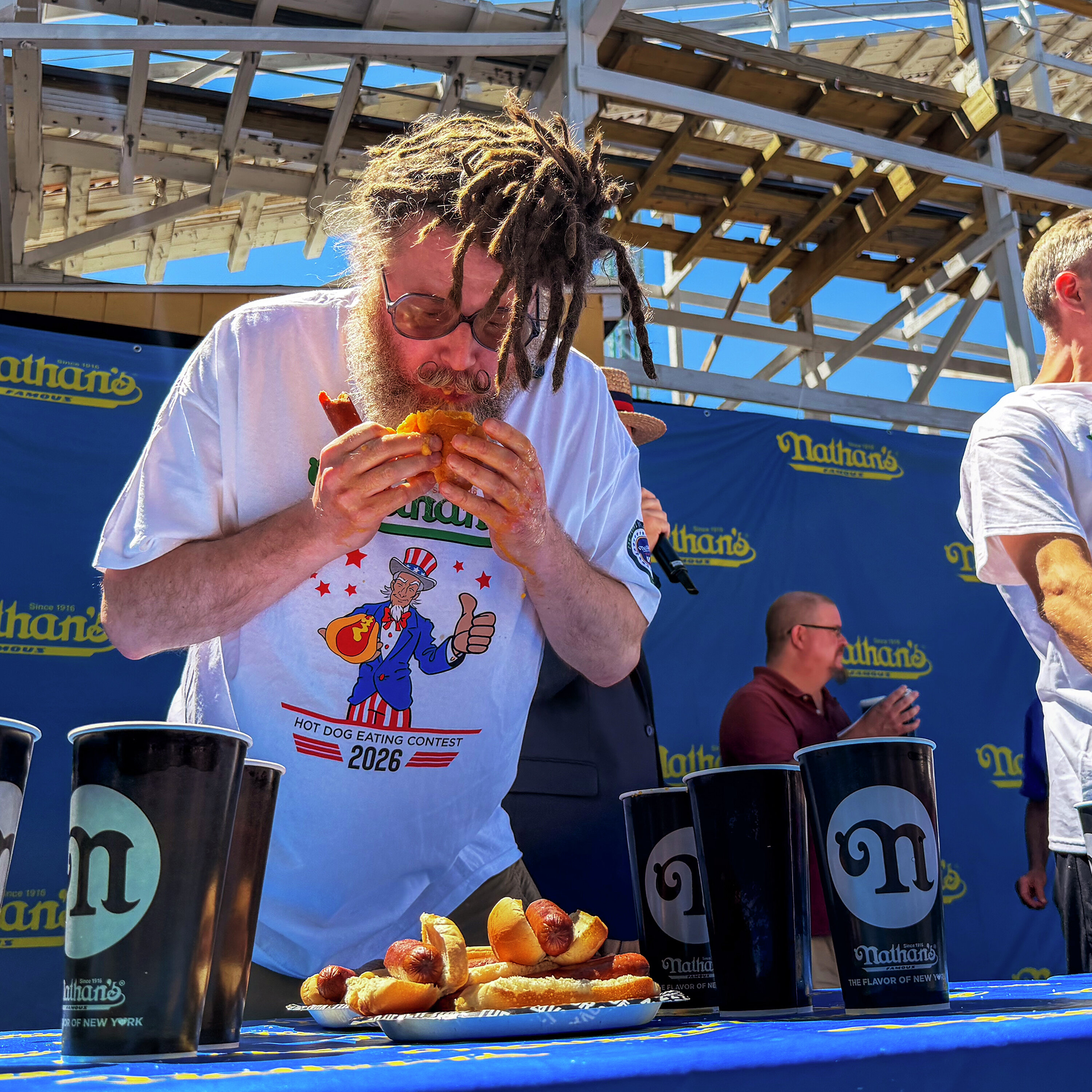
The minds, hearts (and stomachs) of competitive eaters
Jul 300:49:08Tap to summarizeSome people savor every bite. Others eat 30 hot dogs in 10 minutes. Welcome to the world of competitive eating! Visit Lake Compounce for a Nathan’s Famous Hot Dog Eating Contest qualifier, where everyone is trying to prove they’re top dog. Then Crazy Legs Conti and Katina DeJarnett - aka Katina Eats Kilos - talk about what it takes to train, compete, recover, and keep chewing when your body is begging you to meat it halfway. It’s a lot to digest. Suggested episodes: The Guts & Glory Of Getting Into The Guinness Book Of World Records Edible oracles: Fortune-telling with cheese, onions, and tea leaves Welcome to the Punderdome! We're entering NYC's punniest pun competition GUESTS: Sam Barclay: Emcee and host with Major League Eating, where he helps turn competitive eating contests into full-on sporting spectacles Crazy Legs Conti: Longtime Major League Eating competitor, writer, filmmaker, and the subject of the documentary, “Crazy Legs Conti: Zen and the Art of Competitive Eating“ Semora Kludy: Known through her food-challenge page, Semora’s Competitive Bites, she is a Michigan-based competitive eater and food challenger Max Stanford: aka Max vs Food, is a London-based competitive eater, food-content creator, and one of Major League Eating’s top-ranked competitors Katina DeJarnett: aka Katina Eats Kilos, is a professional eater, YouTuber, and former bodybuilder. She has millions of followers across social media watching her tackle giant meals around the world Support the show: https://www.wnpr.org/donateSee omnystudio.com/listener for privacy information.
Transcribe →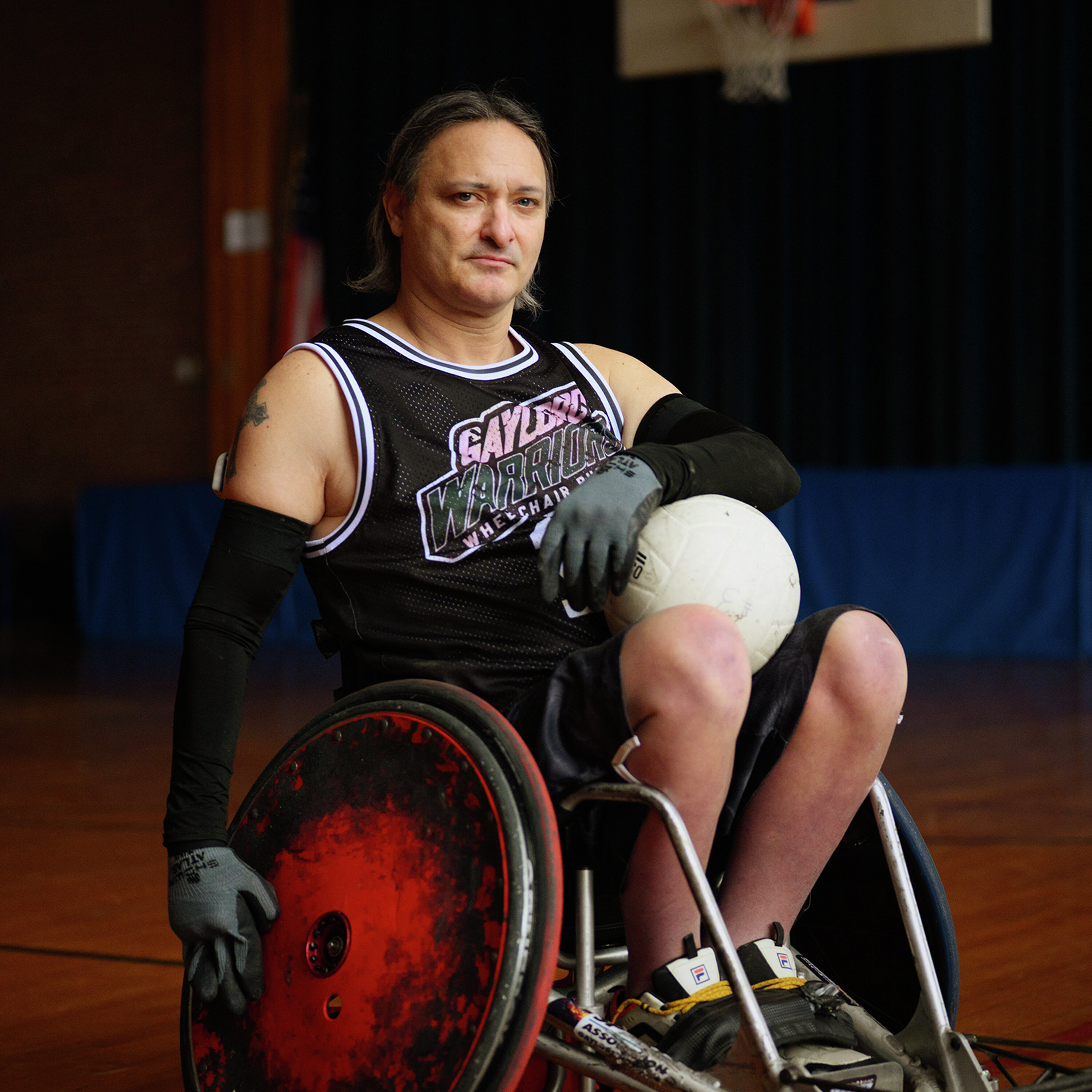
Joe Stone, wheelchair rugby, and the full-contact art of resilience
Jun 2600:49:08Tap to summarizeJoe Stone grew up playing volleyball, skateboarding, and breakdancing. Then, in 2012, a car crash left him paralyzed. Doctors told him he would likely never move anything below his chest again. But five weeks after leaving the hospital, Joe found wheelchair rugby. This violent, fast, full-contact sport helped him rebuild strength, process anger, and feel alive in a changed body. In this conversation recorded at a live tournament in New Haven, Joe talks about the crash, falling in love after paralysis, being a father, faith, adaptive sports, and what people misunderstand when they assume athletes with disabilities are fragile. Suggested episodes: Multiple sclerosis tried to bench her. Karen Smith won gold instead Stunt performers David Holmes and Jonathan Goodwin on life after paralysis A marathon swimmer and ultrarunner: surviving cancer, breaking records New ways to see, new ways to move: The tech that’s changing disability GUEST: Joe Stone: Wheelchair rugby player and adaptive athlete who became paralyzed after a 2012 car crash fractured his C6 and C7 vertebrae. He plays with the Gaylord Warriors Support the show: https://www.wnpr.org/donateSee omnystudio.com/listener for privacy information.
Transcribe →
A baby’s hot car death, a mother’s grief, and the brain science behind these tragedies
Jun 1900:59:08Tap to summarizeStephanie Salvilla so deeply loved - still loves - her baby boy, Gannon. In July 2009, after a week of disrupted routines and sleepless nights, her brain went on autopilot. She dropped off her older child, drove to work, and unknowingly left 5-month-old Gannon in the car. He died. In this deeply difficult and important conversation, Stephanie talks about grief, shame, public judgment, forgiveness, and why she now shares her story. We also hear from Amber Rollins, executive director of Kids and Car Safety, about why these tragedies happen and the simple habits every caregiver can use to help keep children safe. Resources: Kids and Car Safety Fatal Distraction: Forgetting a Child in the Backseat of a Car Is a Horrifying Mistake. Is It a Crime? by Gene Weingarten Suggested episode: Finding purpose in life after accidentally killing someone GUESTS: Amber Rollins: Executive director of Kids and Car Safety, a national nonprofit focused on preventing child injuries and deaths in and around vehicles. She has worked with the organization for 21 years and helps lead its data, family support, and safety advocacy work Stephanie Salvilla: A mother whose 5-month-old son, Gannon, died in a hot car in 2009 after a change in the family’s daycare drop-off routine. She now shares her story to help prevent other families from living through the same tragedy Support the show: https://www.wnpr.org/donateSee omnystudio.com/listener for privacy information.
Transcribe →
It all adds up: The joy of micro-philanthropy
Jun 1200:49:09Tap to summarizeWhen you hear “philanthropy,” you might think of millionaires, black-tie galas, or buildings named after donors. But what if you could be a philanthropist without being wealthy? In this episode, you’ll meet people who donate small amounts to hundreds of places, hand out cash on city streets, and send money directly to people in poverty, no strings attached. Explore the power of small, consistent giving, and how even modest acts of generosity can spark massive ripple effects. This episode originally aired on May 24, 2025. Suggested episodes: GOOD NEWS! That’s how we celebrate 100 episodes of Audacious Social media, the algorithm, and the state of our hearts "Negativity be gone!": Artists igniting joy on social media GUESTS: Rabbi Jeff & Mindy Glickman: creators of the “Giving Locally Everywhere” (GLeE) initiative, through which they donated to every NPR station and United Way branch in the country, as well as other organizations they value. Jeff serves as rabbi at Temple Beth Hillel in South Windsor, CT, and Mindy is a community leader and Hebrew instructor Peter Bond: a social media creator best known for his TikTok and Instagram accounts, @bondgives, where he documents acts of kindness and helps people in need across New York City. Since 2021, he has been using his platforms to inspire others to give back and make a positive impact in their communities Caroline Teti: a Vice President at GiveDirectly with decades of experience in almost all areas of the development sector, including the world’s largest and longest study on universal basic income. Her belief in direct cash as the most effective tool to end extreme poverty is also rooted in her upbringing in rural Kenya Support the show: https://www.wnpr.org/donateSee omnystudio.com/listener for privacy information.
Transcribe →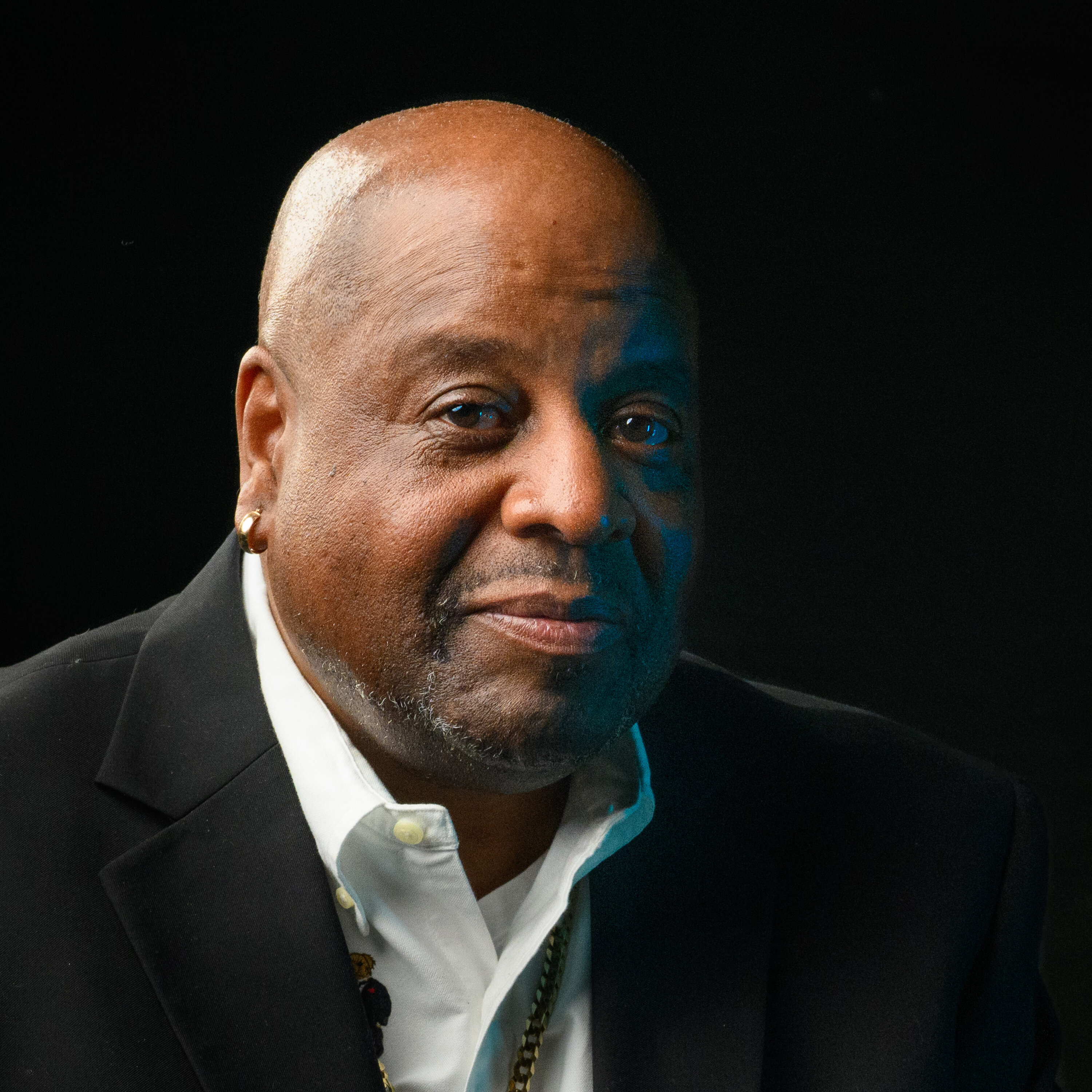
Innocent, convicted, exonerated: James Tillman, 20 years after getting free
Jun 500:49:08Tap to summarizeJames Tillman remembers the smell of steak and onions cooking at his mother’s house on the day police came for him. He thought he’d be back soon. Instead, he spent a total of 18½ years incarcerated for a crime he did not commit. In 2006, with the help of the Connecticut Innocence Project, DNA evidence proved his innocence, making him the first person in Connecticut exonerated through post-conviction DNA testing. Later, DNA pointed to another man, who eventually confessed in court. James talks about refusing to plead guilty, surviving prison, holding onto faith, and learning how to live freely again. And we meet Katie Farrell, the social worker who helped him prepare for freedom before freedom was guaranteed. Suggested episodes: Nothing goes as planned: A first-time offender’s prison story from arrest to release Love without the possibility of parole How to find purpose in life after accidentally killing someone GUESTS: James Tillman: Was wrongfully convicted of rape and kidnapping in Hartford in 1989 and sentenced to 45 years in prison. After 18½ years incarcerated, DNA evidence proved his innocence, making him Connecticut’s first post-conviction DNA exoneree. Katie Farrell: Chief Social Worker for Connecticut’s Division of Public Defender Services. She worked with James Tillman during the final stage of his innocence case and helped him prepare for possible freedom Support the show: https://www.wnpr.org/donateSee omnystudio.com/listener for privacy information.
Transcribe →