
Podcast
AudioHelicase
Hosted by AudioHelicase · EN
AudioHelicase, the podcast of Whitehead Institute: Unwinding the science and the people behind some of the Institute’s most exciting discoveries. Whitehead Institute is a world-renowned non-profit research institution dedicated to improving human health through basic biomedical research. By cultivating a deeply collaborative culture and enabling the pursuit of bold, creative inquiry, Whitehead fosters paradigm-shifting scientific achievement. For more than 30 years, Whitehead faculty have delivered breakthroughs that have transformed our understanding of biology and accelerated development of therapies for such diseases as Alzheimer’s, Parkinson’s, diabetes, and certain cancers.
10episodes
Episodes
Newest firstAll episodes
AudioHelicase Special: When cells are in their element
Jun 3, 202500:12:23Tap to summarizeIn this episode of AudioHelicase, we sit down with four Whitehead Institute researchers who are gaining unique insights into biological processes—from regeneration, organ function, and immune response to embryonic development—by studying them within the rich context of their natural environment. Credits: Interviews, production, and hosting by Shafaq Zia. Music: little ukulele melody.mp3 by InVolumes (CC0) Illustration: Madeleine Turner
Transcribe →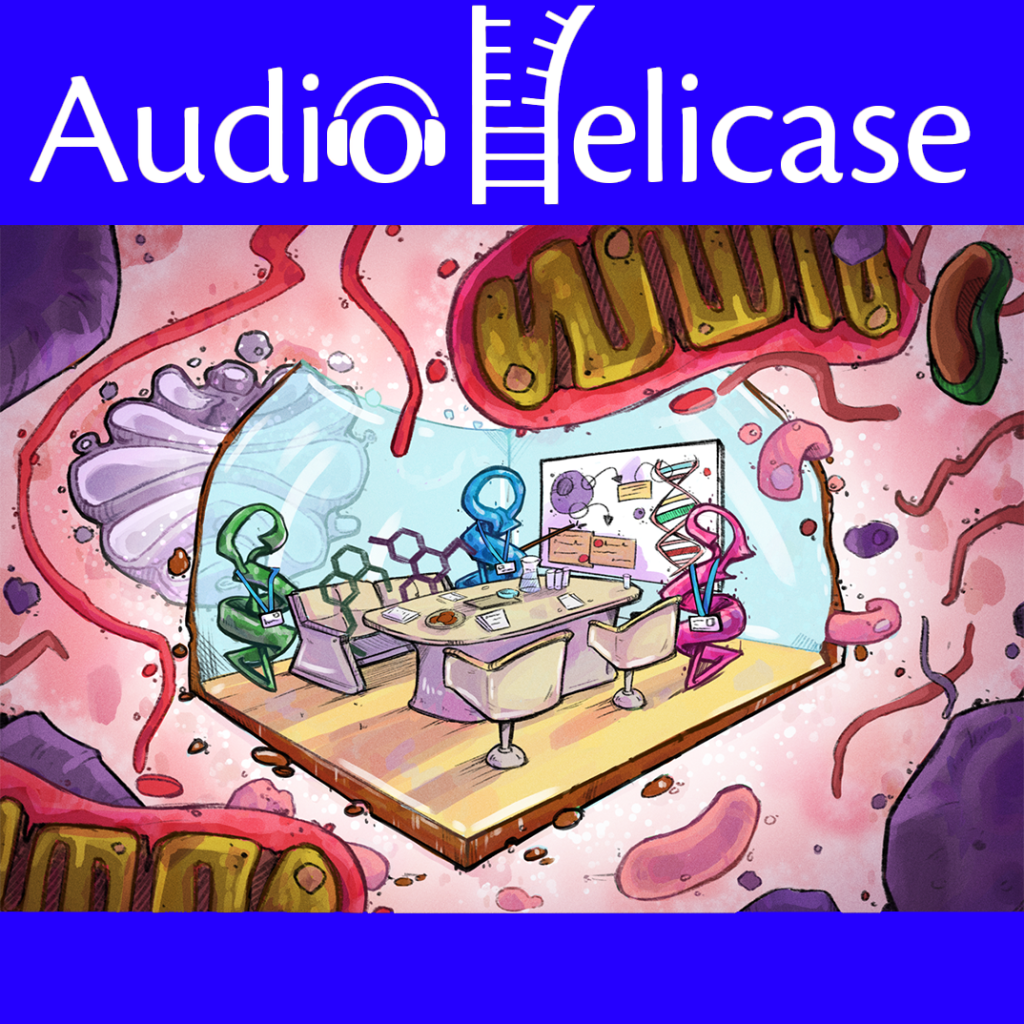
AudioHelicase Special: How foundational research takes medicines from lab to shelf
Mar 25, 202400:21:50Tap to summarizeIn this episode of AudioHelicase, we sit down with three Whitehead Institute researchers driving breakthroughs in disease treatment. Join us as we explore some of the toughest challenges they’re overcoming to move transformative therapies from lab bench to your medicine cabinet. Credits: Interviews, production, and hosting by Shafaq Zia. Music and sound effects: Crescent Bloom by Kai Engel (CC BY-NC 4.0) OBJPlls-INT_Pills Rattling by Alessia Pultrone (CC BY-NC 4.0) Asthma Inhaler — Sprayed/ Dispensed 2 times by MutilatorBCB (CC0 1.0) Velcro 7 by CassieTee (CC BY-NC 3.0) Illustration: DrawImpacts
Transcribe →
AudioHelicase Special: Getting a handle on hibernation
Apr 3, 202300:12:27Tap to summarizeWhitehead Institute Member Siniša Hrvatin discusses his research on the neuroscience of hibernation.
Transcribe →AudioHelicase Special: RNA in health and disease
May 19, 202100:17:57Tap to summarizeWhitehead Institute researchers Silvi Rouskin, Ankur Jain, and David Bartel discuss how their RNA research connects to health and disease, including viral infections and neurodegeneration. This podcast is part of a multimedia series on RNA.
Transcribe →AudioHelicase Special: Rebuilding a Body
Feb 8, 202100:15:37Tap to summarizeIn this special episode of AudioHelicase, we talk to three researchers about the cells in our bodies that can regenerate – and those that can’t. We ask, why can some cells no longer renew themselves? And, importantly, can we change that? This podcast is part of our multimedia series, Cells Over Time.
Transcribe →
AudioHelicase Special: How researchers at Whitehead Institute are building a more sustainable future
Dec 2, 202000:18:33Tap to summarizeMaking our world more sustainable to preserve it for future generations will take not just one but many solutions. Researchers at Whitehead Institute are exploring how the natural world could teach us how to improve the sustainability of how we produce food, how we make medicines, how we make products more durable, and potentially how we remove carbon from the atmosphere. In this special episode of AudioHelicase, we’ll hear from researchers at the Institute that are pursuing creative solutions to sustainability that combine a passion for making a difference with boundless curiosity for the living world. Interviews by Greta Friar and Eva Frederick. Music by Pierce Murphy (CC BY 4.0) and Chris Zabriskie (CC BY 3.0). Produced and hosted by Conor Gearin.
Transcribe →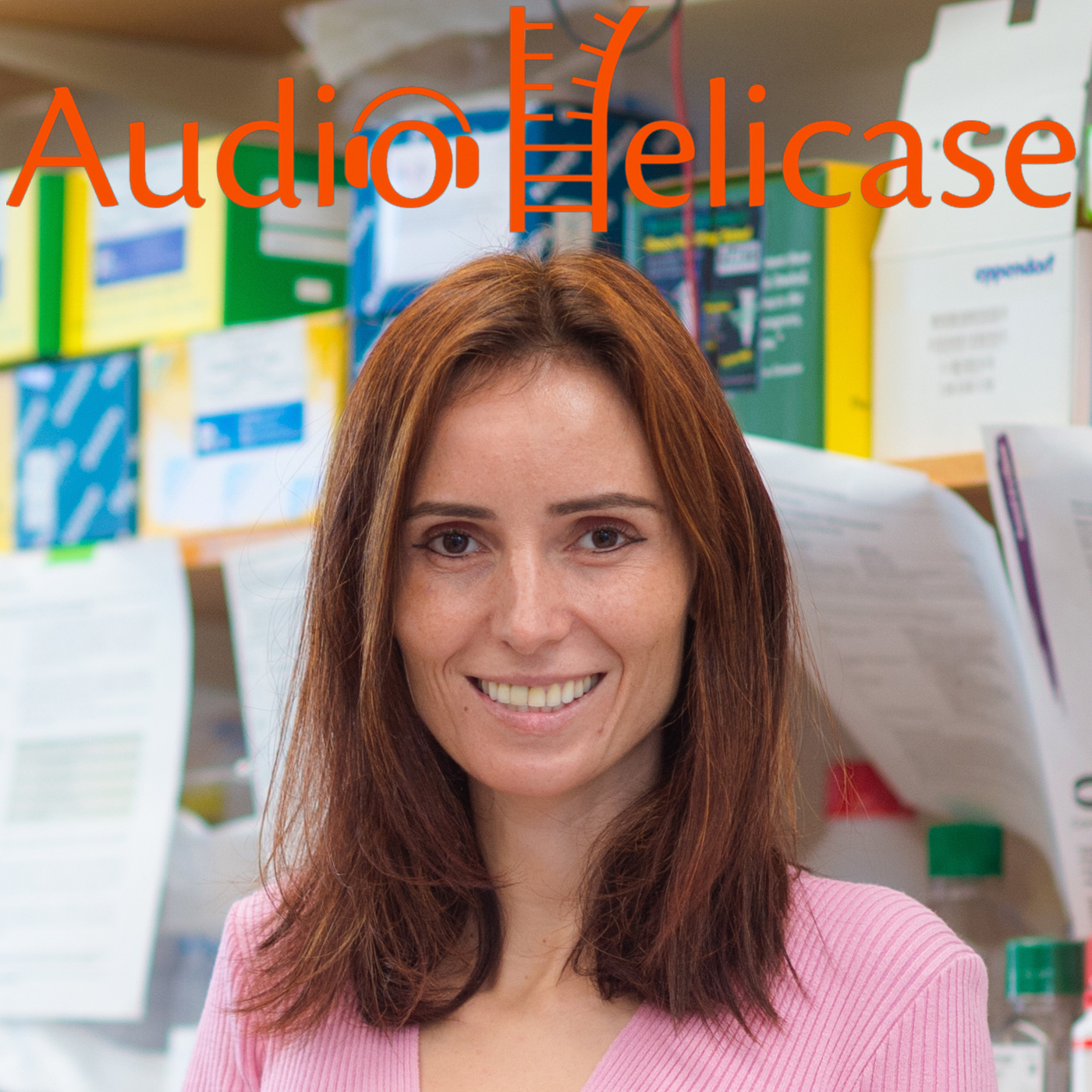
Whitehead Institute’s Silvi Rouskin on solving the structure of the coronavirus genome
Oct 13, 202000:17:26Tap to summarizeIn this episode of AudioHelicase Podcast, Whitehead Fellow Silvi Rouskin discusses her research on solving the structure of the novel coronavirus’s RNA genome, with the goal of revealing weak points in the virus’s gene regulation that new drugs could potentially target. Music: “Versailles” by Pierce Murphy (CC-BY 4.0). Produced by Conor Gearin.
Transcribe →
Whitehead Institute’s Olivia Corradin on a New Way to Probe Disease Genetics
Aug 3, 202000:25:12Tap to summarizeOn this episode of AudioHelicase podcast, Whitehead Fellow Olivia Corradin talked about investigating the genetic underpinnings of diseases through a new technique she developed, the outside variant approach. Applying the method to study the autoimmune disease multiple sclerosis (MS), Corradin and colleagues identified a role for a cell type in the brain in MS, offering a new way of understanding the disease. She also discussed running a lab during the COVID-19 pandemic, and evaluating scientific information in a time of uncertainty. Music: “Versailles” by Pierce Murphy (CC-BY 4.0). Produced by Conor Gearin.
Transcribe →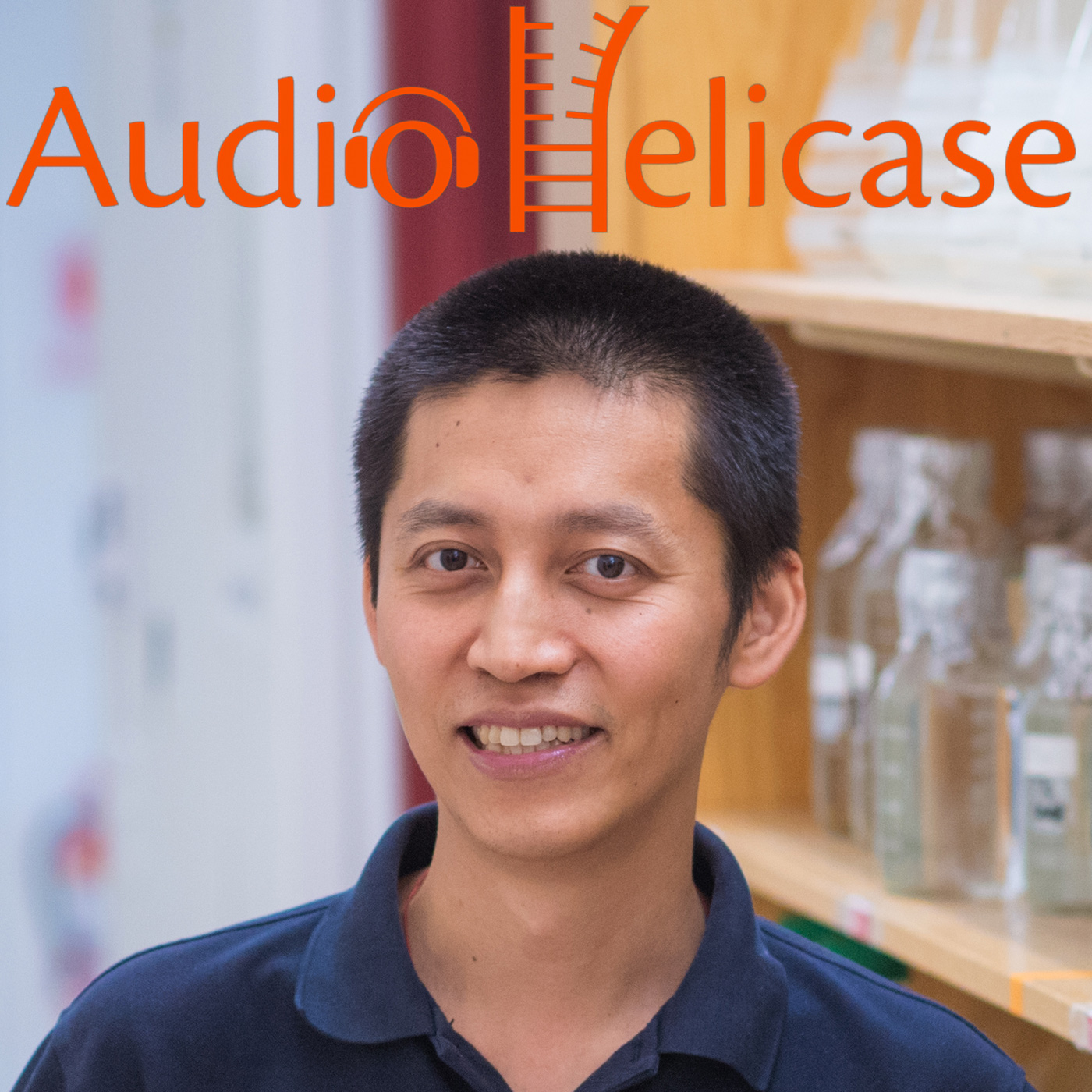
Whitehead’s Jing-Ke Weng on COVID-19 treatments taking root in plant science
Jun 8, 202000:07:57Tap to summarizePlants have been used as medicine for thousands of years; could they contribute to a solution to the COVID-19 pandemic? This is what Whitehead Institute Member Jing-Ke-Weng set out to address in a new paper, published May 20 in the journal Molecular Plant. We talked to Weng about an herbal treatment being used to treat COVID-19 in China derived from Traditional Chinese Medicine, the work necessary for such a treatment to be translated to an FDA-approved drug, and why the COVID-19 pandemic underscores the need for basic, fundamental research in plant science and beyond. Music: “Versailles” by Pierce Murphy (CC-BY 4.0), “The Minutes” by Scott Gratton (CC-BY-NC 4.0) Produced by Eva Frederick and Conor Gearin.
Transcribe →
AudioHelicase Special: The Conductors of the Cell’s Symphony
Mar 18, 202000:21:23Tap to summarizeIn this special episode of AudioHelicase podcast, we’re taking a look at how our researchers are identifying the key players that help conduct the cell’s symphony — the proteins and molecules that direct many other parts of the cell on when and how to do their jobs. The episode features highlights from interviews with Whitehead Institute Members David Sabatini, Mary Gehring, and Iain Cheeseman. Music: “Versailles” by Pierce Murphy (CC-BY 4.0), “The Little Robot” by Forget the Whale (CC-BY-NC 4.0)
Transcribe →