
Podcast
Australian Finance Podcast
Hosted by Rask · EN
The Australian Finance Podcast is your guide to sorting out your finances, one episode at a time. Owen Rask, Chief Investment Officer, & Gemma Mitchell, Senior Financial Adviser, bring you actionable strategies and knowledge that you can put into practice today. Save money, invest better and live life on your terms.
~~
New to the show? We recommend that you head back to our Starter Pack series of the podcast in Jan/Feb 2024, to get your head around some really important concepts! More advanced listeners might enjoy our other show, The Australian Investors Podcast.
~~
SHOW NOTES: https://www.raskmedia.com.au/podcasts/australian-finance-podcast/
~~
DISCLAIMER: The information in this podcast series is general financial information/advice only. That means, the advice does not take into account your objectives, financial situation or needs. Because of that, you should consider if the advice is appropriate to you and your needs, before acting on the information. In addition, you should obtain and read the product disclosure statement (PDS) before making a decision to acquire a financial product. If you don’t know what your needs are, you should consult a trusted and licensed financial adviser who can provide you with personal financial product advice. Please read our Terms of Service and Financial Services Guide on www.rask.com.au/fsg.
77episodes
Episodes
Newest firstAll episodes
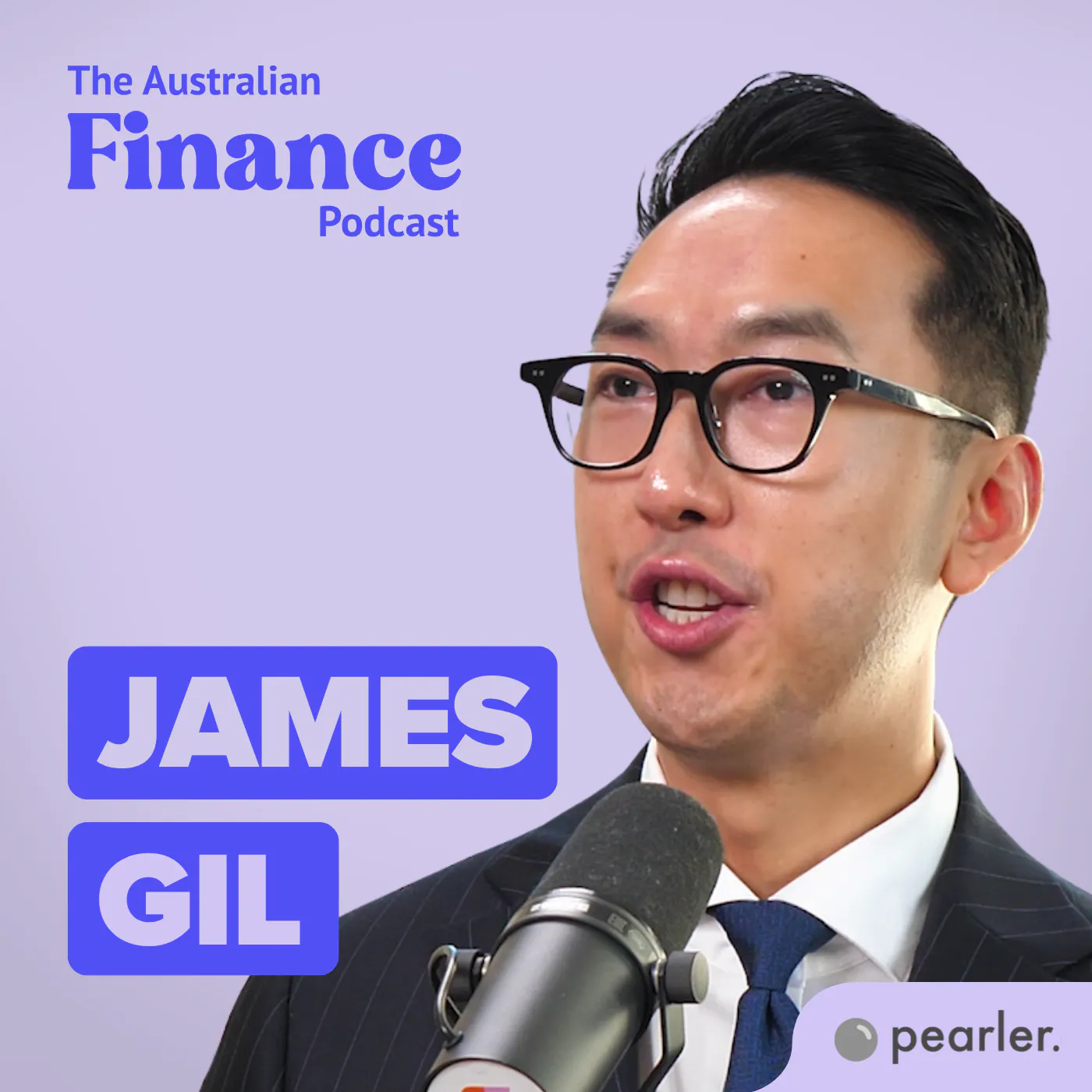
VanEck’s GOAT ETF: how AI is changing ETF investing, with James Gil
4d ago00:37:10Tap to summarizeIn this Australian Finance Podcast episode, Owen Rask sits down with James Gil, Head of Product at VanEck, to unpack the relaunch of GOAT and why it matters for ETF investors. Rather than simply buying “AI stocks”, GOAT uses AI inside the portfolio construction process to rank global companies, score signals and build a 150-stock portfolio designed to adapt as markets change. James explains why VanEck sees GOAT as a new stage of smart beta or “ETF 3.0” that sits between plain-vanilla index investing and traditional active management. The conversation walks through the four-step engine behind the fund: generating signals from huge datasets, scoring those signals, learning from what has worked across market cycles, and validating the model against live conditions. Owen and James also dig into the difference between GOAT and MOAT, why monthly rebalancing matters, how the portfolio avoids becoming a pure tech bet, and where country and sector tilts are showing up today. They touch on the 21-year simulated track record, why VanEck says the strategy was most resilient in major stress periods, and how investors might use a dynamic ETF alongside more traditional international equity exposures. If you want a practical look at AI-driven ETF investing in Australia, this episode is a great place to start. Episode resources – Buy Gemma’s book “The Money Reset” – Speak with the Rask Advice team – Ask a question (select the Finance podcast) Show partner resources – View VanEck's range of funds – Join Pearler using the code "RASKSWITCH" and get $32 of Pearler Credit – Get 50% off your first two months using PocketSmith – Whatever comes next for your business, power it with Stripe EOFY deals to know about - ending June/July 2026 – 1 free trade per month, for 12 months, for new Pearler customers Rask resources – All services – Financial Planning – Invest with us – Access Show Notes – Ask a question – We love feedback! Follow us on social media – Instagram: @rask.invest – TikTok: @rask.invest DISCLAIMER: This podcast contains general financial information only. That means the information does not take into account your objectives, financial situation, or needs. Because of that, you should consider if the information is appropriate to you and your needs, before acting on it. If you’re confused about what that means or what your needs are, you should always consult a licensed and trusted financial planner. Unfortunately, we cannot guarantee the accuracy of the information in this podcast, including any financial, taxation, and/or legal information. Remember, past performance is not a reliable indicator of future performance. The Rask Group is NOT a qualified tax accountant, financial (tax) adviser, or financial adviser. Access The Rask Group's Financial Services Guide (FSG): https://www.rask.com.au/fsg It is not personal advice. An investment in GOAT involves risks and simulated performance of the index is not indicative of future performance of GOAT. Learn more about your ad choices. Visit megaphone.fm/adchoices
Transcribe →
ASIC’s offset account warning: what borrowers should check, with Sarah Court
1w ago00:34:41Tap to summarizeIn this Australian Finance Podcast episode, Owen Rask speaks with Sarah Court, Chair of ASIC, about what the regulator is seeing across the financial system and why everyday Australians need to pay closer attention to how their money is being handled. Sarah explains ASIC’s role in licensing firms, holding financial institutions to account and stepping in when consumers or investors are at risk. The core of the conversation focuses on mortgage offset accounts after ASIC uncovered failures at banks that meant some customers were not receiving the interest savings they expected. Sarah explains why these problems matter, why legacy systems and weak processes can create real financial harm, and why banks need to fix the basics instead of assuming customers will spot issues themselves. Owen and Sarah also talk about scams, risky investments and the importance of slowing down before handing over money. She shares why MoneySmart can be such a valuable resource for Australians who want plain-English guidance on investing, risk, scams and personal finance. If you want a practical reminder to check your offset setup, stay sceptical of fast-talking investment pitches and understand where ASIC fits into the system, this episode is worth your time before it costs you real money. Episode resources – Moneysmart – Investment scam alerts - ASIC – Professional registers search - ASIC – Buy Gemma’s book “The Money Reset” – Speak with the Rask Advice team – Ask a question (select the Finance podcast) Show partner resources – View VanEck's range of funds – Join Pearler using the code "RASKSWITCH" and get $32 of Pearler Credit – Get 50% off your first two months using PocketSmith – Whatever comes next for your business, power it with Stripe EOFY deals to know about - ending June/July 2026 – 1 free trade per month, for 12 months, for new Pearler customers Rask resources – All services – Financial Planning – Invest with us – Access Show Notes – Ask a question – We love feedback! Follow us on social media – Instagram: @rask.invest – TikTok: @rask.invest DISCLAIMER: This podcast contains general financial information only. That means the information does not take into account your objectives, financial situation, or needs. Because of that, you should consider if the information is appropriate to you and your needs, before acting on it. If you’re confused about what that means or what your needs are, you should always consult a licensed and trusted financial planner. Unfortunately, we cannot guarantee the accuracy of the information in this podcast, including any financial, taxation, and/or legal information. Remember, past performance is not a reliable indicator of future performance. The Rask Group is NOT a qualified tax accountant, financial (tax) adviser, or financial adviser. Access The Rask Group's Financial Services Guide (FSG): https://www.rask.com.au/fsg Learn more about your ad choices. Visit megaphone.fm/adchoices
Transcribe →
Six things we've learnt about money with Pearler's Hayden Smith
2w ago00:45:46Tap to summarizeIn this episode of Australian Finance Podcast, Owen Rask sits down with Hayden Smith from Pearler to compare the money lessons they wish they had understood much earlier. What starts as a conversation about investing quickly turns into a practical discussion about the decisions that shape wealth in Australia: where you live, how you save, what tax does to returns and why good habits matter more than clever hot takes. Owen and Hayden unpack why owner-occupied property is hard to ignore in Australia, especially when cheap leverage and the pension rules tilt the game. They also explain why many investors obsess over the wrong fees, how tax quietly touches almost every money decision, and why a strong saving rate still does more heavy lifting than most people expect. The episode also explores the emotional side of investing. From scary headlines and market downturns to the temptation to constantly switch strategies, they make the case that behaviour is often more important than intelligence. Along the way they touch on diversification, ETFs such as VAS and IVV, the trade-offs between property and shares, and the value of staying invested for the long term. If you want a grounded Australian take on money, investing and building wealth, this episode is full of honest lessons, avoidable mistakes and practical perspective. Episode resources – Buy Gemma’s book “The Money Reset” – Speak with the Rask Advice team – Ask a question (select the Finance podcast) Show partner resources – View VanEck's range of funds – Join Pearler using the code "RASKSWITCH" and get $32 of Pearler Credit – Get 50% off your first two months using PocketSmith – Whatever comes next for your business, power it with Stripe EOFY deals to know about - ending June/July 2026 – 1 free trade per month, for 12 months, for new Pearler customers Rask resources – All services – Financial Planning – Invest with us – Access Show Notes – Ask a question – We love feedback! Follow us on social media – Instagram: @rask.invest – TikTok: @rask.invest DISCLAIMER: This podcast contains general financial information only. That means the information does not take into account your objectives, financial situation, or needs. Because of that, you should consider if the information is appropriate to you and your needs, before acting on it. If you’re confused about what that means or what your needs are, you should always consult a licensed and trusted financial planner. Unfortunately, we cannot guarantee the accuracy of the information in this podcast, including any financial, taxation, and/or legal information. Remember, past performance is not a reliable indicator of future performance. The Rask Group is NOT a qualified tax accountant, financial (tax) adviser, or financial adviser. Access The Rask Group's Financial Services Guide (FSG): https://www.rask.com.au/fsg Learn more about your ad choices. Visit megaphone.fm/adchoices
Transcribe →
Div 293, first-home rules and the SMSF property crackdown
2w ago00:50:53Tap to summarizeIn this episode of Australian Finance Podcast, Owen Rask and Gemma Mitchell unpack a grab bag of money questions that hit a lot of Australians at exactly the wrong time: when tax, super and property rules all seem to be changing at once. They break down Div 293 tax, catch-up concessional contributions and whether high-income earners should still tip more into super when the tax savings are not as generous as they first appear. From there, they work through the proposed SMSF borrowing crackdown, why using super to buy residential property is about to get harder, and what that could mean for people who were relying on leverage inside a self-managed fund. The episode also tackles real first-home and upgrade dilemmas. Should a couple buy together or separately if they want to maximise schemes and flexibility? If you outgrow your townhouse, should you sell it, keep it as an investment, or use the six-year rule before making a call? Owen and Gemma explain the trade-offs around negative gearing, CGT, debt, cash flow and lifestyle without pretending there is one perfect answer. If you want a practical Australian guide to super tax, property strategy and avoiding expensive mistakes, this episode turns a messy week of policy changes into something far easier to understand. Episode resources – Buy Gemma’s book “The Money Reset” – Speak with the Rask Advice team – Ask a question (select the Finance podcast) Show partner resources – View VanEck's range of funds – Join Pearler using the code "RASKSWITCH" and get $32 of Pearler Credit – Get 50% off your first two months using PocketSmith – Whatever comes next for your business, power it with Stripe EOFY deals to know about - ending June/July 2026 – 1 free trade per month, for 12 months, for new Pearler customers Rask resources – All services – Financial Planning – Invest with us – Access Show Notes – Ask a question – We love feedback! Follow us on social media – Instagram: @rask.invest – TikTok: @rask.invest DISCLAIMER: This podcast contains general financial information only. That means the information does not take into account your objectives, financial situation, or needs. Because of that, you should consider if the information is appropriate to you and your needs, before acting on it. If you’re confused about what that means or what your needs are, you should always consult a licensed and trusted financial planner. Unfortunately, we cannot guarantee the accuracy of the information in this podcast, including any financial, taxation, and/or legal information. Remember, past performance is not a reliable indicator of future performance. The Rask Group is NOT a qualified tax accountant, financial (tax) adviser, or financial adviser. Access The Rask Group's Financial Services Guide (FSG): https://www.rask.com.au/fsg Learn more about your ad choices. Visit megaphone.fm/adchoices
Transcribe →
Brandon van der Kolk on building New Money and Buffett-style investing
3w ago00:55:53Tap to summarizeIn this episode of Australian Finance Podcast, Owen Rask sits down with Brandon van der Kolk, the creator behind New Money and author of New Money Strategy, to unpack how a former physio built one of Australia’s biggest investing channels and what he has learned from nearly a decade of teaching people about money online. Brandon explains why he rebranded from Aussie Wealth Creation to New Money, how YouTube rewards trust and evergreen content, and why relying only on AdSense leaves creators without a moat. He also shares the investing framework that shaped his work, drawing on Warren Buffett, Phil Town and Berkshire Hathaway to explain how he thinks about business quality, management, valuation and margin of safety. Owen and Brandon also explore what value investing still looks like in 2026, why Google and Meta stood out to him as long-term winners, what he learned from the Berkshire shareholder meeting in Omaha, and why most investors need a process they can actually stick to. They also touch on Brandon’s book launch, the business of creator-led media and the lessons that matter most if you want to become a calmer, more deliberate long-term investor. If you want a conversation that blends creator economics, practical investing and Buffett-style thinking, this is a strong place to start. Episode resources – Buy The New Money Strategy – Buy Gemma’s book “The Money Reset” – Speak with the Rask Advice team – Ask a question (select the Finance podcast) Show partner resources – View VanEck's range of funds – Join Pearler using the code "RASKSWITCH" and get $32 of Pearler Credit – Get 50% off your first two months using PocketSmith – Whatever comes next for your business, power it with Stripe EOFY deals to know about - ending June/July 2026 – 1 free trade per month, for 12 months, for new Pearler customers Rask resources – All services – Financial Planning – Invest with us – Access Show Notes – Ask a question – We love feedback! Follow us on social media – Instagram: @rask.invest – TikTok: @rask.invest DISCLAIMER: This podcast contains general financial information only. That means the information does not take into account your objectives, financial situation, or needs. Because of that, you should consider if the information is appropriate to you and your needs, before acting on it. If you’re confused about what that means or what your needs are, you should always consult a licensed and trusted financial planner. Unfortunately, we cannot guarantee the accuracy of the information in this podcast, including any financial, taxation, and/or legal information. Remember, past performance is not a reliable indicator of future performance. The Rask Group is NOT a qualified tax accountant, financial (tax) adviser, or financial adviser. Access The Rask Group's Financial Services Guide (FSG): https://www.rask.com.au/fsg Learn more about your ad choices. Visit megaphone.fm/adchoices
Transcribe →
Should you DIY your super? Hayden Smith answers the big questions
3w ago00:48:12Tap to summarizeAustralian Finance Podcast host Owen Rask sits down with Hayden Smith from Pearler to answer one of the biggest questions investors ask once they get serious about money: should you take more control of your super, or leave it alone? Using listener questions as the backbone, they unpack the practical differences between large super funds, direct investment options and self-managed super funds, then explain where people often get tripped up by acronyms, fees and structure. That includes HIN versus custodial models, whether brokerage costs really matter, what ETFs inside super can and cannot solve, and why an SMSF is not automatically the smarter move just because it feels more hands-on. The conversation also widens into the trade-offs Australians face when building wealth more broadly, including leverage, investment property stress, negative gearing and the temptation to over-optimise every financial decision. Throughout the episode, Owen and Hayden keep coming back to the same idea: good investing should be simple enough to stick with, even when life gets messy. If you have ever wondered whether to DIY your super, compare brokers, or rethink how much control you really need, this episode will help you sort the signal from the noise. It is a practical reminder that the best setup is usually the one you understand well enough to keep using for years.Australian Finance Podcast host Owen Rask sits down with Hayden Smith from Pearler to answer one of the biggest questions investors ask once they get serious about money: should you take more control of your super, or leave it alone? Using listener questions as the backbone, they unpack the practical differences between large super funds, direct investment options and self-managed super funds, then explain where people often get tripped up by acronyms, fees and structure. That includes HIN versus custodial models, whether brokerage costs really matter, what ETFs inside super can and cannot solve, and why an SMSF is not automatically the smarter move just because it feels more hands-on. The conversation also widens into the trade-offs Australians face when building wealth more broadly, including leverage, investment property stress, negative gearing and the temptation to over-optimise every financial decision. Throughout the episode, Owen and Hayden keep coming back to the same idea: good investing should be simple enough to stick with, even when life gets messy. If you have ever wondered whether to DIY your super, compare brokers, or rethink how much control you really need, this episode will help you sort the signal from the noise. It is a practical reminder that the best setup is usually the one you understand well enough to keep using for years. Episode resources – Buy Gemma’s book “The Money Reset” – Speak with the Rask Advice team – Ask a question (select the Finance podcast) Show partner resources – View VanEck's range of funds – Join Pearler using the code "RASKSWITCH" and get $32 of Pearler Credit – Get 50% off your first two months using PocketSmith – Whatever comes next for your business, power it with Stripe EOFY deals to know about - ending June/July 2026 – 1 free trade per month, for 12 months, for new Pearler customers Rask resources – All services – Financial Planning – Invest with us – Access Show Notes – Ask a question – We love feedback! Follow us on social media – Instagram: @rask.invest – TikTok: @rask.invest DISCLAIMER: This podcast contains general financial information only. That means the information does not take into account your objectives, financial situation, or needs. Because of that, you should consider if the information is appropriate to you and your needs, before acting on it. If you’re confused about what that means or what your needs are, you should always consult a licensed and trusted financial planner. Unfortunately, we cannot guarantee the accuracy of the information in this podcast, including any financial, taxation, and/or legal information. Remember, past performance is not a reliable indicator of future performance. The Rask Group is NOT a qualified tax accountant, financial (tax) adviser, or financial adviser. Access The Rask Group's Financial Services Guide (FSG): https://www.rask.com.au/fsg Learn more about your ad choices. Visit megaphone.fm/adchoices
Transcribe →
An AI masterclass with Hayden Smith from Pearler
3w ago00:52:59Tap to summarizeIn this Australian Investors Podcast episode, Owen Rask sits down with Hayden Smith, CTO at Pearler, for a practical masterclass on what AI actually is, why it matters for investors, and where the real money may be made across the supply chain. Rather than stopping at ChatGPT headlines, Owen and Hayden break the theme into layers: transformers, data centres, GPUs, memory, networking, cooling, electricity and the raw materials that keep the whole machine running. They explain why AI is not one stock or one app, but a chain of businesses that stretches from software giants like OpenAI, Google and Microsoft through to chip leaders like NVIDIA and the infrastructure companies supporting them. The conversation also brings the investing lens back to earth. Hayden explains why broad exposure still beats heroic single-stock bets for most people, while Owen walks through ETFs investors are already using to get exposure, including IVV, VGS, NDQ, FANG and AINF. Along the way, they talk about bubbles, bottlenecks, valuation risk and why some of the best opportunities may sit in the less glamorous parts of the stack. They also explore what AI could mean for Australian jobs and why much of the value may flow to US-listed businesses. If you want to understand how AI works, where the economic value might accrue and how to think about investing without getting swept up in hype, this episode gives you a clear framework to start with. Episode resources – Buy Gemma’s book “The Money Reset” – Speak with the Rask Advice team – Ask a question (select the Finance podcast) Show partner resources – Join Pearler using the code "RASKSWITCH" and get $32 of Pearler Credit – Get 50% off your first two months using PocketSmith – Whatever comes next for your business, power it with Stripe EOFY deals to know about - ending June/July 2026 – 1 free trade per month, for 12 months, for new Pearler customers Rask resources – All services – Financial Planning – Invest with us – Access Show Notes – Ask a question – We love feedback! Follow us on social media – Instagram: @rask.invest – TikTok: @rask.invest DISCLAIMER: This podcast contains general financial information only. That means the information does not take into account your objectives, financial situation, or needs. Because of that, you should consider if the information is appropriate to you and your needs, before acting on it. If you’re confused about what that means or what your needs are, you should always consult a licensed and trusted financial planner. Unfortunately, we cannot guarantee the accuracy of the information in this podcast, including any financial, taxation, and/or legal information. Remember, past performance is not a reliable indicator of future performance. The Rask Group is NOT a qualified tax accountant, financial (tax) adviser, or financial adviser. Access The Rask Group's Financial Services Guide (FSG): https://www.rask.com.au/fsg Learn more about your ad choices. Visit megaphone.fm/adchoices
Transcribe →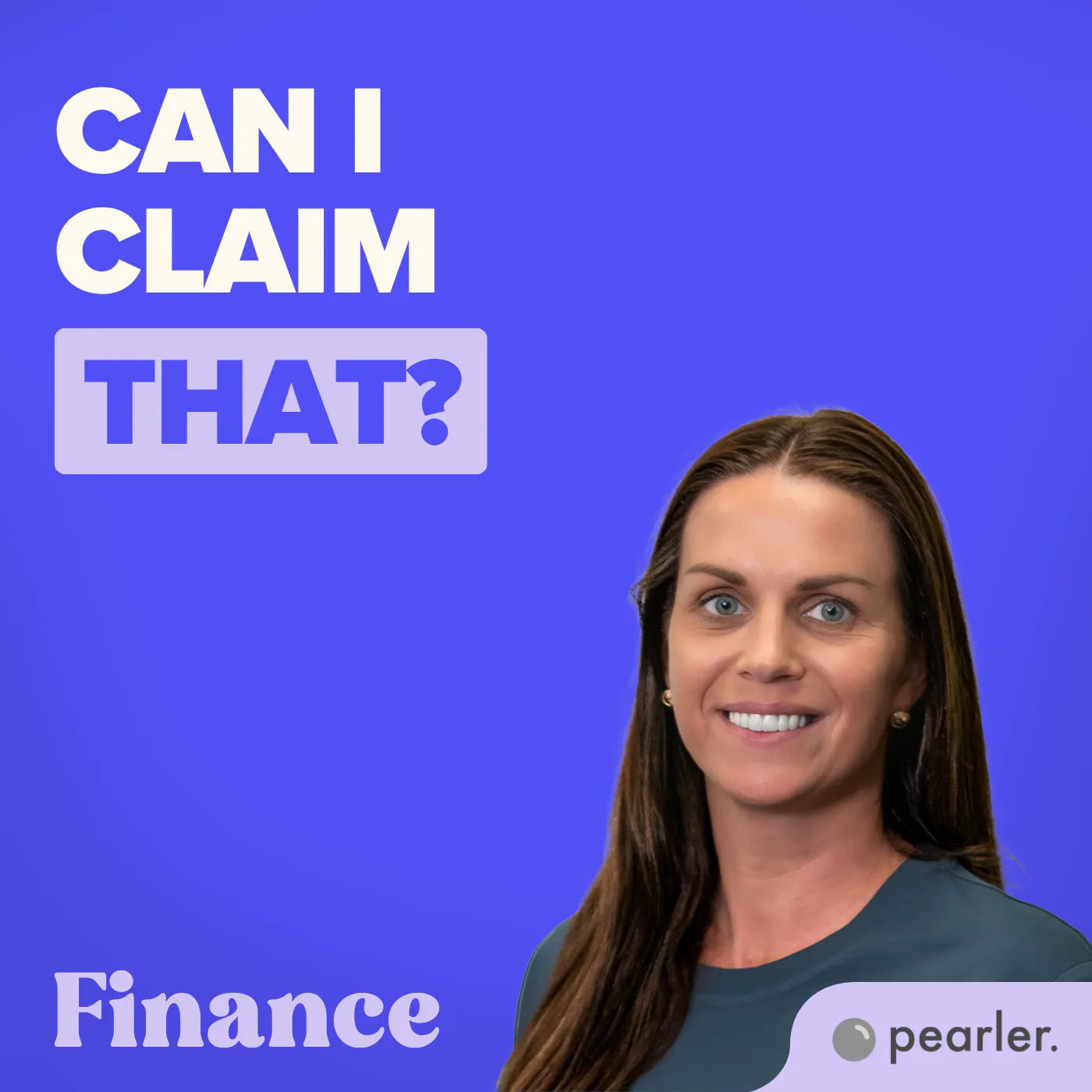
Tax myths busted: What you can really claim with the ATO
4w ago00:39:59Tap to summarizeIn this Australian Finance Podcast episode, your host Gemma Mitchell is joined by Anita Challen, Assistant Commissioner at the Australian Taxation Office (ATO), to bust some of the biggest tax myths Australians still believe. They cover: – What makes an expense genuinely tax deductible – Common mistakes people make with work-related claims – Car expenses and the records you need to keep – When a side hustle becomes income the ATO cares about – Rental property deductions and renovation traps – Why gifts, freebies and endorsements may need to be declared as income – The latest tax scams and how to protect yourself this tax time Topics Covered – What makes something tax deductible? – Common tax myths around clothing and meals – Car expense claims: what you can and can't claim – Record keeping requirements for tax deductions – Business expenses versus personal expenses – Side hustles, hobbies and taxable income – When does a hobby become a business? – Declaring gifts, freebies and endorsements as income – Rental property deductions and record keeping – Repairs versus improvements: what's deductible? – Renovating investment properties before tenants move in – Tax scams and staying safe online – How the ATO communicates with taxpayers – The biggest scam red flags to watch for – Where to go for trusted tax information Resources for this episode – Tax Time Toolkits – Download the ATO app – Verify or report an ATO scam – Buy Gemma’s book “The Money Reset” – Speak with the Rask Advice team – Ask a question (select the Finance podcast) Show partner resources – Join Pearler using the code "RASKSWITCH" and get $32 of Pearler Credit – Get 50% off your first two months using PocketSmith – Whatever comes next for your business, power it with Stripe EOFY deals to know about - ending June/July 2026 – 1 free trade per month, for 12 months, for new Pearler customers Rask resources – All services – Financial Planning – Invest with us – Access Show Notes – Ask a question – We love feedback! Follow us on social media – Instagram: @rask.invest – TikTok: @rask.invest DISCLAIMER: This podcast contains general financial information only. That means the information does not take into account your objectives, financial situation, or needs. Because of that, you should consider if the information is appropriate to you and your needs, before acting on it. If you’re confused about what that means or what your needs are, you should always consult a licensed and trusted financial planner. Unfortunately, we cannot guarantee the accuracy of the information in this podcast, including any financial, taxation, and/or legal information. Remember, past performance is not a reliable indicator of future performance. The Rask Group is NOT a qualified tax accountant, financial (tax) adviser, or financial adviser. Access The Rask Group's Financial Services Guide (FSG): https://www.rask.com.au/fsg Learn more about your ad choices. Visit megaphone.fm/adchoices
Transcribe →
Insurance Q&A: exclusions, loadings, claims & the $1.4 million dispute
4w ago00:56:34Tap to summarizeIn this Australian Finance Podcast episode, your host Gemma Mitchell is joined by Phil Thompson from Skye Wealth to answer your biggest insurance questions. They cover: – How insurance claims actually work from start to finish – The difference between Any Occupation and Own Occupation cover – Whether you can claim Income Protection and Trauma Insurance at the same time – What exclusions, loadings and occupation ratings really mean – The truth about insurance commissions – Whether younger Australians should consider cover before automatic super enrolment – Why group insurance isn't always cheaper than retail cover – The $1.4 million insurance dispute that highlights the importance of disclosure Topics Covered – What happens when you make an insurance claim? – Understanding the insurance claims process from start to finish – Any Occupation vs Own Occupation TPD cover – Can teachers and other professionals rely on Any Occupation cover? – Income Protection and Trauma Insurance: Can you claim both? – How insurance commissions work – Should young Australians get cover before automatic super insurance starts? – What is an insurance exclusion? – What is a premium loading? – Can exclusions and loadings be removed later? – What is an occupation rating and why does it matter? – Retail insurance vs group insurance through super – Why cheaper insurance isn't always better insurance – The Skye Wealth insurance comparison example – The $1.4 million insurance dispute and the importance of disclosure – How much do you really need to tell your insurer? Episode resources – Skye Wealth Client Savings Comparison – Buy Gemma’s book “The Money Reset” – Speak with the Rask Advice team – Ask a question (select the Finance podcast) Show partner resources – Join Pearler using the code "RASKSWITCH" and get $32 of Pearler Credit – Get 50% off your first two months using PocketSmith – Whatever comes next for your business, power it with Stripe EOFY deals to know about - ending June/July 2026 – 1 free trade per month, for 12 months, for new Pearler customers Rask resources – All services – Financial Planning – Invest with us – Access Show Notes – Ask a question – We love feedback! Follow us on social media – Instagram: @rask.invest – TikTok: @rask.invest DISCLAIMER: This podcast contains general financial information only. That means the information does not take into account your objectives, financial situation, or needs. Because of that, you should consider if the information is appropriate to you and your needs, before acting on it. If you’re confused about what that means or what your needs are, you should always consult a licensed and trusted financial planner. Unfortunately, we cannot guarantee the accuracy of the information in this podcast, including any financial, taxation, and/or legal information. Remember, past performance is not a reliable indicator of future performance. The Rask Group is NOT a qualified tax accountant, financial (tax) adviser, or financial adviser. Access The Rask Group's Financial Services Guide (FSG): https://www.rask.com.au/fsg Learn more about your ad choices. Visit megaphone.fm/adchoices
Transcribe →
Payday Super started 1 July 2026: what employers & employees need to know
Jul 800:39:06Tap to summarizeIn this Australian Finance Podcast episode, host Gemma Mitchell is joined by Emma Rosenzweig, Deputy Commissioner of the Payday Super Program at the Australian Taxation Office, to unpack the Payday Super changes. They cover: – What Payday Super is and why it’s changing – What employers and employees should be doing – How super guarantee payments will need to be timed – What qualifying earnings means – How Single Touch Payroll (STP), contractors, excess concessional contributions and compliance may be affected Topics Covered – What is Payday Super? – Why Super Guarantee Is Moving to Payday – What Employers Need to Do and When – Timing Rules for Super Guarantee Payments – What Qualifying Earnings Means – Payments Not Included in Qualifying Earnings – Single Touch Payroll Changes – Contractors and Super Under Payday Super – Member Verification and Rejected Contributions – ATO Compliance Approach From 1 July 2026 – Voluntary Disclosure for Underpaid Super – ATO Support Materials and Employer Resources – Key Actions for Employers and Employees Episode resources – Payday Super resources | Australian Taxation Office – Payday Super for employers | Australian Taxation Office – Buy Gemma’s book “The Money Reset” – Speak with the Rask Advice team – Ask a question (select the Finance podcast) Show partner resources – Join Pearler using the code "RASKSWITCH" and get $32 of Pearler Credit – Get 50% off your first two months using PocketSmith – Whatever comes next for your business, power it with Stripe EOFY deals to know about - ending June/July 2026 – 1 free trade per month, for 12 months, for new Pearler customers Rask resources – All services – Financial Planning – Invest with us – Access Show Notes – Ask a question – We love feedback! Follow us on social media – Instagram: @rask.invest – TikTok: @rask.invest DISCLAIMER: This podcast contains general financial information only. That means the information does not take into account your objectives, financial situation, or needs. Because of that, you should consider if the information is appropriate to you and your needs, before acting on it. If you’re confused about what that means or what your needs are, you should always consult a licensed and trusted financial planner. Unfortunately, we cannot guarantee the accuracy of the information in this podcast, including any financial, taxation, and/or legal information. Remember, past performance is not a reliable indicator of future performance. The Rask Group is NOT a qualified tax accountant, financial (tax) adviser, or financial adviser. Access The Rask Group's Financial Services Guide (FSG): https://www.rask.com.au/fsg Learn more about your ad choices. Visit megaphone.fm/adchoices
Transcribe →