
Podcast
Australian Finance Podcast
Hosted by Rask · EN
The Australian Finance Podcast is your guide to sorting out your finances, one episode at a time. Owen Rask, Chief Investment Officer, & Gemma Mitchell, Senior Financial Adviser, bring you actionable strategies and knowledge that you can put into practice today. Save money, invest better and live life on your terms.
~~
New to the show? We recommend that you head back to our Starter Pack series of the podcast in Jan/Feb 2024, to get your head around some really important concepts! More advanced listeners might enjoy our other show, The Australian Investors Podcast.
~~
SHOW NOTES: https://www.raskmedia.com.au/podcasts/australian-finance-podcast/
~~
DISCLAIMER: The information in this podcast series is general financial information/advice only. That means, the advice does not take into account your objectives, financial situation or needs. Because of that, you should consider if the advice is appropriate to you and your needs, before acting on the information. In addition, you should obtain and read the product disclosure statement (PDS) before making a decision to acquire a financial product. If you don’t know what your needs are, you should consult a trusted and licensed financial adviser who can provide you with personal financial product advice. Please read our Terms of Service and Financial Services Guide on www.rask.com.au/fsg.
78episodes
Episodes
Newest firstAll episodes
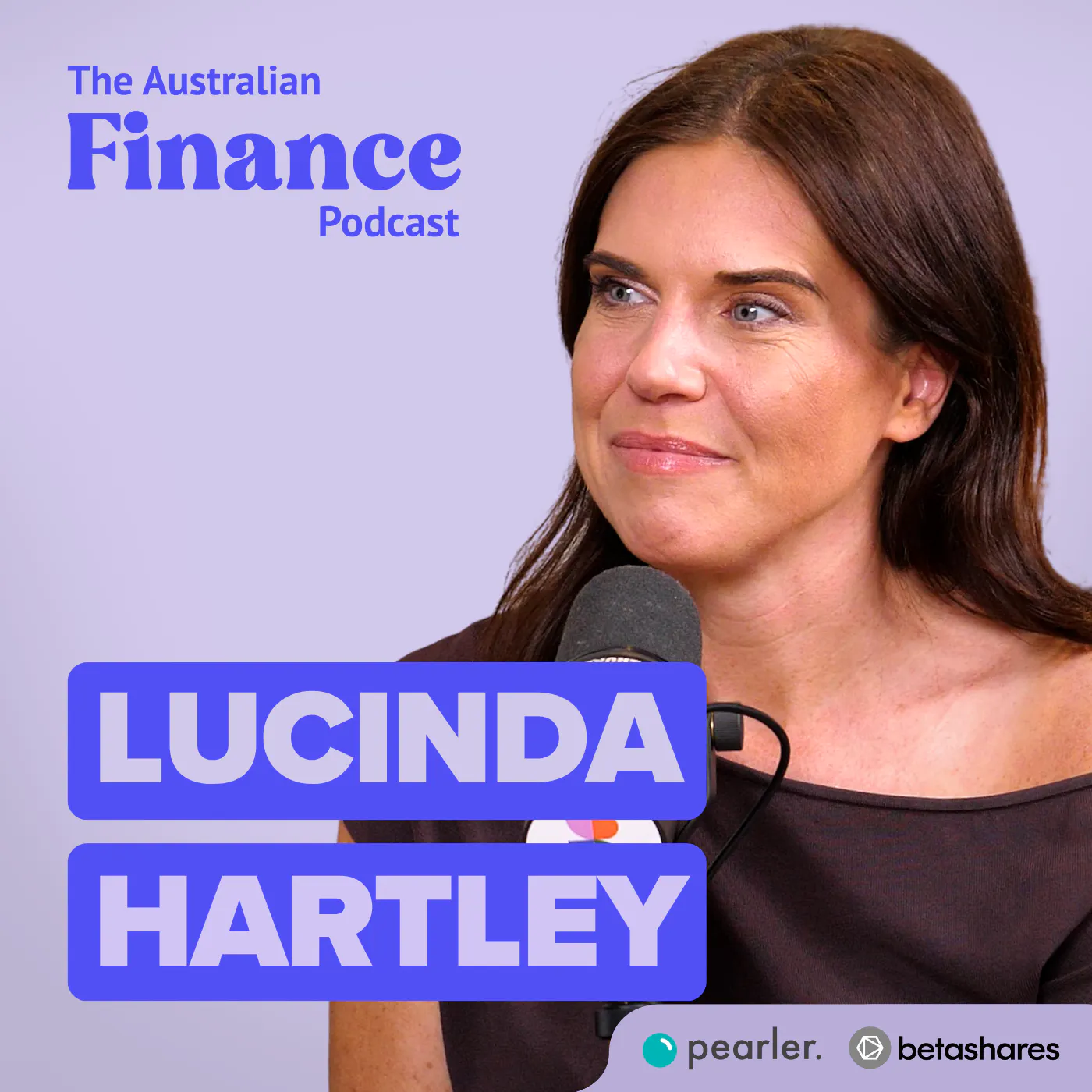
Why buying your first home feels impossible (and what to do instead) with Lucinda Hartley
Apr 2700:46:43Tap to summarizeDiscover why the traditional path to buying your first home no longer works, the trade-offs modern buyers must make, and how to rethink home ownership in today’s market. In this Australian Finance Podcast episode, your host Gemma Mitchell is joined by Lucinda Hartley, author of Finding Home, to unpack what’s really changed when it comes to buying your first home. They cover: – Why the traditional “rulebook” no longer applies – How first home buyers need to rethink what “home” means – The key trade-offs you must understand before buying – How to approach home ownership in a way that fits your life today Topics Covered – Why the First Home Buyer Rulebook is Outdated – Then vs Now: What’s Changed in the Property Market – Rethinking What “Home” Means – The First Question Buyers Should Ask Themselves – Housing as “Success” vs Housing as “Security” – Is “Worst House, Best Street” Still Relevant? – Suburb vs Property: What Matters More Today – Changing Buyer Preferences (Apartments, Location, Lifestyle) – The Impact of Government Grants & Incentives – Is the 30% Housing Rule Still Realistic? – The Trade-Off Triangle Explained – The 10 Lifestyle Trade-Off Lenses – Common Trade-Offs Buyers Regret – Defining Your Non-Negotiables Before Buying – Credit Scores: What Actually Matters – Final Advice for First Home Buyers Resources for this episode Connect with Lucinda: Finding Home – Lucinda Hartley Buy Gemma’s book “The Money Reset” Speak with the Rask Advice team Ask a question (select the Finance podcast) Show partner resources Join Pearler using code “RASK” for $15 of Pearler Credit Get 50% off your first two months using PocketSmith View Betashares range of funds Rask resources All services Financial Planning Invest with us Access Show Notes Ask a question We love feedback! Follow us on social media: Instagram: @rask.invest TikTok: @rask.invest DISCLAIMER: This podcast contains general financial information only. That means the information does not take into account your objectives, financial situation, or needs. Because of that, you should consider if the information is appropriate to you and your needs, before acting on it. If you’re confused about what that means or what your needs are, you should always consult a licensed and trusted financial planner. Unfortunately, we cannot guarantee the accuracy of the information in this podcast, including any financial, taxation, and/or legal information. Remember, past performance is not a reliable indicator of future performance. The Rask Group is NOT a qualified tax accountant, financial (tax) adviser, or financial adviser. Access The Rask Group's Financial Services Guide (FSG): https://www.rask.com.au/fsg Learn more about your ad choices. Visit megaphone.fm/adchoices
Transcribe →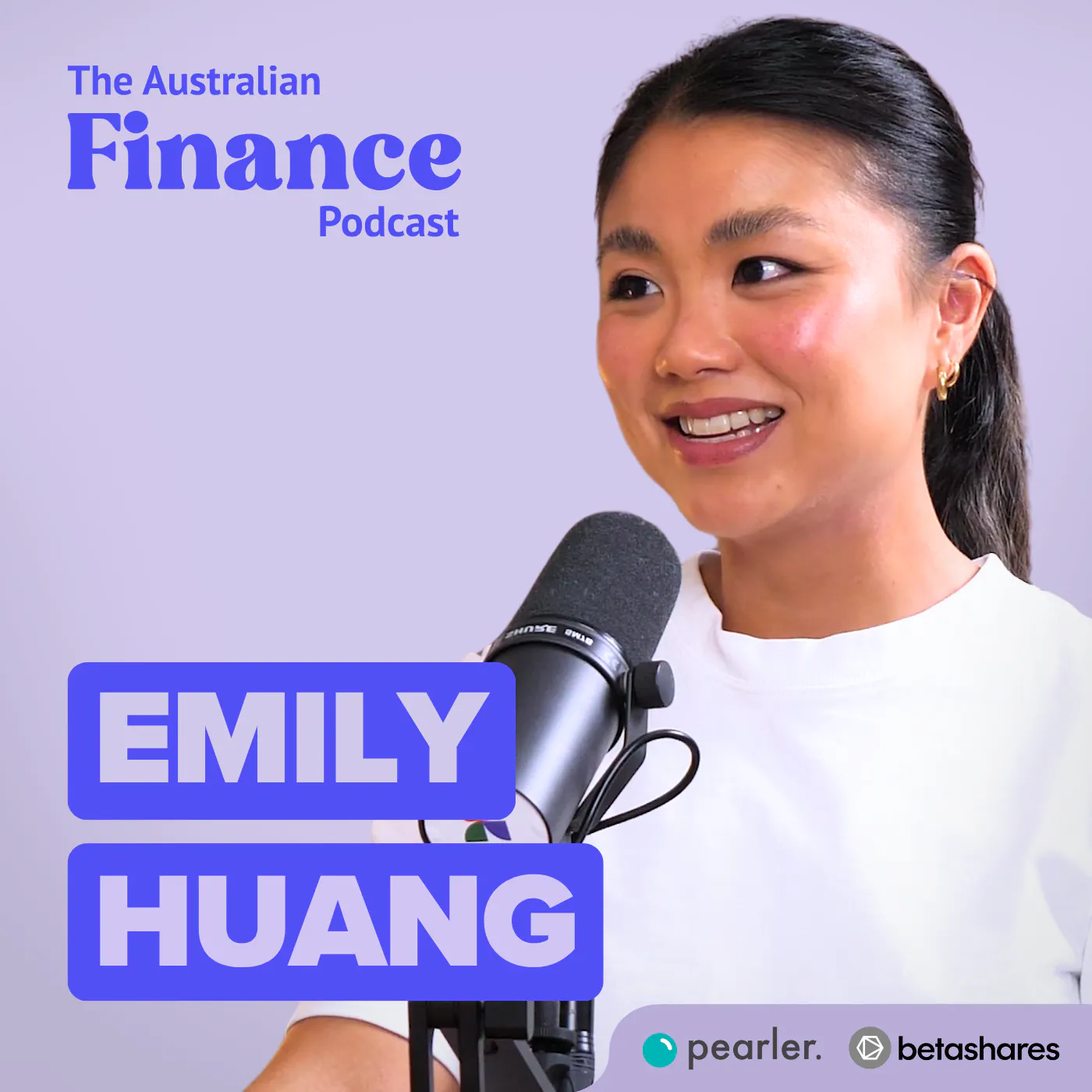
Money in your 20s: investing, super and your first home
Apr 2300:57:52Tap to summarizeIn this episode of the Australian Finance Podcast, Owen is joined by Emily from the Rask design team for a practical conversation about money in your 20s. Together they unpack the real questions younger Australians face when life is moving quickly and the pressure to “figure it out” feels intense. Emily shares what changed after moving from New Zealand to Melbourne, learning how Australia’s super system works, trying micro-investing for the first time, and setting a goal for her first ETF investment. They also tackle the big decisions that come up early: should you build cash savings or invest first, how do you prepare financially before moving overseas, what should you actually do about super in your 20s, and how can you save for a house deposit when rent and the cost of living keep climbing? There is also an honest discussion about the social side of money, including how to handle friendships when other people seem to earn more and want to spend more. It is a useful reminder that financial progress is not about keeping up appearances, but about building habits that match your goals and values. If you want a grounded, practical starting point for saving, investing and building confidence with money, this episode is for you. Resources for this episode Buy Gemma’s book “The Money Reset” Speak with the Rask Advice team Ask a question (select the Finance podcast) Show partner resources Join Pearler using code “RASK” for $15 of Pearler Credit Get 50% off your first two months using PocketSmith View Betashares range of funds Rask resources All services Financial Planning Invest with us Access Show Notes Ask a question We love feedback! Follow us on social media: Instagram: @rask.invest TikTok: @rask.invest DISCLAIMER: This podcast contains general financial information only. That means the information does not take into account your objectives, financial situation, or needs. Because of that, you should consider if the information is appropriate to you and your needs, before acting on it. If you’re confused about what that means or what your needs are, you should always consult a licensed and trusted financial planner. Unfortunately, we cannot guarantee the accuracy of the information in this podcast, including any financial, taxation, and/or legal information. Remember, past performance is not a reliable indicator of future performance. The Rask Group is NOT a qualified tax accountant, financial (tax) adviser, or financial adviser. Access The Rask Group's Financial Services Guide (FSG): https://www.rask.com.au/fsg Learn more about your ad choices. Visit megaphone.fm/adchoices
Transcribe →
Sudden wealth explained: inheritance, pressure, risk & what to do next
Apr 2000:39:08Tap to summarizeIn this Australian Finance Podcast episode, your hosts Owen Rask and Gemma Mitchell break down sudden wealth events, and what happens when life goes from “normal” to financially complex overnight. They cover: – What counts as a sudden wealth event – Why more money does not always mean less stress – The emotional side of inheritance, guilt, pressure, and decision fatigue – What changes when your wealth jumps quickly – Why structure, tax, protection, and estate planning matter more than ever If you like this Australian Finance Podcast episode on sudden wealth events, you'll love our series. Don't forget to subscribe for weekly shows on Apple, Spotify, YouTube, or wherever you get your podcasts! Follow us on Instagram and TikTok for more investing insights. Topics Covered – What is a Sudden Wealth Event? – Why Fast Money Can Create Fast Complexity – Myth: More Money = Less Stress – The Great Wealth Transfer in Australia – Inheritance, Insurance Payouts & Business Sales – The Shift from Budgeting to Structuring – The Shift from Saving to Protecting – The Shift from Accumulation to Strategy – Sudden Wealth Syndrome: What It Is – Overwhelm, Anxiety & Decision Fatigue – Guilt, Family Pressure & Changing Relationships – Why Tax Becomes a Bigger Lever – Structuring, Trusts & Ownership Decisions – Asset Protection & Estate Planning – Separating the Emotional Response from the Practical Plan – Why Doing Nothing Quickly Can Be Smart – Building a “Sleep at Night” Plan – What to Do Before You Act on a Windfall – When to Get Advice Early Resources for this episode Buy Gemma’s book “The Money Reset” Ask a question (select the Finance podcast) Show partner resources Join Pearler using code “RASK” for $15 of Pearler Credit Get 50% off your first two months using PocketSmith View Betashares range of funds Rask resources All services Financial Planning Invest with us Access Show Notes Ask a question We love feedback! Follow us on social media Instagram: @rask.invest TikTok: @rask.invest DISCLAIMER: This podcast contains general financial information only. That means the information does not take into account your objectives, financial situation, or needs. Because of that, you should consider if the information is appropriate to you and your needs, before acting on it. If you’re confused about what that means or what your needs are, you should always consult a licensed and trusted financial planner. Unfortunately, we cannot guarantee the accuracy of the information in this podcast, including any financial, taxation, and/or legal information. Remember, past performance is not a reliable indicator of future performance. The Rask Group is NOT a qualified tax accountant, financial (tax) adviser, or financial adviser. Access The Rask Group's Financial Services Guide (FSG): https://www.rask.com.au/fsg Learn more about your ad choices. Visit megaphone.fm/adchoices
Transcribe →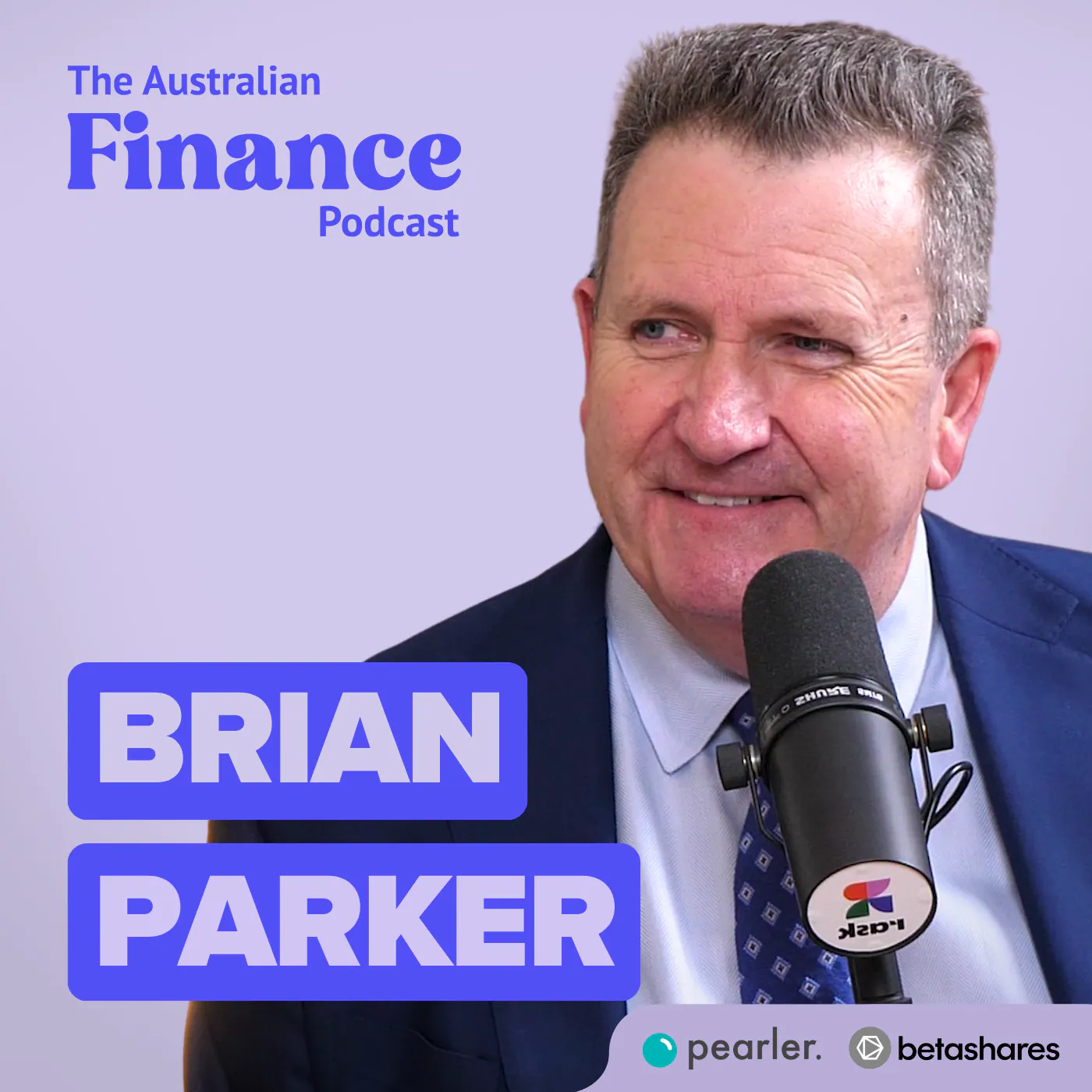
Inside a $350bn super fund: How your money is really invested
Apr 1600:57:11Tap to summarizeIn this Australian Finance Podcast episode, your host Owen Rask is joined by Brian Parker, Chief Economist of Australian Retirement Trust (ART), to discuss how ART thinks about runway, portfolio construction, private markets and when volatility becomes opportunity. They cover: - What a chief economist actually does and how ART turns research into portfolio action. - How “super money” is different: time horizon, tax wrapper and the power of compounding. - Geopolitics, inflation and how ART assesses signals in a multipolar world. - AI — threat vs opportunity, productivity wins, and policy implications for workers. - Why private assets and inflation-linked income matter in portfolio construction. If you like this Australian Finance Podcast episode you'll love our series. Don't forget to subscribe for weekly shows on Apple, Spotify, YouTube, or wherever you get your podcasts! Follow us on Instagram and TikTok for more investing insights. - What does a Chief Economist do? - How super funds invest differently (decades, not months) - Why market volatility = opportunity - The impact of geopolitics (Ukraine, Middle East, trade tensions) - Inflation vs deflation: what’s really happening - How AI could reshape the global economy - Why diversification is the “only free lunch” - The role of private assets (infrastructure, property, private equity) - Why super funds can access investments you can’t - Real returns: why inflation matters for your future - How to think long-term about your super Resources for this episode Learn more about Australian Retirement Trust here Buy Gemma’s book “The Money Reset” Ask a question (select the Finance podcast) Show partner resources Join Pearler using code “RASK” for $15 of Pearler Credit Get 50% off your first two months using PocketSmith View Betashares range of funds Rask resources All services Financial Planning Invest with us Access Show Notes Ask a question We love feedback! Follow us on social media: Instagram: @rask.invest TikTok: @rask.invest DISCLAIMER: This podcast contains general financial information only. That means the information does not take into account your objectives, financial situation, or needs. Because of that, you should consider if the information is appropriate to you and your needs, before acting on it. If you’re confused about what that means or what your needs are, you should always consult a licensed and trusted financial planner. Unfortunately, we cannot guarantee the accuracy of the information in this podcast, including any financial, taxation, and/or legal information. Remember, past performance is not a reliable indicator of future performance. The Rask Group is NOT a qualified tax accountant, financial (tax) adviser, or financial adviser. Access The Rask Group's Financial Services Guide (FSG): https://www.rask.com.au/fsg Learn more about your ad choices. Visit megaphone.fm/adchoices
Transcribe →
Interest rates are rising… here’s how to actually benefit
Apr 1300:36:13Tap to summarizeIn this Australian Finance Podcast episode, your hosts Owen Rask and Gemma Mitchell break down what rising interest rates actually mean for your money — and how you can benefit if you’ve got cash sitting in the bank. They cover: – Why rate hikes aren’t all bad news – Who wins and loses when interest rates rise – How savings accounts really work (and where banks get you) – Why chasing the highest rate isn’t always worth it – Simple, practical tips to make your cash work harder If you like this Australian Finance Podcast episode on interest rates and saving, you'll love our series. Don't forget to subscribe for weekly shows on Apple, Spotify, YouTube, or wherever you get your podcasts! Follow us on Instagram and TikTok for more investing insights. Topics Covered – Why everyone hates rate hikes… unless you’ve got cash – What’s happening with interest rates right now – Why banks don’t always pass on rate rises immediately – Who loses: mortgage holders and borrowers – Who wins: savers, first home buyers, retirees – How savings accounts actually work – The fine print: bonus rates, conditions and traps – Common bank tricks (and how to avoid them) – Why chasing the “best” rate can backfire – Example: is a higher rate really worth switching? – How to avoid analysis paralysis – Simple systems to maximise your interest – Final tips: automation, reminders, and staying consistent Resources for this episode - Spreadhseet - Buy Gemma’s book “The Money Reset” - Ask a question (select the Finance podcast) Show partner resources 💰 Join Pearler using code “RASK” for $15 of Pearler Credit 📊 Get 50% off your first two months using PocketSmith 📈 View Betashares full range of funds Rask resources 🔗 Explore all Rask services 📋 Learn about Rask Financial Planning 📈 Start investing with Rask 📜 Access Show Notes ❓ Ask a question - just select the Finance Podcast 📲 Follow us on social media Instagram: @rask.invest TikTok: @rask.invest DISCLAIMER: This podcast contains general financial information only. That means the information does not take into account your objectives, financial situation, or needs. Because of that, you should consider if the information is appropriate to you and your needs before acting on it. If you’re unsure, you should always consult a licensed and trusted financial planner. Unfortunately, we cannot guarantee the accuracy of the information in this podcast, including any financial, taxation, and/or legal information. Remember, past performance is not a reliable indicator of future performance. The Rask Group is NOT a qualified tax accountant, financial (tax) adviser, or financial adviser. Access The Rask Group's Financial Services Guide (FSG) Learn more about your ad choices. Visit megaphone.fm/adchoices
Transcribe →
Fuel relief is coming, credit card surcharges are going plus, starting with $2k & retirement planning
Apr 900:41:37Tap to summarizeIn this Australian Finance Podcast episode, your hosts Owen Rask and Gemma Mitchell dive into a listener Q&A covering real-life money challenges and wins. They cover: – Celebrating a listener hitting $5k in savings early in the year – Whether to focus on mortgage repayments or start investing – How to begin investing with just $2–5k – Financial Infidelity and coming back from gambling debt – How to structure assets for retirement income – What you need to know about changes to credit card surcharges – The government announcement to cut fuel excise for three months and what it means for your budget If you like this Australian Finance Podcast episode, you'll love our series. Don't forget to subscribe for weekly shows on Apple, Spotify, YouTube, or wherever you get your podcasts! Follow us on Instagram and TikTok for more investing insights. Topics Covered – Listener win: saving $5k through expenses & income growth – Cutting costs: insurance, utilities & selling unused items – Mortgage vs investing: how to think about the trade-off – Balancing debt reduction and long-term investing – When financial advice is worth paying for – Managing money when one partner isn’t engaged – Starting to invest with $2k–$5k – ETFs vs savings: where to begin – Building habits before scaling investments – Retirement planning basics: what does “work optional” mean? – Using assets in retirement: property, shares, super & cash – The order of drawdown in retirement Resources for this episode Free Rask Retirement course Finders Keepers challenge tracker and workbook Buy Gemma’s book “The Money Reset” Ask a question (select the Finance podcast) Show partner resources Join Pearler using code “RASK” for $15 of Pearler Credit Get 50% off your first two months using PocketSmith View Betashares range of funds Rask resources All services Financial Planning Invest with us Access Show Notes Ask a question We love feedback! Follow us on social media: Instagram: @rask.invest TikTok: @rask.invest DISCLAIMER: This podcast contains general financial information only. That means the information does not take into account your objectives, financial situation, or needs. Because of that, you should consider if the information is appropriate to you and your needs, before acting on it. If you’re confused about what that means or what your needs are, you should always consult a licensed and trusted financial planner. Unfortunately, we cannot guarantee the accuracy of the information in this podcast, including any financial, taxation, and/or legal information. Remember, past performance is not a reliable indicator of future performance. The Rask Group is NOT a qualified tax accountant, financial (tax) adviser, or financial adviser. Access The Rask Group's Financial Services Guide (FSG): https://www.rask.com.au/fsg Learn more about your ad choices. Visit megaphone.fm/adchoices
Transcribe →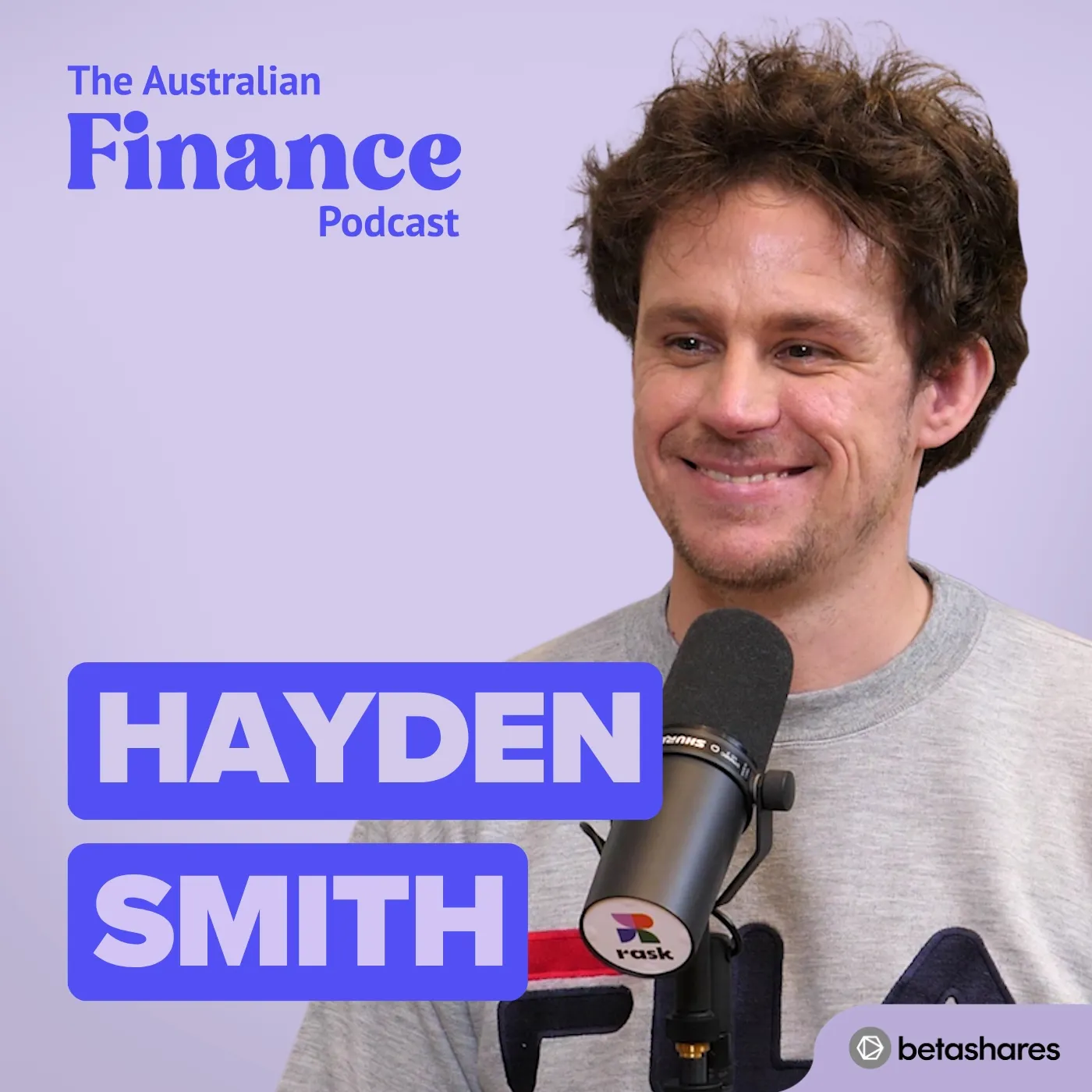
Financial independence is still achievable but most people are focusing on the wrong lever
Apr 600:37:54Tap to summarizeMitchel Sneddon sits down with Hayden Smith, co-founder of Pearler, to unpack whether FIRE is still achievable and what actually drives financial independence today. The conversation moves beyond theory into the real levers — spending, income, behaviour and simple ETF investing — and reframes investing as a tool, not the solution. Together they discuss: – FIRE remains achievable, but outcomes are driven by income, spending and family choices, not markets alone – Cutting spending is still the fastest and most controllable lever – A simple rule of thumb that anyone can start with – Many investors stall due to analysis paralysis on ETFs, when early decisions have minimal long-term impact – Starting small builds engagement and accelerates understanding – Growth vs income portfolios are shaped by tax position and psychology, not just returns or theory – Investing is not the solution — earning more or spending less drives wealth, with investing acting as a catalyst Resources for this episode Buy Gemma’s book “The Money Reset” Ask a question (select the Finance podcast) Show partner resources Join Pearler using code “RASK” for $15 of Pearler Credit Get 50% off your first two months using PocketSmith View Betashares range of funds Rask resources All services Financial Planning Invest with us Access Show Notes Ask a question We love feedback! Follow us on social media: Instagram: @rask.invest TikTok: @rask.invest DISCLAIMER: This podcast contains general financial information only. That means the information does not take into account your objectives, financial situation, or needs. Because of that, you should consider if the information is appropriate to you and your needs, before acting on it. If you’re confused about what that means or what your needs are, you should always consult a licensed and trusted financial planner. Unfortunately, we cannot guarantee the accuracy of the information in this podcast, including any financial, taxation, and/or legal information. Remember, past performance is not a reliable indicator of future performance. The Rask Group is NOT a qualified tax accountant, financial (tax) adviser, or financial adviser. Access The Rask Group's Financial Services Guide (FSG): https://www.rask.com.au/fsg Learn more about your ad choices. Visit megaphone.fm/adchoices
Transcribe →
Estate planning, super & SMSFs: What happens to your money?
Apr 200:43:17Tap to summarizeIn this Australian Finance Podcast episode, your host Owen Rask is joined by Senior financial adviser at Rask Advice, Chamil Peiris to answer listener questions on estate planning, superannuation and SMSFs. They cover: – What to do with leftover funeral insurance money – Whether you need a will in your 20s – How super beneficiaries actually work – The difference between SMSFs and industry funds for estate planning If you like this Australian Finance Podcast episode, you'll love our series. Don't forget to subscribe for weekly shows on Apple, Spotify, YouTube, or wherever you get your podcasts! Follow us on Instagram and TikTok for more investing insights. Topics Covered – What to Do With Funeral Insurance Leftovers – Tax Considerations on Insurance Payouts – Emergency Funds vs Investing Lump Sums – Do You Need a Will in Your 20s? – What Happens If You Die Without a Will (Intestacy Rules) – Who Gets Your Assets Automatically? – Superannuation Death Benefits Explained – Binding vs Non-Binding Nominations – What Happens If You Don’t Nominate a Beneficiary – SMSFs vs Industry Funds for Estate Planning – Control, Flexibility & Risks of SMSFs – When an SMSF Might (and Might Not) Make Sense Financial planning Retirement Academy Free Super course Buy Gemma’s book “The Money Reset” Ask a question (select the Finance podcast) Learn more about your ad choices. Visit megaphone.fm/adchoices
Transcribe →
Becoming a financial planner, SpaceX IPO & your questions answered
Mar 3000:46:14Tap to summarizeIn this Australian Finance Podcast episode, your host Owen Rask is joined by Rask Advice Associate Milli Russell to unpack Milli’s journey into financial advice, alongside answering your biggest money questions. They cover: – Milli’s pathway from school to financial planning – What it actually takes to become a financial adviser – How the industry is changing post-Royal Commission – Real-world answers to listener questions on mortgages, ETFs, and investing Topics Covered – Why Milli chose a career in finance – The snow trip story: Advanced Sport → Accounting – Discovering a passion for accounting and business in school – Pivoting from accounting to financial planning – The real financial adviser career pathway – Study requirements & professional year (PY) – Being young and female in finance – The impact of the Royal Commission on the industry – Why financial advice is rewarding – Working with pre-retirees & retirees – Listener Question: Fixing vs variable mortgage decisions – Listener Question: SpaceX IPO & ETF impacts – Listener Question: Shares vs property vs cash for young investors – Spending vs investing vs enjoying life Resources for this episode 📄 Learn more about topics discussed in this episode: What is an IPO (Initial Public Offering)? How ETFs work (S&P 500, Nasdaq exposure) Understanding fixed vs variable interest rates What is a financial adviser & how to become one Superannuation basics for retirement planning ~~ Show partner resources ~~ 💰 Join Pearler using code “RASK” for $15 of Pearler Credit- https://bit.ly/Pearler 📊 Get 50% off your first two months using PocketSmith - https://bit.ly/R-PocketSmith 📈 View Betashares full range of funds - https://bit.ly/beta-25 ~~ Rask resources ~~ 🔗 Explore all Rask services - https://bit.ly/R-services 📋 Learn about Rask Financial Planning - https://bit.ly/R-plan 📈 Start investing with Rask- https://bit.ly/R-invest 📜 Access Show Notes - https://bit.ly/R-notes ❓ Ask a question - just select the Finance Podcast - https://bit.ly/R-quest 📲 Follow us on social media: Instagram: @rask.invest - https://www.instagram.com/rask.invest/ TikTok: @rask.invest- https://www.tiktok.com/@rask.invest DISCLAIMER This podcast contains general financial information only. That means the information does not take into account your objectives, financial situation, or needs. Because of that, you should consider if the information is appropriate to you and your needs before acting on it. If you’re unsure, you should always consult a licensed and trusted financial planner. Unfortunately, we cannot guarantee the accuracy of the information in this podcast, including any financial, taxation, and/or legal information. Remember, past performance is not a reliable indicator of future performance. The Rask Group is NOT a qualified tax accountant, financial (tax) adviser, or financial adviser. Access The Rask Group's Financial Services Guide (FSG) - https://www.rask.com.au/fsg Learn more about your ad choices. Visit megaphone.fm/adchoices
Transcribe →
Low deposit, high stakes: Inside Australia's 5% revolution
Mar 2600:34:13Tap to summarizeIn this Australian Finance Podcast episode, your hosts Pete Wargent of Allen Wargent Property Buyers and Gemma Mitchell from Rask discuss whether first homebuyers should use the 5% deposit scheme. Here’s what they cover: -Criteria for qualifying for the new scheme -The new property price caps -Getting the right loan -Managing cashflows -Retaining a buffer -The benefits of using the 5% deposit scheme -The risk and the drawbacks And their summary thoughts and tips. This episode was originally featured on The Australian Property Podcast. Resources for this episode Buy Gemma’s book “The Money Reset” Ask a question (select the Finance podcast) Show partner resources Join Pearler using code “RASK” for $15 of Pearler Credit Get 50% off your first two months using PocketSmith View Betashares range of funds Rask resources All services Financial Planning Invest with us Access Show Notes Ask a question We love feedback! Follow us on social media: Instagram: @rask.invest TikTok: @rask.invest DISCLAIMER: This podcast contains general financial information only. That means the information does not take into account your objectives, financial situation, or needs. Because of that, you should consider if the information is appropriate to you and your needs, before acting on it. If you’re confused about what that means or what your needs are, you should always consult a licensed and trusted financial planner. Unfortunately, we cannot guarantee the accuracy of the information in this podcast, including any financial, taxation, and/or legal information. Remember, past performance is not a reliable indicator of future performance. The Rask Group is NOT a qualified tax accountant, financial (tax) adviser, or financial adviser. Access The Rask Group's Financial Services Guide (FSG): https://www.rask.com.au/fsg Learn more about your ad choices. Visit megaphone.fm/adchoices
Transcribe →