Podcast
Australian Investors Podcast
Hosted by Rask · EN
The Australian Investors Podcast is a twice weekly podcast (Wednesday & Saturday), featuring laid back but intelligent short- and long-form conversations about markets, business, psychology, lessons learned and investment process. At Rask, our goal is to bring you the best insights, information and proven strategies to help you invest your time and money. SHOW NOTES: https://www.raskmedia.com.au/podcasts/australian-investors-podcast
61episodes
Episodes
Newest firstAll episodes
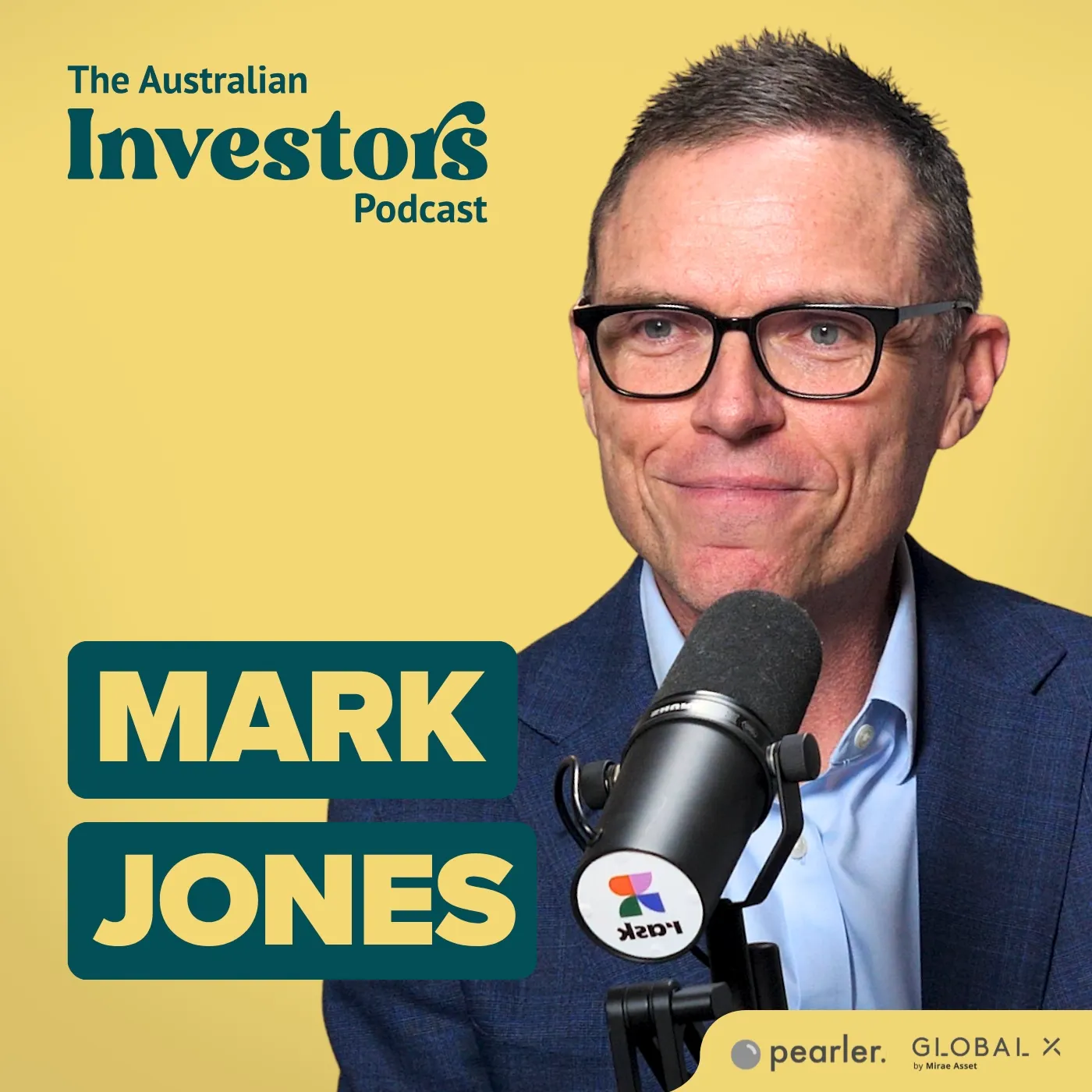
Better than index funds: the risk-adjusted bet | Mark Jones, Resolution Capital
3d ago00:53:48Tap to summarizeIn this episode of Australian Investors Podcast, Owen Rask sits down with Mark Jones from Resolution Capital to unpack why listed infrastructure may be one of the most compelling risk-adjusted opportunities in markets right now. Mark explains what global listed infrastructure actually includes, why the best assets tend to have pricing power, long lives and high earnings visibility, and why that matters when uncertainty is rising. The conversation breaks down how professional investors separate true infrastructure from lookalikes, why active management can matter more in a finite universe, and how investors should think about inflation protection, portfolio construction and long-term compounding. Along the way, Owen and Mark use real examples including Transurban, AGL, Origin and Greek infrastructure assets to show why labels matter, where passive products can miss the mark, and how a disciplined investor can think more clearly about downside as well as upside. They finish with a timeless lesson on the rule of 72 and why steady returns can be more powerful than chasing the next 10-bagger. If you want a clearer framework for thinking about infrastructure, active versus passive investing and the role of real assets in a portfolio, this episode is well worth your time. Episode resources – Resolution Capital – Speak with the Rask Advice team – Ask a question (select the Investors podcast) Show partner resources – ETF investor? Go beyond ordinary with Global X: View all funds – Visit TermPlus to learn more – Join Pearler using the code "RASKSWITCH" and get $32 of Pearler Credit – Whatever comes next for your business, power it with Stripe Rask resources – All services – Financial Planning – Invest with us – Access Show Notes – Ask a question – We love feedback! Follow us on social media – Instagram: @rask.invest – TikTok: @rask.invest DISCLAIMER: This podcast contains general financial information only. That means the information does not take into account your objectives, financial situation, or needs. Because of that, you should consider if the information is appropriate to you and your needs, before acting on it. If you’re confused about what that means or what your needs are, you should always consult a licensed and trusted financial planner. Unfortunately, we cannot guarantee the accuracy of the information in this podcast, including any financial, taxation, and/or legal information. Remember, past performance is not a reliable indicator of future performance. The Rask Group is NOT a qualified tax accountant, financial (tax) adviser, or financial adviser. Access The Rask Group's Financial Services Guide (FSG): https://www.rask.com.au/fsg Learn more about your ad choices. Visit megaphone.fm/adchoices
Transcribe →
How market news moves share prices with Jason Kotchoff from Stocklight
6d ago00:54:36Tap to summarizeIn this Australian Investors Podcast episode, Owen Rask sits down with Jason Kotchoff, founder of Stocklight, to unpack one of the hardest parts of investing: understanding how news actually moves share prices. From ASX announcements and continuous disclosure to US SEC filings and the EDGAR system, this conversation explains how information reaches the market, why some updates send stocks higher, and why "good" news can still trigger a sell-off. Owen and Jason walk through real examples including DroneShield, Megaport and NextDC, showing how price-sensitive announcements are flagged, how directors' trades can shape investor sentiment, and why context matters more than headlines. They also compare Australia's market structure with the United States, highlighting the difference between the ASX's central role and the SEC's rules-based system across many exchanges. The episode also explores the investor information edge in 2026. Jason explains how tools like Stocklight can help investors track portfolios, filter the announcement firehose and stay tax-aware, while Owen presses the bigger question: can individual investors really keep up when professional firms and AI-powered tools are on the other side of the trade? If you want a clearer framework for interpreting market news, company announcements and portfolio signals, this episode will help you understand what matters, what to ignore and how to think before you act. Episode resources – Stocklight – Speak with the Rask Advice team – Ask a question (select the Investors podcast) Show partner resources – ETF investor? Go beyond ordinary with Global X: View all funds – Visit TermPlus to learn more – Join Pearler using the code "RASKSWITCH" and get $32 of Pearler Credit – Whatever comes next for your business, power it with Stripe Rask resources – All services – Financial Planning – Invest with us – Access Show Notes – Ask a question – We love feedback! Follow us on social media – Instagram: @rask.invest – TikTok: @rask.invest DISCLAIMER: This podcast contains general financial information only. That means the information does not take into account your objectives, financial situation, or needs. Because of that, you should consider if the information is appropriate to you and your needs, before acting on it. If you’re confused about what that means or what your needs are, you should always consult a licensed and trusted financial planner. Unfortunately, we cannot guarantee the accuracy of the information in this podcast, including any financial, taxation, and/or legal information. Remember, past performance is not a reliable indicator of future performance. The Rask Group is NOT a qualified tax accountant, financial (tax) adviser, or financial adviser. Access The Rask Group's Financial Services Guide (FSG): https://www.rask.com.au/fsg Learn more about your ad choices. Visit megaphone.fm/adchoices
Transcribe →
How to build an ETF portfolio from scratch with Jess Leung from Global X
1w ago00:37:33Tap to summarizeIn this Australian Investors Podcast episode, Owen Rask sits down with Jess Leung from Global X to kick off a six-part portfolio construction series by tackling the question most ETF investors skip too quickly: what should a good portfolio actually look like from day one? Jess explains why a portfolio should be treated as a system, not a collection of random ideas, and why every ETF needs a job to do. They unpack the difference between a core portfolio and satellite positions, why asset allocation matters more than obsessing over tiny ETF differences, and how investors can think more clearly about risk tolerance, time frame and long-term goals before buying anything. The conversation also explores common blind spots, including home bias, portfolio overlap and the hidden costs that come from spreads, brokerage and repeated trading over time. Jess shares practical ways to look through a portfolio, spot duplicated exposures, and decide whether a position belongs in the core or the satellite bucket. They finish with real ETF examples from the Global X range, including broad Australian exposure, global equity options, fixed income and currency hedging, giving investors a practical framework for building something more deliberate from the start. If you want to build a smarter ETF portfolio with more intention and less guesswork, this is a strong place to start. Episode resources – Speak with the Rask Advice team – Ask a question (select the Investors podcast) Show partner resources – ETF investor? Go beyond ordinary with Global X: View all funds – Visit TermPlus to learn more – Join Pearler using the code "RASKSWITCH" and get $32 of Pearler Credit – Whatever comes next for your business, power it with Stripe Rask resources – All services – Financial Planning – Invest with us – Access Show Notes – Ask a question – We love feedback! Follow us on social media – Instagram: @rask.invest – TikTok: @rask.invest DISCLAIMER: This podcast contains general financial information only. That means the information does not take into account your objectives, financial situation, or needs. Because of that, you should consider if the information is appropriate to you and your needs, before acting on it. If you’re confused about what that means or what your needs are, you should always consult a licensed and trusted financial planner. Unfortunately, we cannot guarantee the accuracy of the information in this podcast, including any financial, taxation, and/or legal information. Remember, past performance is not a reliable indicator of future performance. The Rask Group is NOT a qualified tax accountant, financial (tax) adviser, or financial adviser. Access The Rask Group's Financial Services Guide (FSG): https://www.rask.com.au/fsg Learn more about your ad choices. Visit megaphone.fm/adchoices
Transcribe →
How advice businesses grow: Owen Rask and Drew Meredith on content, AI and trust
1w ago01:07:16Tap to summarizeIn this week's LIVE 2 Sense, Owen and Drew pull back the curtain on what is really driving growth in modern financial advice businesses. With markets pushing back towards all-time highs, the conversation starts with the mood investors are feeling right now, then quickly moves into a deeper topic: how content, education and trust are reshaping the advice industry in Australia. Owen and Drew unpack how Wattle Partners has grown, why Rask has spent years building an audience-first business, and what both founders have learned about scaling without losing focus. They also get into one of the biggest questions facing professional services in 2026: is AI a threat, a tool, or both? From simple scaled advice and back-office efficiency to compliance, cybersecurity and the changing economics of content, this episode explores where the real opportunities and risks are starting to appear. Along the way, the pair touch on mergers and acquisitions in advice, why many firms still struggle with technology, how YouTube and podcasts convert differently, and what business owners can learn from building an audience before building a product. If you want a rare behind-the-scenes look at how financial media, advice and technology now overlap in Australia, this 2 Sense episode is packed with honest lessons, practical observations and a few spicy takes. Episode resources – Speak with the Rask Advice team – Ask a question (select the Investors podcast) Show partner resources – ETF investor? Go beyond ordinary with Global X: View all funds – Visit TermPlus to learn more – Join Pearler using the code "RASKSWITCH" and get $32 of Pearler Credit – Whatever comes next for your business, power it with Stripe Rask resources – All services – Financial Planning – Invest with us – Access Show Notes – Ask a question – We love feedback! Follow us on social media – Instagram: @rask.invest – TikTok: @rask.invest DISCLAIMER: This podcast contains general financial information only. That means the information does not take into account your objectives, financial situation, or needs. Because of that, you should consider if the information is appropriate to you and your needs, before acting on it. If you’re confused about what that means or what your needs are, you should always consult a licensed and trusted financial planner. Unfortunately, we cannot guarantee the accuracy of the information in this podcast, including any financial, taxation, and/or legal information. Remember, past performance is not a reliable indicator of future performance. The Rask Group is NOT a qualified tax accountant, financial (tax) adviser, or financial adviser. Access The Rask Group's Financial Services Guide (FSG): https://www.rask.com.au/fsg Learn more about your ad choices. Visit megaphone.fm/adchoices
Transcribe →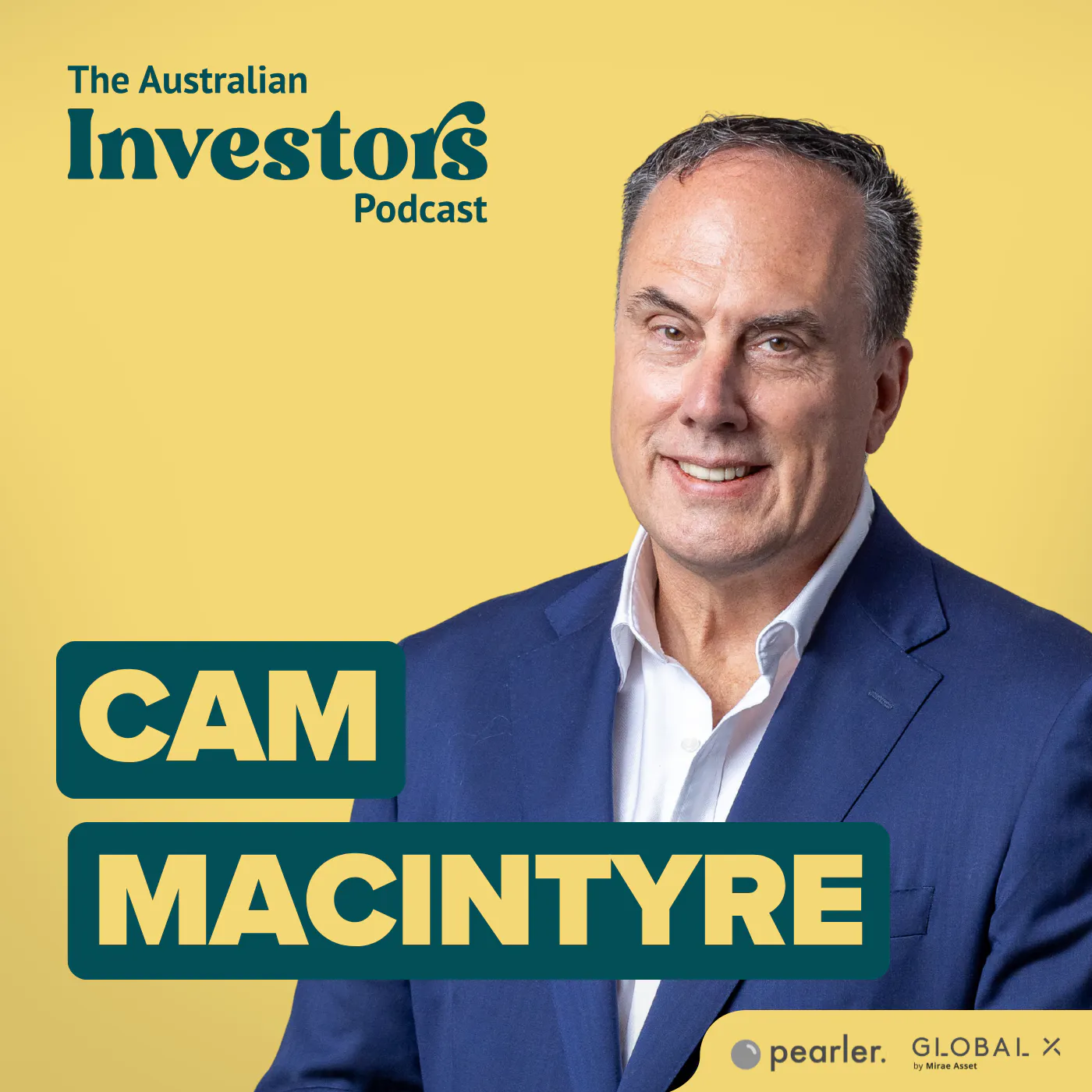
REA Group CEO Cam McIntyre on AI, listings and Australia's housing market
2w ago00:47:31Tap to summarizeIn this Australian Investors Podcast episode, Owen Rask sits down with Cam McIntyre, CEO of REA Group, to unpack how one of Australia's most important technology businesses thinks about property, platform scale and AI. Cam explains what it was like stepping from carsales into REA, why the business still sees big runway beyond residential listings, and which numbers matter most inside the company. They discuss traffic, listing volumes, financial services leads and why REA believes its brand, customer relationships and decades of data still create a hard-to-copy advantage. The conversation then turns to AI. Cam explains why REA sees itself as an "AI prime" business, how the team uses internal "zombie hunts" to strip out repetitive work, and where AI could improve search, mortgage workflows and customer outcomes across the property journey. Owen and Cam also go deep on the housing market itself: why Australia feels two-speed right now, how interest rates are shaping buyer and seller behaviour, and why Cam believes rates matter more than tax changes in the current cycle. They finish on a broader theme investors will appreciate: what keeps the Australian dream alive, how great businesses are built, and why taking intelligent risk still matters. If you follow listed platforms, property data, AI adoption or the forces moving Australia's housing market, this episode is worth your time. Episode resources – Speak with the Rask Advice team – Ask a question (select the Investors podcast) Show partner resources – ETF investor? Go beyond ordinary with Global X: View all funds – Visit TermPlus to learn more – Join Pearler using the code "RASKSWITCH" and get $32 of Pearler Credit – Whatever comes next for your business, power it with Stripe Rask resources – All services – Financial Planning – Invest with us – Access Show Notes – Ask a question – We love feedback! Follow us on social media – Instagram: @rask.invest – TikTok: @rask.invest DISCLAIMER: This podcast contains general financial information only. That means the information does not take into account your objectives, financial situation, or needs. Because of that, you should consider if the information is appropriate to you and your needs, before acting on it. If you’re confused about what that means or what your needs are, you should always consult a licensed and trusted financial planner. Unfortunately, we cannot guarantee the accuracy of the information in this podcast, including any financial, taxation, and/or legal information. Remember, past performance is not a reliable indicator of future performance. The Rask Group is NOT a qualified tax accountant, financial (tax) adviser, or financial adviser. Access The Rask Group's Financial Services Guide (FSG): https://www.rask.com.au/fsg Learn more about your ad choices. Visit megaphone.fm/adchoices
Transcribe →
Apple & Micron - buy, hold or sell?
2w ago01:02:32Tap to summarizeIn this Australian Investors Podcast episode, Owen Rask and Drew Meredith work through one of those weeks where macro nerves and stock-specific stories collide. They start with a rapid-fire buy, hold or sell segment on Apple, Micron and NAB, then zoom out to what falling home loan demand, sticky inflation and fragile consumer sentiment might mean for Australia. The discussion gets into why higher rates are hitting confidence as much as cash flow, why house-price weakness matters for spending, and how investors should think about the gap between headlines and what is actually happening in the economy. From there, the episode shifts to big tech. Owen and Drew break down Microsoft's latest numbers, Apple's march back to the top of the market, the sharp pullback in Micron and the broader question hanging over AI infrastructure: who is really making money, who has pricing power, and where sentiment may have run ahead of fundamentals. Alphabet, Oracle, semiconductors and American Express all feature as they test whether the market is rewarding quality, scale or just the next AI narrative. If you want a practical market wrap that connects interest rates, consumer behaviour, valuation and the AI supply chain without losing the plot, this episode is worth your time. Episode resources – Check your super with the Rask Wealth Checker – Financial planning – Speak with the Rask Advice team – Ask a question (select the Investors podcast) Show partner resources – ETF investor? Go beyond ordinary with Global X: View all funds – Visit TermPlus to learn more – Join Pearler using the code "RASKSWITCH" and get $32 of Pearler Credit – Whatever comes next for your business, power it with Stripe EOFY deals to know about - ending June/July 2026 – 1 free trade per month, for 12 months, for new Pearler customers Rask resources – All services – Financial Planning – Invest with us – Access Show Notes – Ask a question – We love feedback! Follow us on social media – Instagram: @rask.invest – TikTok: @rask.invest DISCLAIMER: This podcast contains general financial information only. That means the information does not take into account your objectives, financial situation, or needs. Because of that, you should consider if the information is appropriate to you and your needs, before acting on it. If you’re confused about what that means or what your needs are, you should always consult a licensed and trusted financial planner. Unfortunately, we cannot guarantee the accuracy of the information in this podcast, including any financial, taxation, and/or legal information. Remember, past performance is not a reliable indicator of future performance. The Rask Group is NOT a qualified tax accountant, financial (tax) adviser, or financial adviser. Access The Rask Group's Financial Services Guide (FSG): https://www.rask.com.au/fsg Learn more about your ad choices. Visit megaphone.fm/adchoices
Transcribe →
How investors can access private markets in the age of AI, with Adam Myers
3w ago00:39:25Tap to summarizeIn this Australian Investors Podcast episode, Owen Rask sits down with Adam Myers to unpack one of the biggest shifts in modern investing: more of the value in the world’s best companies is now being created before they ever reach the stock market. Using SpaceX, OpenAI, Anthropic, Databricks, Canva and Waymo as examples, they explore why private markets matter more than ever for investors trying to understand where long-term wealth is really being built. Adam explains why retail investors rarely get direct access to these deals, how large institutions and well-connected allocators tend to dominate the best opportunities, and what has changed since the days when public market investors could buy into companies much earlier in their growth journey. They also discuss how AI is accelerating this shift, from infrastructure and data platforms through to physical AI, and why diversified exposure matters more than trying to bet on a single winner. If you’ve ever wondered whether public market investors are arriving too late to the party, or how listed vehicles can provide access to private companies without the usual complexity, this episode will help. Owen and Adam also cover portfolio construction, liquidity, risk, and why the private-to-public transition may become one of the defining investing themes of the next decade. Episode resources – Speak with the Rask Advice team – Ask a question (select the Investors podcast) Show partner resources – ETF investor? Go beyond ordinary with Global X: View all funds – Visit TermPlus to learn more – Join Pearler using the code "RASKSWITCH" and get $32 of Pearler Credit – Whatever comes next for your business, power it with Stripe EOFY deals to know about - ending June/July 2026 – 1 free trade per month, for 12 months, for new Pearler customers Rask resources – All services – Financial Planning – Invest with us – Access Show Notes – Ask a question – We love feedback! Follow us on social media – Instagram: @rask.invest – TikTok: @rask.invest DISCLAIMER: This podcast contains general financial information only. That means the information does not take into account your objectives, financial situation, or needs. Because of that, you should consider if the information is appropriate to you and your needs, before acting on it. If you’re confused about what that means or what your needs are, you should always consult a licensed and trusted financial planner. Unfortunately, we cannot guarantee the accuracy of the information in this podcast, including any financial, taxation, and/or legal information. Remember, past performance is not a reliable indicator of future performance. The Rask Group is NOT a qualified tax accountant, financial (tax) adviser, or financial adviser. Access The Rask Group's Financial Services Guide (FSG): https://www.rask.com.au/fsg Pengana Investment Management Limited (PIML) ACN 063 081 612 AFSL 219 462 as responsible entity for AI Private Opportunities Trust ARSN 697 001 184 (AIX), is the issuer of AIX units. This podcast was produced and published by RASK, and PIML's representative participated to provide general information only. It does not take into account your objectives, financial situation or needs and because of that, before making an investment decision you should consider the appropriateness of this information having regard to your objectives, financial situation and needs. You should obtain and consider the TMD available at pengana.com/AIX before deciding whether to acquire or hold AIX units and whether AIX units are appropriate for you. Any forward-looking statements made are the speaker's views at the time of recording only and are not guaranteed to occur. None of PIML nor any of its related entities, directors, partners or officers guarantees the performance of, or the repayment of capital, or income invested in AIX. An investment in AIX is subject to investment risk including a possible loss of income and principal invested. Past performance is not a reliable indicator of future performance, the value of investments can go up and down. Learn more about your ad choices. Visit megaphone.fm/adchoices
Transcribe →
Buy, hold or sell? Netflix, AI chips and the super debate
3w ago01:05:58Tap to summarizeIn this episode of Australian Investors Podcast, Owen Rask and Drew Meredith kick off with a rapid-fire buy, hold or sell and then work through the stories investors are actually debating right now. They unpack OpenAI's reported hardware move, why Anthropic and cheaper rivals are putting pressure on AI economics, and what recent TSMC and Samsung results tell us about the chip boom, capital expenditure and the risk of paying up for hype. They also revisit Netflix, ask whether a beaten-down quality business can still be a buy, and look at what booming investment-banking numbers from JPMorgan and Goldman Sachs might signal for markets. Closer to home, Owen and Drew discuss REA Group, why property listings matter more than house-price headlines, and what another strong year of super fund returns says about the role of indexed investing. They also dig into the political noise around super, forced national-interest investing and why trust in the retirement system matters so much to Australians. The episode wraps with listener questions on CSL and Cochlear after share-price falls, trusts versus investing in your own name after tax changes, and whether LIC discounts could narrow under the new rules. If you want one practical reset on AI hype, super, markets and investor decision-making in Australia, this is a smart weekly catch-up. Episode resources – Speak with the Rask Advice team – Ask a question (select the Investors podcast) Show partner resources – ETF investor? Go beyond ordinary with Global X: View all funds – Visit TermPlus to learn more – Join Pearler using the code "RASKSWITCH" and get $32 of Pearler Credit – Whatever comes next for your business, power it with Stripe EOFY deals to know about - ending June/July 2026 – 1 free trade per month, for 12 months, for new Pearler customers Rask resources – All services – Financial Planning – Invest with us – Access Show Notes – Ask a question – We love feedback! Follow us on social media – Instagram: @rask.invest – TikTok: @rask.invest DISCLAIMER: This podcast contains general financial information only. That means the information does not take into account your objectives, financial situation, or needs. Because of that, you should consider if the information is appropriate to you and your needs, before acting on it. If you’re confused about what that means or what your needs are, you should always consult a licensed and trusted financial planner. Unfortunately, we cannot guarantee the accuracy of the information in this podcast, including any financial, taxation, and/or legal information. Remember, past performance is not a reliable indicator of future performance. The Rask Group is NOT a qualified tax accountant, financial (tax) adviser, or financial adviser. Access The Rask Group's Financial Services Guide (FSG): https://www.rask.com.au/fsg Learn more about your ad choices. Visit megaphone.fm/adchoices
Transcribe →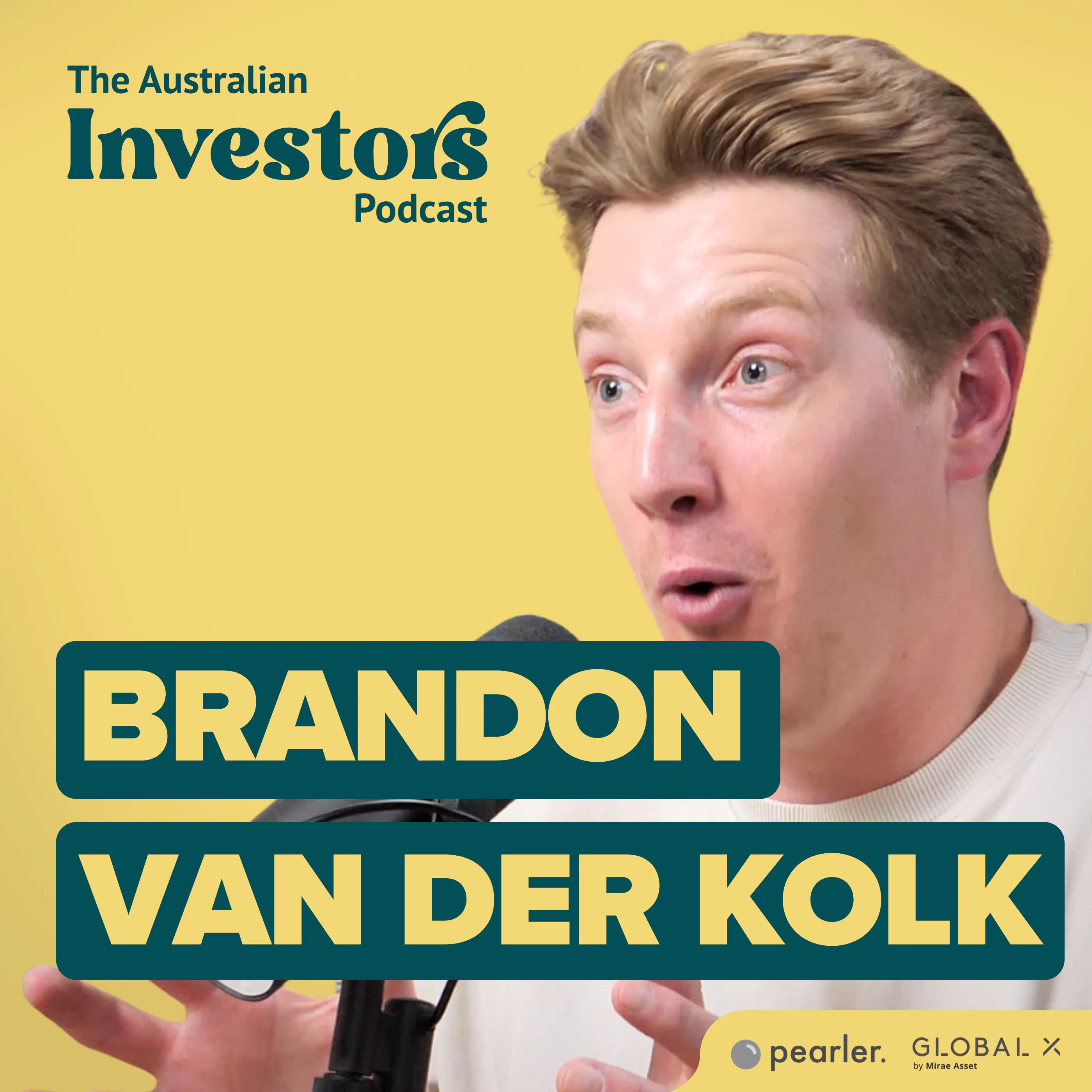
Brandon van der Kolk on building New Money and Buffett-style investing
4w ago00:55:53Tap to summarizeIn this episode of Australian Investors Podcast, Owen Rask sits down with Brandon van der Kolk, the creator behind New Money and author of New Money Strategy, to unpack how a former physio built one of Australia’s biggest investing channels and what he has learned from nearly a decade of teaching people about money online. Brandon explains why he rebranded from Aussie Wealth Creation to New Money, how YouTube rewards trust and evergreen content, and why relying only on AdSense leaves creators without a moat. He also shares the investing framework that shaped his work, drawing on Warren Buffett, Phil Town and Berkshire Hathaway to explain how he thinks about business quality, management, valuation and margin of safety. Owen and Brandon also explore what value investing still looks like in 2026, why Google and Meta stood out to him as long-term winners, what he learned from the Berkshire shareholder meeting in Omaha, and why most investors need a process they can actually stick to. They also touch on Brandon’s book launch, the business of creator-led media and the lessons that matter most if you want to become a calmer, more deliberate long-term investor. If you want a conversation that blends creator economics, practical investing and Buffett-style thinking, this is a strong place to start. Episode resources – Buy The New Money Strategy – Speak with the Rask Advice team – Ask a question (select the Investors podcast) Show partner resources – ETF investor? Go beyond ordinary with Global X: View all funds – Visit TermPlus to learn more – Join Pearler using the code "RASKSWITCH" and get $32 of Pearler Credit – Whatever comes next for your business, power it with Stripe EOFY deals to know about - ending June/July 2026 – 1 free trade per month, for 12 months, for new Pearler customers Rask resources – All services – Financial Planning – Invest with us – Access Show Notes – Ask a question – We love feedback! Follow us on social media – Instagram: @rask.invest – TikTok: @rask.invest DISCLAIMER: This podcast contains general financial information only. That means the information does not take into account your objectives, financial situation, or needs. Because of that, you should consider if the information is appropriate to you and your needs, before acting on it. If you’re confused about what that means or what your needs are, you should always consult a licensed and trusted financial planner. Unfortunately, we cannot guarantee the accuracy of the information in this podcast, including any financial, taxation, and/or legal information. Remember, past performance is not a reliable indicator of future performance. The Rask Group is NOT a qualified tax accountant, financial (tax) adviser, or financial adviser. Access The Rask Group's Financial Services Guide (FSG): https://www.rask.com.au/fsg Learn more about your ad choices. Visit megaphone.fm/adchoices
Transcribe →
Live Q&A: the tax changes reshaping wealth building in 2026
Jul 1700:50:49Tap to summarizeIn this live episode of Australian Investors Podcast, Owen Rask teams up with James Phelan to unpack the tax and wealth changes investors are trying to make sense of right now. Recorded in front of a live audience at Ultra Meetup, this conversation cuts through the headlines and focuses on what actually matters if you own property, invest through a trust, or are weighing up shares, super and debt. Owen and James break down the proposed changes to family trusts and bucket companies, why negative gearing and capital gains tax have become such a flashpoint, and how debt recycling is being interpreted more tightly after recent ATO guidance. They also explore what these shifts could mean for SMSFs, geared ETFs, gifting to kids, sequencing risk and the broader question facing many Australians: if the old playbook is changing, what should thoughtful investors do next? Rather than offering scare campaigns or silver bullets, this episode is a practical Q&A on how to think through the new rules, the trade-offs they create and the strategies people are likely to revisit as the policy landscape evolves. If you want a grounded take on trusts, property, CGT and wealth-building after the latest Budget proposals, this is a timely listen. This episode was recorded at the Royal Society of Victoria. You can learn more at their website https://www.rsv.org.au/ or their Instagram https://www.instagram.com/royalsocietyvic/ Episode resources – Speak with the Rask Advice team – Ask a question (select the Investors podcast) Show partner resources – ETF investor? Go beyond ordinary with Global X: View all funds – Visit TermPlus to learn more – Join Pearler using the code "RASKSWITCH" and get $32 of Pearler Credit – Whatever comes next for your business, power it with Stripe EOFY deals to know about - ending June/July 2026 – 1 free trade per month, for 12 months, for new Pearler customers Rask resources – All services – Financial Planning – Invest with us – Access Show Notes – Ask a question – We love feedback! Follow us on social media – Instagram: @rask.invest – TikTok: @rask.invest DISCLAIMER: This podcast contains general financial information only. That means the information does not take into account your objectives, financial situation, or needs. Because of that, you should consider if the information is appropriate to you and your needs, before acting on it. If you’re confused about what that means or what your needs are, you should always consult a licensed and trusted financial planner. Unfortunately, we cannot guarantee the accuracy of the information in this podcast, including any financial, taxation, and/or legal information. Remember, past performance is not a reliable indicator of future performance. The Rask Group is NOT a qualified tax accountant, financial (tax) adviser, or financial adviser. Access The Rask Group's Financial Services Guide (FSG): https://www.rask.com.au/fsg Learn more about your ad choices. Visit megaphone.fm/adchoices
Transcribe →