Loading summary
Transcript1 lines
- [00:00]
A
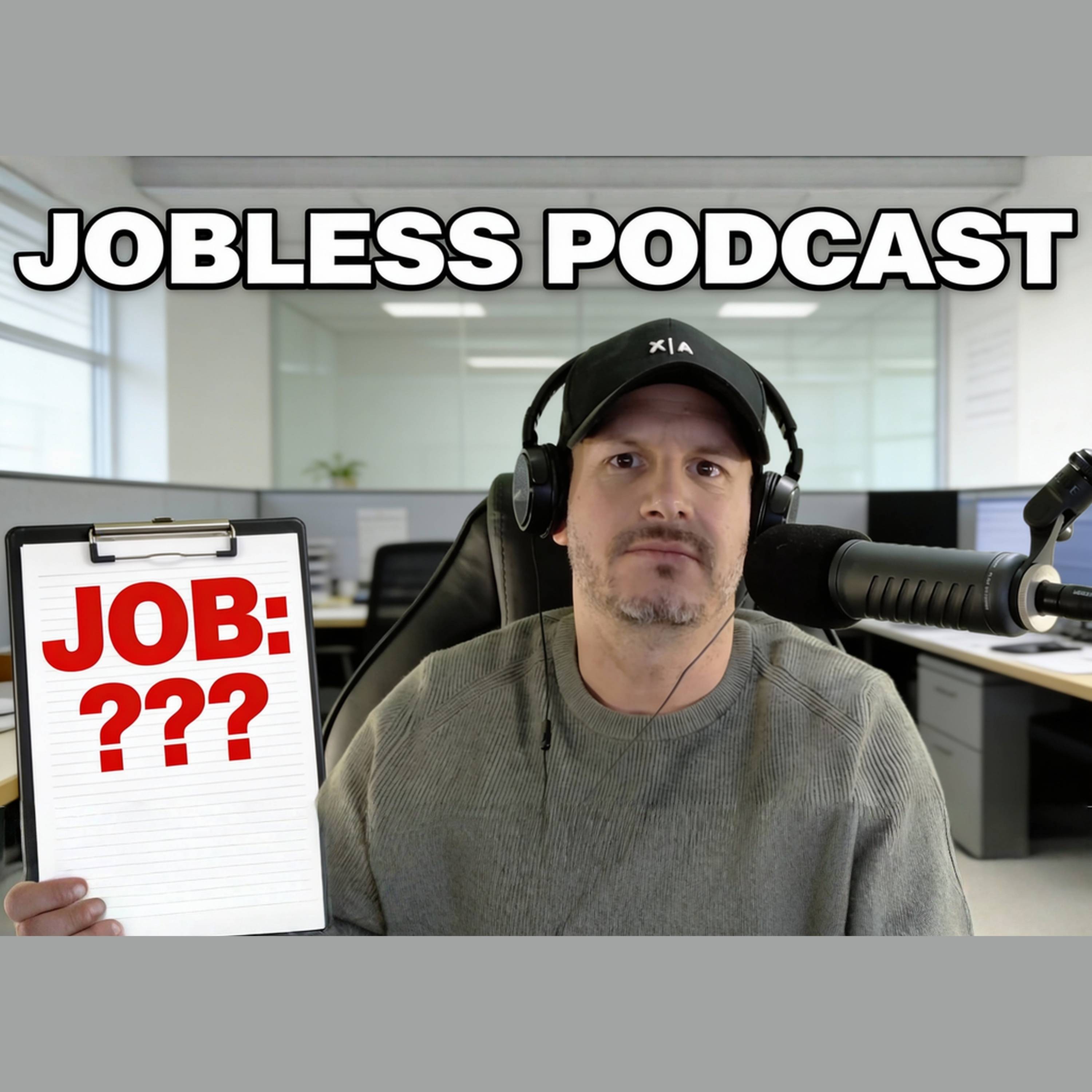
This podcast uses chapters in Apple Podcasts. You can access them and skip to the relevant parts of this episode by clicking the Now Playing bar at the bottom of your screen and then tapping on the bullet points icon in the bottom right. Most B2B podcasts don't actually have a job. Get a job. Why are you just sitting here? It's completely useless. Go find some work. Yeah. Stop being so lazy. They exist because someone somewhere decided at some point this company should really have a podcast. But in most cases, nobody actually decided what the podcast should do. When a podcast doesn't have a job, it quickly becomes what I call pamphlet podcasting. It's kind of like a stakeholder within the company sitting down in front of a microphone and reading out company literature. And who wants to listen to that? Certainly not me. The truth is, with some podcasts, the sole duty is to fill space in the content calendar. It makes the company LinkedIn page look a little bit busier, but it doesn't change anything for the wider business. Not really. And that's what I want to talk to you about today. Welcome to B2B Podcasting Insights with Neil Velio, founder of Podnos, a podcast agency helping you get better results from podcasting. So let's get into it. Why is your podcast jobless? I want to ask you a grown up question that nobody tends to answer when they start a podcast. And it's this. What job is this podcast actually meant to do for your business? Ask yourself right now. Do it. While I'm with you. What job is this podcast meant to do for my business? You might be forgiven for asking, what on earth do you mean by a job? How does a podcast have a job? When I say a podcast needs a job, I mean it doesn't need to be something vague or polite. A podcast's job is not really brand awareness. That's a facade, not a function. A podcast job is not really thought leadership. That's just a label that people use when they don't want to be specific about things. And it's definitely not furnishing you with more content. I mean, that's a given. It's content. A podcast's job is something operational and a podcast's job looks something kind of like shortening sales conversations, aligning expectations internally within the business before someone ever books in to have a chat with you, pre educating any prospects that you might have coming in so that you're not starting from scratch within your sales calls. So really it's about building their belief in you before there's any Direct contact. Here's the line I come back to time and time again when I'm talking to my corporate clients. If nobody inside the business can tell you what should happen after someone listens to your episodes, then the podcast doesn't really have a job. I mean, it might well sound good, it might even get compliments from your regular listeners, but it's not doing any actual work for your business. And it may well have become your most overpaid, underdeveloped member of staff. So how do podcasts end up jobless? Well, you see, this is where things usually, usually go sideways when it comes to starting and producing a podcast as part of a business. First of all, the podcast gets handed over to the marketing team, and that's not really the best way of treating it. Not because it's wrong for marketing to be involved. Of course it is. It's a marketing tool. It's a marketing asset. But that's not why it's ended up with them. It's usually because no one else quite wants to take responsibility for it. They don't understand it, it's uncomfortable. And it also seems like a heck of a lot of work. Someone within the team has probably realized that it's gonna have to have weekly content, and they're already at breaking point with having to get the weekly email newsletter together. And nobody has time within the business to come up with more original content for the podcast. You know, even if it's a case of just uploading the content from the email newsletter into ChatGPT and getting it to repurpose it for reading on a podcast, and they probably realize even then, surely it's just gonna sound like someone reading out our company emails. Good instincts. So then what happens is it defaults to interviews, because interviews feel easier. You send an email, you ask somebody to be a guest on your show, and then you sit back and let someone else do all the talking, all the work, and it still feels productive. It fills the gap in your social media content marketing calendar. Oh, and let's not forget the KPIs. I mean, the success gets measured purely in downloads, because downloads are easy to understand. You can see them, they're a number in a dashboard. And so once the show is actually live, it's published to an RSS feed, and it's in the podcast apps. Nobody really owns the strategy anymore. It just plods along, continues aimlessly. There's a routine built around it. Oh, yeah, we record Monday, we publish Fridays. And I want to be clear, not all of these podcasts are that bad. Some are actually really well produced, well intentioned, perfectly pleasant to listen to. I listen to these kinds of podcasts all the time. They're great for some free advice now and again, but they're strategically jobless. None of them shift me from being a casual listener once a week to being a paid customer. If you think about it as another staff member, they're kind of the person that rolls in every single week. Nobody really knows what they do, but they sit at their desk, they do stuff, and then they go home at the end. They're showing up to your business as required, but they're not anchored to a real business outcome. Now I've put together a visual on what it might look like when a podcast doesn't have a job compared with when a podcast does have a job. And you can find that@podnos.co.uk that's podnows.co.uk and of course I'll put the link in the episode description for you. So what changes when your podcast does indeed have a job? Let's get into that. So when your podcast does have a job, this is the bit that people don't really expect. When a podcast has a clearly defined job, it behaves differently inside any company. It doesn't matter whether it's a small business, a medium sized business, or a massive corporate with thousands of employees, maybe around the world. You will start to quickly notice the benefits of having the podcast, which in my experience is one of the biggest challenges of a company running a podcast. Nobody gets the benefit of it. This is that thing that takes us time to make and then we don't really get any measurable results from it. Here's what it might look like. Episodes start getting shared internally as a form of stealth team building. You know, the CMO might pick up on something that somebody did on the podcast that was really great and share it around the team. Hey, listen to what Helen talked about on last week's episode. Well done, Helen. Round of applause. And that makes them feel good. Sales teams start to send specific links to podcast episodes instead of explaining things from scratch to their would be clients. And if you're really on fire with this thing, well then prospects start referencing episodes on calls without being prompted. You'll start to hear things like, I already know how you guys work, so we're definitely aligned. When can we start? Or that episode you just put out this week completely answered the question I was going to ask you today. When can we start? You might even get someone saying to you, I feel like I'M talking to a celebrity. It's happened more than once with my clients. When you've got a podcast that's doing its job, your conversations don't start from building trust. It starts when trust is already established. And this is the key distinction, I think, for me, the best B2B podcasts, they don't just create demand, they accelerate decisions. Once that demand has already been met, they don't need to compete with other shows to convince strangers. They help the already interested move faster along your sales pipeline. And then, of course, they'll have more confidence to make a final decision. That's your podcast's job. I want to give you a test for this podcast now. Not a framework, not a worksheet, a test. You can do it in your own time. And here it is. If your podcast disappeared tomorrow, how would that affect the business? Would sales conversations suddenly get longer? Would prospects be a little bit harder to qualify? Would you lose a shared internal language for explaining what it is that you guys do and how you work? Or would nothing actually be affected at all? And if the honest answer is nothing, that's not a failure as such, it's just information. But it does confirm your podcast doesn't currently have a job. And that's something that you need to think about changing if you're going to continue with that podcast over the next 12 months. If you're responsible for a B2B podcast, whether it's your own business or or as part of a wider brand, and you can't clearly explain what is meant to change inside the business, that uncertainty doesn't stay theoretical. It shows up as longer sales conversations. It shows up as content that feels busy but inconclusive. It shows up as a podcast that keeps running on empty without ever quite earning its keep. The Podnos Podcast Growth Diagnostic exists to resolve that. Let me briefly tell you a bit more about it. It's a single session designed to answer one key question for you, and that is, is this podcast actually doing a useful job for our business, or is it just taking up our attention? By the end of the session, you'll leave knowing whether the show is worth doubling down on, maybe simplifying somehow, or rethinking altogether. And it will also help you understand what you can safely stop investing any more time and money in. This diagnostic is not about improving the podcast. I have my audits for that. The diagnostic is about removing the uncertainty so decisions get easier afterwards. If that's the kind of clarity you'd like to have before you keep publishing more episodes. This year. The details to book for your session will be in the episode description or go to podnows.co.uk diagnostic that's podnows.co.uk Diagnostic and remember, a podcast without a job actively wastes attention, yours and your listeners. And we all know attention is the most expensive thing in a B2B business and marketing in general. So if you're not quite sure what job your podcast is meant to be doing, that's literally what I will help you untangle. Stop making a pamphlet podcast and start making an operational asset that helps move your business forward. Again, the link is in the episode description.