
Podcast
BASIS Agronomy Matters
Hosted by BASIS Registration · EN
Agronomic insights and updates from BASIS' members, staff and trainers. Listen through to the end to gain a BASIS CPD point.
11episodes
Episodes
Newest firstAll episodes
Precision Breeding
Jul 2, 202500:45:14Tap to summarizeIn this episode of Agronomy Matters, Thomas Vaughan, Environment Manager at BASIS, is joined by Tom Allen-Stevens, Oxfordshire farmer and founder of BOFIN, and Dr Dylan Phillips, geneticist and lecturer at Aberystwyth University.Together, they discuss precision breeding, a fast-developing area in UK farming. The conversation covers:What precision breeding is, and how it differs from traditional genetic modificationThe aims of the PROBITY project, the first European trial of precision-bred cereal crops on farmsHow recent changes in UK legislation and government funding are supporting this workWhat precision breeding could mean for farmers in terms of crop performance, sustainability and business resilienceHow farm businesses can get involved in research and trialsWhether you're a farmer, adviser, or simply interested in agricultural innovation, this episode offers a practical look at where precision breeding is headed and why it matters now.
Transcribe →
Bees and Beyond
May 9, 202500:30:14Tap to summarizeWelcome back to Agronomy Matters! In this latest episode, host Thomas Vaughan, Environment Manager at BASIS, ventures into the fascinating realm of insects , exploring why these tiny creatures play an outsized role in our ecosystems.Joining Thomas is Kirk Mason, a passionate entomologist, science communicator, and wildlife photographer whose work has been featured by BBC Wildlife Magazine and Springwatch. Kirk has also collaborated with BASIS on a new microlearning series, shining a light on the often-overlooked champions of the insect world.In this conversation, Thomas and Kirk explore the many services beneficial insects provide, from pollination and natural pest control to soil health, and delve into surprising lifecycles that reveal the complexity of these creatures. They discuss how insects interact with field margins, hedgerows and other landscape features, examine current population trends and successful conservation case studies, and consider which lesser-known groups deserve more attention. Finally, they imagine what an ideal, insect-friendly UK countryside looks like and identify key species that signal a thriving ecosystem.
Transcribe →
From Rock to Root
Apr 23, 202500:15:08Tap to summarizeIn this episode of Agronomy Matters, we take you deep underground to explore Boulby Mine, home to the world’s only polyhalite mining operation. Located in East Cleveland, this extraordinary site is the UK’s deepest mine and a key player in sustainable agriculture. Join us as we uncover the mining behind polyhalite, a unique multi-nutrient fertiliser, and hear from the workers here how the mining operation has changed over the years as well as learn about the mines fascinating history to its vast underground network stretching beneath the North Sea. We’ll also explore the challenges and innovations behind extracting this valuable mineral. With on-site recordings from inside the mine, we bring you as close as possible to the action, though you may notice some variations in sound quality along the way. So, strap in as we descend into the depths of Boulby Mine and discover why polyhalite is shaping the future of agriculture.
Transcribe →
Careers in Agronomy
Feb 6, 202500:32:30Tap to summarizeIn this episode of Agronomy Matters, host Thomas Vaughan, Environment Manager for BASIS, dives into the exciting world of agronomy and the rewarding career paths it offers. Joining the discussion are Greig Baird, Head of Agronomy Teams Scotland, and Laura Buckingham, Area Business Manager for Anglia at Agrii. They share their journeys into agronomy, the essential skills for success, and how the role of an agronomist has evolved over the years. From career highs and challenges to the importance of continued learning, this episode is packed with insights for anyone considering or advancing a career in agronomy. If you're interested in training opportunities within the industry, visit our website or get in touch at training.courses@basis-reg.co.uk. Tune in and discover what makes agronomy such a dynamic and fulfilling profession!
Transcribe →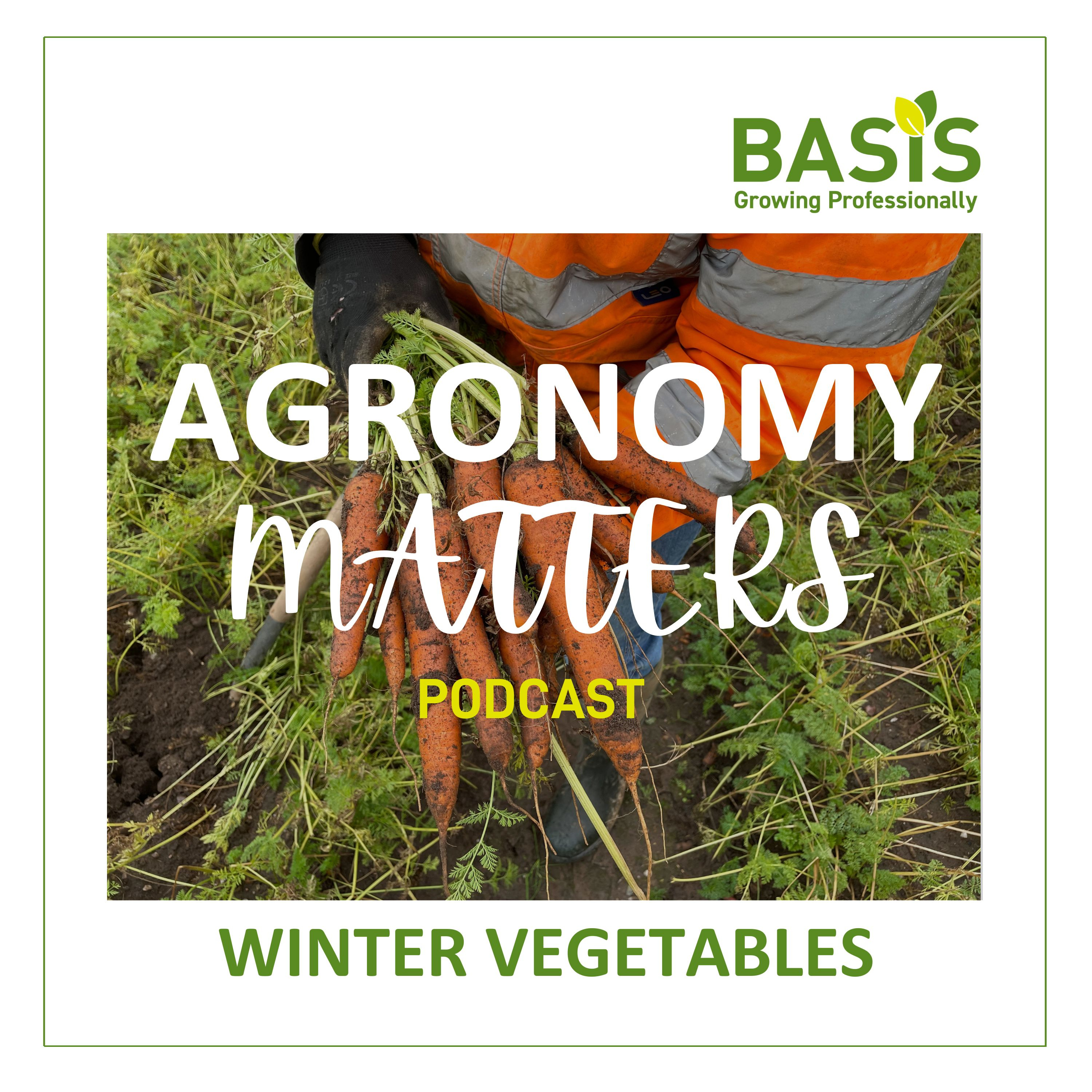
Winter Vegetables
Dec 20, 202401:08:03Tap to summarizeWhile our regular host, Thomas Vaughan, is enjoying a well-earned break on the ski slopes, Jessica Deunert, Marketing & Communications Manager at BASIS, steps in to introduce this episode. In this conversation: Harry Henderson, BASIS Technical Manager, interviews Ian Holmes, Farm Technical Director at Strawson Limited, a third-generation family farming business specializing in cereal and vegetable production across the UK. Together, they explore the fascinating world of winter vegetable farming, discussing the wide variety of crops Strawson Limited produces, the unique challenges of farming in the colder months, and the keys to their longstanding success. Recording note: This episode was captured on a cold, blustery day in the field, so the sound may have a touch of natural ambiance, but the insights are well worth it! So, wrap yourself in a cozy blanket, grab a warm drink, and enjoy this deep dive into the resilient and rewarding work of winter vegetable farming.
Transcribe →
Enhanced Weathering & Woodland Carbon Code
Nov 29, 202400:41:40Tap to summarizeWelcome to another episode of Agronomy Matters! Hosted by Thomas Vaughan, Commercial Manager for BASIS, this episode dives into two topics in sustainable agriculture and carbon management: Enhanced Weathering: Featuring Jez Wardman, Chief Agronomist at UNDO. Jez shares insights into the innovative practice of spreading basalt rock dust on agricultural land to capture carbon and improve soil health. We’ll explore the science behind this approach, the outcomes of trials conducted with Newcastle University, and the potential economic and environmental benefits for farmers. Woodland Creation and Carbon Finance: With Emma Stewart from the Woodland Carbon Code. Emma explains how landowners can contribute to the UK’s climate goals while generating income. We discuss project eligibility, the concept of "additionality," and why Woodland Carbon Units (WCUs) are a trusted option for high-quality carbon offsets. Whether you are a farmer, a land manager, or simply interested in sustainability, this episode offers practical advice and forward-thinking ideas to help tackle climate change. BASIS Courses: In-person Carbon and Greenhouse Gases certificate, accredited by Harper Adams University. Online Principles of Carbon and Greenhouse Gases course on the BASIS Classroom. Details at basis-reg.co.uk.
Transcribe →
Health & Safety in Agriculture
Oct 24, 202400:45:28Tap to summarizeAgronomy Matters is back! After a summer break, we return with an essential episode on health and safety in agriculture. Stephanie Berkeley from the Farm Safety Foundation (Yellow Wellies) reflects on this summer’s Farm Safety Week and how the Foundation is encouraging safer practices on farms. Gillian Nicholls, Principal Epidemiologist with the HSE's PIPAH study, discusses the importance of the study, shares recent findings, and explains how sprayer operators can get involved. Tune in to stay informed and make a difference in creating safer, healthier farms!
Transcribe →
Groundswell 2024: Direct Drills, Research, and More
Jul 1, 202400:40:02Tap to summarizeIn this month’s episode, we’re summarising Groundswell 2024. We’ll chat with folks from various stands including direct drill manufacturers, Rothamsted Research, the University of Cambridge, the Sustainable Food Trust, and more. Our goal is to give you a taste of the discussions and ideas from this year’s event, especially for those who couldn’t make it. Tune in and get a feel for what Groundswell 2024 was all about! Find out more about our training opportunities here https://bit.ly/basiseducation
Transcribe →
Paludiculture Explained
Jun 17, 202400:33:43Tap to summarizeIn this episode of Agronomy Matters, host Thomas Vaughan, the Environment Manager for BASIS, welcomes two guests from the Lancashire Wildlife Trust: Sarah Johnson and Mike Longden. Sarah and Mike are members of the Peatlands Team. One of their many projects involves exploring paludiculture, also known as wetter farming. Through initiatives such as the wetter farming trial at Rindle Field, they work to restore degraded peatlands, enhance biodiversity, and mitigate climate change while maintaining agricultural viability. Their efforts highlight the Lancashire Wildlife Trust’s dedication to environmental conservation and sustainable land management. Listeners are invited to join as the podcast delves into the world of paludiculture and wetter farming, uncovering the transformative potential of these practices with insights from Sarah and Mike.
Transcribe →
Sugar Beet Farming 2024
Apr 26, 202400:21:21Tap to summarizeWelcome to this episode of Agronomy Matters! Join us as we journey into the world of UK sugar beet production with Dr. Vicky Foster, Head of BBRO. Discover BBRO's strategies for addressing aphid challenges in the upcoming season and learn about the impacts of the wet winter on sugar beet farmers' decision-making. Gain insights into the expected pest landscape and how growers can navigate it using Integrated Pest Management principles. We'll also discuss the influences of market dynamics and sustainability on growers' choices, and explore cutting-edge research shaping the future of sugar beet farming. Tune in for a fascinating discussion! BASIS Advanced Modules
Transcribe →