Podcast
WP Tavern
Hosted by WordPress Tavern · EN
The WP Tavern Jukebox is a podcast for the WordPress community. We interview people who are pushing change in how WordPress evolves. Plugins, Blocks, Themes, Community, Events, Accessibility and Diversity; we try to cover all the bases. Subscribe to be updated when we bring you new content.
32episodes
Episodes
Newest firstAll episodes
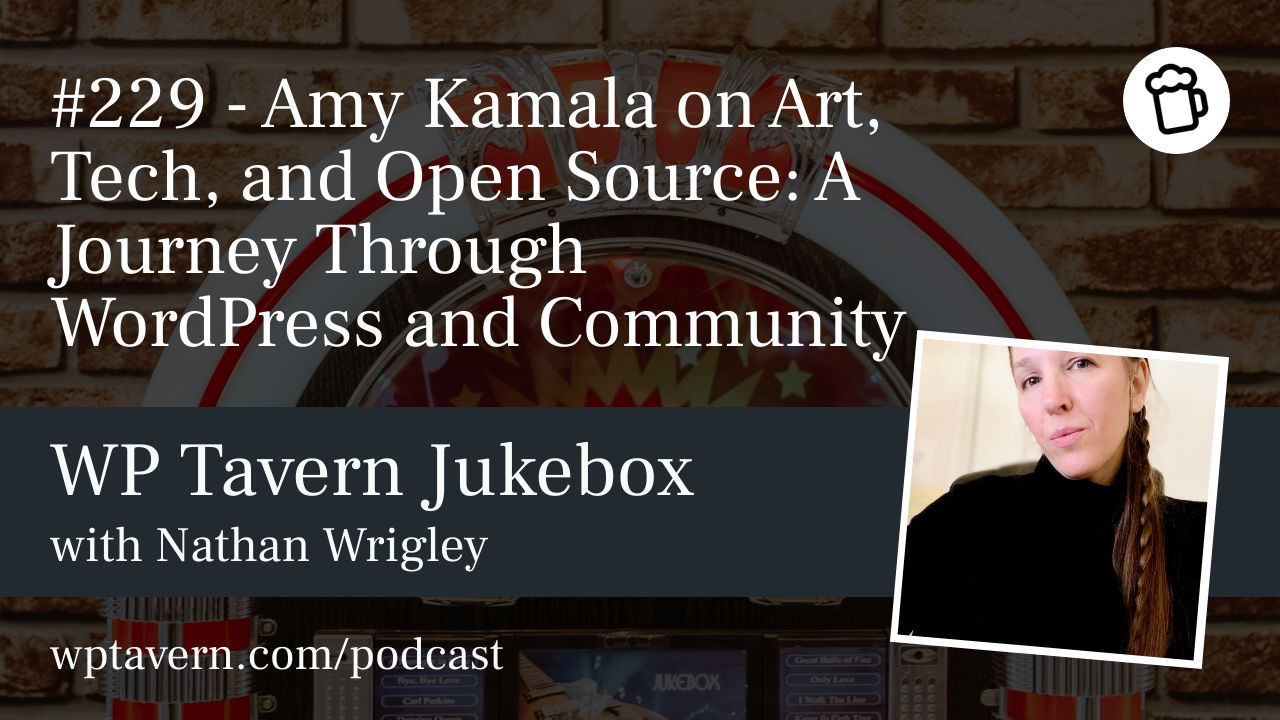
#229 – Amy Kamala on Art, Tech, and Open Source: A Journey Through WordPress and Community
6d ago00:47:13Tap to summarizeThe conversation focused on Amy Kamala’s diverse journey from art to technology, her extensive experience in hosting, web development, and team leadership, and her active contributions to the WordPress project. We got into the intersection of creativity and logic in tech roles, as well as the personal and professional fulfilment derived from community involvement and open source contribution. The discussion also explored Amy’s path to being a WordPress team rep, her experiences with sponsorship, and the deeper sense of meaning and human connection that drives ongoing participation in the WordPress community.
Transcribe →
#228 – Priscilla Collado Ramirez on Reducing WordPress Beginner Anxiety
2w ago00:41:54Tap to summarizeToday, the podcast is focused on Priscilla Collado Ramirez’s journey with WordPress, highlighting how overwhelming the platform can be for beginners due to the abundance of options and limited guidance. Priscilla discussed her experience leaving WordPress 17 years ago and returning as an educator, using wellness techniques and understanding different learning styles to help her students gain confidence. The discussion explored normalising confusion, taking small steps, celebrating progress, and the need to educate mentors on effective teaching methods. Priscilla emphasises making WordPress approachable, supportive, and less daunting for newcomers.
Transcribe →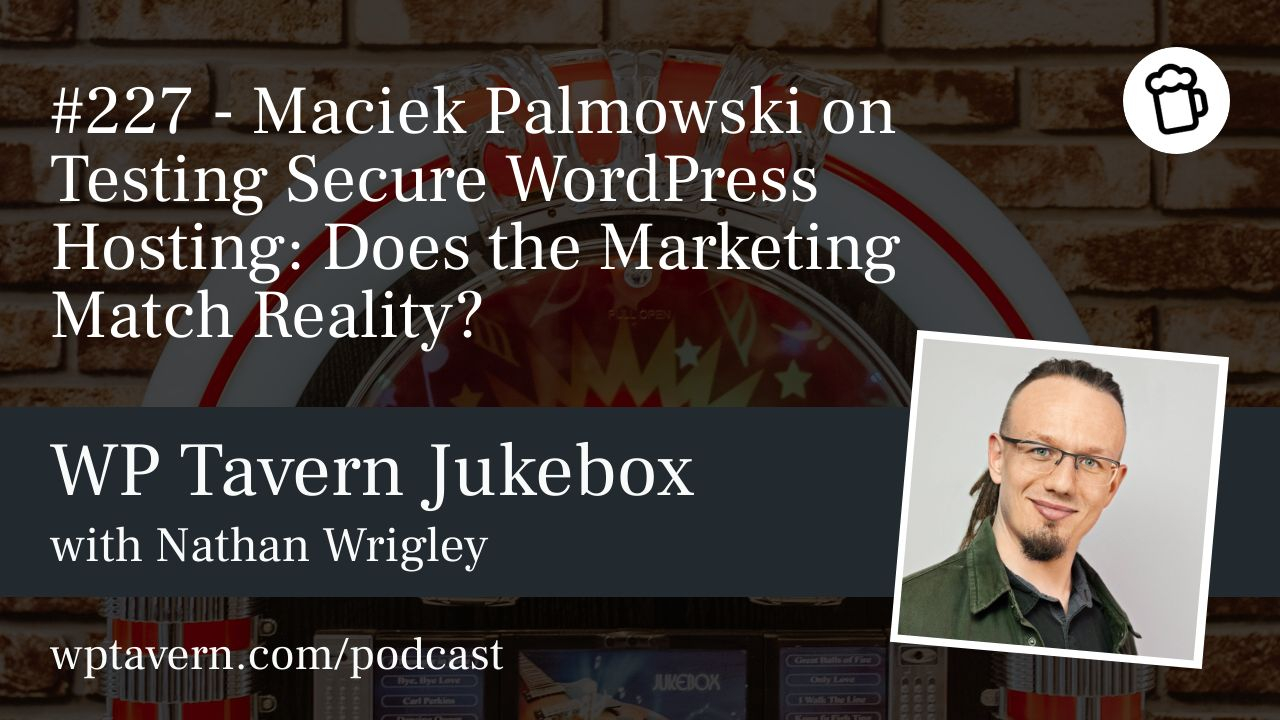
#227 – Maciek Palmowski on Testing Secure WordPress Hosting: Does the Marketing Match Reality?
3w ago00:38:35Tap to summarizeMaciek Palmowski is on the podcast today to discuss his WordCamp Europe presentation on whether "secure hosting" lives up to its claims in the WordPress ecosystem. He described penetration tests of multiple providers, revealing that the majority of WordPress-specific vulnerabilities made it through hosts’ defenses. He emphasised that simply seeing "secure hosting" on a landing page means little without WordPress-aware security layers. He also talks about the fact that different hosts using the same tools still produced different results, and that bold security claims in marketing often mask deeper shortcomings. The episode also touched on AI’s amplification of threats and why transparent security conversations matter.
Transcribe →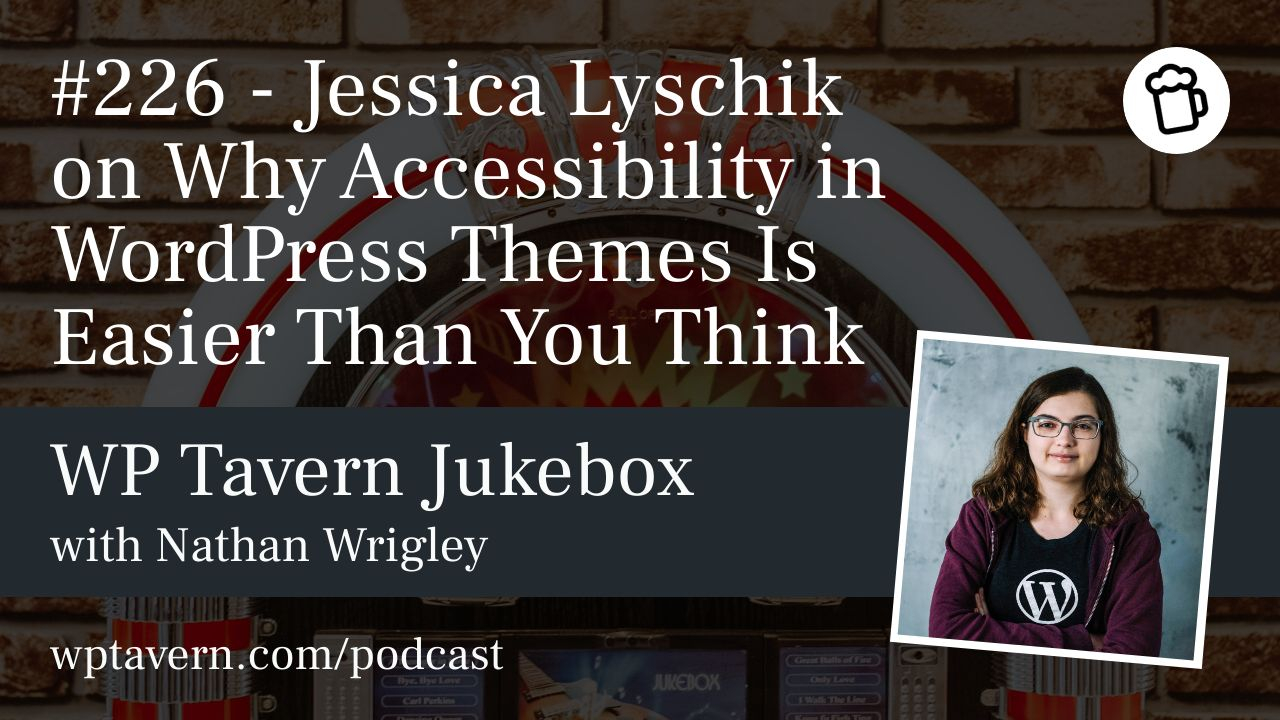
#226 – Jessica Lyschik on Why Accessibility in WordPress Themes Is Easier Than You Think
4w ago00:40:40Tap to summarizeToday's conversation with Jessica Lyschik focused on WordPress theme accessibility, highlighting that achieving "accessibility-ready" standards is easier than many developers assume. We talked about the moral and practical importance of accessible websites, not just for legal compliance but to create a better web for everyone. We explored how recent updates to guidelines, particularly for block themes, make technical implementation more straightforward, with WordPress Core handling much of the work. We also discussed the benefits of adopting good habits early, the role of documentation, and the positive impacts of accessibility on user experience and inclusivity.
Transcribe →
#225 – Milan Petrović on the Risks of Legacy PHP in WordPress and Why Upgrading Matters for Security
Jul 1500:34:35Tap to summarizeToday, I'm joined by Milan Petrović, and the podcast is focused on the impact of PHP versioning in the WordPress ecosystem, emphasising the risks of running outdated PHP and the security and performance benefits of PHP 8.x. We get into the challenge of supporting legacy code versus urging progress toward modern standards. And the importance of developers, hosting companies, and end users being proactive about updates. We talk about tools like the Vulnerability Lab plugin which demonstrate real-world effects of outdated PHP and highlighted the need for gradual, community-driven improvements to ensure both security and stability.
Transcribe →
#224 – David Snead on Building Trust and Collaboration in the Hosting Industry With the Secure Hosting Alliance
Jul 800:32:18Tap to summarizeToday on the podcast, the conversation focused on cross-industry collaboration to improve security and abuse response in the hosting industry. We talk about the Internet Infrastructure Forum (IIF), a platform-agnostic initiative aiming to facilitate real-time intelligence sharing among hosts, registrars, and others. We also get into the importance of sharing actionable data to combat issues like fake shops, and how smaller hosts especially benefit. We explored challenges around legalities, trust, and scaling participation, as well as the role of trust seals for hosts demonstrating commitment to secure practices.
Transcribe →
#223 – Ivana Ćirković on How WordPress Credits Bridges Education and Industry in the WordPress Ecosystem
Jul 100:31:18Tap to summarizeOn the podcast today we explore the WordPress Credits initiative, and its strategic importance in integrating young talent into the WordPress ecosystem through structured university programs. We discuss the alignment of the program with modern workforce demands, the benefits for businesses in recruiting pre-trained contributors, and the need for universities to update curricula in partnership with the WordPress Foundation. We also get into the demographic challenge facing the WordPress community and the critical necessity of proactive outreach to ensure generational renewal and the continued viability of the project.
Transcribe →
#222 – Destiny Kanno, Anand Upadhyay, Maciej Pilarski on How WordPress Education Programs Are Growing
Jun 2400:58:57Tap to summarizeThe podcast focused on the rapid growth of educational initiatives in the WordPress community over the past eight months. We talked about the development and distinctions among three primary programs: the WordPress Credits Program (university-level, contributions for academic credit), Campus Connect (open to students of all ages at various educational institutions), and Student Clubs (ongoing, peer-led learning on campuses). The discussion explored how these programs support and sustain each other, lower barriers to participation, and foster the next generation of WordPress contributors, all while emphasising inclusivity, sustainability, and the real-world impact of open source education.
Transcribe →
#221 – Rahul Bansal on Using AI Everywhere at rtCamp
Jun 1700:47:10Tap to summarizeIn this episode of the WP Tavern Jukebox podcast, the conversation focused on agency growth, lessons from rtCamp’s journey, and the changing agency landscape due to AI. We discussed the importance of hiring complementary skill sets when starting an agency, and the necessity to niche down for success in 2026, rather than being a generalist WordPress agency. The discussion explored rtCamp’s bold commitment to integrating AI throughout their business operations to improve efficiency and reduce costs, and how this positions them for future growth while transforming traditional agency roles and services.
Transcribe →
#220 – Cathy Mitchell on Why WordPress Events Matter: Community, Connection, and Giving Back
Jun 1000:41:01Tap to summarizeToday the podcast focuses on the unique openness and camaraderie of the WordPress community, particularly through volunteer experiences at WordCamp events. A key theme under discussion was how involvement in such communities combats loneliness and provides a sense of belonging and purpose, whether for personal fulfilment or business reasons. The discussion also explored the shifting landscape of sponsorship and participation in WordPress, the importance of welcoming newcomers, and the role of open source in adapting to challenges like AI. There was also a sense of optimism for the future, evidenced through youth involvement and purposeful volunteering. Go listen.
Transcribe →