
Podcast
Best of the Spectator
Hosted by The Spectator · EN
Home to the Spectator's best podcasts on everything from politics to religion, literature to food and drink, and more. A new podcast every day from writers worth listening to.
Hosted on Acast. See acast.com/privacy for more information.
18episodes
Episodes
Newest firstAll episodes

Americano: did Putin get the upper hand in Alaska?
Aug 1800:18:55Tap to summarizeDonald Trump hasn't left his meeting with Vladimir Putin in Alaska with a deal to end the war in Ukraine. He told reporters that 'great progress' was made but 'we didn't get there'. To discuss who really got the upper hand, Freddy Gray is joined by Spectator associate editor and Russia correspondent Owen Matthews. Hosted on Acast. See acast.com/privacy for more information.
Transcribe →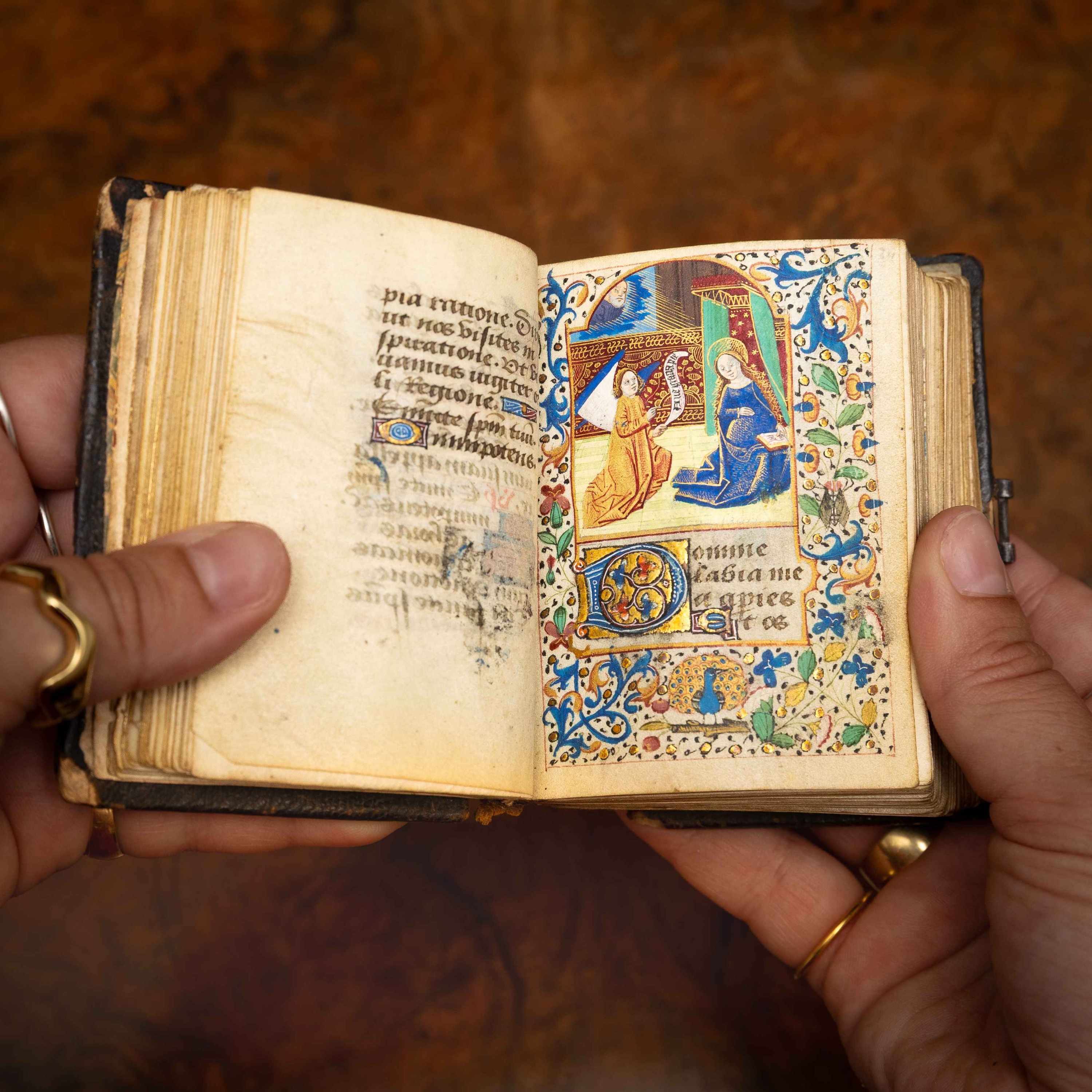
Holy Smoke: from the Bible to Tolkien, the risks & rewards of collecting rare books
Aug 17, 202500:27:00Tap to summarizeThe Bible is widely said to be the most published book of all time. Despite this, many older versions of the Bible are still sought after. This is because, as Tom Ayling tells Damian Thompson on this episode of Holy Smoke, there is a great deal of diversity amongst the editions precisely because it has been so widely published. Tom, a young antiquarian bookseller who set up his own business, joins the podcast to talk about the risks and rewards behind collecting rare books.Tom explains why, for him, books are ‘most than just a text’; takes us through the various religious books in his collection, from old editions of the Holy Bible to the Book of Common Prayer; and reveals some of the more amusing mistakes he has come across. For more from Tom, go to: www.tomwayling.co.ukProduced by Patrick Gibbons. Photo credit: Tom Rowland (Tom W. Ayling Ltd). Hosted on Acast. See acast.com/privacy for more information.
Transcribe →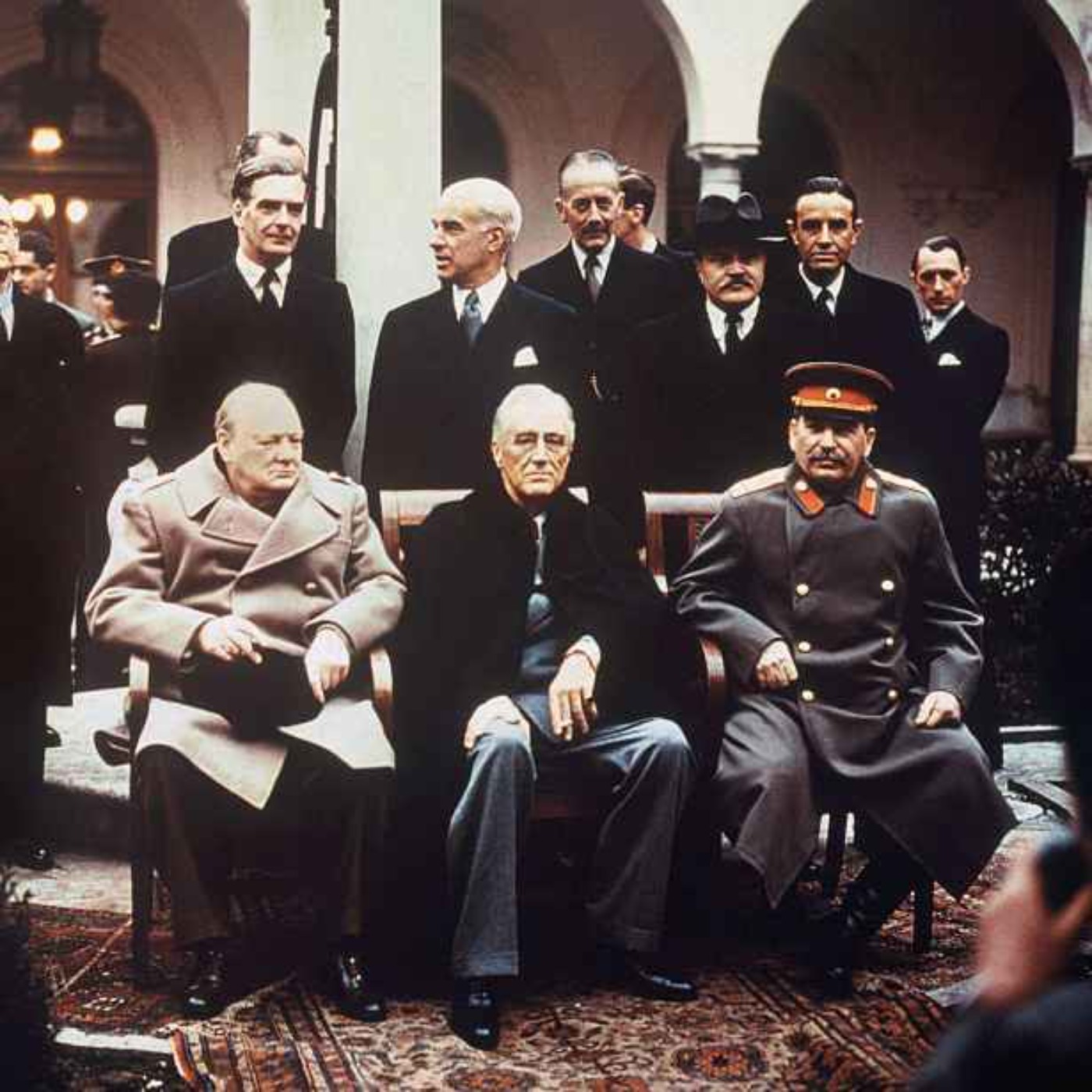
Coffee House Shots: is the world safer than in 1945?
Aug 16, 202500:11:03Tap to summarize80 years ago this week Japan surrendered to the allies, ushering in the end of the Second World War. To mark the anniversary of VJ day, historians Sir Antony Beevor and Peter Frankopan join James Heale to discuss its significance. As collective memory of the war fades, are we in danger of forgetting its lessons? And, with rising state-on-state violence and geopolitical flashpoints, is the world really safer today than in 1945?Produced by Patrick Gibbons. Hosted on Acast. See acast.com/privacy for more information.
Transcribe →
Spectator Out Loud: Patrick Kidd, Madeline Grant, Simon Heffer, Lloyd Evans & Toby Young
Aug 15, 202500:27:48Tap to summarizeOn this week’s Spectator Out Loud: Patrick Kidd asks why is sport so obsessed with Goats; Madeline Grant wonders why the government doesn’t show J.D. Vance the real Britain; Simon Heffer reviews Progress: A History of Humanity’s Worst Idea; Lloyd Evans provides a round-up of Edinburgh Fringe; and, Toby Young writes in praise of Wormwood Scrubs – the common, not the prison.Produced and presented by Patrick Gibbons. Hosted on Acast. See acast.com/privacy for more information.
Transcribe →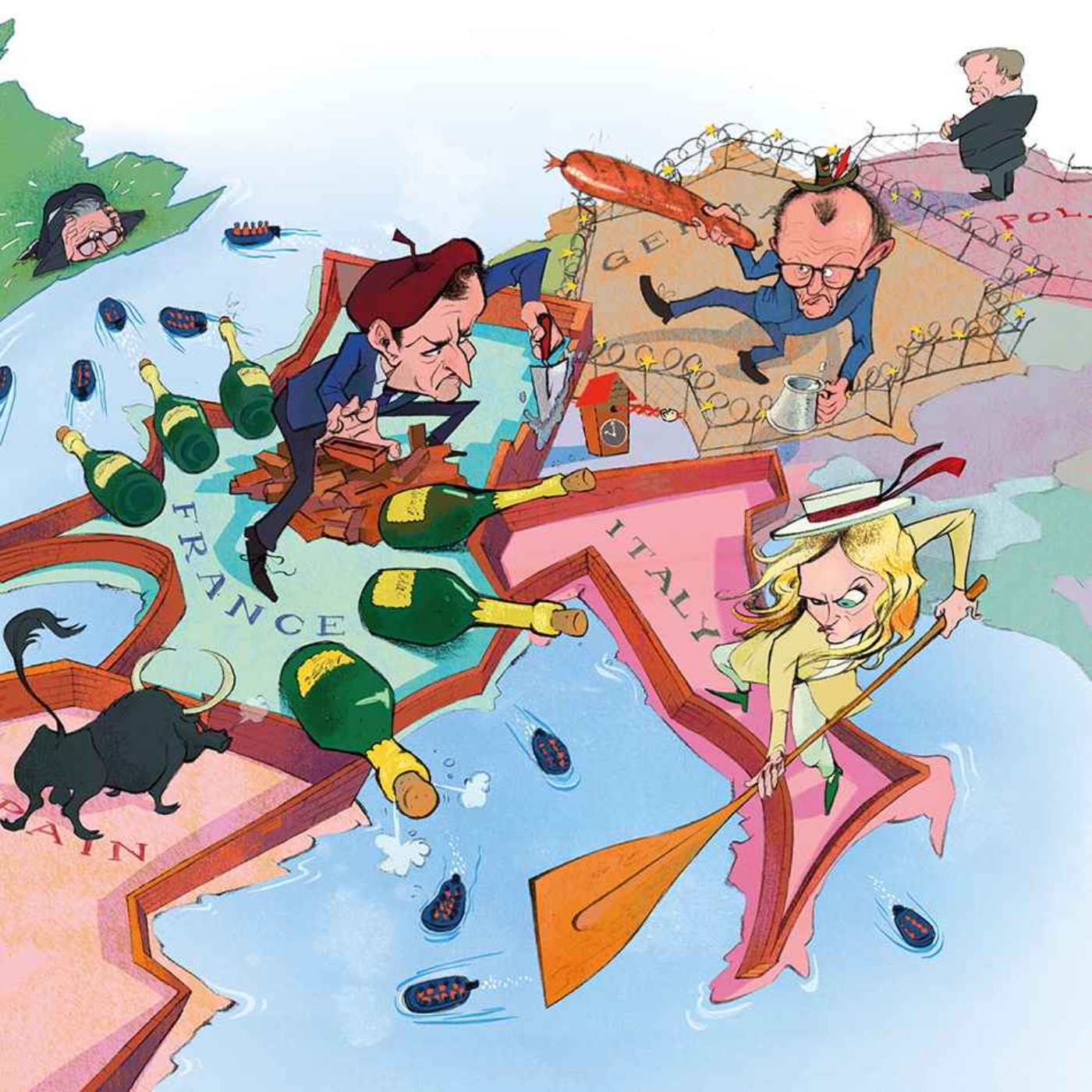
The Edition: Border lands, 200 years of British railways & who are the GOATs?
Aug 14, 202500:37:22Tap to summarizeFirst: how Merkel killed the European dream ‘Ten years ago,’ Lisa Haseldine says, ‘Angela Merkel told the German press what she was going to do about the swell of Syrian refugees heading to Europe’: ‘Wir schaffen das’ – we can handle it. With these words, ‘she ushered in a new era of uncontrolled mass migration’. ‘In retrospect,’ explains one senior British diplomat, ‘it was pretty much the most disastrous government policy of this century anywhere in Europe.’ The surge of immigrants helped swing Brexit, ‘emboldened’ people-traffickers and ‘destabilised politics’ across Europe. Ten years on, a third of the EU’s member states within the Schengen area have now imposed border controls. Can freedom of movement survive in its current form? Lisa joined the podcast alongside Oliver Moody, Berlin correspondent for The Times. Next: the cultural impact of the railways It’s been 200 years since the world’s first public train travelled from Shildon to Stockton – across County Durham. Richard Bratby argues that this marked the start of a new era for Britain and the world: ‘no invention between the printing press and the internet has had as profound a cultural impact as the railways’. How can we explain the romantic appeal of the railways? Richard joined the podcast to discuss, alongside Christian Wolmar, author of over twenty books about the railways including The Liberation Line.And finally: who is the Greatest Of All Time?What do Lionel Messi, Roger Federer and Tom Brady have in common? Their acolytes would argue that they are the GOAT of their sport – the Greatest Of All Time. Why are fans so obsessed with the GOAT label? Are pundits guilty of recency bias? And does it really matter anyway? Journalist Patrick Kidd joined the podcast to discuss, alongside the Spectator’s Sam McPhail.Plus: Madeline Grant asks why not show J.D. Vance the real Britain? Hosted by William Moore and Gus Carter.Produced by Patrick Gibbons. Hosted on Acast. See acast.com/privacy for more information.
Transcribe →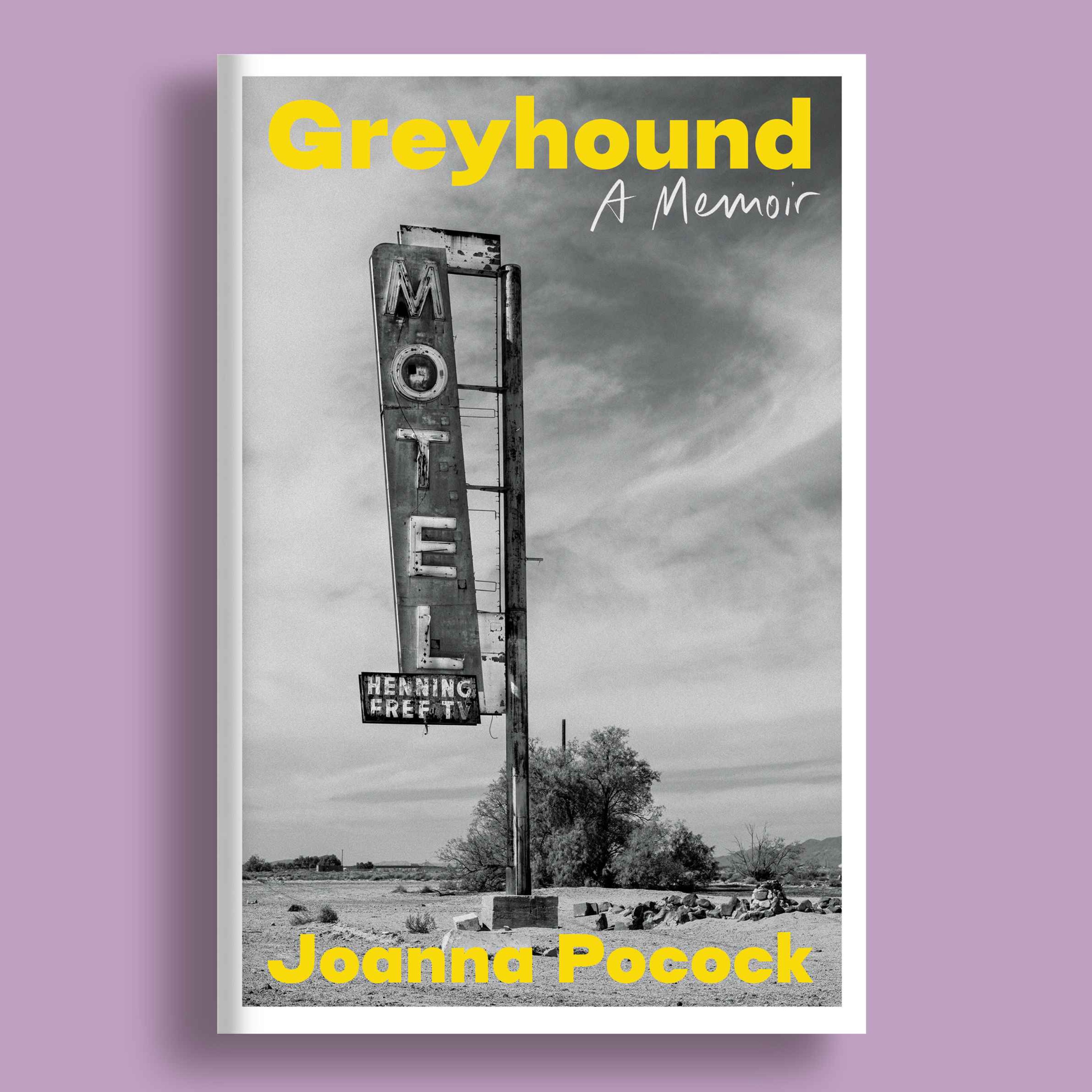
Book Club: Joanna Pocock
Aug 13, 202500:35:23Tap to summarizeSam Leith's guest for this week's Book Club podcast is Joanna Pocock, whose new book Greyhound describes two trips she took across America by Greyhound bus in 2006 and 2023. They talk about the literature of the road, that distinctively American and usually distinctively male genre, and the meaning of travel – and Joanna tells Sam how the America you see from a Greyhound differs from the one you see on television; and how dramatically it has changed even over the last couple of decades. Hosted on Acast. See acast.com/privacy for more information.
Transcribe →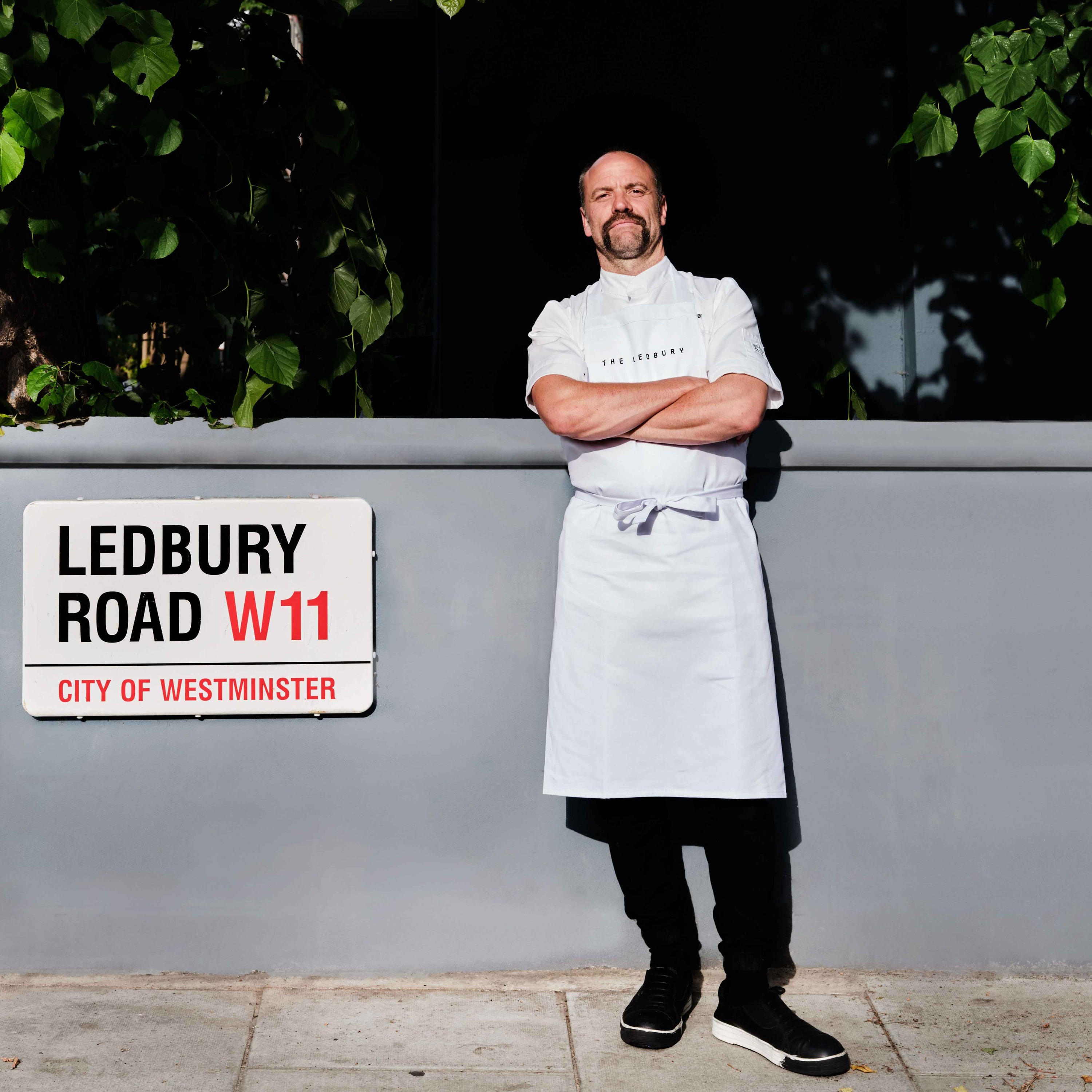
Table Talk: Brett Graham
Aug 12, 202500:29:54Tap to summarizeBrett Graham is the man behind the Michelin-starred The Ledbury in Notting Hill, which is celebrating 20 years this year. He’s also the director of The Harwood Arms in Fulham, London’s only pub with a Michelin star. On the podcast, Brett tells hosts Lara Prendergast and Olivia Potts about why being in the kitchen is like being in the army, what it was like for The Ledbury to receive its third Michelin star and the trials and tribulations of learning food production – including ending up with 127 piglets. Hosted on Acast. See acast.com/privacy for more information.
Transcribe →
Americano: what's the matter with Candace Owens?
Aug 11, 202500:36:04Tap to summarizeFreddy Gray speaks to podcast host and commentator Candace Owens about her story investigating whether Emmanuel Macron's wife Brigitte is a man, why she remains firm on her views about Gaza, and how Trump is doing in his presidency. Hosted on Acast. See acast.com/privacy for more information.
Transcribe →
Holy Smoke: how has John Henry Newman inspired Pope Leo XIV?
Aug 10, 202500:30:41Tap to summarizeSt John Henry Newman (1801-90) is perhaps the most influential theologian in the history of English Christianity. Yet, as Damian Thompson discusses with Fr Rod Strange – one of the world’s leading authorities on Newman – he was a divisive figure, though perhaps not in the way one might imagine. One of the founders of the Oxford Movement, Newman was widely acknowledged as the most gifted intellectual in the Church of England. In 1845 he converted to Rome and was eventually made a cardinal. Thus he had a unique viewpoint on Church doctrine and dogma. But what is Newman’s significance today? Although he is universally celebrated, conservative and liberal Christians, and especially Catholics, are still fighting over his legacy. Newman was beatified by Pope Benedict XVI, canonised by Pope Francis, and Pope Leo XIV has now announced that he will be given the title Doctor of the Church, an honour granted to only 38 out of over 10,000 saints. What is it about Newman that has inspired Pope Leo? And, coming so soon after his election, what does this decision tell us about Leo’s pontificate?Produced by Patrick Gibbons. Hosted on Acast. See acast.com/privacy for more information.
Transcribe →
Americano: Ann Coulter on why Trump wins & why Reform can win
Aug 9, 202500:30:34Tap to summarizeFreddy Gray is joined by author Ann Coulter in London, to discuss why she backs the rise of Reform UK, how immigration main issue voters care about this election and why she's backing Trump in his second term.Ann Coulter's Substack can be found at: anncoulter.substack.com Hosted on Acast. See acast.com/privacy for more information.
Transcribe →