Podcast
Better Business, Better Life
Hosted by Debra Chantry Taylor · EN
You've heard the saying happy wife, happy life. This not only applies to marriage but also to business leaders.
We go into business looking for more freedom, money and happiness. But before too long you find yourself working long hours, stressed, overwhelmed and feeling like your business has a grip on you.
From the outside things look good - you've got the car, house, wife, kids, bach and toys but how often do you get freedom to do what you truly love? And is your wife loving you or leaving you?
Learn from those who have built a life they truly love, through building a better business.
We go into business looking for more freedom, money and happiness. But before too long you find yourself working long hours, stressed, overwhelmed and feeling like your business has a grip on you.
From the outside things look good - you've got the car, house, wife, kids, bach and toys but how often do you get freedom to do what you truly love? And is your wife loving you or leaving you?
Learn from those who have built a life they truly love, through building a better business.
59episodes
Episodes
Newest firstAll episodes
Kris Snyder: The Next Evolution of EOS Powered by AI
1w ago00:55:51Tap to summarizeIn this episode of Better Business, Better Life, Debra Chantry-Taylor is joined by Kris Snyder, Chief Advocate at Ninety.io, to explore how EOS® Powered by AI is helping leadership teams work smarter, run better meetings & build scalable businesses.Kris shares his journey from building five software companies & surviving the dot-com crash to becoming an EOS® Implementer & one of the driving forces behind Ninety.io. Today, the platform supports more than 18,000 companies & over 300,000 users, while staying grounded in the core principles of EOS®.A major focus of the conversation is how AI is transforming the way businesses use EOS®. Kris explains that AI is not replacing the EOS® process or the role of the EOS® Implementer. Instead, it removes administrative work, surfaces insights & helps leadership teams spend more time solving real business issues.Debra & Kris discuss how AI-powered tools within Ninety.io can improve meeting preparation, identify patterns, provide visibility into team performance & help leaders ask better questions. They also explore how Ninety.io is balancing innovation with the simplicity that makes EOS® so effective.Beyond technology, Kris shares why exit planning should begin long before a business owner is ready to sell. He explains how EOS® helps businesses become less dependent on the founder by building stronger leadership teams, clearer accountability & systems that allow the business to thrive independently.Throughout the episode, Debra & Kris reinforce that while AI can improve productivity & efficiency, lasting business success still depends on clear leadership, disciplined execution & meaningful human relationships.This episode is essential listening for entrepreneurs & leadership teams who want to understand how EOS® Powered by AI can improve meetings, strengthen accountability, simplify operations & build a business ready for the future. CONNECT WITH DEBRA: ___________________________________________ ►Debra Chantry-Taylor is a Certified EOS Implementer® | Entrepreneurial Leadership & Business Coach | Business Owner►Connect with Debra: debra@businessaction.com.au ►See how she can help you: https://businessaction.co.nz/►Claim Your Free E-Book: https://www.businessaction.co.nz/free-e-book/___________________________________________ GUEST’S DETAILS: ► Kris Snyder – LinkedIn: https://www.linkedin.com/in/krissnyder/► Website – Kris Snyder: https://krissnyder.com/ Ep 281 Chapters:00:00 – Introduction47:04 – Transition to EOS and Ninety.io47:19 – Changes in Ninety.io and EOS Purity47:33 – Impact of AI on EOS and Ninety.io47:47 – Challenges and Opportunities in EOS Implementation50:11 – Planning for Exit and Personal Growth50:44 – Advocacy and Community Building53:26 – Final Thoughts and Tips
Transcribe →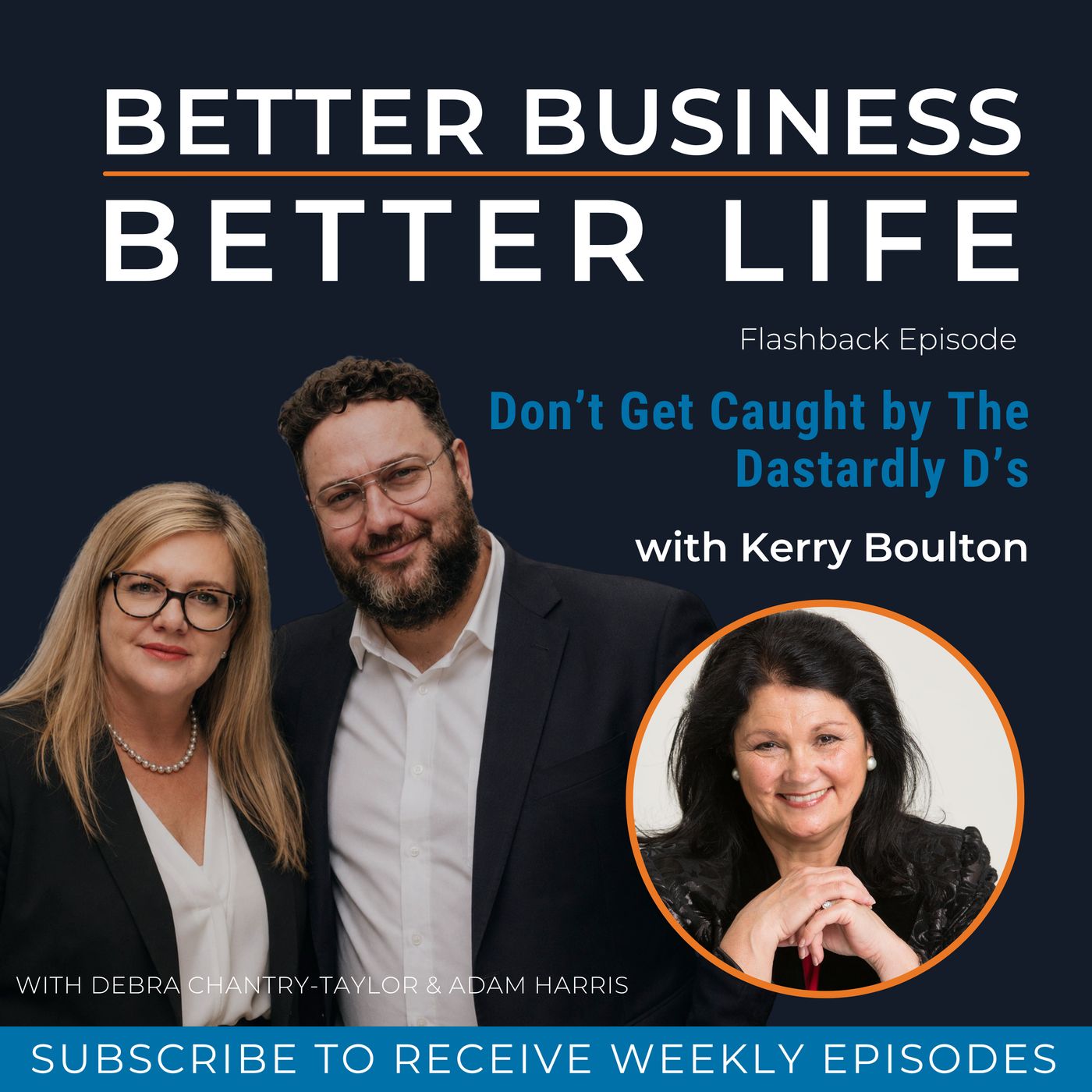
Don’t Get Caught by The Dastardly D’s with Kerry Boulton
1w ago00:36:30Tap to summarizeDo you have an exit strategy?Because guess what, we are all going to exit our businesses one day, simply because we are human. That's the bottom line.Most people don't think about who the most important investor is in their business, which of course is themselves. Even if they're 100%, shareholder, they are the most important investor in the business. So thinking about somewhere down the track, how you're going to move on from that business is essential.Kerry Boulton is a professional EOS Implementer, a certified exit planner and a certified value builder. In this episode, she discusses the necessity of having an exit strategy, even if you're planning on staying in the business for decades to come. She shares the 5 questions you must ask yourself to put an exit strategy in place and why it's important to think about these things to be in control.Listen to find out how you can strategise now to exit on your terms, in your timeframe.
Transcribe →
Niki Wilson: Should You Self-Implement EOS or Hire an Implementer?
2w ago00:35:47Tap to summarizeIn this episode of Better Business, Better Life, Debra Chantry-Taylor is joined by Niki Wilson, founder of Snapline Systems & Certified EOS Implementer®, to explore the realities of self-implementing EOS® & the lessons every entrepreneur can learn from the experience.Niki shares her journey of introducing EOS® into her own software company, where the business was growing quickly, but clarity around roles, priorities & accountability was becoming increasingly difficult.Like many business owners, she initially chose to self-implement EOS®, believing the team could learn & apply the tools themselves.While self-implementing EOS® created significant improvements, Niki explains that it also revealed its limitations. Leadership time that should have been focused on growing the business was instead spent facilitating sessions, learning the process & keeping everyone aligned.Eventually, she realised that having an objective EOS Implementer® accelerated progress, challenged assumptions & allowed the leadership team to focus on leading rather than facilitating.A major theme throughout the conversation is the power of The Accountability Chart®. Niki describes it as one of the most transformational EOS® tools because it creates clarity around roles, responsibilities & expectations. Rather than organising people around job titles, The Accountability Chart® helps leadership teams build the structure the business actually needs to achieve its vision.The discussion also covers the impact of Level 10 Meeting®, the EOS Proven Process™ & why consistent execution is far more valuable than trying to customise or shortcut the system. Throughout the episode, Niki emphasises that EOS® is not simply a collection of business tools. It is a complete operating system that delivers the greatest results when followed as designed.This episode is essential listening for entrepreneurs considering self-implementing EOS®, leadership teams looking to create greater clarity & accountability, & business owners who want to understand when bringing in an experienced EOS Implementer® can dramatically accelerate their journey toward Vision, Traction® & Healthy. CONNECT WITH DEBRA: ___________________________________________ ►Debra Chantry-Taylor is a Certified EOS Implementer | Entrepreneurial Leadership & Business Coach | Business Owner ►Connect with Debra: debra@businessaction.com.au ►See how she can help you: https://businessaction.co.nz/ ►Claim Your Free E-Book: https://www.businessaction.co.nz/free-e-book/ ___________________________________________ GUEST’S DETAILS: ► Niki Wilson – LinkedIn: https://www.linkedin.com/in/niki-t-wilson/ ► Website – EOS Worldwide: Niki Wilson, EOS Implementer, New Orleans | EOS Implementer | EOS Worldwide Ep 280 Chapters: 00:00 – Introduction00:51 – Nikki Wilson’s Background and EOS® Journey 03:22 – Challenges of Self-Implementing EOS® 03:36 – The Role of the Accountability Chart® 05:22 – The Impact of EOS® Tools and Meetings 10:55 – Focus Day and the EOS® Proven Process 18:59 – The Role of an EOS® Implementer 21:39 – The Visionary–Integrator Dynamic 27:36 – The Power of the Issues Solving Track (IDS) 31:33 – Top Tips and Tools for Success
Transcribe →
Insights From a Global Business Nomad Who Helps Big Businesses with Liam Forde
2w ago00:49:18Tap to summarizeLiam Forde is the founder & CEO of The Zone, which empowers people to integrate their head and their heart, unlock their whole person and unleash the collective intelligence of their organisations and teams. In this podcast, we talk about the lessons he has learned from building his own company up to 600 staff & $30 million revenue as well as the lessons he has worked with some of the largest companies around the world.Who am I?What do I stand for (or against)?Where am I going?What is my mission/purpose?Leadership, culture and sustainability are defined by your answers to these questions. Life is a balance between your inner world and your outer world.How you define yourself is one of the most important tasks you will ever undertake because this directs how you will interact with the world, with others, your family, friends and work colleagues.As a leader, we create big ripples. We create ripples as much by how we are being as what we are doing. What legacy do you want to leave?Do you want to be a net Giver or a net Taker?This is how Liam introduces himself on his LinkedIn Profile. He has worked in over 35 countries in dozens of different settings from Africa to Australia, Asia to America, the Middle East to Europe....in mud huts and in corporate towers.His mission is to show leaders how to be masters of their own destiny, and to pay that forward.By making organisations more human, they unlock performance, talent, value, and happiness. Be better, do better. Make your organisation more human. Make the world more sustainable.
Transcribe →
Severin Sorensen: AI Isn't Replacing You It's Making You More Valuable
3w ago00:58:21Tap to summarizeIn this episode of Better Business, Better Life, Debra Chantry-Taylor sits down with AI expert & “AI Whisperer” Severin Sorensen discuss about how AI isn't replacing you, but it's making you more valuable.Severin shares his remarkable journey from writing an entire book with AI in just five days to becoming a leading advocate for the ethical use of artificial intelligence. Rather than seeing AI as a replacement for people, Severin believes its real power lies in amplifying human capability, helping leaders think better, solve problems faster & create greater value. One of the biggest ideas in this conversation is the power of using multiple AI models instead of relying on just one. Severin explains how different AI platforms have different strengths, & how leaders can orchestrate them together to create a powerful “thinking team” that challenges ideas, improves decisions & produces stronger results than a single model working alone.This philosophy forms the foundation of his latest book, Claude Conductor, which explores how AI can be used as an intelligent orchestrator, not just a chatbot. Debra & Severin also discuss practical ways to improve AI efficiency. From writing better prompts & defining tasks clearly before execution to converting PDFs into markdown files to reduce token costs, Severin shares techniques that can help leaders increase productivity while reducing unnecessary AI expenses. The conversation also tackles one of the most important topics surrounding artificial intelligence today: ethics. Severin explains why businesses must develop & use AI responsibly, ensuring it strengthens human judgement rather than replacing it. He encourages leaders to treat AI as a trusted thinking partner that asks better questions, challenges assumptions & supports more informed decisions. This episode is essential listening for entrepreneurs, business owners & leadership teams who want to move beyond basic prompting & unlock the true potential of artificial intelligence to build a better business & a better life. CONNECT WITH DEBRA: ___________________________________________ ►Debra Chantry-Taylor is a Certified EOS Implementer | Entrepreneurial Leadership & Business Coach | Business Owner ►Connect with Debra: debra@businessaction.com.au ►See how she can help you: https://businessaction.co.nz/ ►Claim Your Free E-Book: https://www.businessaction.co.nz/free-e-book/ ___________________________________________ GUEST’S DETAILS: ► Severin Sorensen – LinkedIn: https://www.linkedin.com/in/severinsorensen ► Website – ePraxis: https://www.epraxis.com Ep 279 Chapters: 00:00 – Introduction 00:39 – Ethical AI and Personal Efficiency 04:53 – Becoming the AI Whisperer 10:29 – The Role of AI in Coaching and Business 15:29 – Ethical Considerations and the Future of AI 41:03 – Practical Applications and Efficiency in AI Use 53:44 – The Impact of AI on Business and Society 56:45 – Final Thoughts and Future Outlook
Transcribe →
Design Your Year Before Someone Else Does It for You! with Scott Rusnak
3w ago00:28:35Tap to summarizeScott's book is called, "The Entrepreneurs Field Guide - Design your life before someone else does it for you!" but in fact, you could insert any other phrase in there - 'your year', 'your day', 'your business' etc.Success isn’t rocket science. It’s all about getting clear on what you want and focusing on it. Take a moment and ask yourself, what would happen if you set huge ambitions and designed your life around making these things real?So, as we head into the New Year, have you planned out what you want that year to look like.Are you serious about what is truly important & have blocked time out for it in your calendar?Do you know the optimal number of days that you want to work in the year?Have you planned out all your holidays & family events?Are you choosing the people you spend time with?Do you fire friends who don't share the same values?Do you use the delegate & elevate tool to decide what's important to you in your personal life?In this episode, Scott shares how he plans out his year to suit his life, how he uses the EOS People Analyser to decide which family & friends fit into his 5, 15, 150 model & how he uses the Delegate & Elevate tool to understand what he should spend his time doing.If you're ready to this year your best year yet then you listen in & hear how the EOS tools can help you to design your year before someone else does it for you!
Transcribe →
Darryl Dillon-Shallard: AI Is Making Custom Software Affordable Again
4w ago00:35:12Tap to summarizeIn this episode of Better Business, Better Life, Debra Chantry-Taylor sits down with Darryl Dillon-Shallard, Chief Growth Officer at Butterfly, to explore how AI is making custom software affordable again. Drawing on nearly two decades of experience in the digital industry, Darryl shares his journey from graphic designer to digital strategist, including the development of the My Stable app for horse trainers and his work helping organisations build custom digital solutions that solve real business problems. The conversation explores how AI is fundamentally changing software development. Darryl explains that artificial intelligence is dramatically reducing the time and cost required to prototype new ideas, making custom-built applications more accessible than ever before. Rather than forcing businesses to adapt their processes to off-the-shelf software, organisations can increasingly develop solutions tailored to the way they already operate. While AI presents exciting opportunities, Darryl cautions against rushing into development without proper planning. He explains why investing time in discovery, understanding user needs, creating a detailed project brief, and choosing the right development partner are all essential to delivering scalable, maintainable solutions that provide long-term value. The episode also looks at the evolution of digital technology, from the early days of Flash websites and mobile apps to today's cloud-based web applications powered by artificial intelligence. Darryl shares why many organisations are shifting towards browser-based applications that streamline internal workflows, improve productivity, and solve operational challenges more effectively than traditional mobile apps. Whether you're considering a custom application, exploring AI opportunities, or simply trying to understand where technology is heading, this conversation offers practical insights into how businesses can innovate with confidence while avoiding costly mistakes. CONNECT WITH DEBRA: ___________________________________________ ►Debra Chantry-Taylor is a Certified EOS Implementer | Entrepreneurial Leadership & Business Coach | Business Owner ►Connect with Debra: debra@businessaction.com.au ►See how she can help you: https://businessaction.co.nz/ ►Claim Your Free E-Book: https://www.businessaction.co.nz/free-e-book/ ___________________________________________ GUEST’S DETAILS: ► Darryl Dillon-Shallard – LinkedIn: https://www.linkedin.com/in/darryl-dillon-shallard/ ► Website – Butterfly: https://www.butterfly.com.au/ Episode 278 Chapters: 00:00 – Introduction 00:38 – Introduction and Overview of Digital Transformation 05:36 – Evolution of Web and App Development 09:51 – Challenges and Pitfalls in Digital Development 18:04 – Comparing Quotes and Making Informed Decisions 18:24 – Examples of Successful Projects 25:42 – Future Trends in Digital Development 26:29 – Final Thoughts and Tips for Listeners
Transcribe →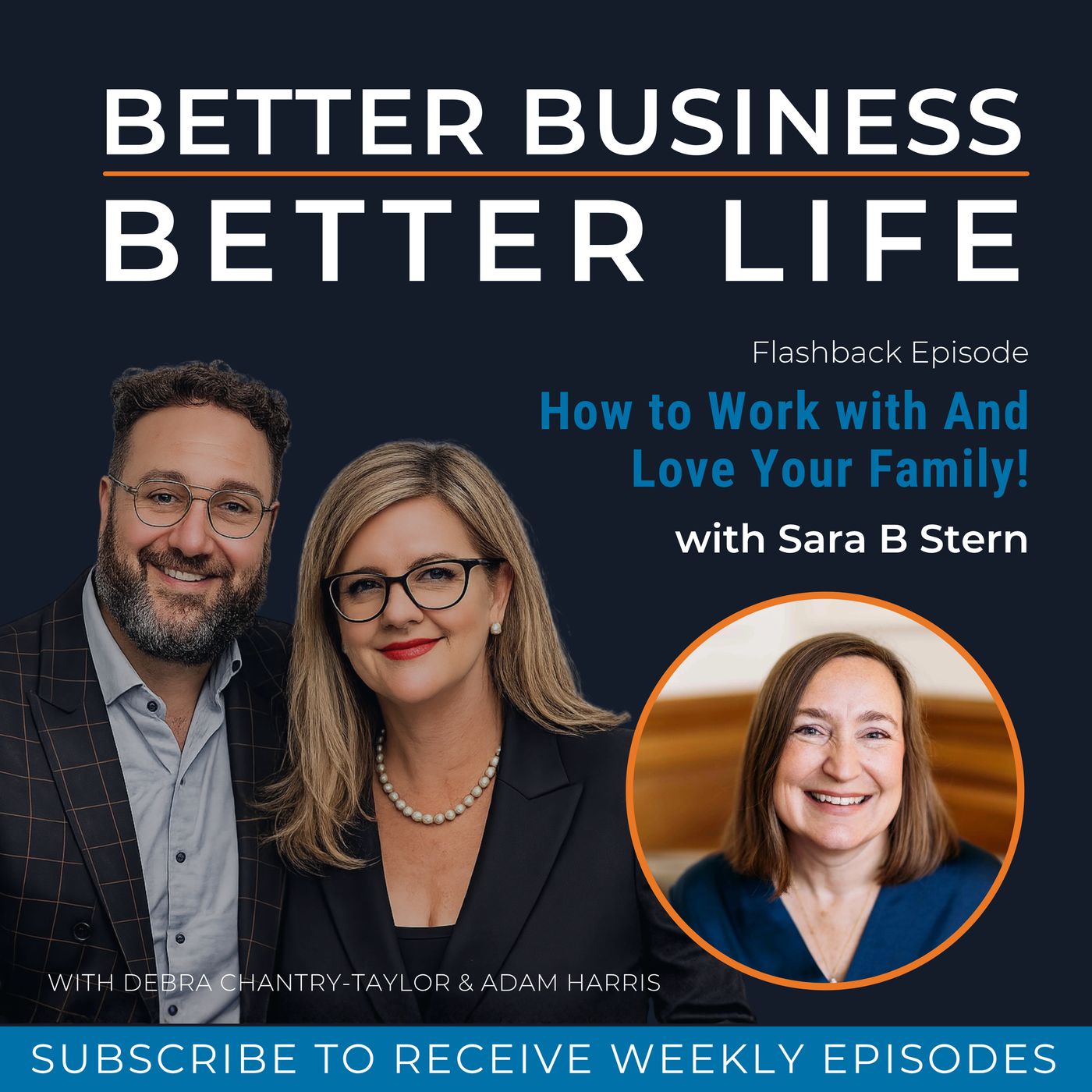
How to Work with And Love Your Family! with Sara B Stern
Jun 2700:30:17Tap to summarizeSara is on a quest to help owners get what they want from their family business and build lasting legacies. As the former director of the nationally recognized Family Business Center at the University of Saint Thomas, a Certified EOS Implementer™ and the founder of The Sage Pages she helps her clients get real, simple results.In this podcast Sara shares many real-life stories & tips from working with hundreds of family businesses.As her name suggests, Sara knows how to B Stern with her family clients to ensure that they get the next from their business & their life & she has had many successes in this area.Sara's top 3 tips are based on the Harvard Business School's Three-Circle Model of the Family Business System.She recommends getting clarity on the Vision for each the 3 points:OwnershipFamilyBusiness
Transcribe →
Brendan Lee: The Marketing Mistake Costing You Customers Every Day
Jun 2200:44:55Tap to summarizeIn this episode of Better Business, Better Life, Debra Chantry-Taylor sits down with Brendan Lee, founder of Conversions Today, to uncover one of the biggest marketing mistake business owners make: building marketing around what they like, instead of what their customers actually need. Brendan shares his journey from corporate life to building a specialist marketing agency that helps businesses in complex industries such as law, accounting & medical technology generate measurable growth. Along the way, he discovered that successful marketing is not just about creativity. It is about understanding people, tracking the right data & making decisions based on evidence rather than assumptions. A key theme throughout the conversation is the danger of vanity metrics. Brendan explains why likes, clicks & impressions can create a false sense of success when they are not connected to real business outcomes. Instead, he advocates for tracking the full customer journey, including offline activity such as phone calls, direct mail campaigns & letterbox drops. Debra & Brendan also explore the growing role of AI in marketing, including how it can improve efficiency, speed up content creation & support smarter decision-making, while still needing a clear plan behind it. Listeners will learn why effective marketing requires consistency, patience & a structured approach. Brendan also shares practical insights into ROI reverse engineering, helping businesses understand the true value of a customer before deciding how much to invest in acquisition. This episode is packed with practical advice for business owners who want to stop guessing, avoid costly marketing mistakes & build a marketing system that consistently supports long-term business growth CONNECT WITH DEBRA: ___________________________________________ ►Debra Chantry-Taylor is a Certified EOS Implementer | Entrepreneurial Leadership & Business Coach | Business Owner ►Connect with Debra: debra@businessaction.com.au ►See how she can help you: https://businessaction.co.nz/ ►Claim Your Free E-Book: https://www.businessaction.co.nz/free-e-book/ ___________________________________________ GUEST’S DETAILS: ► Brendan Lee – LinkedIn: https://www.linkedin.com/in/bdanlee/ ► Website – Conversion Today: https://conversions.today/ Episode 277 Chapters: 00:00 – Introduction 00:35 – Marketing Strategy and Introduction to Brendan Lee 27:26 – Brendan’s Agency and Marketing Approach 27:53 – Effective Marketing Strategies and Mistakes to Avoid 29:11 – The Role of Data and AI in Marketing 41:50 – Practical Tips for Improving Marketing Effectiveness
Transcribe →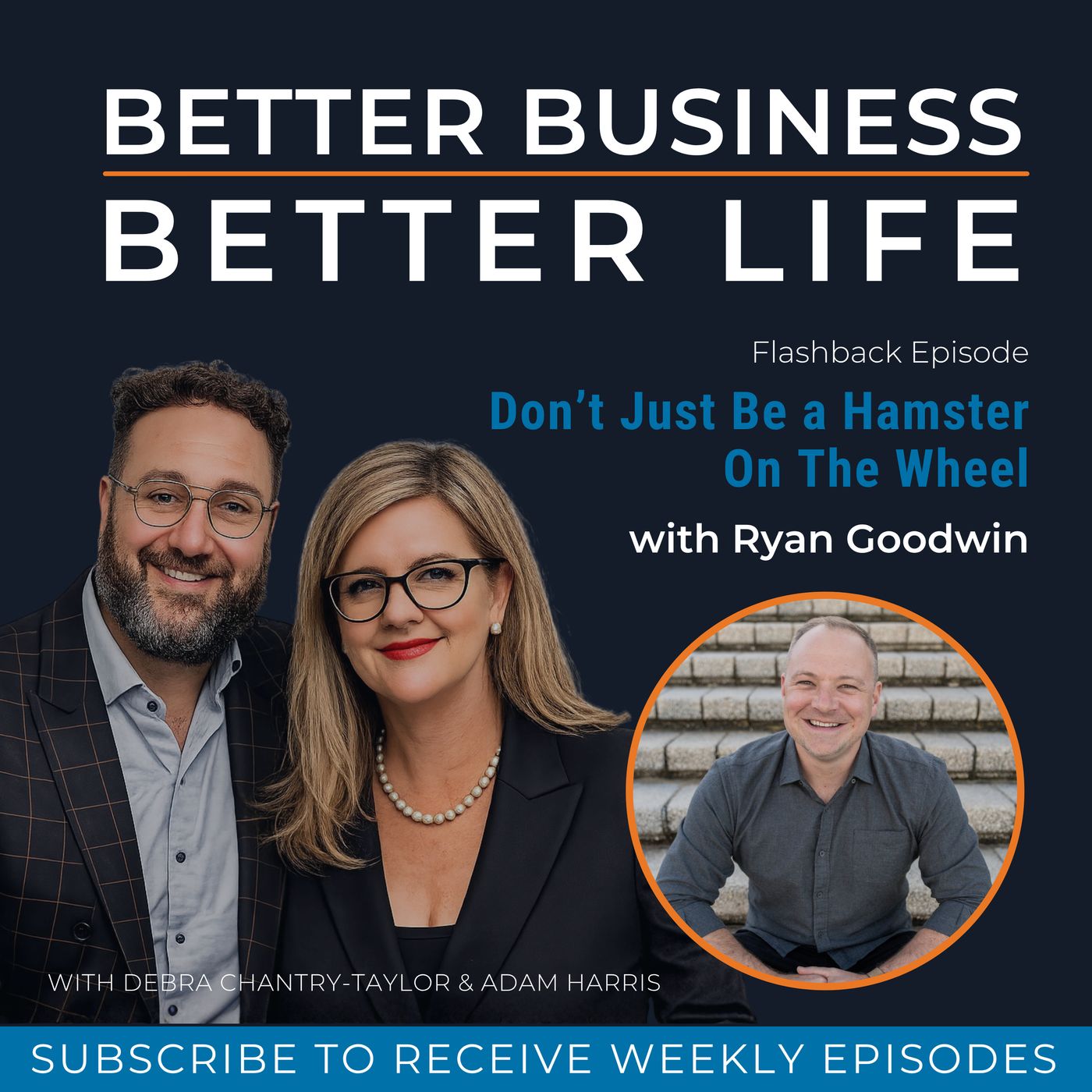
Don’t Just Be a Hamster On The Wheel with Ryan Goodwin
Jun 2000:44:08Tap to summarizeRyan Goodwin is the founder of Mode Group, an award winning renovation and new home custom builders in Melbourne, Australia.Ryan has been an entrepreneur since the age of 14 years old, mowing lawns and all the usual stuff that teenagers do.He started his business, Mode Group, about 13 years, but he only really stepped back into it about five years ago with no guarantees that it was going to work out but his most important driving factor was about creating something that was right for his family.He blended coaching, performance management and consulting with his current skills and decided to take on some larger roles.Five years later, they're now a multi-award-winning builder in Melbourne, they have a fantastic showroom and interior designers on staff.He has the mantra of doing what you are passionate about & doing what you love with people you love - the EOS Life!In this episode, Ryan discusses the balance he created between work and family. How he enjoys life, delegating and trusting his staff with all the responsibilities assigned to them and also the challenges they faced.
Transcribe →