
Podcast
Between Worlds
Hosted by Mike Walsh · EN
Between Worlds is a technology podcast that takes you over the horizon and beyond borders, to bring you the global thinkers, innovators and troublemakers whose ideas challenge the world as we know it. From a courtyard cafe in Paris, to a busy sidewalk in Tokyo - each week futurist and global nomad, Mike Walsh, will share his personal conversations with some of the most fascinating people on the planet, recorded live in the field.
10episodes
Episodes
Newest firstAll episodes
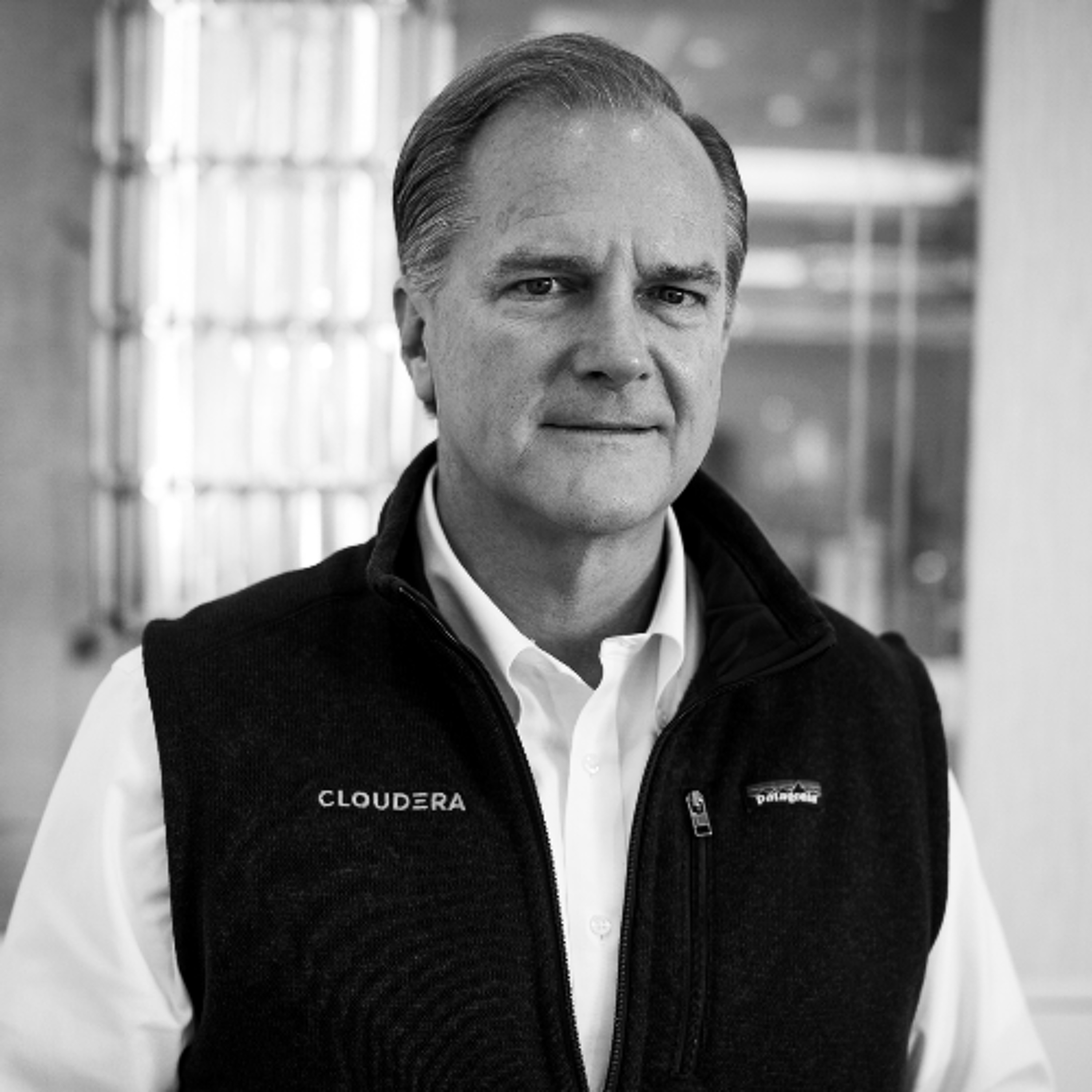
Charles Sansbury on data, AI, and the rise of the Exascale Organziation
Mar 3, 202500:36:49Tap to summarizeI recently caught up for a morning coffee with Charles Sansbury, CEO of Cloudera. We spoke about how AI is changing how leaders view data infrastructure and the significance of organizations capable of operating at exascale. Charles shared how his conversations with Fortune 50 companies have shifted from theoretical AI applications to practical concerns about return on investment, data quality, and infrastructure. A key part of this transition is the emerging trend of ‘private AI’ - targeted models trained on proprietary company data.
Transcribe →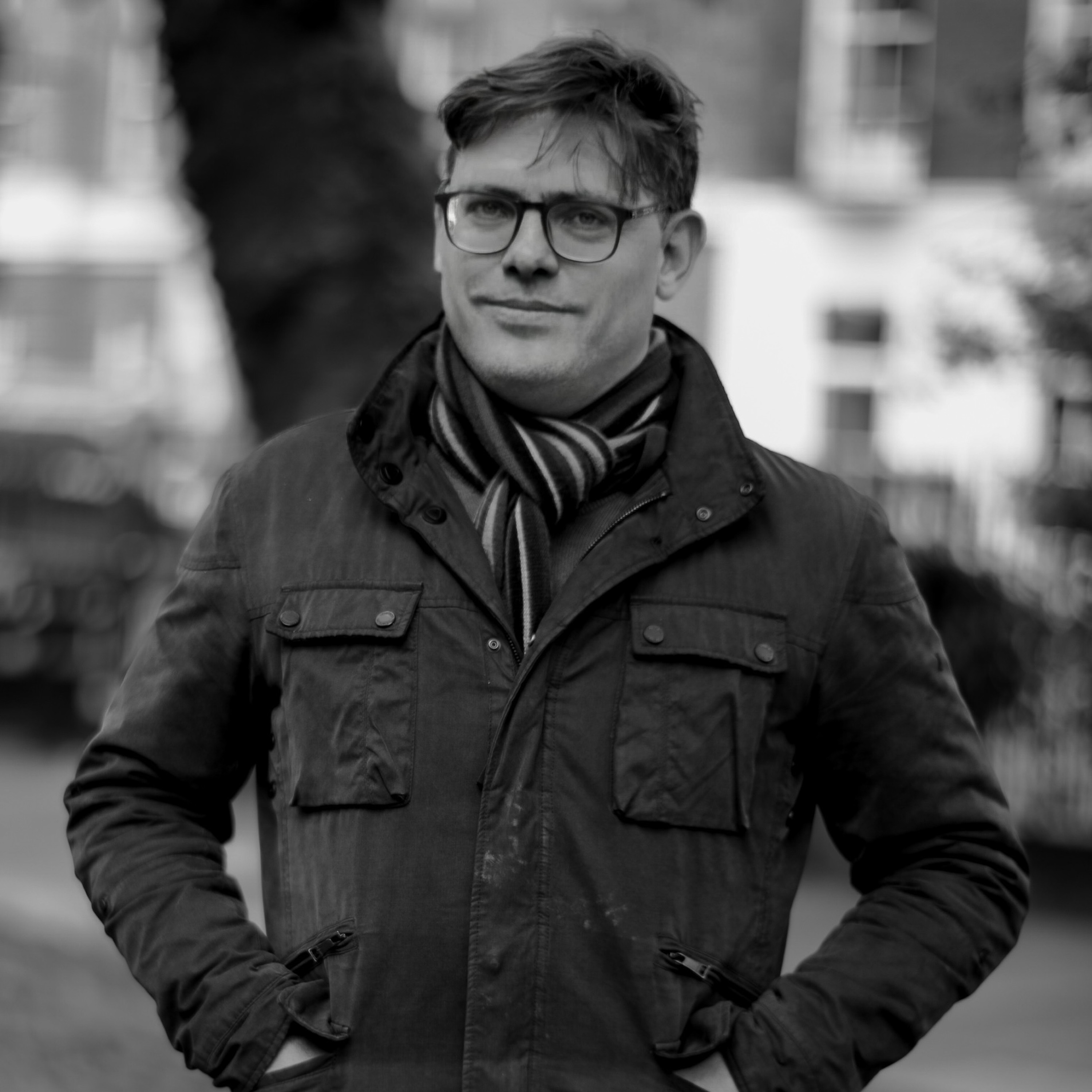
Tom Chatfield on philosophy, analytical thinking and how humans have co-evolved with technology
Nov 3, 202400:52:37Tap to summarizeFor Tom Chatfield, a British technology philosopher and author, there is nothing inevitable about technological progress. In his latest book, ‘Wise Animals: How Technology Has Made Us What We Are’ he explores how humans have co-evolved with technology throughout history. In our discussion, Tom deconstructed the common narrative of technological inevitability, using examples like the Incas' use of wheels only as toys and the complex history of Gutenberg's printing press to illustrate how technological adoption is deeply intertwined with cultural values and societal choices rather than following a predetermined path.
Transcribe →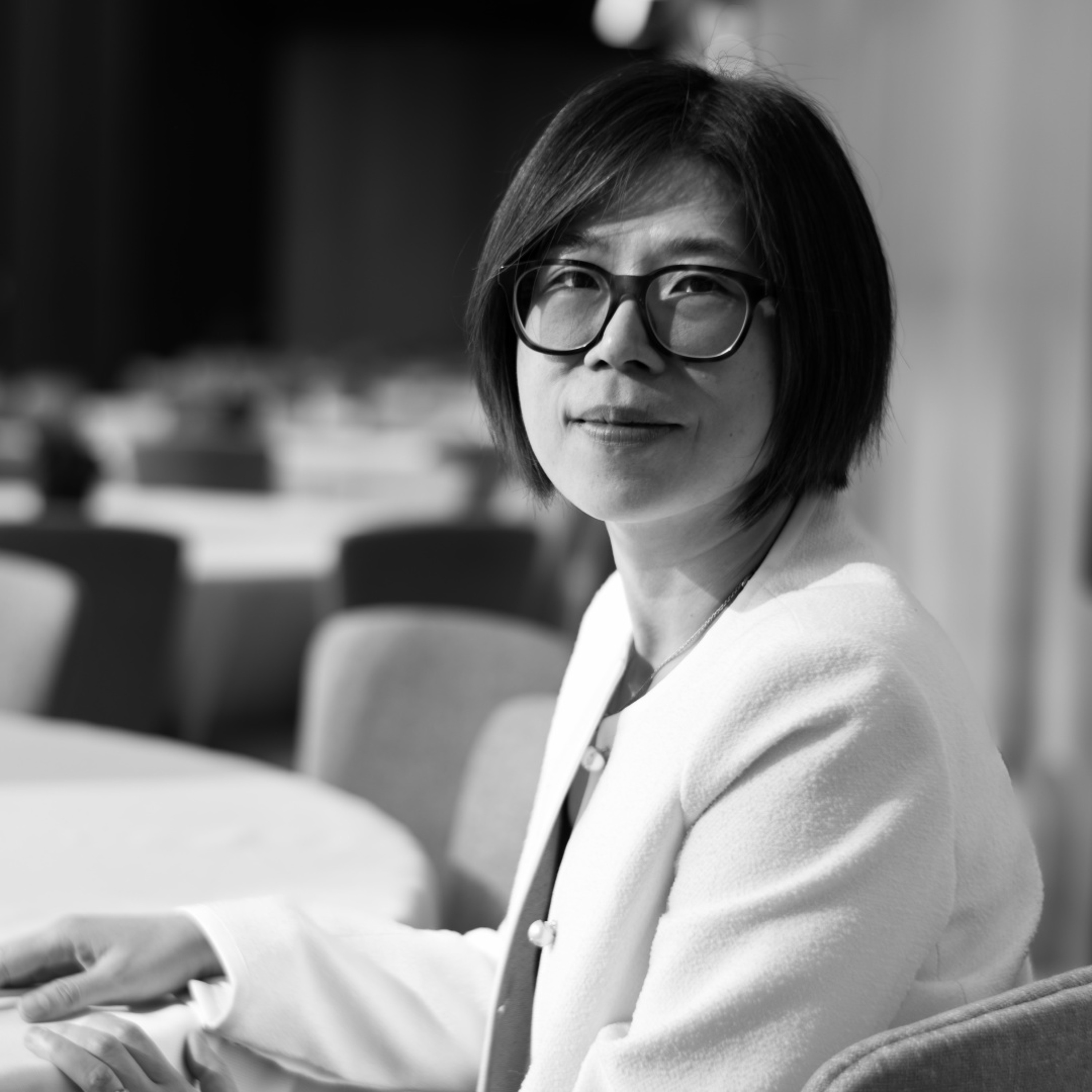
Yao Morin on trust, AI world models and the future of commercial property
Oct 14, 202400:26:32Tap to summarizeOn a recent trip to Toronto, I caught up with Yao Morin, the global CTO of JLL, a commercial real estate company. We discussed JLL's early adoption of generative AI technology, despite the real estate industry's traditionally conservative approach to new technologies. Yao explained how JLL has implemented AI tools like JLLGPT to process vast amounts of unstructured data in multiple languages, making it easier for employees to access and utilize information from contracts, research reports, and other documents.
Transcribe →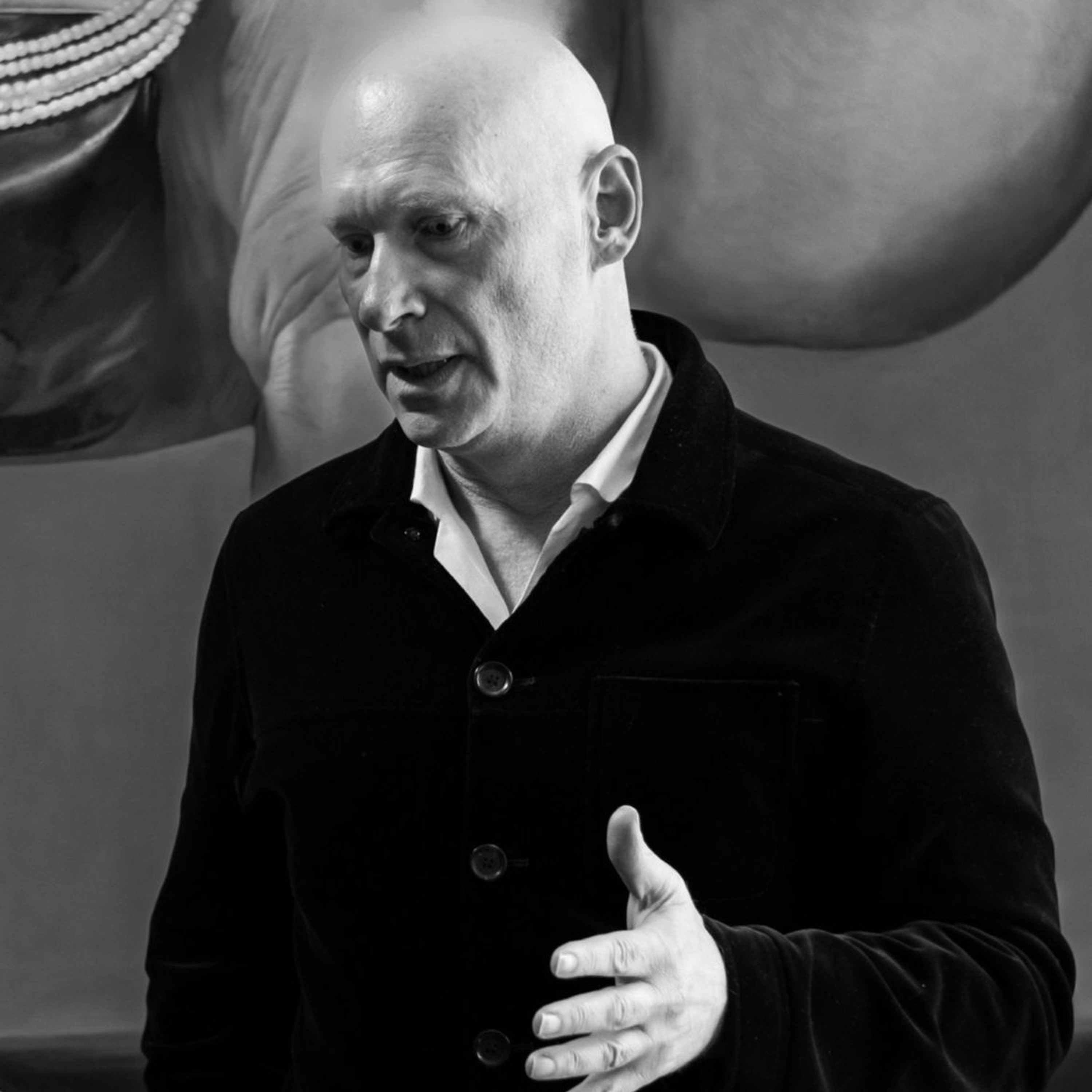
Von Wolfe On Redefining Art in the Age of Machine Intelligence
Oct 8, 202400:41:24Tap to summarizeAhead of the London Frieze Art Fair, I spoke with one of the world’s most fascinating artists, Von Wolfe, who for a number of years now has explored the intersection of art, technology, and artificial intelligence. As we sat in his studio in front of an oversized oil canvas and a sophisticated technology stack, Von Wolfe shared with me his unique approach to using machine learning and generative AI to create art. Our conversation delved into the history of art, from Renaissance masters to contemporary AI-powered creations, drawing parallels between traditional artistic methods and modern technological approaches.
Transcribe →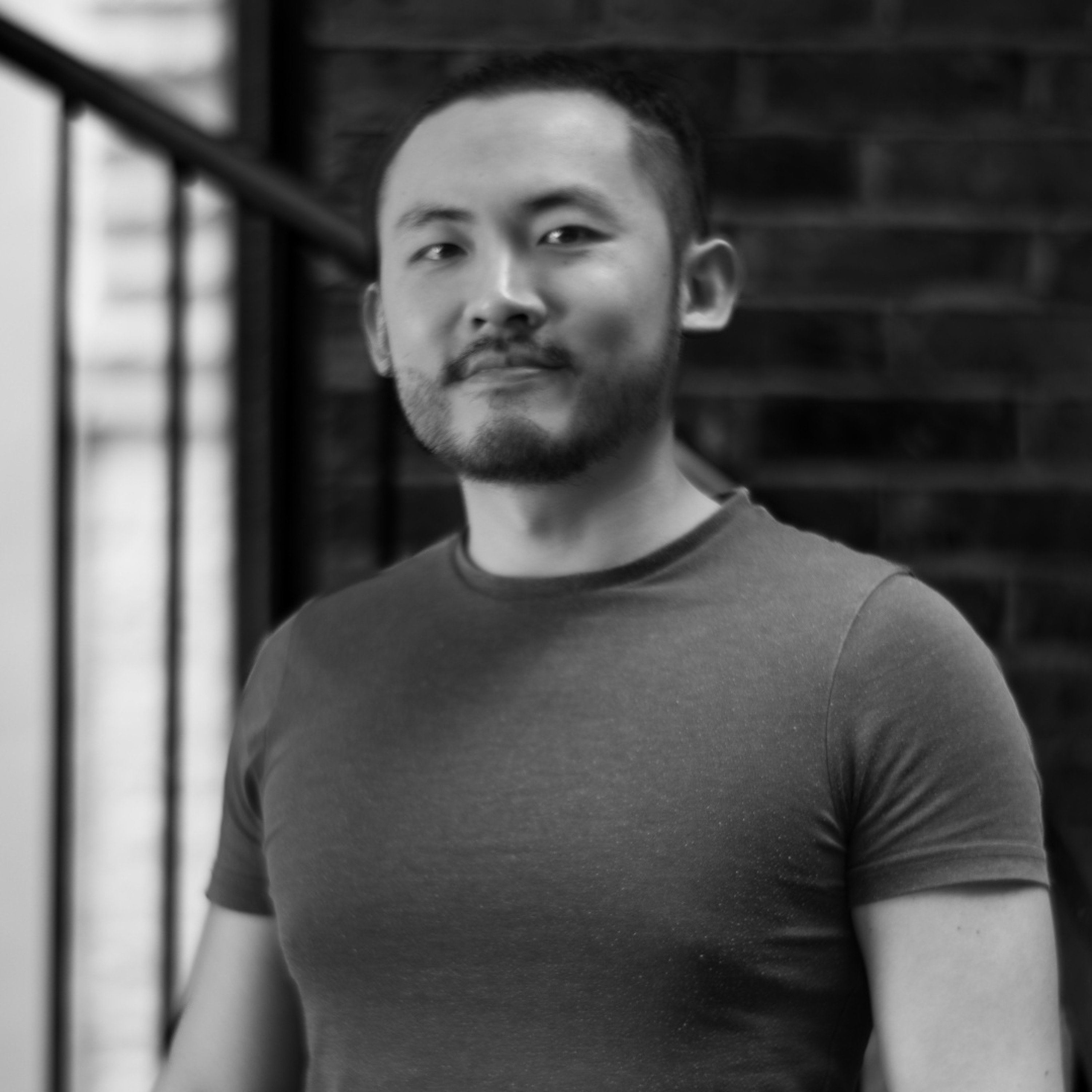
Tim Fu on how AI is reshaping architecture
Jul 29, 202400:34:05Tap to summarizeTim Fu, founder of Studio Tim Fu, is one of the world’s leading experts in leveraging AI in architecture and construction. Fu established his practice in 2023 after working at Zaha Hadid Architects, and now heads a diverse team of architects and technologists, creating innovative workflows and designs that embrace AI's transformative power in architectural practice. Most recently, he was chosen to be a collaborating artist with OpenAI's new Sora generative AI platform.
Transcribe →
Matt Barrie on the AI-powered future of global talent
Jun 22, 202400:39:01Tap to summarizeHow will AI change jobs? There are a lot of theories, and as of yet, scant conclusive evidence. However, if you did have to pick a 'canary in a coal mine' to understand the impact of generative AI on the future of work, one place to start would be the global freelance workforce. To understand how machine intelligence might be influencing how freelancers get things done, I spoke with Matt Barrie, CEO of Freelancer.com, one of the world's leading online job marketplaces.
Transcribe →
Virginia Damtsa on the influence of AI and technology on contemporary art
Jun 15, 202400:23:13Tap to summarizeWe are familiar with the rise of AI generated art, but what impact will these emerging technologies having on more traditional forms of artistic expression? To explore that question, I spoke with Virginia Damtsa, a renowned curator of contemporary art, who has worked with everyone from Peter Gabriel to Ai Weiwei, Cornelia Parker, Olafur Eliasson, Annette Messager and others.
Transcribe →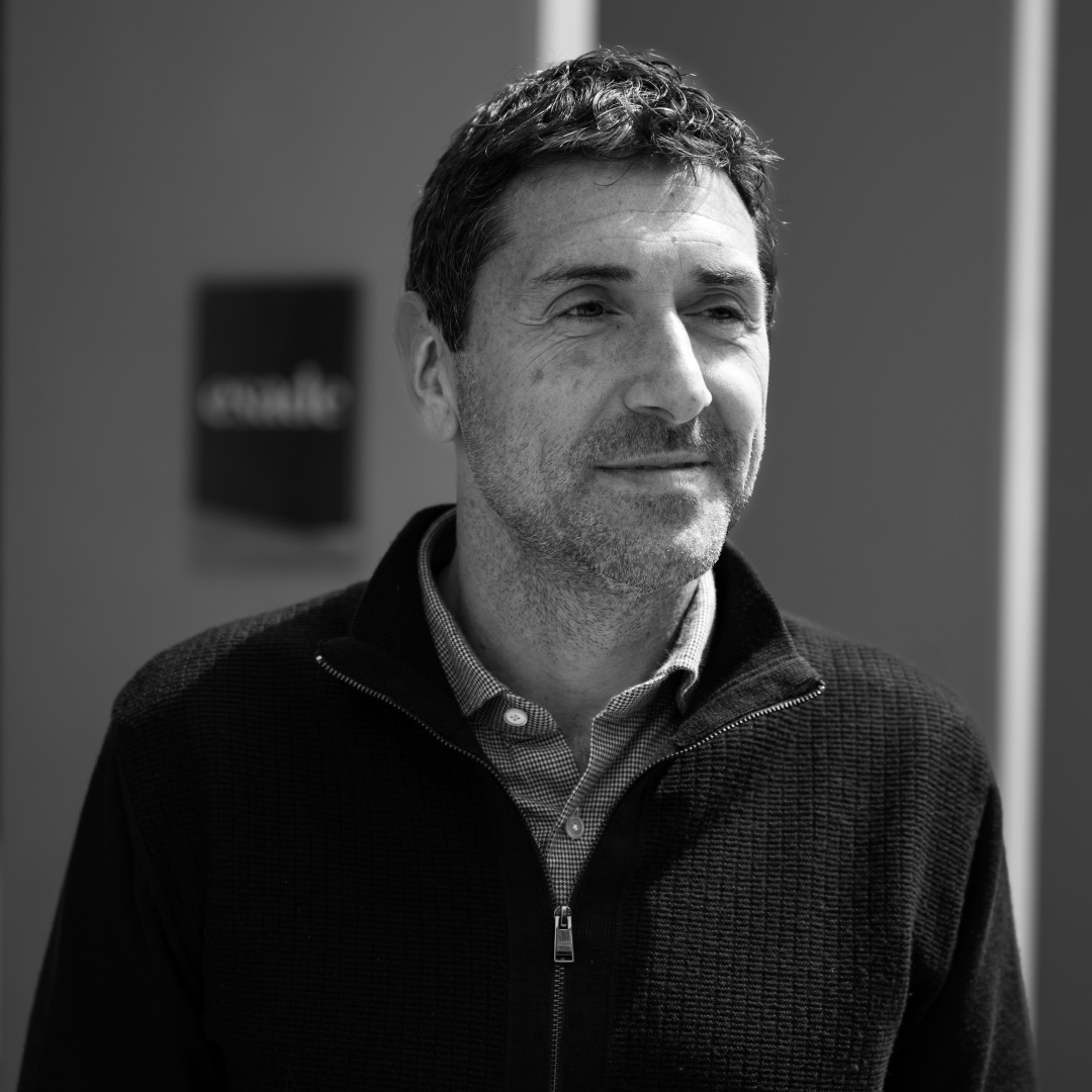
Marco Bertini On AI and the future of dynamic pricing
May 8, 202400:35:23Tap to summarizeOn a recent visit to Barcelona, I sat down with Marco Bertini, one of the world’s foremost experts on dynamic pricing. Bertini is a professor of marketing at Esade University and the author of the book, ‘The Ends Game: How Smart Companies Stop Selling Products and Start Delivering Value,’ which examines how technology and society stimulate accountability, prompting companies to profit from the outcomes they deliver rather than the offerings they bring to market.
Transcribe →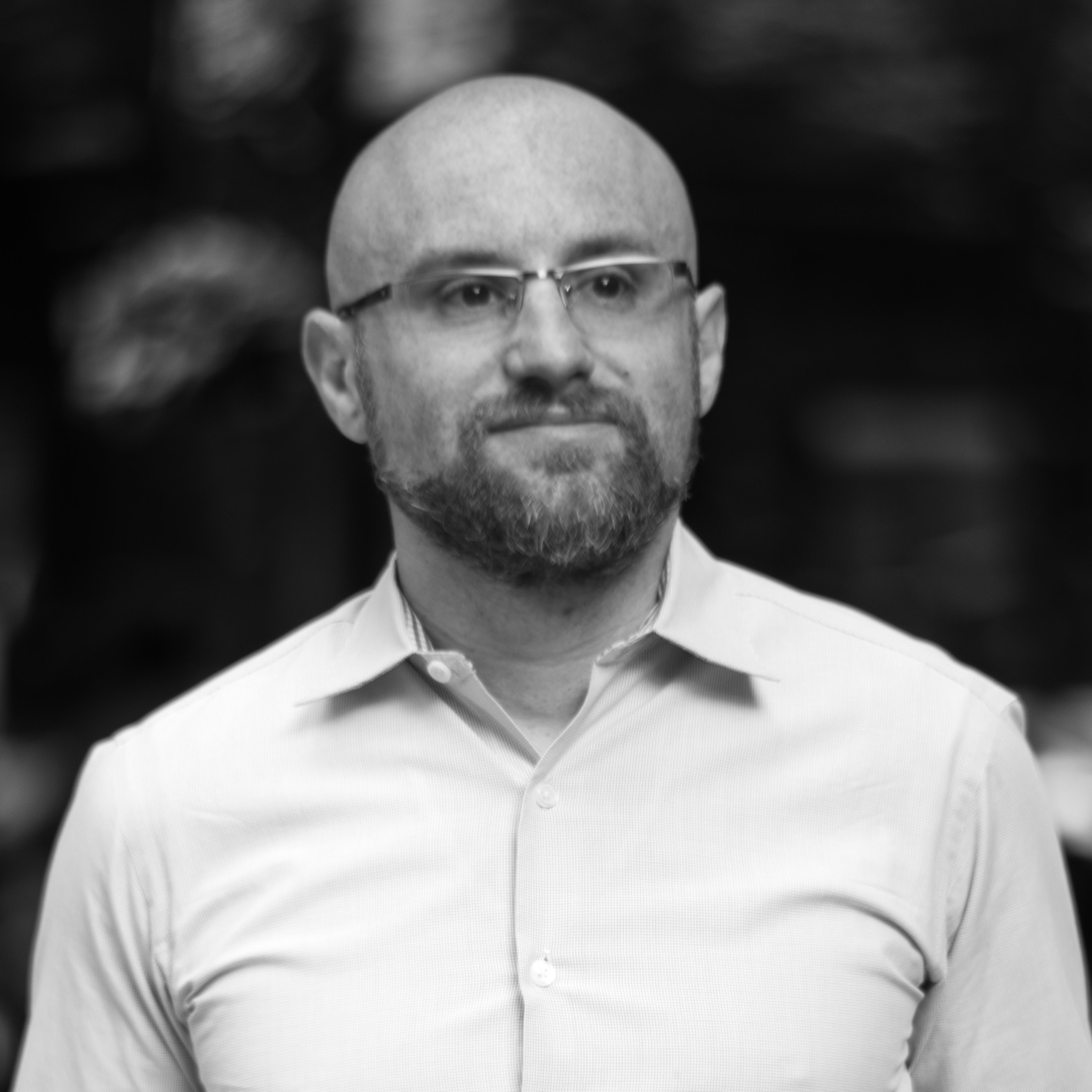
Ben Waber on why LLMs are not a silver bullet for boosting organizational innovation
Apr 28, 202400:39:46Tap to summarizeBen Waber is one of the world’s leading experts on people analytics and organizational culture. He is the founder of Humanyze and a professor at MIT. We caught up in Tokyo to discuss the future of work and the impact of large language models (LLMs) on productivity.
Transcribe →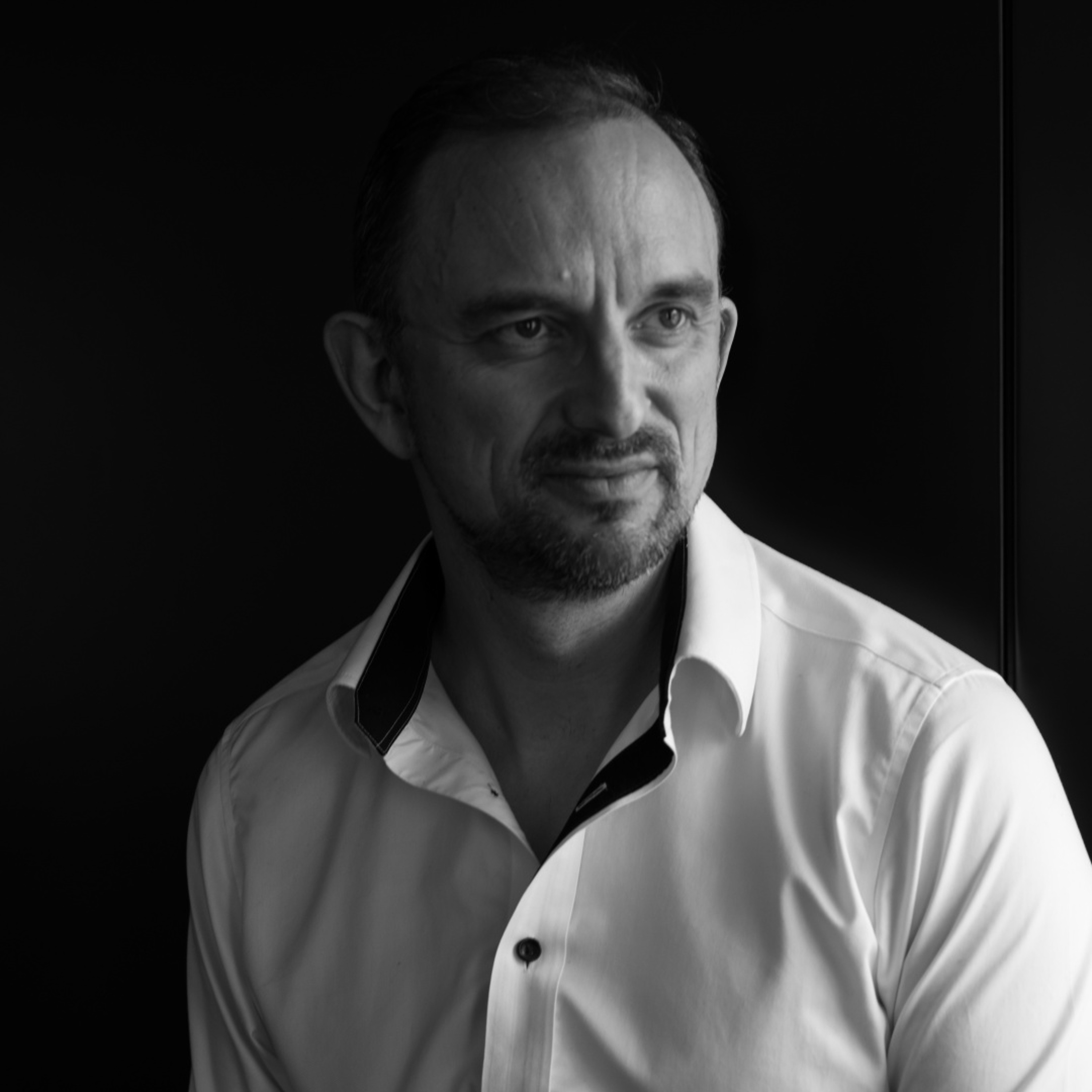
Pierre-Yves Calloc'h on AI-driven transformation and the future of consumer engagement
Apr 20, 202400:39:07Tap to summarizeI sat down with Pierre-Yves Calloc'h, Chief Digital Officer at Pernod Ricard, to discuss the company's journey in embracing AI, algorithms and automation to drive marketing effectiveness, sales performance, and consumer engagement. Pernod Ricard, known for its extensive portfolio of brands such as Absolut Vodka, Jameson, and Ballantine's, has been at the forefront of leveraging AI to make data-driven decisions and personalize consumer experiences.
Transcribe →