Podcast
Big Biology
Hosted by Cameron Ghalambor and Marty Martin · EN
The biggest biology podcast for the biggest science and biology fans. Featuring in-depth discussions with scientists tackling the biggest questions in evolution, genetics, ecology, climate, neuroscience, diseases, the origins of life, psychology and more. If it's biological, groundbreaking, philosophical or mysterious you'll find it
bigbiology.substack.com
bigbiology.substack.com
17episodes
Episodes
Newest firstAll episodes
A coevolutionary conundrum (Ep 152)
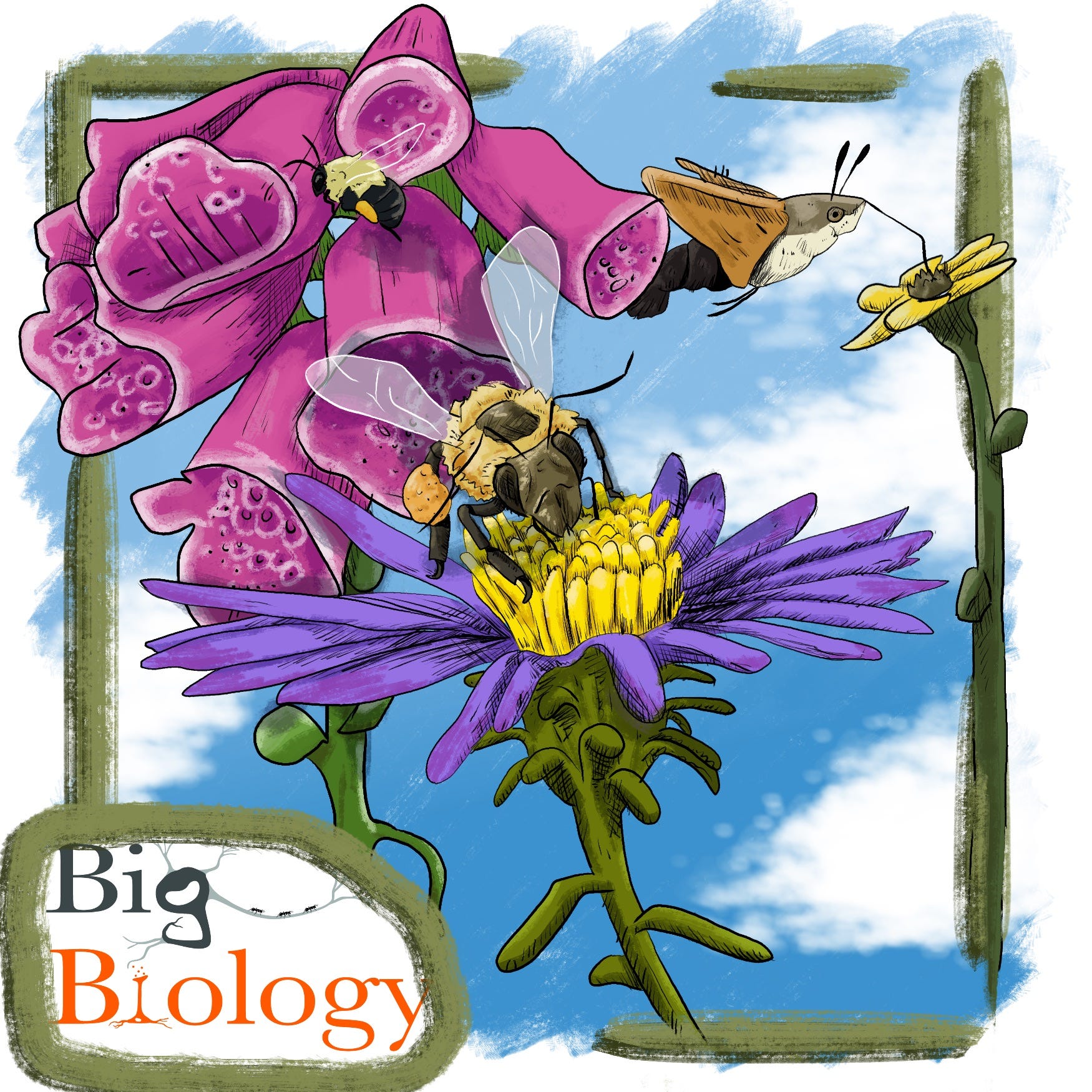
4w ago01:12:37Tap to summarizeWhen a bee visits a flower, what decides the match? How can a neutral model explain community assemblages? Why are long-term ecological studies so important?In this episode, we talk with Diego Vázquez, a community ecologist at CONICET in Mendoza, Argentina, who has spent his career mapping the networks of interaction between plants and pollinators. Textbooks still teach coevolution as tight, faithful pairs, but Diego’s work tells a different story, that specialists mostly interact with generalists, and the best predictor of pollinator visits to plants turns out to be not matching traits or shared ancestry but abundance. Much of the structure ecologists prize in these networks can emerge from “neutral” models that know only who is common and when. We dig into why predicting these interactions remains hard, what his twenty-years of data on declining solitary bees is showing, and what it takes to keep long-term ecology alive in Argentina after deep cuts to science funding.Cover art by Brianna Longo This is a public episode. If you'd like to discuss this with other subscribers or get access to bonus episodes, visit bigbiology.substack.com/subscribe
Transcribe →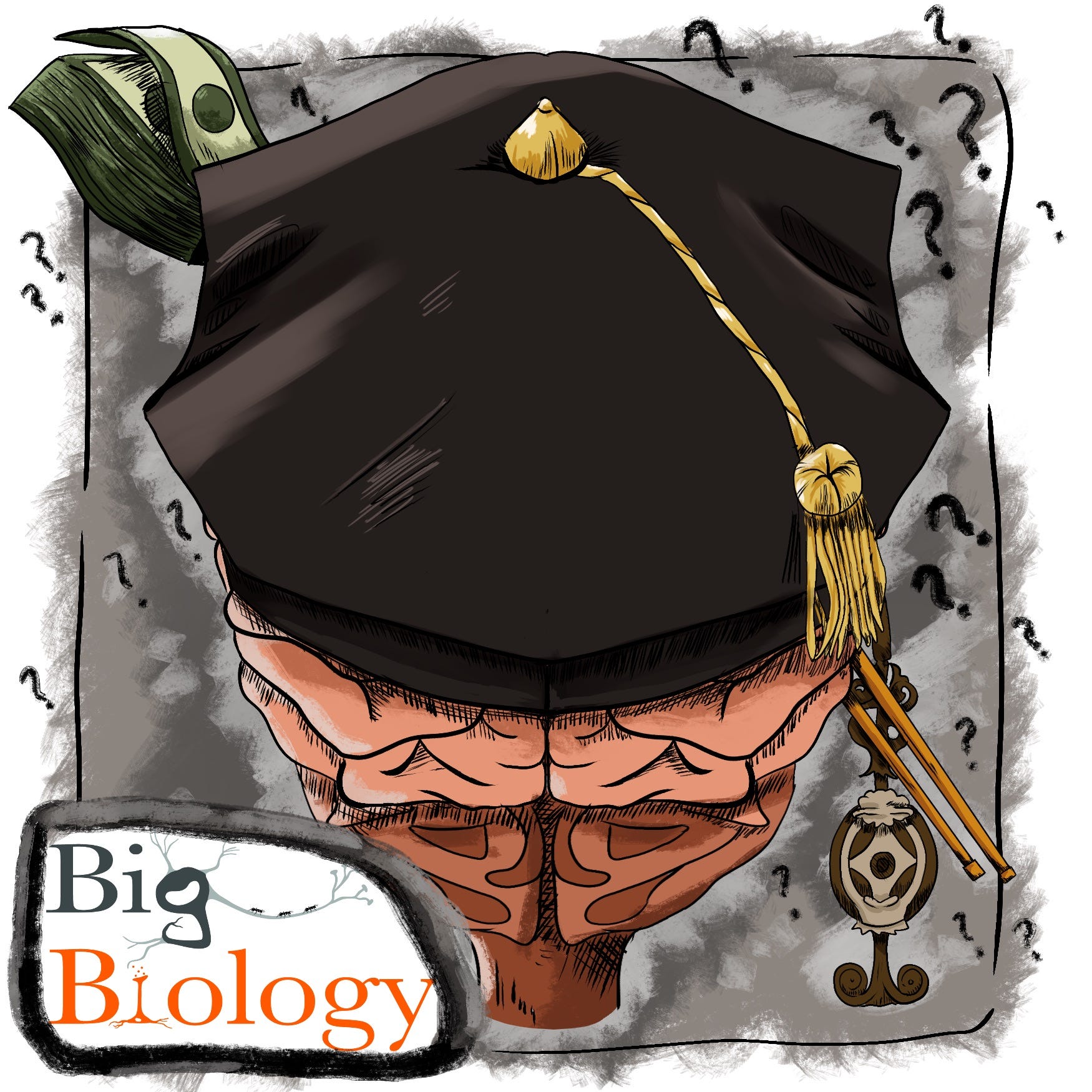
The cost of correctness (Ep 151)
Jul 200:48:41Tap to summarizeThis is a free preview of a paid episode. To hear more, visit bigbiology.substack.comWhat have so many influential scientists been at some time been ridiculed and disbelieved by their peers or institutions? What reforms could foster bolder and more innovative science?In this episode we talk with Matt Kaplan, a science correspondent at The Economist and author, about his most recent book I Told You So! Scientists Who Were Ridiculed, Exil…
Transcribe →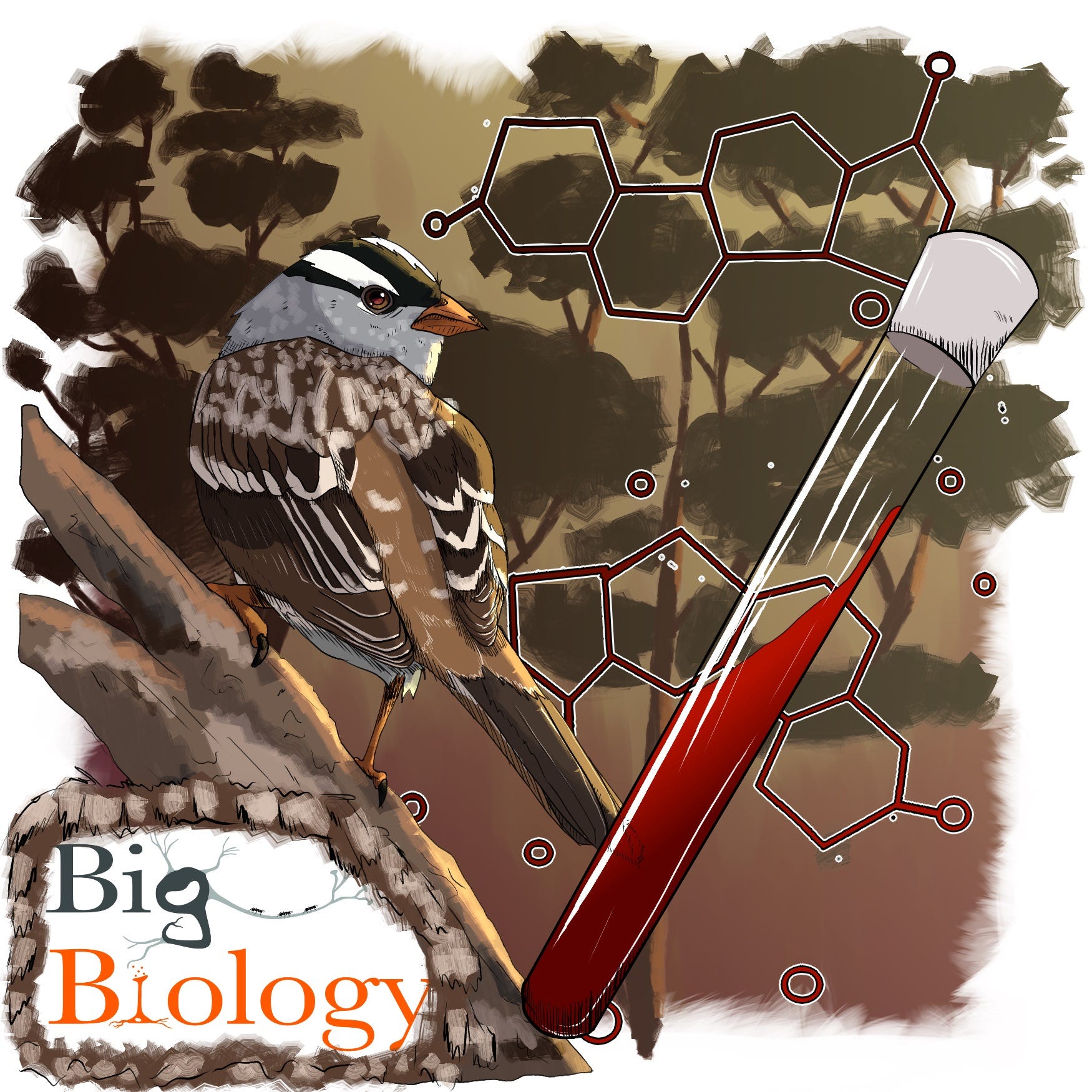
Hormones gone wild (Ep 150)
Jun 401:20:27Tap to summarizeHow do hormones help animals cope with stress, seasons, and climate change? What is allostasis?In this episode, our guest is John Wingfield, Emeritus Professor of Physiology and Behavior, at the University of California, Davis. John helped develop many fundamental hypotheses in the field of endocrinology through his work on wild bird populations, in particular the white-crowned sparrow. Fran Bonier, a former PhD student of John’s and now Professor of Biology at Queen’s University in Kingston, Ontario, also joined us for the chat.We talk with John about how he got interested in understanding wildlife endocrinology, and discuss how he helped formulate the “challenge hypothesis”, “emergency life history hypothesis”, and the concept of “allostasis”. And at the end, John gives some advice to early career researchers, based on his experience as the head of the Biology Directorate at the National Science Foundation.Cover art by Brianna Longo. This is a public episode. If you'd like to discuss this with other subscribers or get access to bonus episodes, visit bigbiology.substack.com/subscribe
Transcribe →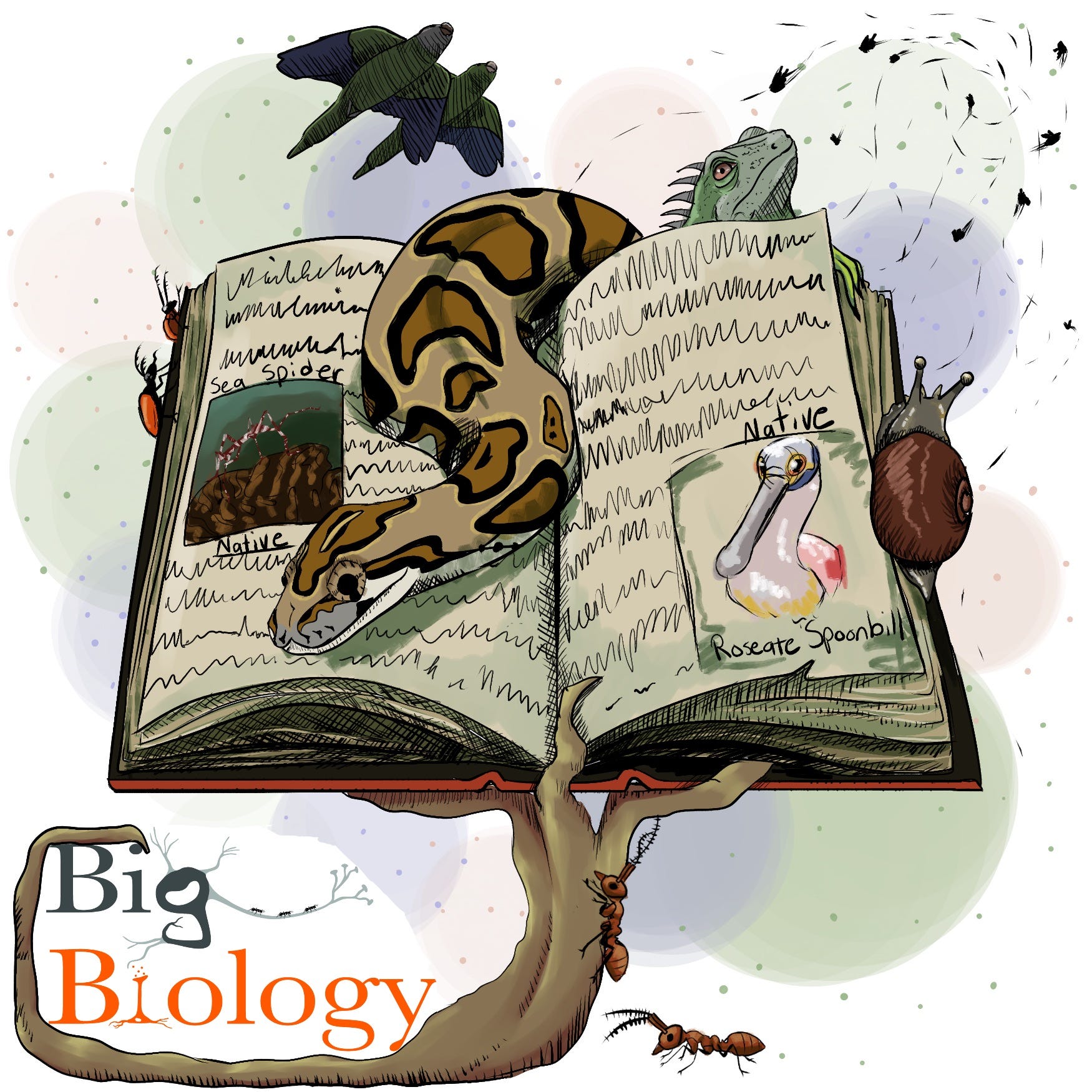
Invasion of the ecosystem snatchers (Ep 149)
May 1400:35:25Tap to summarizeThis is a free preview of a paid episode. To hear more, visit bigbiology.substack.comHow do you experimentally test theories of island biogeography? Who were the Tallahassee Mafia? Why do some introduced species become invasive and reshape ecosystems?On this episode, we bring you a live recorded conversation we had with Daniel (Dan) Simberloff at the Laurel Theater in Knoxville, Tennessee. Dan Simberloff is the Nancy Gore Hunger Chair o…
Transcribe →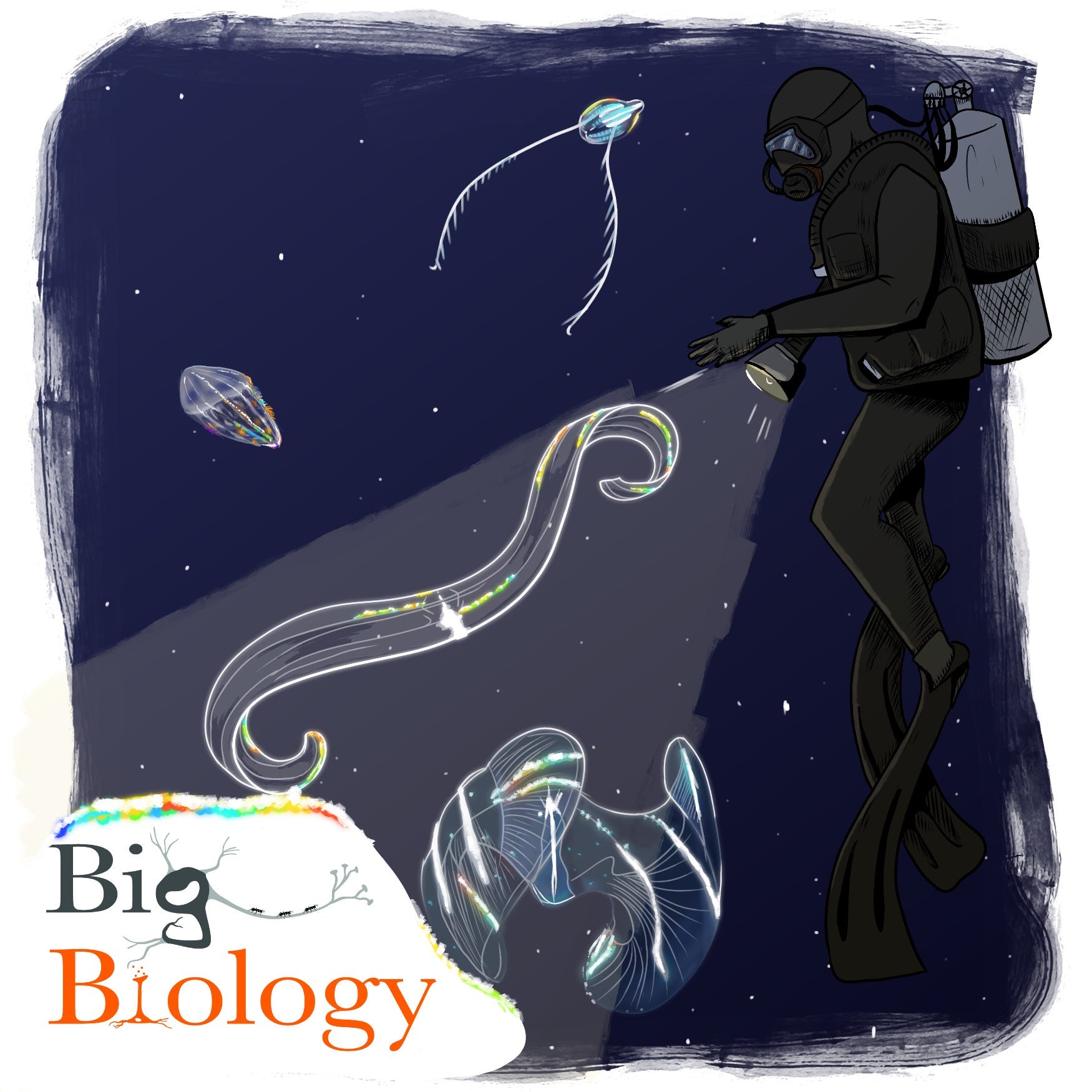
The Voracious Ctenophore and the Silent Sea (Ep 148)
Apr 2300:30:28Tap to summarizeThis is a free preview of a paid episode. To hear more, visit bigbiology.substack.comHow is climate change affecting the movements of small predators in the sea? How do diatoms affect ocean carbon cycling? How do Cassiopea jellyfish act like ecosystem engineers?On this episode, we bring you a live conversation from the recent University of South Florida Climate Teach-In where Marty interviewed his colleague, Associate Professor from the…
Transcribe →
The Genetics of Vice (Ep 147)
Apr 200:51:34Tap to summarizeThis is a free preview of a paid episode. To hear more, visit bigbiology.substack.comWhat role do genes play in complex human behaviors? If behavior is largely shaped by a combination of experience and luck, how should we rethink blame, punishment, and forgiveness?In this episode, we talk with Kathryn Paige Harden, a Professor of Psychology at the University of Texas at Austin, where she leads the Developmental Behavior Genetics lab and…
Transcribe →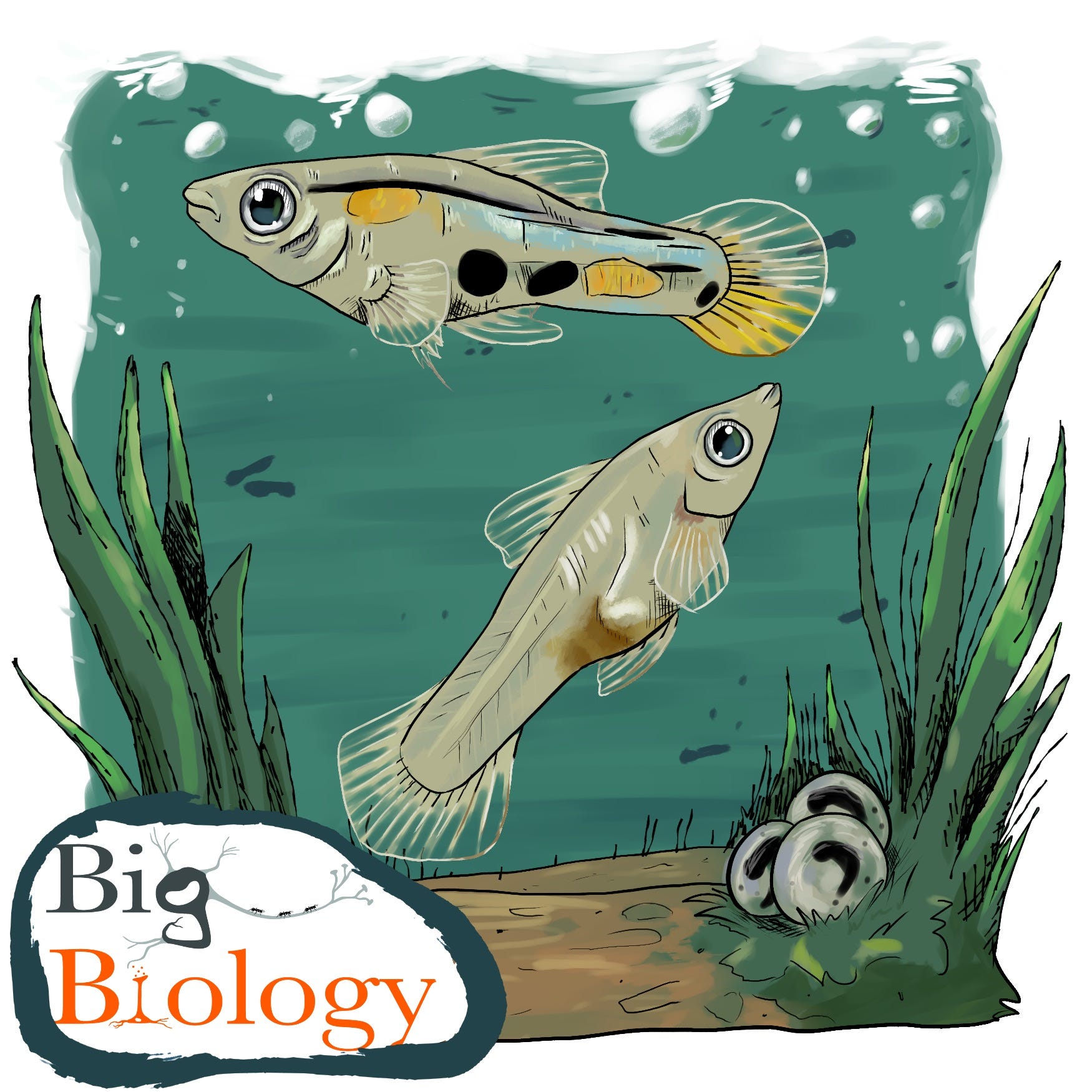
Evolution at the speed of life (Ep 145)
Feb 1200:32:04Tap to summarizeThis is a free preview of a paid episode. To hear more, visit bigbiology.substack.comWhat are eco‑evolutionary dynamics and how can we study them in the wild? Why do some fish evolve placentas?In this episode, we talk with David Reznick, Distinguished Professor of Biology at the University of California, Riverside. David has spent much of his career studying Trinidadian guppies to understand adaptation in the wild. In our conversation, …
Transcribe →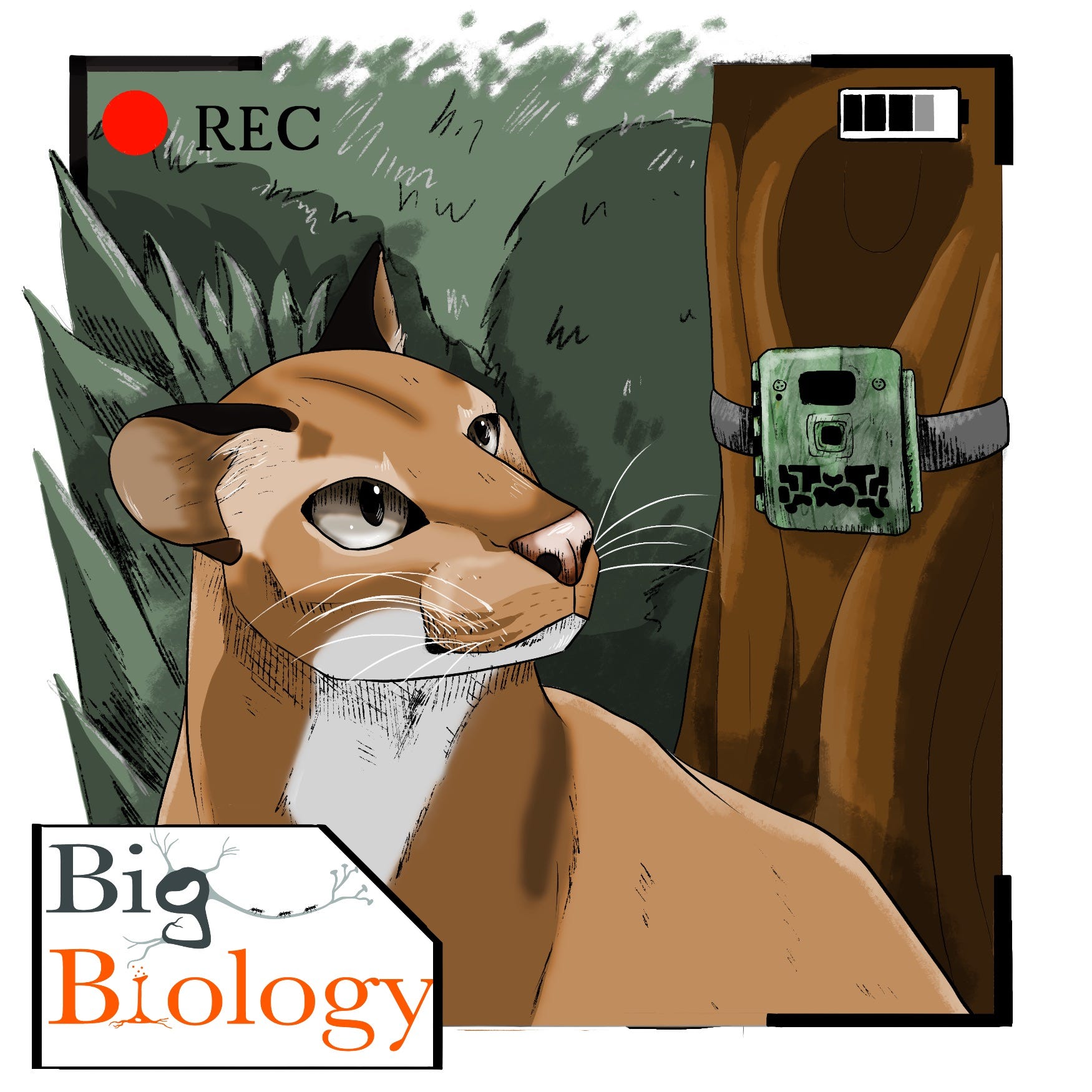
Heart of gold (Ep 144)
Jan 2200:32:52Tap to summarizeThis is a free preview of a paid episode. To hear more, visit bigbiology.substack.comHow are camera traps used in the conservation of cryptic species such as the African golden cat? How can local communities be engaged to foster the success of conservation?In this episode, we talk with Mwezi Mugerwa, winner of the 2025 Indianapolis Prize Emerging Conservationist, a National Geographic Explorer, and President of the Society for Conservat…
Transcribe →
The Vital Question: The Chemistry of Early Life
Jan 101:02:02Tap to summarizeHow did life originate on Earth? Why is it that eukaryotes but not bacteria or archaea evolved large size and complicated body forms? How likely is that life has arisen independently elsewhere in the universe?On this episode, we talk with Nick Lane, a biochemist and professor at University College London, about his 2015 book The Vital Question. Nick argues that protolife arose in alkaline hydrothermal vents deep in the early Earth’s oceans. The key early event was the evolution of metabolism powered by proton gradients. In other words, metabolism came first, and all of the rest of traits we think of as universal to life -- DNA, RNA, proteins, transcription, and translation -- came later. He also invokes an energetic perspective on the origin of eukaryotes, arguing that the acquisition of mitochondria distributed energy production through the cell volume, provided vastly more energy per gene, and allowed the dramatic expansion of eukaryotic genomes that in turn support the astonishing diversity of eukaryotic forms we see today.This episode was originally aired in October 2020. This is a public episode. If you'd like to discuss this with other subscribers or get access to bonus episodes, visit bigbiology.substack.com/subscribe
Transcribe →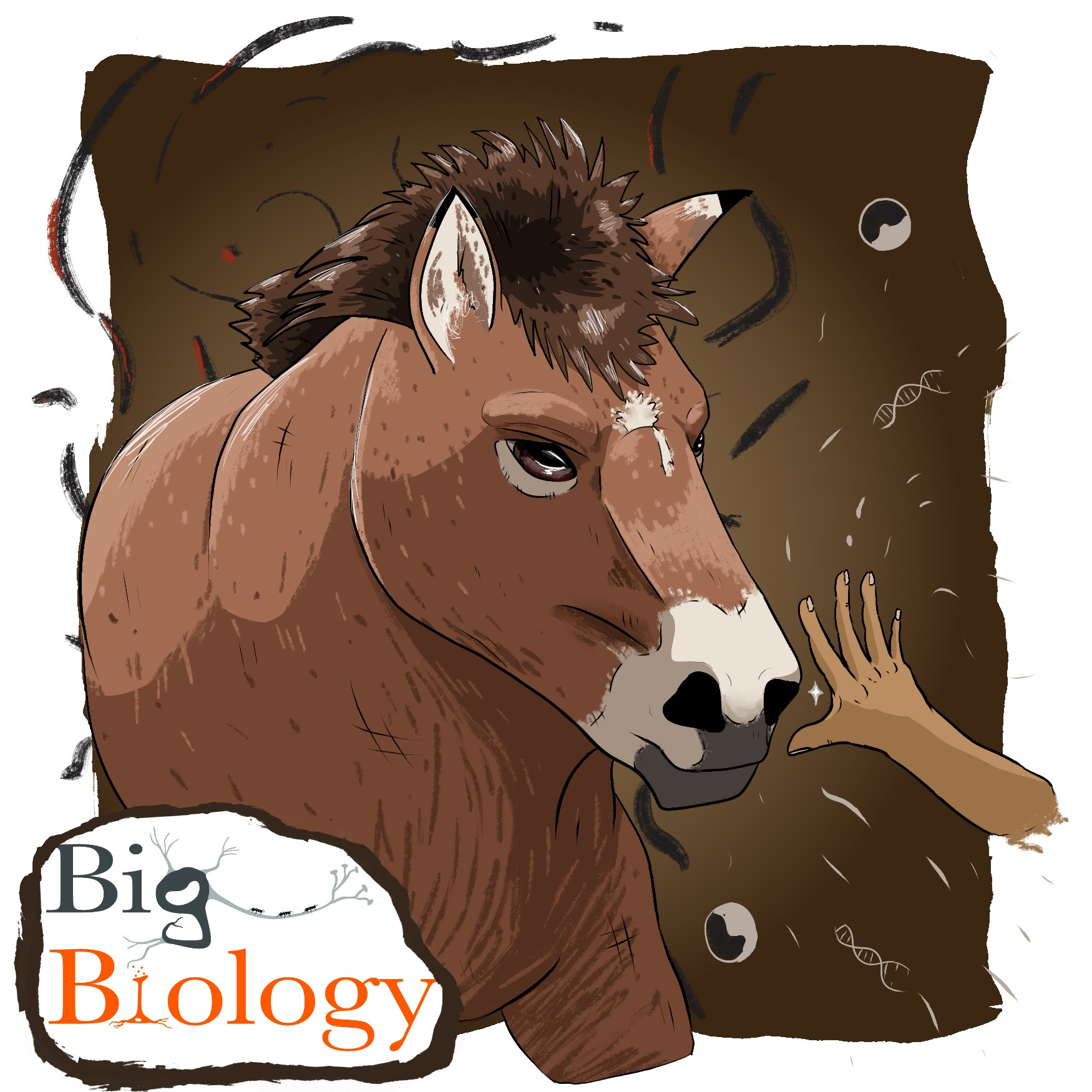
From Steppe to Stable (Ep 143)
Dec 1100:38:10Tap to summarizeThis is a free preview of a paid episode. To hear more, visit bigbiology.substack.comHow and when did humans domesticate the horse? How did horses shape our language, culture, and history?On this episode, we talk with Dr. Ludovic Orlando, a research director for the French National Center for Scientific Research and founding director of the Centre for Anthropobiology & Genomics of Toulouse. Ludovic is also the author of the new book Hor…
Transcribe →