
Podcast
Big Ideas
Hosted by ABC Australia · EN
Your front row seat to big thinkers at the best live events, forums, and festivals. Feed your mind. Be provoked. One big idea at a time. Your brain will love you for it.
We love hearing from you about the show or events you are planning. Get in touch!
Email: Bigideas@abc.net.au
SMS line for ABC Radio National: 0418 226 576
Airs Monday to Thursday 8pm, repeated Tuesday to Friday 12pm, on ABC Radio National.
104episodes
Episodes
Newest firstAll episodes
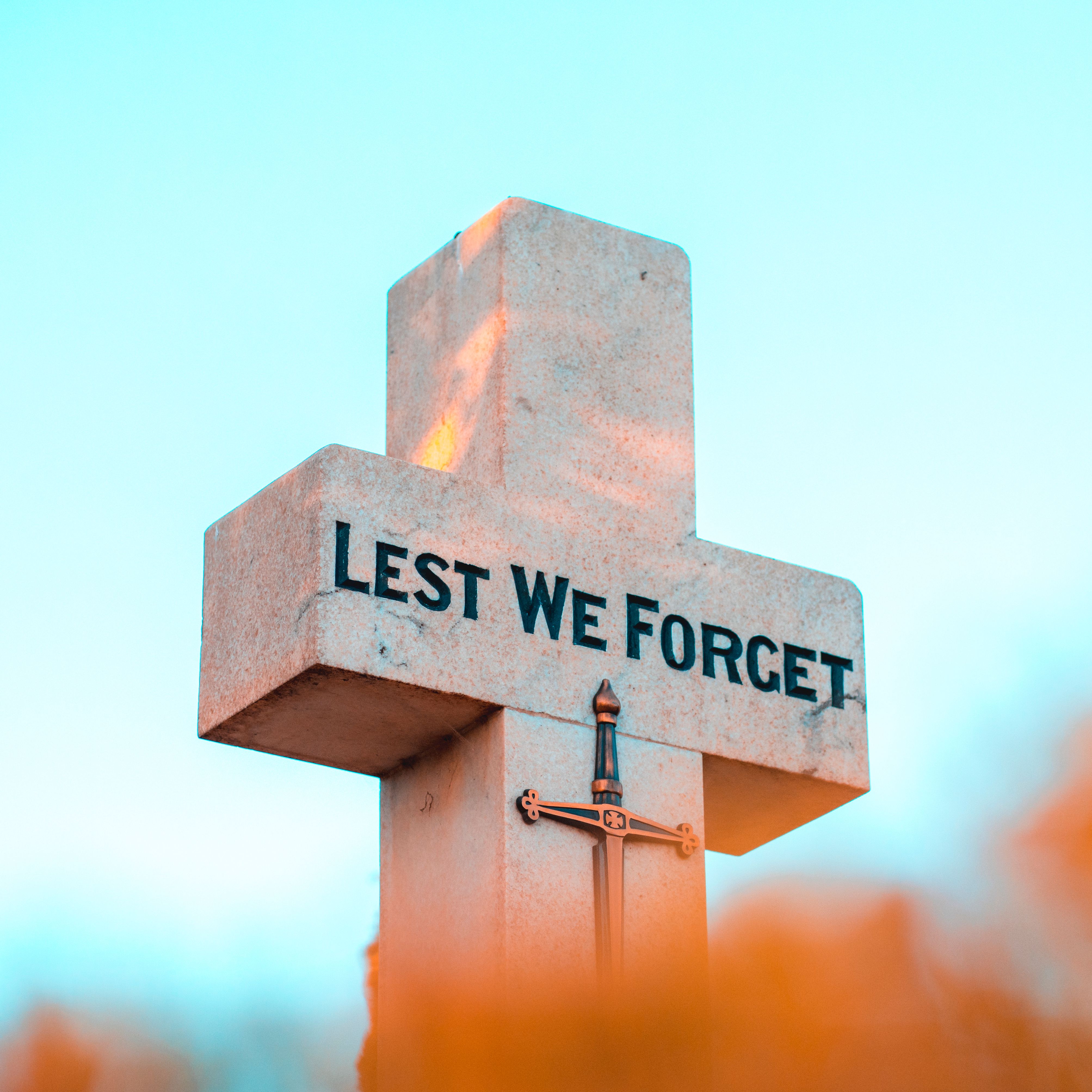
Australian war history — the past, present and future of remembrance. With Professor Peter Stanley
2d ago00:53:36Tap to summarizeFrom the Frontier Wars, to foreign wars experienced by migrant Australians, to the threat of Australia's involvement in future conflict, war means many different things to different people. So as Australian society evolves, should our culture of war commemoration change too? The 2026 Wilks Oration was recorded at the Effective Living Centre, at Christ Church Uniting in Wayville, Adelaide.Speakers:Professor Peter StanleyAuthor of more than 50 books including Beyond The Broken Years, Australian military history in 1000 books, Bad Characters (joint winner of the Prime Minister's Prize for Australian History in 2011) and moreFormer Research Professor at UNSW CanberraInaugural head of the Research Centre at the National Museum of AustraliaFormer principal historian at the Australian War Memorial in Canberra (1980-2007)Founding member and President of Defending Country
Transcribe →What Pacific peoples know about climate justice — and Australia still needs to learn
3d ago00:44:23Tap to summarizePacific communities have long led the global climate fight — not from the margins, but from the front. Australia's hopes of co-hosting COP31 alongside Pacific Island nations have been dashed. So, what does genuine partnership now look like and what does it demands of Australia? This live conversation was recorded at the 2026 WOMADelaide festival, produced and presented as part of their Planet Talks program, held on the traditional lands of the Guarna people.Listen to Big Ideas — Changing minds on climate changeSpeakersMoemoana Safaʻatoʻa SchwenkeSamoan climate activist, cultural ambassador, former Miss Samoa and Miss Pacific IslandsSalā Dr. George CarterHead of the Pacific Institute and Deputy Head of the Department of Pacific Affairs, Australian National University'Alopi LatukefuDirector Edmund Rice Centre for Justice & Community EducationTukini Tavui (host)CEO of the Pacific Islands Council of South Australia
Transcribe →
Gay rights pioneer Dennis Altman on five decades of activism, writing and social change
1w ago00:54:35Tap to summarizeHe was there at the birth of a movement. He's been a champion for the rights of gay people both in Australia and abroad ever since. The son of Jewish refugees, he's also been forced to reckon with other parts of his identity, especially since 7 October 2023. Dennis Altman looks back at 50 years of activism, writing, and social change.This event was recorded at the Williamstown Literary Festival on 13 June 2026.Speakers:Professor Dennis AltmanAuthor, Righting My World: Essays from the past half century, and many moreVice Chancellors Fellow at LaTrobe UniversityFormer President of the AIDS Society of Asia and the PacificPatron of the Australian Queer ArchivesPatron, the Pride FoundationSam Elkin (host)Author, Detachable Penis: A Queer Legal SagaHost, Queer View Mirror Triple R community radio stationFormer lawyer
Transcribe →Why didn't anyone tell me Australian history was ACTUALLY interesting!? Sita Sargeant, Santilla Chingaipe, Jacinta Mackay, Harini Rangarajan
1w ago00:54:37Tap to summarizeThink of a history textbook you had at school. Could you relate to the characters inside its pages? These women are proving Australian history contains multitudes. You just have to go looking for the version of Australia that never made it into the textbooks.Meet four women reshaping how and whose history is told. Hidden histories with a Wiradjuri woman and nurse turned oral historian, a South Indian finance student turned storyteller, a Zambian born film-maker and author, and the founder of She Shapes History. This event was hosted at the National Library of Australia in partnership with She Shapes History.SpeakersSita SargeantSocial entrepreneur, author, founder and CEO of She Shapes History2026 ACT Young Australian of the YearSantilla ChingaipeZambian-born filmmaker, historian and author of Black Convicts - how slavery shaped AustraliaHost of the SBS documentary Our African RootsHost of monthly literary and listening events in Melbourne. Find more information at firstchapterpresentsJacinta MackayWiradjuri woman, nurse, researcher and oral historian completing her PhDLecturer, University of Sydney School of Nursing2024 National Library ScholarHarini RangarajanChennai-born, Canberra-raised storyteller, archivist and musicianACT Greens candidateFurther information:Relevant reading notes and tips for this event if you're interested to discover more.
Transcribe →What does 'being a man' look like — today?
1w ago00:55:05Tap to summarizeThe conversation around men's mental health, identity and emotional lives is changing. Literature is one of the places where that shift is happening. On the page, writers are exploring what it costs men to conform, to hide, to perform strength they don't always feel.Masculinity and Mental Health was presented at the Newcastle Writers Festival.Listen to Big Ideas: The radicalisation of boys — Jess Hill, George Megalogenis, Thomas Mayo with Natasha Mitchell at Byron Writers FestivalSpeakersTyree BarnetteAuthor of Stolen Man on Stolen Land: Being African-American in AustraliaBrandon JackFormer AFL player and author of Pissants and 28: A memoir of football, addiction, art, masculinity and loveAndrew PipposAuthor of The Transformations and Lucky'sMichael Williams (host)Editor of The Monthly
Transcribe →Could the 21st century be the greatest age of exploration in the history of humankind? Ocean explorer Terry Garcia thinks so
1w ago00:49:03Tap to summarizeThe ocean sustains all life on Earth, yet we know remarkably little about it. Now, because of technological advances, we could be on the cusp of a new age of exploration. But the ocean is in trouble.As National Geographic's Chief Science and Exploration Officer and deputy administrator for the US National Oceanic and Atmospheric Administration, Terry Garcia has seen the worst humans can inflict on the environment, working on responses to major disasters the Exxon Valdez oil spill in Alaska and BP's Deepwater Horizon oil spill in the Gulf of Mexico. He says that in order to save the ocean, we need to understand it, and in order to understand it, we need to explore it.The 2026 Talbot Oration was recorded at the Australian Museum on 4 June.Speakers:Terry GarciaPresident of Exploration VentureFormer Executive Vice President and Chief Science and Exploration Officer for the National Geographic SocietyFormer Deputy Administrator for the National Oceanic and Atmospheric Administration (NOAA)Kim McKay (host)Director and Chief Executive of the Australian Museum
Transcribe →
On how fear destroys your relationships — and why love can heal fear
2w ago00:54:35Tap to summarizeIt's the greatest power you all have as human beings — a healing power: to make others feel safe and welcome. It's so powerful because it puts a stop to their fears. The way to do this is learning to regulate your own fear responses. It's crucial to any relationship, but nowhere more so than in the therapy room. Fear makes or breaks successful therapy.Recorded at the York Festival of Ideas and presented by the Complex Trauma Institute. The festival is led by the University of York, UK.SpeakerMichael GuildingAuthor of Fear in the Therapy Room. A survival guide for working with complex traumaRetired counsellor and clinical psychotherapist
Transcribe →
Angertainment — is it too late to escape the rage bait machine, and why are its roots ancient and evolutionary? With Ed Coper
2w ago01:01:38Tap to summarizeIs it too late to escape the rage bait machine? And why are its roots ancient and evolutionary? Leading strategist Ed Coper has used all the tricks of the trade to change hearts and minds. He's run some of Australia's and the world's most effective campaigns, advised change-makers like Sir Richard Branson, Shakira, Greta Thunberg, Malala Yousafzai and other Nobel Laureates. Now Ed is ringing an alarm bell in a new book called Angertainment: How Social Media Outrage Ruined Everything.This event was held at The Wheeler Centre, Australia's first dedicated centre for Books, Writing and Ideas, and was supported by RMIT University. Explore more discussions like this one on The Wheeler Centre podcast — available wherever you listen to podcasts. Follow @wheelercentre on the socials for updates.Speakers:Ed CoperCommunications strategistCEO, PopularesAuthor, Angertainment: How Social Media Outrage Ruined Everything (2026), Facts and Other Lies: Welcome to the Disinformation Age (2022)Sushi Das (host)Journalist, lecturer, and former Chief of Staff of RMIT Fact Check, RMIT University
Transcribe →Globalisation and geopolitics – the forces that will make or break Asia
2w ago00:54:06Tap to summarizeGlobalisation has powered the extraordinary economic rise of Asia. But the same components that built this success — open trade, deep supply chains, interdependence — are now fuelling the rivalries threatening to pull the region apart. Globalisation and geopolitics are now moving in different directions, and it will define the future of Asia and the role Australia plays in the region. Speakers Professor Nick Bisley Pro Vice-Chancellor Research and Professor of International Relations at La Trobe University Author of the book Asian Crucible, Globalization, Geopolitics and the Contest for the FutureDr Michael Green (host) CEO United States Studies Centre
Transcribe →
Calling out wrongdoing can come at a cost — here's how Australia can strengthen its whistleblowing laws
2w ago00:53:15Tap to summarizeFrom Robodebt to the banks, KPMG to the NDIS, whistleblowers have exposed egregious cases of corruption and misconduct. But it's often come at great personal cost, including risks to personal safety, liberty, relationships and reputations. So how could Australia's whistleblower protections be strengthened so that more people speak up when they witness wrongdoing?This event was recorded at the Centre for Ideas at the University of New South Wales on 16 June 2026.Speakers:Kieran PenderAssociate Legal Director of the Human Rights Law CentreFounder, The Whistleblower ProjectGabriel ShiptonFilm maker, storyteller, human rights advocate, co-leader of the campaign to free WikiLeaks founder Julian AssangeFounder, The Information Rights ProjectLenore Taylor (host)Former editor, Guardian Australia
Transcribe →