Podcast
Big Take Asia
Hosted by Bloomberg · EN
We’re taking The Big Take to Asia. Each week, Bloomberg’s Oanh Ha tells a story from the home of the world's most dynamic economies - and the markets, tycoons and businesses that drive the ever-shifting region.
48episodes
Episodes
Newest firstAll episodes
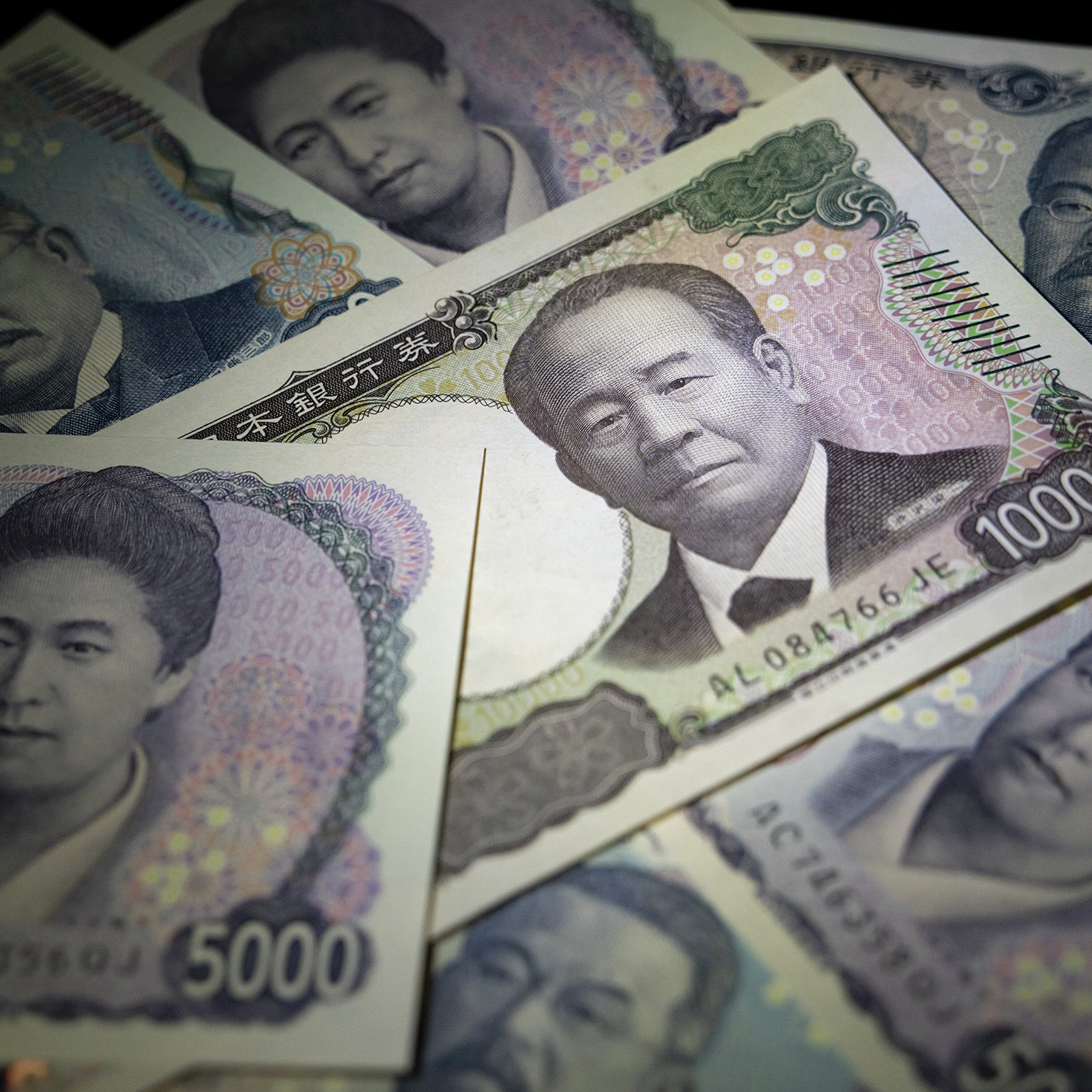
Why a Weak Yen Is America’s Problem
2w ago00:17:54Tap to summarizeAs the Japanese yen hit a 40-year low against the US dollar, Japan's government stepped in to support its currency. And it has a powerful ally in US President Donald Trump, who is putting the US financial might behind the historic currency intervention in what he called a “signal of friendship.” On today’s Big Take Asia podcast, host K. Oanh Ha sits down with chief Asia foreign exchange correspondent Ruth Carson to unpack how the yen fell so far, what it could take to get it back on track and what’s at stake for the global economy. Read more: Bessent Says Yen Level Problem for Japan, Other Currencies Further listening: Carry Trades, Explained Could the Chinese Yuan Ever Replace the US Dollar? We have a special Bloomberg subscription offer for podcast listeners at Bloomberg.com/podcastoffer. Hosted by K. Oanh Ha; Produced by Naomi Ng, Yang Yang, Rachael Lewis-Krisky and Victor Swezey; Reported by Ruth Carson; Edited by Paddy Hirsch and Tracey Samuelson. Fact-checking by Victor Swezey; Engineering by Emma Munger and Taka Yasuzawa. Senior Producer: Naomi Shavin; Deputy Executive Producer: Julia Weaver. Executive Producer: Nicole Beemsterboer.See omnystudio.com/listener for privacy information.
Transcribe →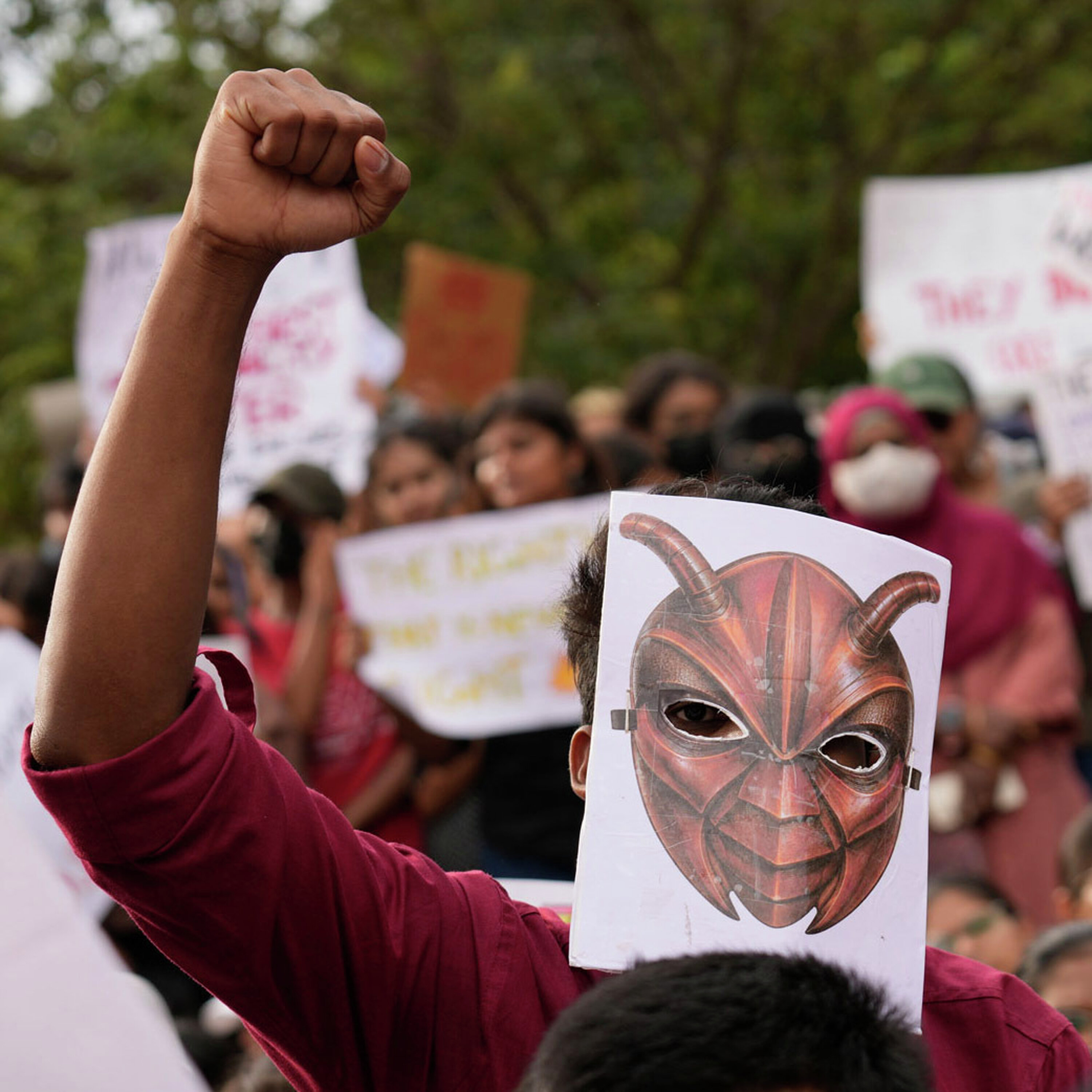
How India’s Cockroach Party Became a Political Force
3w ago00:18:24Tap to summarizeWeeks of student-led protests forced the resignation of India’s education minister, in a rare public setback for Prime Minister Narendra Modi. On today’s Big Take Asia podcast, guest host Rebecca Choong Wilkins and Bloomberg reporter Atul Dev discuss how India’s cockroach movement grew from a satirical online joke into a powerful anti-Modi protest and why its economic grievances resonate so deeply among young Indians at this moment. Read more: Awakened Indian Students Hand Modi One of His Biggest SetbacksIndia Youth Protests End as Modi Bows to Group’s Demands Hosted by Rebecca Choong Wilkins; Produced by Naomi Ng; Reported by Atul Dev; Edited by Jeffrey Grocott, Paddy Hirsch and Julia Weaver. Fact-checking by Rachael Lewis-Krisky and Julia Press; Engineering by Taka Yasuzawa, Alex Sugiura, Emma Munger Senior Producer: Naomi Shavin; Deputy Executive Producer: Julia Weaver. Executive Producer: Nicole Beemsterboer.See omnystudio.com/listener for privacy information.
Transcribe →
Almost $1 Billion Later, the US Still Can’t Manufacture Medical Gloves
3w ago00:16:22Tap to summarizeAfter the pandemic-era run on medical gloves, the US government set a plan in motion to reshore manufacturing. Roughly six years and almost $1 billion later, America is once again facing potential shortages of medical gloves because of supply chain disruptions stemming from the war in Iran. On today’s Big Take podcast, host Sarah Holder and health care industry reporter Anna Edney break down why US efforts to make American medical gloves have largely failed, what it says about reshoring manufacturing writ large and where the industry goes from here. Read more: Almost $1 Billion Later, the US Still Can’t Make a Medical Glove We have a special Bloomberg subscription offer for podcast listeners at Bloomberg.com/podcastoffer. Hosted by Sarah Holder; Produced by Laura Newcombe and Rachael Lewis-Krisky; Reported by Anna Edney; Edited by Naomi Shavin. Fact-checking by Victor Swezey; Engineering by Sean Carter. Senior Producer: Naomi Shavin; Deputy Executive Producer: Julia Weaver. Executive Producer: Nicole Beemsterboer.See omnystudio.com/listener for privacy information.
Transcribe →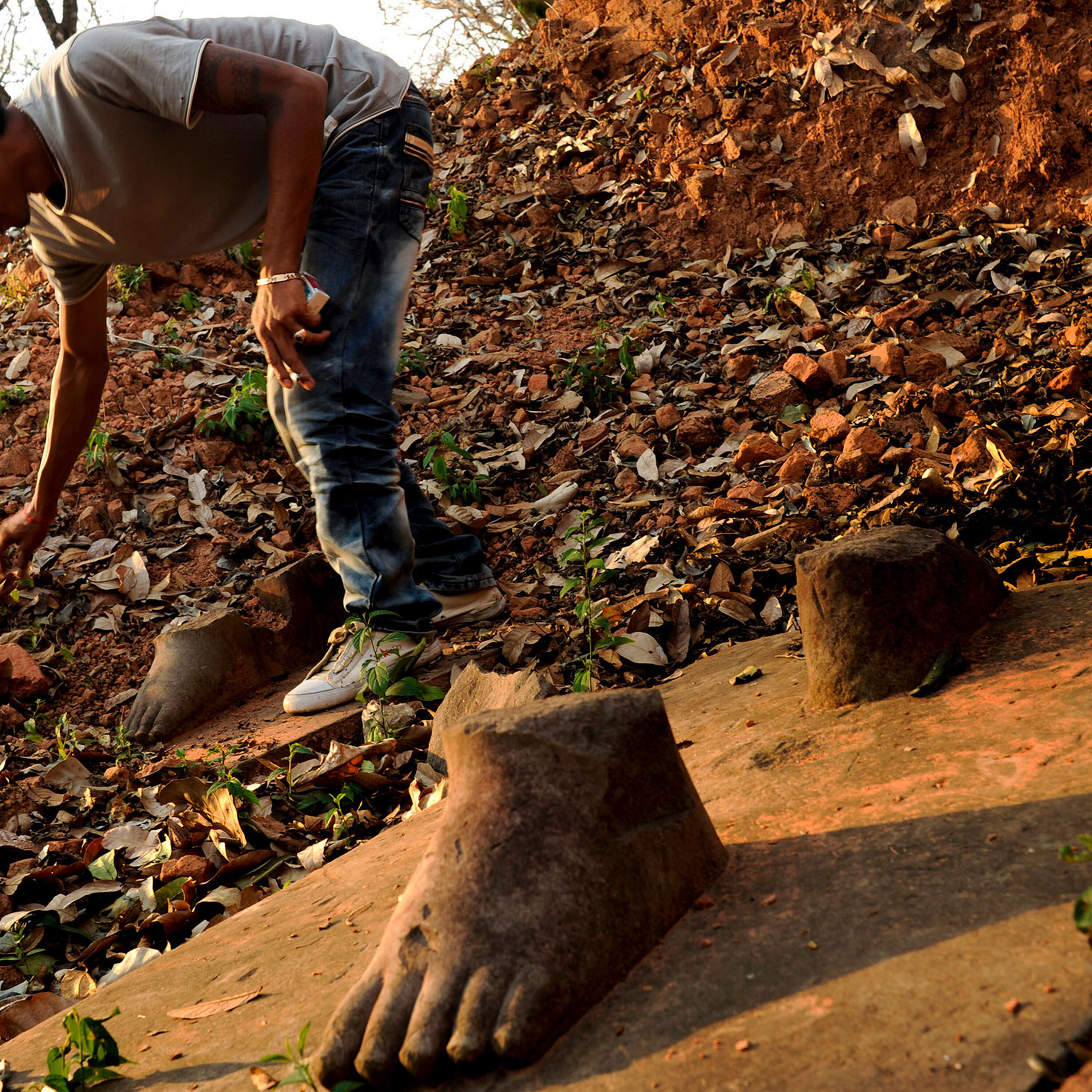
Chasing the Ancient Stolen Statues of Cambodia
4w ago00:20:13Tap to summarizeWhen a 1,000-year-old Cambodian statue came up for auction at Sotheby’s in New York, it sparked off an investigation that uncovered one of the world’s most extensive art trafficking networks. On today’s Big Take Asia Podcast, host K. Oanh Ha talks to Bloomberg’s Matthew Campbell and American lawyer Bradley Gordon on how Cambodia’s looted treasures ended up scattered around the world and what it takes to bring them home. Read more: Chasing the Man Who Stole the Gods Watch, from Originals: Cambodia to Museums: We Want Our Statues Back We have a special Bloomberg subscription offer for podcast listeners at Bloomberg.com/podcastoffer. Hosted by K. Oanh Ha; Produced by Naomi Ng; Reported by Matthew Campbell; Edited by Aaron Edwards. Fact-checking by Victor Swezey and Yang Yang; Engineering by Taka Yasuzawa and Emma Munger. Senior Producer: Naomi Shavin; Deputy Executive Producer: Julia Weaver. Executive Producer: Nicole Beemsterboer. Photo by Agnes Dherbeys/The New York Times/ReduxSee omnystudio.com/listener for privacy information.
Transcribe →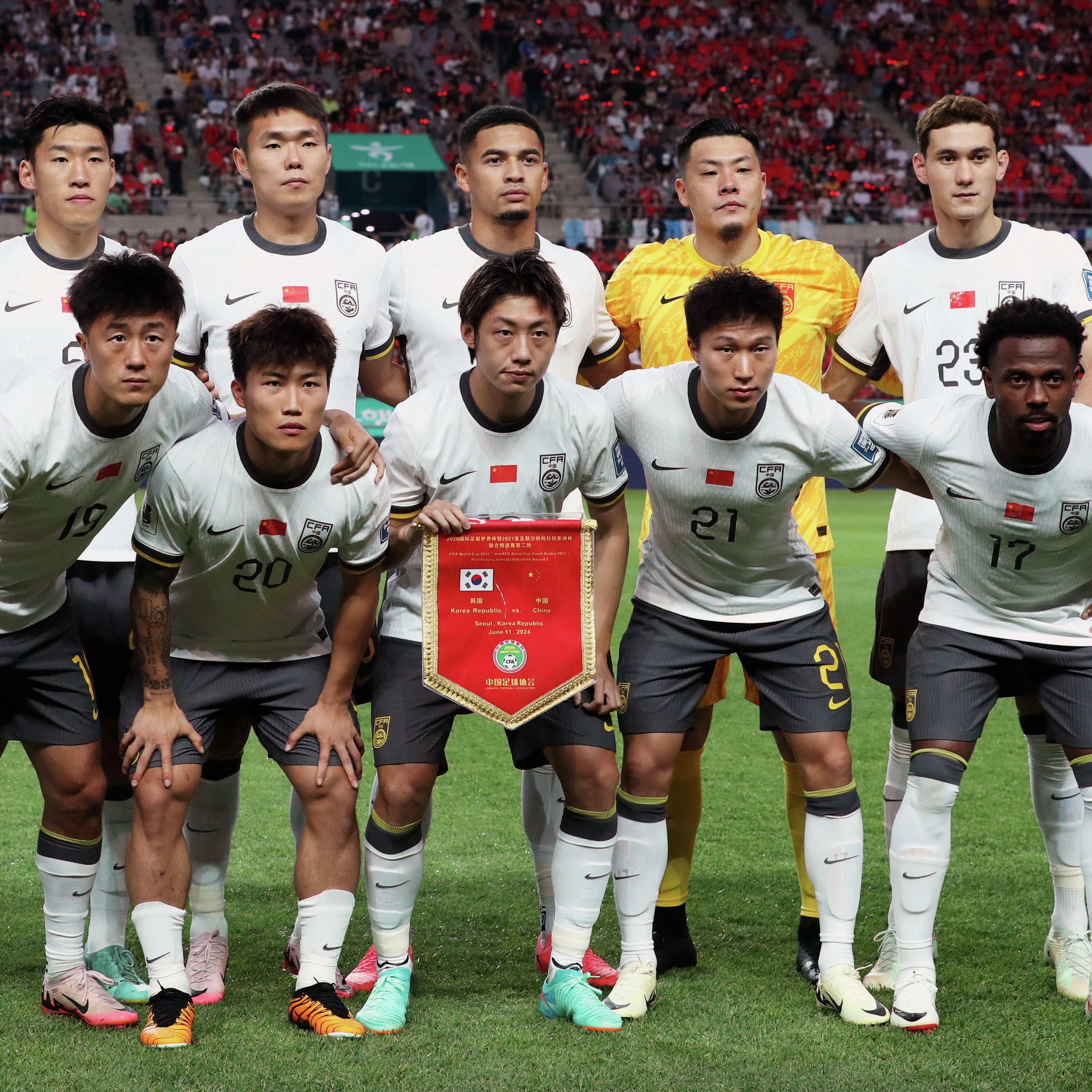
Xi Jinping Loves Soccer. Why Is China’s Team So Bad?
Jul 1400:19:12Tap to summarizeChina’s men’s soccer team has qualified for the World Cup just once, despite millions in investment and a personal push from President Xi Jinping to turn the nation into a footballing powerhouse. On today’s Big Take Asia podcast, host Oanh Ha speaks with Eric Zhu of Bloomberg Economics and Mark Dreyer, sports writer and author of Sporting Superpower, about why the country’s top-down engineering approach fails to capture the grassroots magic of the game and how academic pressure continues to push many young players off the field. We have a special Bloomberg subscription offer for podcast listeners at Bloomberg.com/podcastoffer. Hosted by Oanh Ha; Produced by Yang Yang and Naomi Ng; Edited by Patrick Hirsch, Julia Weaver; Fact-checking by Julia Press; Engineering by Taka Yasuzawa Deputy Executive Producer: Julia Weaver. Executive Producer: Nicole Beemsterboer.See omnystudio.com/listener for privacy information.
Transcribe →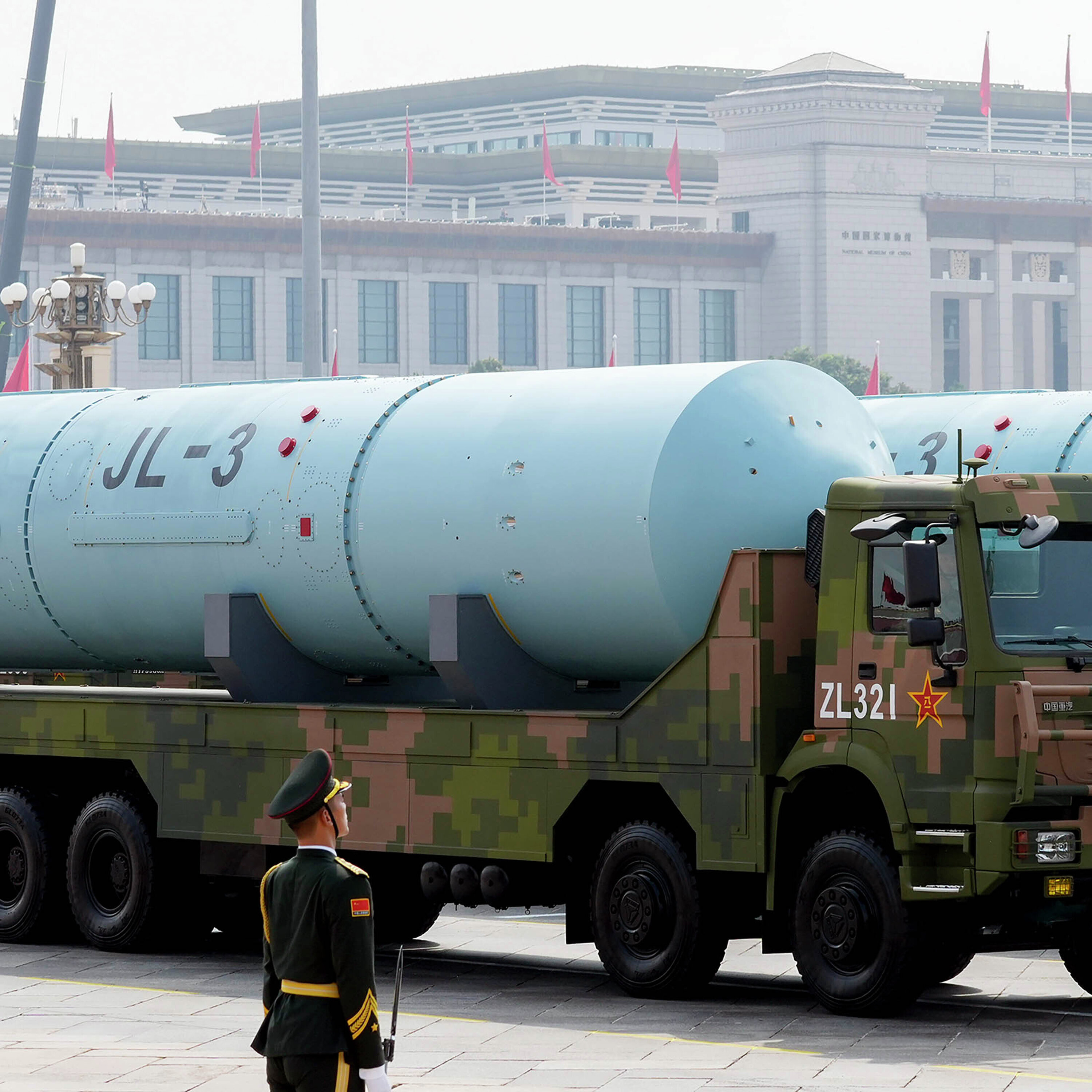
Why China Is Flashing Its Military Muscle
Jul 700:18:52Tap to summarizeChina rattled neighbors from Japan to Australia on Monday by test-launching a long-range ballistic missile from a nuclear submarine in the Pacific Ocean. While such launches are rare, the latest test reflects Beijing’s increasing openness about its growing military strength. On today’s Big Take Asia podcast, Rebecca Choong Wilkins, who covers Asian government and politics, joins host K. Oanh Ha to discuss the surprise launch, China’s expanding arsenal and what they reveal about Beijing’s military aspirations for 2027 and beyond. Read more: China’s ICBM Tests Point to New Normal Rattling the Pacific China Holds Rare Test of Sub-Launched Missile in Pacific Ocean China’s Secretive Missile Program Is Making Dozens of Companies Rich We have a special Bloomberg subscription offer for podcast listeners at Bloomberg.com/podcastoffer. Hosted by K. Oanh Ha; Produced by Naomi Ng and Rachael Lewis-Krisky; Reported by Rebecca Choong Wilkins; Edited by Jeffrey Grocott, John Liu and Julia Weaver; Fact-checking by Julia Press, David Fox and Yang Yang; Engineering by Taka Yasuzawa and Alex Sugiura. Senior Producer: Naomi Shavin; Deputy Executive Producer: Julia Weaver. Executive Producer: Nicole Beemsterboer.See omnystudio.com/listener for privacy information.
Transcribe →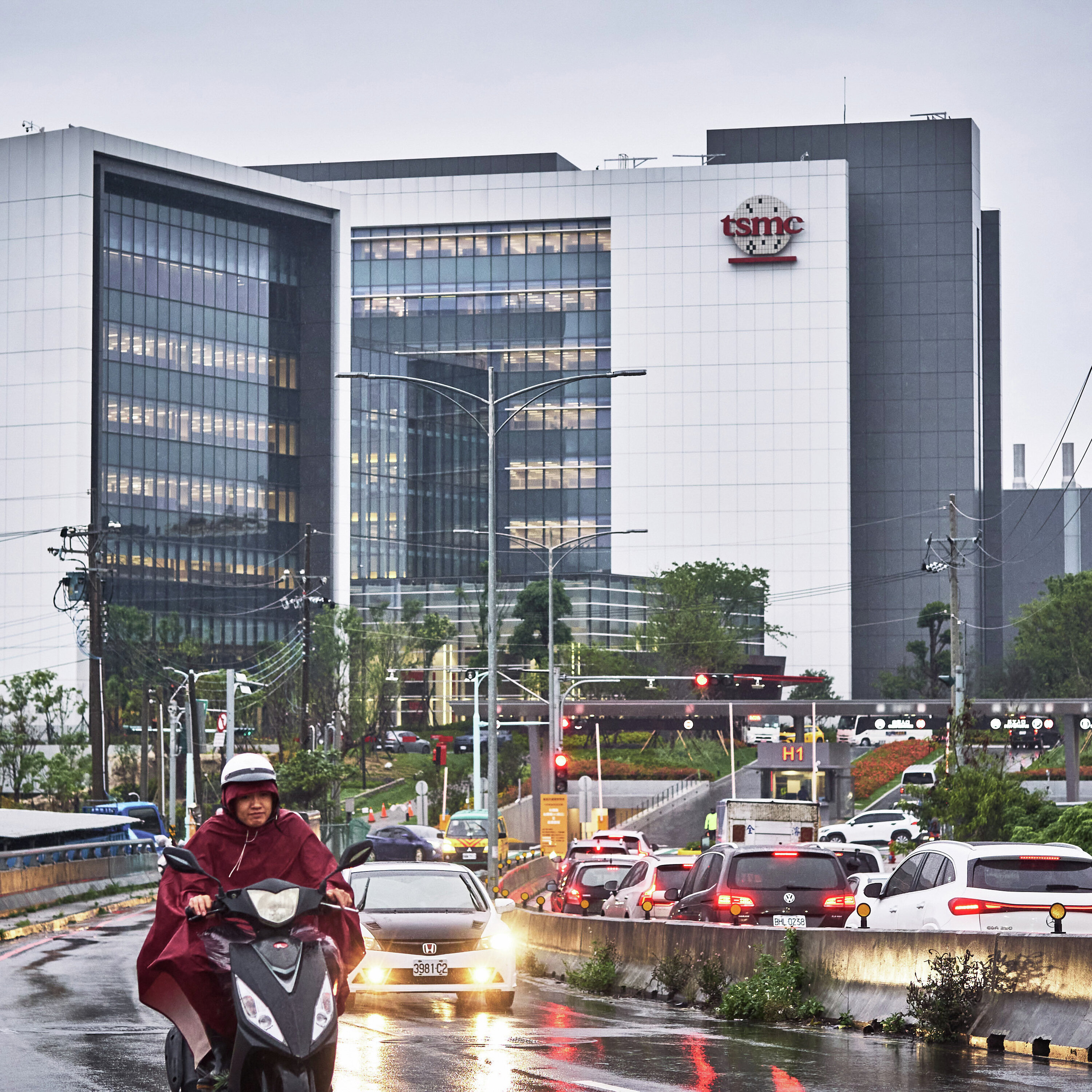
Asia’s AI Stock Frenzy Is a Warning Sign for Global Markets
Jun 3000:17:29Tap to summarizeThanks to the AI boom, stock markets in Taiwan and South Korea have seen historic rallies this year. But as retail investors pile in, often using borrowed money, concerns are growing over whether this momentum is sustainable. On today’s Big Take Asia podcast, guest host Rebecca Choong Wilkins speaks with Bloomberg’s Asian markets reporter Charlotte Yang and Bloomberg Opinion’s Shuli Ren about the risks of betting on AI and how potential fallout could ripple beyond the region. Read more: Taiwanese Go Deep Into Debt to Amp 100% Stock Rally Play Micron, Hynix and Samsung ETFs at Your Peril Hosted by Rebecca Choong Wilkins; Produced by Naomi Ng; Reported by Charlotte Yang, Shuli Ren, Chien-Hua Wan; Edited by Paddy Hirsch, Jiyeun Lee, Julia Weaver. Fact-checking by Victor Swezey; Engineering by Taka Yasuzawa. Senior Producer: Naomi Shavin; Deputy Executive Producer: Julia Weaver. Executive Producer: Nicole Beemsterboer.See omnystudio.com/listener for privacy information.
Transcribe →
China’s Instagram Gets Ready to Go Public
Jun 2300:18:45Tap to summarizeAfter more than a decade as a private company, Chinese social media app Xiaohongshu, known internationally as RedNote, is testing China’s mood for all things tech with its plan to list in Hong Kong. On today’s Big Take Asia podcast, host K. Oanh Ha speaks with Bloomberg Intelligence’s Robert Lea about why the time may be right for an IPO and what Xiaohongshu's debut says about the future of China’s tech industry. Read more: Xiaohongshu Is Said to Ready Hong Kong IPO Filing This MonthSee omnystudio.com/listener for privacy information.
Transcribe →
The Iran War’s Lasting Scars Across Asia
Jun 1600:20:04Tap to summarizeAn interim deal to reopen the Strait of Hormuz offers relief, but Asia’s economic woes are far from over. Beyond the chokepoint, the conflict has forced long-lasting shifts in Asia’s food and energy flows. On today’s Big Take Asia podcast, Oanh Ha joins Odd Lots co-hosts Tracy Alloway and Joe Weisenthal to discuss why Asia is reeling from the conflict and what the “new normal” looks like for global supply chains. Hosted by Oanh Ha; Produced by Yang Yang; Reported by Tracy Alloway, Joe Weisenthal; Edited by Patrick Hirsch, Julia Weaver. Fact-checking by Laura Newcombe; Engineering by Taka Yasuzawa. Senior Producer: Naomi Shavin; Deputy Executive Producer: Julia Weaver. Executive Producer: Nicole Beemsterboer.See omnystudio.com/listener for privacy information.
Transcribe →
China Tightens Its Grip on Billions in Offshore Wealth
Jun 900:18:46Tap to summarizeOffshore trading has long given Chinese investors access to global markets — often through legal gray areas. Now, Beijing is stepping in with its biggest crackdown in decades. On today’s Big Take Asia Podcast, host K. Oanh Ha speaks with Bloomberg’s Lulu Chen about the sweeping restrictions and why Beijing is tightening controls over money leaving the country. We have a special Bloomberg subscription offer for podcast listeners at Bloomberg.com/podcastoffer. Read more: China Targets Offshore Billions in Biggest Crackdown in Decades Hosted by K. Oanh Ha; Produced by Naomi Ng, Yang Yang; Reported by Lulu Chen; Edited by Paddy Hirsch. Fact-checking by Rachael Lewis-Krisky, Laura Newcombe; Engineering by Taka Yasuzawa. Senior Producer: Naomi Shavin; Deputy Executive Producer: Julia Weaver. Executive Producer: Nicole Beemsterboer.See omnystudio.com/listener for privacy information.
Transcribe →