← BiggerPockets Real Estate Podcast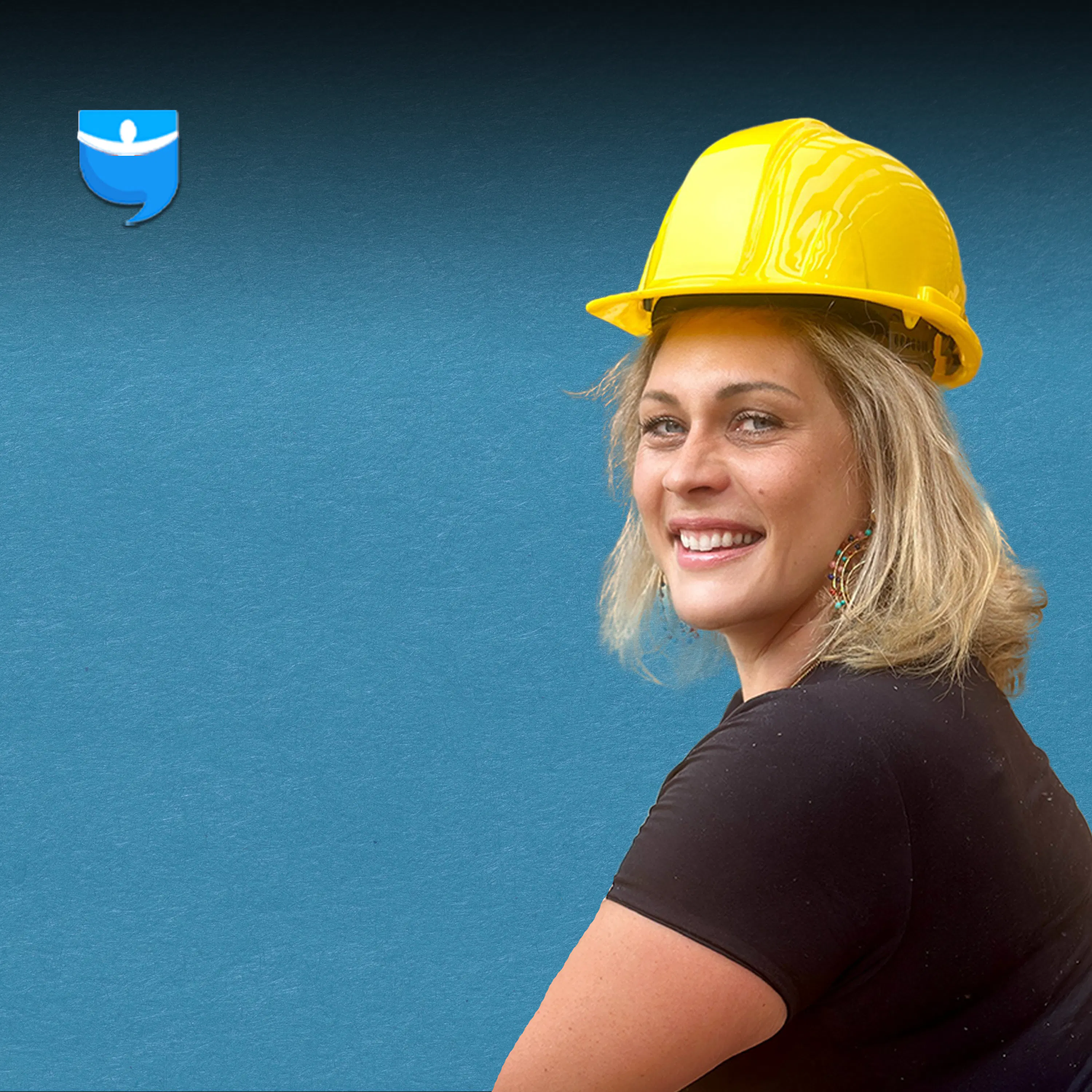
BiggerPockets Real Estate Podcast
Regular Investor Makes $1.5M by Recognizing This Rare “Upside” on Her Rental
00:35:15
Imagine making $1,500,000 on one regular real estate deal. We’re not talking about a huge apartment complex or commercial real estate investment. $1,500,000 on a single-family home purchase. How is that even possible? Dina Onur is more than a million dollars richer after spotting one rare real estate investing “upside” at the closing table. And the best part? She’s just a regular, everyday investor. Dina runs her own home healthcare business and is a mom of three, but she decided, “I’m not busy enough; let’s start buying (and renovating) rentals!” So, that’s exactly what she did. Her clients routinely had houses to sell, so instead of passing them along to real estate agents she knew, Dina made the jump, buying a triplex to test her hand at rental property investing. She did a BIG renovation but created some serious sweat equity as a result. The next rental? Double the size—a six-unit investment property. But, none of these compare to the one deal that is making her over a millio...
Loading summary
Transcript161 lines
- [00:00]
Dave Meyer
Foreign.
- [00:05]
Brandon Turner
Imagine generating one and a half million dollars in a single deal in an.
- [00:11]
Dave Meyer
Expensive market in 2025.
- [00:13]
Brandon Turner
I know these numbers may sound impossible to believe, but today we are talking to a normal everyday investor who took.
- [00:21]
Dave Meyer
A regular deal and found upside in it to the tune of one and a half million dollars. Dina Onior, over the course of her career, started a few different businesses, some of which failed and left her in pretty bad financial situations. But eventually she discovered real estate and gradually accumulated a handful of properties near Boston. And it was sort of a modest sustainable portfolio until she accidentally stumbled onto a once in a lifetime deal. We're going to get into Dina's full.
- [00:50]
Brandon Turner
Story today and how you can look for the same types of upsides as.
- [00:53]
Dave Meyer
You look for your next property. Let's bring on Dina.
- [00:56]
Brandon Turner
Dina Onura, welcome to the BiggerPockets podcast.
- [00:59]
Dina Onior
Thank you so much for having me, Dave. I'm so excited. Pinch me that I'm here.
- [01:04]
Dave Meyer
Well, we're excited to have you as well. From everything I've read about you and heard about, you have a really cool story that I'm eager to dig into. So maybe you can just start by giving us a little bit of background on you and how you first started investing or at least thinking about real estate investing.
- [01:21]
Dina Onior
Sure, yeah, absolutely. So I'm an immigrant. I came to this country about 25 years ago with my family. My father's entrepreneur, he threw me into his business sourcing different type of materials that we exported to different countries. So got married, moved to New York, had my two kids, me and my husband started the business together. We made not such a good decision. So within six months we filed the bankruptcy, had to move, relocate from New York to Boston. And that was very difficult times. That's when my husband restarted his life. I started to going back to school, got my master's. I got myself into a corporate world which I did not like a lot. I was working in the medical device industry and after that I decided to research what else can I do? And I loved home healthcare business. I quit my job and started my own company, so. So my home healthcare company has been open now for 10 years.
- [02:18]
Dave Meyer
Thank you for sharing your story, Dina. It sounds like you've had a lot of the ups and downs of an entrepreneur over the course of your career and have somehow, you know, figured it out. I'm curious, sort of what gave you the drive to keep going and start another business after? Unfortunately, I'm sorry to hear that you had a business that had failed in the past. But you know, what, what was it about either your background or your personality that gave you sort of that drive to keep going and keep trying new entrepreneurial things?
- [02:49]
Dina Onior
Sure. So I think that was from the early age. My father, who threw me into the business at age 16 and 17, you know, trying to find products in us, sourcing them, connecting with vendors. So he gave me a lot of push. My father really built my business skills, and I didn't even know at that time what he was doing, but I became who I am today. Just because, you know, of him.
- [03:16]
Dave Meyer
Yeah. I grew up in obviously not the exact same situation, but like, my dad was always kind of like pushing me in these situations where I'd have to, like, figure things out for myself. And I find that people either go in one or two directions, they either take to it and really like it, and then want to become entrepreneurs themselves, or people just go the complete opposite direction. They're like, I want to be an accountant and I want like the most stable, predictable possible job. But it sounds like you sort of caught the entrepreneurial bug, started this home healthcare business, which is awesome. And tell us how that led into real estate for you.
- [03:49]
Dina Onior
People started to just ask questions. I would get like a phone call from reception. Well, this family is looking for real estate agents. You know, do you, do you know someone? And that's what I started to like, think, why am I not buying those properties directly from my clients?
- [04:03]
Dave Meyer
Interesting.
- [04:04]
Dina Onior
And majority of those clients actually had single family homes. They didn't have multifamily. And at the time when I started to read, I realized, like, single family homes are not for me. I'm looking for multis. I want less risk because when you have a single family, you only have one payment coming in. So I was minimizing the risks. I knew from the entrepreneurship, like working with my dad, that, you know, things can go up and down very fast and I did not want that for sure.
- [04:32]
Dave Meyer
So.
- [04:32]
Dina Onior
So home health care company made me like, really open up my eyes into like a real estate world.
- [04:38]
Dave Meyer
So people were looking to sell their homes because unfortunately someone in their family was either passed away or needed to move into some sort of assisted facility. So, yeah, sort of by accident you found yourself with a deal flow pipeline.
- [04:52]
Dina Onior
Yeah.
- [04:53]
Dave Meyer
That was sort of unexpected to you at that point. You know, you said you wanted multifamily, but, like, had you even been thinking about becoming a rental property investor or was this kind of just a unfortunate opportunity?
- [05:04]
Dina Onior
No, it was just like one business was leading to another one. Like a couple of years later down the Line. I was thinking about it. I'm like, oh, my gosh, this is incredible how this has pushed me into something else. And I pivot and I listened to a lot of, like, bigger pocket stuff, which I loved. I joined networking groups, masterminds, and read a lot of books. And actually, it felt really lonely, to be honest with you, When I realized and found, like, real estate, like, I needed to find my people. I needed to find who can I talk to who can give me some guidance, and especially, like a woman. It's more like male dominate industry.
- [05:40]
Dave Meyer
It's definitely a part of entrepreneurship. People don't talk about that. It is lonely, you know, when you're trying to figure everything out by yourself and you're not necessarily following the path that a lot of your friends or your family members are doing. And if you don't have a community or support group, it can be really challenging. So how did you go about finding a community that would help you? Was it. Was it just biggerpockets or were there other things you were doing as well?
- [06:06]
Dina Onior
So BiggerPockets was one of them. I religiously listened to the podcast. Brenda Turner was at that time the host of the show. He's amazing guy for sure. One of my dreams is to meet him one day. And also masterminds. And I was able to network with people, learn a lot of stuff that people were doing a lot of different things. They were doing not what I had my mind set on. So some of those people grew into, like, very close relationships that we can bounce off ideas, you know, like ask questions. It's just like community of people that have the same mindset, same goals.
- [06:42]
Dave Meyer
So you found yourself with this deal flow, which is really interesting. How did you go from seeing an opportunity but not being an investor? So probably not knowing exactly how to make the most of that opportunity, and then go and develop a strategy and a plan to build a business that was in line with your personal goals.
- [07:01]
Dina Onior
It was really hard to, like, you know, pull the trigger. I really was, like, pushed into it. It wasn't the client from home healthcare company that I purchased my first deal from. It was actually the employee, because you have so many employees. You have 50 employees. They come and you talk and you communicate. And she told me that her landlord was selling the property because he's moving to assisted living facility. And I offered her to introduce me to him in return for a commission.
- [07:30]
Dave Meyer
Oh, nice.
- [07:31]
Dina Onior
And she could stay. Stay at the property. So that's how I ended up purchasing my first deal. And then I was all the way in, into rehab. I was trying to figure it out, you know, things that I need to do, pull the permits. And I ended up skipping some of the steps.
- [07:50]
Dave Meyer
We all do. Not on purpose. It just happens.
- [07:53]
Dina Onior
Yeah. So I was finding my deals throughout my employees and through my clients. But my clients were having single family homes, majority of them. So I passed on a lot of those deals to real estate agents because my focus was on the multifamily homes primarily. That is what I wanted to do. I had very straight focus, multifamily rehabbing them, following the birth strategy. Just like it was written in the book. I got the book and I got the recipe. So that was. That was pretty amazing.
- [08:24]
Brandon Turner
All right, we do have to take a quick break, but before we go.
- [08:28]
Dave Meyer
I wanted to announce to everyone, if you haven't heard yet, that the bigger your pockets conference BPCON is back and this year we're heading to Las Vegas.
- [08:37]
Brandon Turner
Tickets are on sale now with early.
- [08:39]
Dave Meyer
Bird pricing, which means that you can save $100. And if you don't know why you should be attending bpcon, it's for a lot of reasons, but first and foremost, to build your network. You can join a community of like minded investors ready to share insights, offer support and grow together.
- [08:55]
Brandon Turner
Second, close more deals. Step into this purpose built, approachable environment.
- [09:00]
Dave Meyer
Designed to accelerate your growth and expand your portfolio. Bey expectations. And third, and there are more than this, but the third one I just want to mention is just really unlocking your own personal potential. We have inspiring keynotes and expert teachers who will fill you with the momentum and confidence to begin or improve your financial freedom journey.
- [09:19]
Brandon Turner
All right, we'll be right back. Did you know there's a way to invest passively in real estate and get monthly income without dealing with tenants, maintenance or property management. If you're an accredited or a high net worth investor, you can make cash flow without the headaches by investing in a private real estate fund, PPR Capital Management. Some of you might know PPR Co founder Dave Van Horn from the BiggerPockets forums, the podcast live events. He also literally wrote the book on real estate Note investing for Biggerpockets. But with over half a billion dollars in assets under management, PPR has provided investors with steady, truly passive income since 2007. And they've never missed a payment. So check them out@biggerpockets.com PPR today, that's biggerpockets.com tired of the headaches that come with hunting down sufficient rental property insurance? Well, say goodbye to the endless calls and all the stress with National Real Estate Insurance Group, or as they call it, nreg. With nreg, you can customize your coverage easily, manage it online, and keep every property you own, regardless of occupancy status, protected on one monthly schedule and bill. There's no fuss, just flexible, reliable coverage that adapts to your portfolio. Visit biggerpockets.com insurance to learn how effective insurance can be with National Real estate insurance group. That's biggerpockets.com insurance. Go visit it to request a proposal today. Real Estate it's been a cornerstone of wealth building for generations, but it's also often a major headache for investors. You get these 3:00am maintenance calls, tenant disputes, property taxes. Enter the Fundrise Flagship Real estate fund, a $1.1 billion real estate portfolio built for you. We're Talking more than 4,000 single family homes in the thriving Sunbelt, 3.3 million square feet of in demand industrial facilities, all professionally managed by a very experienced team. With the Flagship Fund, you're tapping into real estate's most attractive qualities like long term appreciation, potential hedge against inflation, diversification for the stock market. All those things. Check, check, check. All this comes without complex paperwork. Massive down payments are the soul sucking landlord duties we all know about. So visit fundrise.compockets to explore the portfolio. Check out historical returns and see just how easy it can be to add real estate to your investing strategy. Carefully consider the investment objectives, risks, charges and expenses of the Fundrise Flagship Fund before investing. This and other information can be found in the Fund's perspectives@fundrise.com flagship this is a paid advertisement.
- [11:40]
Unknown
You ever thought about diving into real estate but got kind of stuck on where to start? I mean, of course you have. You're listening to this podcast. Well, we've got something that might just kickstart your journey. Enter PropStream, your secret weapon in the world of off market properties. With over 155 million properties at your fingertips, PropStream lets you uncover hidden gems right from your phone, tablet or computer. PropStream's got over 120 search filters from pre foreclosures to bankruptcy, helping you find motivated sellers faster than ever. And with public record data and MLS sales estimate accuracy of over 99%, you'll nail those comps every single time. They're even throwing in a learning academy to get you started on the right foot. Dive in with 50 free leads during their seven day free trial at propstream.com bp that's propstream.com bp like BiggerPockets.
- [12:29]
Dave Meyer
Thanks.
- [12:29]
Brandon Turner
For sticking with us. Here's more of this week's investor story.
- [12:33]
Dave Meyer
You mentioned that your goal was small, multifamily. You liked that it was relatively lower risk because you know if you have four units and someone unfortunately doesn't pay still three other incomes for as just one example. Tell us about your first couple of deals. It sounds like you were doing heavy rehabs right off the bat.
- [12:53]
Dina Onior
Yeah, I did that. So first Property was a three family home. Purchased it for 289,000, put in about $70,000 into the property. I like to go in and make it look nice. I like to update all electrical, plumbing, kitchens. I don't want to have a phone calls because I'm managing properties myself.
- [13:13]
Dave Meyer
Yeah.
- [13:14]
Dina Onior
So my goal is always to get this to the highest ARV I can so I can refinance out, pull my construction money out and move on to the next project. So when I purchase them, purchased them as a portfolio loans at 25% down payment. I was very skeptical about people suing you and this and that. So I wanted all my properties to be under the llc.
- [13:37]
Dave Meyer
And where was this? Just in what, what area of the country?
- [13:40]
Dina Onior
So this is in North Attleboro in Massachusetts, sovereign part of Boston. So I rehabbed it, refinanced out in a year. I was able to pull my money completely out.
- [13:54]
Dave Meyer
Oh, that's great.
- [13:54]
Dina Onior
And make about $15,000, which actually $15,000 I subtracted like from the down payment.
- [14:01]
Dave Meyer
And what year was this?
- [14:02]
Dina Onior
I purchased 2018, 2019. I refinanced. Then I did another refi in 2023 and I was able to pull my down payment out and make $70,000. So the property value went from 289 to 650 in about five years.
- [14:22]
Brandon Turner
Okay, great.
- [14:23]
Dave Meyer
That's awesome. That's a huge jump. Some it sounds like due to your work and forced appreciation and value add and then some due to sort of market conditions that helped everything go up.
- [14:35]
Dina Onior
Exactly.
- [14:36]
Dave Meyer
That's great.
- [14:37]
Brandon Turner
Awesome.
- [14:37]
Dave Meyer
So what have you done since then? I mean I can see why after a deal like that, very successful, you'd want to keep going. So what did you do after that?
- [14:44]
Dina Onior
So I did another one which was a six family home. It was next door and the lady who owned it, it was a six house. It was just falling apart. I sent her a couple of letters, I handwritten them, followed up with a couple of phone calls. Six months went by, she called me, she said she wasn't interested. Then couple more months, patience.
- [15:03]
Dave Meyer
Yeah.
- [15:03]
Dina Onior
And then I get a phone call and she told me she was ready to Sell. So it was very interesting how this deal was working out. She was 80 years old. She was leaving an hour and a half away. So I had to arrange for an attorney to go out to her house. At that time, it wasn't like really a thing. Like, attorneys were going places. Usually you come to their offices. So this was 2019. So she sold it to me for $420,000. A six family home, which was a complete mess. We needed to take down the roof, take down the walls, put new windows, siding. Like, there was a major rehab.
- [15:41]
Dave Meyer
Wow.
- [15:41]
Dina Onior
I think it was like $165,000 invested in that project. And the money, like, it was saving and the HELOC that I was able to pull on my house. So combination of both of those helped me go from project to project.
- [15:54]
Dave Meyer
And so you're saving money from your home healthcare business, essentially, or was some of it also coming from the rental income from the first one?
- [16:02]
Dina Onior
It wasn't. It wasn't that much. You can't really, like you getting like 3, 300, $500 per door. And it's only three family home. So it's. There is income, but it's good income.
- [16:12]
Dave Meyer
But it takes a long time for a down payment and a renovation budget, you know, like that. That would take a long time.
- [16:18]
Dina Onior
So that took like a year itself.
- [16:20]
Dave Meyer
A year. Wow.
- [16:21]
Dina Onior
Yeah. And because it's six family home, you can't really, like, move people out. You have to wait for them to leave. And it's just like, on its own. Like, very intense.
- [16:30]
Dave Meyer
Yeah. And so I just want to make a point to people that that's one of the things when you take on a rehab with these multifamily homes, if they're not vacant when you get them, it can be really slow, and you should really plan for that and a lot of vacancy in the first year. And it's totally fine if you underwrite your deal and. And forecast at least one or two of your units being vacant at all times for the next year. It hurts, but if it still makes sense, you know, when you're running your numbers, that's fine. But pay close attention to that when the leases are coming up, how long that construction is going to be dragged out, too. Because at least in my experience, Dina, correct me if I'm wrong, like, it's also hard to keep your contractors on a good schedule when you have these sort of, like, rotating things. A lot of times you want to maximize the work that you can do when you have the person there every single day and you don't want them coming and going. So did you learn how to sort of manage your subs and your construction during the course of this project?
- [17:26]
Dina Onior
I was trying different subs. That's when it was like kind of like my learning curve. Who is my team of people, you know, who do I want to continue working with? It is hard because they go from project to project, you know, sometimes they don't show up. Sometimes people take your material, you know, like it, it happens. So this is just like trial and error. You learn, I mean you get referrals and stuff, but you never know who's gonna be, you know, working with you by your side. So you have to supervise it. And I was the one actually on site with my husband checking out like what's happening, you know, like, do we need to order materials? Do we need another person in here? Do we need to fire someone?
- [18:03]
Dave Meyer
Yeah.
- [18:04]
Dina Onior
So it's just like it gets real, you know, when you're talking about like big projects like this.
- [18:09]
Dave Meyer
How did you manage all this you were doing here? Three kids, you're running a home health care business, you have one property that you're self managing and then you're doing this big rehab. Like were you just busy all the time? Like how did you manage that?
- [18:20]
Dina Onior
So my home health care business, I was only already at that time it was, I think it was like established five years ago. I was only doing just the finance, just the billing part of it. The first two years when I started my home health care company, I was grinding, I was, my husband was saying to me, you're married to your business, not to me. So it was a lot of time spent for the first two years establishing the business and then I had the freedom to actually learn what the real estate is all about. Managing kids. That's also like my part time work that I do.
- [18:55]
Dave Meyer
Yeah, of course, yes, it is a lot.
- [18:57]
Dina Onior
But you juggle where you're going to be needing more or less. So it's just like planning out and running with it. If you want to reach your goals, you, you just have to work hard.
- [19:10]
Dave Meyer
Yeah, of course. I want to get into your, your most recent deal because I think it's going to be fun to talk about with everyone. But just question, you've done so many things and it seems like been honing more and more in on real estate. Is it just because it's the most profitable? Do you like it or like why have all these different things that you could be doing with your time? Are you doing real estate?
- [19:30]
Dina Onior
I love it. I'm very passionate about it. Whenever we do a rehab, actually I do some work myself there as well. I love to tile. I think that what gives me like peace and quiet, maybe it's like a.
- [19:40]
Brandon Turner
Therapeutic meditation type of thing.
- [19:44]
Dina Onior
So every single unit, every single house that we bought, I would put my stamp on it. I would tile do the backsplash in the kitchen. That's just like my thing.
- [19:53]
Dave Meyer
That's nice. Yeah. And then when you go visit, you're like, I did that. That's a good feeling. Nice.
- [19:59]
Dina Onior
Yeah. Yeah.
- [20:00]
Brandon Turner
All right, we have to pause for.
- [20:01]
Dave Meyer
One final ad, but on the other.
- [20:03]
Brandon Turner
Side, Dean is going to tell us about one of the most incredible real estate deals I've ever heard of.
- [20:08]
Dave Meyer
We'll be right back.
- [20:10]
Brandon Turner
Are you looking for a way to earn monthly passive income without the hassle of property management? If you're an accredited or high net worth investor, here's your answer. PPR Capital Management. Now you might know PPR's co founder Dave Van Horn from Biggerpockets. He actually wrote the book on real estate note investing for Biggerpockets. But what you might not know is that Dave and his team at PPR Capital Management have a wealth of experience in both the mortgage and commercial real estate industries. And they strategically invest in mortgage notes and commercial property across the country. With over half a billion dollars in assets under management, PPR has delivered steady passive monthly income to investors since 2007 without ever missing a payment. Check them out at biggerpockets.com PPR that's biggerpockets.com PPR Worried about your investment properties weathering a storm? Experience peace of mind with coverage from National Real Estate Insurance Group, or NREC as they call it. They've built the largest investment insurance program in the country. They focus solely on residential, tenant occupied, vacant and renovation properties, all customizable to your specific needs with just a couple of clicks. So while the rain pours outside, rest assured your properties are covered with comprehensive insurance from NREC. Visit biggerpockets.com insurance to learn how effective insurance can actually be. With National Real Estate Insurance Group, that's biggerpockets.com insurance. Go visit today to request a proposal. Real estate. It's been a cornerstone of wealth building for generations, but it's also often a major headache for investors. You get these 3:00am maintenance calls, tenant disputes, property taxes. Enter the fundrise flagship real estate fund, a 1.1 billion dollar real estate portfolio built for you. We're talking more than 4,000 single family homes in the thriving Sunbelt 3.3 million square feet of in demand industrial facilities, all professionally managed by a very experienced team. With the Flagship Fund, you're tapping into real estate's most attractive qualities like long term appreciation, potential, hedge against inflation, diversification for the stock market. All those things. Check, check, check. All this comes without complex paperwork. Massive down payments are the soul sucking landlord duties we all know about. So visit fundrise.compockets to explore the portfolio. Check out historical returns and see just how easy it can be to add real estate to your investing strategy. Carefully consider the investment objectives, risks, charges and expenses of the Fundrise Flagship Fund before investing. This and other information can be found in the Fund's perspectives@fundrise.com flagship this is a paid advertisement.
- [22:30]
Unknown
Hey, listen up aspiring real estate moguls. I've got a secret weapon for you. Say goodbye to the traditional real estate grind and say hello to PropStream, the ultimate tool for finding off market properties. With a whopping 155 million properties in their database, Propstream opens doors you never even knew existed. Propstream also delivers public record data and MLS sales estimates with pinpoint accuracy, making comps a complete breeze. Ready to seal the deal. Propstream's got lead automation, skip tracing and top notch marketing tools to help you close deals like a pro. And the best part? They're throwing in a free learning academy to help you level up your skills. Try it out with 50 free leads during their seven day free trial at www.propstream.com bp. That's www.propstream.com BP like BiggerPockets do you.
- [23:15]
Brandon Turner
Know that feeling when you're about to leave the house and you pause to double check the locks? I used to get that feeling all the time until I got Simplisafe. Here's why I trust it. Most security systems only act after somebody's already inside. SimpliSafe takes action before anything happens. Their AI powered cameras and agents keep an eye on things 24 7. Someone's hanging around your property. The agents can talk to them, activate spotlights and even call the police. All in real time. I've had peace of mind since day one. Setting it up is a breeze and I'm honestly not very handy. And it could be done in just under an hour. Plus there are no contracts. There are no surprise fees and plans start at just $1 a day. And if it's not for you, that's fine. They offer a 60 day money back guarantee. It's no wonder SimpliSafe's been named the best home security system in the US by US News and World Report five years in a row. Right now is a great time to get Simplisafe because you can get 50% off a new SimpliSafe system with professional monitoring and your first month free. Go to simplisafe.com/pockets. That's simply safe.com pockets. There's no safe like SimpliSafe. We're back with the BiggerPockets podcast.
- [24:27]
Dave Meyer
Tell me a little bit about your most recent deal because obviously market conditions have changed a lot, but you're still active. What are you doing right now?
- [24:36]
Dina Onior
So in 2023, me and my husband, we were talking about moving closer to where his business is and it's in suburbs of Boston.
- [24:46]
Dave Meyer
Okay.
- [24:47]
Dina Onior
About like 15 minutes away. We found a house that we wanted to buy and we thought we are going to expand it because two kids were going off to college and we have this, the little child with us. So we purchased it. And when we were closing, I realized we purchased not only single family home, we purchased a house in a multi family zoning. That changed the whole strategy.
- [25:10]
Dave Meyer
I'm gonna live here now. I'm gonna build an apartment building kind of. Yeah. Which is great. I mean, but like did you. So you didn't know that because you were shopping for a primary residence, right?
- [25:20]
Dina Onior
Yes, we purchased it like a primary residence too. So that's why me and my husband were like, well, what do we do? And I was like, this is an opportunity to build in this very expensive market. We took like six months to really like sit and think, are we going to do it? Let's. Let's put strategy together. Are we going to like. And he's like, okay, let's not move. Let's just rent it out, develop the project, knock it down and build two beautiful townhomes.
- [25:46]
Dave Meyer
Okay.
- [25:46]
Dina Onior
And they both townhomes, about 7,000 square feet all together, not each.
- [25:51]
Dave Meyer
Whoa. So big houses, 3500 a pop. Those are serious townhouse.
- [25:56]
Dina Onior
Yeah, Huge townhouses. And I thought that I can pull it off and I did.
- [26:02]
Dave Meyer
I think I love how modest you are. I just, just pull it off. I did. But that's great. So I. Let's dig into this because one of the things if you've been listening to the show recently, I've been talking about a lot is like looking for deals that work today but have upside. And this zoning upside is like one of the sneaky things that can really go buying a good deal, even if you're buying it as a rental property to from a good deal to an amazing deal. And it Sounds like Tina. You found this on your primary too. So you were going to move in, you decided not to, right?
- [26:38]
Dina Onior
Not to. Yeah.
- [26:38]
Dave Meyer
But did you say you rented it out then?
- [26:41]
Dina Onior
So, yes, we decided to not move in, stay where we were and rented it out to college kids. And they paid 30 $700 mortgage.
- [26:49]
Dave Meyer
Wow. I mean, that's still pretty good for college kids because I guess. Was it a big house?
- [26:53]
Dina Onior
No, this is 900 square foot home.
- [26:55]
Brandon Turner
Wait, what?
- [26:56]
Dina Onior
Yeah.
- [26:57]
Dave Meyer
Where's college kids get that money?
- [26:58]
Dina Onior
Babson college kids.
- [27:00]
Dave Meyer
Wow. I'm going to date myself, but my rent, my last year of College was like $210.
- [27:07]
Dina Onior
That's amazing.
- [27:08]
Dave Meyer
Okay, so I guess the other nice thing about that is I would always worry about renting to college kids. But you're going to tear down the house anyway, right? So it doesn't even matter.
- [27:16]
Dina Onior
I didn't care. I didn't care. The only thing I cared about is, you know, they're going to disturb the neighbors. We had a couple of phone calls, you know, the cops came by, they said turn down the music, but that was, that was fine, you know.
- [27:27]
Dave Meyer
Okay, so you had, you've done rehab at this point, but this is development.
- [27:31]
Dina Onior
New development. Yeah. Ground up, construction, knocking down, you know, putting the footings is a big project that took a whole year. And we are doing the finishes right now.
- [27:40]
Dave Meyer
How did you go about learning that? Because it's something, frankly I've thought about and always been a little bit wary of because it just seems like a lot of bureaucracy. Especially this is in Massachusetts. Right. I would imagine there's a lot of red tape. There's red tape everywhere, to be honest, when you, when you go through development. But certain areas, certain states are definitely more infamous for bureaucracy.
- [28:01]
Dina Onior
Yeah. It took a year and a half to go through all the paperwork.
- [28:04]
Dave Meyer
Okay, so good thing you rented out. So you rented it out that whole time, hopefully in basic, basically broke even.
- [28:09]
Dina Onior
No, I decided to rent only for one year. In one year, the $44,000 came out of my pocket because I had all those permits with the special due dates and timelines, and I could not afford to have a tenant in there that needs more time to move or this or that.
- [28:25]
Dave Meyer
Okay.
- [28:25]
Dina Onior
So I didn't want to play around because I was investing 100k into architect, wetland specialist, arboretas, you know, like, you name it. Like, I had to assemble like a team of people, prepare all these documents to submit to the town and have all those permits with special due dates. So I had to like really put the schedule together. How this is all going to work out. I've never done it before. I just, like, listened to a lot of stuff, read stuff, ask questions. The biggest challenge for me was like, finances my project. If we're talking about converting the mortgage, which is the primary resident mortgage that we had, like, 5% down into construction loans. So that whole amount came into 2 million, doll.
- [29:07]
Dave Meyer
Yeah. I was thinking in my head, you know, it's like, what, 300 bucks a square foot, roughly. You know, sounds like a little cheaper, but 2 million to build?
- [29:14]
Dina Onior
No. Well, to get the land. So what? You have to convert the primary resident loan into a construction loan. So 740,000 plus 1.3 million is the construction budget to build two townhouses.
- [29:26]
Dave Meyer
That's a ton of money.
- [29:27]
Brandon Turner
Yeah.
- [29:27]
Dave Meyer
So how do you do that?
- [29:28]
Dina Onior
Like, for me, it took a lot of time. I went to a lot of banks. I went to actually private lenders that offered to buy my project. They offered to give me 200k on top of what I paid. I refused.
- [29:38]
Dave Meyer
Well, that's annoying. But that's a vote of confidence, right? You're like, I'm on to something. If they want to buy, then I'm probably doing something right.
- [29:46]
Dina Onior
So I had to figure out, two years from now, how am I going to qualify for $2 million loan? I had to go pick everyone's brain, talk to people, increase my income, start the property management for family and friends.
- [29:59]
Dave Meyer
Wow. So you have like eight jobs at.
- [30:00]
Dina Onior
This point, but they're like small jobs that require very little time. You know, like, you have to press this but button.
- [30:06]
Dave Meyer
Well, that's good. I mean, you've clearly made it sustainable for yourself, even though you have a lot of things going on.
- [30:11]
Dina Onior
Yeah, yeah. So figuring out the finances was the fun part.
- [30:16]
Dave Meyer
Glad you call that fun.
- [30:17]
Dina Onior
So I wanted to build for myself. So I call this primary residence house hack, like a development house hack that I created on my own. I found the bank that would land me as a construction primary residence for two family or less with very special terms. Amazing terms that I've never heard of. When we went to the closing, bank paid me.
- [30:38]
Dave Meyer
Wait, what? Tell me more about that. How does that work?
- [30:41]
Dina Onior
Cash to close to borrow $113,000. Because they do two appraisals. When you come to the closing, they do Aziz appraisal and they do future appraisal. So I bought it for 740. In two years, it appreciated to 1.2 million. After that, after the construction, when the building is ready, they do future appraisal value. And that came in at 3.725.
- [31:07]
Dave Meyer
Okay.
- [31:08]
Dina Onior
So the equity that I was generating in that project was $1.5 million.
- [31:13]
Dave Meyer
Oh, my God. That's insane. Oh, my God. Wow. Congratulations. That's so cool.
- [31:20]
Dina Onior
Yeah, I know.
- [31:21]
Dave Meyer
Wow. So it's like $1.5 million on one deal.
- [31:25]
Dina Onior
Yes.
- [31:26]
Dave Meyer
Oh, my God. That's so cool. And you didn't even like, you bought this as a primary residence. So cool. What a great story.
- [31:32]
Dina Onior
Yeah. So my plan is to move in and rent the other apartment and I'm going to house hack. I'm going to probably only pay 10 to 20% of the mortgage.
- [31:43]
Dave Meyer
Perfect. Amazing. Congratulations. Super cool. So that's probably one of the bigger equity pops I've ever heard of on this show, which is saying a lot because we hear some pretty cool stories. That's one of the coolest ones I've heard. So amazing. Are you addicted to development now? Are you looking to do it again?
- [32:00]
Dina Onior
It's very risky too. So when we were excavating, we found the ledge on the ground and that costed me an additional $70,000, which is a change order that we didn't account for. So could be a lot of stuff. Then when you're doing a construction, you know, you can bump into that you know you didn't account for and bank is not going to give you the money. You have to have your own savings and you will be able to pull it off. And the market changes a lot.
- [32:26]
Dave Meyer
There's just a timing risk with it too, because it took you how long? Three years? Basically two and a half years.
- [32:31]
Dina Onior
Yeah. Like we are almost done. And yeah, from the time when we bought it, development, like all those, you know, regulations, permits, until we broke the ground, it took three years with 1.5.
- [32:44]
Dave Meyer
Yeah, yeah. So obviously everyone, you know, you could see the upside of development. But in my mind, there's sort of this spectrum of real estate investing strategies like rental property investing, single family homes and small multifamily is like low risk but solid return. So that's like one side of the risk spectrum and then developments on the other side. There's a lot of upside. There's amazing opportunities, but there's also a lot of risk. And so it's great to hear this $1.5 million pop. But I'm glad that you called out the risk to it as well because it's not just like something easy and you have to find great deals and there are risks in timeline and market conditions changing from the time you start a project to the time you end the project. You got to think about all of that. But obviously by Dina's story, we know that there, that it can be very, very worth it.
- [33:35]
Dina Onior
Yeah.
- [33:35]
Dave Meyer
So, Dina, what's next for you? What's your plan for and your goals for your portfolio over the next few years?
- [33:41]
Dina Onior
Yeah, well, right now it's very hard. The prices are very high, interest rates as well. So I'm continuously looking just. You have to, like I listen to your podcast. It's like you have to find opportunities, you know, you have to create them yourself. And that's what I'm looking at right now. In Massachusetts, we have this new law that's been passed recently, adu, an accessory dwelling unit, which you can add to the single family homes, but you have to be like a primary. I believe you have to be like a primary residence for you. But I'm looking to continue looking for different opportunities where you can create square footage or where you can, you know, maybe partner up with someone and do adu. So I love the game. I know how to play it, I think. Yeah, you have to be comfortable to win and lose.
- [34:28]
Dave Meyer
So for sure.
- [34:30]
Dina Onior
And that's what I'm. That's what I'm comfortable with.
- [34:33]
Dave Meyer
Awesome. Well, good luck to you. If your track record is any indication, I'm sure you're going to find more ways to find upside in this new changing era of real estate investing that we're in. But Dina, thank you so much for joining us today and telling us your story. This is a lot of fun.
- [34:47]
Dina Onior
Thank you. Thank you, Dave. Thank you for having me.
- [34:49]
Dave Meyer
Of course. And thank you all so much for listening. We appreciate it.
- [34:52]
Brandon Turner
Make sure to share this story if.
- [34:54]
Dave Meyer
You know someone who might want to get into real estate investing but doesn't know how to do it or thinks that they can't. Dina's story is such a great example of how you can figure it out. Hustle your way, work hard to build a great portfolio, find financial freedom through real estate. Thanks again for listening and we'll see you again soon for another episode of the Biggerpockets Podcast.
- [35:14]
Brandon Turner
Thank you all for listening to the Biggerpockets Real Estate Podcast. Make sure you get all our new episodes by subscribing on YouTube, Apple, Spotify, or any other podcast platform. Our new episodes come out Monday, Wednesday and Friday. I'm the host and executive producer of the show, Dave Meyer. The show is produced by Ian K. Copywriting is by Calico. Content and editing is is by Exodus Media. If you'd like to learn more about real estate investing or to sign up for our free newsletter, please visit www.biggerpockets.com. the content of this podcast is for informational purposes only. All host and participant opinions are their own. Investment in any asset, real estate included, involves risk, so use your best judgment and consult with qualified advisors before investing. You should only risk capital you can afford to lose, and remember, past performance is not indicative of future results. Biggerpockets LLC disclaims all liability for direct, indirect, consequential or other damages arising from a reliance on information presented in this podcast.