
Podcast
Bill Gates
Hosted by Bill Gates · EN
Hi, I'm Bill Gates. Tune in here to watch videos about my work.
On this channel, I post videos about the issues I'm focused on: saving lives, improving education, and delivering cleaner, cheaper sources of energy.
I'm lucky that my work allows me to talk with a wide range of brilliant and insightful people working on some of the world's toughest problems. In these videos, you'll get to meet some of them.
I hope you'll enjoy watching, and that you'll stop by often to check out the latest additions. Feel free to share them with others and stay in touch: http://www.gatesnotes.com/
20episodes
Episodes
Newest firstAll episodes
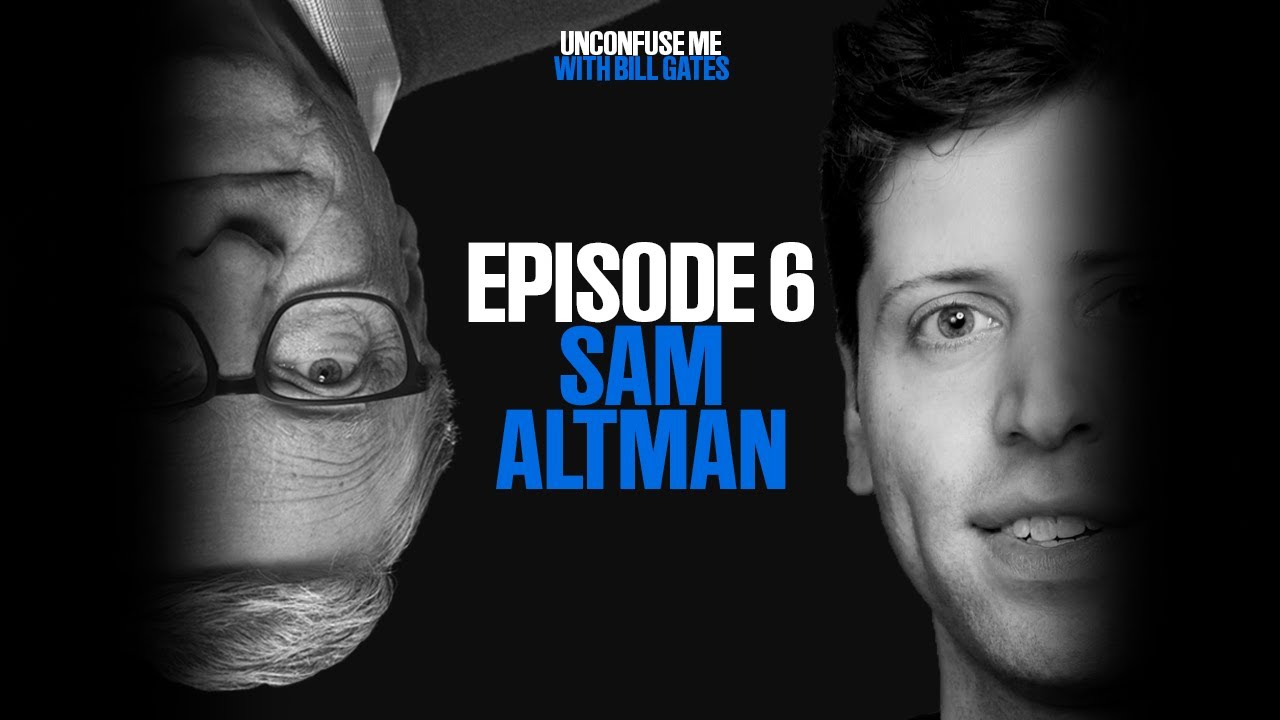
Episode 6: Sam Altman
Jan 11, 202400:33:06Tap to summarizeIf you ask people to name leaders in artificial intelligence, there’s one name you’ll probably hear more than any other: Sam Altman. His team at OpenAI is pushing the boundaries of what AI can do with ChatGPT, and I loved getting to talk to him about what’s next. Our conversation covered why today’s AI models are the stupidest they’ll ever be, how societies adapt to technological change, and even where humanity will find purpose once we’ve perfected artificial intelligence. Subscribe wherever you listen to podcasts. Learn more at https://gatesnot.es/3vvavUv
Transcribe →
“We’re naive about what it takes to match human capacity” | Unconfuse Me with Bill Gates
Nov 16, 202300:05:18Tap to summarizeFew people are better at explaining the science of artificial intelligence than Yejin Choi. She’s a computer science professor at the University of Washington, senior resource manager at the Allen Institute for AI, and the recipient of a MacArthur Fellowship. I thought her recent TED talk was terrific, and I was thrilled to talk to her about how you train a large language model, why it’s so hard for robots to pick tools out of a box, and why universities must play a key role in the future of AI research.
Transcribe →
“The very first invention is never the optimal solution” | Unconfuse Me with Bill Gates
Nov 16, 202300:05:27Tap to summarizeFew people are better at explaining the science of artificial intelligence than Yejin Choi. She’s a computer science professor at the University of Washington, senior resource manager at the Allen Institute for AI, and the recipient of a MacArthur Fellowship. I thought her recent TED talk was terrific, and I was thrilled to talk to her about how you train a large language model, why it’s so hard for robots to pick tools out of a box, and why universities must play a key role in the future of AI research.
Transcribe →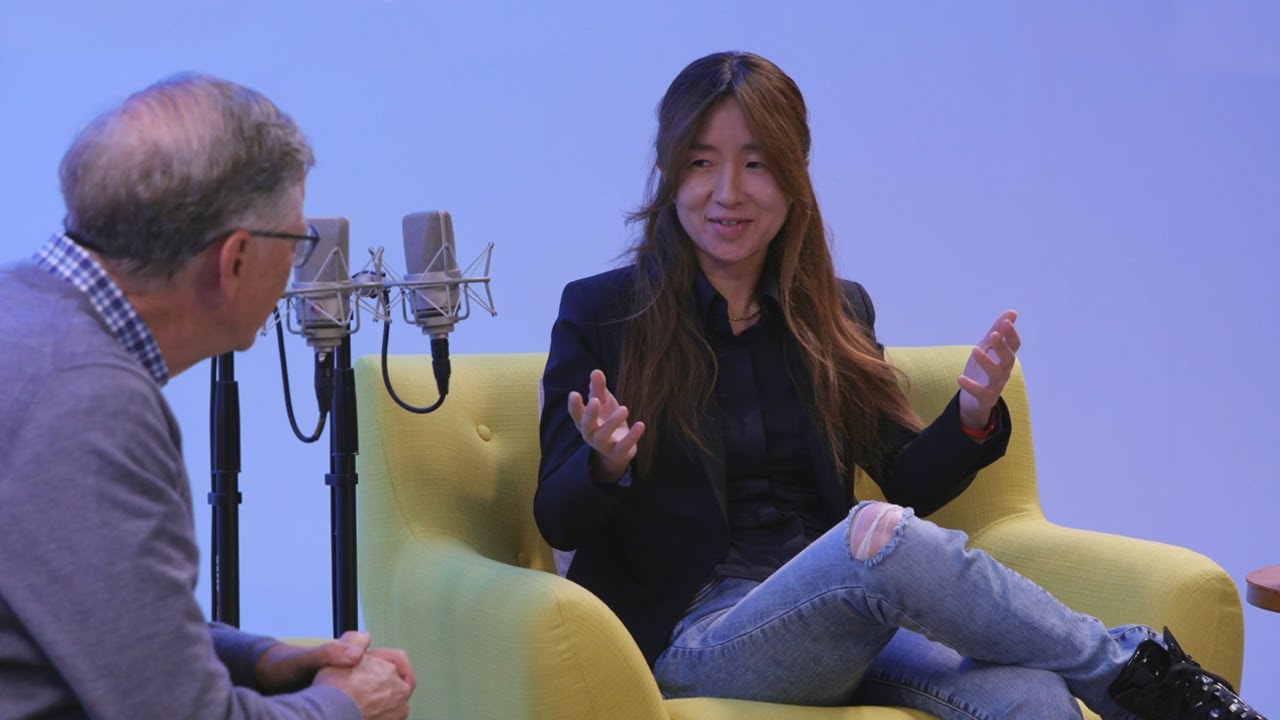
“We have to find a way to let universities push things ” | Unconfuse Me with Bill Gates
Nov 16, 202300:05:54Tap to summarizeFew people are better at explaining the science of artificial intelligence than Yejin Choi. She’s a computer science professor at the University of Washington, senior resource manager at the Allen Institute for AI, and the recipient of a MacArthur Fellowship. I thought her recent TED talk was terrific, and I was thrilled to talk to her about how you train a large language model, why it’s so hard for robots to pick tools out of a box, and why universities must play a key role in the future of AI research.
Transcribe →
“There’s a high chance we’ll be surprised again by AI” | Unconfuse Me with Bill Gates
Nov 16, 202300:07:04Tap to summarizeFew people are better at explaining the science of artificial intelligence than Yejin Choi. She’s a computer science professor at the University of Washington, senior resource manager at the Allen Institute for AI, and the recipient of a MacArthur Fellowship. I thought her recent TED talk was terrific, and I was thrilled to talk to her about how you train a large language model, why it’s so hard for robots to pick tools out of a box, and why universities must play a key role in the future of AI research.
Transcribe →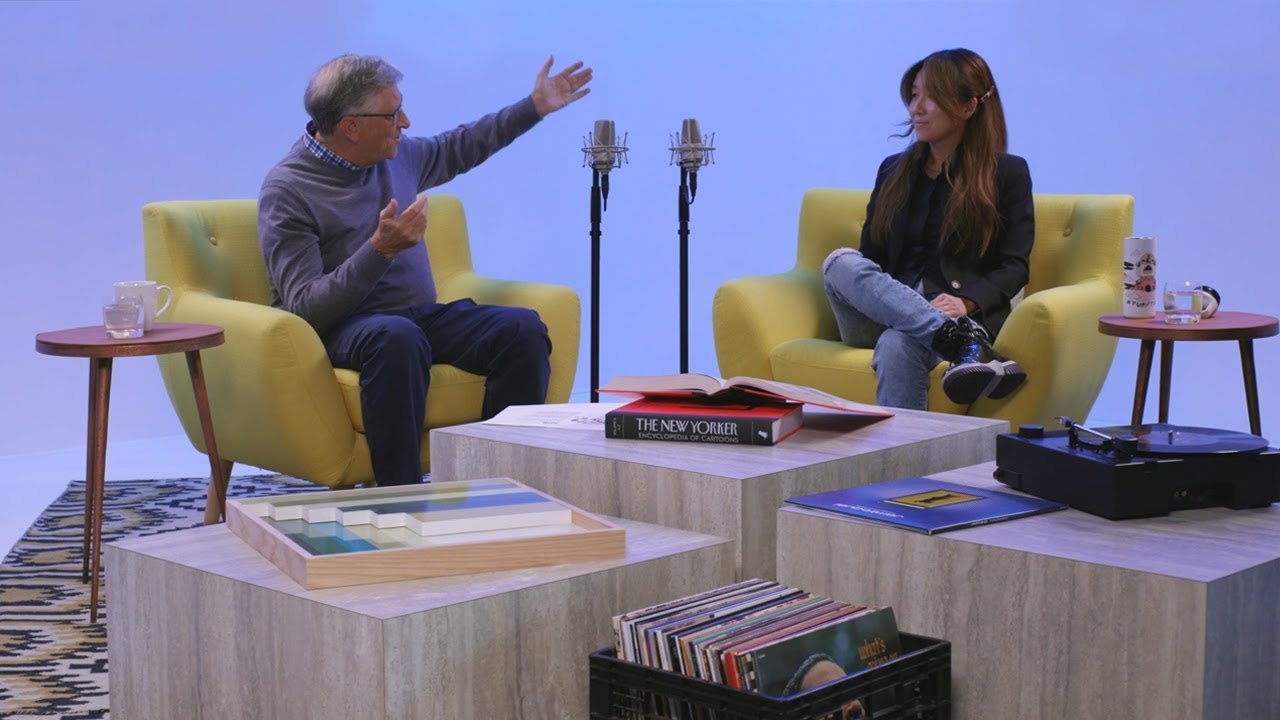
“Nobody learns very well by reading random web data” | Unconfuse Me with Bill Gates
Nov 16, 202300:04:49Tap to summarizeFew people are better at explaining the science of artificial intelligence than Yejin Choi. She’s a computer science professor at the University of Washington, senior resource manager at the Allen Institute for AI, and the recipient of a MacArthur Fellowship. I thought her recent TED talk was terrific, and I was thrilled to talk to her about how you train a large language model, why it’s so hard for robots to pick tools out of a box, and why universities must play a key role in the future of AI research.
Transcribe →
Episode 5: Yejin Choi
Nov 16, 202300:31:31Tap to summarizeFew people are better at explaining the science of artificial intelligence than Yejin Choi. She’s a computer science professor at the University of Washington, senior resource manager at the Allen Institute for AI, and the recipient of a MacArthur Fellowship. I thought her recent TED talk was terrific, and I was thrilled to talk to her about how you train a large language model, why it’s so hard for robots to pick tools out of a box, and why universities must play a key role in the future of AI research. Subscribe wherever you listen to podcasts. Learn more at https://gatesnot.es/3sDD7cY
Transcribe →
Pivot Bio is transforming fertilizer
Nov 14, 202300:03:33Tap to summarizePivot Bio uses microbes in the soil to create a symbiotic relationship with the roots of crops. The microbes consume root exudates, a sugar product expelled by the crop, which gives them the energy they need to convert hydrogen from the air into ammonia.
Transcribe →
Special thanks to Mr. Fernandez for putting up with me in his math class
Oct 5, 202300:00:38Tap to summarizeNo description available
Transcribe →
This is how one middle school teacher is trying to solve America’s math problem.
Oct 3, 202300:00:31Tap to summarizehttps://youtu.be/6edjADzjhWA
Transcribe →