Episode Overview
Theme:
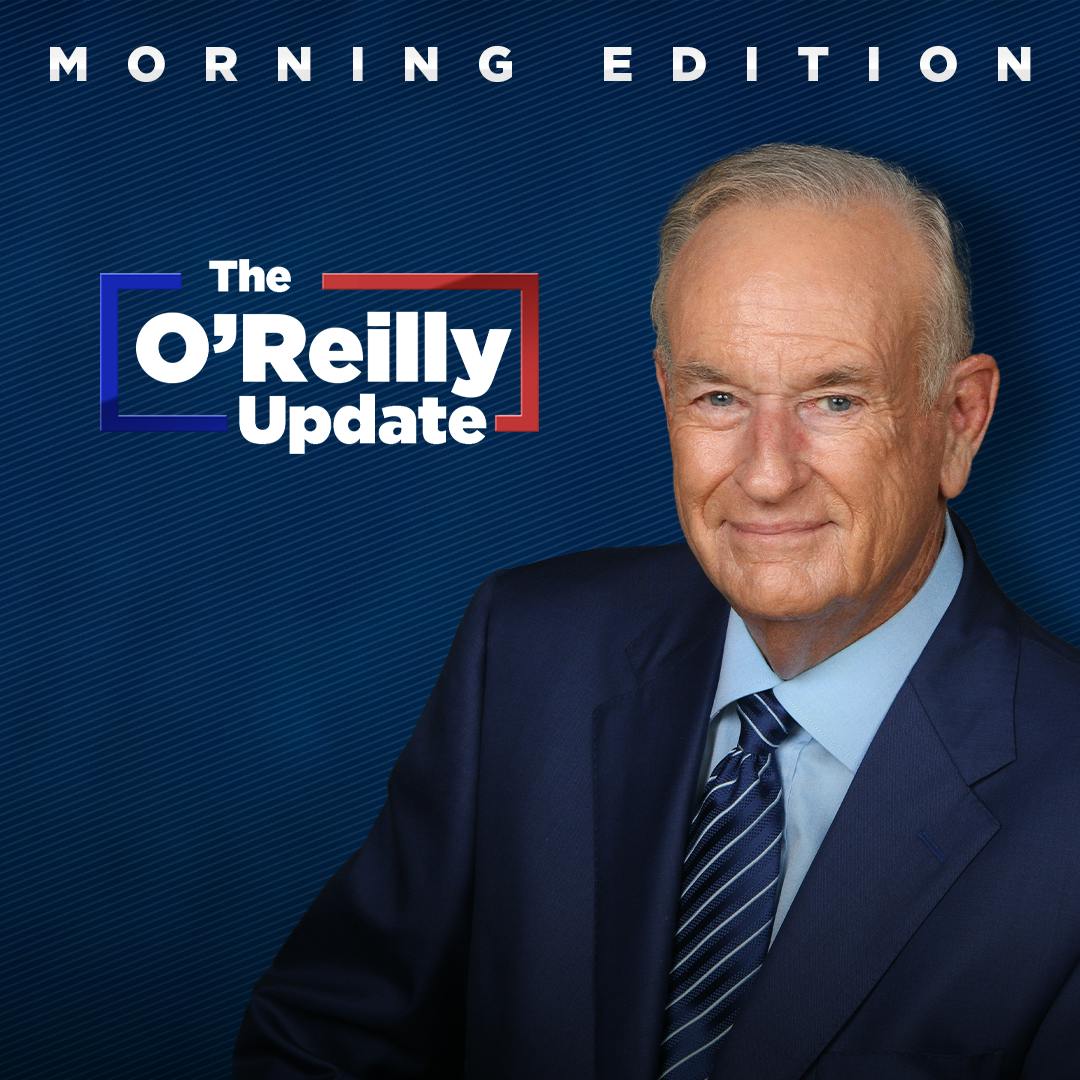
In this Morning Edition of the O'Reilly Update (January 30, 2026), Bill O’Reilly addresses the concerning slowdown in U.S. population growth, exploring the causes behind the declining birth rate and immigration numbers. O’Reilly offers his perspective on societal trends and challenges facing young Americans, connecting them to broader implications for the nation.
Key Discussion Points & Insights
Population Growth Slowdown
- Statistic Highlight:
O’Reilly opens with a new Census Bureau report noting that the U.S. population growth rate has declined to just 0.5% annually.
- [00:13] “The Census Bureau reports this month that the nation's population is only increasing at a rate of 0.5% annually. Fewer immigrants and babies. The reasons why.”
Immigration Crackdown
- O’Reilly attributes part of the population decline to reduced immigration.
- [00:23] “We all know about the long overdue crackdown on immigration law violators.”
Decline in Births—Changing Attitudes Among Young Americans
- Primary Reason:
O’Reilly asserts that young Americans are increasingly reluctant to start traditional families.
- [00:29] “Many younger Americans are frightened to start traditional families. Why? Because it's hard to assume that kind of responsibility.”
- He elaborates on perceived causes:
-
The burden of supporting a family, buying a house, and prioritizing others over oneself.
-
Difficulty in leaving behind "cell phone bubble," referencing the isolating effects of modern technology and digital culture.
-
[00:35] “You mean I have to live for other people, not just myself. I have to struggle for enough legal tender to support children, buy a house. I have to leave my cell phone bubble.”
Modern Challenges with Relationships
- O’Reilly points to new complications in dating and marriage:
-
Traditional courtship pathways are under strain.
-
Increased prevalence of “revenge,” false accusations, and public recrimination, exacerbated by social media.
-
The speed and ease with which reputations can be damaged in the digital age.
-
[00:46] “If the dating situation, where people meet each other and eventually get engaged and marry, that's a traditional path. If that doesn't work out, revenge is now commonplace. Accusations, recriminations, it's easy to smear with the device madness that dominates our culture.”
Additional Social Factors: Abortion
- O’Reilly briefly notes the prevalence of abortion as another element affecting population growth.
- [00:59] “And then there's mass abortion. Add it all up. Look out below.”
Concerns for the Nation
- Concluding, O’Reilly warns that shrinking population growth is harmful to America’s future.
- [01:06] “It is indeed tough out there, baby, and that certainly is not a good thing for the United States. We need people here, good people.”
Notable Quotes & Memorable Moments
- [00:29] “Many younger Americans are frightened to start traditional families. Why? Because it's hard to assume that kind of responsibility.” — Bill O’Reilly
- [00:35] “You mean I have to live for other people, not just myself. I have to struggle for enough legal tender to support children, buy a house. I have to leave my cell phone bubble.” — Bill O’Reilly
- [00:46] “Revenge is now commonplace. Accusations, recriminations, it's easy to smear with the device madness that dominates our culture.” — Bill O’Reilly
- [01:06] “It is indeed tough out there, baby, and that certainly is not a good thing for the United States. We need people here, good people.” — Bill O’Reilly
Timestamps of Key Segments
- 00:13 — Population growth statistics & framing of core issue
- 00:23 — Immigration crackdown as a contributing factor
- 00:29–00:40 — Societal attitudes and pressures facing young adults
- 00:46 — Challenges of modern relationships & dating culture
- 00:59 — Role of abortion in declining birth rates
- 01:06 — Concluding commentary on the broader national impact
Tone & Language
Bill O’Reilly adopts his signature straightforward, unfiltered style—mixing serious statistics with blunt social commentary and wry turns of phrase (“oh, baby,” “look out below,” “device madness”). His tone is critical, cautionary, and direct, warning of negative consequences for the nation if trends go unaddressed.