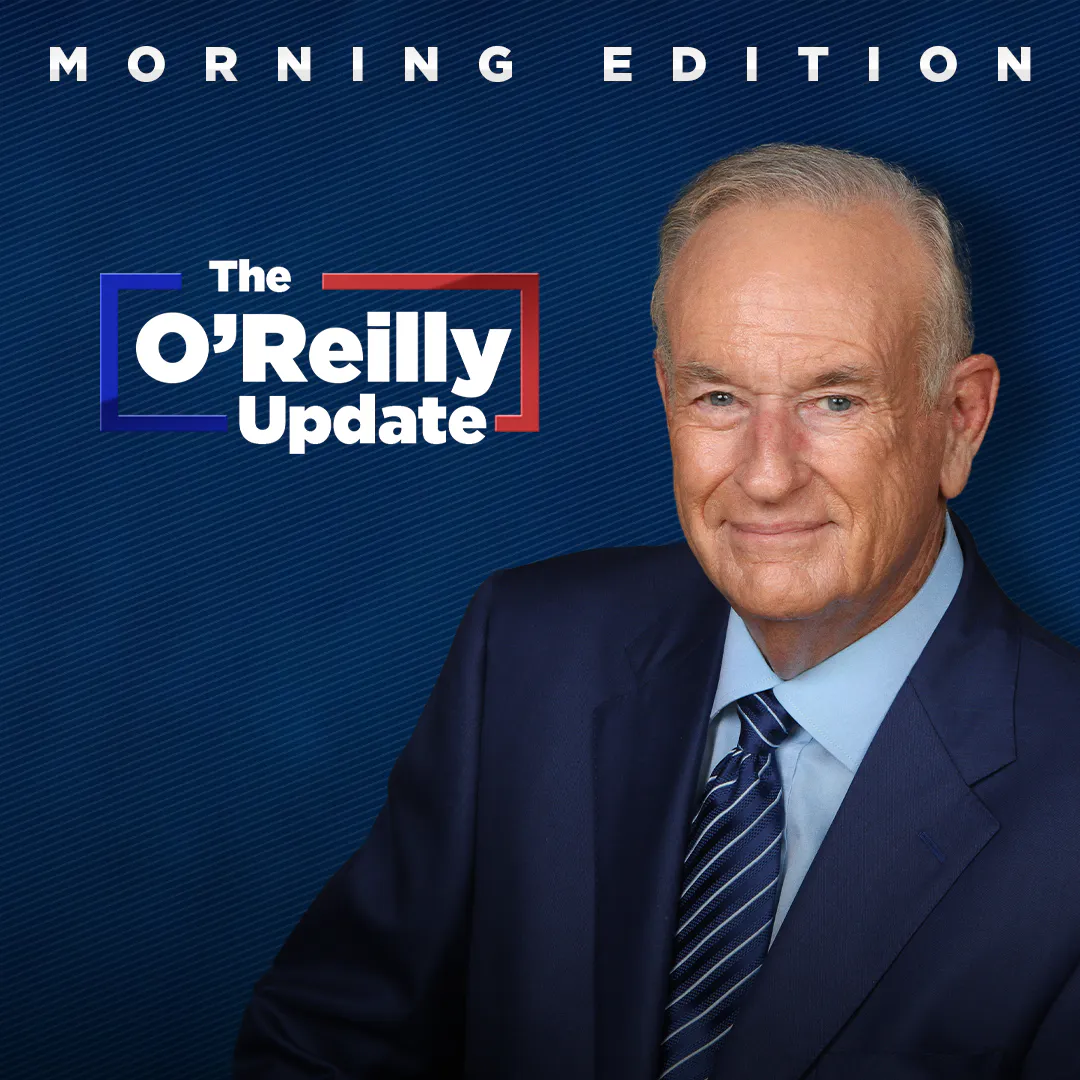
Bill O’Reilly’s No Spin News and Analysis
Episode: O'Reilly Update Morning Edition, July 28, 2025
Release Date: July 28, 2025
Host: Bill O'Reilly
Description: No Spin. Just Facts. Always looking out for you. Head to BillOReilly.com for more analysis.
Introduction
In the July 28, 2025 episode of Bill O’Reilly’s No Spin News and Analysis, host Bill O’Reilly delves into the dynamics of late-night television, specifically focusing on Stephen Colbert's role and influence within the industry. O’Reilly provides a critical examination of Colbert's approach, the broader implications for diverse viewpoints in media, and the subsequent impact on CBS's programming and ratings.
Stephen Colbert’s Influence on Late-Night Television
Bill O’Reilly opens his segment by expressing his personal feelings toward Stephen Colbert, clarifying that his critique is not rooted in personal animosity but rather in professional observations.
"I don't feel sorry for Stephen Colbert. I don't even like him. And I mean, it's not personal. I don't, I know them all. I know Colbert."
[00:32]
O’Reilly contrasts his favorable opinions of other late-night figures such as Jon Stewart and David Letterman with his view of Colbert, whom he describes as "strident" and "humorless," despite Colbert’s comedic background.
"But Colbert was always a bit strident for me, a bit humorless, even though he is a comedian. Very, very dedicated to the liberal point of view. Extremely so."
[00:32]
Censorship of Conservative Voices
A significant portion of O’Reilly's critique centers on what he perceives as Stephen Colbert's role in fostering a media environment that suppresses conservative perspectives. He attributes the decline of Colbert’s show on CBS not to external factors like political bias against Trump or economic issues like low ratings, but to an internal culture of censorship.
"The mistake that Colbert made which led to his demise on CBS. It's not about hating Trump. It's not about low ratings. It's not about losing money."
[00:32]
O’Reilly asserts that Colbert established a culture at CBS that marginalized alternative viewpoints, particularly those that diverged from the liberal ideology Colbert championed.
"What Colbert did was set up a culture at CBS to censor other points of view."
[00:32]
Exclusion of Conservative Voices
Furthering his argument, O’Reilly highlights Colbert's refusal to feature guests who did not align with his "far left view of the world." This, according to O’Reilly, resulted in a narrow representation of political discourse on the network.
"I've been on late night TV over my career 75 times. Colbert would never book me, even though I'm the best selling nonfiction author on all earth. He wouldn't put me on and he wouldn't put on anyone who did not share his far left view of the world."
[00:32]
By excluding diverse or conservative voices, O’Reilly contends that Colbert's show fostered an environment where only liberal perspectives were amplified, leading to a one-sided portrayal of political commentary.
Impact on CBS and Show Ratings
O’Reilly connects the suppression of diverse viewpoints to the broader ramifications for CBS, suggesting that the network's commitment to a singular ideological stance under Colbert's influence contributed to the show's downfall.
"So all you got was liberal people yucking it up and demeaning conservative people. That is atrocious. And that is what led to Colbert's failure, if you want to use that word."
[00:32]
He implies that this lack of balanced discourse alienated segments of the audience who sought more varied and unbiased political commentary, ultimately leading to reduced ratings and the show's eventual termination.
Conclusion and Future Analysis
Bill O’Reilly wraps up his segment by reinforcing the morning update theme and hinting at further analysis to come.
"That is the Morning O'Reilly update. More analysis later on."
[02:33]
Summary
In this episode of O’Reilly Update Morning Edition, Bill O’Reilly offers a pointed critique of Stephen Colbert's approach to late-night television. He argues that Colbert's dedication to a liberal viewpoint and the resulting censorship of opposing perspectives played a pivotal role in the decline of his CBS show. O’Reilly emphasizes the importance of diverse viewpoints in media and suggests that the lack thereof can lead to diminished audience engagement and show performance. This analysis serves as a commentary on the broader media landscape, highlighting the ongoing tension between differing political ideologies in shaping public discourse.
Notable Advertisements
While the core content focuses on Bill O’Reilly’s analysis, the episode includes brief advertisements for Mint Mobile and Expedia’s trip planner, which are excluded from this summary as per content guidelines.
Final Thoughts
For listeners seeking an in-depth understanding of the dynamics within late-night television and the influence of political ideologies on media programming, this episode provides a compelling perspective. Bill O’Reilly's insights contribute to the ongoing conversation about media bias, censorship, and the necessity for balanced representation of diverse viewpoints in shaping public opinion.