
Podcast
BirdNote Daily
Hosted by BirdNote · EN
Escape the daily grind and immerse yourself in the natural world. Rich in imagery, sound, and information, BirdNote inspires you to notice the world around you.
154episodes
Episodes
Newest firstAll episodes
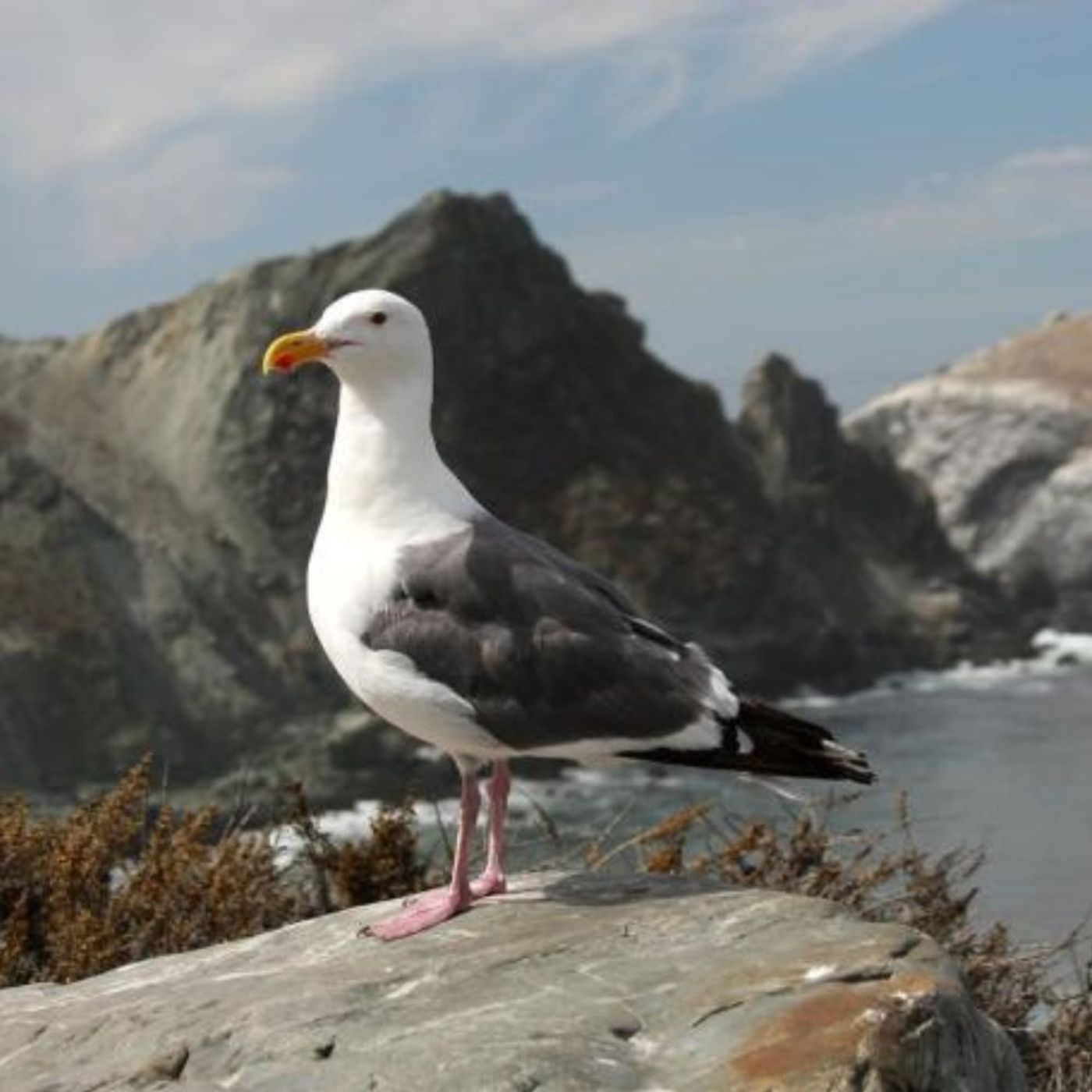
How Birds Drink
3d ago00:01:33Tap to summarizeHow do birds drink? A robin takes a mouthful of water and then tips its head way back to send the water down its gullet. Pigeons are among the few birds that can suck in water with their heads down. Swallows and swifts skim a beakful of water on the wing. Gulls, like the Western Gull, can even drink salt water. If you have a birdbath, be sure to keep it clean. The birds' health is at stake. More info and transcript at BirdNote.org. Want more BirdNote? Subscribe to our weekly newsletter. Sign up for BirdNote+ to get ad-free listening and other perks. BirdNote is a nonprofit. Your tax-deductible gift makes these shows possible. Hosted by Simplecast, an AdsWizz company. See pcm.adswizz.com for information about our collection and use of personal data for advertising.
Transcribe →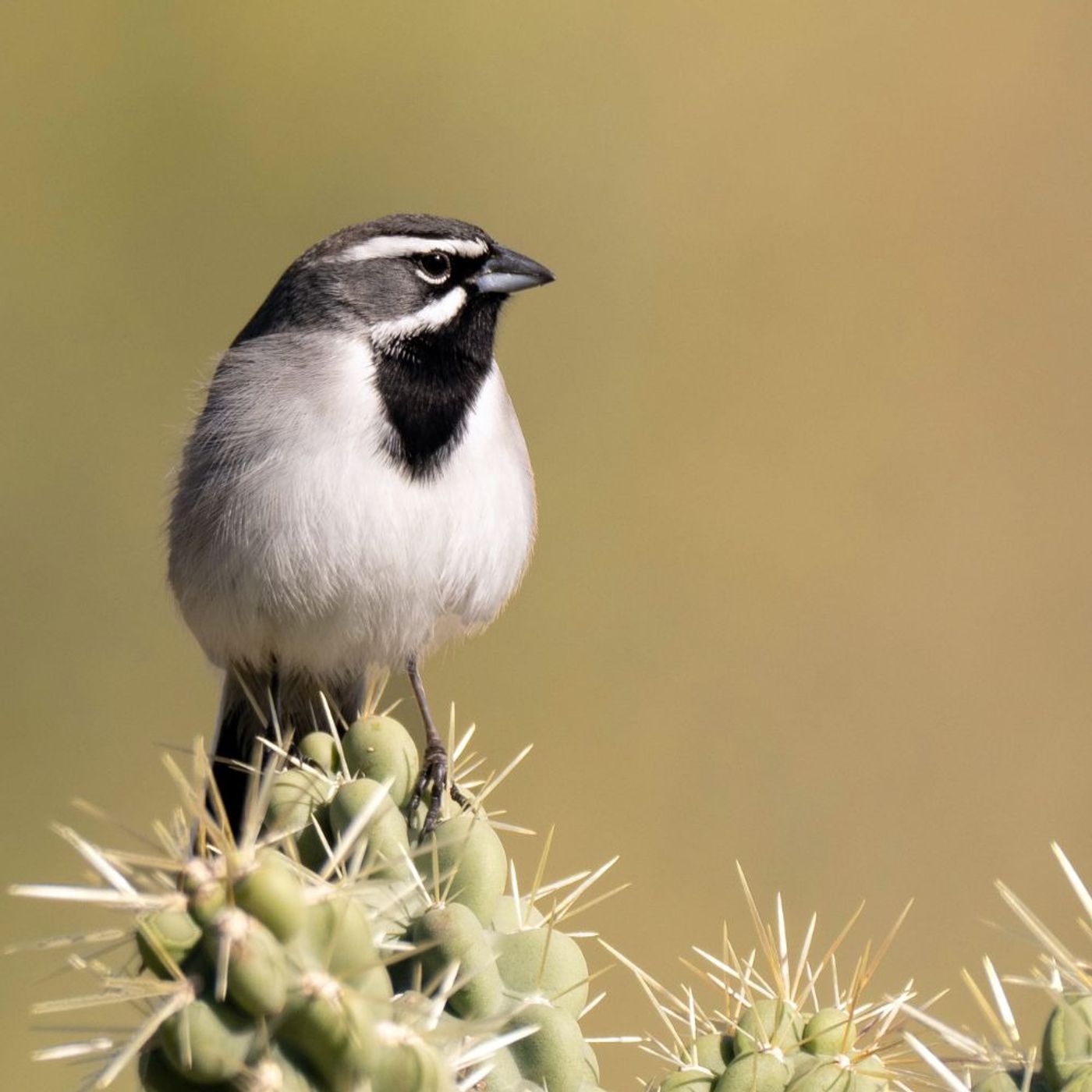
Black-throated Sparrow Sings in the Desert
4d ago00:01:42Tap to summarizeSparrows are iconic desert denizens of the southwestern U.S. and northern Mexico. They thrive in open arid habitats, with evenly spaced shrubs, trees, and cacti. Historically, these native ecosystems were naturally maintained with frequent, low-intensity fires. But decades of drought and fire suppression have set the stage for hotter, more destructive blazes. We can protect Black-throated Sparrows and their vibrant habitats by preventing overgrazing on rangelands, combating the spread of invasive plants, and restoring a sustainable fire regime to the landscape. More info and transcript at BirdNote.org. Want more BirdNote? Subscribe to our weekly newsletter. Sign up for BirdNote+ to get ad-free listening and other perks. BirdNote is a nonprofit. Your tax-deductible gift makes these shows possible. Hosted by Simplecast, an AdsWizz company. See pcm.adswizz.com for information about our collection and use of personal data for advertising.
Transcribe →
Piper’s Sandpipers
5d ago00:01:45Tap to summarizeIn this special kids edition of BirdNote Daily, Piper Bayard shares her love of sandpipers. More info and transcript at BirdNote.org. Want more BirdNote? Subscribe to our weekly newsletter. Sign up for BirdNote+ to get ad-free listening and other perks. BirdNote is a nonprofit. Your tax-deductible gift makes these shows possible. Hosted by Simplecast, an AdsWizz company. See pcm.adswizz.com for information about our collection and use of personal data for advertising.
Transcribe →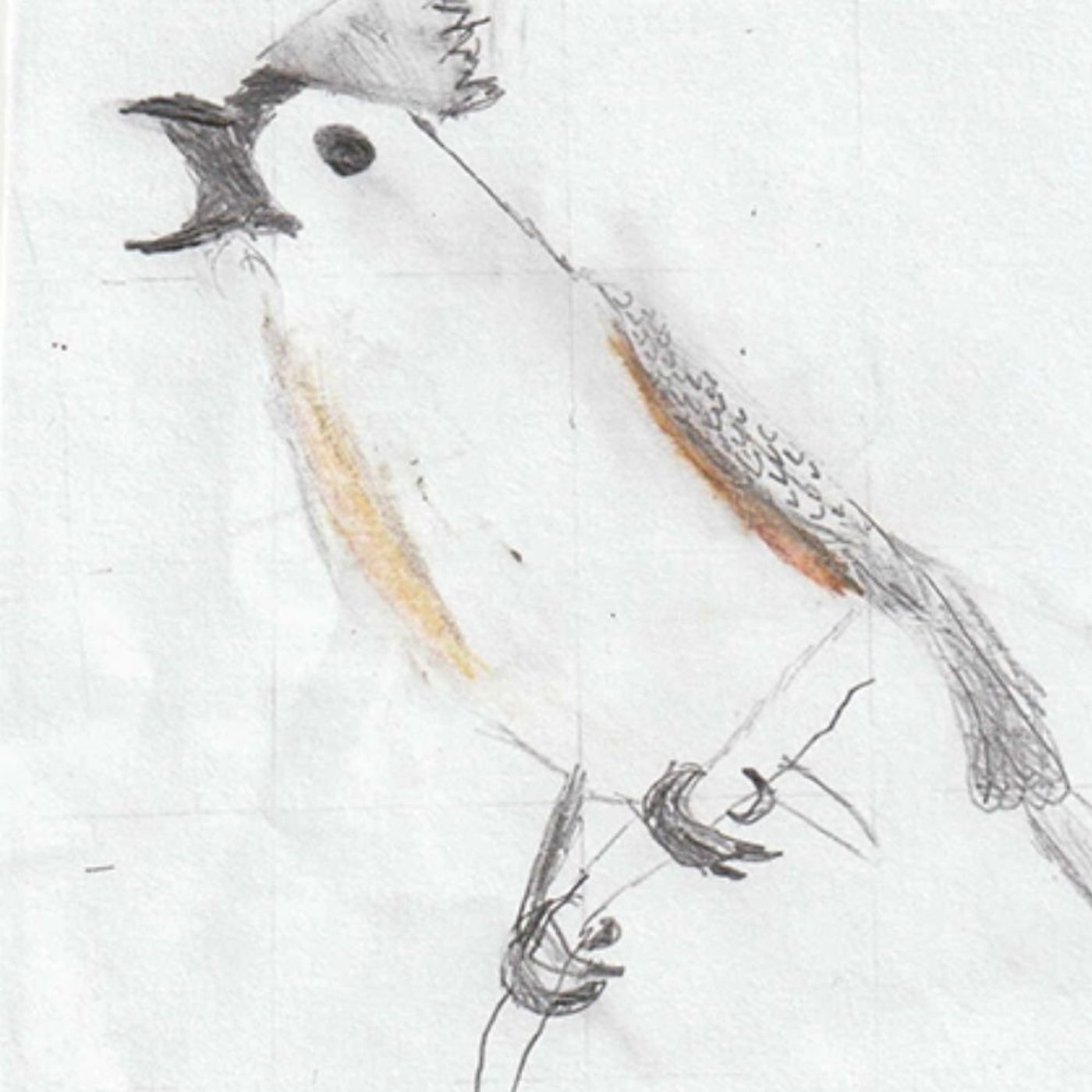
Learning More About Birds by Sketching Them
6d ago00:01:34Tap to summarizeMany people take an interest in birds as they get older. But others start very early, like one young BirdNote listener named Ben Bradmon. He has been learning how to identify birds by their calls. His favorite is the Tufted Titmouse. He has also begun deepening his knowledge of birds by sketching them, letting him focus on details of the birds’ appearance and their habitats. More info and transcript at BirdNote.org. Want more BirdNote? Subscribe to our weekly newsletter. Sign up for BirdNote+ to get ad-free listening and other perks. BirdNote is a nonprofit. Your tax-deductible gift makes these shows possible. Hosted by Simplecast, an AdsWizz company. See pcm.adswizz.com for information about our collection and use of personal data for advertising.
Transcribe →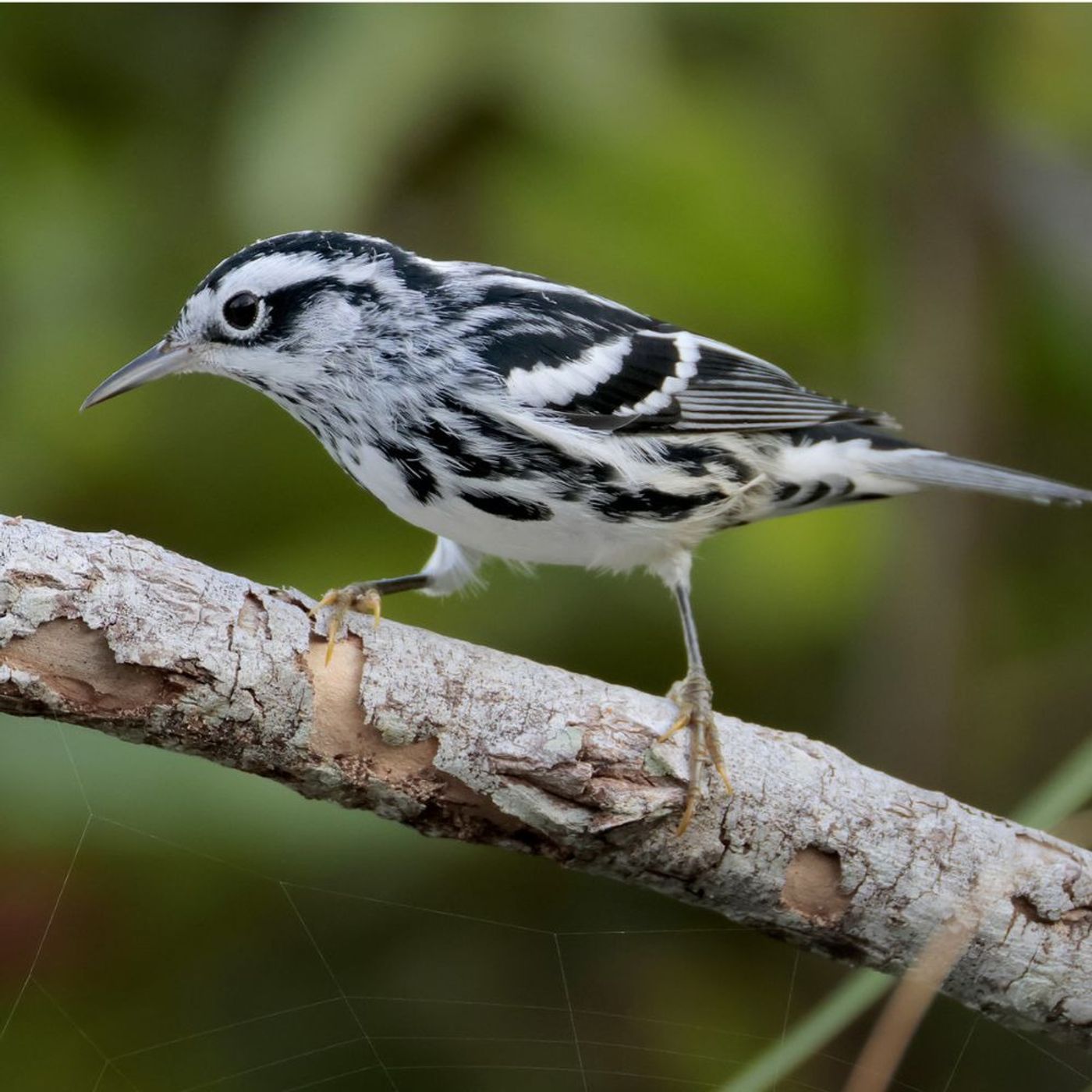
The Black-and-White Warbler
1w ago00:01:45Tap to summarizeBlack-and-white Warblers are tiny songbirds that breed in North America’s deciduous forests and winter as far south as Colombia. They feast on insects gleaned from leaves or plucked from cracks in tree bark. You’ll often find them clinging to tree trunks or the undersides of thick branches — acting more like a nuthatch than a warbler. Like many songbirds, Black-and-white Warblers migrate at night — using the stars to navigate. Unfortunately, nocturnal light pollution can disrupt their sense of direction or cause them to collide with buildings. You can help Black-and-white Warblers by turning off outdoor lights and shading your windows at night, especially during migration season. BirdNote is supported by Chris Cluett of Seattle, Washington — and generous listeners around the world. More info and transcript at BirdNote.org. Want more BirdNote? Subscribe to our weekly newsletter. Sign up for BirdNote+ to get ad-free listening and other perks. BirdNote is a nonprofit. Your tax-deductible gift makes these shows possible. Hosted by Simplecast, an AdsWizz company. See pcm.adswizz.com for information about our collection and use of personal data for advertising.
Transcribe →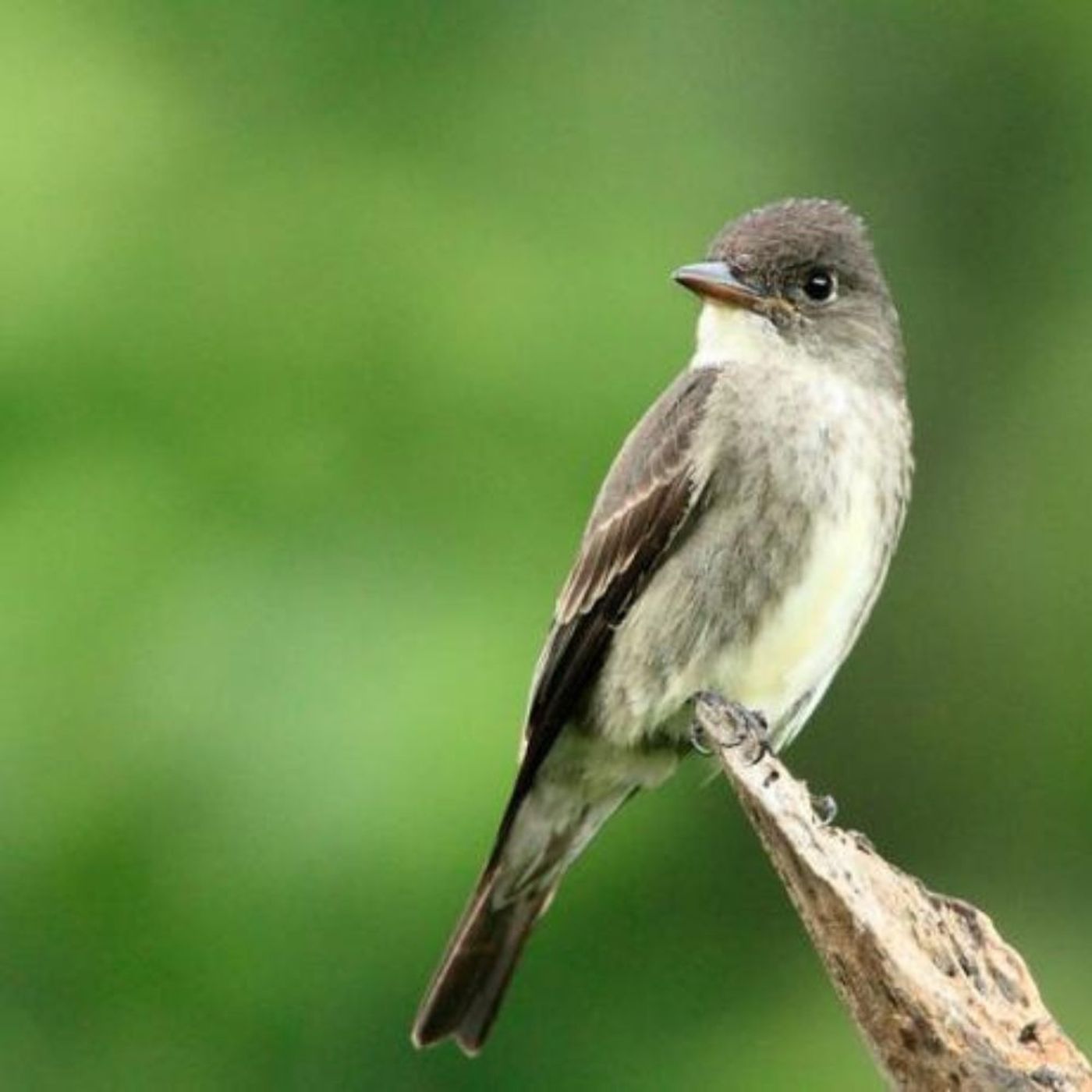
Another BirdNote Quiz
1w ago00:01:43Tap to summarizeLet's have some fun and test your bird ID skills! This quiz features: an American Robin an Olive-sided Flycatcher, (like the photo above) a Red-tailed Hawk a Steller's Jay, which you're most likely to hear west of the Rockies and a Blue Jay, usually seen east of the Rockies. More info and transcript at BirdNote.org. Want more BirdNote? Subscribe to our weekly newsletter. Sign up for BirdNote+ to get ad-free listening and other perks. BirdNote is a nonprofit. Your tax-deductible gift makes these shows possible. Hosted by Simplecast, an AdsWizz company. See pcm.adswizz.com for information about our collection and use of personal data for advertising.
Transcribe →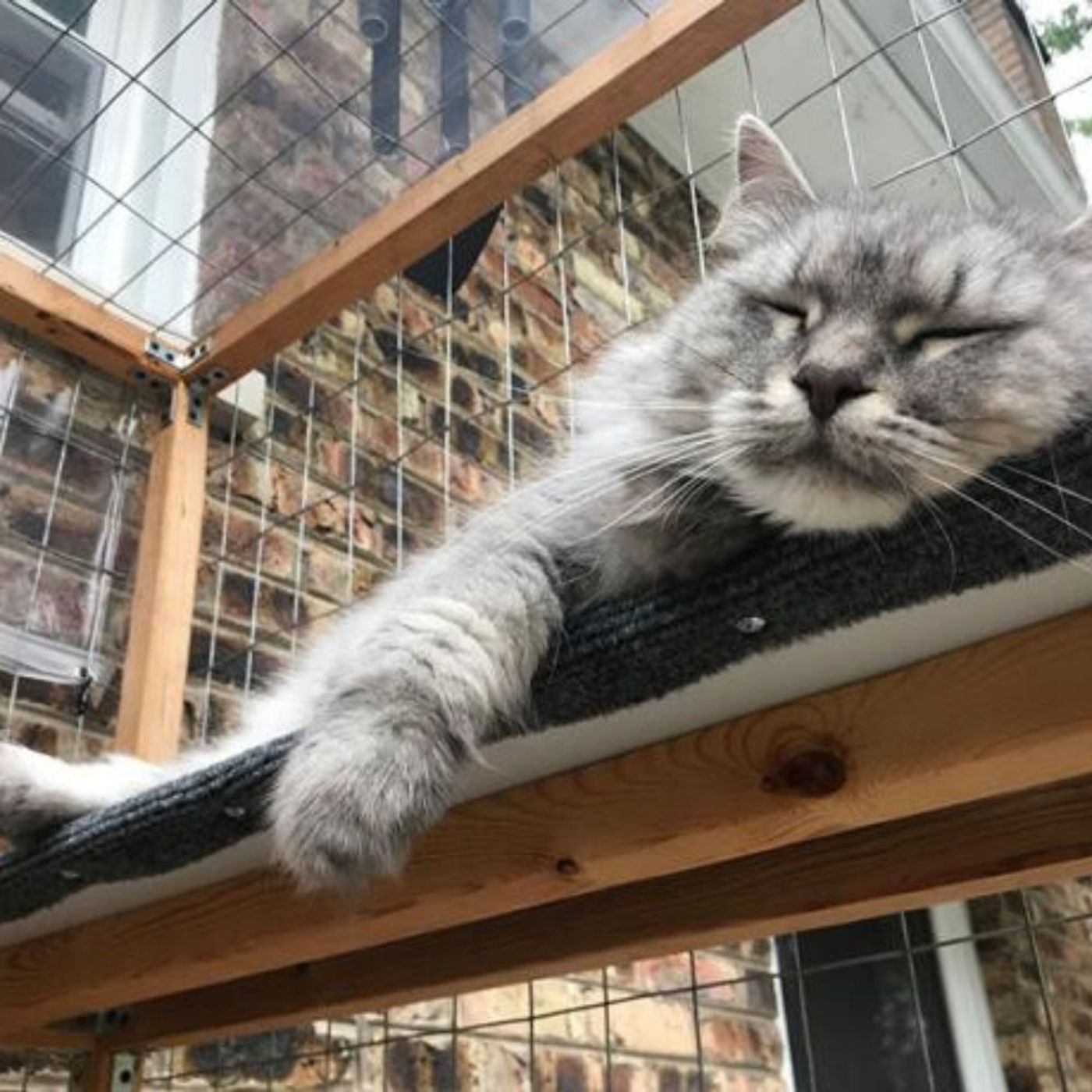
Catios — The Best of Both Worlds
1w ago00:02:36Tap to summarizeCats love the outdoors, but they’re also one of the biggest threats to birds — killing as many as four billion a year in North America. Outdoor cats also live much shorter lives. Cynthia Chomos designed a cat patio or “catio” so that everyone can win. The enclosed outdoor space keeps both cats and birds safe. Learn more in season 1 of Bring Birds Back, available in your favorite podcast app! More info and transcript at BirdNote.org. Want more BirdNote? Subscribe to our weekly newsletter. Sign up for BirdNote+ to get ad-free listening and other perks. BirdNote is a nonprofit. Your tax-deductible gift makes these shows possible. Hosted by Simplecast, an AdsWizz company. See pcm.adswizz.com for information about our collection and use of personal data for advertising.
Transcribe →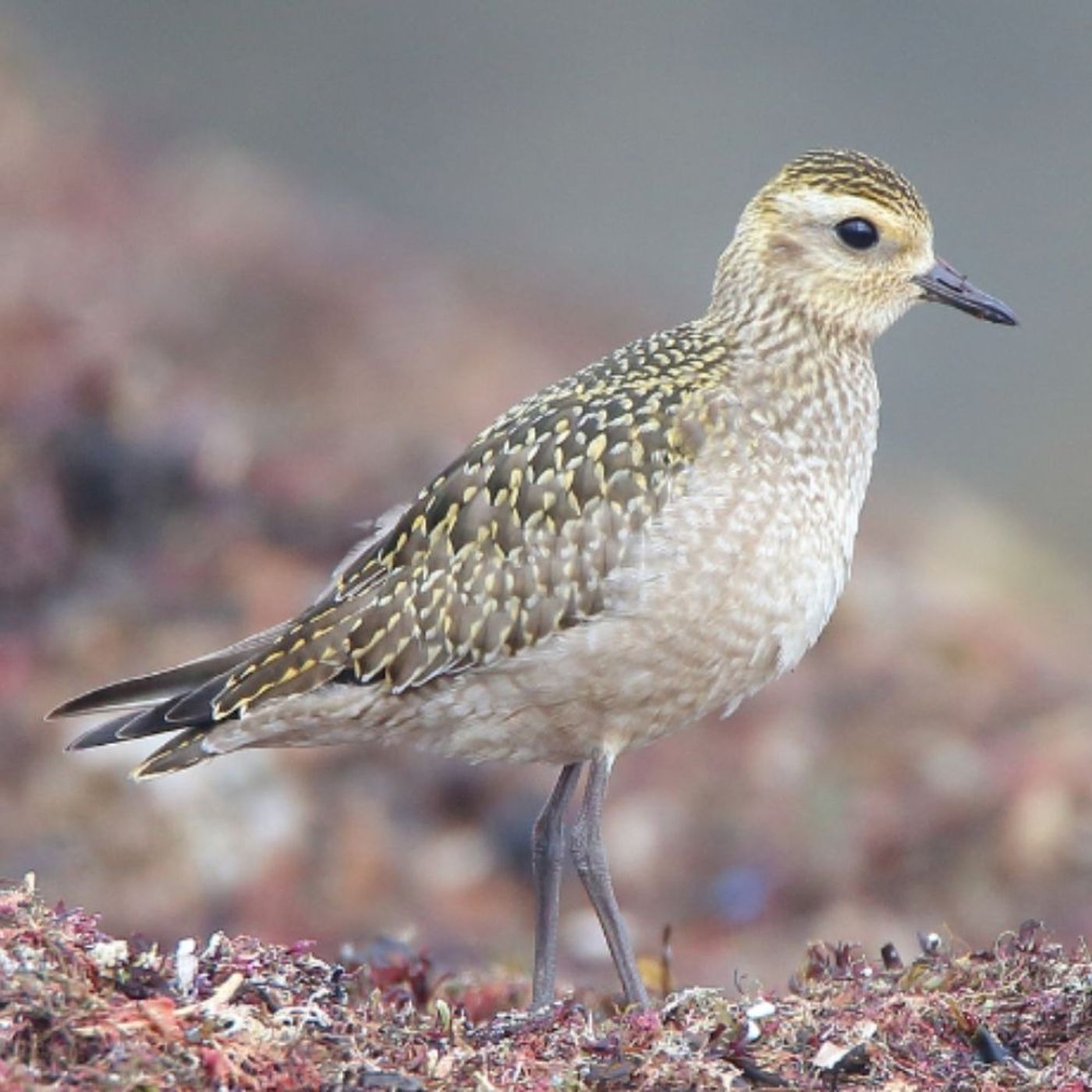
For Shorebirds, Summer Ends Early
1w ago00:01:45Tap to summarizeWe often think of birds migrating south in the fall. But many species kick off their big trips surprisingly early in the year. Shorebirds nesting in the Arctic tundra are an extreme example. Birds like the American Golden-Plover have a small window of time to build a nest, find a mate, and lay eggs in the short Arctic growing season. Golden-plovers actually leave their juvenile young behind to begin flying south in mid-summer. The juveniles find their own way to South America later in the year! More info and transcript at BirdNote.org. Want more BirdNote? Subscribe to our weekly newsletter. Sign up for BirdNote+ to get ad-free listening and other perks. BirdNote is a nonprofit. Your tax-deductible gift makes these shows possible. Hosted by Simplecast, an AdsWizz company. See pcm.adswizz.com for information about our collection and use of personal data for advertising.
Transcribe →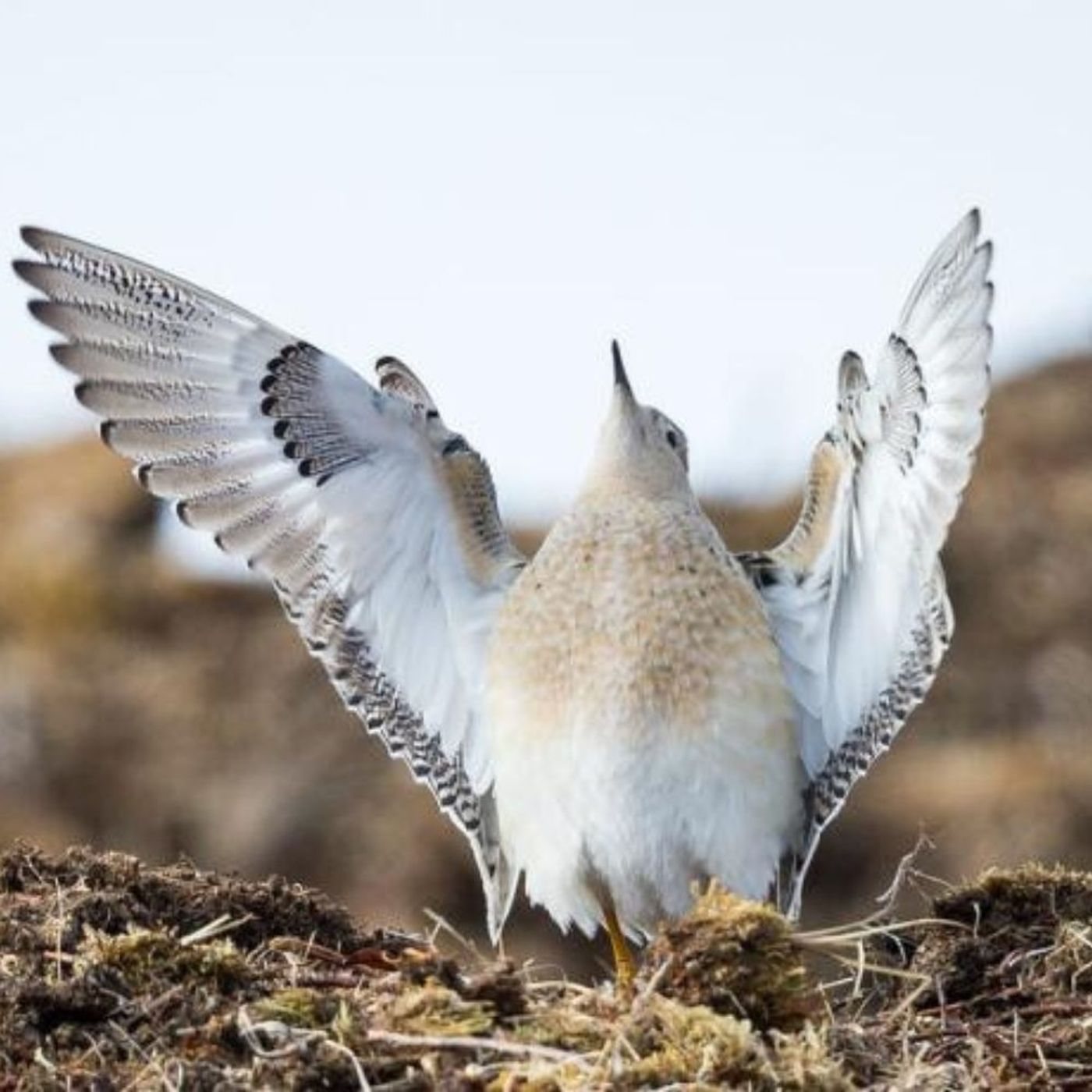
Buff-breasted Sandpiper
2w ago00:01:45Tap to summarizeA male Buff-breasted Sandpiper courts a female on their breeding grounds far north of the Arctic Circle. He raises his wings, flashing their silvery-white undersides, as he sings his clicking serenade. These birds spend much of the year on grasslands in Argentina, migrating to the Arctic in late spring. In the lower 48, September is a good time to look for this long-distance traveler. During migration, they show a distinct preference for grassy expanses such as pastures and rice fields. Purchasing organic rice can help secure the future of a threatened species like the Buff-breasted Sandpiper. More info and transcript at BirdNote.org. Want more BirdNote? Subscribe to our weekly newsletter. Sign up for BirdNote+ to get ad-free listening and other perks. BirdNote is a nonprofit. Your tax-deductible gift makes these shows possible. Hosted by Simplecast, an AdsWizz company. See pcm.adswizz.com for information about our collection and use of personal data for advertising.
Transcribe →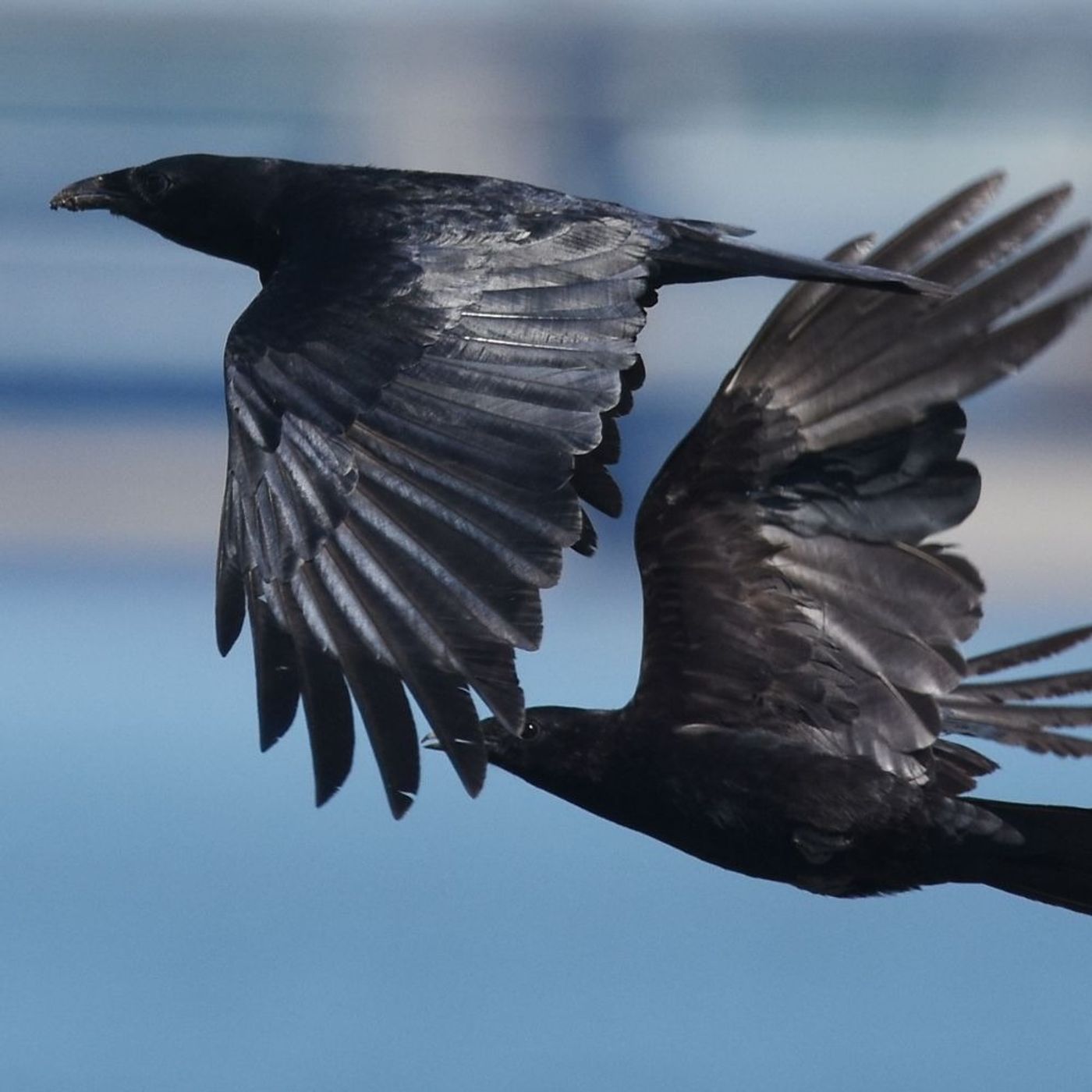
BirdNoir: That Crow Sounds Fishy
2w ago00:01:45Tap to summarizeEvery good investigator knows to stay vigilant for suspicious behavior. But not every unfamiliar bird is caw-se for alarm. In this episode of BirdNoir, Private Eye Michael Stein reveals that there’s more to a crow than meets the eye. More info and transcript at BirdNote.org. Want more BirdNote? Subscribe to our weekly newsletter. Sign up for BirdNote+ to get ad-free listening and other perks. BirdNote is a nonprofit. Your tax-deductible gift makes these shows possible. Hosted by Simplecast, an AdsWizz company. See pcm.adswizz.com for information about our collection and use of personal data for advertising.
Transcribe →